 To enhance service speed and avoid tariff delays, we've opened a US warehouse. All US orders ship directly from our US facility.
| Cat. No. | Product Name | Field of Application | Chemical Structure |
|---|---|---|---|
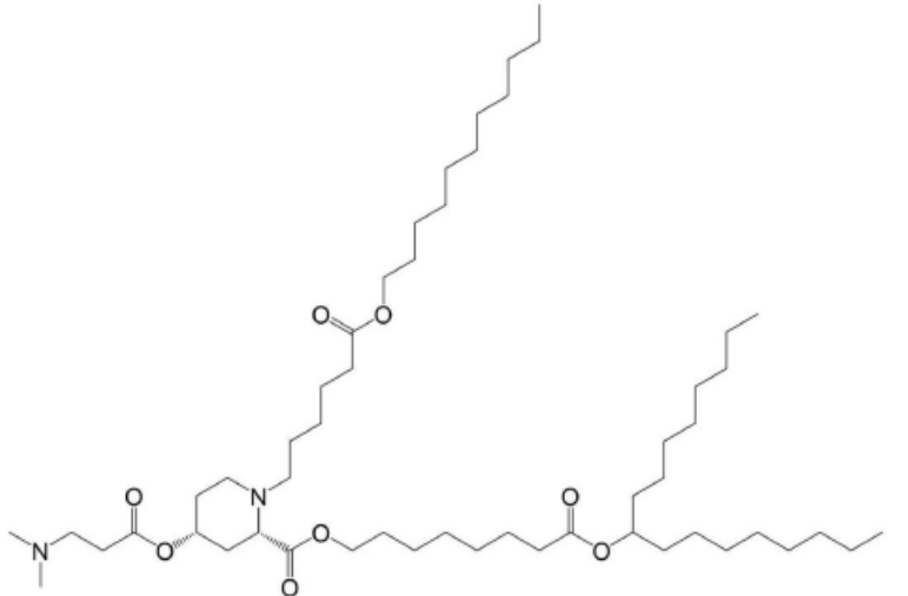
| DC60929 | Sail Lipid 2310 Featured |
Lipid 2310 is a novel ionizable lipid developed by Sail Biomedicine demonstrates excellent performance with a spleen-to-liver ratio of 5.58 and a very high total expression level of 1.3E+07. Lipid 2310 offers a strong balance of efficient systemic protein production and clear preferential delivery to the spleen.
More description
|
|
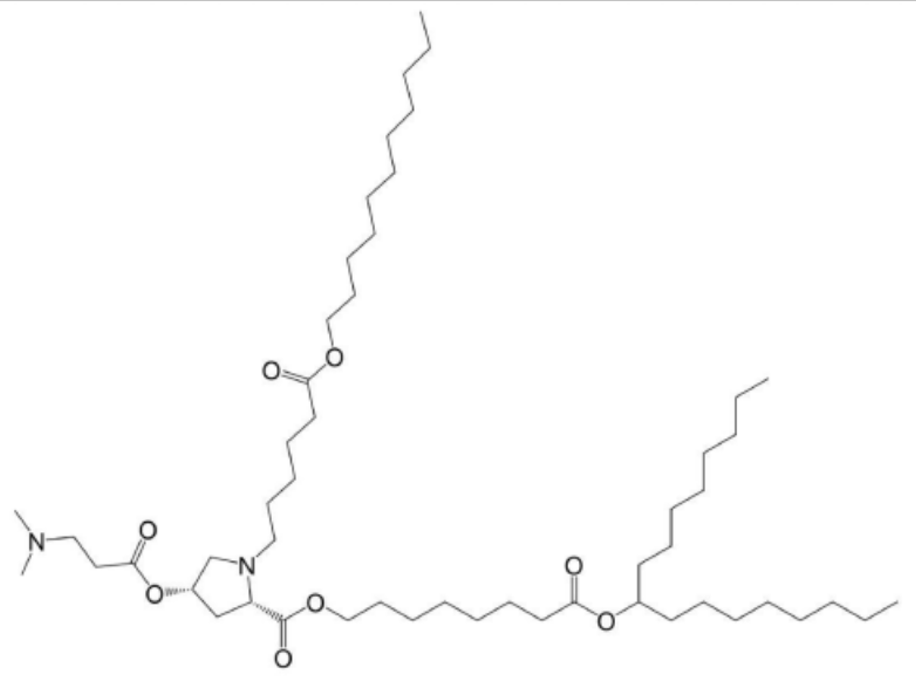
| DC60928 | Sail Lipid 2306 Featured |
Lipid 2306 is a novel ionizable lipid developed by Sail Biomedicine demonstrates excellent performance with a spleen-to-liver ratio of 3.68 and a very high total expression level of 2.5E+07. Lipid 2306 offers a strong balance of efficient systemic protein production and clear preferential delivery to the spleen.
More description
|
|
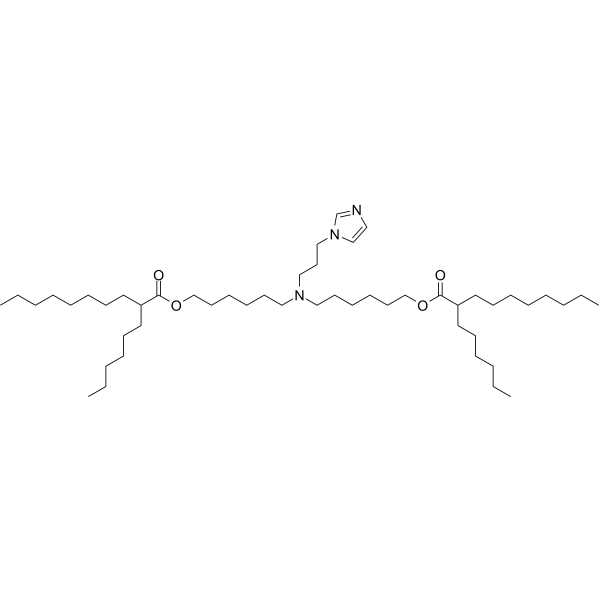
| DC82209 | ORNA Lipid 10a-26 Featured |
Lipid 10a-26 is an ionizable lipid developed by Orna Therapeutics for lipid nanoparticle (LNP) formulations. Lipid 10a-26 is a key ionizable lipid in the LNP-6 formulation. Through structural modification, it exhibits reduced binding to ApoE proteins and lowered liver affinity compared to traditional ionizable lipids. Instead, Lipid 10a-26 demonstrates strong splenic tropism—in non-human primate studies, it effectively delivers payloads to the spleen and immune cells in peripheral blood, such as T cells, NK cells, and macrophages, enabling the possibility of "in vivo CAR-T" therapy. Its pKa is tuned to approximately 6.0–6.5, allowing rapid protonation in the acidic endosomal environment, which promotes endosomal membrane disruption and efficient cytosolic release of circular RNA.
More description
|
|
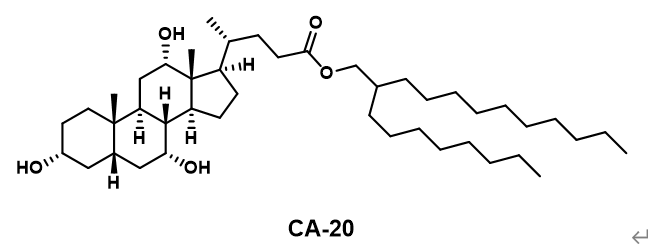
| DC68205 | CA-20 Featured |
CA-20 is a bile acid-derived sterol designed to replace cholesterol in mRNA LNPs. It achieves high mRNA encapsulation efficiency up to 87.4% and forms uniform, spherical nanoparticles with ordered membrane structures confirmed by cryo-TEM and MD simulations. In vivo, CA-20 drastically cuts hepatic mRNA expression while shifting nearly all gene expression to the spleen, driven by reduced ApoE protein binding on LNP surfaces. Using HA mRNA vaccines, CA-20 LNPs trigger stronger antigen-specific IgG, neutralizing antibodies, memory B cells and IFN-γ-secreting T cells than cholesterol LNPs. Acute safety tests prove CA-20 causes minimal liver damage, with normal serum liver enzymes and intact organ histology, delivering balanced superior immunogenicity and low liver toxicity for spleen-targeted mRNA vaccine delivery.
More description
|
|
| DC67605 | PyCB lipid Featured |
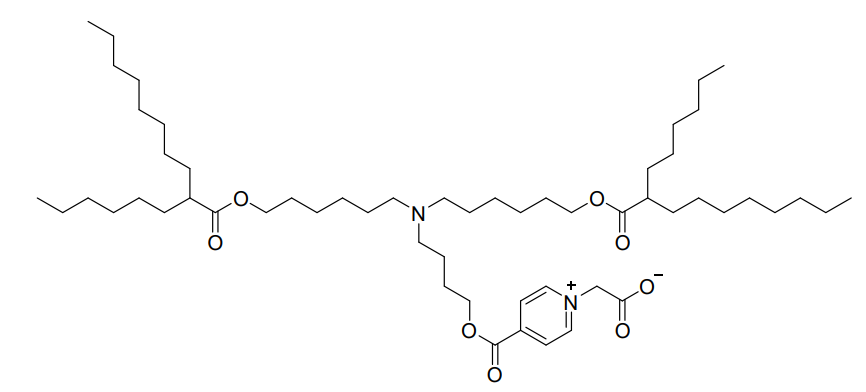
PyCB lipid (MeDZ) is a rationally designed zwitterionic ionizable lipid that serves as a core functional component in the novel three-component (ThrCo) lipid nanoparticle (LNP) platform. It is synthesized by covalently attaching a zwitterionic PyCB structure to the hydroxyl group of the clinically available ionizable lipid ALC-0315.Its key feature is its pH-responsive behavior. At physiological pH (~7.4), the PyCB headgroup exhibits zwitterionic properties, forming charge-assisted hydrogen bonds with water molecules (PyCB-H₂O complexes). This confers high hydrophilicity to the LNP surface, enhancing stability in aqueous environments and reducing nonspecific protein adsorption in the bloodstream. This zwitterionic surface effectively mimics and replaces PEGylated lipids, thereby avoiding PEG immunogenicity and the associated Accelerated Blood Clearance (ABC) effect upon repeated administrations.Crucially, in the acidic environment of endosomes (pH ~6.5), the PyCB group undergoes strong protonation, rapidly transforming into a cationic state (PyCB-H₃O⁺ complexes). This promotes efficient fusion with and disruption of the endosomal membrane, facilitating the escape and cytoplasmic release of encapsulated mRNA.By replacing both cholesterol and PEGylated lipids in traditional LNPs, PyCB lipid enables the redirection of LNP biodistribution from the liver to the spleen, achieving superior spleen-specific mRNA translation and enhancing antigen presentation for potent immune activation.
More description
|
|
| DC68179 | A5-CE-C7−6 Featured |
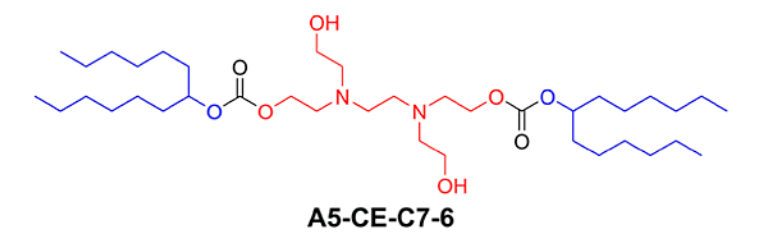
A5-CE-C7-6 is an ionizable lipid engineered for spleen-targeted mRNA delivery, integrating a hydroxylated dual-amine core (A5) for enhanced mRNA binding and endosomal escape, a biodegradable carbonate ester linker (CE) enabling rapid hydrolysis (61% degradation in 24 h), and branched heptyl hydrophobic tails (C7-6) that optimize nanoparticle stability and spleen tropism. When formulated into cholesterol-free lipid nanoparticles (B-8 formulation), its unique architecture—combining hydroxyl groups for cellular uptake, carbonate-mediated biodegradability, and branched-chain fluidity—achieves unprecedented efficiency: low pKa (~6.0) minimizes liver accumulation while enabling 21% transfection of splenic NK cells, outperforming benchmark systems like MC3 SORT LNPs by >10-fold in spleen-specific delivery and establishing a new standard for in vivo immune cell engineering.
More description
|
|
| DC68151 | KC-34 (S,S) Featured |
KC‑34 (SPC‑A9) is a novel stereopure, diketopiperazine-based ionizable cationic lipid engineered to overcome traditional liver-restricted delivery, achieving balanced multi-organ mRNA transfection. Upon systemic intravenous administration, its precisely optimized chiral configuration allows the lipid nanoparticles (LNPs) to efficiently cross endothelial barriers and target the bone marrow, offering immense therapeutic potential for in vivo hematopoietic stem cell gene editing. Concurrently, KC-34 mediates robust and long-lasting protein expression in the spleen and lungs with minimal hepatic off-target toxicity. Its stable structure provides excellent biocompatibility and high in vivo tolerance, making it ideal for systemic, multi-dose mRNA therapies.
More description
|
.png)
|
| DC67540 | Lipid A5-CE-C7-6(3 tail) Featured |
A5-CE-C7-6 (3-tail analog) is a structural control compound derived from the standard 2-tail lipid(A5-CE-C7-6), with three carbonate alkyl chains linked to the A5 amine core.
More description
|

|
| DC67553 | Lipid PL40 Featured |
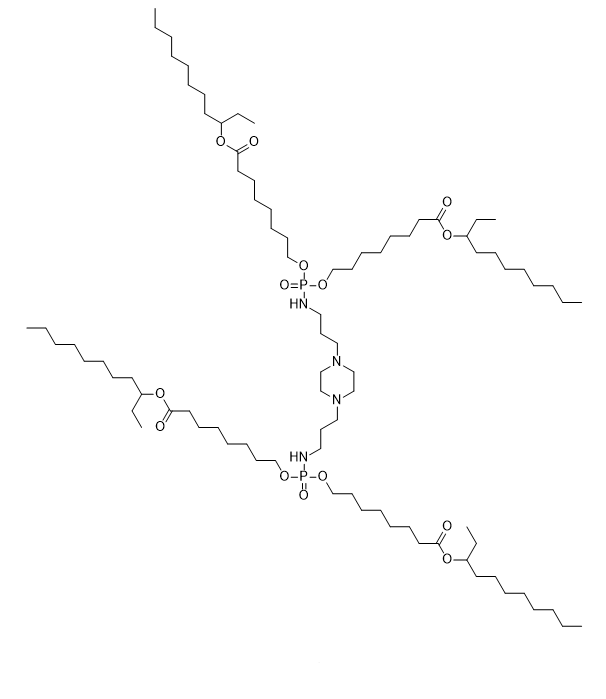
PL-40 is a cardiolipin-mimetic ionizable lipid engineered for high-efficiency, antibody-free mRNA delivery to T cells. PL 40 LNPs exhibit a mean particle size of 120 nm, zeta potential of -5.19 mV, and >80% mRNA encapsulation efficiency, with excellent plasma stability (≤5% size change after 6h in serum). Cryo-TEM reveals polyhedral nanoparticles with phase-separated domains, while SAXS confirms tight mRNA packing (d-spacing: ~3 nm vs. 6.64 nm in conventional LNPs). AFM demonstrates exceptional rigidity (high bending modulus), enabling T cell-selective uptake via actin-mediated endocytosis (>2× higher than ALC0315 LNPs).In primary human T cells, PL40 LNPs achieve >90% transfection at 0.5 μg mRNA dose and sustain >100× higher luciferase expression than benchmark lipids. When delivering circular RNA, they extend protein expression >5 days with superior spleen tropism (spleen:liver ratio = 2.63). Crucially, they reprogram T cells into functional CAR-Ts in vivo without antibody conjugation, evading exhaustion markers (no Tim-3/PD-1 upregulation). Therapeutically, PL40-based uPAR-targeted CAR mRNA reduces liver fibrosis (collagen↓50%, ALT↓50%) and rheumatoid arthritis severity (clinical scores↓60%) by clearing senescent cells. Humanized anti-uPAR CARs delivered via PL40 show near-complete cytotoxicity (>95%) against uPAR+ cells, underscoring clinical translatability.
More description
|
|
| DC67568 | ORNA Lipid AX-6 Featured |
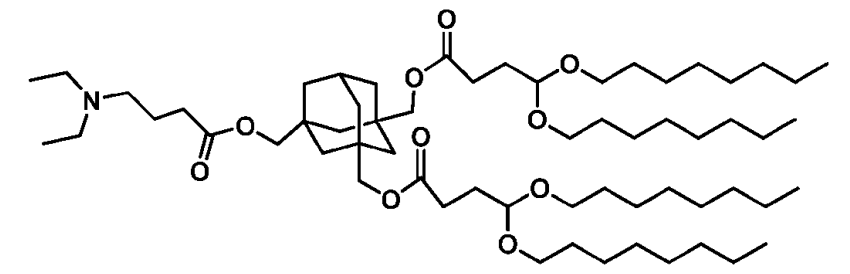
AX6 is an ionizable lipid in the F32 LNP formulation, engineered by ReNAgade/Orna Therapeutics for targeted mRNA delivery to T cells. AX-6's unique bridged bicyclic/polycyclic core with a tertiary amine group enables pH-dependent protonation and endosomal escape, while C14-C18 hydrophobic tails (optionally branched/fluorinated) enhance bilayer stability and mRNA encapsulation. Demonstrating exceptional T-cell tropism, AX6 achieves high transfection efficiency in CD4+/CD8+ T cells (validated in NHP/humanized models) with minimal toxicity. Compared to clinical benchmarks (SM-102, ALC-0315), its rigid core offers superior serum stability and immune-cell specificity, positioning it as an ideal candidate for CAR-T/NK therapies and next-gen vaccines. The F32 LNP system's proven efficacy (e.g., in vivo B-cell depletion) underscores AX 6's transformative potential for cell engineering and immunotherapies.
More description
|
|
| DC68057 | Lipid Trp-L1-T4 Featured |
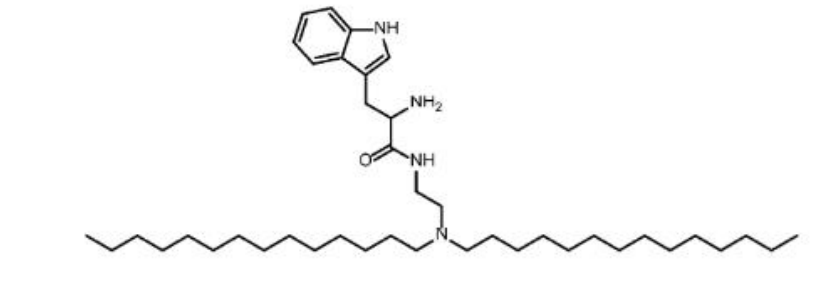
Trp-L1-T4 is a novel tryptophan-derived ionizable lipid that serves as the core functional component of the optimized lipid nanoparticle (TLNP/RLNP) platform. Its primary function is to enable the efficient encapsulation and in vivo delivery of self-amplifying RNA (saRNA) cargo. Specifically, it facilitates high transfection efficiency and cytosolic release of the RNA payload in target follicular helper T (Tfh) cells, with minimal cytotoxicity. This capability is crucial for reprogramming pathogenic Tfh cells into regulatory CAR-Tfh cells, forming the foundation of the study's therapeutic strategy.
More description
|
|
| DC68177 | L52715 Featured |
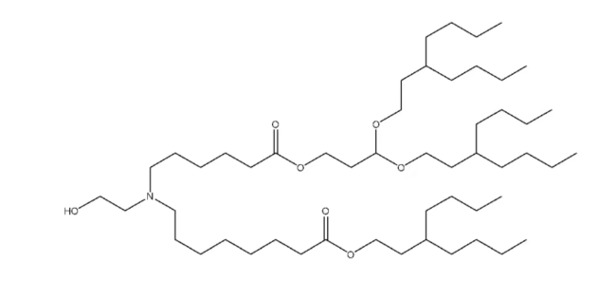
L52715 is a novel ionizable lipid developed by Shanghai Vitalgen, used to deliver mRNA.
More description
|
|
| DC60463 | MIC2 Featured |
MIC2 is a set of multi-charged lipids with four tertiary amino nitrogen atoms (4N4T) which could be constructed and applied to form novel lipid nanoparticles. 4N4T-LNPs based on MIC2 exhibit much higher mRNA translation efficiency than the approved SM-102-LNPs. 4N4T-LNPs are successfully applied to DS mRNA vaccine and the vaccines worked well against SARS-CoV-2 and its variants, including Delta and Omicron.
More description
|

|
| DC60537 | C18 NC-TNP Featured |
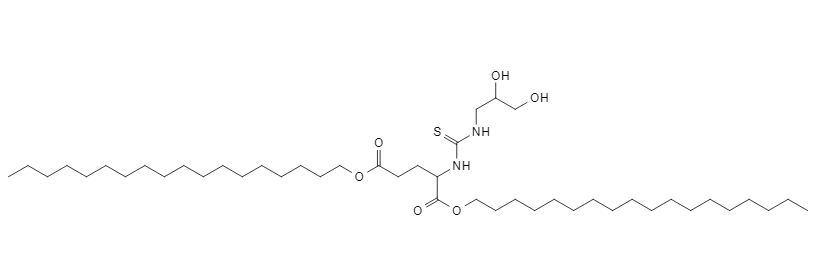
C18 NC-TNP is a novel noncationic thiourea lipid without positively charged groups. It binds nucleic acids via hydrogen bonds instead of electrostatic attraction, avoiding cation-triggered systemic inflammation. Formulated into nanoparticles, it efficiently encapsulates mRNA, siRNA and plasmids, shows excellent serum tolerance and long-term liquid/lyophilized storage stability. It enters cells mainly through macropinocytosis, escapes endosomes intact to reduce nucleic acid degradation. In vivo, it targets spleen preferentially, induces robust long-lasting Th1-type cellular and humoral immunity with minimal organ toxicity, superior to SM102 LNPs for mRNA cancer vaccine delivery.
More description
|
|
| DC68141 | AMG514 Featured |
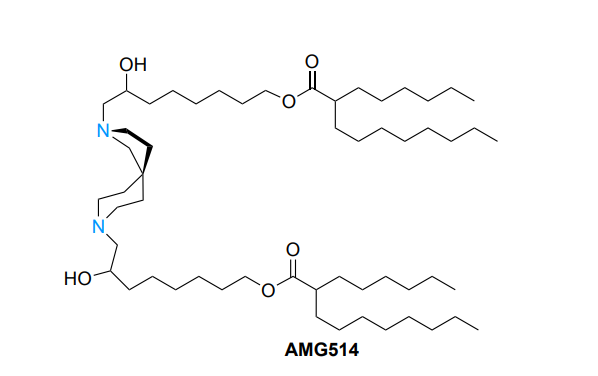
AMG514 is a novel ionizable lipid designed for formulating spleen-targeting lipid nanoparticles (LNPs) to deliver immune‑remodeling mRNAs (IR‑mRNAs). Its key advantage lies in the formation of a unique “protein corona” enriched with vitronectin, coagulation factors, and specific apolipoproteins (e.g., ApoA‑IV), together with its relatively high apparent pKa (~7.5), which actively redirects LNPs to the spleen instead of the liver. This precise spleen‑targeting property enables efficient transfection of splenic antigen‑presenting cells (APCs). As a vaccine adjuvant, AMG514‑LNPs therefore elicit a more robust activation of adaptive immunity compared to conventional LNPs (e.g., cKK‑E12), generating significantly enhanced antigen‑specific CD8⁺ T‑cell and antibody responses, and inducing durable anti‑tumor immune memory in preclinical models.
More description
|
|
| DC60942 | 113-AA-C8C14 Featured |
113-AA-C8C14 is a spleen-tropic ionizable lipid with inherent splenic organ selectivity. Its formulated LNPs drastically reduce off-target liver uptake and drive 57-fold higher mRNA expression in spleen versus benchmark LNPs. It preferentially delivers nucleic acids to splenic immune cells like macrophages and T lymphocytes, supporting in vivo CAR-T engineering and mRNA vaccine research with minimal accumulation in other visceral organs.
More description
|
|
| DC65619 | Lipid 11-A-M Featured |
Lipid 11-A-M (LNP Lipid-8) is a specialized single-tail, multi-head ionizable cationic lipid engineered for targeted nucleic acid delivery to T cells. Unlike traditional lipids that exhibit strong liver tropism, 11-A-M formulations successfully bypass hepatocytes, resulting in negligible liver accumulation and toxicity. Upon intravenous administration, it naturally localizes to peripheral immune organs, enabling robust gene silencing and transfection specifically within splenic CD3⁺ T cells, with a higher efficiency in CD8⁺ cytotoxic T cells over CD4⁺ helper T cells. This liver-evading, T cell-specific targeting profile makes it a premier tool for in vivo immunotherapy and in situ cell reprogramming.
More description
|

|
| DC60575 | U-101 Featured |
U-101 is an ionizable lipid for mRNA delivery. U101-LNP/IL-2F mRNA formulation demonstrats effective antitumor activity and safety.LNPs containing lipid U 101 and encapsulating mRNA encoding a fusion protein composed of IL-2, a linker, and CD25 inhibit tumor growth in an MC-38 mouse xenograft model.
More description
|

|
| DC82105 | 93-O17O Featured |
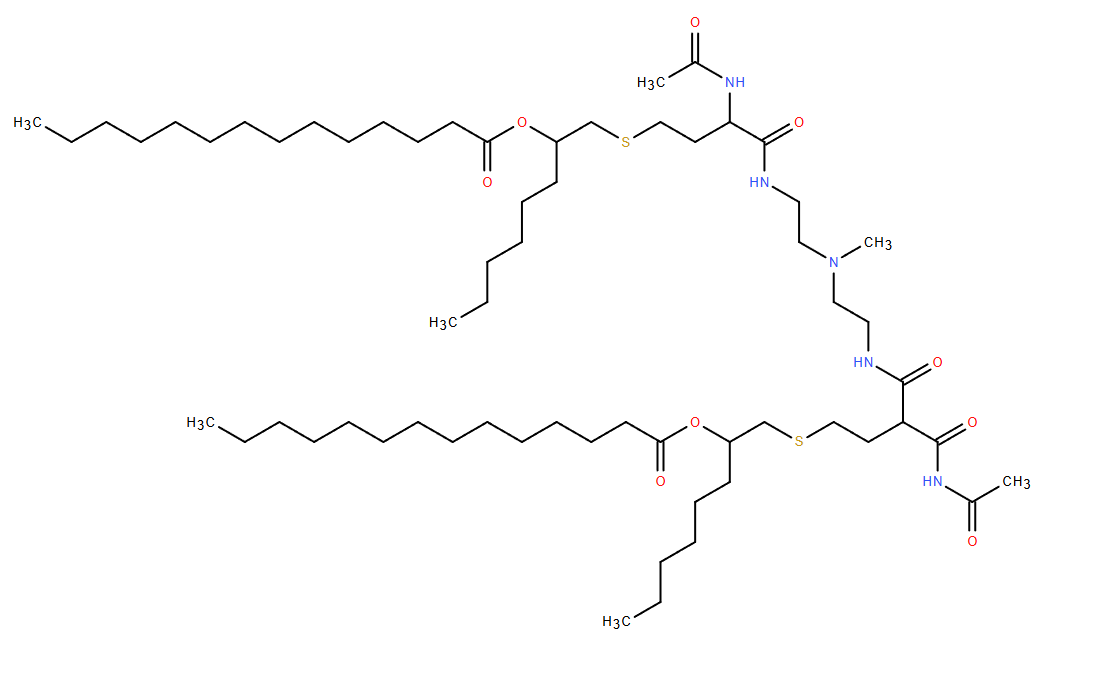
93-O17O is a chalcogen-containing ionizable cationic lipidoid. It has been used in the generation of lipid nanoparticles (LNPs). LNPs containing 93-O17O localize to the spleen after intravenous injection into mice.LNPs containing 93-O17O have been used for the delivery of Cre recombinase and ribonucleoproteins for genome editing in mice and for the intratumoral delivery of cGAMP to enhance cross-presentation of tumor antigens.
More description
|

|
| DC67570 | Generation Lipid 87 Featured |
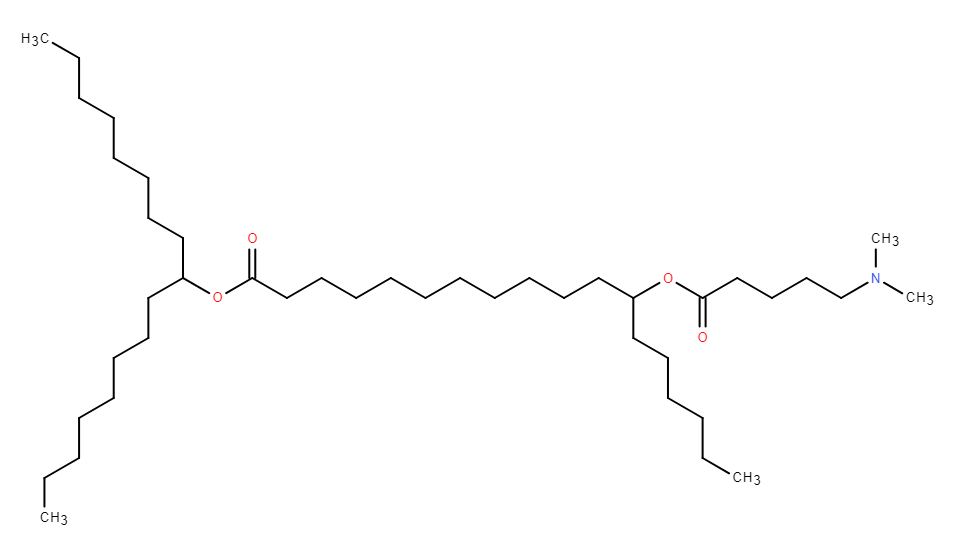
Lipid 87 is a proprietary ionizable lipid developed by Generation Bio. Used as a key ingredient in stealth LNPs, it greatly prolongs blood circulation time, maintains high nucleic acid encapsulation efficiency and low cytotoxicity, and enables effective liver targeting. Its relevant applications are documented in PCT patent WO2026/080826A1. As a core component (47.5–57.5 mol%) of stealth lipid nanoparticles (LNPs), it works synergistically with steric-stabilizing polymers like DSG-PEG₂₀₀₀-OMe to extend the in vivo blood half-life of LNPs to over 24 hours (compared to merely 30 minutes of conventional LNPs). It achieves an encapsulation efficiency above 95% for mRNA and closed-ended DNA (ceDNA), exhibits low cytotoxicity with an IC₅ value greater than 100 μM, and delivers robust liver-targeting performance, obtaining over 80% hepatocyte transfection at a dosage of 0.5 mpk. In preclinical models of hemophilia B, LNPs formulated with Lipid 87 can restore around 40% of clotting factor IX (FIX) activity for more than seven days.
More description
|
|
| DC67652 | CICL-242 Featured |
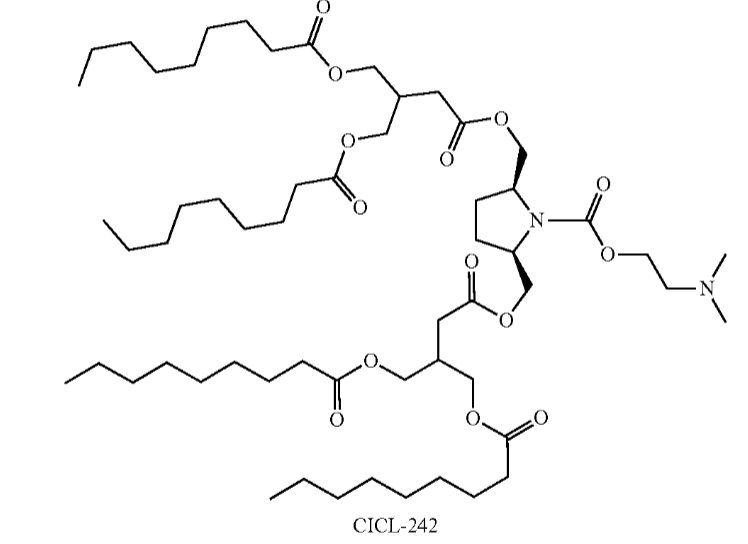
CICL-242 is a constrained ionizable cationic lipid highlighted in patent US 20250127728A1 developed by Capstan as a promising candidate for advanced therapeutic delivery, particularly in stem cell and gene editing applications. Its structure features a rigid amine headgroup similar to CICL-207, which likely facilitates efficient endosomal escape and reduces non-specific uptake, enhancing targeted nucleic acid delivery. Although detailed performance data is not fully disclosed in the patent, CICL-242 is explicitly synthesized and included in gene editing experimental systems (e.g., CRISPR-Cas9 workflows), suggesting its potential for high-efficiency transfection in hard-to-transfect cells like hematopoietic stem cells (CD34⁺). This makes it a strong candidate for ex vivo cell engineering and regenerative medicine, where precision and low off-target effects are critical. While further validation is needed to quantify its efficacy and safety profile, CICL-242 represents a strategic innovation in the lipid library for next-generation genetic therapies.
More description
|
|
| DC67515 | CICL-207 Featured |
CICL 207 is structurally optimized based on Lipid CICL-1. CICL207 is a constrained ionizable cationic lipid designed for lipid nanoparticle (LNP) delivery systems developed by Capstan. Its structure features a rigid cyclic backbone (e.g., pyrrolidine-derived core) paired with a tertiary amine group that ionizes at acidic pH (pKa ~6.5–7.0), enhancing endosomal escape. The lipid includes asymmetric hydrophobic tails (likely C14–C18 alkyl/ester chains) to stabilize LNP membranes and improve nucleic acid encapsulation. Integrated into LNPs (e.g., 58% CICL-207, 10% DSPC, 30.5% cholesterol, PEG-lipids), it enables targeted delivery to T cells (anti-CD5/CD8 tLNPs) with high transfection efficiency (spleen T cells >70% mCherry+), reduced liver uptake, and low toxicity (no significant ALT/AST elevation in rats). Its constrained design balances stability, tissue specificity, and biocompatibility for gene therapy applications.CICL 207 (F50) significantly outperforms CICL-1 by delivering dramatically enhanced target cell transfection with reduced off-target effects. It achieves >50% transfection efficiency in splenic T-cells—nearly double that of CICL-1—while slashing off-target expression in liver cells to <5% (versus >15% for CICL-1. This precision translates to superior therapeutic outcomes: CICL-207 enables ~95% B-cell depletion in CAR-T applications, far exceeding CICL-1 ’s ~60% efficacy. Critically, it maintains an exceptional safety profile, showing no significant liver toxicity or inflammatory cytokine elevation even at high doses. Furthermore, CICL-207 demonstrates 2-fold higher transfection efficiency in hematopoietic stem cells, enabling robust gene editing. Its optimized pKa (~6.5) and constrained amine structure enhance endosomal escape while minimizing Kupffer cell uptake, making it ideal for targeted therapeutics requiring both potency and safety.
More description
|

|
| DC67995 | Lipid 22 Featured |
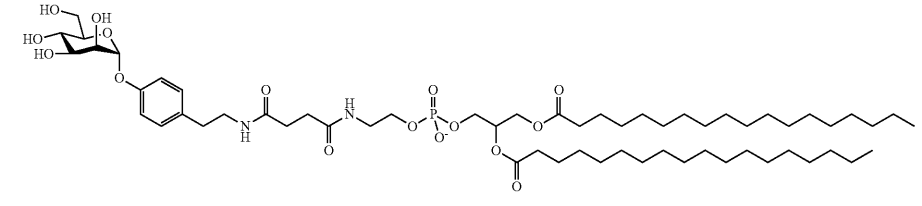
Compound 22, as detailed in United States Patent US 2026/0014089 A1, is a bifunctional ionizable lipid engineered for precision drug delivery. Its structure integrates a monosaccharide targeting headgroup, designed to bind specifically to DC-SIGN receptors on dendritic cells, via a sophisticated linker connected to a biodegradable lipid anchor. This design enables it to serve as a key component of lipid nanoparticles (LNPs), forming a targeted delivery system. By leveraging the specific carbohydrate-receptor interaction, these LNPs are preferentially internalized by dendritic cells, critical for initiating adaptive immune responses. In vivo studies from the patent, such as the biodistribution data shown in Figure 5, confirm effective accumulation in lymphoid tissues like the spleen and lymph nodes. Consequently, this targeted delivery enhances the potency of encapsulated payloads (e.g., mRNA vaccines) by ensuring professional antigen presentation, eliciting a stronger and more specific immune response—evidenced by higher neutralizing antibody titers—making it a powerful tool for next-generation vaccines and therapeutics.
More description
|
|
| DC65851 | CL15F6 Featured |
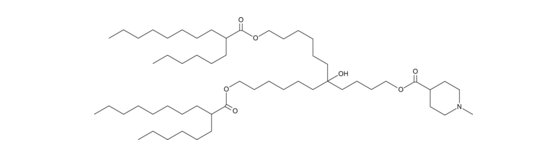
CL15F6 is an ionizable cationic lipid (pKa = 6.75).1 It has been used in the formation of lipid nanoparticles (LNPs) for the delivery of mRNA and polymer-lipid hybrid nanoparticles for the delivery of plasmid DNA in vitro.1,2
More description
|
|
| DC89101 | C12-4 (Lipid A-4,Lipid F3,C12-494) Featured |
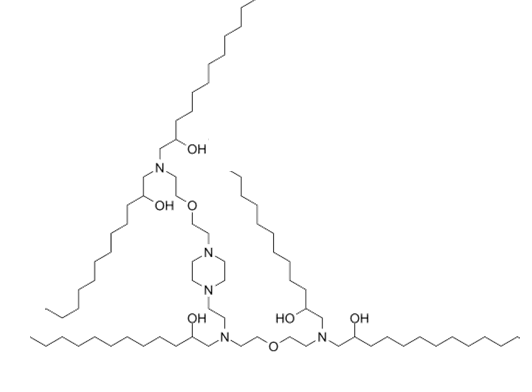
C12-4 (Lipid A-4,Lipid F3) is a branched-chain ionizable cationic lipidoid that has been used in the formation of lipid nanoparticles (LNPs) for the delivery of mRNA. LNPs containing lipid A4 and encapsulating an mRNA reporter accumulate in the uterus, placenta, and ovaries, as well as to the spleen and liver, in pregnant mouse dams unlike LNPs containing the branched-chain ionizable cationic lipidoid C12-200, which primarily accumulate in the liver. Intravenous administration of LNPs containing lipid A4 and encapsulating mRNA encoding VEGF increase placental VEGFR1 levels and mean fetal blood vessel area without inducing liver damage in pregnant mouse dams.
More description
|
|
| DC67601 | Sanofi Lipid 15 Featured |
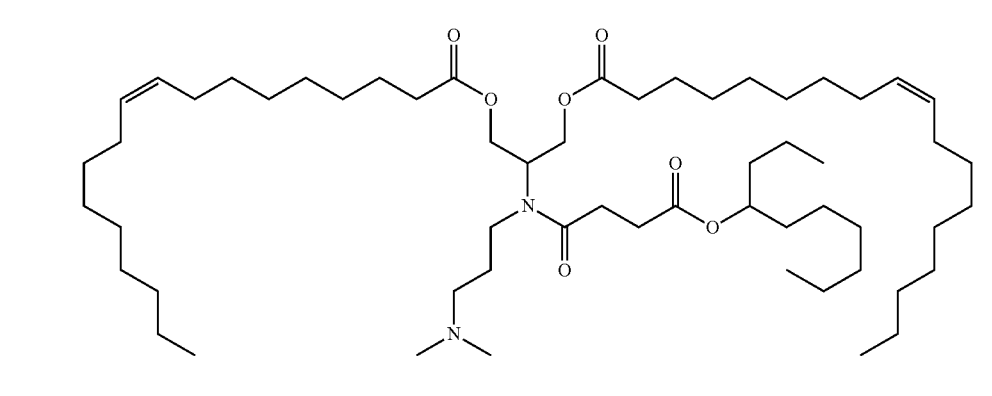
Lipid 15 is the lead ionizable cationic lipid (ICL) for CD8-targeted mRNA-LNPs. As the core LNP component, Lipid 15 yields ~100 nm uniform particles with near-neutral surface charge at physiological pH, while becoming strongly cationic in acidic endosomes—reducing hepatic off-target uptake and enabling efficient endosomal escape to release mRNA. Versus other ICL candidates, Lipid 15 achieves far higher mRNA transfection efficiency in primary human CD8⁺ T cells, supports robust transient CAR expression, and triggers minimal cytokine release in immunogenicity assays. It retains structural and functional stability after freeze storage. When formulated into anti-CD8 VHH-conjugated LNPs carrying CD22 CAR mRNA, Lipid 15 drives specific in vivo reprogramming of circulating CD8⁺ T cells into functional CAR-T cells, delivering potent tumor suppression in humanized hematological malignancy models without overt toxicity.
More description
|
|
| DC60839 | A2T2C9 (CP-LC-1465) Featured |
A2T2C9 (CP-LC-1465) is an imidazole-based ionizable lipid with branched hydrophobic chains and β-propionate linkers, formulated in four-component LNPs for spleen-targeted mRNA delivery. It achieves >80% spleen selectivity with protein expression exceeding 1×10⁷ p/s in mice, driven by its negative zeta potential (-9.7 to -19 mV). Structural features including imidazole polar head and branched acrylate (C9) enhance splenic tropism, potentially through distinct protein corona interactions. Demonstrated low cytotoxicity (>75% viability in splenic cells) and biodegradability via pH-sensitive linkers enable efficient mRNA delivery without permanent charged additives, outperforming conventional anionic SORT systems in selectivity and therapeutic potential.
More description
|
.png)
|
| DC60499 | C14-A1 Featured |
Lipid C14-A1 is an ionizable lipid. C14-A1-LPN is a potent and safe LNP platform to deliver Foxp3 mRNA to CD4+ T cells to engineer immunosuppressive FP3T cells.
More description
|

|
| DC60503 | C12-A1 Featured |
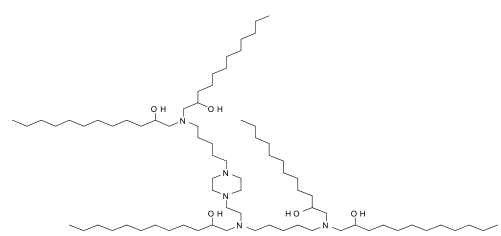
Lipid C12-A1 is an ionizable lipid. C12-A1-LPN is a potent and safe LNP platform to deliver Foxp3 mRNA to CD4+ T cells to engineer immunosuppressive FP3T cells. C12-A1 has a slightly lower average cell viability than C14-A1.
More description
|
|
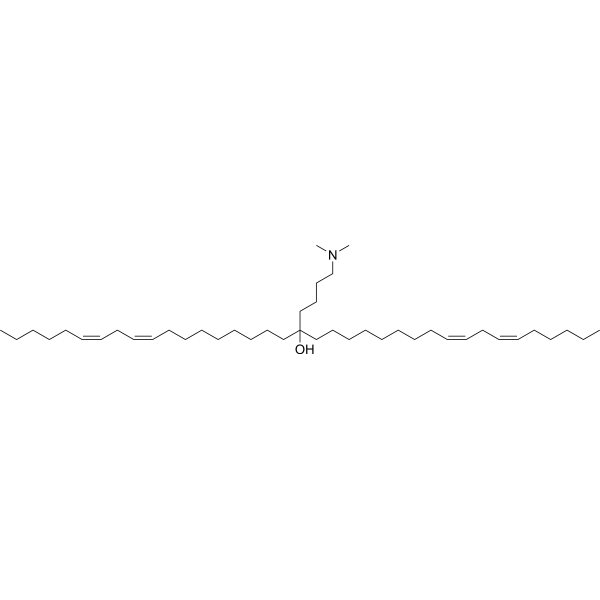
| DC67120 | YSK12-C4 (YSK12-MEND) Featured |
YSK 12C4 is an ionizable cationic lipid primarily used to enhance siRNA cellular delivery via multifunctional envelope-type nanodevices (MEND). YSK 12C4 promotes siRNA uptake and endosomal escape, effectively silencing genes in human immune cell lines.
More description
|
|
