 To enhance service speed and avoid tariff delays, we've opened a US warehouse. All US orders ship directly from our US facility.
| Cat. No. | Product Name | Field of Application | Chemical Structure |
|---|---|---|---|
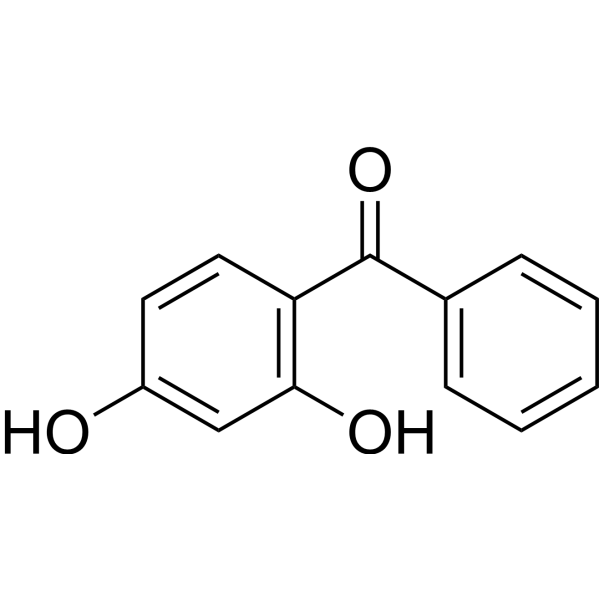
| DC34118 | DHBP Featured |
DHBP, also known as Benzoresorcinol, is an activator of WalKR TCS. It works via targeting erWalK and selectively promoting the lysostaphin-induced lysis activity of the Newman wild-type strain.
More description
|
|
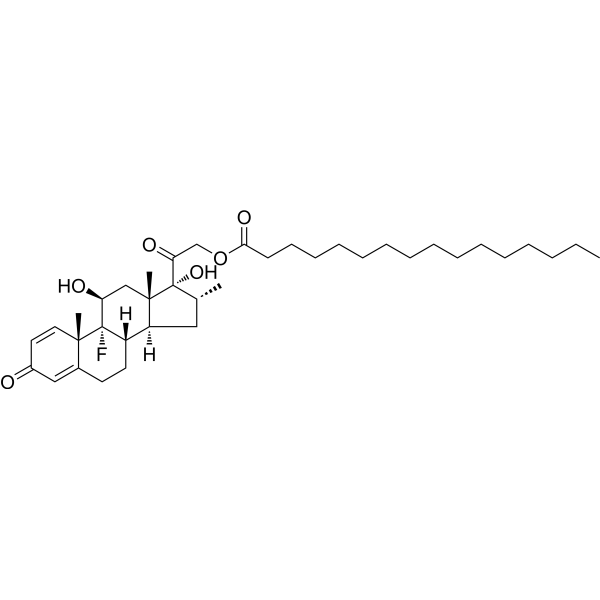
| DC38024 | Dexamethasone palmitate Featured |
Dexamethasone palmitate is a liposteroid for treatment of hemophagocytic lymphohistiocytosis.
More description
|
|
| DC36818 | Idramantone Featured |
Idramantone is an immunostimulant, a derivative of adamantine, and used in the treatment of pulmonary tuberculosis patients.
More description
|
|
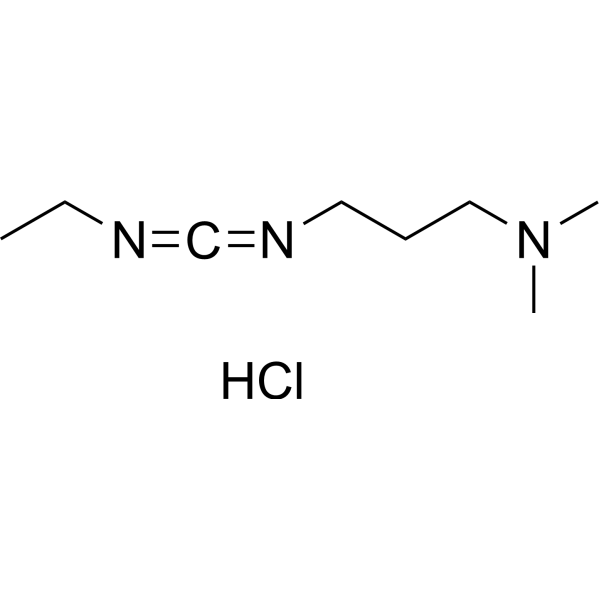
| DC34756 | EDC-HCl Crosslinker Featured |
EDC-HCl Crosslinker is a zero-length crosslinker that can be used to conjugate carboxyl functional groups to primary amines. It is ideal for covalently binding proteins or peptides to carboxyl containing beads, resins, or other nanoparticals.
More description
|
|
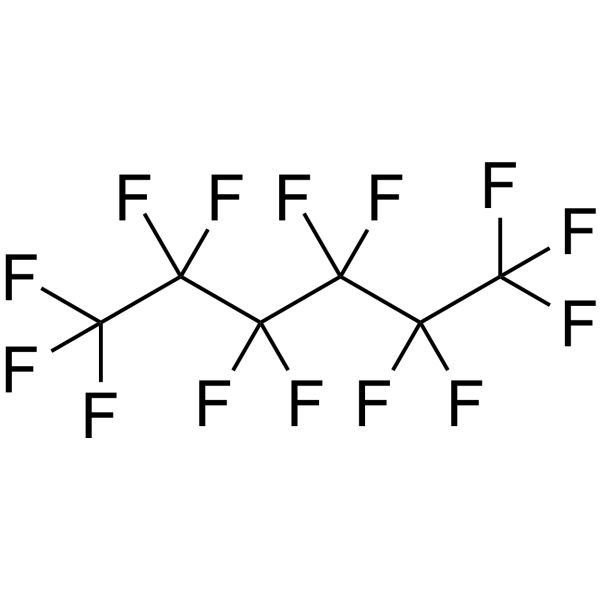
| DC37026 | Perfluorohexane Featured |
Perflexane was developed as an ultrasound (US) contrast agent for use in echocardiograms to enhance US images.
More description
|
|
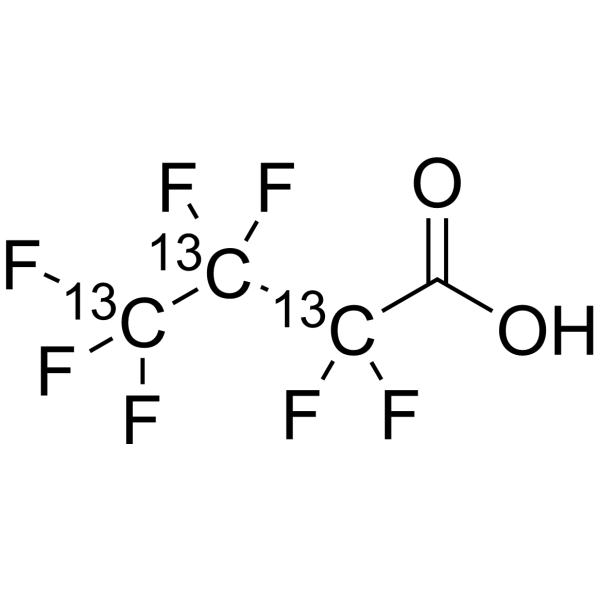
| DC33819 | heptafluorobutyric acid Featured |
Perfluorobutyric acid is an ion pair reagent for reverse-phase HPLC. It is used in the sequencing, synthesis, and solubilizing of proteins and peptides.
More description
|
|
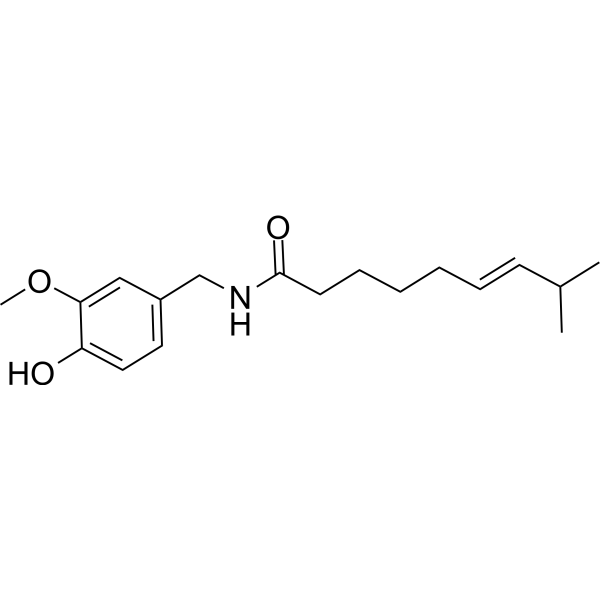
| DC38067 | Capsicine Featured |
Capsaicin is an active component of chili peppers, which are plants belonging to the genus Capsicum. It is an irritant for mammals, including humans, and produces a sensation of burning in any tissue with which it comes into contact. Pure capsaicin is a volatile, hydrophobic, colorless, odorless, crystalline to waxy compound.
More description
|
|
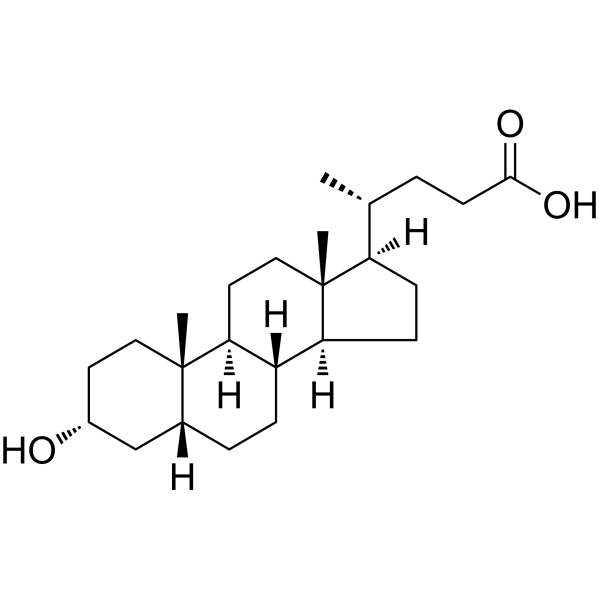
| DC34160 | Lithocolic acid Featured |
Lithocolic acid is a bile acid formed from chenodeoxycholate by bacterial action. It acts as a detergent to solubilize fats for absorption and is itself absorbed.
More description
|
|
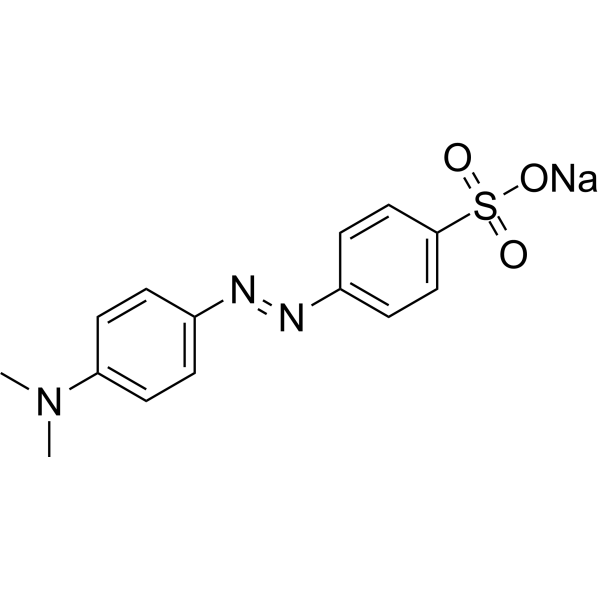
| DC37070 | Methyl Orange Featured |
Methyl orange is a pH indicator frequently used in titration because of its clear and distinct colour variance at different pH values.
More description
|
|
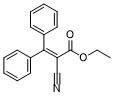
| DC37501 | Etocrylene Featured |
Etocrylene is an ultraviolet absorber.
More description
|
|
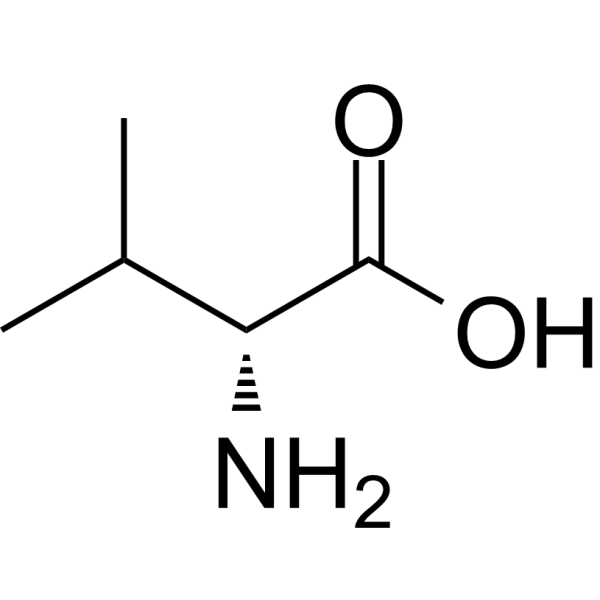
| DC41297 | D-Valine Featured |
D-Valine is the enantiomer of L-Valine. L-Valine is one of 20 proteinogenic amino acids. L-Valine is an essential amino acid.
More description
|
|
| DC60839 | A2T2C9 (CP-LC-1465) Featured |
A2T2C9 (CP-LC-1465) is an imidazole-based ionizable lipid with branched hydrophobic chains and β-propionate linkers, formulated in four-component LNPs for spleen-targeted mRNA delivery. It achieves >80% spleen selectivity with protein expression exceeding 1×10⁷ p/s in mice, driven by its negative zeta potential (-9.7 to -19 mV). Structural features including imidazole polar head and branched acrylate (C9) enhance splenic tropism, potentially through distinct protein corona interactions. Demonstrated low cytotoxicity (>75% viability in splenic cells) and biodegradability via pH-sensitive linkers enable efficient mRNA delivery without permanent charged additives, outperforming conventional anionic SORT systems in selectivity and therapeutic potential.
More description
|
.png)
|
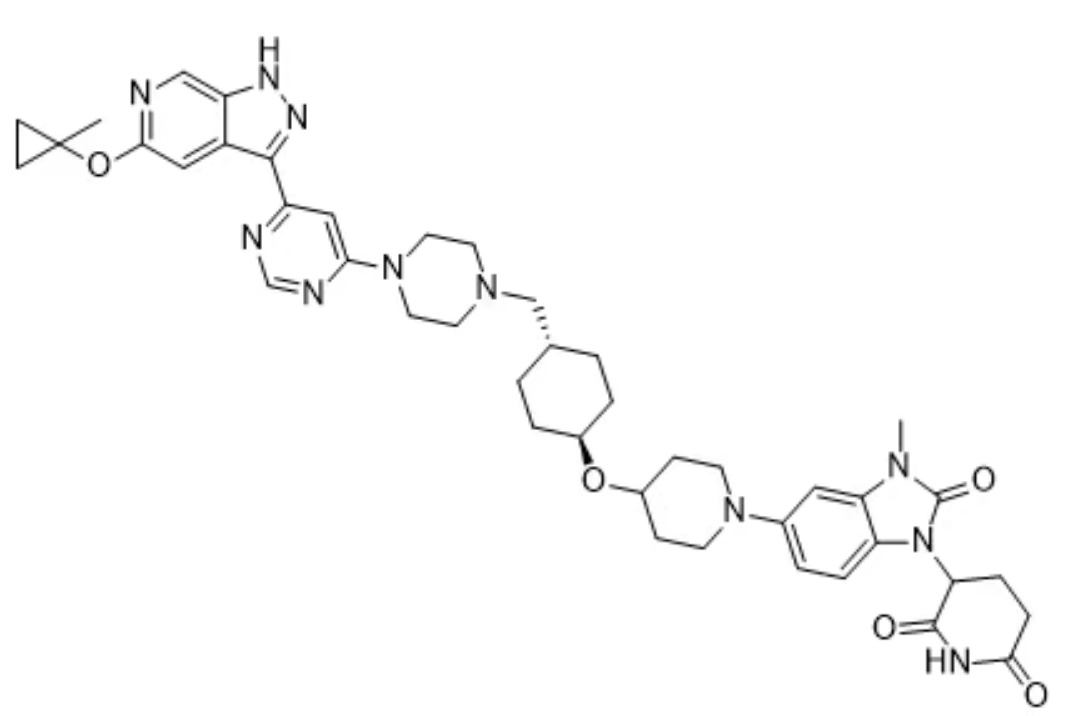
| DC65801 | ARV-102 Featured |
ARV-102 is a highly potent, orally bioavailable PROTAC that targets LRRK2 with a
of 0.14 nM, designed to cross the blood-brain barrier to address neurodegenerative diseases. By hijacking the body’s ubiquitin-proteasome system, it achieves deep and sustained degradation of LRRK2 protein in both peripheral tissues and the central nervous system, offering a potentially superior therapeutic approach over traditional kinase inhibitors.
More description
|
|
| DC68058 | Lipid GA-16 Featured |
GA-16 is a novel ionizable lipid designed with an N-(2-Hydroxyethyl)piperazine-N'-(4-butanesulfonic acid) (HEPBS) core. Its key functional characteristic is enabling highly efficient, liver-tropic mRNA delivery through an ApoE-mediated yet Low-Density Lipoprotein Receptor (LDLR)-independent cellular uptake mechanism. When formulated in LNPs with the helper lipid DEPE, GA-16 achieves superior protein expression. More importantly, this uptake pathway bypasses the canonical LDLR dependency, making it a strategically valuable component for developing therapies targeting genetic liver diseases like familial hypercholesterolemia, where patients often have deficient LDLR function.
More description
|

|
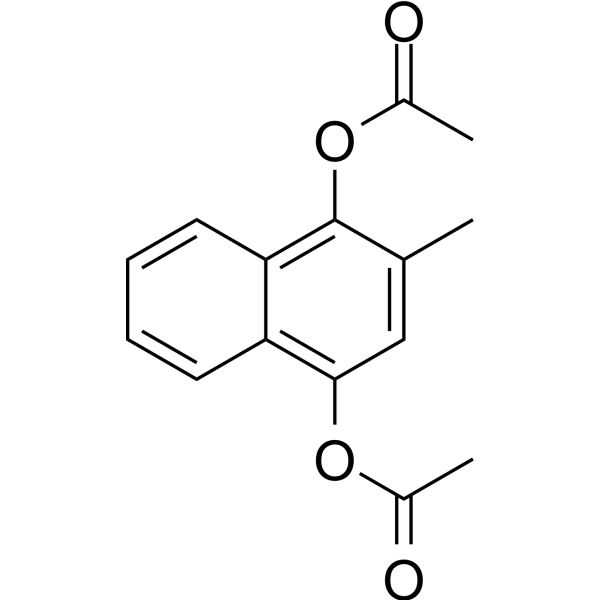
| DC36952 | Acetomenaphthone Featured |
Acetomenaphthone is synthetic vitamin K which is also known as vitmin K4
More description
|
|
| DC37695 | (+)-Acetylmandelic acid Featured |
Acetylmandelic acid, (+)- is a chiral derivatizing agent for NMR determination of enantiomeric purity of α-deuterated carboxylic acids, alcohols, and amines.
More description
|

|
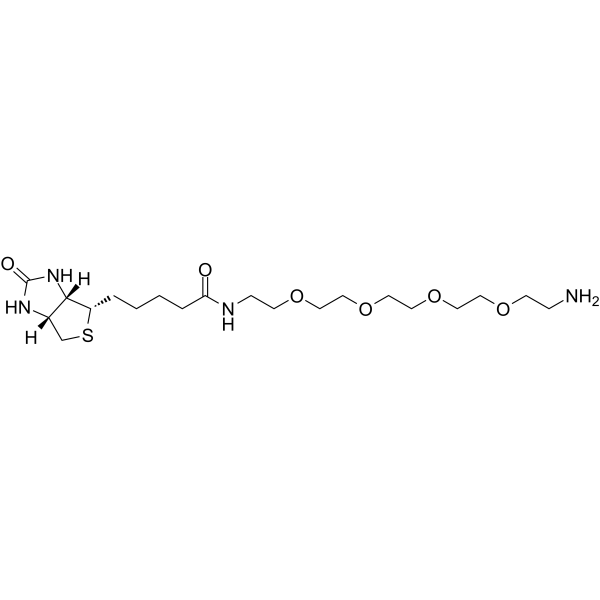
| DC35056 | Biotin-PEG4-Amine Featured |
Biotin-PEG4-amine is a PEG derivative containing a biotin group and a terminal primary amine group. The amine group can be coupled to carboxyl groups or 5'phosphate groups to form stable amide bonds. The hydrophilic PEG spacer increases solubility in aqueous media and increases membrane impermeability of the molecules conjugated to the biotin compound. It also helps to minimize steric hindrance involved with the binding to avidin molecules. Therefore, PEG Linkers can be useful in the development of antibody drug conjugates and drug delivery methods.
More description
|
|
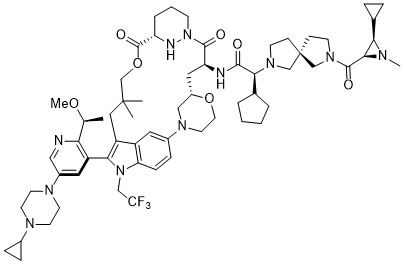
| DC60568 | RMC-9805(Zoldonrasib) Featured |
RMC-9805 is a first-in-class, mutant-selective, covalent and orally bioavailable KRAS-G12D(ON) inhibitor. RMC-9805 exhibits direct anti-tumor effects and indirectly transformed the TME through inhibition of cancer cell-intrinsic KRAS-G12D oncogenic signaling.
More description
|
|
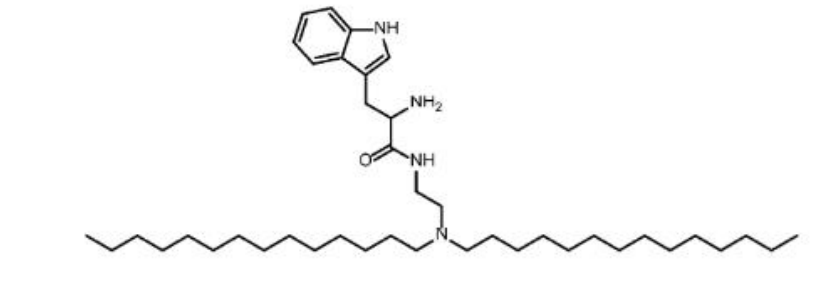
| DC68057 | lipid Trp-L1-T4 Featured |
Trp-L1-T4 is a novel tryptophan-derived ionizable lipid that serves as the core functional component of the optimized lipid nanoparticle (TLNP/RLNP) platform. Its primary function is to enable the efficient encapsulation and in vivo delivery of self-amplifying RNA (saRNA) cargo. Specifically, it facilitates high transfection efficiency and cytosolic release of the RNA payload in target follicular helper T (Tfh) cells, with minimal cytotoxicity. This capability is crucial for reprogramming pathogenic Tfh cells into regulatory CAR-Tfh cells, forming the foundation of the study's therapeutic strategy.
More description
|
|
| DC72700 | Oleyl alcohol Featured |
Oleyl alcohol is an active compound. Oleyl alcohol can be used for various studies.
More description
|

|
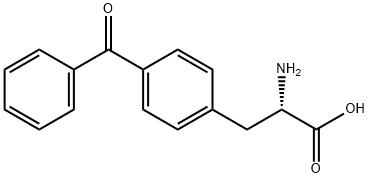
| DCC0252 | 4-benzoyl-l-phenylalanine Featured |
Photoreactive L-phenylalanine derivative, being as a photo cross-linking probe to incorporate into proteins, including ion channels, transporters and GPCRs
More description
|
|
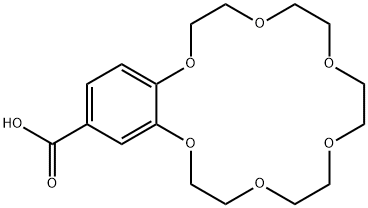
| DCC0254 | 4'-carboxybenzo-18c6 Featured |
Novel Transthyretin (TTR) Amyloidogenesis Inhibitor, stabilizing the TTR tetramer by binding to the allosteric sites on the molecular surface of the TTR tetramer
More description
|
|
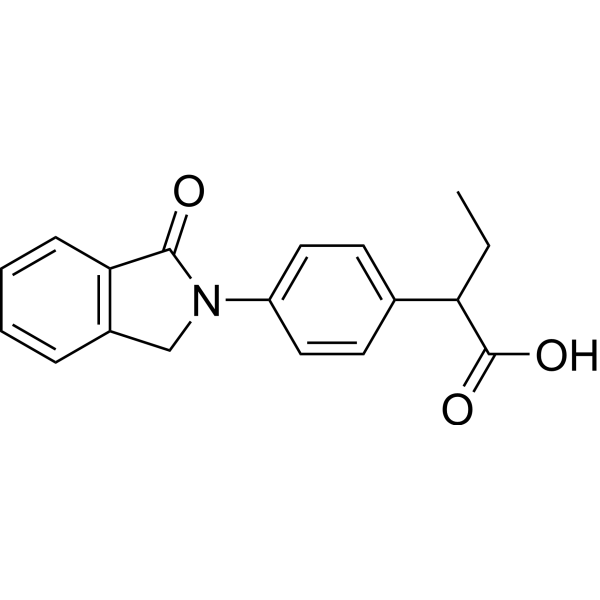
| DCC2703 | Indobufen Featured |
Platelet aggregation inhibitor acting as a reversible Cyclooxygenase>cyclooxygenase inhibitor
More description
|
|
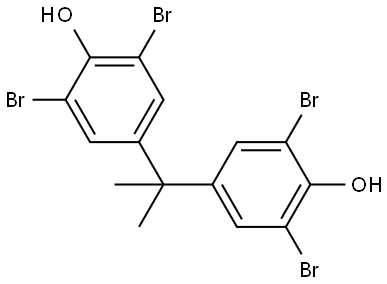
| DCC5092 | Tetrabromobisphenol A Featured |
Activator of the hepatic interferon pathway in rats
More description
|
|
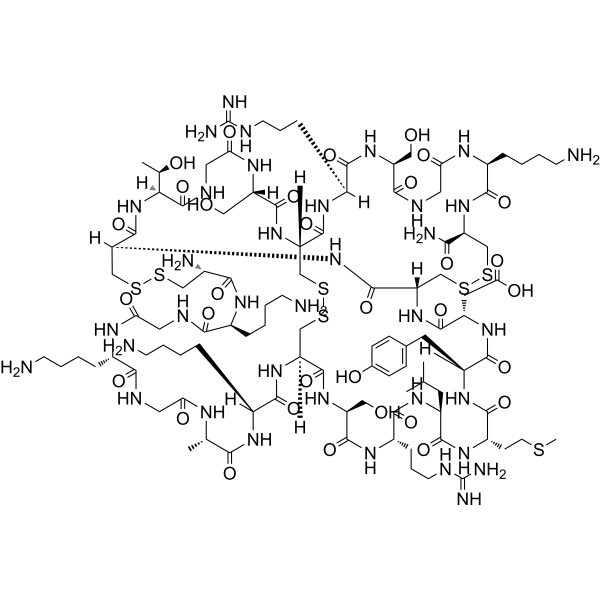
| DCC5609 | Ziconotide Featured |
Atypical analgesic agent for the amelioration of severe and chronic pain
More description
|
|
| DC73115 | DEBIO 1143 Featured |
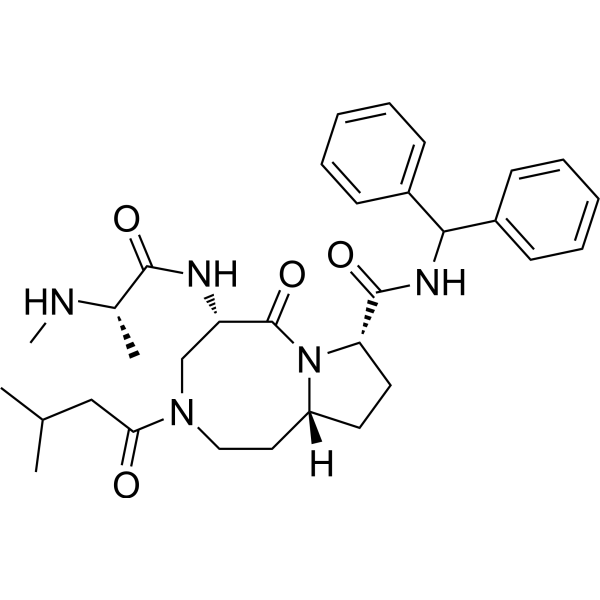
DEBIO 1143 (Xevinapant, AT-406, SM406, ARRY-334543, D1143) is a potent, orally active Smac mimetic that antagonizes cIAP1, cIAP2 and XIAP with Ki of 66.4, 1.9 and 5.1 nM, respectively.
More description
|
|
| DC74901 | Naftifine HCl Featured |
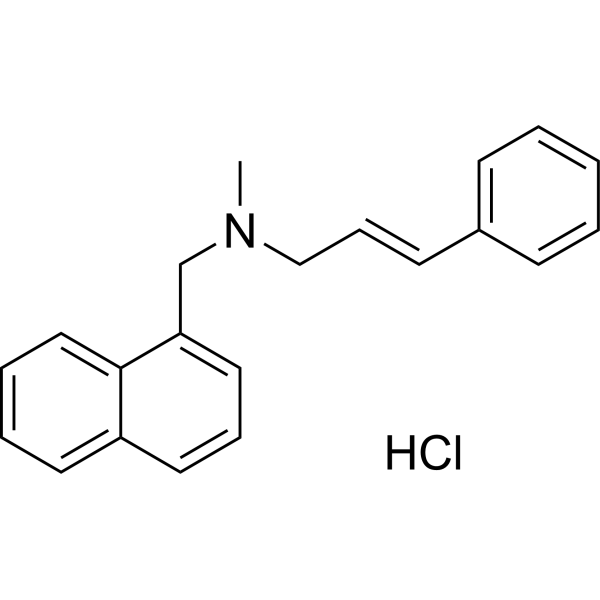
Naftifine is an allylamine antifungal drug for the topical treatment of tinea pedis, tinea cruris, and tinea corporis (fungal infections). Its precise mechanism of action is unknown, but may involve selectively blocking sterol biosynthesis via inhibition of the squalene 2,3-epoxidase enzyme. The half-life is approximately 2–3 days. The metabolites are excreted in the urine and feces.
More description
|
|
| DC74904 | Cefovecin Sodium Featured |
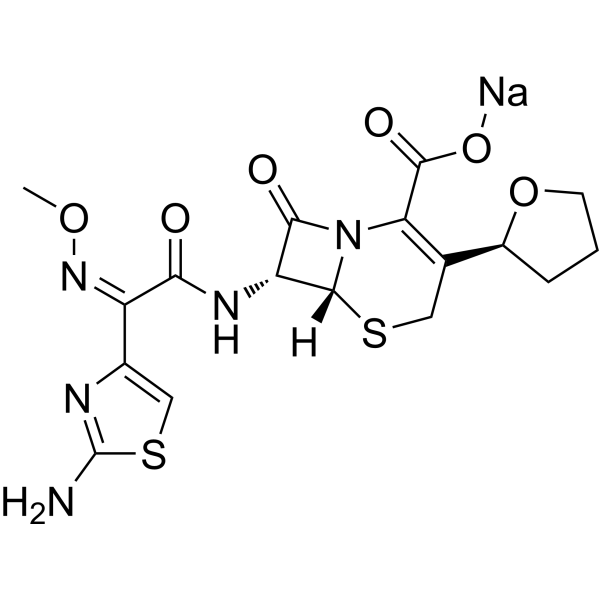
Cefovecin, also known as UK-287074, is an antibiotic of the cephalosporin class. Cefovecin interferes with the synthesis of bacterial cell walls, by binding to penicillin binding proteins. Due to high protein-binding, it is not effective against species of Pseudomonas or Enterococcus. The maximum anti-bacterial activity occurs approximately two days after cefovecin has been administered. It is used to treat skin infections caused by Pasteurella multocida in cats, and Staphylococcus intermedius and Streptococcus canis in dogs.
More description
|
|
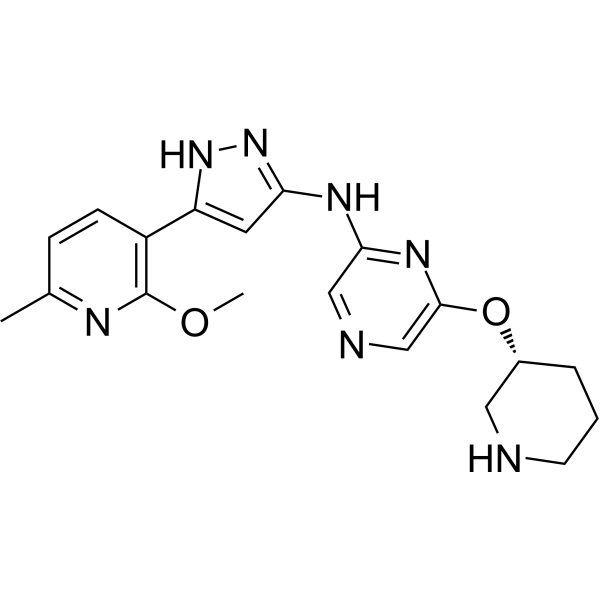
| DC74584 | LY2880070 Featured |
LY2880070 is an orally active inhibitor of CHK1. LY2880070 can be used as an anticancer agent and shows promise in preclinical models of pancreatic ductal adenocarcinoma (PDAC) when used in combination with DNA-damaging agents.
More description
|
|
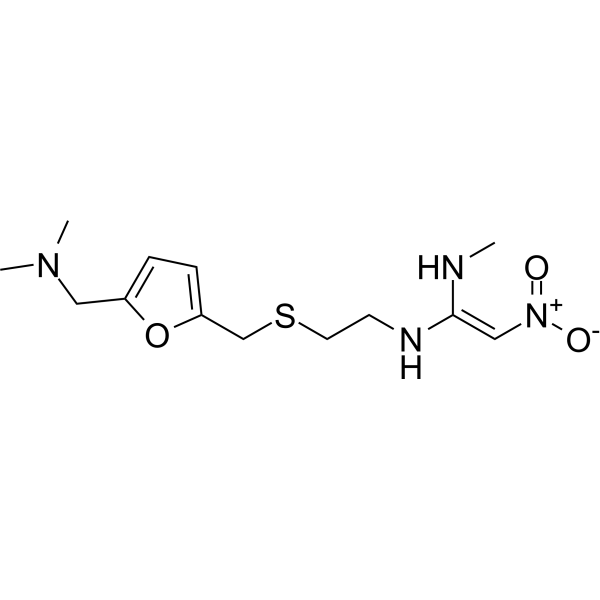
| DC34717 | Ranitidine Featured |
Ranitidine is a non-imidazole blocker of those histamine receptors that mediate gastric secretion (H2 receptors). It is used to treat gastrointestinal ulcers. It is commonly used in treatment of peptic ulcer disease, gastroesophageal reflux disease, and Zollinger–Ellison syndrome.
More description
|
|
