 To enhance service speed and avoid tariff delays, we've opened a US warehouse. All US orders ship directly from our US facility.
| Cat. No. | Product Name | Field of Application | Chemical Structure |
|---|---|---|---|
| DC70346 | DC-TEAD3in03 Featured |
DC-TEAD3in03 is a potent, selective, covalent TEAD3 inhibitor with IC50 of 0.16 uM, 100-fold selectivity over other TEAD isoforms (IC50>20 uM) in ABPP assays.DC-TEAD3in03 could significantly improve the thermal stability of TEAD3 protein, while it had minimal effect on widetype TEAD1, TEAD1 C359S and TEAD3 C371A mutants, demonstrated selective cellular engagement with Cys371 of TEAD3.DC-TEAD3in03 showed selective inhibitory effect on TEAD3 in GAL4-TEAD (1–4) reporter assays with IC50 of 1.15 uM in cellular assays.DC-TEAD3in03 reduced the growth rate of zebrafish caudal fins when administered to zebrafish juveniles.In the Hippo signaling pathway, the transcription factor TEA domains (TEADs) family proteins (TEAD1‒4) are the most important terminal regulators, which play an important role in development, cell proliferation, cell differentiation, tissue homeostasis, and regeneration.
More description
|

|
| DC73863 | ODH-08 Featured |
ODH-08 is a novel specific small molecule ligand and agonist of RORα with KD value of 8.4 um, shows potent antifibrotic effect.
ODH-08 does not activate other nuclear receptors involved in lipid metabolism such as PPARα, PPARγ, PPARδ, and LXRα.
ODH-08 reduces hepatic collagen deposition and expression levels of fibrogenic markers such as α-smooth muscle actin and collagen type I alpha 1 chain in Western diet-fed mice.
ODH-08 suppresses the expression of fibrogenic proteins in hepatic stellate cells (HSCs).
ODH-08 suppresses the activity of SMAD2 and 3, which are the primary downstream proteins of transforming growth factor β.
More description
|

|
| DC71669 | ARV471 Featured |
ARV471 is an orally bioavailable estrogen receptor-targeting (ER-targeting) PROTAC for the treatment of patients with locally advanced or metastatic ER+/HER2- breast cancer.
More description
|

|
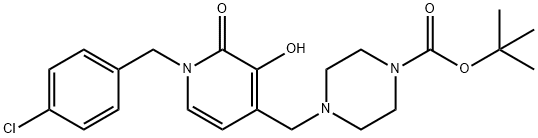
| DC48260 | Izilendustat Featured |
Izilendustat is a potent inhibitor of prolyl hydroxylase which can stabilize hypoxia inducible factor- 1 alpha (HIF- lα) and hypoxia inducible factor-2 (HIF-2). Izilendustat has the potential for researching diseases that relate to the body’s inmmune response like colitis and other inflammatory bowel diseases (extracted from patent WO2011057115A1 and WO2011057121A1).
More description
|
|
| DC10282 | ML385 Featured |
ML385 is a novel and specific NRF2 inhibitor.
More description
|
|
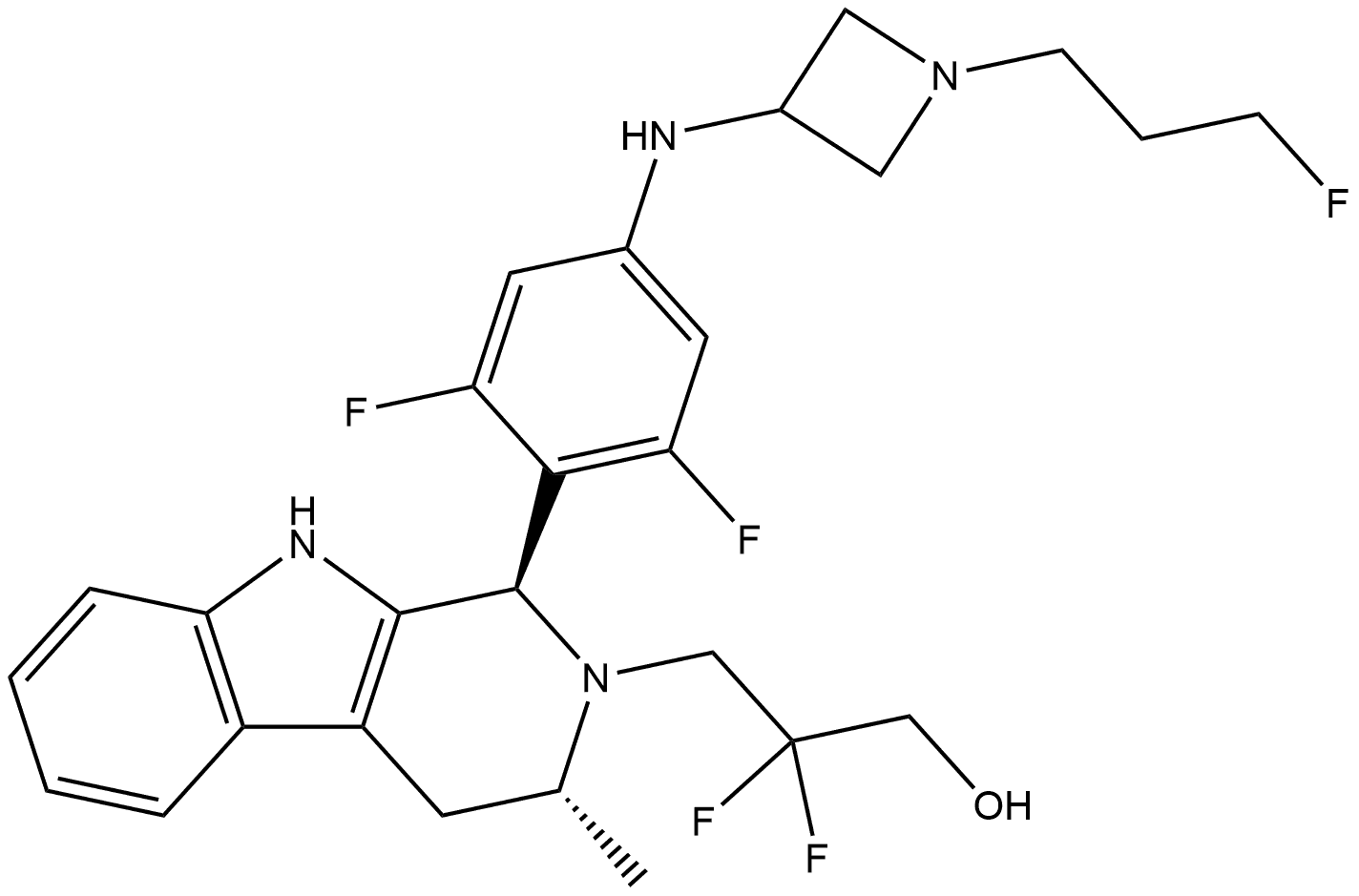
| DC40118 | Giredestrant Featured |
Giredestrant (GDC-9545), a non-steroidal estrogen receptor (ER) ligand, is an orally active and selective ER antagonist. Giredestrant potently competes with Estradiol for binding and induces a conformational change within the ER ligand binding domain. Gir
More description
|
|
| DC77017 | 9(10)-Nitrooleate Featured |
9(10)-Nitrooleate(NOA)is an endogenous nitrated fatty acid that functions as a highly efficient bioactive molecule. Its primary role is the specific inhibition of the STING protein, a key inflammatory signaling sensor within cells. When STING is aberrantly activated, it can trigger a severe inflammatory response, leading to cellular damage.Mechanistically, NOA acts as an electrophile, capable of covalently modifying specific cysteine residues on the STING protein, thereby effectively blocking its ability to activate downstream signaling pathways. This inhibitory action establishes NOA as a potent endogenous anti-inflammatory agent.
In practical application, loading NOA into delivery systems, such as lipid nanoparticles, equips them with an intrinsic "molecular fire extinguisher." It significantly mitigates the acute inflammatory response triggered by delivered cargo, effectively transforming otherwise toxic delivery vehicles into safe platforms. The core value of NOA lies in its ability to provide exceptional safety without compromising the functional expression of therapeutic payloads, offering a crucial safeguard for achieving long-term treatments.
More description
|
-Nitrooleate.gif)
|
| DC81812 | β-catenin-IN-9 |
β-catenin-IN-9 is a β-catenin inhibitor. β-catenin-IN-9 induces apoptosis, cell cycle arrest, and inhibits migration, invasion, and epithelial-mesenchymal transition (EMT) in colorectal cancer cells. β-catenin-IN-9 suppresses the transcription of β-catenin and vimentin, and significantly inhibits β-catenin at the protein level. β-catenin-IN-9 can be used for the research of colorectal cancer.
More description
|

|
| DC81802 | α-Amylase-IN-13 |
α-Amylase-IN-13 is an orally active, selective, brain-penetrant α-amylase inhibitor (IC50 = 0.71 μM). α-Amylase-IN-13 inhibits α-amylase through a mixed type of inhibition mechanism. α-Amylase-IN-13 leads to a significant reduction in blood glucose level in diabetic rats. α-Amylase-IN-13 causes significant histopathological improvements in the kidney, liver, and pancreas. α-Amylase-IN-13 can be used for the study of diabetic complications.
More description
|
|
| DC81664 | TOP1/TDP1-IN-1 |
TOP1/TDP1-IN-1 is a DNA topoisomerase 1B (TOP1) and tyrosyl-DNA phosphodiesterase 1 (TDP1) inhibitor with a TDP1 IC50 of 17.8 μM. TOP1/TDP1-IN-1directly suppresses TOP1 catalytic activity without forming a DNA-TOP1 ternary complex, inhibits TDP1-mediated repair of TOP1-induced DNA damage, and exhibits low acute toxicity. TOP1/TDP1-IN-1 disrupts DNA repair pathways, induces apoptosis, suppresses clonogenic growth, and elicits antiproliferative effects in cancer cells. TOP1/TDP1-IN-1 can be used for the research of non-small cell lung cancer, cervical cancer, colon cancer.
More description
|
|
| DC81314 | PPARδ agonist 13 |
PPARδ agonist 13 is a potent, selective and orally active PPARδ agonist with an EC50 values of 0.50 nM. PPARδ agonist 13 binds to the PPARδ ligand-binding pocket and upregulates PPARδ target gene expression. PPARδ agonist 13 inhibits renal fibroblast activation, restores fatty acid oxidation, and attenuates TGF-β1-induced renal fibroblast activation. PPARδ agonist 13 exhibits anti-renal fibrosis effects in a mouse model of unilateral ureteral obstruction. PPARδ agonist 13 can be used for the research of renal fibrosis.
More description
|
|
| DC81235 | PARP1/ERK IN-1 |
PARP1/ERK IN-1 is a dual PARP1/ERK inhibitor, with a PARP1 IC50 of 0.9 nM and an ERK2 IC50 of 1.8 nM. PARP1/ERK IN-1 inhibits proliferation and migration of various cancer cell lines, and induces apoptosis and DNA damage. PARP1/ERK IN-1 suppresses tumor growth in mouse models of colorectal cancer, and reduces the expression of Ki‑67, BRCA1 and Rad51. PARP1/ERK IN-1 can be used in the research of colorectal cancer, triple-negative breast cancer and pancreatic cancer.
More description
|
|
| DC81220 | P-1946 |
P-1946 is a HIV protease inhibitor with a human HIV-1 protease Ki of 2.600 nM. P-1946 has potent and selective in vitro antiviral activity and retains full antiviral activity against HIV isolates resistant to commercially available protease inhibitors. P-1946 can be used for the research of human immunodeficiency virus type 1 (HIV-1) infection.
More description
|
|
| DC81127 | NBI 30545 |
NBI 30545 is a blood-brain barrier permeable CRF1R antagonist with a Ki value of 3.4 nM for the human receptor. NBI 30545 inhibits CRF-stimulated intracellular cAMP accumulation and ACTH release. NBI 30545 can be used in the research of depression, anxiety disorders and stress-related diseases.
More description
|
|
| DC81003 | MAP3K14-IN-1 |
MAP3K14-IN-1 (Compound 173) is a MAP3K14 (NIK kinase) inhibitor with an IC50 of 1.8 nM. MAP3K14-IN-1 inhibits the autophosphorylation of MAP3K14 kinase. MAP3K14-IN-1 reduces the level of phosphorylated IKKα in cancer cells. MAP3K14-IN-1 inhibits the proliferation of multiple myeloma cells. MAP3K14-IN-1 can be used in research related to multiple myeloma.
More description
|
|
| DC81002 | MAO-B-IN-53 |
MAO-B-IN-53 is a human monoamine oxidase B (hMAO-B) inhibitor with an IC50 of 0.066 μM. MAO-B-IN-53 exhibits mixed reversible inhibition, binds stably to the hMAO-B active site, and shows high selectivity over hMAO-A. MAO-B-IN-53 acts as a neuroprotective agent, protects against 6-OHDA-induced damage, and exhibits low neurotoxicity in neuroblastoma cells. MAO-B-IN-53 can be used for the research of Parkinson's disease.
More description
|
|
| DC80981 | LY-300168 |
LY 300168 (GYKI 53655) is a non-competitive, blood-brain-barrier permeable AMPA receptor antagonist. LY 300168 attenuates hippocampal injury. LY 300168 blocks the sound-induced clonic and tonic convulsions.
More description
|
|
| DC80961 | Lixazinone |
Lixazinone (RS-82856) hydrogensulfate is a selective inhibitor of cGMP-inhibited phosphodiesterase (PDE3) with an IC50 value of 22 nM. Lixazinone hydrogensulfate exhibits positive inotropic effects, afterload reduction and antithrombotic properties. Lixazinone hydrogensulfate increases cyclic adenosine monophosphate (cAMP) levels in human platelets, inhibits thrombin-induced aggregation of human platelets, and blocks the photolabeling of PDE3 active sites by [32P]cGMP. Lixazinone hydrogensulfate can be used in the research of polycystic kidney disease and congestive heart failure.
More description
|
|
| DC80812 | Homidium chloride |
Homidium chloride is a potent antiparasitic agent exhibiting activity against Trypanosoma rhodesiense and Trypanosoma congolense. Homidium chloride can reduce parasitaemia in murine models of infection. Homidium chloride can be used for trypanosomiasis research.
More description
|
|
| DC80810 | HMN-1180 |
HMN-1180 is a selective, competitive neuronal nitric oxide synthase (nNOS) inhibitor with a Ki value of 5.4 μM against rat nNOS. HMN-1180 exerts no significant effect on endothelial nitric oxide synthase (eNOS) or inducible nitric oxide synthase (iNOS). HMN-1180 inhibits nitric oxide production in neuroblastoma cells. HMN-1180 can be used for the study of nNOS-related neuronal functional physiology.
More description
|
|
| DC80775 | HDAC6 ligand-7 |
HDAC6 ligand-7 (Compound 16a) is a positron emission tomography (PET) tracer for the deacetylase 6 (HDAC6) enzyme with a Kd value of 1.66 nM. HDAC6 ligand-7 exhibits excellent HDAC6 inhibitory activity, with IC50 values of 2.7 and 3.7 nM for hHDAC6 and mHDAC6, respectively, and has high selectivity for HDAC1/4/7/8. HDAC6 ligand-7 after being radioactively labeled with fluorine-18, [¹⁸F]HDAC6 ligand-7 shows varying degrees of radioactive uptake in PET, which can reflect the specific binding to HDAC6. HDAC6 ligand-7 can be used for the study of HDAC6 imaging.
More description
|
|
| DC80621 | ERRγ-IN-1 |
ERRγ-IN-1 is a ERRγ inhibitor with an IC50 of 0.040 μM. ERRγ-IN-1 activates MAPK (p44/p42) and inhibits the activity of ERRγ. ERRγ-IN-1 significantly increases iodine uptake in anaplastic thyroid carcinoma xenografts and suppresses tumor growth in nude mice. ERRγ-IN-1 is applicable for the research of anaplastic thyroid carcinoma.
More description
|
|
| DC80561 | DOT1L808 |
DOT1L808 is a potent and highly selective DOT1L PROTAC degrader with a DC50 value of 5 nM. DOT1L808 can promote the ubiquitination and degradation of DOT1L. DOT1L808 exhibits antitumor activity in an orthotopic leukemia model.
(Pink: DOT1L ligand ; Blue: VHL ligand ; Black: linker).
More description
|
|
| DC80461 | ClpP agonist 1 |
ClpP agonist 1 is a Staphylococcus aureus ClpP (SaClpP) agonist with an EC50 of 1.44 μM, Kd values of 2.95 μM (isothermal titration calorimetry) and 18 μM (bio-layer interferometry), and a low drug resistance frequency. ClpP agonist 1 reduces bacterial load, shrinks infected area and improves histopathological outcomes in a mouse skin infection model. ClpP agonist 1 can be used for the research of Methicillin-resistant Staphylococcus aureus (MRSA) skin infections.
More description
|
|
| DC80413 | Cevipabulin fumarate dihydrate |
Cevipabulin (TTI-237) fumarate dihydrate) is an oral, microtubule-active, antitumor compound and inhibits the binding of [3H]NSC 49842 to tubulin, with an IC50 of 18-40 nM for cytotoxicity in human tumor cell line.
More description
|
|
| DC80312 | Bilirubin ditaurine |
Bilirubin ditaurine (BR-DT) is a mimetic compound of conjugated bilirubin. Bilirubin ditaurine can completely prevent the oxidation of phosphatidylcholine induced by reactive oxygen species in multilayer liposomes or micelles. Bilirubin ditaurine does not significantly decompose 18:2-OOH on its own, but it can greatly accelerate the decomposition of 18:2-OOH catalyzed by copper ions. Bilirubin ditaurine can be used to study the detoxification effect of conjugated bilirubin.
More description
|
|
| DC80042 | 2-Methyl-1-naphthol |
2-Methyl-1-naphthol is a key precursor in the synthesis of Vitamin K3. 2-Methyl-1-naphthol is can be used for the research of Vitamin K Deficiency.
More description
|
|
| DC79967 | 1,3-Palmitin-2-hexanoin |
1,3-Palmitin-2-hexanoin is an acylglycerol.
More description
|
|
| DC79965 | 1,3-Linolenin-2-palmitin |
1,3-Linolenin-2-palmitin is an acylglycerol.
More description
|
|
| DC79884 | (25R)-3α,7α,12α-Trihydroxy-5β-cholestan-26-oyl-CoA |
(25R)-3α,7α,12α-Trihydroxy-5β-cholestan-26-oyl-CoA is a nucleoside metabolite.
More description
|
|
