 To enhance service speed and avoid tariff delays, we've opened a US warehouse. All US orders ship directly from our US facility.
| Cat. No. | Product Name | Field of Application | Chemical Structure |
|---|---|---|---|
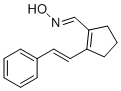
| DC74231 | ZINC13407541 Featured |
ZINC13407541 is a small molecule antagonist for FGF23, inhibits FGF-23 signaling with IC50 of 0.45 uM.
More description
|
|
| DC60937 | DSPE-DBCO Featured |

|
|
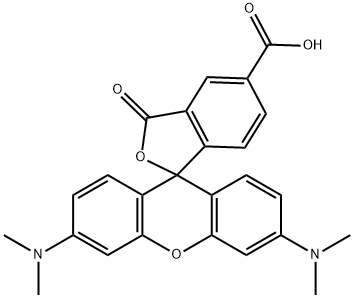
| DC48968 | 5-Carboxytetramethylrhodamine Featured |
5-Carboxytetramethylrhodamine can be used as a fluorescent probe of nucleic acids and proteins. 5-Carboxytetramethylrhodamine displays excitation maxima of 558 nm and an emission maximum of 586 nm.
More description
|
|
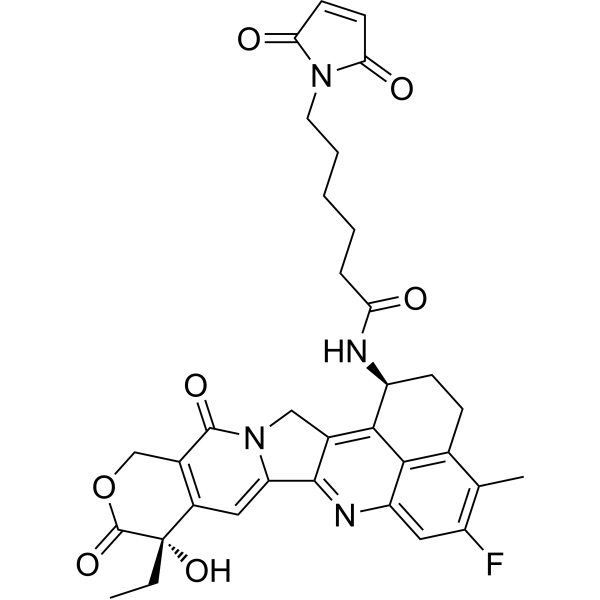
| DC76263 | Mal-Exatecan Featured |
Mal-Exatecan is a Mal (Maleimide) modified Exatecan. Rilpivirine is an effective and selective diarylpyrimidine (DAPY) non-nucleoside reverse transcriptase inhibitor (NNRTI). It exhibits potent antiviral activity against both wild-type HIV (EC50 = 0.4 nM) and mutant strains (EC50 = 0.1-2.0 nM).
More description
|
|
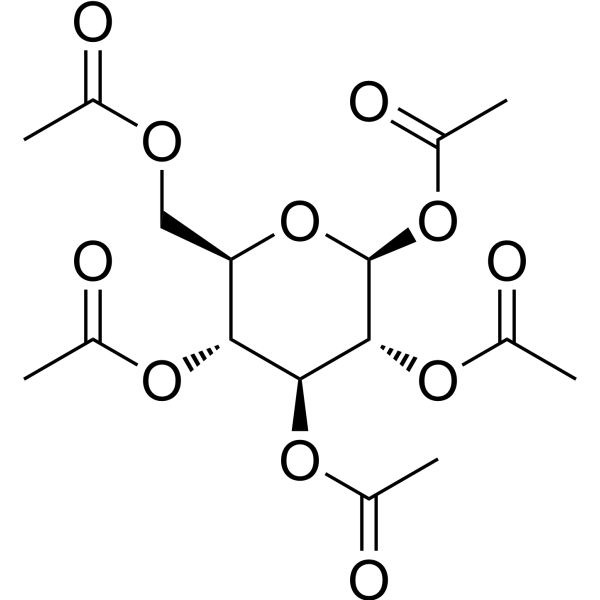
| DC29009 | β-D-Glucose pentaacetate Featured |
β-D-Glucose Pentaacetate (Penta-O-acetyl-β-D-glucopyranose) is used in biochemical reaction.
More description
|
|
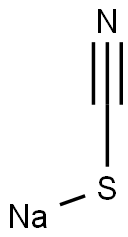
| DC29010 | Sodium thiocyanate Featured |
Sodium thiocyanate reduces plasma levels of the pro-inflammatory cytokine IL-6, and increases the anti-inflammatory cytokine IL-10 levels. Sodium thiocyanate also significantly reduces of ROS formation.
More description
|
|
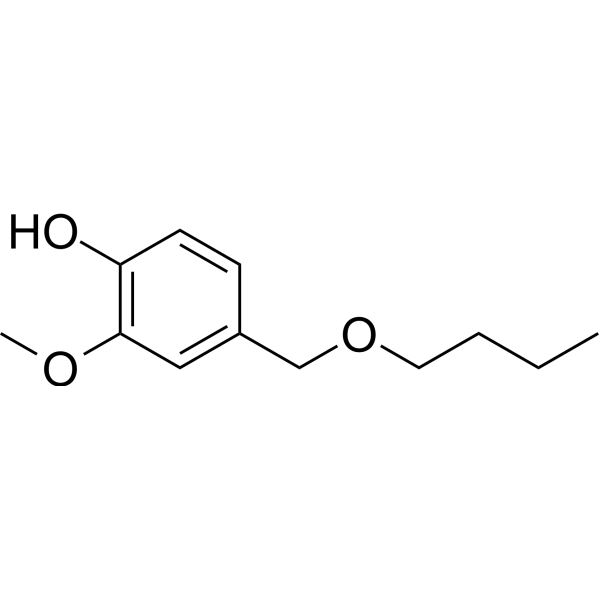
| DC29180 | Vanillyl butyl ether Featured |
Vanillyl butyl ether is a major contributor to the characteristic flavor and fragrance of vanilla. Vanillyl butyl ether is one of the eco-friendly and nontoxic substances. Vanillyl butyl ether has been proposed as a mild warming agent providing a warming sensation and enhancing the blood circulation.
More description
|
|
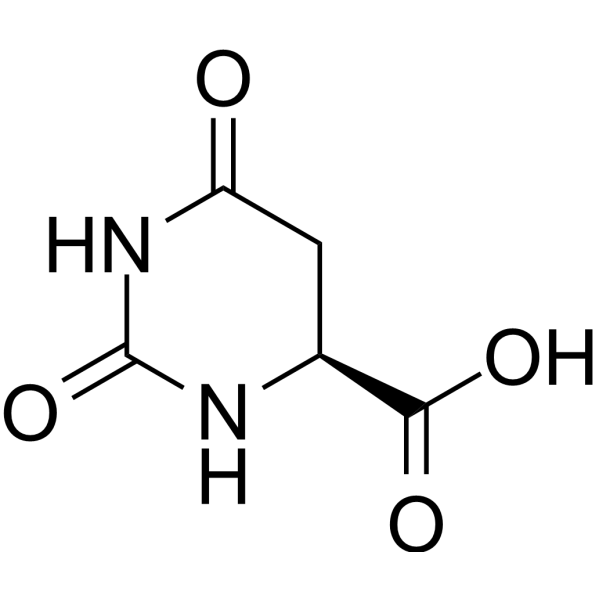
| DC29184 | L-Dihydroorotic acid Featured |
L-Dihydroorotic acid can reversibly hydrolyze to yield the acyclic L-ureidosuccinic acid by dihydrowhey enzyme.
More description
|
|
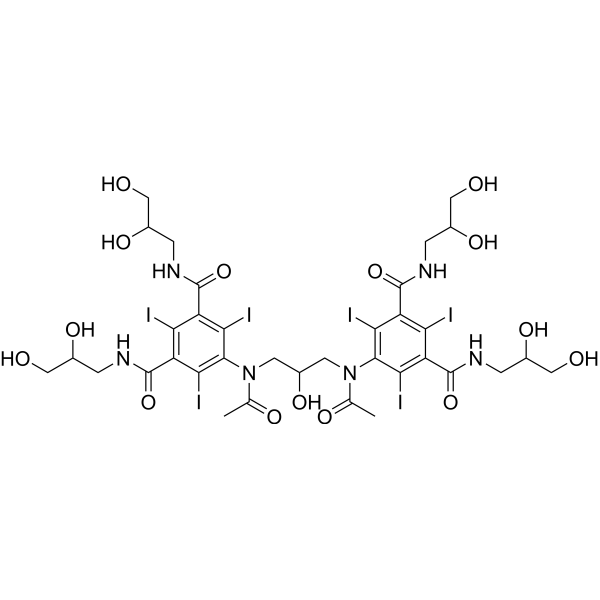
| DC31718 | Iodixanol Featured |
Iodixanol is a contrast agent. It is commonly used as a contrast agent during coronary angiography. It is the only iso-osmolar contrast agent, with an osmolality of 290 mOsm/kg H2O—the same as blood.
More description
|
|
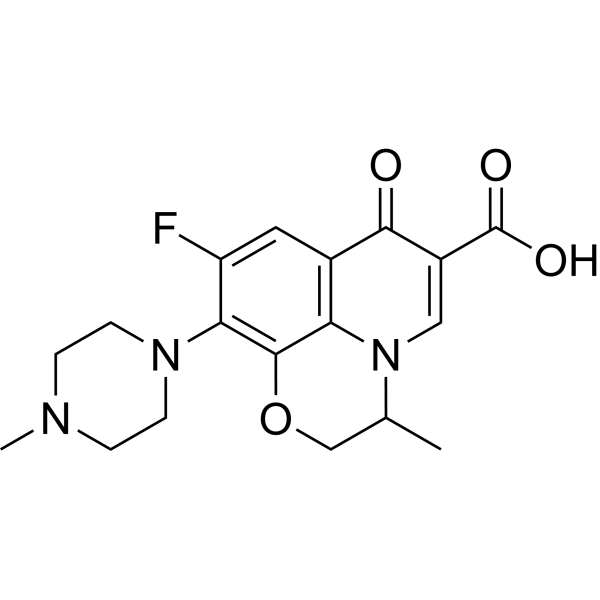
| DC31786 | Ofloxacin Featured |
Ofloxacin is a synthetic antibiotic of the fluoroquinolone drug class considered to be a second-generation fluoroquinolone.
More description
|
|
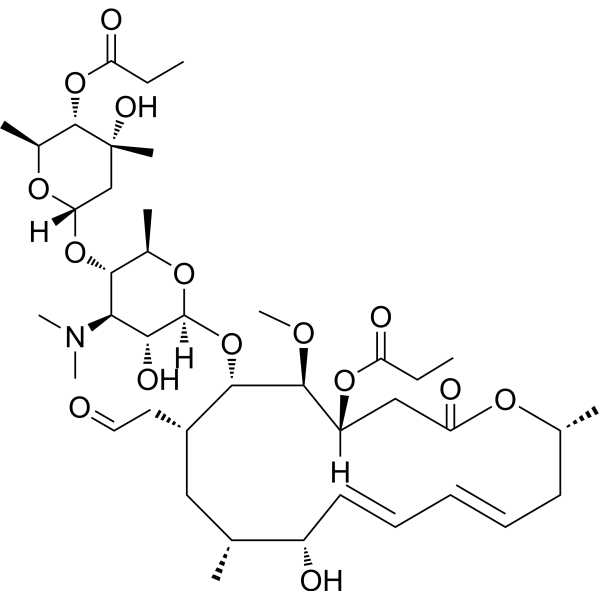
| DC32423 | Midecamycin Featured |
Midecamycin is a naturally occurring 16-membered macrolide that fits under the category of acetoxy-substituted macrolide antibiotics. In this molecule, an acetoxy group is substituted on the position 9 of the 16-member ring and on position 4 of the terminal sugar.
More description
|
|
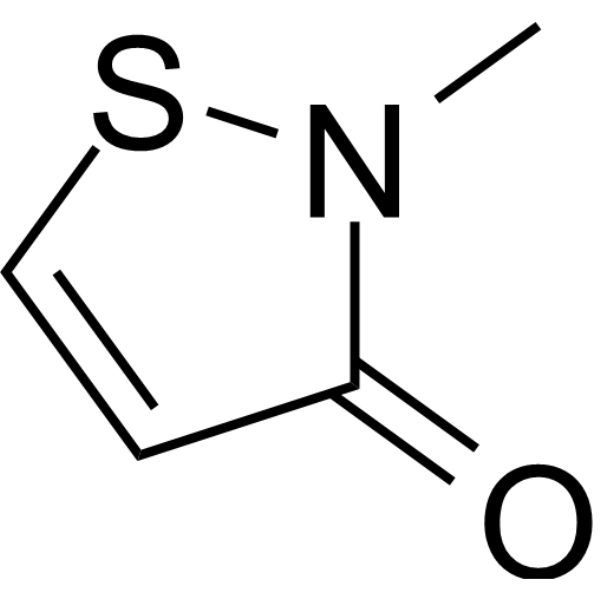
| DC32284 | Methylisothiazolinone free base Featured |
Methylisothiazolinone, also known as MIT, or MI, (sometimes erroneously called methylisothiazoline), is a powerful synthetic biocide and preservative within the group of isothiazolinones, which is used in numerous personal care products and a wide range of industrial applications.
More description
|
|
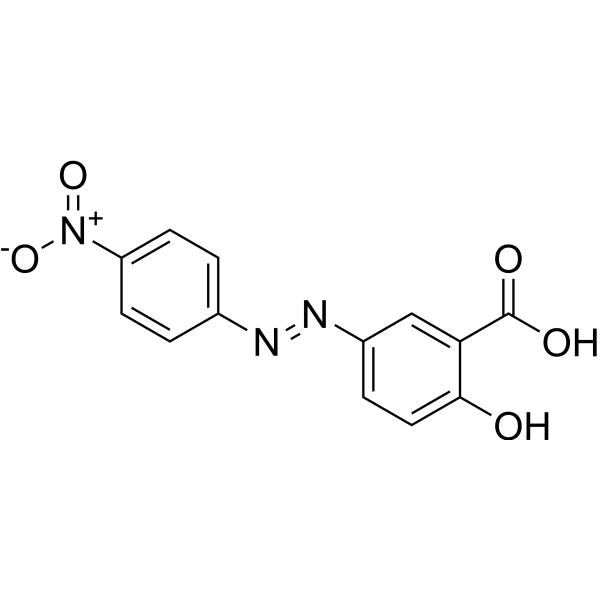
| DC32425 | Alizarine Yellow R Featured |
Alizarine Yellow R is a yellow colored azo dye made by the diazo coupling reaction.
More description
|
|
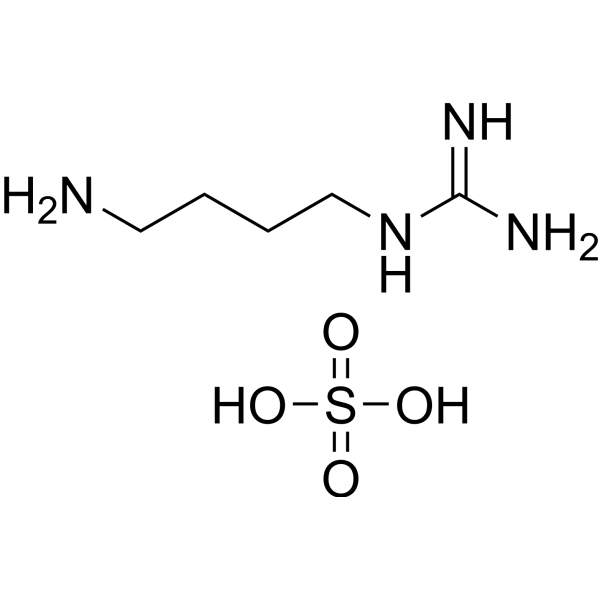
| DC32886 | Agmatine Sulfate Featured |
Agmatine Sulfate is a neurotransmitter and neuromodulator, inhibiting N-methyl-D-aspartate (NMDA), nicotinic acetylcholine receptors nitric oxide synthase, calcium channels and certain serotonin receptors, activating imidazoline receptors.
More description
|
|
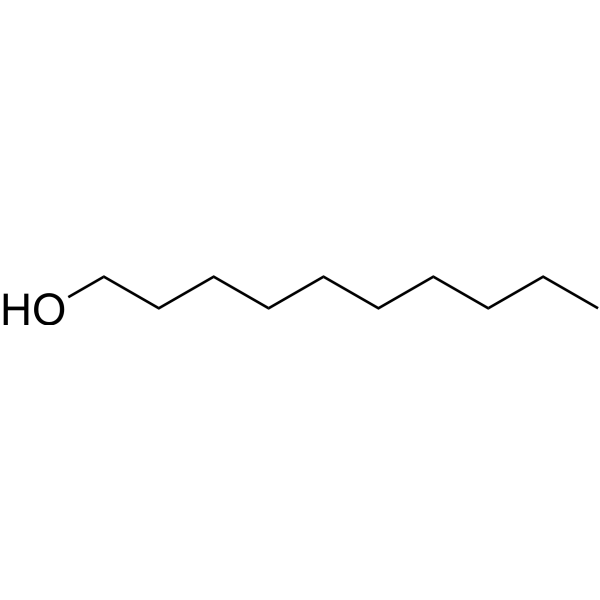
| DC36637 | 1-Decanol Featured |
1-Decanol is used in the production of plasticizers, lubricants, surfactants and solvents. It is also used to study the thermal properties of polymer-monolithic stationary phases. Further, it is used to enhance homomeric glycine receptor function. In addition to this, it is used in daily flavor, food flavor and cosmetics.
More description
|
|
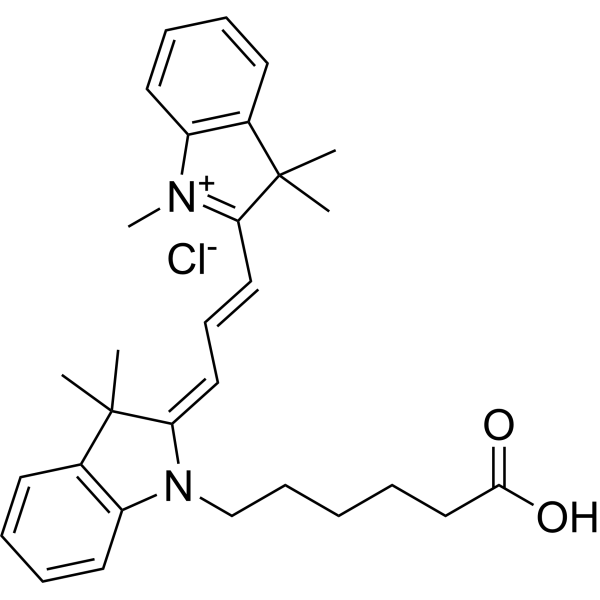
| DC33930 | Cyanine3 carboxylic acid Featured |
Free Cyanine3 carboxylic acid (Cy3? carboxylic acid analog), non-activated dye. Non-sulfonated reagent, with good solubility in organic solvents, and limited aquous solubility. The dye can be used as a non-reactive fluorophore, for control experiments, and for calibration.
More description
|
|
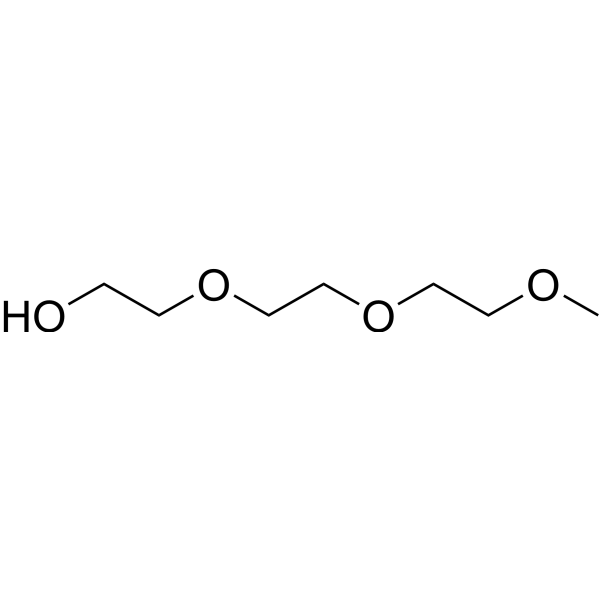
| DC35456 | m-PEG3-alcohol Featured |
m-PEG3-alcohol is a PEG derivative containing a hydroxyl group. The hydroxyl group enables further derivatization or replacement with other reactive functional groups. The hydrophilic PEG spacer increases solubility in aqueous media.
More description
|
|
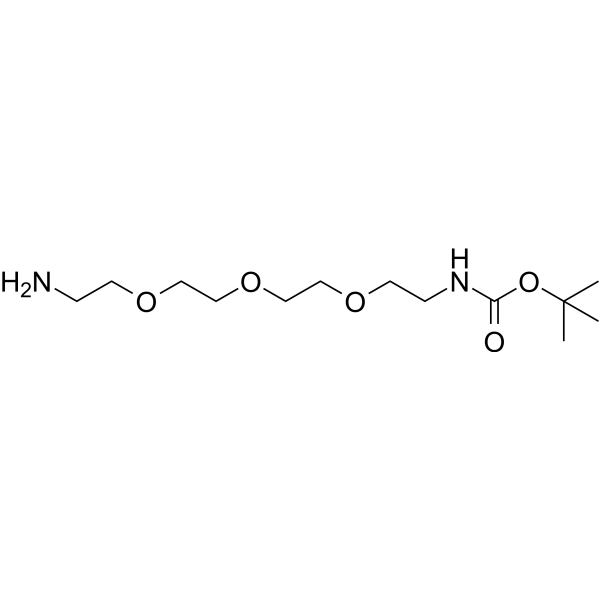
| DC34938 | t-Boc-N-Amido-PEG3-amine Featured |
t-Boc-N-Amido-PEG3-amine is a PEG derivative containing an amino group and Boc-protected amino group. The amino group is reactive with carboxylic acids, activated NHS esters, carbonyls (ketone, aldehyde) etc. The Boc group can be deprotected under mild acidic conditions to form the free amine. PEG Linkers may be useful in the development of antibody drug conjugates.
More description
|
|
| DC37292 | Dibenzylamine Featured |
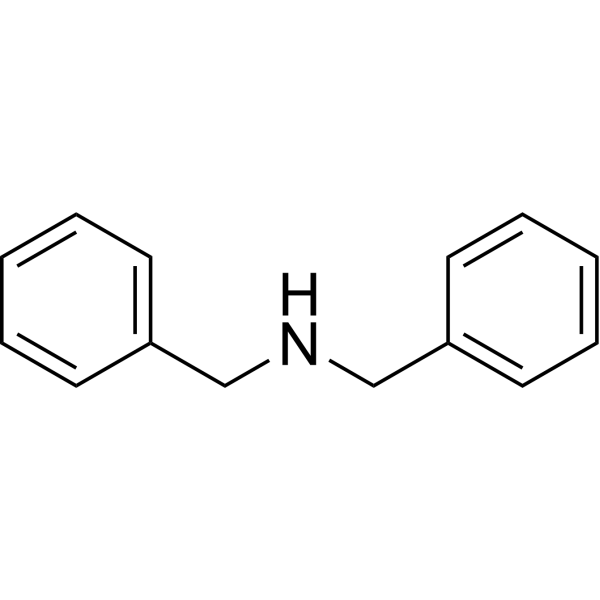
Dibenzylamine is a component of Potent neurogenic agent.
More description
|
|
| DC35972 | TCO-NHS ester Featured |
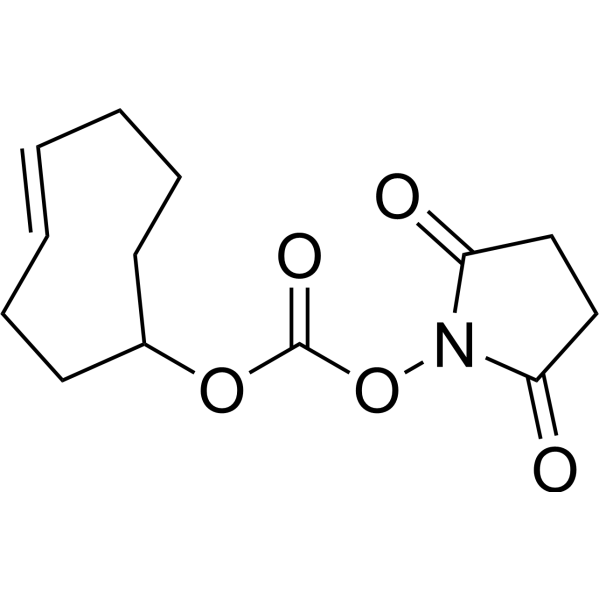
TCO-NHS ester is an amine-reactive reagent containing the TCO moiety and a NHS ester. This reagent can be used to modify an amine-containing molecules. The specially formulated crystalline producty enables easy handling andan extended shelf life. TCO-NHS Ester is supplied as single axial (major) diastereomer.
More description
|
|
| DC37167 | Undecylenic acid Featured |
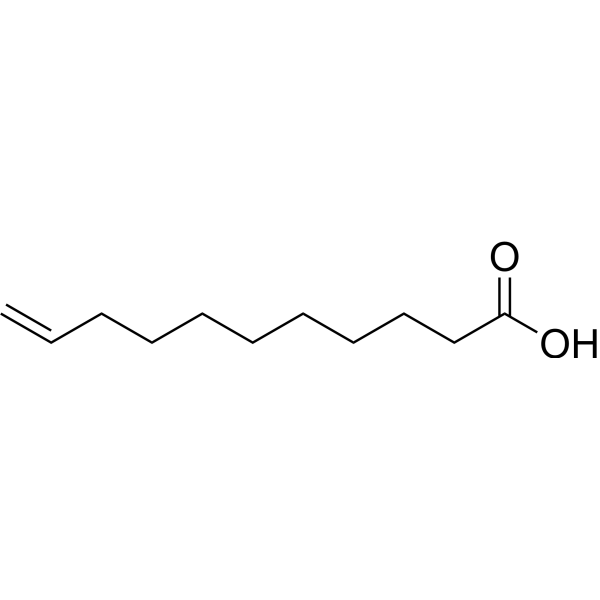
Undecylenic acid is a fatty acid with a terminal double bond. Undecylenic acid is an active ingredient in medications for skin infections, and to relieve itching, burning, and irritation associated with skin problems.
More description
|
|
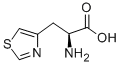
| DC37722 | Thiazolylalanine Featured |
Thiazolylalanine is an important raw material and intermediate used in organic synthesis, pharmaceuticals, agrochemicals and dyestuff.
More description
|
|
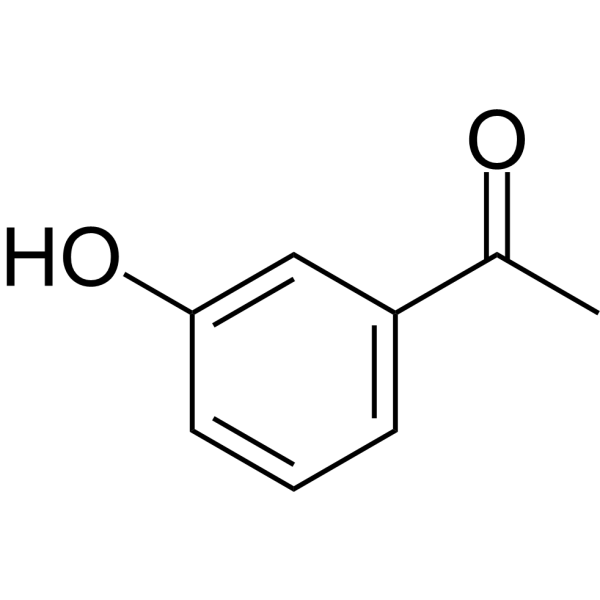
| DC37256 | 3'-Hydroxyacetophenone Featured |
3-Hydroxyacetophenone (m-Hydroxyacetophenone) is a hydroxy-substituted alkyl phenyl ketone and also a plant defensin in carnations.
More description
|
|
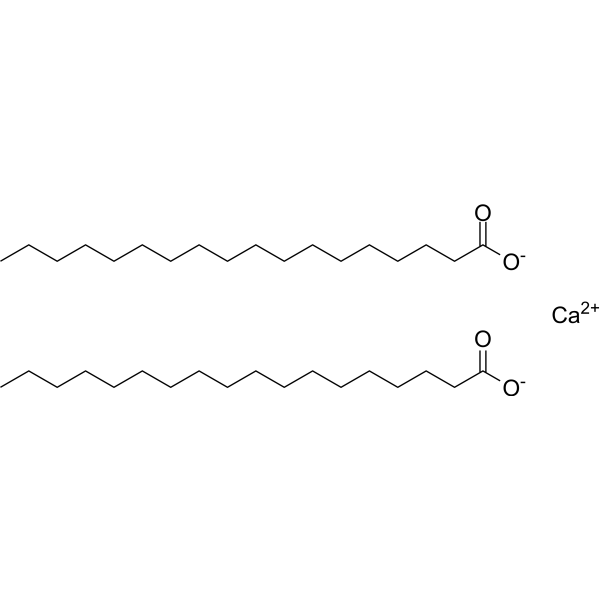
| DC37150 | Calcium stearate Featured |
Calcium Stearate as an Effective Alternative to Poly(vinyl alcohol) in Poly-Lactic-co-Glycolic Acid Nanoparticles Synthesis.
More description
|
|
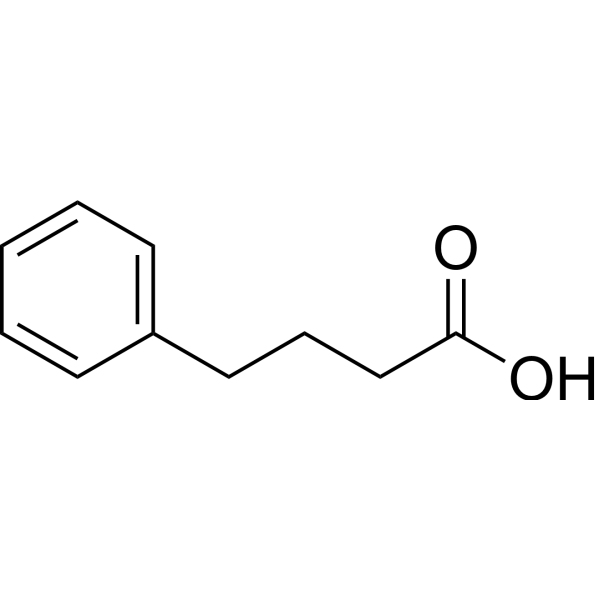
| DC37233 | 4-Phenylbutyric acid Featured |
4-Phenylbutyric acid is an antineoplastic agent.
More description
|
|
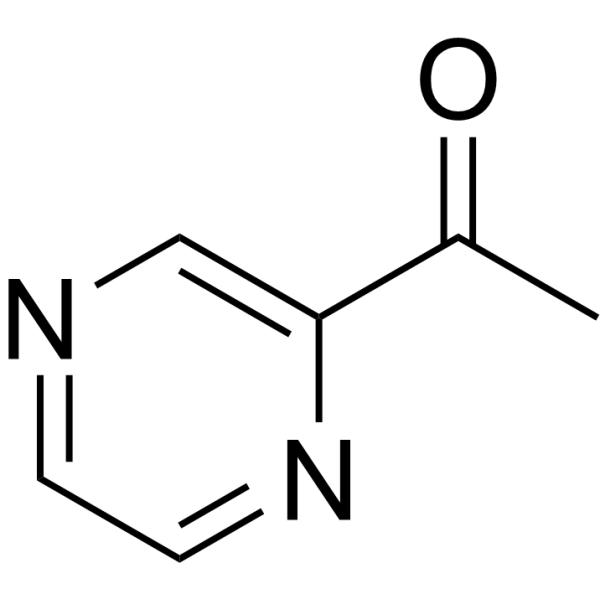
| DC33761 | 2-Acetylpyrazine Featured |
2-Acetylpyrazine is a pyrazine and a ketone. It is a yellow-brown powder at room temperature.
More description
|
|
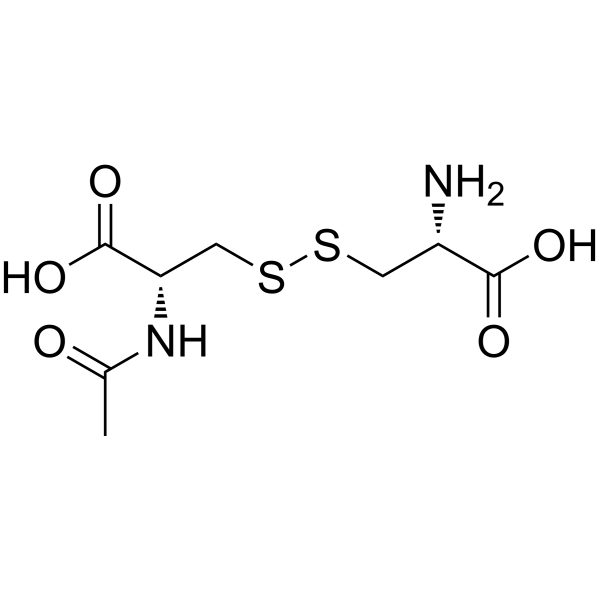
| DC37770 | N-Monoacetylcystine Featured |
N-Monoacetylcystine is an antidote for paracetamol poisoning. It is also an antioxidant, used in the treatment of influenza A virus pandemic. N-Acetyl-L-cystine promotes fertilization by reducing disulfide bonds in zona pellucida of mouse.
More description
|
|
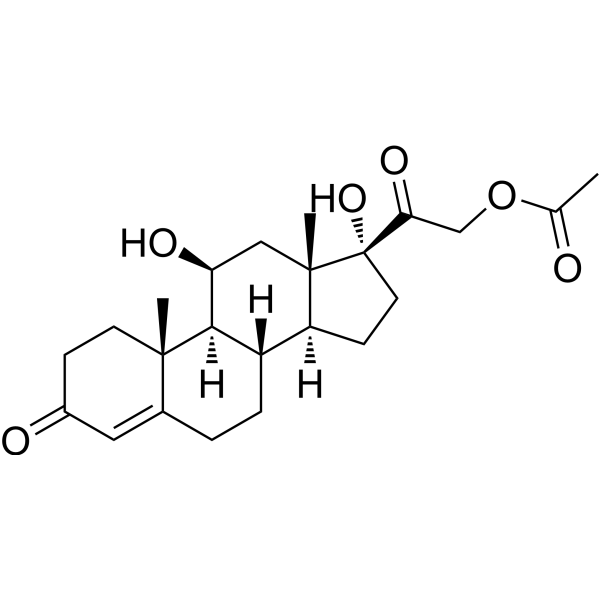
| DC31711 | Hydrocortisone acetate Featured |
Hydrocortisone Acetate is the synthetic acetate salt form of hydrocortisone, a corticosteroid with anti-inflammatory and immunosuppressive properties. Hydrocortisone acetate initially binds to the cytoplasmic glucocorticoid receptor; then the receptor-ligand complex is translocated to the nucleus where it initiates the transcription of genes encoding for anti-inflammatory mediators, such as cytokines and lipocortins. Lipocortins inhibit phospholipase A2, thereby blocking the release of arachidonic acid from membrane phospholipids and preventing the synthesis of prostaglandins and leukotrienes.
More description
|
|
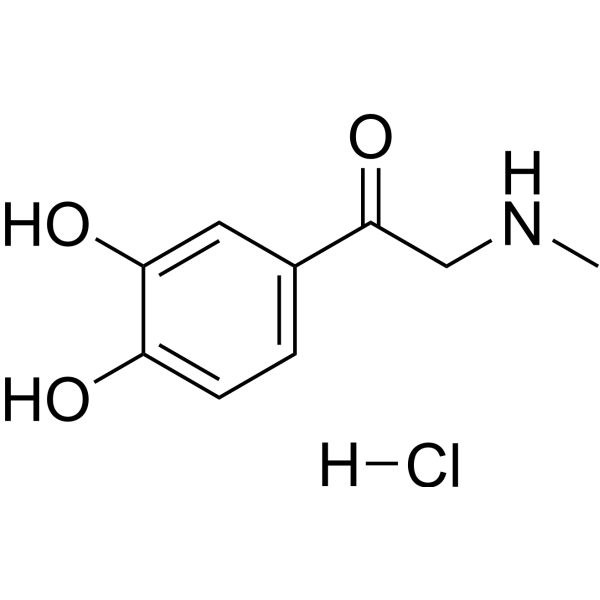
| DC36105 | Adrenalone hydrochloride Featured |
Adrenone hydrochloride displays antineoplastic activity and has been shown to inhibit growth of Ehrlich ascites tumors in mice.
More description
|
|
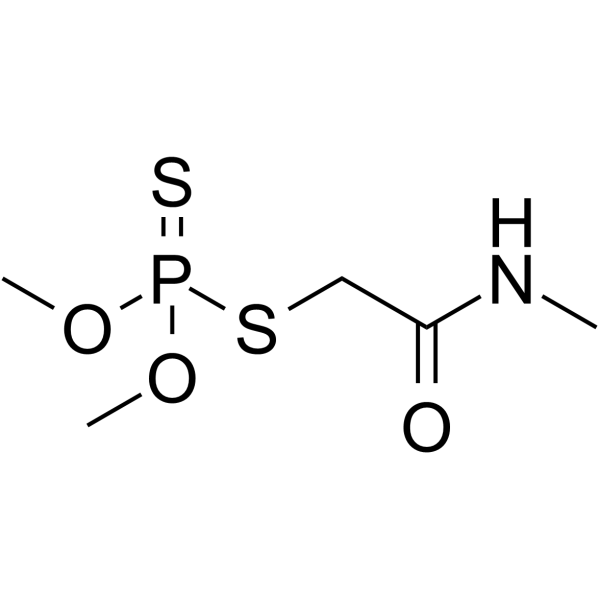
| DC37720 | Dimethoate Featured |
Dimethoate is an organothiophosphorus cholinesterase inhibitor that is used as a systemic and contact insecticide.
More description
|
|
