 To enhance service speed and avoid tariff delays, we've opened a US warehouse. All US orders ship directly from our US facility.
| Cat. No. | Product Name | Field of Application | Chemical Structure |
|---|---|---|---|
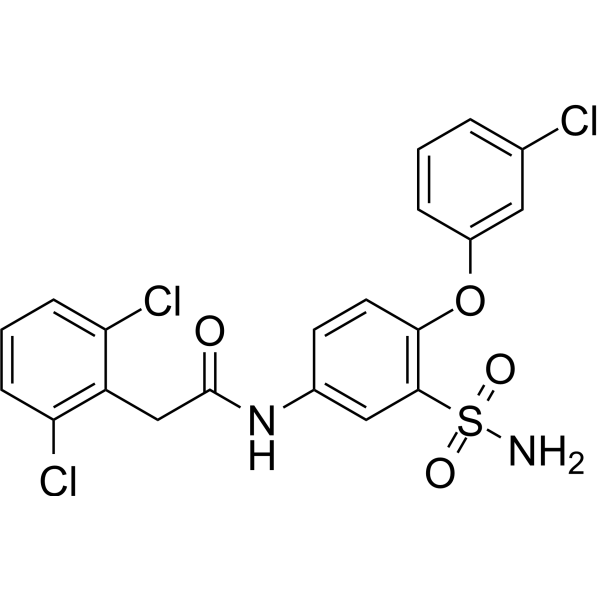
| DC66341 | P2X4 antagonist-1 Featured |
P2X4 antagonist-1 (Compound 24) is an antagonist for P2X4 with IC50 of 15 nM.
More description
|
|
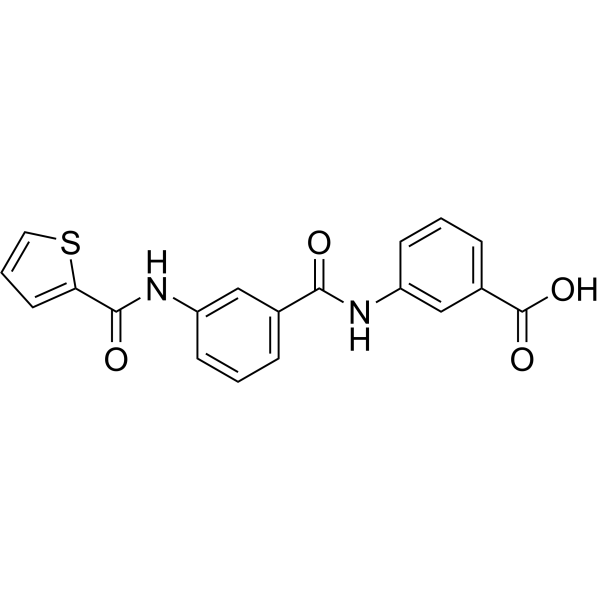
| DC66340 | CZL80 Featured |
CZL80, a brain-penetrable caspase-1 inhibitor with an IC50 of 0.01 μM, could be used in the study of febrile seizures and later enhanced epileptogenic susceptibility.
More description
|
|
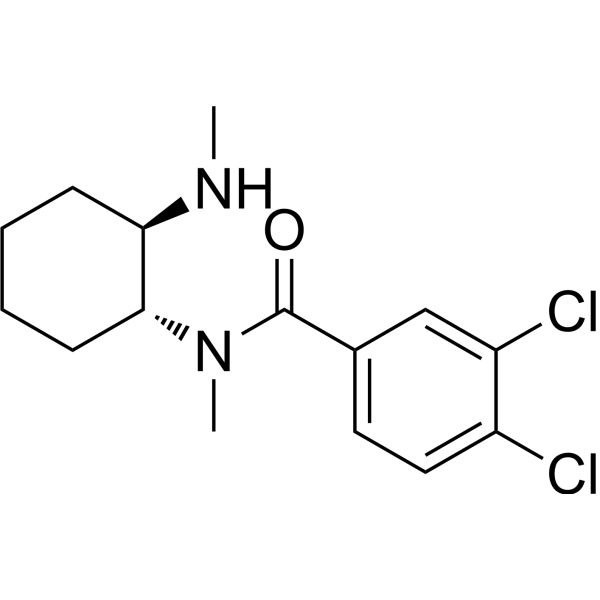
| DC66339 | N-Desmethyl-U-47700 Featured |
N-Desmethyl-U-47700 is the primary metabolite of U-47700 (an opioid agonist).
More description
|
|
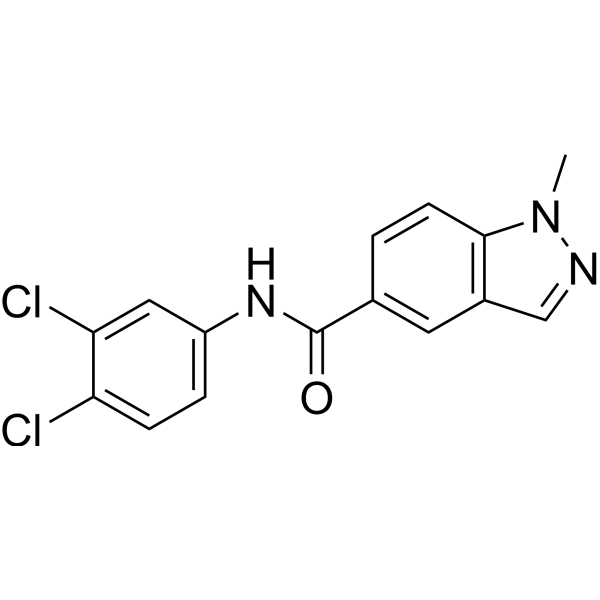
| DCC4286 | Psb-1491 Featured |
Highly potent, selective, competitive, and reversible inhibitor of monoamine oxidase B (MAO-B)
More description
|
|
| DC73510 | Org 274179-0 Featured |
Org 274179-0 is a highly potent, allosteric antagonist of the thyroid-stimulating hormone receptor (TSH receptor), inhibits bTSH-, hTSH- and M22-mediated CRE-luciferase transactivation in the CHO cell line.
More description
|

|
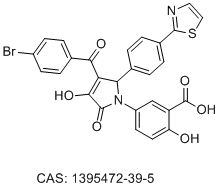
| DC73933 | C902 Featured |
C902 is a small-molecule inhibitor targeting LIN28-let-7 interaction, shows dose-dependent inhibition in an EMSA validation assay with IC50 of 5 uM.
More description
|
|
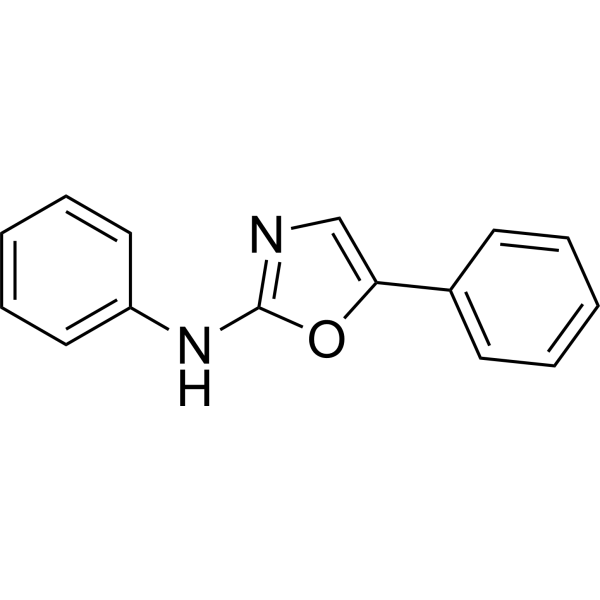
| DC66338 | GW549390X Featured |
GW549390X is a dual inhibitor of Fluc and VEGFR2 with IC50 of 0.26 μM and 1.2 μM, respectively. GW549390X can bind to the ATP pocket of FLuc through the aniline side chain and is an ATP-competitive inhibitor of Fluc. GW549390X acts as a protein kinase inhibitor across ATP-dependent and -independent luciferases, with potential implications for Fluc reporter assays.
More description
|
|
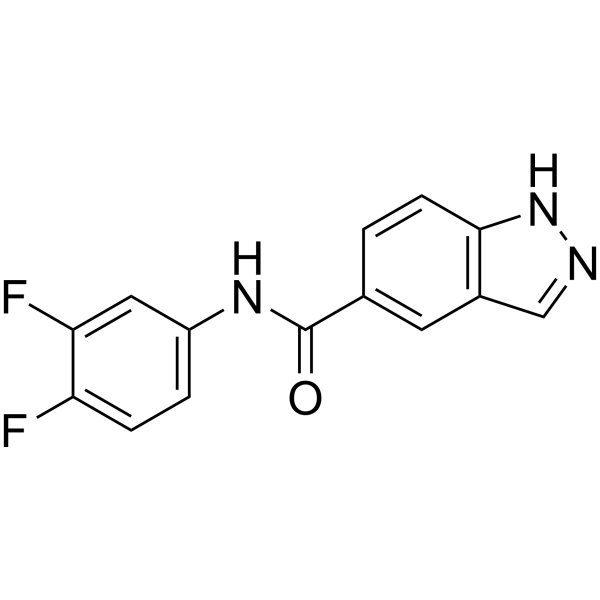
| DCC4285 | Psb-1434 Featured |
Highly potent, selective, competitive, and reversible inhibitor of monoamine oxidase B (MAO-B)
More description
|
|
| DC11911 | Rovazolac Featured |
Rovazolac is a liver x receptor (LXR) modulator extracted from patent WO2013130892A1.
More description
|

|
| DC66336 | BD1063 HCl Featured |
BD1063 is a selective sigma receptor antagonist, with a reported binding affinity of Ki = 9 ± 1 nM for the sigma-1 receptor and more than 49 times selectivity over the sigma-2 receptor. Consistent with other reported sigma receptor antagonists, pretreating Swiss Webster mice with BD1063 significantly decreases the convulsivity and lethality of cocaine. In other animal studies, BD1063 blocks the effects of MDMA, and reduces alcohol intake in rodent models of alcoholism.
More description
|
|
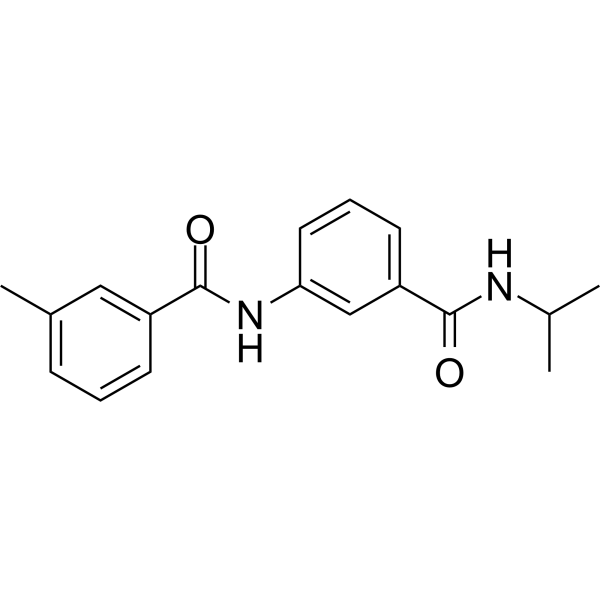
| DC66335 | ANO61 Featured |
ANO61 is a dibenzyl formamide derivative, which exhibits an antiplatelet efficacy through modulation of thrombin-induced Ca2+ response with an IC50 of 47.7 μM.
More description
|
|
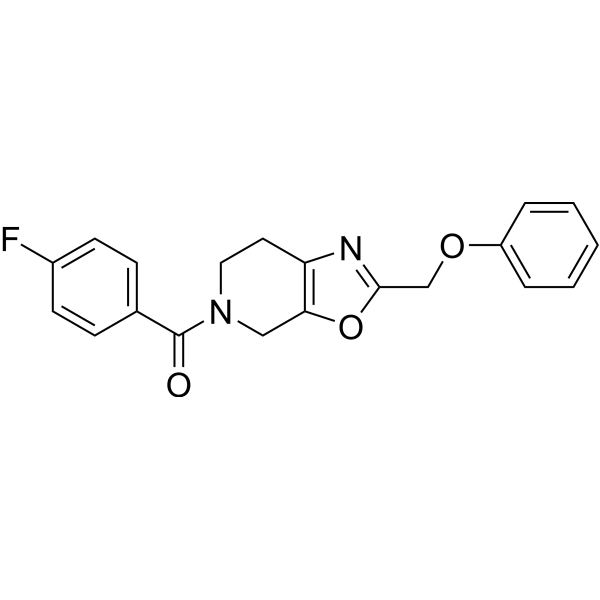
| DC22684 | JNJ-46778212 Featured |
A potent, selective, CNS penetrant and orally bioavailable mGlu5 positive allosteric modulator that potentiates human mGlu5 with EC50 of 260 nM.
More description
|
|
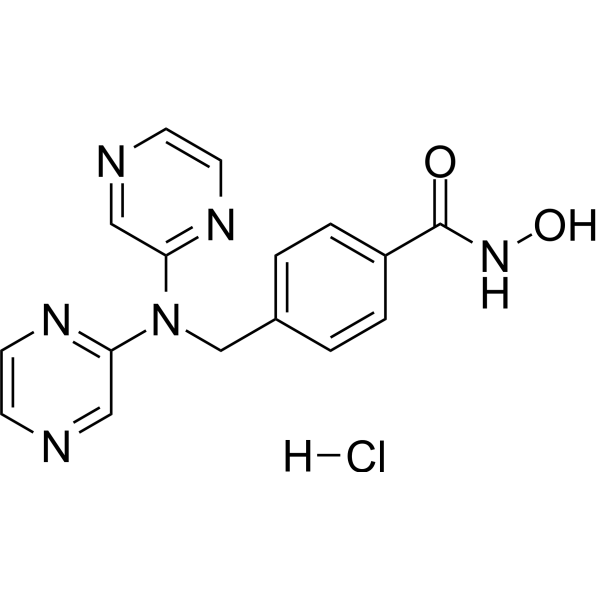
| DC66334 | KA2507 monohydrochloride Featured |
KA2507 hydrochloride is a potent and highly selective inhibitor of HDAC6 (IC50=2.5 nM) with no significant toxicities. KA2507 hydrochloride shows antitumor efficacy and immune modulatory effects.
More description
|
|
| DC70534 | KA2507 Featured |
KA2507 (KA-2507, KA 2507) is a potent and selective inhibitor of HDAC6 with IC50 of 2.5 nM, >300-fold selectivity over other HDACs.KA2507 demonstrated cellular potency (IC50=150 nM) in a cellular assay measuring induction of acetylated α-tubulin, a marker of HDAC6 inhibition.KA2507 displays antiproliferative effects against a set of 93 human cancer cells with IC50 of 2-30 uM.KA2507 inhibits tumor growth in the syngeneic B16-F10 mouse melanoma model.
More description
|

|
| DC73761 | NAMPT activator (NAT) Featured |
NAMPT activator (NAT) is a potent, small molecule activator of nicotinamide phosphoribosyltransferase (NAMPT) with ITC KD of 500 nM.
More description
|

|
| DC71352 | Picotamide Featured |
Picotamide is a combined inhibitor of thromboxane A2 (TxA2) synthase and receptor. Picotamide has antiplatelet activity. Picotamide promotes the reduction of microalbuminuria and the inhibition of growth of carotid plaques in diabetes. Picotamide can be used for researching acute or chronic cardiovascular diseases.
More description
|

|
| DC73159 | ML315 Featured |
ML315 is a small molecule inhibitor of the cdc2-like (Clk) and dual specificity tyrosine phosphorylation-regulated (Dyrk) kinases with IC50 of 68, 231, >10,000, 68, 282 and 1156 nM for CLK1/2/3/4 and DYRK1/2, respectively.
More description
|

|
| DC72591 | OUL232 Featured |
OUL232 is a potent inhibitor of mono-ARTs PARP7, PARP10, PARP11, PARP12, PARP14, and PARP15. OUL232 is the most potent PARP10 inhibitor described to date (IC50=7.8 nM), as well as the first PARP12 inhibitor ever reported.
More description
|

|
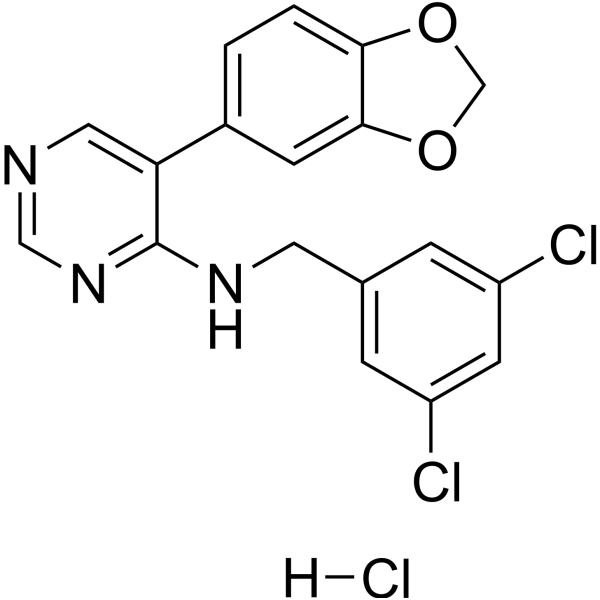
| DC66333 | ML 315 hydrochloride Featured |
ML 315 hydrochloride is a selective dual inhibitor of CDK and DYRK with IC50s of 68 nM and 282 nM, respectively. ML 315 is used in cancer and neurological disease research.
More description
|
|
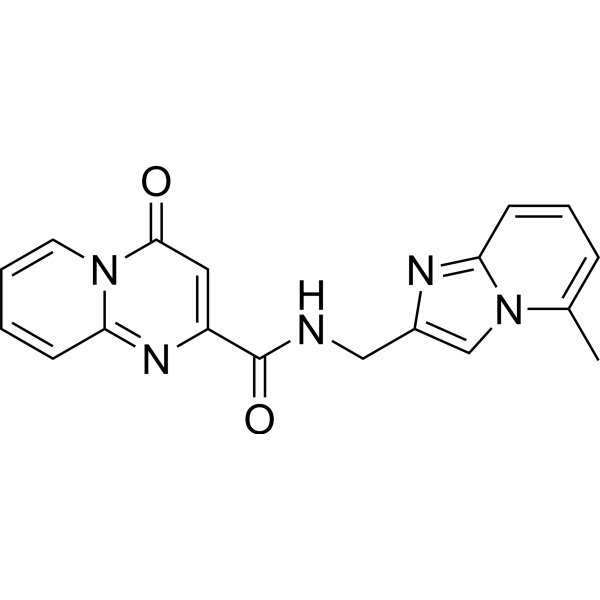
| DC66332 | STM2120 Featured |
STM2120 is a METTL3-METTL14 inhibitor with an IC50 of 64.5 μM.
More description
|
|
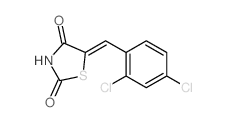
| DC66331 | NSC 31150 Featured |
|
|
| DC66330 | Martinostat Featured |
Martinostat is a histone deacetylase imaging agent.
More description
|
|
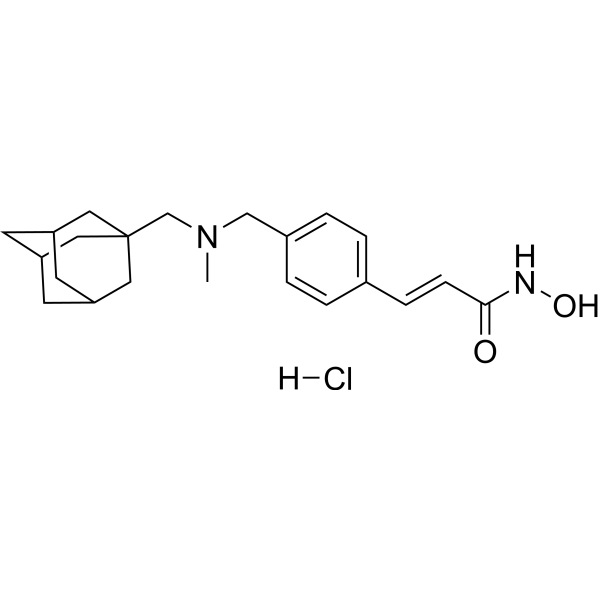
| DC66329 | Martinostat hydrochloride Featured |
Martinostat (hydrochloride) is a inhibitor of HDAC that can be labeled with radionuclides for diagnostic applications.
More description
|
|
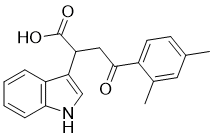
| DC43932 | Auxinole Featured |
Potent TIR1 antagonist, blocking the formation of the TIR1-IAA-Aux/IAA complex and so inhibiting auxin-responsive gene expressionReferences:1) Smékalová V, Luptovčiak I, Komis G, Šamajová O, Ovečka M, Doskočilová A, Takáč T, Vadovič P, Novák O, Pechan T,
More description
|
|
| DC43934 | SIRT6-IN-5 Featured |
Novel inhibitor of SIRT6, sensitizing pancreatic cancer cells to gemcitabineREFERENCES1) Damonte P, Sociali G, Parenti MD, Soncini D, Bauer I, Boero S, Grozio A, Holtey MV, Piacente F, Becherini P, Sanguineti R, Salis A, Damonte G, Cea M, Murone M, Poggi
More description
|

|
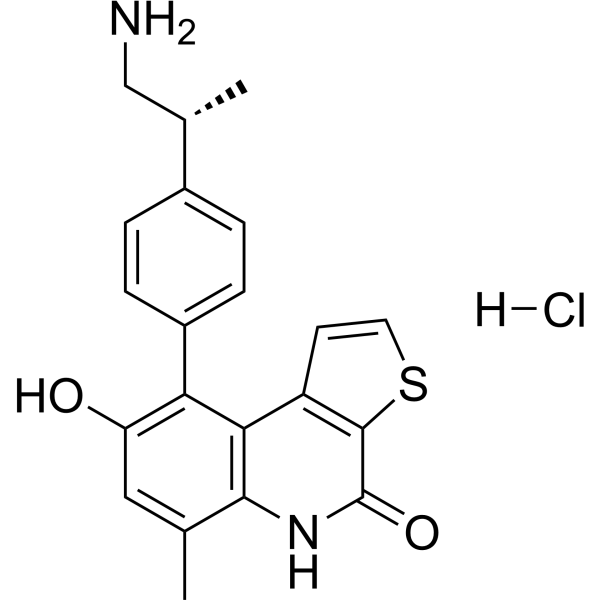
| DC66328 | OTS514 hydrochloride Featured |
OTS514 hydrochloride is a highly potent TOPK inhibitor, which inhibits TOPK kinase activity with a median inhibitory concentration (IC50) value of 2.6 nM. OTS514 hydrochloride strongly suppresses the growth of TOPK-positive cancer cells. OTS514 hydrochloride induces cell cycle arrest and apoptosis.
More description
|
|
| DC20537 | Robenacoxib Featured |
Robenacoxib is a nonsteroidal anti-inflammatory drug (NSAID) used in veterinary medicine for the relief of pain and inflammation in cats and dogs, a Cyclooxygenase(COX)-1 and COX-2 inhibitor..
More description
|
.gif)
|
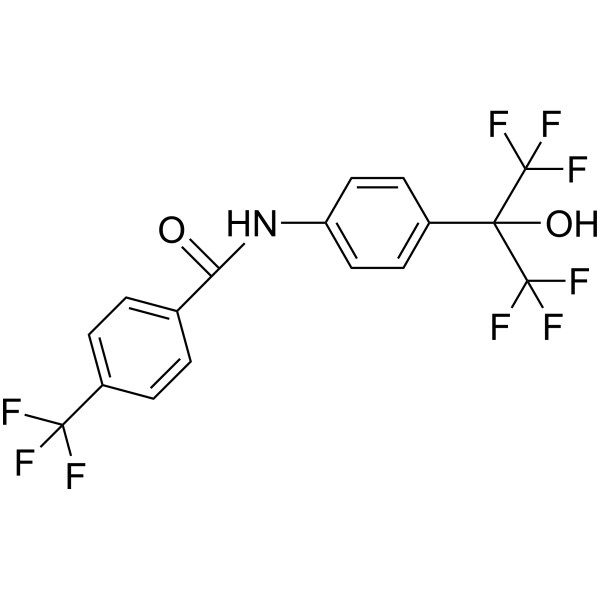
| DC7684 | SR1078 Featured |
SR1078 is an agonist of retinoic acid receptor-related orphan receptors (ROR) RORα/γ.
More description
|
|
| DC7487 | Pyroxamide Featured |
Inhibitor of histone deacetylase (HDAC); potently inhibits affinity purified HDAC1. Also inhibits the growth of tumor cells in vitro and in vivo. Induces p21/WAF1 expression in tumor cells.
More description
|

|
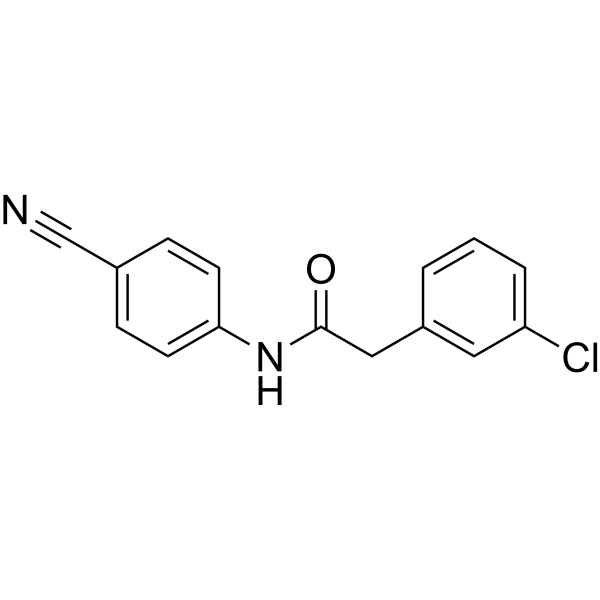
| DC66327 | Antibacterial agent 125 Featured |
Antibacterial agent 125 is an antibacterial agent. Antibacterial agent 125 has a potent antimicrobial activity against clinically relevant Gram-positive pathogens with MIC50 values range from 0.25 - 8 μM. Antibacterial agent 125 can be used for the research of antimicrobial resistance.
More description
|
|
