 To enhance service speed and avoid tariff delays, we've opened a US warehouse. All US orders ship directly from our US facility.
| Cat. No. | Product Name | Field of Application | Chemical Structure |
|---|---|---|---|
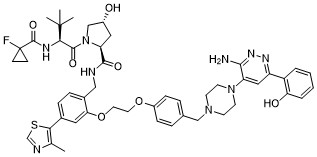
| DC45754 | ACBI1 Featured |
ACBI1 is a potent and cooperative PROTAC degrader of SMARCA2, SMARCA4 and PBRM1 with DC50 of 6 nM, 11 nM and 32 nM for SMARCA2, SMARCA4 and PBRM1 in MV-4-11 cells, respectively. ACBI1 is composed of a bromodomain ligand, a linker, and the E3 ubiquitin ligase VHL. ACBI1 induces anti-proliferative effects and apoptosis.
More description
|
|
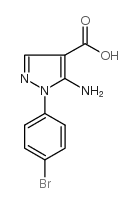
| DC60018 | 5-amino-1-(4-bromophenyl)-1H-pyrazole-4-carboxylic acid Featured |
|
|
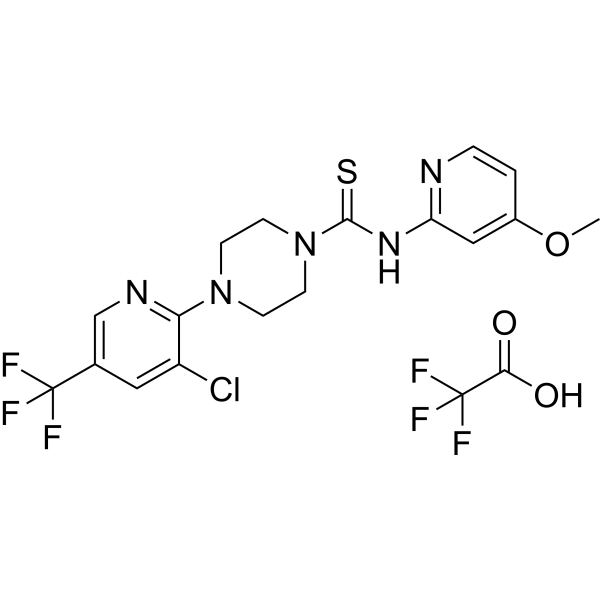
| DC60021 | ML267 Featured |
ML267 a potent Sfp phosphopantetheinyl transferase (PPTases) inhibitor with an IC50 of 0.29 μM. ML267 also inhibits AcpS-PPTase with an IC50 of 8.1 μM. ML267 possesses specific Gram-positive-targeted bactericidal activities.
More description
|
|
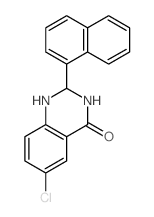
| DC60022 | 4(1H)-Quinazolinone, 6-chloro-2,3-dihydro-2-(1-naphthalenyl)- Featured |
|
|
| DC60027 | 4-(3,4-dihydroxyphenyl)benzene-1,2-diol Featured |

|
|
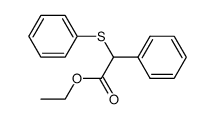
| DC60031 | Benzeneacetic acid, a-(phenylthio)-, ethyl ester Featured |
|
|
| DC60041 | Teplinovivint Featured |
Teplinovivint is a Wnt pathway inhibitor.
More description
|

|
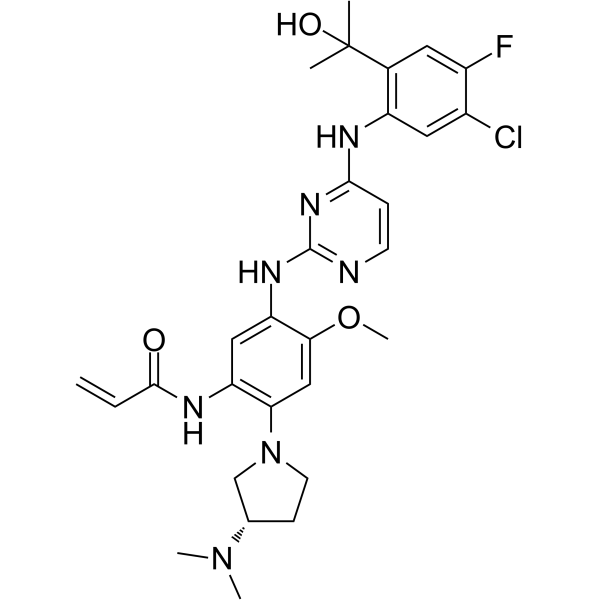
| DC60046 | (S)-Sunvozertinib Featured |
(S)-Sunvozertinib ((S)-DZD9008), the S-enantiomer of Sunvozertinib, shows inhibitory activity against EGFR exon 20 NPH and ASV insertions, EGFR L858R/T790M mutation and Her2 exon20 YVMA insertion (IC50=51.2 nM, 51.9 nM, 1 nM, and 21.2 nM, respectively).
More description
|
|
| DC60052 | Prezatide copper acetate Featured |

|
|
| DC57000 | PI4KA inhibitor-1 Featured |
PI4KA inhibitor-1 is a novel Phosphatidylinositol 4-kinase type IIIα (PI4KA) inhibitor.
More description
|

|
| DC9927 | ON1231320 Featured |
ON1231320 is a potent selective inhibitor of Polo like kinase 2 (PLK2).
More description
|

|
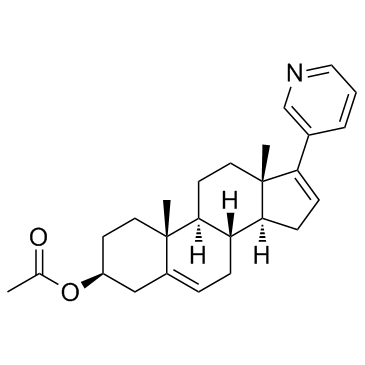
| DC31193 | Abiraterone Acetate (CB7630) Featured |
Abiraterone acetate is an FDA approved drug, and is an orally active acetate ester of the steroidal compound abiraterone with antiandrogen activity. Abiraterone acetate was approved by the U.S. Food and Drug Administration (FDA) in April 2011. Abiraterone inhibits the enzymatic activity of steroid 17alpha-monooxygenase (17alpha-hydrolase/C17,20 lyase complex), a member of the cytochrome p450 family that catalyzes the 17alpha-hydroxylation of steroid intermediates involved in testosterone synthesis. Administration of this agent may suppress testosterone production by both the testes and the adrenals to castrate-range levels. FDA Approval this drug in May 2011.
More description
|
|
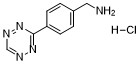
| DC60025 | Benzylamino tetrazine hydrochloride Featured |
Benzylamino tetrazine hydrochloride is a ProTAC building block. Benzylamino tetrazine hydrochloride is capable of undergoing [4+2] Diels-Alder cycloaddition reactions with strained alkenes, which makes it highly useful in bioorthogonal labeling and cell detection applications.
More description
|
|
| DC60060 | PTN57491 Featured |
PTN57491 is an key intermediate chemical to synthesize antiviral drugs remdesivir and GS441524. PTN57491 has CAS#1355357-49-1, has no formal name For the convenience of scientific communication, we named it as PTN57491 (combined from Inchi key plus CAS#) according to Hodoodo Chemical Nomenclature .
More description
|

|
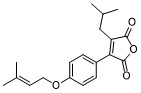
| DC60065 | Antrodin A Featured |
Antrodin A, also known as Camphorataanhydride A, is one of the main active ingredients in the solid-state fermented A. camphorata mycelium. It protects the liver from alcohol damage by improving the antioxidant and anti-inflammatory capacity of the liver and maintaining the stability of the intestinal flora.a natural product from mycelium of Antrodia camphorata. Antrodin A alleviates acute alcoholic liver injury and modulates intestinal flora dysbiosis in mice.
More description
|
|
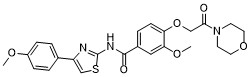
| DC21625 | SBI-477 Featured |
SBI-477 is a chemical probe that coordinately inhibits triacylglyceride (TAG) synthesis and enhances basal glucose uptake in human skeletal myocytes with EC50 of 100 nM and 1 uM, respectively.
More description
|
|
| DC42317 | EST64454 hydrochloride Featured |
EST64454 hydrochloride is a selective and orally active sigma-1 receptor antagonist with a Ki of 22 nM. EST64454 hydrochloride has the potential for the research of the pain.
More description
|

|
| DC60080 | Micafungin Featured |
Micafungin, also known as FK463, is a polyene antifungal medication used to treat and prevent invasive fungal infections including candidemia, abscesses and esophageal candidiasis. It inhibits the production of beta-1,3-glucan, an essential component of fungal cell walls. It received final approval from the U.S. Food and Drug Administration (FDA) on March 16, 2005. Micafungin works by way of concentration-dependent inhibition of 1,3-beta-D-glucan synthase resulting in reduced formation of 1,3-beta-D-glucan, which is an essential polysaccharide comprising one-third of the majority of Candida spp. cell walls. This decreased glucan production leads to osmotic instability and thus cellular lysis.
More description
|

|
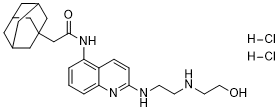
| DC20711 | AZ10606120 dihydrochloride Featured |
AZ10606120 is a potent, specific P2X7 receptor antagonist with Kd of 1.4 and 19 nM at human and rat P2X7 receptors respectively.
More description
|
|
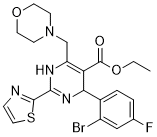
| DC21052 | GLS 4(Morphothiadin) Featured |
GLS4 (Morphothiadin) is a potent inhibitor of HBV capsid assembly, inhibits HBV replication (EC50=62.24 nM) and reduces HBV-DNA levels in HepG.2.2.15 cells (IC50=14 nM), shows efficacy against ADV-resistant HBV mutations.
More description
|
|
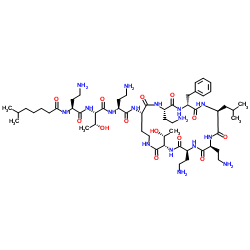
| DC10214 | Polymyxin B sulphate Featured |
Polymyxin B is an antibiotic primarily used for resistant gram-negative infections.
More description
|
|
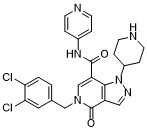
| DC40141 | BDP-13176 Featured |
BDP-13176 is a potent fascin 1 inhibitor, with a Kd of 90 nM and an IC50 of 240 nM. BDP-13176 has potential as an anti-metastatic agent.
More description
|
|
| DC60034 | STING inhibitor-1 Featured |
STING inhbiitor, which inhibited the activation of the STING signal pathway and to prevent or treat a STING-mediated disease.
More description
|
.jpg)
|
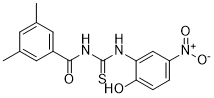
| DC20600 | DM-PIT-1 Featured |
DM-PIT-1 is a specific PIP3 antagonist that disrupts PIP3/Akt PH domain, PIP3/PDK1 PH domain, and PIP3/GRP1 PH domain with IC50 of 27.1 uM, 80.5 uM, and 35.5 uM, respectively.
More description
|
|
| DC21746 | Thr-Asp-F-amidine Featured |
Thr-Asp-F-amidine (TDFA) is a highly potent, selective PAD4 (protein arginine deiminase 4) inhibitor with IC50 of 2.3 uM, displays ≥15-fold selectivity for PAD4 versus PAD1 and ≥50-fold versus PADs 2 and 3.
More description
|

|
| DC23901 | R-(-)-Apomorphine Featured |
Apomorphine hydrochloride hemihydrate is a non-selective dopamine agonist which activates both D1-likeand D2-like receptors, with some preference for the latter subtypes..
More description
|
.jpg)
|
| DC29118 | Fibrinopeptide B, human TFA Featured |
Fibrinopeptide B, human TFA (FPB,human TFA), human is a 14-aa peptide, released from the amino-terminus of β-chains of fibrinogen by thrombin.
More description
|

|
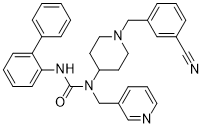
| DC43831 | BPU-11 Featured |
Novel HCN4 CLP ligand, modulating channel function and completely abolishing the cAMP-induced shift in V1/2
More description
|
|
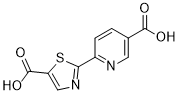
| DC43159 | pythiDC Featured |
Novel selective inhibitor of collagen prolyl 4-hydroxylase, neither causing general toxicity nor disrupting iron homeostasis
More description
|
|
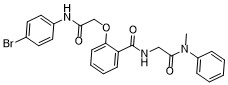
| DC43043 | ML266 Featured |
Novel glucocerebrosidase activator; Non-inhibitory chaperones of glucocerebrosidase
More description
|
|
