 To enhance service speed and avoid tariff delays, we've opened a US warehouse. All US orders ship directly from our US facility.
| Cat. No. | Product Name | Field of Application | Chemical Structure |
|---|---|---|---|
| DC60664 | Si12-C10 |
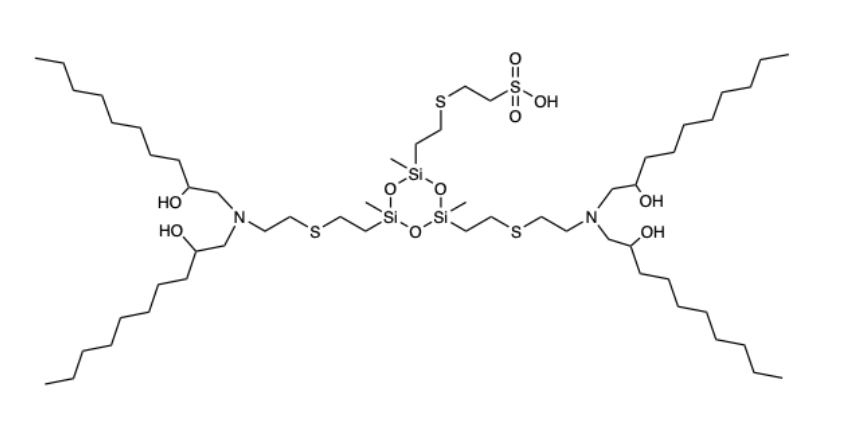
Si12-C10 is a siloxane-incorporated lipid for spleen-targeting mRNA delivery. The siloxane moieties enhance cellular internalization of mRNA-LNPs and improve their endosomal escape capacity, augmenting their mRNA delivery efficacy.
More description
|
|
| DC68179 | A5-CE-C7-6 Featured |
A5-CE-C7-6 is an ionizable lipid engineered for spleen-targeted mRNA delivery, integrating a hydroxylated dual-amine core (A5) for enhanced mRNA binding and endosomal escape, a biodegradable carbonate ester linker (CE) enabling rapid hydrolysis (61% degradation in 24 h), and branched heptyl hydrophobic tails (C7-6) that optimize nanoparticle stability and spleen tropism. When formulated into cholesterol-free lipid nanoparticles (B-8 formulation), its unique architecture—combining hydroxyl groups for cellular uptake, carbonate-mediated biodegradability, and branched-chain fluidity—achieves unprecedented efficiency: low pKa (~6.0) minimizes liver accumulation while enabling 21% transfection of splenic NK cells, outperforming benchmark systems like MC3 SORT LNPs by >10-fold in spleen-specific delivery and establishing a new standard for in vivo immune cell engineering.
More description
|

|
| DC49907 | 5A2-SC8 Featured |
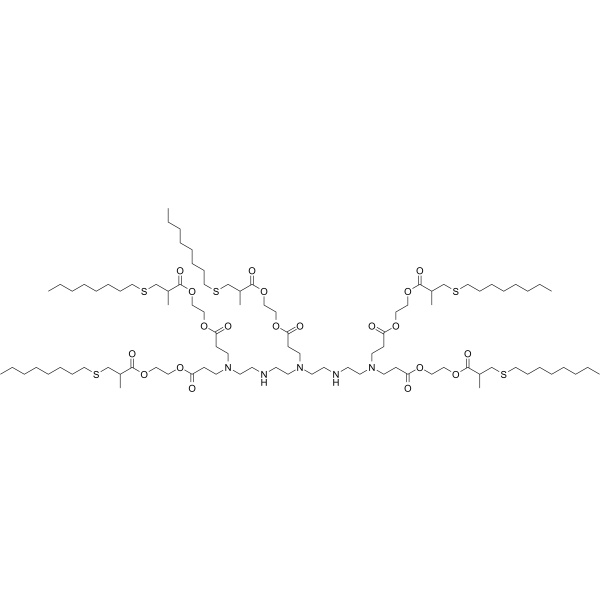
5A2-SC8 is a dendrimer for miRNA delivery to late-stage liver tumors with low hepatotoxicity. 5A2-SC8 shows potent EC50 < 0.02 mg/kg (siRNA against FVII (siFVII)) in dose-response experiments, and well tolerated in separate toxicity studies in chronically ill mice bearing MYC-driven tumors. 5A2-SC8 is a degradable lipid-like compound (ester-based dendrimer) for small RNAs delivery.5A2-SC8, was obtained by screening a large library of more than 1500 ester-based dendrimers
containing ionizable amino groups, which have three
tertiary amine heads and five lipid tails. Based on this library,
the in vitro transfection efficiency of different formulations of
5A2-SC8 iLNPs was evaluated, discovering the optimal formulation
(5A2-SC8, DOPE, cholesterol, PEG at a molar ratio of
15:15:30:3) of 5A2-SC8 iLNPs for delivering fumarylacetoacetate
hydrolase (FAH) mRNA to liver.After the intravenous injection
via tail, the model mice of hepatorenal tyrosinemia type I
had strong FAH protein expression, which prevented
body weight loss and increased the survival rate of hepatorenal
tyrosinemia mice . In addition to introducing utility of
5A2-SC8 iLNPs for the therapeutic intervention, the 5A2-SC8
iLNPs containing DOTAP have been used to establish complex
mouse models via intravenous injection, including in situ liverspecific
cancer model and in situ lung-specific cancer model.
Based on this iLNPs delivery system, 5A2-SC8 induced model
construction method overcomes the time-consuming and costly
disadvantages of traditional animal models establishing methods,
including transgenesis and gene engineering in embryonic
stem cells.
More description
|
|
| DC68212 | Lipid A3B7C2 Featured |
A3B7C2 is an imidazole‑based ionizable lipid, featuring dimethylamino‑imidazole head group connected via ester‑type degradable C2‑linker to two C14 unsaturated aliphatic tails. It forms LNPs achieving 98 % splenic transfection proportion, potent for splenic dendritic cell‑targeted mRNA delivery, superior to MC3, SM102.
More description
|

|
| DC67515 | CICL-207 Featured |
CICL 207 is structurally optimized based on Lipid CICL-1. CICL207 is a constrained ionizable cationic lipid designed for lipid nanoparticle (LNP) delivery systems developed by Capstan. Its structure features a rigid cyclic backbone (e.g., pyrrolidine-derived core) paired with a tertiary amine group that ionizes at acidic pH (pKa ~6.5–7.0), enhancing endosomal escape. The lipid includes asymmetric hydrophobic tails (likely C14–C18 alkyl/ester chains) to stabilize LNP membranes and improve nucleic acid encapsulation. Integrated into LNPs (e.g., 58% CICL-207, 10% DSPC, 30.5% cholesterol, PEG-lipids), it enables targeted delivery to T cells (anti-CD5/CD8 tLNPs) with high transfection efficiency (spleen T cells >70% mCherry+), reduced liver uptake, and low toxicity (no significant ALT/AST elevation in rats). Its constrained design balances stability, tissue specificity, and biocompatibility for gene therapy applications.CICL 207 (F50) significantly outperforms CICL-1 by delivering dramatically enhanced target cell transfection with reduced off-target effects. It achieves >50% transfection efficiency in splenic T-cells—nearly double that of CICL-1—while slashing off-target expression in liver cells to <5% (versus >15% for CICL-1. This precision translates to superior therapeutic outcomes: CICL-207 enables ~95% B-cell depletion in CAR-T applications, far exceeding CICL-1 ’s ~60% efficacy. Critically, it maintains an exceptional safety profile, showing no significant liver toxicity or inflammatory cytokine elevation even at high doses. Furthermore, CICL-207 demonstrates 2-fold higher transfection efficiency in hematopoietic stem cells, enabling robust gene editing. Its optimized pKa (~6.5) and constrained amine structure enhance endosomal escape while minimizing Kupffer cell uptake, making it ideal for targeted therapeutics requiring both potency and safety.
More description
|

|
| DC68213 | Lipid A1B7C2 Featured |
A1B7C2 is an imidazole‑based ionizable lipid from the IMIL library. It features dimethylamino‑propyl imidazole head group, paired with B7 hydrophobic tails and C2 degradable ester linkers. LNPs assembled from A1B7C2 can effectively accumulate within the spleen after systemic administration. It mediates mRNA expression in splenic tissue, and is applied as a key control compound to investigate structure‑activity relationships for spleen‑targeted nucleic acid delivery.
More description
|

|
| DC60639 | Acid-degradable Anionic Lipid (ADA) Featured |
ADA (Acid-Degradable Anionic Lipids) is revolutionizing mRNA delivery with its unique azido-acetal linker, enabling rapid hydrolysis in endosomes (pH ~6.0). This breakthrough technology ensures efficient endosomal escape, significantly enhancing mRNA delivery to target cells. ADA-LNPs excel in delivering mRNA to the spleen and liver, making them ideal for immune-related therapies.By degrading into biocompatible byproducts, ADA minimizes long-term tissue persistence and toxicity.ADA-LNPs outperform traditional LNPs, delivering mRNA more effectively to immune cells like macrophages and B cells.
More description
|
.png)
|
| DC60463 | MIC2 Featured |
MIC2 is a set of multi-charged lipids with four tertiary amino nitrogen atoms (4N4T) which could be constructed and applied to form novel lipid nanoparticles developed by Westgen. 4N4T-LNPs based on MIC2 exhibit much higher mRNA translation efficiency than the approved SM-102-LNPs. 4N4T-LNPs are successfully applied to DS mRNA vaccine and the vaccines worked well against SARS-CoV-2 and its variants, including Delta and Omicron.
More description
|

|
| DC68151 | KC-34(SPC-A9) Featured |
KC-34 (SPC-A9) is a novel stereopure, diketopiperazine-based ionizable cationic lipid engineered to overcome traditional liver-restricted delivery, achieving balanced multi-organ mRNA transfection. Upon systemic intravenous administration, its precisely optimized chiral configuration allows the lipid nanoparticles (LNPs) to efficiently cross endothelial barriers and target the bone marrow, offering immense therapeutic potential for in vivo hematopoietic stem cell gene editing. Concurrently, KC-34 mediates robust and long-lasting protein expression in the spleen and lungs with minimal hepatic off-target toxicity. Its stable structure provides excellent biocompatibility and high in vivo tolerance, making it ideal for systemic, multi-dose mRNA therapies.
More description
|
.png)
|
| DC68177 | L52715 Featured |
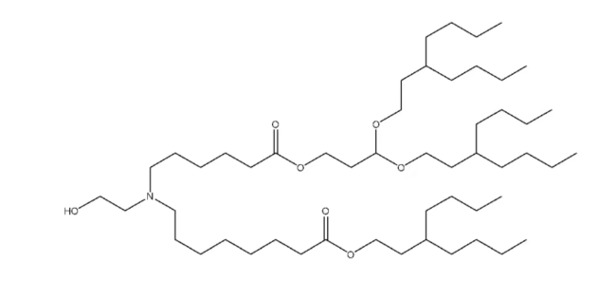
L52715 is a novel ionizable lipid developed by Shanghai Vitalgen, used to deliver mRNA.
More description
|
|
| DC67566 | CureVac Lipid C24(CVL1,VitE-C4DE-Pip- S) Featured |
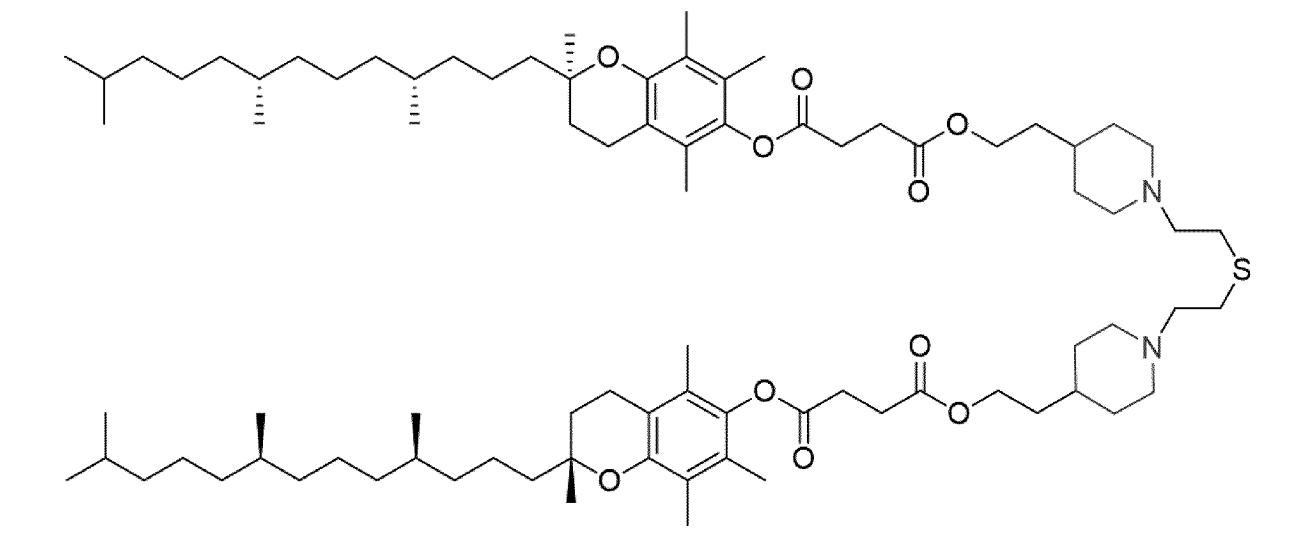
CVL1 (C24), also known as VitE-C4DE-Pip-S, is a vitamin E-derived ionizable lipid developed for lipid nanoparticle-mediated delivery of mRNA and other nucleic acids developed by CureVac. It features two hydrophobic α-tocopherol moieties connected to a bis-piperidine ionizable core through biodegradable succinate ester linkages, while a central thioether-containing spacer provides additional structural flexibility. CVL1 can be incorporated into LNP formulations to support nucleic acid encapsulation, cellular uptake, and intracellular delivery. CureVac has investigated CVL1-containing LNPs for mRNA expression in immune-related tissues and cells, including the spleen, lymph nodes, and antigen-presenting cells, making it a valuable research lipid for mRNA vaccines, cancer immunotherapy, and other nucleic acid delivery applications.
More description
|
|
| DC99010 | Capstan lipid CICL-1(L829) Featured |
CICL1 (L829) is a novel ionizable cationic lipid specifically engineered for targeted lipid nanoparticles (tLNPs) that enables efficient in vivo delivery of mRNA payloads to CD8+ T cells. Designed to overcome limitations of conventional LNPs, CICL-1 (L-829)significantly reduces off-target delivery to the liver and exhibits rapid clearance compared to benchmark lipids like ALC-0315, while demonstrating enhanced biodegradability and tolerability in rodent and primate models. When incorporated into CD8-targeted tLNPs, CICL 1 (L829 enables preferential transfection of CD8+ T cells over other immune subsets, facilitating the generation of functional anti-CD19 or anti-CD20 CAR T cells directly *in vivo*. These tLNP-engineered CAR T cells mediate rapid, deep B-cell depletion in humanized mice and cynomolgus monkeys, with repopulating B cells exhibiting a naïve phenotype suggestive of immune reset. By eliminating the need for ex vivo manufacturing or lymphodepleting chemotherapy, the L829-tLNP platform represents a safer, scalable approach for accessible CAR T therapy in oncology and autoimmune diseases.
More description
|

|
| DC66219 | Lipid 88 Featured |
Lipid88 is a high-performance, novel ionizable lipid component engineered for advanced mRNA-LNP vaccine delivery. LNP88 formulation demonstrates superior biodistribution, achieving >10-fold higher transfection efficiency in spleen and lymph nodes compared to benchmark lipids like ALC-0315 via intramuscular delivery. When encapsulating antigen-encoding mRNA (e.g., optimized mCSA construct), Lipid-88 based LNPs drive robust humoral and cellular immunity, enabling complete protection against challenging SARS-CoV-2 variants (WA1/2020, Omicron BA.1, BQ.1) in preclinical models. Its design prioritizes potent immunogenicity with favorable safety profiles.
More description
|

|
| DC60839 | A2T2C9 (CP-LC-1465) Featured |
A2T2C9 (CP-LC-1465) is an imidazole-based ionizable lipid with branched hydrophobic chains and β-propionate linkers, formulated in four-component LNPs for spleen-targeted mRNA delivery. It achieves >80% spleen selectivity with protein expression exceeding 1×10⁷ p/s in mice, driven by its negative zeta potential (-9.7 to -19 mV). Structural features including imidazole polar head and branched acrylate (C9) enhance splenic tropism, potentially through distinct protein corona interactions. Demonstrated low cytotoxicity (>75% viability in splenic cells) and biodegradability via pH-sensitive linkers enable efficient mRNA delivery without permanent charged additives, outperforming conventional anionic SORT systems in selectivity and therapeutic potential.
More description
|
.png)
|
| DC67460 | CP-LC-1422 |
Derived from the natural amino acid homocysteine, CP-LC-1422 is an ionizable cationic lipid that enables robust in vivo delivery of various RNA forms (mRNA, cRNA, and saRNA), driving high protein expression. When formulated into LNPs (50/38.5/10/1.5 molar ratio of ionizable lipid/cholesterol/DOPE/PEG-lipid), it achieves superior spleen-specific targeting compared to commercial options through intravenous administration, while maintaining an excellent safety profile.
More description
|

|
| DC60828 | YK-TLR-001 Featured |
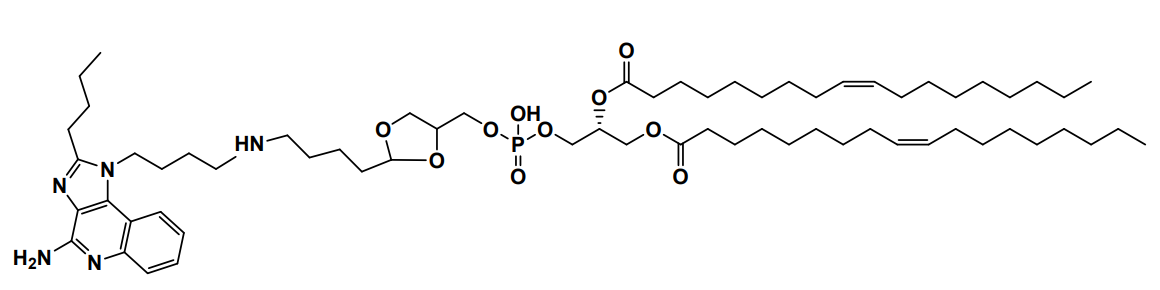
YK-TLR-001 is a cyclic acetal-based ionizable lipid for mRNA delivery. YK-TLR-001 LNPs are demonstrated to enhance mRNA expression in the spleens and to induce exceptional maturation of antigen-presenting cells (APCs) and to promote antigen presentation.
More description
|
|
| DC60684 | Lipid I97 |
Lipid I97 is a vitamin B5-derived ionizable lipid for mRNA vaccine delivery. Lipid I97 LNP specifically delivers the mRNA to the spleen and lymph nodes in model mice, induces balanced Th1/Th2 immune responses, and elicits the production of high levels of neutralizing antibodies with low toxicity.
More description
|

|
| DC67633 | Lipid KEL12 |
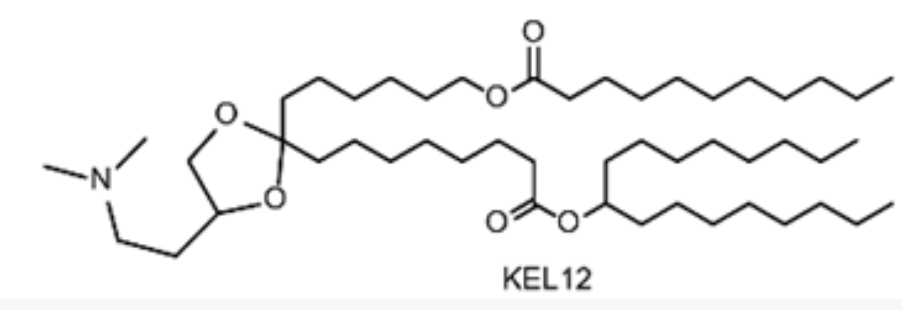
(4S)-KEL12 is a novel, biodegradable ionizable lipid developed for advanced mRNA vaccine delivery. It was rationally designed by incorporating both a ketal group in the linker and ester segments in the hydrophobic tails, a dual-degradable strategy aimed at enhancing its safety profile. Through iterative optimization, (4S)-KEL12 was identified as a lead candidate with an optimal pKa value of approximately 6.78, which is crucial for efficient mRNA encapsulation and endosomal release.
More description
|
|
| DC60925 | Lipid H5T5 Featured |
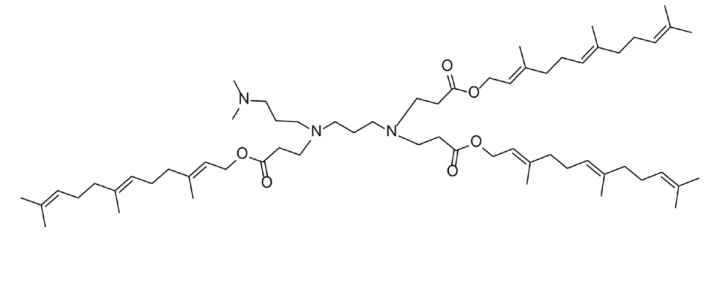
H5T5 is a leading ionizable lipid nanoparticle (LNP) formulation optimized for in vivomRNA delivery, featuring a pKa of 6.51, a size of ~154 nm, and a narrow polydispersity index (PDI) of 0.05. It demonstrated superior in vitromRNA transfection efficiency in primary immune cells, such as bone marrow-derived macrophages. Following intravenous administration, H5T5 exhibits precise organotropism, predominantly targeting the spleen and bone marrow, where it effectively delivers mRNA to a broad spectrum of immune cells, including macrophages, dendritic cells, T cells, B cells, and NK cells. This capability enables its core application: the in vivogeneration of "pan-CAR" immune cells. When loaded with anti-HER2 CAR mRNA, the H5T5-based therapy achieved potent tumor regression and prolonged survival in multiple solid tumor models. Preliminary safety assessments indicated a manageable cytokine profile and no significant organ toxicity, positioning it as a promising platform for in vivocell engineering.
More description
|
|
| DC60856 | DMA4-H228 Featured |
DMA4-H228 is a novel, biodegradable lipidoid specifically engineered for spleen-targeted mRNA delivery. Its structure combines a dimethylamino (DMA4) headgroup with a unique hyperbranched lipid tail (H228) synthesized via Michael addition, incorporating ester bonds for enhanced biodegradability. This design enables the formation of stable lipid nanoparticles (LNPs) (~170 nm) with high mRNA encapsulation efficiency (>96%).
Critically, DMA4-H228 exhibits exceptional intrinsic tropism for the spleen (>98% targeting efficiency after IV administration), requiring no external targeting ligands. It selectively delivers mRNA to splenic antigen-presenting cells (APCs), including dendritic cells, macrophages, and B cells. This triggers potent immune activation: rapid IFNα secretion, upregulation of APC maturation markers (CD86/CD40), and robust antigen-specific immune responses.
Demonstrating significant therapeutic potential, DMA4-H228-based mRNA vaccines effectively inhibit tumor growth in melanoma models (e.g., B16F10-OVA). This correlates with increased tumor-infiltrating CD8⁺ T cells, a shift towards pro-inflammatory M1 macrophages, elevated antigen-specific antibodies (IgG), and strong T cell responses (evidenced by IFNγ⁺ spots). Its ability to bypass liver tropism and directly activate splenic APCs makes DMA4-H228 a powerful platform for next-generation mRNA vaccines and cancer immunotherapy.
More description
|

|
| DC67450 | A28-C6B2 Featured |
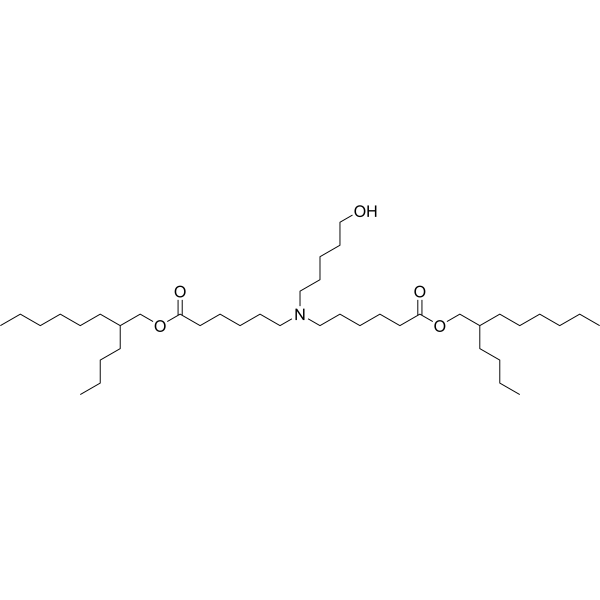
A28-C6B2 is a biodegradable ionizable lipid specifically engineered for spleen-targeted delivery. Through its unique branched structure, it bypasses hepatic uptake to achieve highly efficient transfection of F4/80+ macrophages and CD11c+ dendritic cells within the spleen. This lipid remains neutral in the bloodstream to minimize non-specific interactions, while undergoing protonation in the acidic environment of the endosome to facilitate nucleic acid release, thereby significantly enhancing the potency of mRNA vaccines and immunotherapies.
More description
|
|
| DC67556 | Lipid 2308 Featured |
Sail Lipid 2308 is a novel ionizable lipid targeting to spleen developed by Sai Biomedicine.As described on US20250205167A1, Lipid 2308 was designed with a piperidine core (6-membered ring) and asymmetric C17/C11 chains, this lipid achieves unprecedented spleen-specificity. It demonstrates dominant spleen accumulation (Spleen RLU: 7.8E+06, 91.8% of total signal) with a record spleen-to-liver ratio of 112.7 (9× higher than 2231). Despite lower protein expression (hEPO: 11,000 ng/mL), near-zero liver uptake (Liver RLU: 66,000) makes Lipid 2308 unparalleled for vaccine/immunotherapy applications targeting splenic immune cells.
More description
|

|
| DC60821 | Lipid TOT-5 Featured |
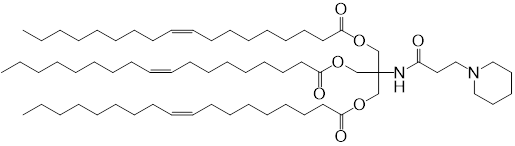
TOT-5, a tri-oleoyl-Tris ionizable lipid (pKa 6.2), enables splenic B cell-targeted mRNA delivery via 15% DSPC-incorporated LNPs. Its charge-neutral, hydrophobic surface minimizes hepatic ApoE uptake and enhances complement C3 adsorption, facilitating CD21/35-mediated uptake by marginal zone B cells. In vivo, intravenous 15%DSPC-LNPs showed 8-fold higher spleen-to-liver luciferase expression vs 3%DSPC, with anti-CD21/35 blocking 60% B cell uptake. Intramuscular administration induced robust OVA-specific IgG (10^5 titer) and CTL responses (3.5% tetramer+ CD8+ T cells) while reducing hepatotoxicity (ALT/AST levels ≤40 U/L vs SM-102-LNPs' 80-120 U/L). Cryo-ET confirmed stable lamellar structures (80-100 nm, ζ-potential -2 mV). This formulation achieves safe, ligand-free splenic targeting for mRNA vaccines.
More description
|
|
| DC68208 | Sail lipid 7669 Featured |
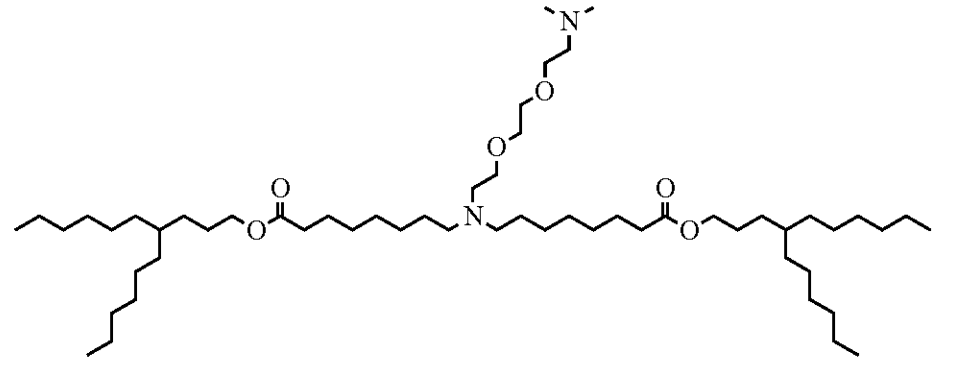
Lipid 7669 is a premium, spleen-tropic ionizable lipid highly validated in US2025/0049948A1 for targeted mRNA delivery. Engineered for extrahepatic targeting, it achieves exceptional splenic protein expression while minimizing hepatic accumulation, significantly outperforming conventional liver-targeting lipids like MC3 and C12-200. In vivo bioluminescence data confirms its superior whole-body transfection efficiency and highly selective spleen tropism. This high-performance lipid is ideal for pioneering research in mRNA vaccines, splenic immune editing, and autoimmune disease therapies requiring precise extrahepatic delivery. Lipid 7669 is for research purpose.
More description
|
|
| DC60942 | 113-AA-C8C14 Featured |
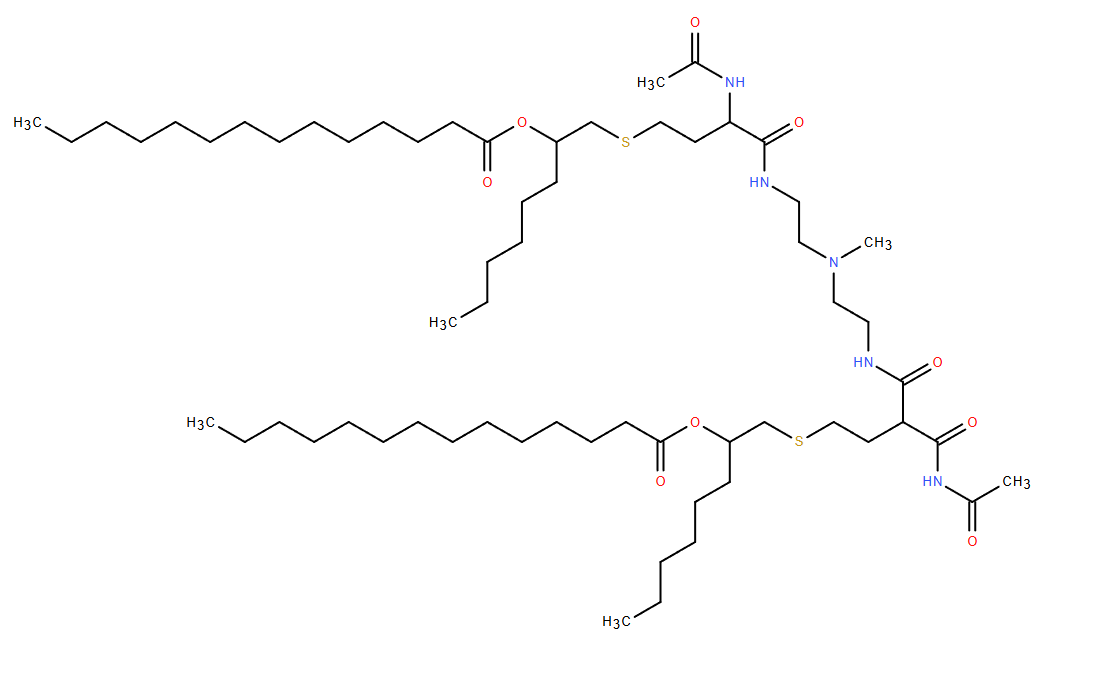
113-AA-C8C14 is a spleen-tropic ionizable lipid with inherent splenic organ selectivity. Its formulated LNPs drastically reduce off-target liver uptake and drive 57-fold higher mRNA expression in spleen versus benchmark LNPs. It preferentially delivers nucleic acids to splenic immune cells like macrophages and T lymphocytes, supporting in vivo CAR-T engineering and mRNA vaccine research with minimal accumulation in other visceral organs.
More description
|
|
| DC68141 | AMG514 Featured |
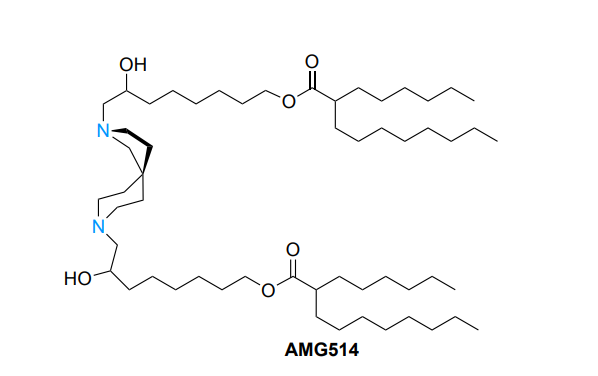
AMG514 is a novel ionizable lipid designed for formulating spleen-targeting lipid nanoparticles (LNPs) to deliver immune‑remodeling mRNAs (IR‑mRNAs). Its key advantage lies in the formation of a unique “protein corona” enriched with vitronectin, coagulation factors, and specific apolipoproteins (e.g., ApoA‑IV), together with its relatively high apparent pKa (~7.5), which actively redirects LNPs to the spleen instead of the liver. This precise spleen‑targeting property enables efficient transfection of splenic antigen‑presenting cells (APCs). As a vaccine adjuvant, AMG514‑LNPs therefore elicit a more robust activation of adaptive immunity compared to conventional LNPs (e.g., cKK‑E12), generating significantly enhanced antigen‑specific CD8⁺ T‑cell and antibody responses, and inducing durable anti‑tumor immune memory in preclinical models.
More description
|
|
| DC60537 | C18 NC-TNP Featured |
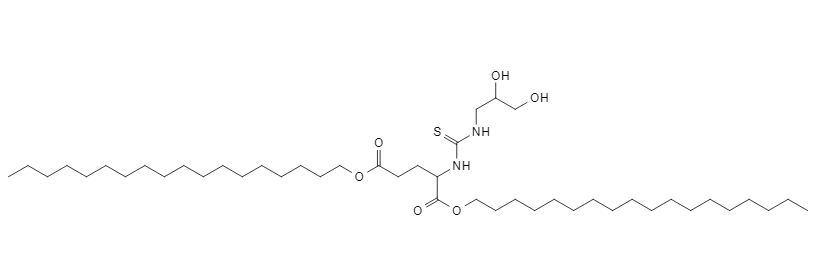
C18 NC-TNP is a novel noncationic thiourea lipid without positively charged groups. It binds nucleic acids via hydrogen bonds instead of electrostatic attraction, avoiding cation-triggered systemic inflammation. Formulated into nanoparticles, it efficiently encapsulates mRNA, siRNA and plasmids, shows excellent serum tolerance and long-term liquid/lyophilized storage stability. It enters cells mainly through macropinocytosis, escapes endosomes intact to reduce nucleic acid degradation. In vivo, it targets spleen preferentially, induces robust long-lasting Th1-type cellular and humoral immunity with minimal organ toxicity, superior to SM102 LNPs for mRNA cancer vaccine delivery.
More description
|
|
| DC60879 | Lipid te AA3-Dlin Featured |
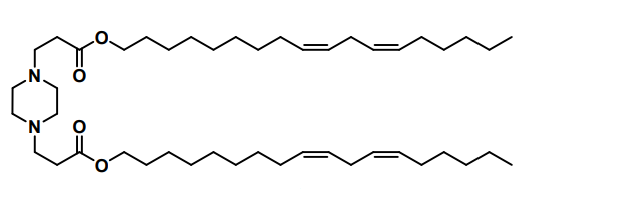
TE AA3-Dlin is an optimized lipid nanoparticle (LNP) carrier designed for mRNA-based cancer immunotherapy, enabling precise in vivo dendritic cell (DC) reprogramming to enhance antitumor immunity. TE AA3-Dlin LNP exhibits superior serum stability, maintaining consistent particle size and low turbidity under physiological conditions, while protecting mRNA from degradation, which is crucial for effective delivery. Functionally, TE AA3-Dlin preferentially targets splenic DCs by leveraging ApoE-enriched protein coronas, facilitating efficient cellular uptake and mRNA expression, as demonstrated by enhanced EGFP signals in DCs.This targeting promotes DC maturation, antigen presentation, and membrane-bound IL-15 expression, activating cytotoxic T lymphocytes (CTLs) for tumor rejection. In models like melanoma and colon carcinoma, it synergizes with checkpoint inhibitors, showing minimal toxicity and robust immunological memory.
More description
|
|
| DC67632 | Lipid GL5 |
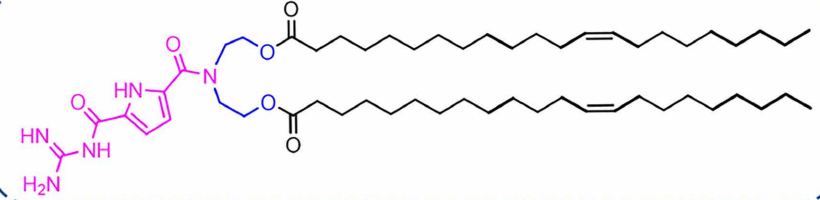
GL5 is an ionizable guanidine-based lipid nanoparticle (G-LNP) designed for superior mRNA delivery. Its guanidinocarbonyl-pyrrole (GCP) headgroup enables pH-responsive behavior and strong mRNA binding via bidentate hydrogen bonds. The cholesterol-free GL5-3 formulation forms compact, stable nanoparticles (~90-120 nm) that exhibit excellent spleen-targeting capability after intravenous injection.GL5-LNPs efficiently deliver mRNA to antigen-presenting cells (APCs), enhancing antigen presentation and T cell activation. In cancer immunotherapy models, GL5-based mRNA vaccines provided complete tumor protection and induced durable immune memory. The platform also enables mRNA delivery to other organs like the pancreas via different administration routes, demonstrating remarkable versatility and therapeutic potential.
More description
|
|
| DC67602 | ILB-3132(E12LA6B603) Featured |
E12LA6B603(ILB3132,ILB-3132) is a novel ionizable amino lipid disclosed in patent WO2024198497A1, developed by MagicRNA, representing a highly efficient component for lipid nanoparticle (LNP) delivery systems.When formulated into LNPs, E12LA6B603 LNP achieves a remarkable 98.26% encapsulation efficiency for mRNA. It mediates superior in vitro transfection in dendritic cells (1.8E+05 intensity) and demonstrates best-in-class in vivo protein expression after intramuscular injection (2.2E+09 intensity). Most notably, in a B16-OVA melanoma model, therapeutic OVA-mRNA vaccines delivered by E12LA6B603 LNPs induced 100% complete tumor regression, highlighting its superior efficacy over benchmarks like DLin-MC3 and SM-102. Its biodegradable ester linkages and balanced structure make it a promising, potent candidate for next-generation mRNA vaccines and therapeutics.
More description
|

|
