 To enhance service speed and avoid tariff delays, we've opened a US warehouse. All US orders ship directly from our US facility.
| Cat. No. | Product Name | Field of Application | Chemical Structure |
|---|---|---|---|
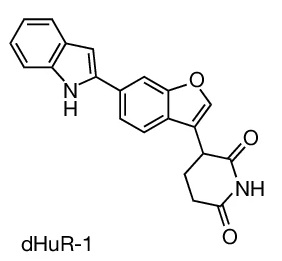
| DC60943 | dhur-1 Featured |
dHuR-1 is the first-in-class molecular glue degrader that recruits the CRBN E3 ligase to selectively eliminate the oncogenic RNA-binding protein HuR.
More description
|
|
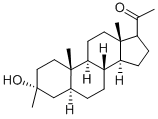
| DC32105 | Ganaxolone Featured |
Ganaxolone, also known as CCD 1042 and C1042, is a CNS-selective GABAA modulator that acts on well-characterized targets in the brain known to have anxiolytic and anticonvulsant effects. Ganaxolone protects against seizures in diverse animal models, including the pentylenetetrazol, 6 Hz and amygdala kindling models. Ganaxolone is a positive allosteric modulator of the action of the GABAA receptor and, unlike benzodiazepines, there does not appear to be tolerance to the anticonvulsant effects of ganaxolone.
More description
|
|
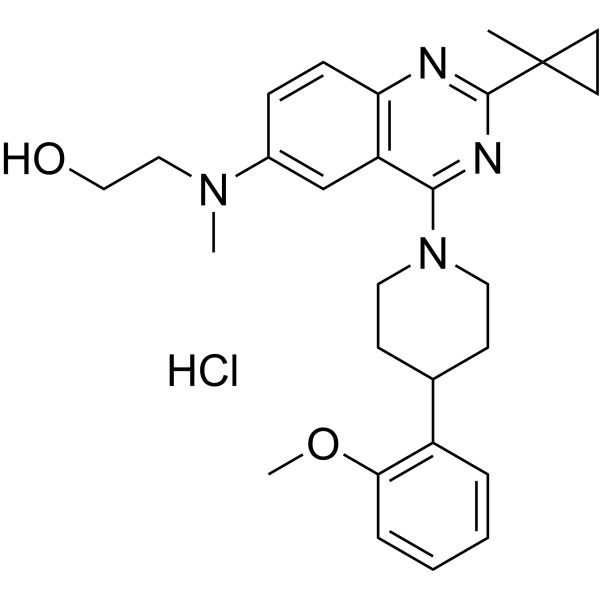
| DC76584 | SBI-810 hydrochloride Featured |
SBI-810 hydrochloride is a functionally selected β-arrestin-biased neurotensin receptor 1 (NTSR1) allosteric modulator. SBI-810 hydrochloride modulates NTSR1 G protein signaling in a G protein-specific manner in the presence of the endogenous ligand, neurotensin (NT). SBI-810 hydrochloride fully antagonizes NT-induced activation of Gq, partially antagonizes NT-induced activation of Gi1 and is permissive of NTSR1 activation of GoA and G12.
More description
|
|
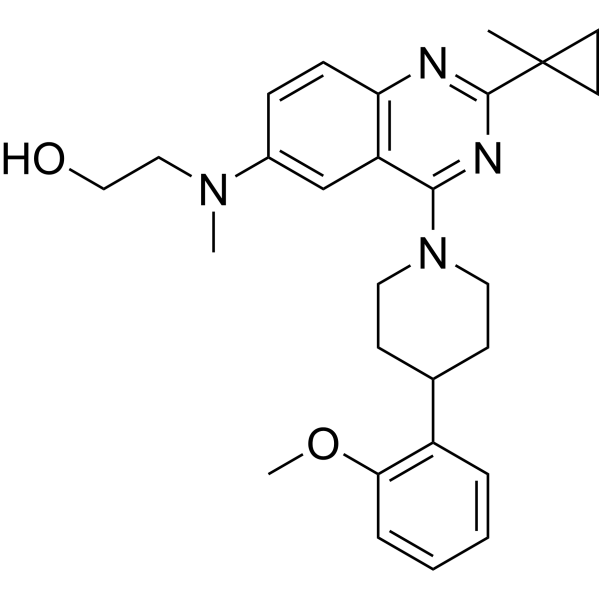
| DC76583 | SBI-810 Featured |
SBI-810 is a functionally selected β-arrestin-biased neurotensin receptor 1 (NTSR1) allosteric modulator. SBI-810 modulates NTSR1 G protein signaling in a G protein-specific manner in the presence of the endogenous ligand, neurotensin (NT). SBI-810 fully antagonizes NT-induced activation of Gq, partially antagonizes NT-induced activation of Gi1 and is permissive of NTSR1 activation of GoA and G12.
More description
|
|
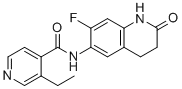
| DC73707 | KOTX1 Featured |
KOTX1 is a potent, selective and reversible ALDH1A3 inhibitor with IC50 of 5.14 nM by Aldefluor assay in A375 cells.
More description
|
|
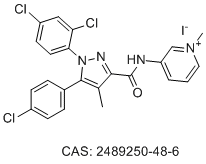
| DC74207 | TXX-1-10 Featured |
TXX-1-10 (CB1-8) is a small chemical molecule that inhibits HPIP oncoprotein expression, suppresses breast cancer cell growth and metastasis in vitro and in vivo.
More description
|
|
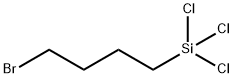
| DC68172 | 4-bromobutyltrichlorosilane Featured |
|
|
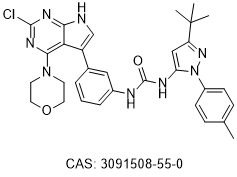
| DC78463 | RN277 Featured |
RN277 is an inhibitor for LRRK2 type II kinase. RN277 can be used as a cellular tool targeting the LRRK2 inactive state. RN277 can inhibit LRRK1 kinase activity in vitro. RN277 inhibits LRRK2 kinase activity in vitro (IC50 = 70 nM). RN277 reduces phosphorylation of Rab8a dose-dependently. RN277 can be studied in research for Parkingson’s disease.
More description
|
|
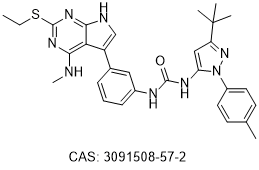
| DC79310 | RN341 Featured |
RN341 is a specific type II kinase inhibitor of LRRK2 (IC50: 296 nM). RN341 inhibits LRRK2 phosphorylation and avoids S935 dephosphorylation by stabilizing the open conformation. RN341 rescues LRRK2-mediated kinesin motility block by preventing microtubule binding. RN341 effectively inhibits LRRK2 wild-type and G2019S mutant at the cellular level. RN341 provides a new direction for Parkinson's disease research.
More description
|
|
| DC68171 | Cistanoside D Featured |
|
|
| DC68170 | Isocistanoside C Featured |
|
|
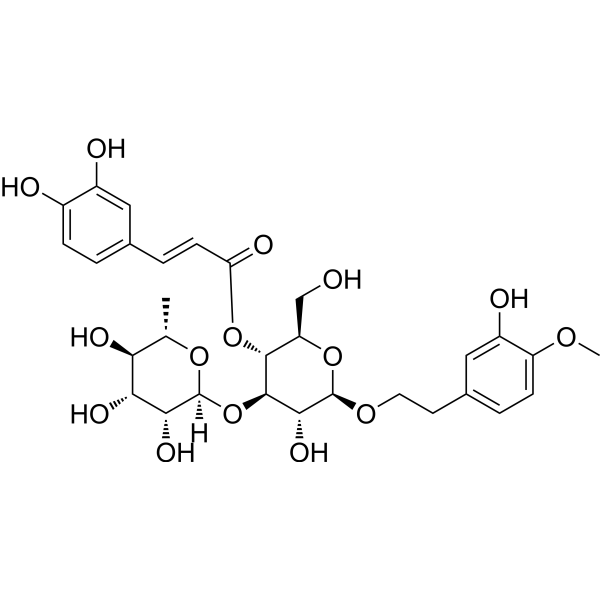
| DC68169 | Cistanoside C Featured |
Cistanoside C is a hydroxycinnamic acid ester with antioxidant property. Jionoside D has scavenging activity of intracellular reactive oxygen species (ROS) and of DPPH radical, and lipid peroxidation inhibitory activity. Jionoside D reduces the apoptotic cells induced by H2O2 in V79-4 cells. Jionoside D increases the activities of cellular antioxidant enzymes, SOD and catalase.
More description
|
|
| DC68168 | Cistanoside B Featured |
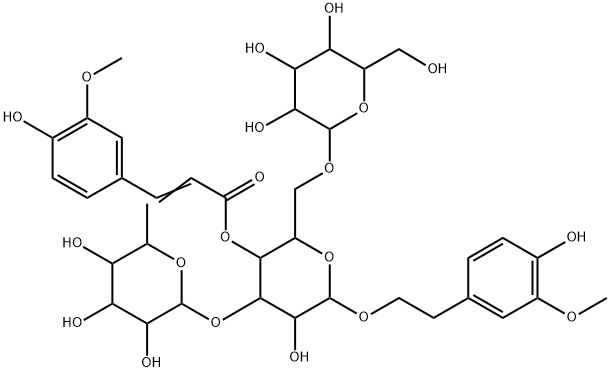
|
|
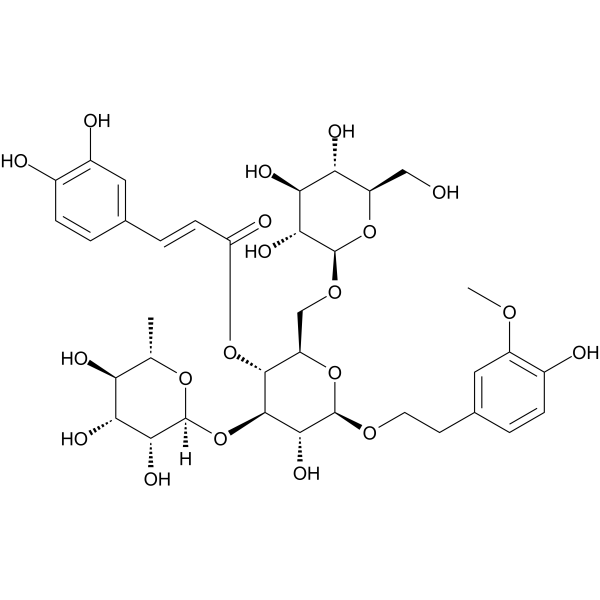
| DC68167 | Cistanoside A Featured |
Cistanoside A is a phenylethanoid isolated from Cistanche deserticola, reduces NO accumulation, but shows no effect on iNOS mRNA, iNOS protein levels or iNOS activity. Anti-inflammatory effect .
More description
|
|
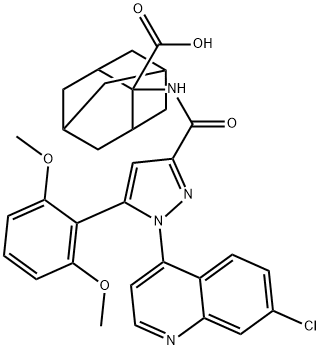
| DC4131 | SR48692 Featured |
SR 48692 is a neurotensin antagonist; selective for NTS1 over NTS2 (apparent affinity, Ke, is 36 nM for NTS1). Competitively inhibits binding of [125I]-neurotensin to HT29 and N1E115 cell membranes (IC50 values are 15.3 and 20.4 nM respectively).
More description
|
|
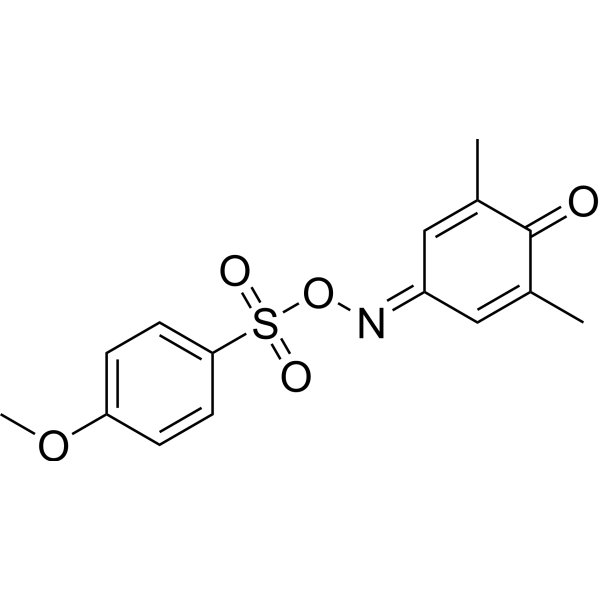
| DC8578 | L002(NSC764414) Featured |
L002 is a p300 inhibitor (IC50=1.98 μM) that inhibits p53 and histone acetylation. Suppresses STAT3 activation in vitro and suppresses tumor growth in some mouse cell lines.
More description
|
|
| DC65619 | Lipid 11-A-M Featured |
Lipid 11-A-M (LNP Lipid-8) is a specialized single-tail, multi-head ionizable cationic lipid engineered for targeted nucleic acid delivery to T cells. Unlike traditional lipids that exhibit strong liver tropism, 11-A-M formulations successfully bypass hepatocytes, resulting in negligible liver accumulation and toxicity. Upon intravenous administration, it naturally localizes to peripheral immune organs, enabling robust gene silencing and transfection specifically within splenic CD3⁺ T cells, with a higher efficiency in CD8⁺ cytotoxic T cells over CD4⁺ helper T cells. This liver-evading, T cell-specific targeting profile makes it a premier tool for in vivo immunotherapy and in situ cell reprogramming.
More description
|

|
| DC85555 | YK-009 Featured |
YK-009 is an advanced, biodegradable ionizable lipid designed for efficient mRNA delivery. Via intramuscular injection, it demonstrates superior targeting to draining lymph nodes, boosting immune cell transfection for vaccines. When administered intravenously, it distributes to the liver but leverages a highly degradable chemical backbone to ensure rapid clearance post-endosomal escape. This effectively eliminates the risk of long-term tissue accumulation and liver toxicity seen in traditional lipids. Delivering a balance of high transfection efficiency and exceptional biocompatibility, YK-009 is an ideal component for safe and potent lipid nanoparticle (LNP) formulations.
More description
|

|
| DC60575 | U-101 Featured |
U-101 is an ionizable lipid for mRNA delivery. U101-LNP/IL-2F mRNA formulation demonstrats effective antitumor activity and safety.LNPs containing lipid U 101 and encapsulating mRNA encoding a fusion protein composed of IL-2, a linker, and CD25 inhibit tumor growth in an MC-38 mouse xenograft model.
More description
|

|
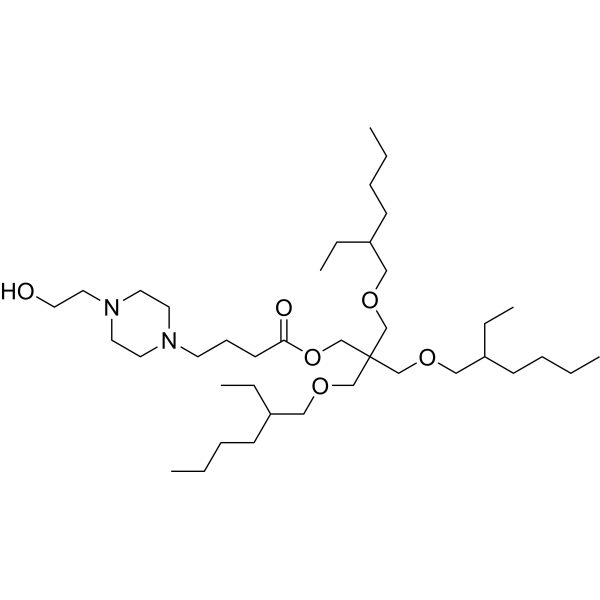
| DC60485 | IAJD93 Featured |
IAJD93(IAJD-93) is a pentaerythritol-based one-component ionizable amphiphilic Janus Dendrimer (IAJD), delivery systems for mRNA delivery.
More description
|
|
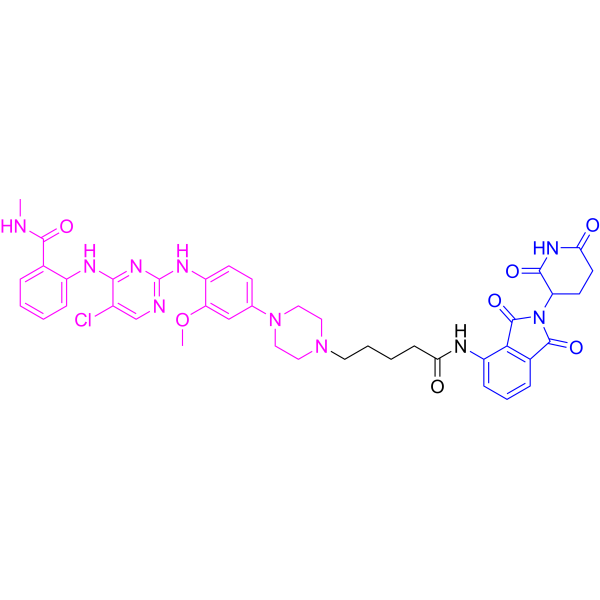
| DC71178 | FAK PROTAC B5 Featured |
FAK PROTAC B5 (Compound B5) is a FAK PROTAC degrader with an IC50 value of 14.9 nM. FAK PROTAC B5 (Compound B5) presents strong FAK degradation activity, antiproliferative activity, outstanding plasma stability and moderate membrane permeability. FAK PROTAC B5 (Compound B5) inhibits cell migration and invasion.
More description
|
|
| DC68150 | Lipid A10 Featured |
A10 (Compound 16) is a diketopiperazine‑based ionizable lipid disclosed in WO 2025/217298 A1 (PCT/US2025/023899) developed by NAVA Therapeutics that enables potent, cell‑selective in vivo delivery of mRNA and nucleic acids without targeting ligands. It forms stable, well‑tolerated lipid nanoparticles (LNPs) that preferentially transfect hematopoietic stem cells (HSCs), bone marrow progenitors, lung epithelium, endothelium, and immune cells while minimizing liver off‑target delivery. In both mice and non‑human primates, A10‑containing LNPs drive functional mRNA expression and gene editing in CD34⁺ HSCs at clinically relevant low doses (0.25–1.0 mg/kg), supporting in vivo HSC gene therapy without ex vivo manipulation.
More description
|

|
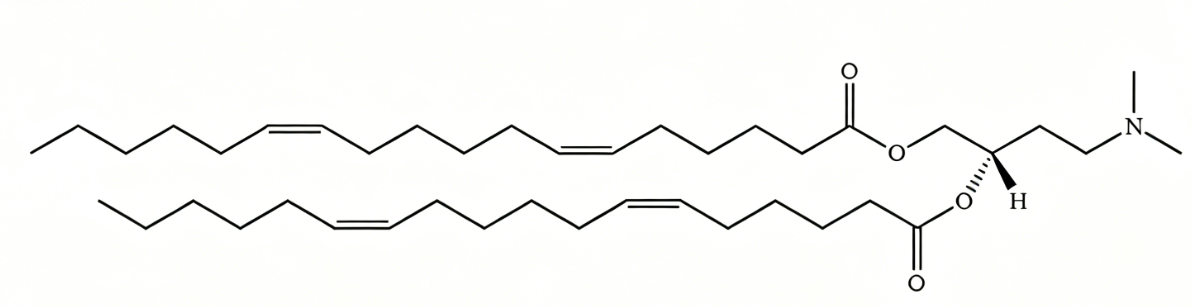
| DC68161 | AKG-UO-1 Featured |
AKG-UO-1 is an innovative ionizable lipid engineered for targeted nucleic acid delivery, exhibiting exceptional hepatic tropism and a high affinity for metabolically active tissues. Leveraging an alpha-ketoglutarate (AKG)-inspired design, it capitalizes on the liver’s high metabolic demand to achieve precise parenchymal accumulation via systemic injection. Crucially, AKG-UO-1 selectively homing into diseased or lipid-accumulated microenvironments, where it enhances endosomal escape and mRNA translation. Its unique degradation pathway actively synergizes with host cells to alleviate metabolic stress and maintain mitochondrial homeostasis, making it an ideal candidate for treating metabolic liver diseases and fatty liver disorders.
More description
|
|
| DC68162 | HGT5001 Featured |
HGT5001, disclosed in patent US 2026/0125339 A1 by Translate Bio (now part of Sanofi), is a potent ionizable cationic lipid optimized for mRNA delivery, exhibiting versatile organ tropism governed by the route of administration. When delivered via intratracheal or pulmonary administration, it effectively crosses the mucosal barrier to achieve high transfection efficiency specifically within lung tissues. Conversely, intravenous injection redirects its tropism to the liver and spleen via endogenous ApoE mediation, facilitating systemic protein replacement therapies. Engineered with an optimized headgroup, HGT5001 ensures excellent encapsulation, rapid pH-responsive endosomal escape, and superior biocompatibility with minimal systemic toxicity, making it an exceptional candidate for cystic fibrosis therapies and hepatic treatments.
More description
|

|
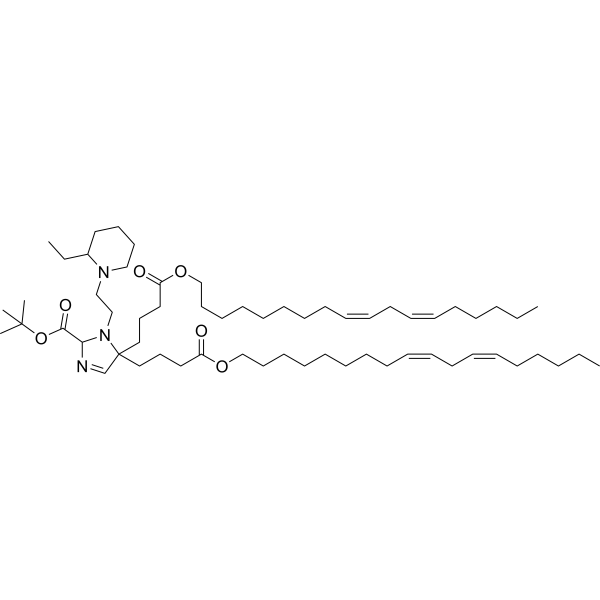
| DC60489 | LIPID 331 Featured |
Lipid 331 is a biodegradable cyclic ionizable lipid. LNPs containing Lipid 331 result in robust transfection in the nasal and lung tissues of mice and efficient transfection of lung epithelial cells and lung-resident APCs. Lipid 331 is a promising candidate for mRNA vaccine delivery, offering the potential for further enhancing the potency of mRNA vaccines.
More description
|
|
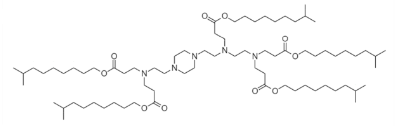
| DC60545 | 200Oi10 Featured |
200Oi10 is a highly potent, biodegradable ionizable lipidoid optimized for targeted mRNA delivery, with its organ tropism dynamic to the route of administration. Under intravenous injection, it demonstrates an extraordinary 97.7% liver specificity mediated by endogenous ApoE binding. Strikingly, shifting to intraperitoneal injection redirects its tropism, yielding up to 46.4% pancreatic targeting, which can be further boosted when co-formulated with DOTAP. Featuring ester-conjugated cleavable tails, 200Oi10 guarantees rapid metabolic clearance and negligible tissue accumulation toxicity, making it an exceptional candidate for localized pancreatic therapy and efficient hepatic gene delivery.
More description
|
|
| DC67988 | KT-001 Featured |
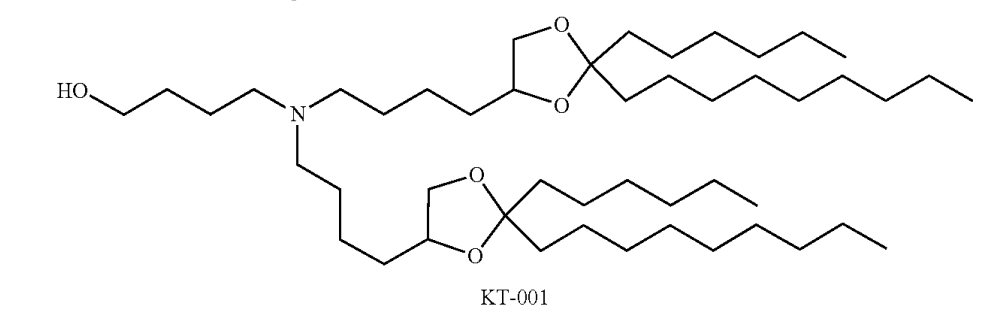
KT-001 is a novel ionizable cationic lipid developed by Vivas, Inc., disclosed in US 2026/0007612 A1 (published Jan 8, 2026).KT-001 demonstrates exceptional skeletal muscle targeting and low liver toxicity.Unlike traditional lipids that primarily accumulate in the liver, KT-001 avoids serum ApoE binding, preventing hepatic uptake. Upon intramuscular injection, it achieves a 29-fold reduction in liver off-target expression compared to standard lipids, while maintaining robust, long-lasting protein expression at the injection site.Its optimized pKa enables precise, pH-responsive endosomal escape for high transfection efficiency. KT-001 is an ideal carrier for localized mRNA vaccines and targeted therapeutics for muscle-related disorders.
More description
|
|
| DC82105 | 93-O17O Featured |
93-O17O is a chalcogen-containing ionizable cationic lipidoid. It has been used in the generation of lipid nanoparticles (LNPs). LNPs containing 93-O17O localize to the spleen after intravenous injection into mice.LNPs containing 93-O17O have been used for the delivery of Cre recombinase and ribonucleoproteins for genome editing in mice and for the intratumoral delivery of cGAMP to enhance cross-presentation of tumor antigens.
More description
|

|
| DC60843 | CF3-2N6-UC18 Featured |
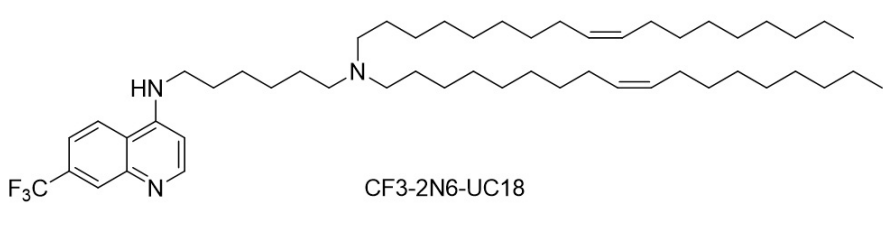
CF3-2N6-UC18 is a rationally designed chloroquine-inspired ionizable lipid that enables robust mRNA delivery and genome editing. It integrates three modular components: a 7-trifluoromethyl-substituted quinoline scaffold (mimicking chloroquine’s endosomolytic properties), a hexamethylenediamine linker with two ionizable nitrogen atoms (pH-responsive protonation), and two unsaturated oleyl (C18:1) hydrophobic tails (enhancing membrane fusion and nanoparticle stability). This lipid self-assembles into ecoLNPs (endosomolytic chloroquine-like lipid nanoparticles) with spherical morphology (~200 nm diameter, 98% mRNA encapsulation). Its pH-sensitive activity triggers endosomal escape through dual mechanisms: proton sponge effect (buffering endo-lysosomal pH) and saposin B-mediated membrane disruption (molecular docking confirms chloroquine-like binding to lysosomal saposin B). In vitro, ecoLNPs outperform commercial reagents (18.9-fold higher mRNA delivery than Lipofectamine 2000) and penetrate 3D cell models. They resist serum/RNase degradation and retain >90% activity after 7-day storage at 4°C. In vivo, ecoLNPs achieve tissue-specific mRNA expression via multiple routes (intravenous, intramuscular, etc.), with strong lymph node tropism (90.2% after intramuscular injection) comparable to SM-102 LNPs (Moderna’s COVID-19 vaccine carrier). They mediate efficient Cre mRNA-driven recombination and CRISPR-Cas9 editing in transgenic mice. CF3-2N6-UC18’s modular design, stability, and dual endosomal escape strategies position it as a versatile platform for mRNA vaccines, gene therapy, and genome editing applications.
More description
|
|
| DC22234 | SR 57227A Featured |
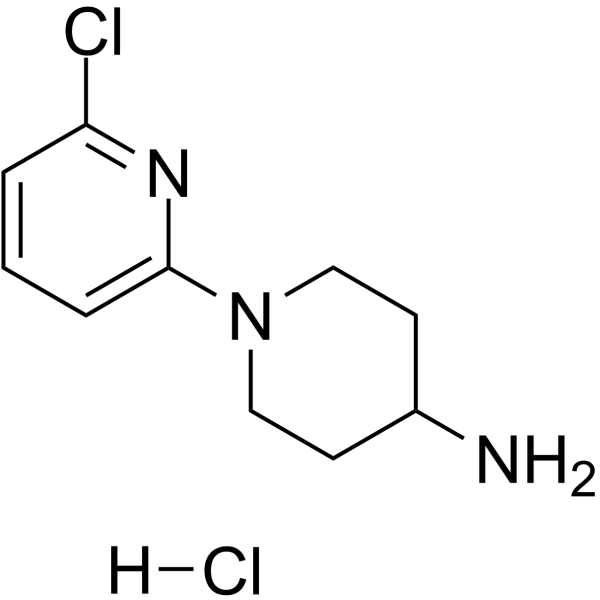
SR-57227 is a high affinity, selective 5-HT3 receptor agonist, demonstrates anticonvulsant effects in vivo. Head group of Lipid S4
More description
|
|
