 To enhance service speed and avoid tariff delays, we've opened a US warehouse. All US orders ship directly from our US facility.
| Cat. No. | Product Name | Field of Application | Chemical Structure |
|---|---|---|---|
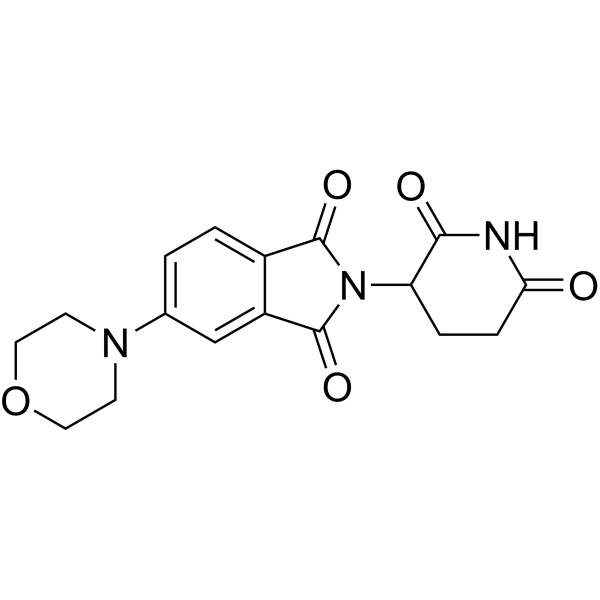
| DC60559 | PT-179 Featured |
PT-179 is a novel orthogonal immunomodulatory drug (IMiD) derivative that selectively binds to CRBN without inducing degradation of off-target proteins. It demonstrates potent activity in degrading proteins fused to SD40, regardless of whether the fusion occurs at the N or C terminus.
More description
|
|
| DC74479 | BSJ-05-037 Featured |
BSJ-05-037 is a potent and selective heterobifunctional degrader of ITK with DC50 of 17.6-41.8 nM in TCL lines DERL-2 and Hut78.
BSJ-05-037 induces potent degradation of ITK dependent on CRBN, neddylation, and the proteasome.
BSJ-05-037 induces GATA-3 loss and decreases chemotherapy resistance in vitro.
BSJ-05-037 disrupts TCR signaling, downregulates the Th2-associated transcription factor GATA-3, and can overcome chemotherapy resistance in TCL models in vivo.
More description
|

|
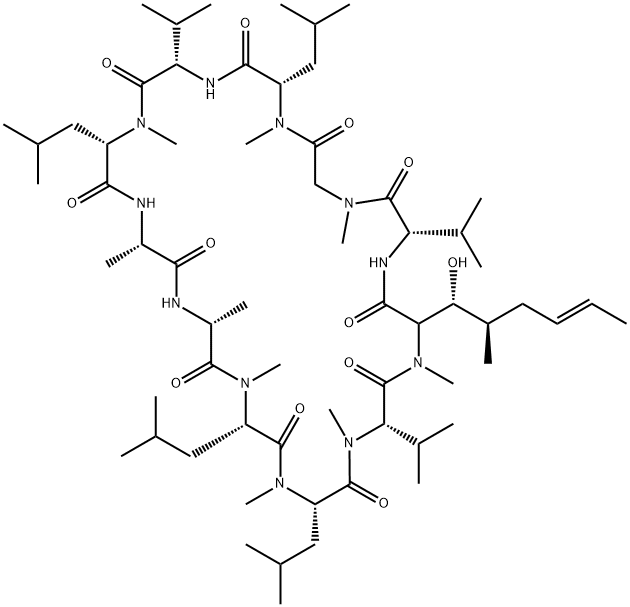
| DC29192 | Cyclosporin D Featured |
Cyclosporin D, a metabolite of Cyclosporin A, is a weak immunosuppressant. Cyclosporin D is used as internal standard for quantification of Cyclosporin A. Cyclosporin A is a potent immunosuppressant drug, suppress T cell activation by inhibiting calcineurin and the calcineurin-dependent transcription factors nuclear factor of activated T cells (NFAc).
More description
|
|
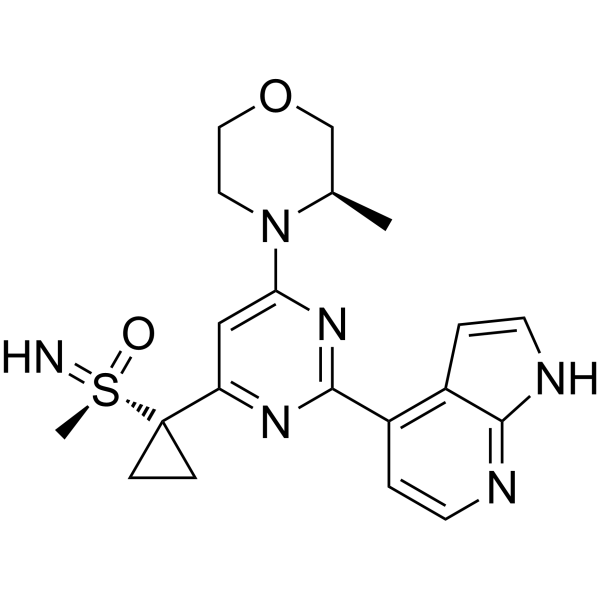
| DC8468 | Ceralasertib (AZD6738) Featured |
Ceralasertib (AZD6738) is an orally active, and selective ATR kinase inhibitor with IC50 of 1 nM. Phase 1/2.
More description
|
|
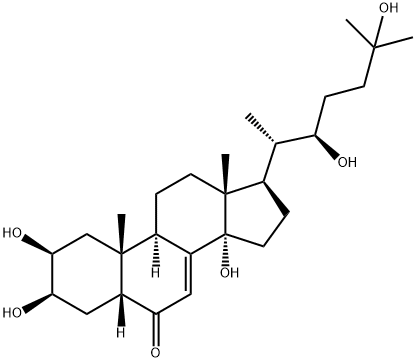
| DCAPI1162 | Ecdysone Featured |
Ecdysone (α-Ecdysone), a major steroid hormone in insects and herbs, triggers mineralocorticoid receptor (MR) activation and induces cellular apoptosis. Ecdysone plays essential roles in coordinating developmental transitions and homeostatic sleep regulation through its active metabolite 20-hydroxyecdysone (Crustecdysone; 20E; HY-N6979).
More description
|
|
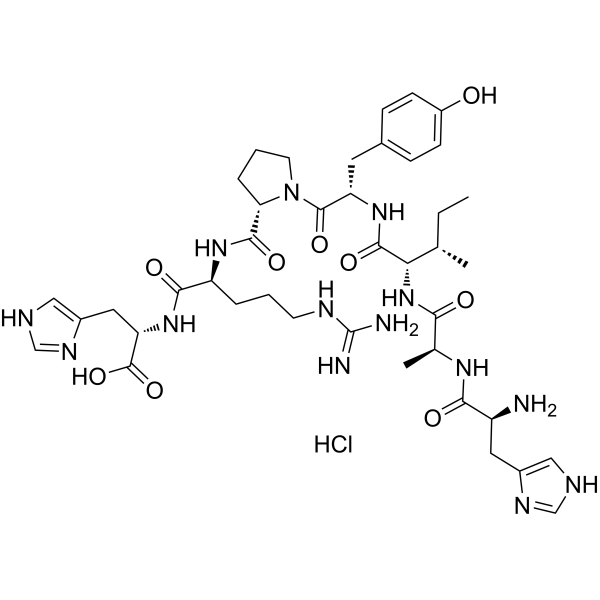
| DC46524 | HAIYPRH hydrochloride Featured |
HAIYPRH hydrochloride, a targeting ligand, can specially bind to transferrin receptor (TfR). HAIYPRH hydrochloride can mediate the transport of nanocarriers across the blood-brain barrier.
More description
|
|
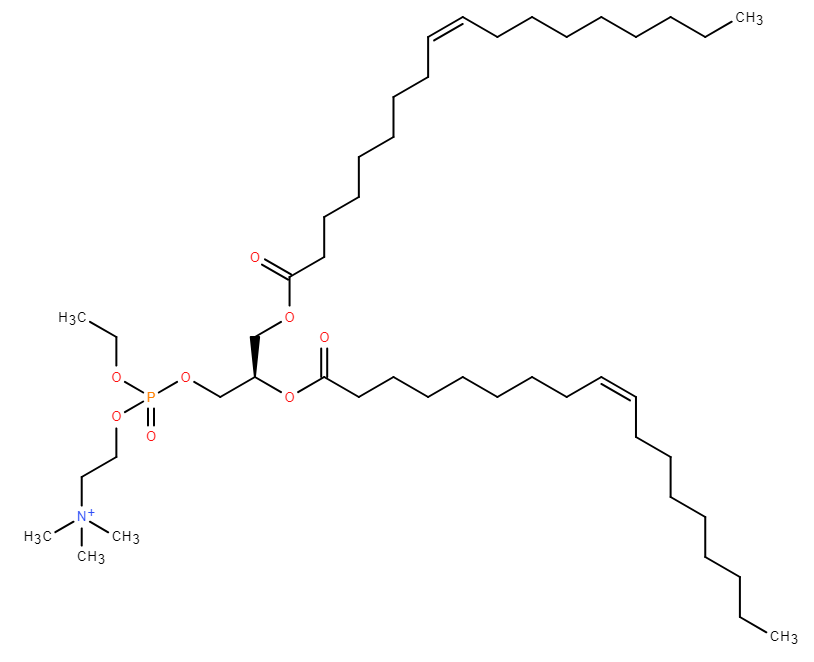
| DC60358 | EDOPC Featured |
|
|
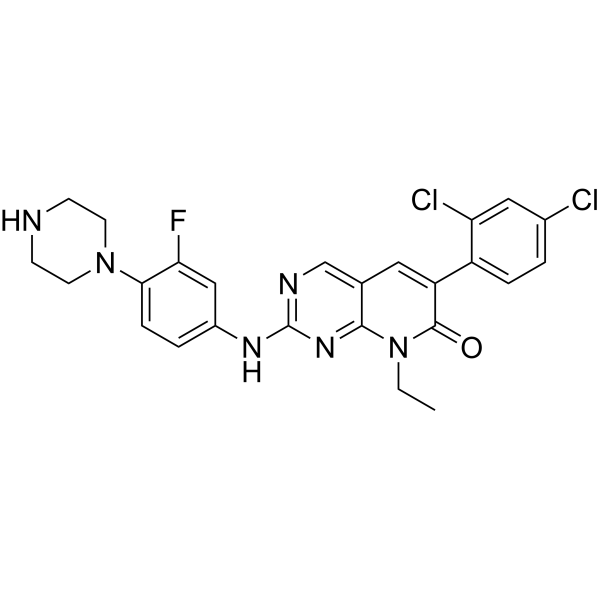
| DC8003 | FRAX486 Featured |
FRAX486 is a selective inhibitor of group I PAKs with IC50s of 8.25/39.5, /55.3 nM for PAK1/PAK2/PAK3 respectivelt; less potent for PAK4(IC50=779 nM).
More description
|
|
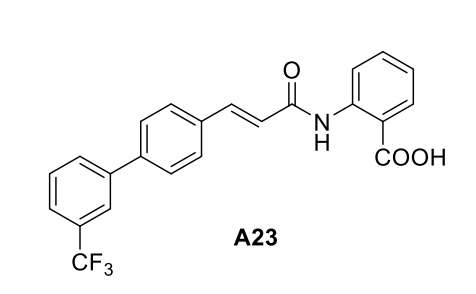
| DCC5248 | Trpm2 Inhibitor A23 Featured |
Novel selective inhibitor of the transient receptor potential melastatin 2 (TRPM2) channel, exhibiting TRPM2 selectivity over TRPM8 and TRPV1 channels as well as phospholipase A2 and showing neuroprotective activity in vitro, and significantly reducing ce
More description
|
|
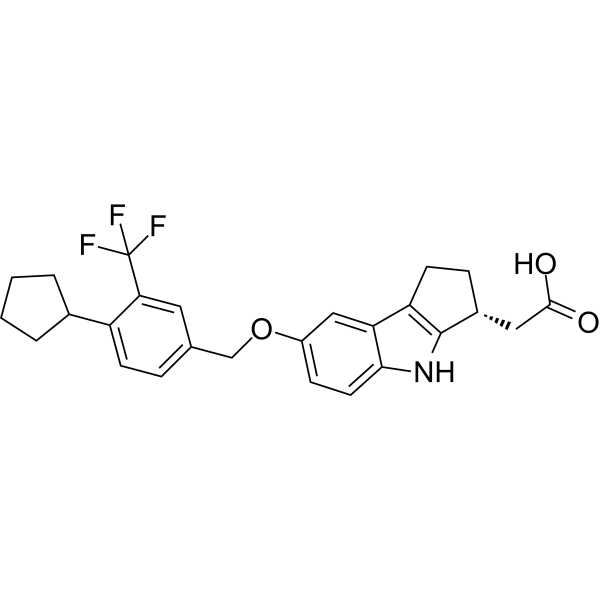
| DC10040 | Etrasimod(APD334) Featured |
Etrasimod (APD334) is a potent, selective and orally available antagonist of the sphingosine-1-phosphate-1(S1P1) receptor with an IC50 value of 1.88 nM in CHO cells.
More description
|
|
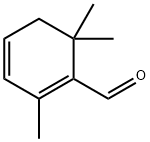
| DC41428 | Safranal Featured |
Safranal is an orally active main component of Saffron (Crocus sativus) and is responsible for the unique aroma of this spice. Safranal has neuroprotective and anti-inflammatory effects and has the potential for Parkinson’s disease research.
More description
|
|
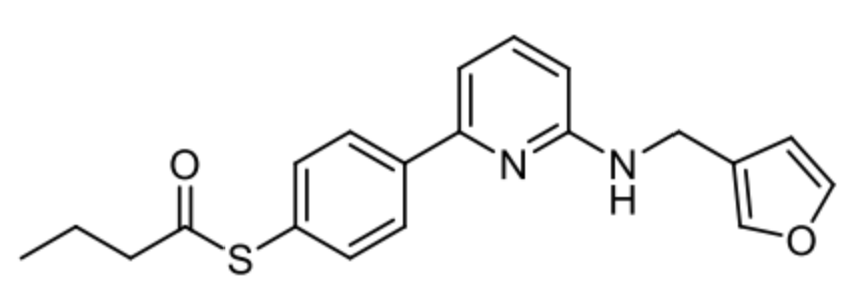
| DC67993 | BRD1158-thioester Featured |
BRD1158-thioester is the precursor of BRD1158.
More description
|
|
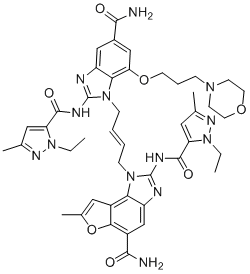
| DC73554 | HB3089 Featured |
HB3089 (HB-3089) is a novel potent, highly specific STING agonist, dose-dependently activates interferon-stimulated gene (ISG) signaling in THP1-Dual reporter cells with EC50 of 1-10 uM.
More description
|
|
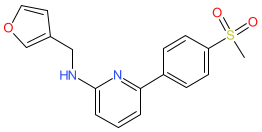
| DC67992 | BRD 1158 Featured |
BRD1158 is a selective, fully reversible and brain-penetrant COX2 inhibitor . It has a rapid target kon and koff rates which makes it a good candidate as a PET radiotracer to monitor enzyme dynamics in vivo. The radiotracer BRD1158 is particuarly suited for imaging in tissues (such as microglia) where basal COX2 expression is very low, and has demonstrated its in vivo imaging potential in rodent models that express human COX2 (including a mouse Huntington's disease model in which COX2 expression is elevated in disease-affected brain regions).
More description
|
|
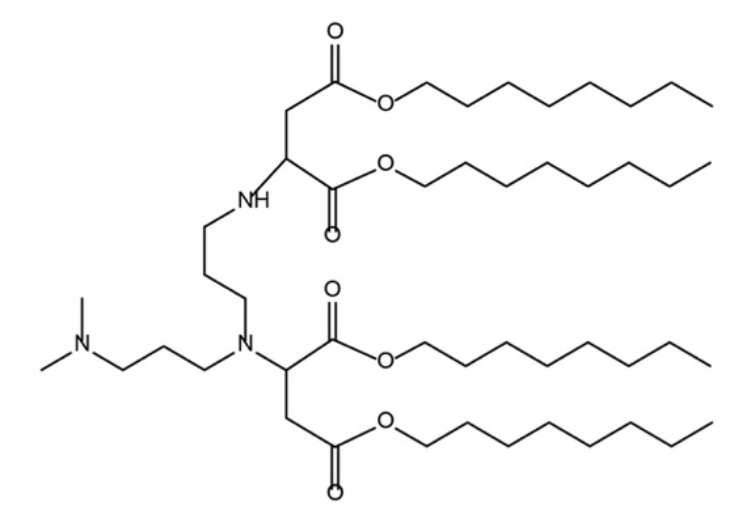
| DC67298 | Lipid 5D8 Featured |
Lipid 5D8 is a novel biodegradable ionizable lipid (IL) developed through a combinatorial chemistry strategy to overcome the limitations of conventional lipid nanoparticles (LNPs) in mRNA delivery. Synthesized via a one-step, solvent-free Michael addition reaction between amine and thiol monomers, 5D8 features asymmetric lipid tails and a biodegradable ester backbone, ensuring both structural versatility and reduced toxicity. In preclinical studies, 5D8-based LNPs demonstrated exceptional liver-targeting efficiency and mRNA delivery performance. A single intravenous dose (1 mg/kg) achieved 61% CRISPR-Cas9-mediated editing of the TTR gene in mice, reducing serum TTR protein by 90%, outperforming benchmark lipids like C12-200 (51% editing). Moreover, 5D8 enabled efficient delivery of base editors (ABE8.8 and CBE4max), achieving 42% PCSK9 editing (74% serum protein reduction) and correcting hereditary tyrosinemia in mice, significantly extending survival. Beyond gene editing, 5D8 LNPs effectively delivered siRNA (complete serum TTR clearance at 0.05 mg/kg) and enhanced hepatocyte targeting by enriching apolipoprotein E on particle surfaces. Crucially, 5D8 exhibited superior biocompatibility with no hepatotoxicity (normal ALT/AST levels), contrasting traditional LNPs. Its rapid biodegradability and "plug-and-play" design make 5D8 a versatile platform for mRNA therapeutics, holding broad potential for treating genetic disorders, cardiovascular diseases, and beyond. This innovation represents a critical advancement toward safer, high-efficiency clinical translation of gene-editing therapies.L
More description
|
|
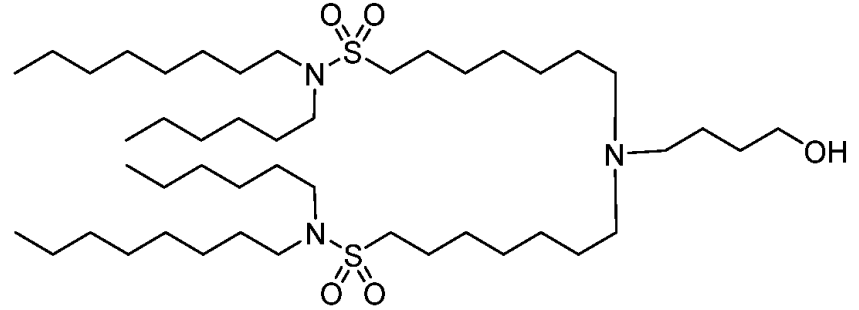
| DC67281 | BNT-51 Featured |
BNT-51 is an ionizable thiolipid developed by Biontech, characterized by its sulfur-containing moieties and a multiarm dendron-like architecture. Synthesized via reactions between amine-containing compounds and sulfur-based halides or sulfonates, it forms stable lipid nanoparticles (LNPs) optimized for mRNA delivery. The LNPs exhibit uniform particle size (80–100 nm, PDI <0.2), near-neutral zeta potential, and high mRNA encapsulation efficiency (>90%), while maintaining payload integrity through freeze-thaw cycles and extended storage. In vitro, BNT-51 demonstrates low cytotoxicity (>80% cell viability in C2C12, HepG2, and HEK293 cells) and superior transfection efficiency compared to conventional lipids, particularly in immune cells such as CD4+/CD8+ T cells within PBMCs. Its modular design allows integration of stealth lipids (e.g., PEG or vitamin E derivatives) to prolong circulation time and minimize immune activation, as evidenced by low hemolysis and complement activation risks. In vivo, BNT-51-based LNPs enable targeted mRNA delivery to splenic macrophages, achieving potent genome editing (e.g., Cre mRNA) and therapeutic protein expression (e.g., BACH1) in preclinical models. With its tunable structure, robust stability, and cell-specific tropism, BNT-51 holds promise for advancing mRNA therapeutics in gene editing, cancer immunotherapy, and regenerative medicine, offering a versatile platform for next-generation nanomedicine.
More description
|
|
| DC67991 | Lenalidomide-acetamido-O-PEG3-C2-azide Featured |

|
|
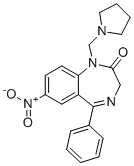
| DC70647 | Neurounina-1 Featured |
Neurounina-1 is a small molecule Na+/Ca2+ exchanger (NCX) activator, stimulates NCX1 and NCX2 activities with EC50 of 1.1-2.7 nM, does not affect NCX3 activity.Neurounina-1 (10 nM) reduced cell death of primary cortical neurons exposed to oxygen-glucose deprivation followed by reoxygenation, also reduced γ-aminobutyric acid (GABA) release, enhanced GABA(A) currents, and inhibited both glutamate release and N-methyl-d-aspartate receptors in vitro.Neurounina-1 effectively protects against stroke damage in vivo.
More description
|
|
| DC74057 | KZR-8445 Featured |
KZR-8445 (KZR8445) is a cyclic depsipeptide, client-selective Sec61 inhibitor with IC50 of 100 nM, targets the Sec61 translocon and selectively modulate Sec61-mediated protein biogenesis.
More description
|
.png)
|
| DC10678 | fluticasone Featured |
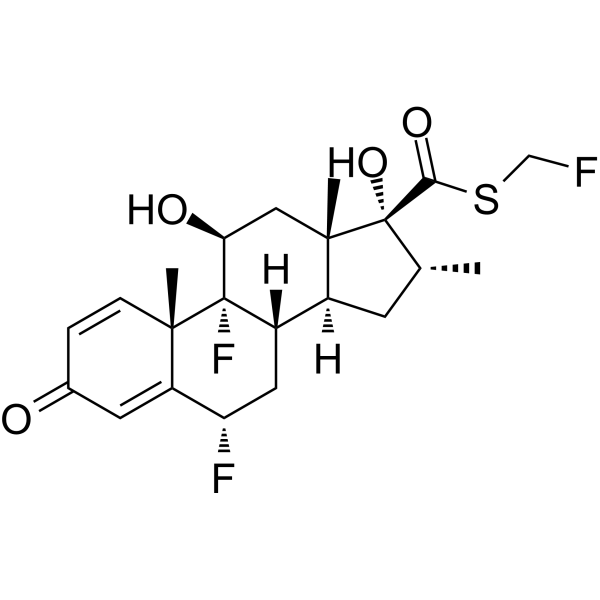
Fluticasone is an inhaled corticosteroid used for respiratory research. Fluticasone is a Smo agonist with an IC50 value of 99 nM. Fluticasone activates Hedgehog signaling and promotes the proliferation of primary neuronal stem or precursor cells.
More description
|
|
| DC73404 | RAP-103 Featured |
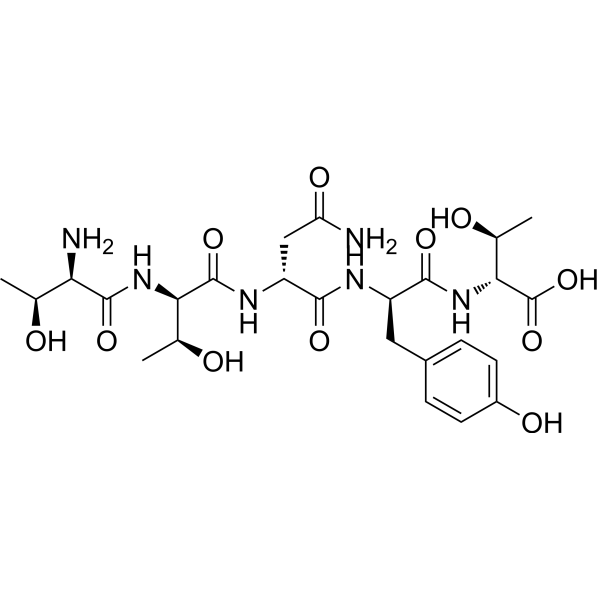
RAP-103 is an orally active, stabilized pentapeptide analog of DAPTA (D-ala-peptide T-amide), and multi-chemokine receptor antagonist.
More description
|
|
| DC67767 | 1-TOSYL-1H-PYRROLO[2,3-B]PYRIDINE-4-BORONIC ACID PINACOL ESTER Featured |
|
|
| DC67766 | 3-(2-aminoethoxy)propanoic acid hydrochloride Featured |
propanoic acid hydrochloride.gif)
|
|
| DC67765 | 3-(Aminomethyl)-6-methyl-4-propylpyridin-2(1H)-one Featured |
|
|
| DC67764 | tert-butyl (2S)-2-(cyanomethyl)-4-[2-[[(2S)-1-methylpyrrolidin-2-yl]methoxy]-5,6,7,8-tetrahydropyrido[3,4-d]pyrimidin-4-yl]piperazine-1-carboxylate Featured |
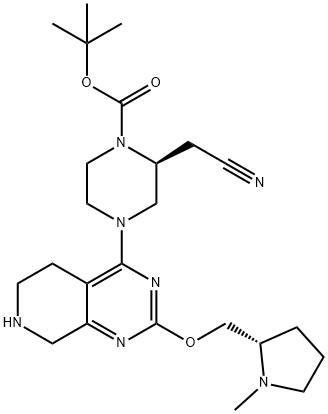
|
|
| DC67763 | methyl (2S,4R)-1-[(2S)-2-[(1-fluorocyclopropyl)formamido]-3,3-dimethylbutanoyl]-4-hydroxypyrrolidine-2-carboxylate Featured |
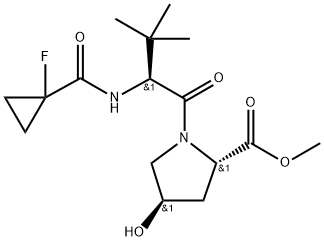
|
|
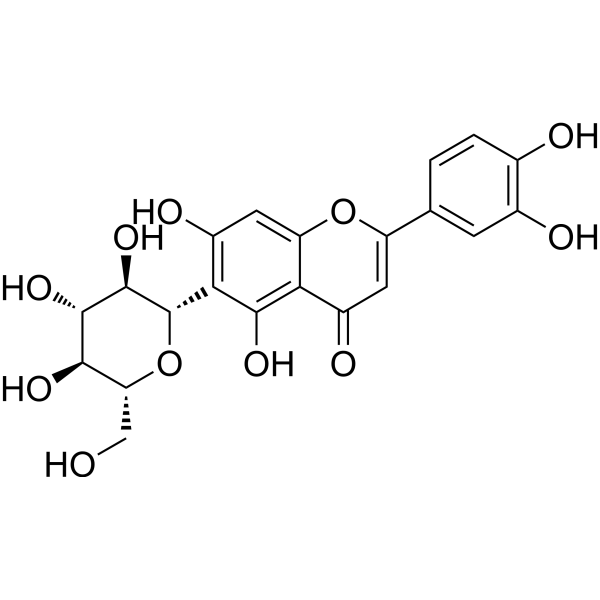
| DCY-132 | Homoorientin Featured |
Homoorientin is a potent inhibitor of COX-2 with an IC50 value of 39 μM.
More description
|
|
| DC67761 | tert-butyl (3S)-3-(cyanomethyl)piperazine-1-carboxylate Featured |
-3-(cyanomethyl)piperazine-1-carboxylate.gif)
|
|
| DC67759 | 2-Mercaptopyridine-4-carboxylic acid Featured |
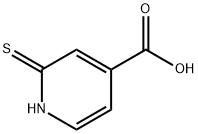
|
|
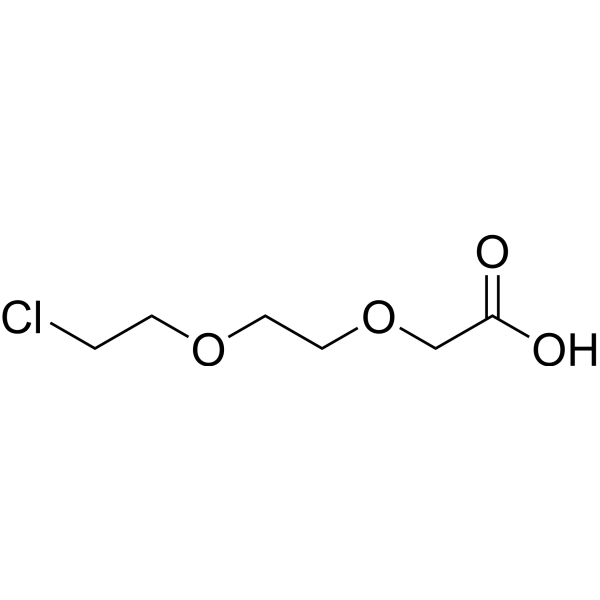
| DC67987 | Cl-PEG2-acid Featured |
Cl-PEG2-acid is a PEG-based PROTAC linker that can be used in the synthesis of PROTACs.
More description
|
|
