Alternate TextTo enhance service speed and avoid tariff delays, we've opened a US warehouse. All US orders ship directly from our US facility.
Home > Inhibitors & Agonists > Others

Others

You can also try the following methods, and our professionals will serve you Customized Consultation
Cat. No. Product Name Field of Application Chemical Structure
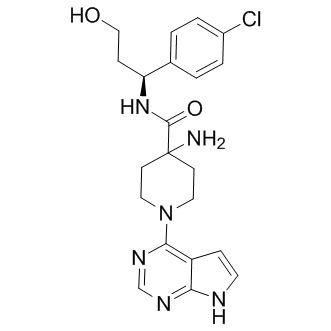
DC70924 YX-2-115
YX-2-115 is a palbociclib derivative compound with piperazine-linker tail for PROTAC YX-2-107 synthesis, inhibits CDK6 with IC50 of 4.5 nM.
More description
DC70921 YTK-105 linker conjugate 1
YTK-105 linker conjugate 1 is a PEG linker added to p62-ZZ ligand YTK-105 for AUTOTAC design.
More description
DC70920 p62-ZZ ligand YTK-105
YTK-105 is a small molecule p62-ZZ domain ligand, activate p62-dependent selective macroautophag, used for AUTOTAC design.
More description
DC70918 YOK-2204 linker conjugate 1
YOK-2204 linker conjugate 1 is a PEG linker added to p62-ZZ ligand YOK-2204 for AUTOTAC design.
More description
DC70917 p62-ZZ ligand YOK-2204
YOK-2204 is a small molecule p62-ZZ domain ligand, activate p62-dependent selective macroautophag, used for AUTOTAC design.
More description
DC70916 p62-ZZ ligand YOK-1304
YOK-1304 is a small molecule p62-ZZ domain ligand, activate p62-dependent selective macroautophag, used for AUTOTAC design.AUTOphagy-TArgeting Chimera (AUTOTAC) is a general chemical tool and platform technology, which employs bifunctional molecules composed of target-binding ligands linked to autophagy-targeting ligands.AUTOTACs bind the ZZ domain of the otherwise dormant autophagy receptor p62/Sequestosome-1/SQSTM1, which is activated into oligomeric bodies in complex with targets for their sequestration and degradation.
More description
DC70915 YOK-1304 AUTOTAC intermidate 1
YOK-1304 AUTOTAC intermidate 1 is an intermidate for AUTOTAC design.
More description
DC70901 Wbox2
Wbox2 is a membrane-permeant peptide that potently inhibits clathrin-mediated endocytosis (CME, IC50=3 uM), binds to SNX9 and AP2 and perturbs clathrin interactions with AP2 and SNX9.Wbox2 has no effect on cell viability at ≤30 uM and exhibited an IC50 for cytotoxicity (>40 uM) that is 10-fold higher than that needed to inhibit CME.Wbox2 interferes with AP2–clathrin interactions and alters CCP dynamics, binds to both AP2 and SNX9 with binding affinities of 4.0 and 26.2 uM.
More description
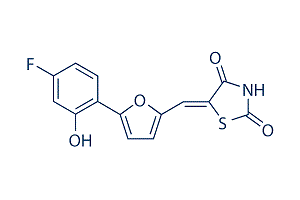
DC70847 TIM-063
TIM-063 (TIM063) is a potent, selective, ATP-competitive CaMKK inhibitor with Ki of 0.35/0.2 uM for CaMKKα and CaMKKβ, respectively.TIM-063 directly targets the catalytic domain of CaMKK, similar to STO-609.TIM-063 suppressed the ionomycin-induced phosphorylation of exogenously expressed CaMKI, CaMKIV, and endogenous AMPKα in HeLa cells with an IC50 of 0.3 uM.TIM-063 suppressed CaMKK isoform-mediated CaMKIV phosphorylation in transfected COS-7 cells.TIM-063 displayed cell permeability and the ability to inhibit CaMKK activity in cells. TIM-063 is a useful chemical probe for the precise analysis of CaMKK-mediated signaling pathways.
More description
DC70842 Thailanstatin D
Thailanstatin D (TST-D) is a potent antiproliferative natural product and direct precursor of Thailanstatin A, inhibits eukaryotic RNA splicing with stiong anti-tumor activities.Thailanstatin D inhibit AR-V7 gene splicing by interfering the interaction between U2AF65 and SAP155 and Thailanstatin D preventing them from binding to polypyrimidine tract located between the branch point and the 3' splice site.Thailanstatin D exhibits a potent tumor inhibitory effect on human CRPC xenografts leading to cell apoptosis.Thailanstatins are attractive cytotoxin agent for ADC design.
More description
DC70841 Thailanstatin B
Thailanstatin B is a potent antiproliferative natural product and pre-mRNA splicing inhibitor, potential antibody-drug conjugate payload.
More description
DC70818 SY2-062
SY2-062 is a thalidomide derivative and useful precursor for synthesis of thalidomide-based PROTAC degrader.
More description
DC70791 STING PROTAC SP23
SP23 is a STING protein degrader (PROTAC) based on a small-molecule STING inhibitor (C-170) and pomalidomide (a CRBN ligand), shows degradation potency with DC50 of 3.2 uM.SP23 exerted high anti-inflammatory efficacy in a cisplatin-induced acute kidney injury mouse model by modulating the STING signaling pathway.
More description
DC70775 SHP2 PROTAC R1-5C
SHP2 PROTAC R1-5C is a potent and highly selective SHP2 PROTAC created by conjugating RMC-4550 with pomalidomide using a PEG linker, with a low nanomolar DC50; SHP2 PROTAC R1-5C is highly selective for SHP2, induces degradation of SHP2 in leukemic cells at submicromolar concentrations. SHP2 PROTAC R1-5C inhibits MAPK signaling, and suppresses cancer cell growth. SHP2 PROTACs serve as an alternative strategy for targeting ERK-dependent cancers and are useful tools alongside allosteric inhibitors for dissecting the mechanisms by which SHP2 exerts its oncogenic activity.
More description
DC70619 MS910
MS910 (MS-910) is the first CRBN-recruiting MEK1/2 degrader (PROTC) with HT29 DC50 of 118/55 nM for MEK1/2 degradation, respectively.MS910 displays antiproliferation potency against HT29 cell with GI50 of 330 nM, degrade MEK1 and MEK2 and inhibit pERK signaling in a time-dependent manner.
More description
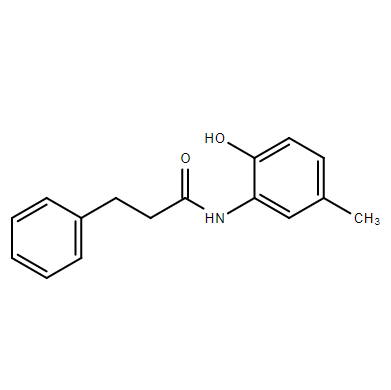
DC70560 LCC03
LCC03 is a salicylanilide derivative and autophagy inducer, dose-dependently suppresses proliferation and retarded cell-cycle progression in CRPC cells (IC50, 0.69 to 4.8 uM).The classical autophagy features, including autophagosome formation and LC3-II conversion, were dramatically shown in LCC03-treated CRPC cells, which was associated with the suppressed AKT/mTOR signaling pathways, a major negative regulator of autophagy.LCC03 also showed an expanded morphology of the endoplasmic reticulum (ER), increased expression of the ER stress markers GRP78 and PERK, and eIF2α phosphorylation.The PERK-eIF2α pathway contributed to the LCC03-induced autophagy.LCC03 suppressed the growth of CRPC xenografts in mouse bone without systemic toxicity in tumor-bearing mice.
More description
DC70533 K-312
K-312 is a novel cholesteryl ester transfer protein (CETP) inhibitor with IC50 of 60 nM, also suppresses hepatocyte expression of PCSK9, raises HDL and lowers LDL cholesterol levels in vivo; raises HDL cholesterol, decreases LDL cholesterol, and attenuates aortic atherosclerosis in cholesterol-fed rabbits; decreases PCSK9 expression in human primary hepatocytes and in the human hepatoma cell line HepG2, decreases the occupancy of SREBP-1 and SREBP-2 on the sterol regulatory element of the PCSK9 promoter.
More description
DC70480 HDAC8 PROTAC 1
HDAC8 PROTAC 1 is a first-in-class proteolysis targeting chimera (PROTAC) for selective degradation of histone deacetylase 8 (HDAC8).HDAC8 PROTAC 1 induced degradation of HDAC8 without affecting the levels of other HDACs in cellular assays, and inhibited the growth of T-cell leukemia Jurkat cells more potently than a conventional HDAC8 inhibitor.
More description
DC70387 Endosidin 9
Endosidin 9 (ES9) is a novel mitochondrial uncoupler, and a potent inhibitor of clathrin-mediated endocytosis (CME) in different systems, strongly reduces FM4-64 uptake in Arabidopsis root cells with IC50 of 5 uM.Endosidin 9 (ES9) inhibits CME dynamics and organelle movement in the cytoplasm.Endosidin9 (ES9) inhibits clathrin-mediated endocytosis largely through cytoplasmic acidification.
More description
DC70353 DGY-09-192
DGY-09-192 is a bivalent degrader (PROTAC) that couples the pan-FGFR inhibitor BGJ398 to a CRL2VHL E3 ligase recruiting ligand,preferentially induces FGFR1/2 degradation while largely sparing FGFR3/4.DGY-09-192 exhibited two-digit nanomolar DC50s for both wildtype FGFR2 and several FGFR2-fusions, resulting in degradation-dependent antiproliferative activity in representative gastric cancer and cholangiocarcinoma cells (IC50=1 nM).DGY-09-192 induced degradation of a clinically relevant FGFR2 fusion protein in xenograft model.
More description
DC70348 DDC-01-163
DDC-01-163 is an allosteric EGFR degrader that selectively inhibit the proliferation of L858R/T790M (L/T) mutant Ba/F3 cells while leaving wildtype EGFR Ba/F3 cells unaffected; DDC-01-163 exhibited an acceptable biochemical potency with an IC50 value of 45 nM against EGFR L858R/T790M. DDC-01-163 is also effective against osimertinib-resistant cells with L/T/C797S and L/T/L718Q EGFR mutations. The anti-proliferative activity of DDC-01-163 against L858R/T790M EGFR-Ba/F3 cells is enhanced when combined with an ATP-site EGFR inhibitor, Osimertinib.
More description
DC70340 dBRD9‐A
dBRD9‐A is a chemical degrader (PROTAC) of BRD9, a highly specific binder of the BRD9 bromodomain and elicits near complete BRD9 degradation at low nanomolar concentrations.dBRD9‐A blocks synovial sarcoma tumour progression and oncogenic transcription.dBRD9‐A limited IFN‐induced expression of certain ISGs in multiple cell types, significantly reduced induction of 29 ISGs, including many ISGs known to harbor antiviral activity against the viruses, such as MX1, MX2, IFITM1, IFITM3, IDO1, and BST2.
More description
DC70331 CU7218
CU7218 is a small-molecule inhibitor of 14-3-3 protein, inhibits the interaction between 9J10 and 14-3-3, displaces FOXO3a and other substrate proteins from 14-3-3 and reproduces the cellular phenotypes induced by 9J10 expression.
More description
DC70325 CS640
CS640 (CS-640) is a potent, selective CaMK1D inhibitor with nanomolar range at both the enzymatic and cellular levels.CS640 prevent Aβ induced tau hyperphosphorylation in culture, but were not able to protect cells from Aβ induced toxicity.CS640 was able to ablate Aβ induced increased tau phosphorylation at Thr181 in mouse primary neurons.
More description
DC70302 CFT-14441
CFT-14441 is a potent and selective BRD9 BiDAC degrader with DC50 of 39 nM (2h), high selectivity over BRD4 abd BRD7.CFT-14441 efficiently degrades endogenous BRD9 in the Yamato-SS synovial sarcoma cell line, results in growth inhibition of BAF-perturbed HSSYII synovial sarcoma cells but not BAF-wild type SW982 soft tissue sarcoma cells.CFT-14441 demonstrates efficacy in both cell-derived and patient-derived models of synovial sarcoma (IV or IP dosing).
More description
DC70287 CBK288679
CBK288679 (CBK79) is a novel compound that impairs both protein degradation by the ubiquitin-proteasome system (UPS) and autophagy.CBK79 inhibits cell viability of MelJuSo Ub-YFP cells with 72h IC50 of 0.22 uM, CBK79-inflicted cell death was caspase-independent.CBK79 causes accumulation of ubiquitin-dependent and -independent proteasome substrates.CBK79 induces non-canonical lipidation of MAP1LC3B/LC3B (microtubule-associated protein 1 light chain 3 beta) that requires ATG16L1 but is independent of the ULK1 and class III phosphatidylinositol 3-kinase (PtdIns3K) complexes.CBK79 (10 uM) induces proteotoxic stress and the heat shock response in HOS GFP-LC3B cells.CBK79 has unique features as it inhibits both ubiquitin-dependent and -independent degradation of short-lived proteins by the UPS, as well as the degradation of long-lived proteins by autophagy.
More description
DC70284 CaMK1D-IN-18
CaMK1D-IN-18 is a potent, selective CaMK1D inhibitor with IC50 of 31 nM, >150-fold greater activity against CaMK1D than all non-CaMK1 kinases.CaMK1D-IN-18 improves insulin sensitivity and glucose control in the diet-induced obesity mouse model after both acute and chronic administration.
More description
DC70275 BTX306
BTX306 (BTX-306) is a novel protein homeostatic modulator, potently reduces levels of GSPT1, eRF1, CK1α, MCL-1, and c-MYC in myeloma cells, overcomes bortezomib and lenalidomide resistance.BTX306 is much more potently reduced human-derived myeloma cell line viability, with median inhibitory concentrations in the single nanomolar range versus micromolar values for lenalidomide or pomalidomide, and more potently activated caspases 3/8/9.BTX306 did not impact viability of murine hematopoietic cells in an in vivo model, demonstrating its specificity for human cereblon.BTX306 did show some reduced activity in lenalidomide-resistant cell line models but nonetheless retained its nanomolar potency in vitro, overcame bortezomib resistance, and was equipotent against otherwise isogenic cell line models with either wild-type or knockout TP53.BTX306 demonstrated strong activity against primary CD138-positive plasma cells, showed enhanced anti-proliferative activity in combination with bortezomib and dexamethasone.BTX306 was effective in an in vivo systemic model of multiple myeloma.
More description
DC70251 BI-4916
BI-4916 (BI-4916) is the prodrug of BI-4924, which is a potent, selective NADH/NAD+-competitive PHGDH inhibitor with IC50 of 2 nM.
More description
DC70224 Autoquin
Autoquin is a novel autophagy inhibitor (IC50=0.56 uM) by indirect modulation of the activity of the lysosomal enzymes acid sphingomyelinase and acid ceramidase; Autoquin showed a dose‐dependent inhibition of EGFP‐LC3 puncta after 3 hours upon autophagy induction by amino acid starvation in the primary screening assay. Autoquin is a lysosomotropic compound that acts as a functional inhibitor of acid sphingomyelinase, increases lysosomal mass and sequesters Fe2+ to the lysosomes in MCF7 cells, causing an increase in lysosomal reactive oxygen species.
More description

Customized Consultation X

Your information is safe with us. * Required Fields.

Your name
Company
Email
Procuct Name
Cat. No.
Remark
Verification code
Please fill out the characters in the picture
X