 To enhance service speed and avoid tariff delays, we've opened a US warehouse. All US orders ship directly from our US facility.
| Cat. No. | Product Name | Field of Application | Chemical Structure |
|---|---|---|---|
| DC77837 | RMC5127 |
RMC5127 is a first-in-class, orally bioavailable mutant-selective tri-complex inhibitor of the GTP-bound (ON) form of RASG12V. It non-covalently binds to cyclophilin A (CypA), forming a binary complex that engages RASG12V(ON) to form a high-affinity tri-complex, sterically inhibiting RAS binding. It inhibits the RAS pathway in KRASG12V-mutant cancer cells, reducing proliferation, inducing apoptosis, and showing strong potential for use in RASG12V-mutated cancer research.
More description
|

|
| DC77836 | TNG348 |
TNG348 is an orally bioavailable allosteric inhibitor targeting the ubiquitin-specific protease USP1. It selectively and potently blocks USP1 activity, preventing deubiquitination of proliferative PCNA and FANCD2, which disrupts DNA repair mechanisms. TNG348 demonstrates inhibitory effects against BRCA1/2-mutated and homologous recombination-deficient (HRD) breast and ovarian cancers .
More description
|
|
| DC77835 | BI033 |
BI033 is a selective inhibitor of BTB and CNC homology 1 (BACH1) specifically binds to BACH1's N-terminal with a Kd of 9.0 uM. It disrupts the BACH1–HDAC1 interaction, enhances H3K27 acetylation at BACH1 target genes, and upregulates angiogenic genes, suggesting its therapeutic potential for myocardial infarction and ischemic vascular disease.
More description
|
|
| DC77834 | Peptide 4 |
Peptide 4 is a complex synthetic peptide molecule commonly used as a research chemical or therapeutic agent due to its potential to mimic biological peptides and modulate specific molecular targets.
More description
|
|
| DC77833 | CT1113 |
CT1113 is a potent dual inhibitor of USP25 and USP28 that effectively reduces c-MYC levels and exhibits strong anti-tumor activity. It can be used in research on colon and pancreatic cancers.
More description
|
|
| DC77832 | Taurolithocholic acid |
Taurolithocholic acid is a taurine-conjugated tertiary bile acid. It induces apoptosis in hepatoma cell lines via caspase-3/7 activation and serves as a model to study the endocrine and metabolic roles of bile acids in enterohepatic circulation and liver physiology.
More description
|
|
| DC77830 | PB94 |
PB94 is a potent and selective inhibitor of HDAC11 with an IC50 of 108 nM and exhibits >40-fold selectivity over other HDAC isoforms. It ameliorates neuropathic pain in mouse models and can be radiolabeled with carbon-11 as [¹¹C]this compound for PET imaging, demonstrating significant brain uptake and potential for in vivo imaging applications.
More description
|
|
| DC77829 | SKLB-11A |
SKLB-11A is a selective, first-in-class allosteric activator of SIRT3 that binds with a Kd of 4.7 μM and enhances its deacetylase activity with EC50 of 21.95 μM. It improves cardiac function and alleviates myocardial damage in vivo.
More description
|
|
| DC77828 | BIEGi-1 |
BIEGi-1 is a potent and selective binary inhibitor of EGFR that effectively blocks EGFR-catalyzed nucleotide exchange and disrupts the EGFR–Rheb interaction. It robustly inhibits both EGFR kinase activity and mTORC1 signaling in EGFR-mutant cancer cells. This compound exhibits significant anti-proliferative effects with an IC50 of 17 nM for PC9 and 20 nM for HCC827.
More description
|
|
| DC77827 | BSJ-5-63 |
BSJ-5-63 is a potent PROTAC degrader of CDK12, CDK7, CDK9. BSJ-5-63 decreases the protein expression of CDK12, CDK7, CDK9, RNAPII, Cyclin K, while also suppressing the mRNA expression of BRCA1 and BRCA2. BSJ-5-63 demonstrates anticancer properties and has the potential for the research of prostate cancer.
More description
|
|
| DC65850 | VL422 Featured |
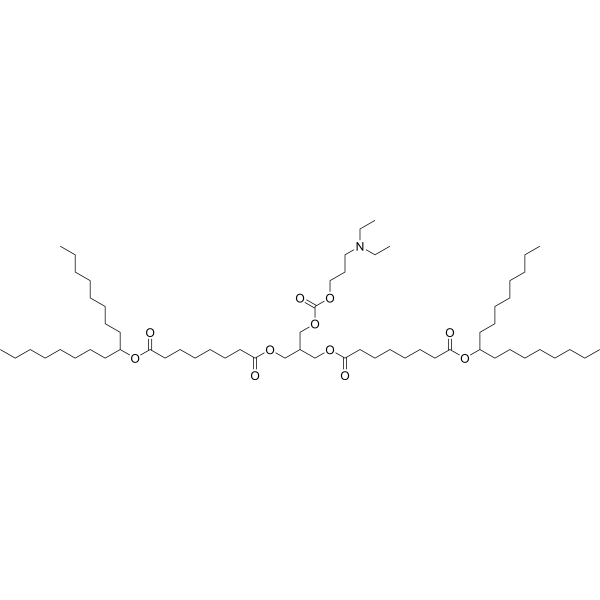
VL-422 is an ionizable cationic lipid. VL-422 delivers CRISPR complementary single-guide RNA (sgRNA) and Cas9 mRNA to enable in vitro and in vivo gene editing. LNPs containing VL-422 loaded with Cas9 mRNA and sgRNA targeting the ANGPTL3 gene induce the deletion of premature stop codons within the ANGPTL3 gene in the liver of cynomolgus monkeys. Loss-of-function of ANGPTL3 leads to decreased levels of LDL, HDL and cholesterol in plasma. The VL-422 delivery system can be used for the research of gene editing strategies targeting lipid metabolism diseases.
More description
|
|
| DC68164 | Galnac Lipid I-1 Featured |
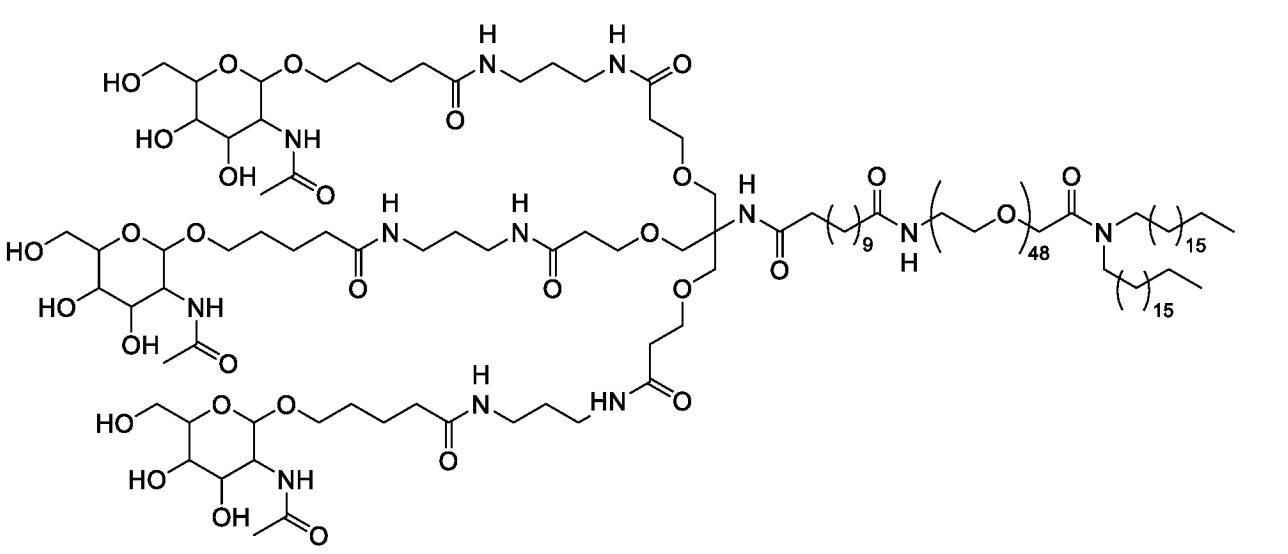
Disclosed in PCT patent WO2025/240833A1 from Acuitas Therapeutics Inc., Compound I‑1 is a trivalent tri-GalNAc PEGylated targeting lipid composed of three ASGPR-binding GalNAc moieties, a PEG spacer and double C18 alkyl lipid tails that insert into LNP lipid bilayer.
More description
|
|
| DC78407 | Emvistegrast Featured |
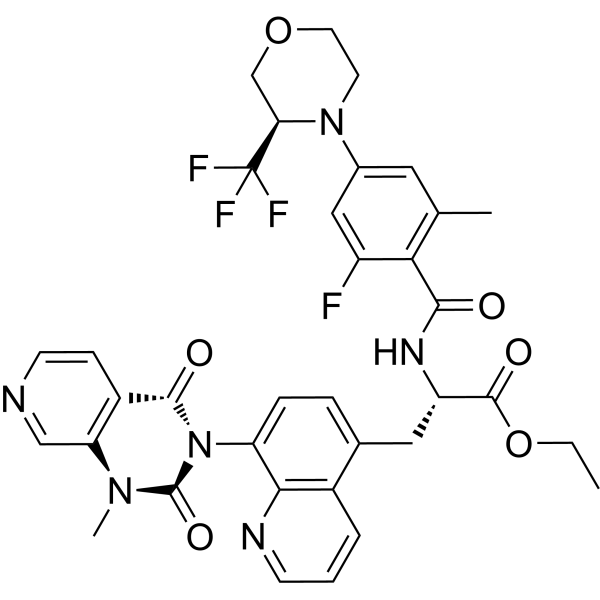
Emvistegrast is a quinolone derivative. Emvistegrast is an antagonist of α4β7 integrin. Emvistegrast can be studied in research for diseases that are mediated by α4β7 integrin, such as infkammatory bowel disease.
More description
|
|
| DC68163 | DSPE-PEG-DSS6 Featured |
DSS6-PEG-DSPE,DSPE-PEG-DSS6 is a composite molecule composed of phospholipids(DSPE),polyethylene glycol(PEG),and bone targeting peptide DSS6,mainly used for bone targeted drug delivery and bone tissue repair. Its core structure achieves precise targeting and efficient delivery through the synergistic effect of three parts.The DSS6 peptide consists of six Asp-Ser-Ser amino acid repeat sequences and can specifically recognize hydroxyapatite(HAp)in bone tissue.
More description
|
|
| DC70904 | WEHI-7326 Featured |
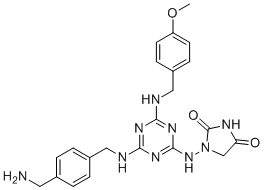
WEHI-7326 (WEHI 7326) is a specifi mitotic inhibitor and potential anticancer agent, causes cell cycle arrest in G2/M, cell death in vitro (MDA-MB-231 IC50=24.4 nM), and displays efficacious anti-tumor activity in vivo.WEHI-7326 induces cell death in a broad range of cancer cell lines, including taxane-resistant cells, and inhibits growth of human colon, brain, lung, prostate and breast tumors in mice xenografts.WEHI-7326 exceeded potency of myoseverin B by almost ten-fold, did not show any significant cytotoxic activity in vitro (IC50>40 uM) in HepG2 cells.WEHI-7326 prolongs survival in mouse models of high-risk neuroblastoma and leads to complete tumor regression when used in combination with standard-of-care relapse therapies.
More description
|
|
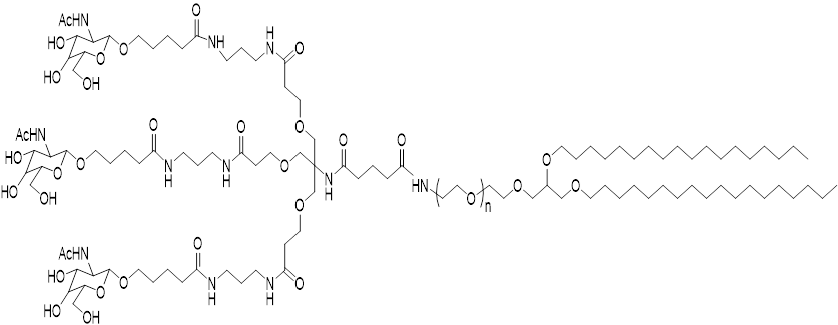
| DC68160 | Tri-GalNAc-DSG-PEG2000 Featured |
DSG-PEG2K-triGalNAc is a functionalized PEG lipid that enhances targeted drug delivery by binding to the Asialoglycoprotein Receptor (ASGPR) which are predominantly found on the surface of liver cells. By functionalizing DSG-PEG2K with triGalNac, it allows this PEG lipid to be used in the formation of liposomes or LNPs that target the liver for drug delivery.
More description
|
|
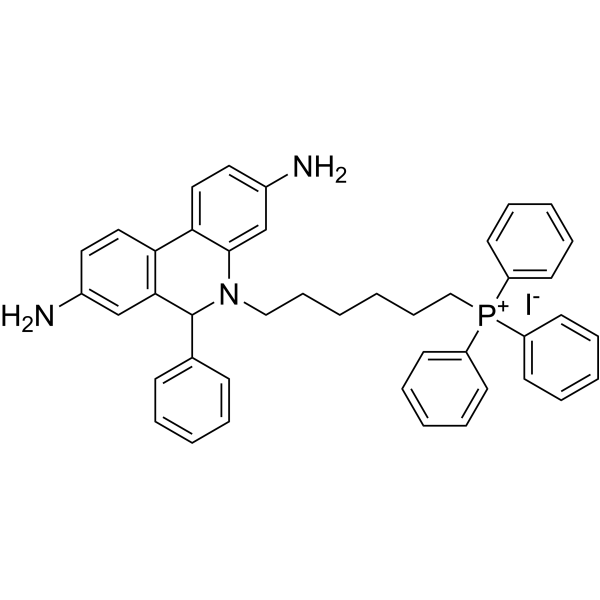
| DC68159 | MitoSOX Red Featured |
MitoSOX Red is a live cell fluorescent probe that specifically targets mitochondria and is cell membrane permeable. MitoSOX Red enters mitochondria and is oxidized by superoxide but not by other ROS or RNS generating systems. The oxidized MitoSOX Red then binds to nucleic acids in mitochondria/nucleus, producing strong red fluorescence.
More description
|
|
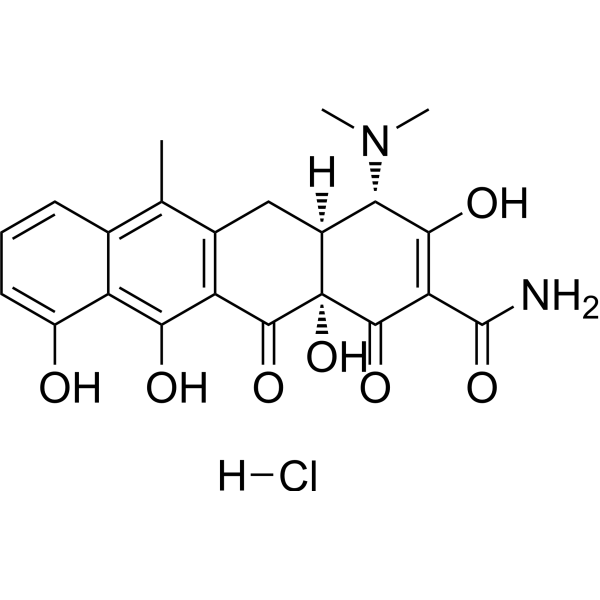
| DC68158 | Anhydrotetracycline hydrochloride Featured |
Anhydrotetracycline hydrochloride, a tetracycline biosynthetic precursor, is a potent competitive broad-spectrum tetracycline destructase enzymes inhibitor.
More description
|
|
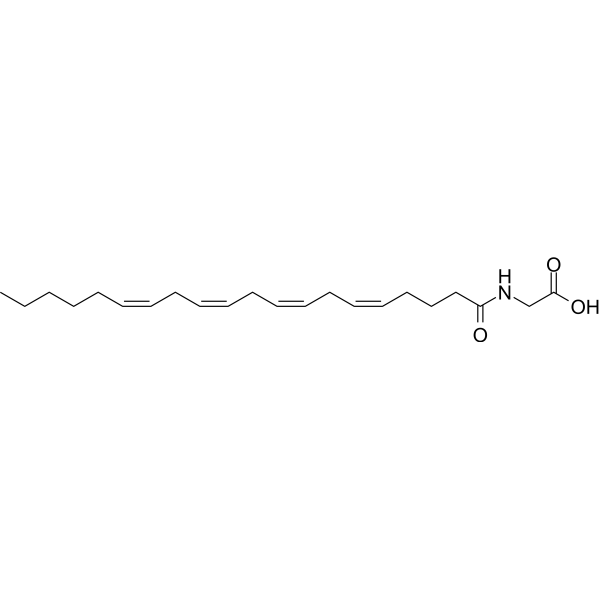
| DC46392 | N-Arachidonylglycine Featured |
N-Arachidonylglycine (NA-Gly), a carboxylic analog of the endocannabinoid anandamide (AEA), is a GPR18 agonist (EC50 = 44.5 nM). Unlike AEA, N-Arachidonylglycine has no activity at either CB1 or CB2 receptors. N-Arachidonylglycine inhibits GLYT2 (IC50 = 5.1 μM). N-Arachidonylglycine also is an effective activator of endometrial cell migration.
More description
|
|
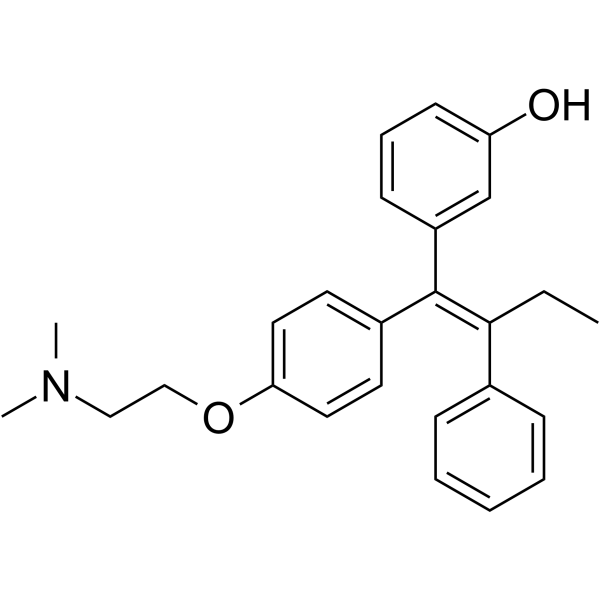
| DC22769 | Droloxifene Featured |
A nonsteroidal selective estrogen receptor modulator (SERM) that shows 10- to 60-fold increased affinity for the estrogen receptor compared with Tamoxifen.
More description
|
|
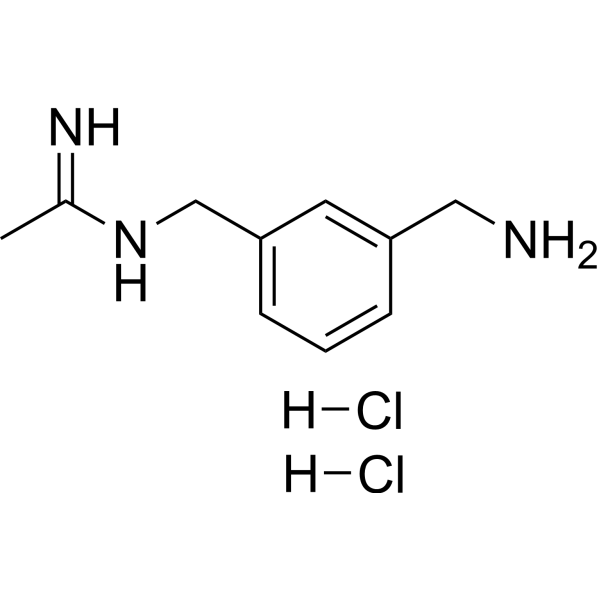
| DC9998 | 1400W dihydrochloride Featured |
1400W dihydrochloride is a slow, tight binding, potent and highly selective inhibitor of inducible nitric oxide synthase (Kd = 7 nM).
More description
|
|
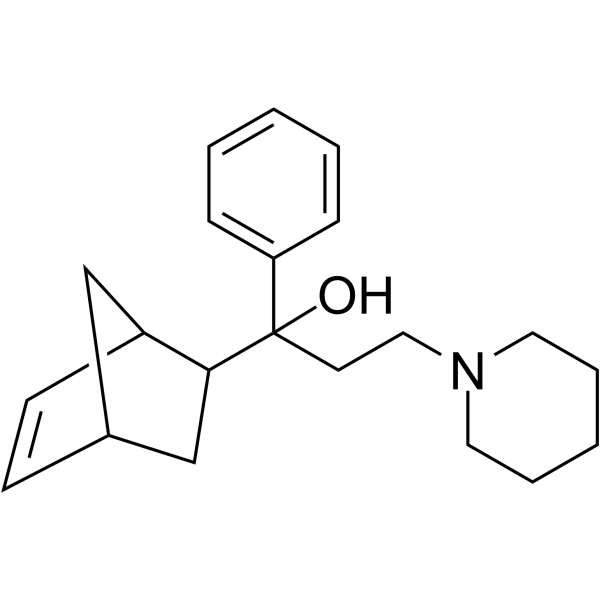
| DC68157 | Biperiden Featured |
Biperiden (KL 373) is a non-selective muscarinic receptor antagonist that competitively binds to M1 muscarinic receptors, thereby inhibiting acetylcholine and enhancing dopamine signaling in the central nervous system.
More description
|
|
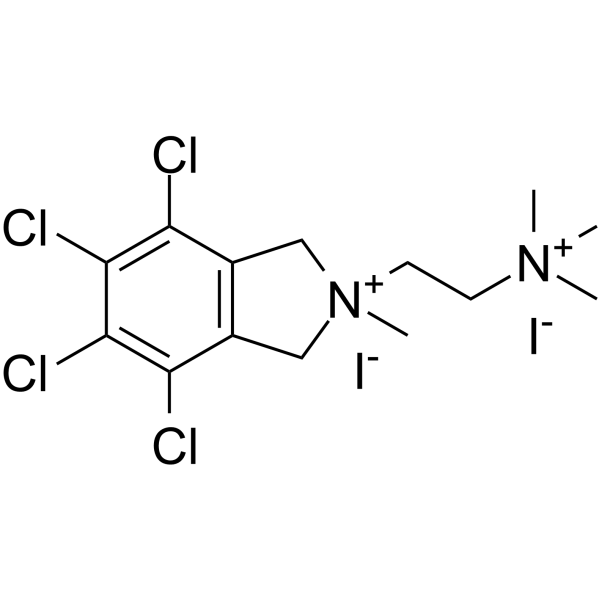
| DC71153 | Chlorisondamine diiodide Featured |
Chlorisondamine (diiodide) is a potent nicotinic acetylcholine receptor (nAChR) antagonist and a ganglion blocker. Chlorisondamine antagonizes some of nicotine's central actions in a potent, long-lasting and pharmacologically selective way.
More description
|
|
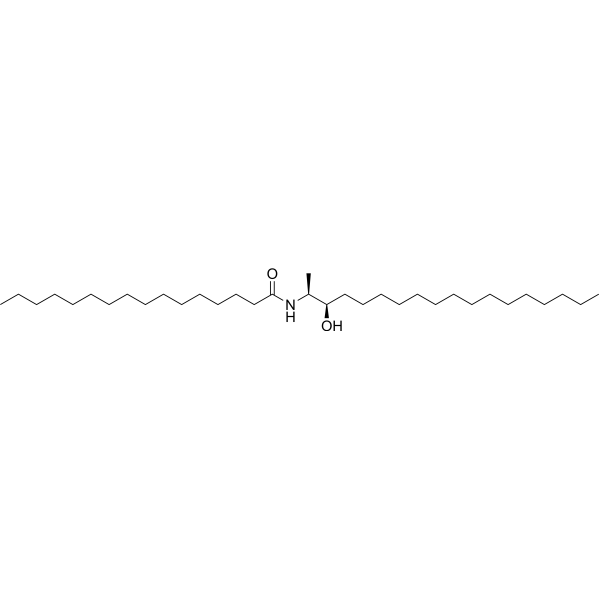
| DC68156 | N-C16-deoxysphinganine Featured |
N-C16-Deoxysphinganine is a biochemical reagent.
More description
|
|
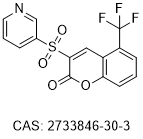
| DC11985 | PSTC Featured |
PSTC is a potent, selective Nrf2 activator with pEC50 of 7.7 (inducing of NQO1 specific enzyme activity).PSTC induces Nrf2 nuclear translocation, Nrf2-regulated gene expression, and
downstream signaling events, including induction of NAD(P)H:NQO1 enzyme activity and heme oxygenase-1 protein expression, in an Nrf2-dependent manner.PSTC does not inhibit IL-1β-induced NF-κB translocation or insulin-induced S6 phosphorylation in human cells.PSTC restores oxidant (tert-butyl hydroperoxide)
induced glutathione depletion in vitro and in vivo models of pulmonary oxidative stress.
More description
|
|
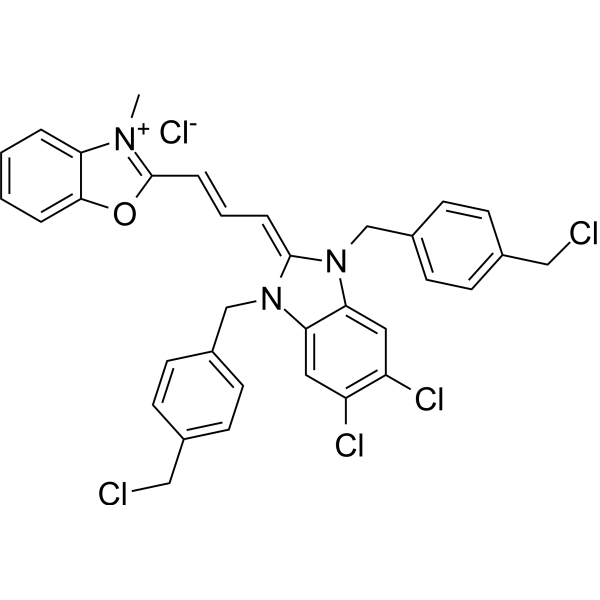
| DC71083 | MitoTracker Green FM Featured |
MitoTracker Green FM is a green-fluorescent dye that can selectively accumulate in the mitochondrial matrix. MitoTracker Green FM covalently binds to mitochondrial proteins by reacting with free thiol groups of cysteine residues.
More description
|
|
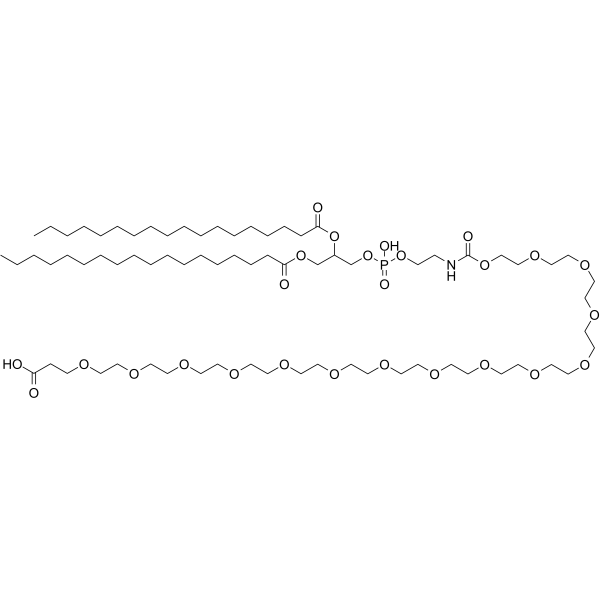
| DC44401 | DSPE-PEG14-COOH Featured |
DSPE-PEG14-COOH is a PEG-based PROTAC linker that can be used in the synthesis of PROTACs.
More description
|
|
| DC68155 | DMG-PEG2000-Biotin Featured |
DMG-PEG2000-Biotin is a synthetic amphiphilic molecule composed of dimyristoyl glycerol (DMG), polyethylene glycol (PEG2000), and biotin functionalities. It is commonly employed in biomedical research for surface modification of lipid-based delivery platforms, such as lipid nanoparticles (LNPs) and liposomes. The PEG moiety enhances colloidal stability, prolongs circulation time, and reduces rapid clearance in vivo. The biotin termination facilitates conjugation to streptavidin-tagged biomolecules, exploiting the highly specific biotin-streptavidin interaction. Thus, DMG-PEG2000-Biotin is valuable for drug-delivery optimization, targeted therapeutic approaches, and in vitro diagnostic assay development.
More description
|

|
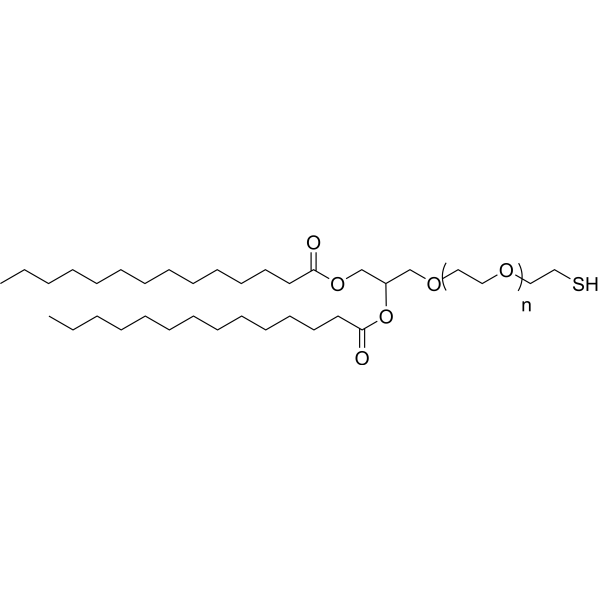
| DC68154 | Thiol-PEG2000-DMG Featured |
Thiol-PEG2000-DMG is a phospholipid polyPEG which can be used to prepare liposomes or nanoparticles. The terminal thiol group reacts with maleimide, OPSS, vinylsulfone and transition metal surfaces including gold, silver, etc.
More description
|
|
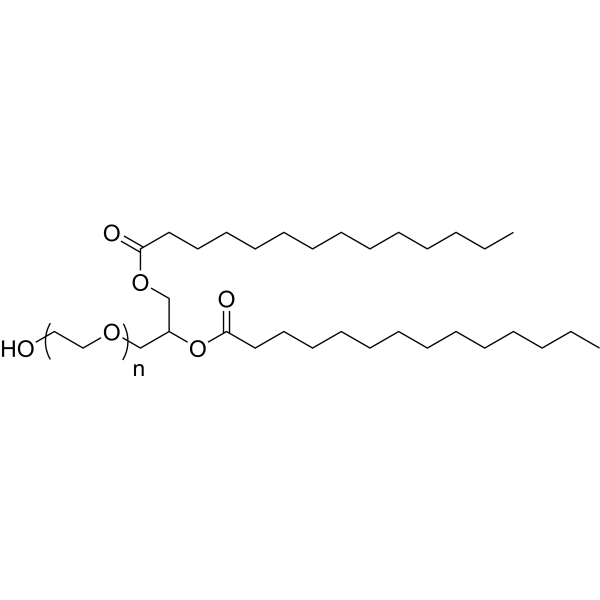
| DC68153 | DMG-PEG2000-OH Featured |
DMG-PEG2000-OH is a PEG derivative that can be used to construct drug delivery vehicles.
More description
|
|
