 To enhance service speed and avoid tariff delays, we've opened a US warehouse. All US orders ship directly from our US facility.
| Cat. No. | Product Name | Field of Application | Chemical Structure |
|---|---|---|---|
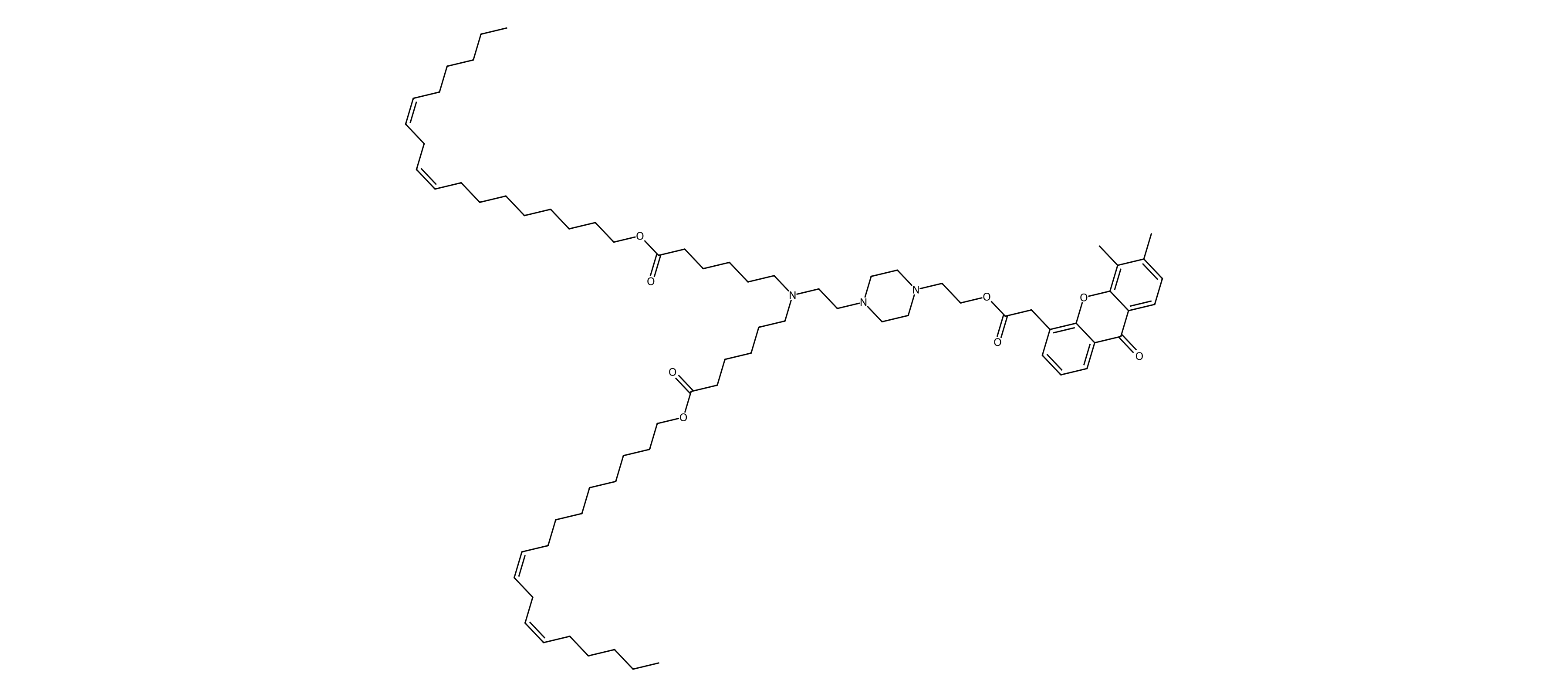
| DC60980 | ST12 Featured |
ST12 is a lipid-conjugated DMXAA prodrug designed for temporally controlled STING activation in mRNA vaccine formulations. Its structure integrates a mouse-specific STING agonist, a biodegradable ester linker, an RNA-interacting tertiary amine domain, and two hydrophobic tails. When incorporated as a partial replacement for SM-102, ST12 preserves early antigen mRNA translation and subsequently releases DMXAA to activate STING. This delayed activation supports localized type I interferon signaling, enhanced antigen-specific CD8-positive T-cell responses, and improved antitumor immunity. In preclinical OVA and HPV tumor models, ST12-based Syn-STING vaccines suppressed tumor growth and prolonged survival. ST12 remains a preclinical research lipid developed specifically around DMXAA-sensitive STING systems.
More description
|
|
| DC60979 | Ionizable lipid-3 (SM-102 analogue) Featured |
Ionizable lipid-3( SM-102 analogu) is a cationic lipid for nucleic acid delivery, with the ability to form lipid nanoparticle mRNA vaccines that exhibit in vitro stability and immunostimulatory activity.This SM-102 analogue retains the ionizable tertiary amine and asymmetric hydrophobic architecture while replacing the ester linkages with carbonate groups and repositioning the hydroxyl functionality. These modifications are designed to tune biodegradability, membrane interactions, and LNP delivery performance.
More description
|
.png)
|
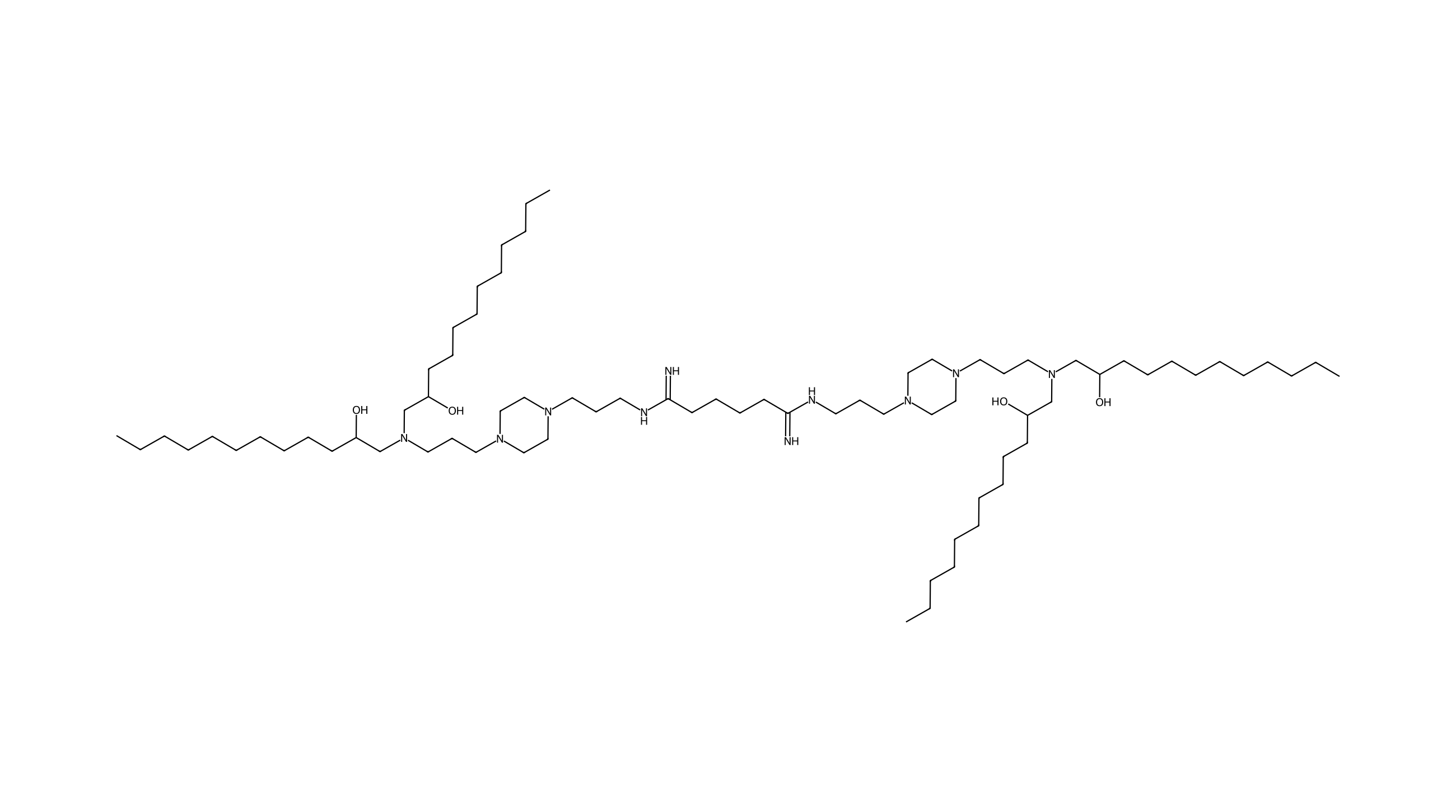
| DC60978 | C12-2aN Featured |
C12-2aN is a crosslinked ionizable lipid developed for mRNA vaccine delivery and dendritic-cell metabolic reprogramming. Its structure combines two piperazine-based ionizable amine cores, a bis-amidine crosslinker, and four hydroxylated C12 hydrophobic tails. When formulated with DOPE, cholesterol, and C14-PEG2000, C12-2aN LNPs enhanced mRNA endosomal escape and activated AMPK–mTORC2-dependent glycolysis, supporting dendritic-cell maturation and antigen presentation. In preclinical mouse studies, C12-2aN LNPs generated robust humoral and cellular immune responses in SARS-CoV-2 RBD and OVA cancer-vaccine models. The formulation also demonstrated reduced liver-associated off-target expression and lower acute inflammatory markers than the tested control formulations. C12-2aN is a preclinical research lipid intended for evaluating metabolically active mRNA vaccine delivery systems.
More description
|
|
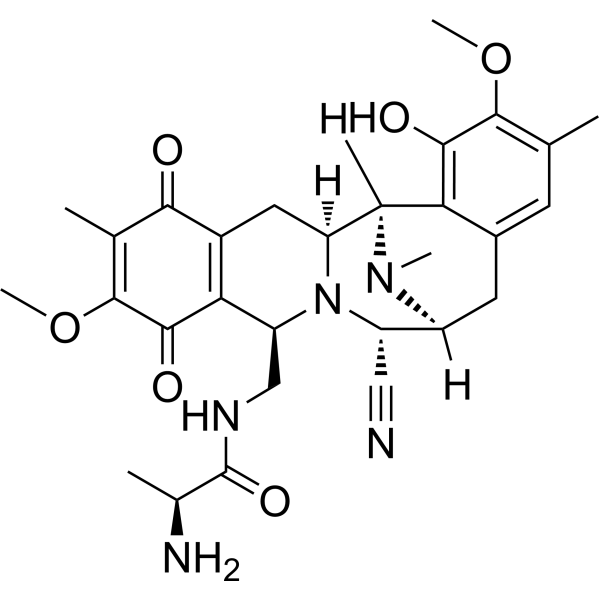
| DC49089 | Cyanosafracin B Featured |
Cyanosafracin B is a starting material for synthesis of Ecteinascidin ET-743 and Phthalascidin Pt-650.
More description
|
|
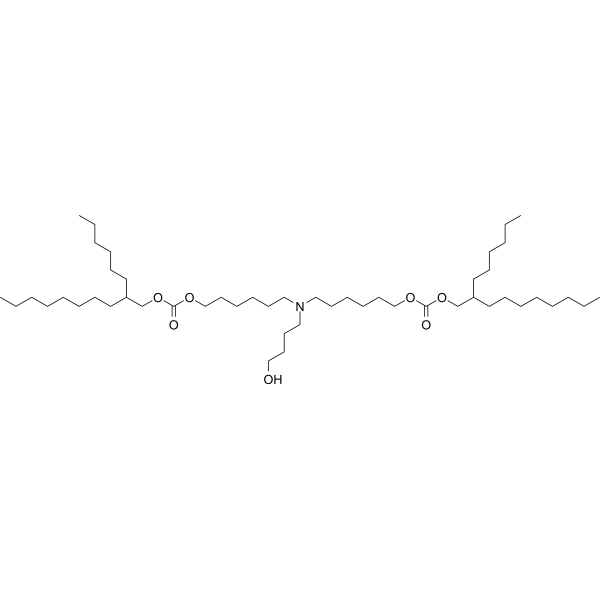
| DC60965 | Ionizable lipid-2 (ALC-0315 analogue) Featured |
Ionizable lipid-2 is a cationic lipid for nucleic acid delivery, with the ability to form lipid nanoparticle mRNA vaccines that exhibit in vitro stability and immunostimulatory activity.This ALC-0315 analogue retains its ionizable tertiary amine, hydroxybutyl headgroup, and dual branched hydrophobic tails, while replacing the two ester linkages with carbonate groups. This modification may alter hydrolytic stability, biodegradability, membrane interactions, and overall LNP delivery performance.
More description
|
|
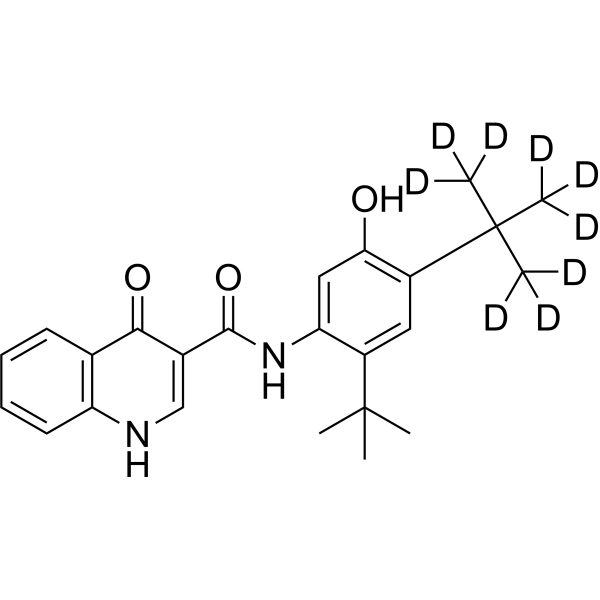
| DC42510 | Ivacaftor-D9 Featured |
Ivacaftor-D9 (CTP-656) is a potent CFTR modulator and exhibits an EC50 value of 255 nM for CFTR potentiation in G551D/F508del HBE Cells. Ivacaftor-D9 acts as an orally active and improved deuterated Ivacaftor analog for cystic fibrosis research.
More description
|
|
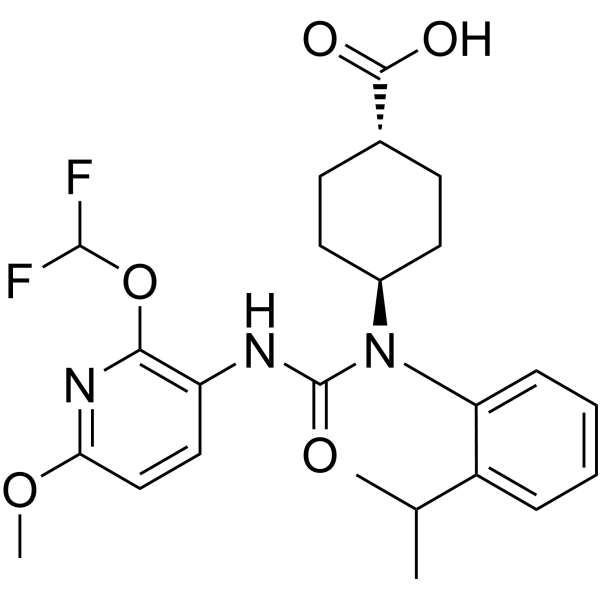
| DC60966 | PIPE-791 Featured |
PIPE-791 is an orally active, blood-brain barrier-permeable selective antagonist of LPAR1. PIPE-791 inhibits LPA-induced calcium mobilization, collagen expression, histamine release, and the activation of fibroblasts, microglia and macrophages. PIPE-791 induces oligodendrocyte precursor cell differentiation, myelination and remyelination, and increases the number of microglia in the retina of normotensive rats. PIPE-791 protects mature oligodendrocytes from cytokine-induced death, reduces the levels of pulmonary fibrosis markers and alleviates neuroinflammation in preclinical models. PIPE-791 can be used in the research of glaucoma, neuroinflammatory diseases, chronic osteoarthritis pain, idiopathic pulmonary fibrosis and multiple sclerosis.
More description
|
|
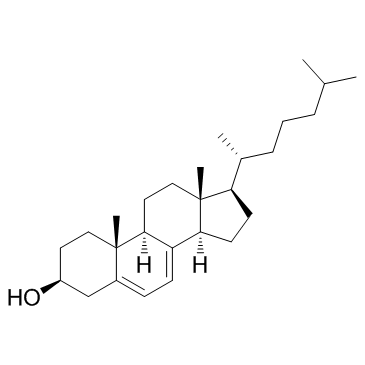
| DC12215 | 7-Dehydro Cholesterol Featured |
7-Dehydrocholesterol is biosynthetic precursor of cholesterol and vitamin D3.
More description
|
|
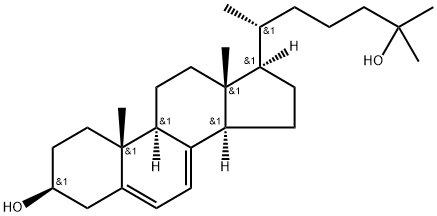
| DC60977 | 25-Hydroxyprovitamin D3 Featured |
|
|
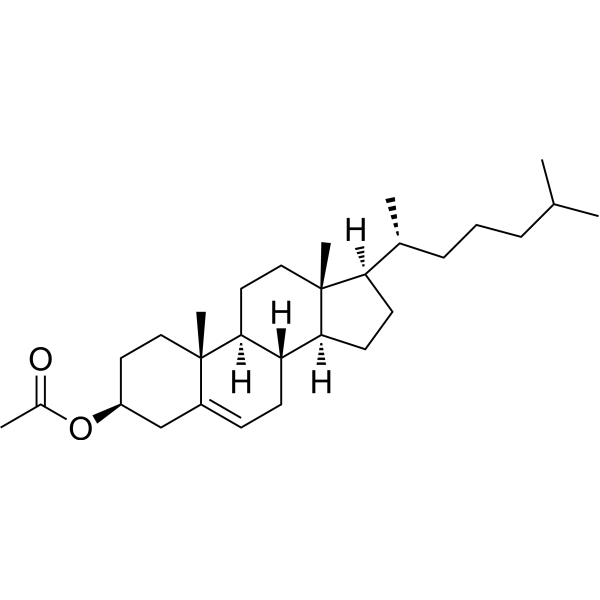
| DC60976 | Cholesterol 3-Acetate Featured |
Cholesteryl acetate (Cholesterol 3-acetate) is a cholesterol ester that is exported from Saccharomyces cerevisiae via a Pry1-dependent mechanism. Cholesteryl acetate binds to the CAP superfamily protein Pry1 via interactions dependent on Pry1’s caveolin-binding motif.
More description
|
|
| DC60975 | rovadicitinib Featured |
|
|
| DC60974 | KSN-159-27 Featured |
|
|
| DC60973 | prifemilast Featured |
|
|
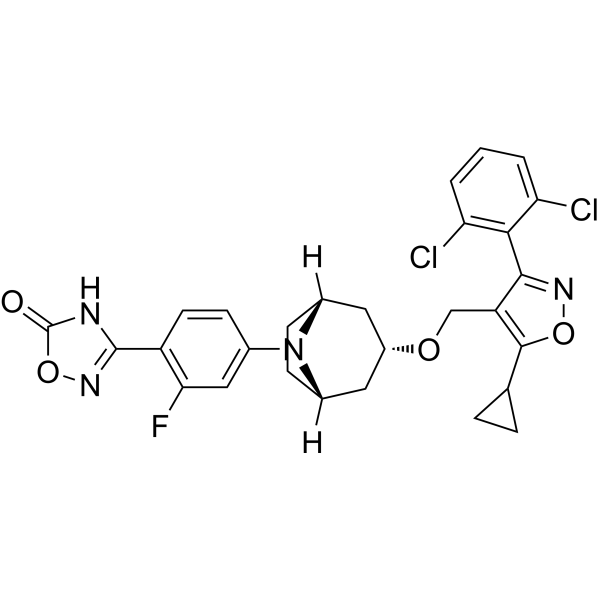
| DC60972 | Linafexor (CS-0159) Featured |
Linafexor (CS-0159) is a FXR agonist and bile acid homeostasis modulator. Linafexor exerts its effects by activating FXR, a regulator of liver function. Linafexor is applicable to research related to primary sclerosing cholangitis (PSC). Linafexor is also suitable for research in the field of metabolic dysfunction-associated steatohepatitis (MASH).
More description
|
|
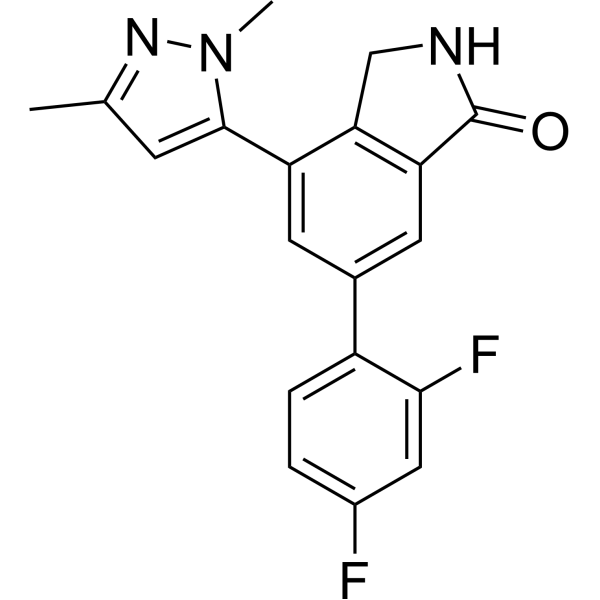
| DC60971 | VU6066098 Featured |
VU6066098 is a blood-brain barrier penetrant, orally active inhibitor of metabotropic glutamate receptor subtype 2 (mGlu2), with IC50 values of 77 nM and 111 nM against human and rat targets, respectively. VU6066098 induces antidepressant-like activity, inhibits psychosis-like hyperlocomotion, enhances recognition memory and associative learning, and reverses cognitive deficits caused by blast-related traumatic brain injury. VU6066098 can be used in research on major depressive disorder, schizophrenia, Alzheimer's disease, and traumatic brain injury.
More description
|
|
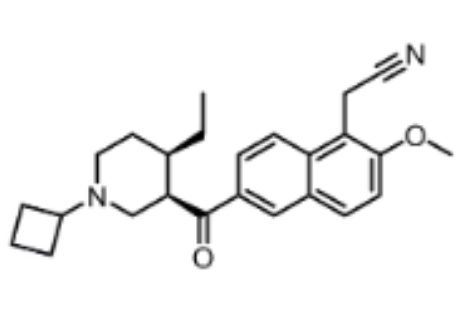
| DC60970 | compound 183c Featured |
|
|
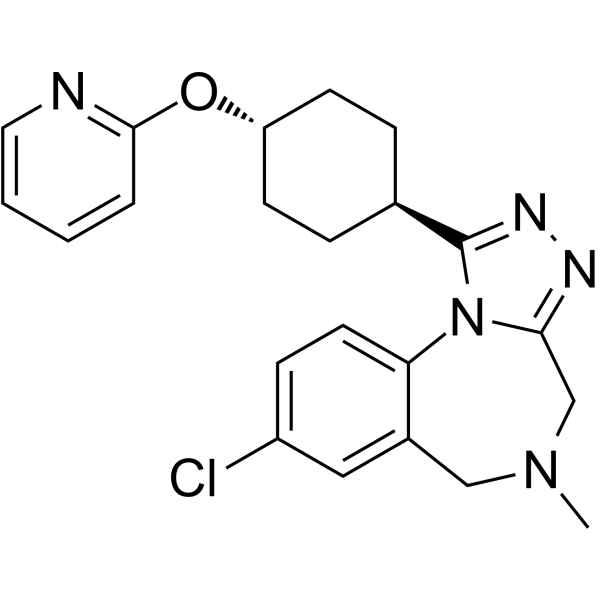
| DC60969 | balovaptan Featured |
Balovaptan (RG7314) is an orally available, selective brain-penetrant vasopressin 1a (hV1a) receptor antagonist, with Kis of 1 and 39 nM for human (hV1a) and mouse (mV1a) receptors, and is used for the research of autism.
More description
|
|
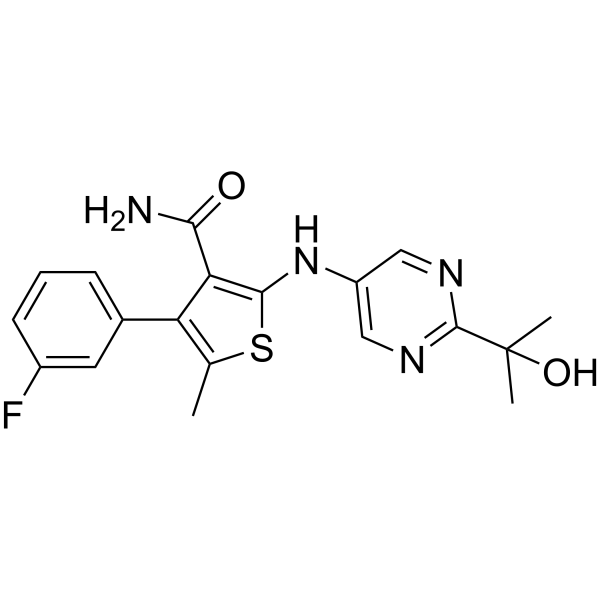
| DC60968 | VU6053371 Featured |
|
|
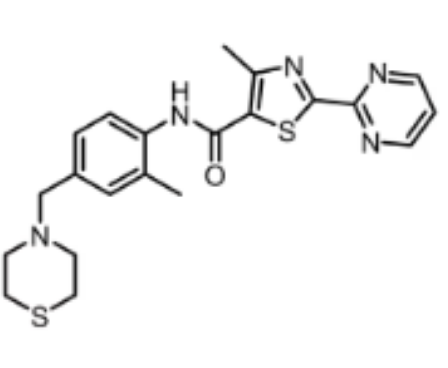
| DC60967 | GL-4512 Featured |
|
|
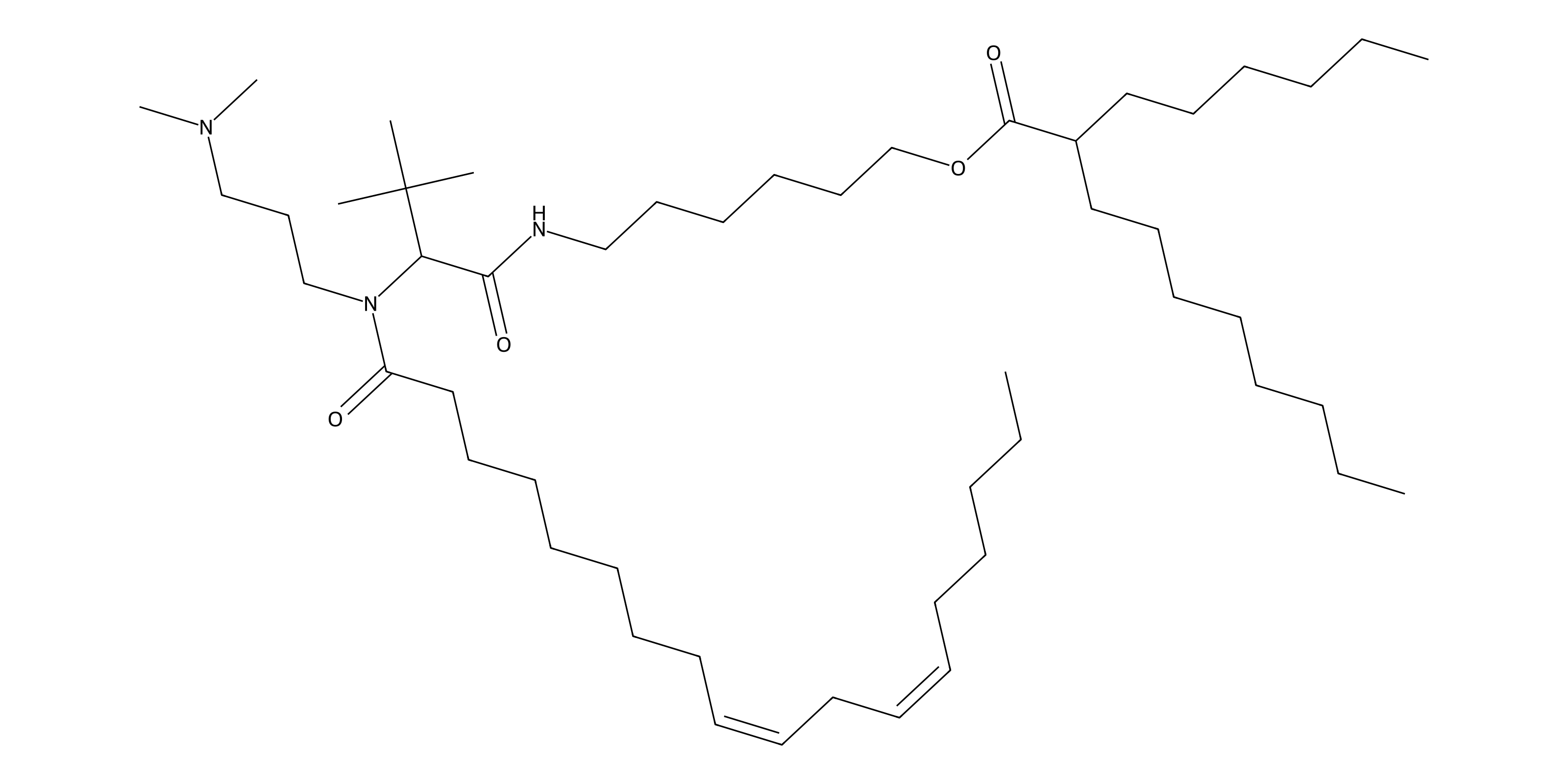
| DC60964 | TTP-3 Featured |
TTP-3 is an asymmetric Ugi-derived ionizable lipid developed specifically for pulmonary delivery of structured suppressor tRNA cargo. Its architecture combines a dimethylaminopropyl ionizable headgroup, two amide-containing linkages, and chemically distinct hydrophobic tails. Selected from a 1,000-member lipid library, TTP-3 showed the strongest suppressor-tRNA delivery in a cystic-fibrosis-relevant air–liquid interface model containing artificial mucus. An optimized formulation containing TTP-3, DOPE, β-sitosterol, and C14-PEG2000 produced approximately 38-fold higher functional pulmonary reporter expression than MC3 following intratracheal administration in mice. TTP-3 LNPs preferentially delivered tRNA to airway epithelial cells, including ciliated, club, ionocyte, and basal progenitor populations. When combined with chemically modified suppressor tRNAs, the platform restored CFTR expression and function in cellular, mouse, and patient-derived organoid models. TTP-3 remains a preclinical research lipid, and further optimization is required for aerosol delivery, repeat dosing, and clinical translation.
More description
|
|
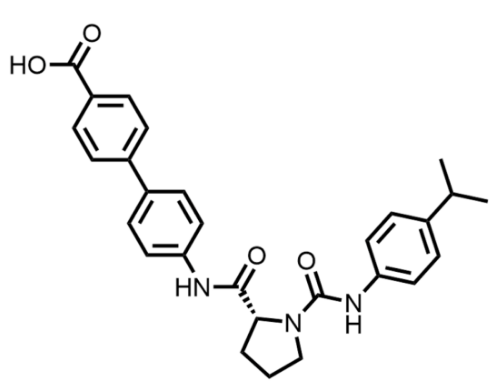
| DC60963 | PF-07976016 Featured |
|
|
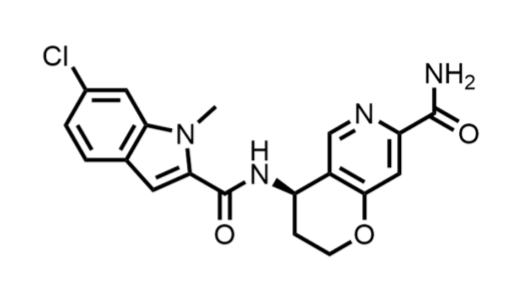
| DC60962 | RTY-406 Featured |
|
|
| DC60961 | alcedaplin(MZE829) Featured |
.png)
|
|
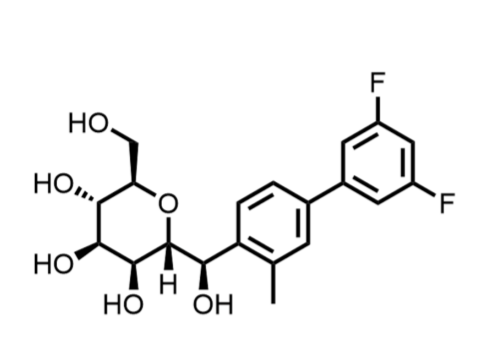
| DC60960 | GSK3882347 Featured |
|
|
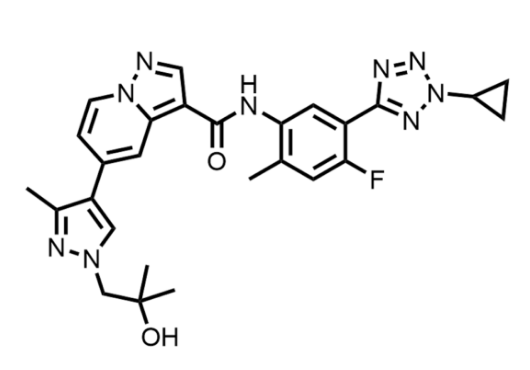
| DC60959 | BLU-808 Featured |
|
|
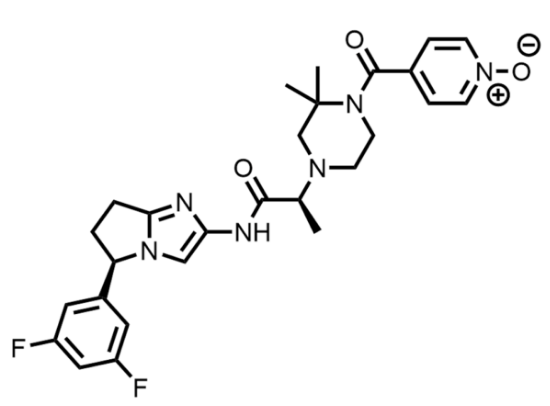
| DC60958 | DAT-003 Featured |
|
|
| DC60957 | PF-07905428 Featured |
|
|
| DC60956 | iptocigistat(VENT-03) Featured |
.png)
|
|
| DC60955 | GFH647 Featured |
|
|
| DC60954 | surbinsertib (SGR-3515) Featured |
.png)
|
