 To enhance service speed and avoid tariff delays, we've opened a US warehouse. All US orders ship directly from our US facility.
| Cat. No. | Product Name | Field of Application | Chemical Structure |
|---|---|---|---|
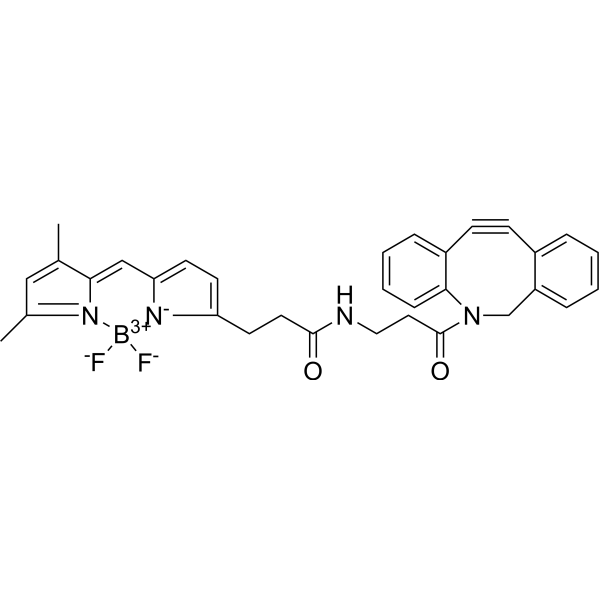
| DC35287 | BDP FL DBCO Featured |
BDP FL DBCO is a PEG derivative containing a reactive DBCO group. DBCO will react with azide-bearing compounds or biomolecules to form a stable triazole linkage without copper catalyst.
More description
|
|
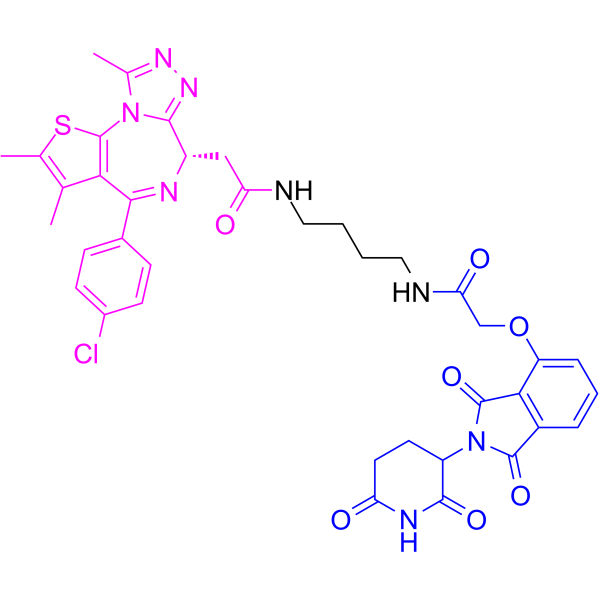
| DC12023 | dBET1 Featured |
dBET1 is a potent BRD4 protein degrader based on PROTAC technology with an EC50 of 430 nM.
More description
|
|
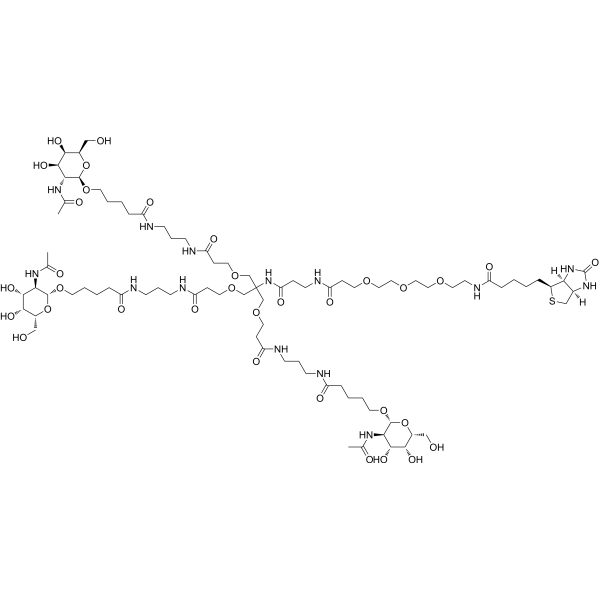
| DC68086 | tri-GalNAc biotin Featured |
tri-GalNAc biotin is a biotinylated ASGPR (Asialoglycoprotein receptor) ligand. tri-GalNAc biotin promotes cellular uptake of neutravidin (NA) via ASGPR. tri-GalNAc biotin delivers neutravidin to lysosomes for degradation. tri-GalNAc biotin can be used for research of LYsosome TArgeting Chimera (LYTAC).
More description
|
|
| DC65966 | Tri-GalNAc-DSPE-PEG2000 Featured |
DSPE-PEG2K-triGalNAc is a polar lipid composed of DSPE and tri-N-acetylgalactosamine that can be used to construct liposomes target to asialoglycoprotein receptor (ASGPR).
More description
|

|
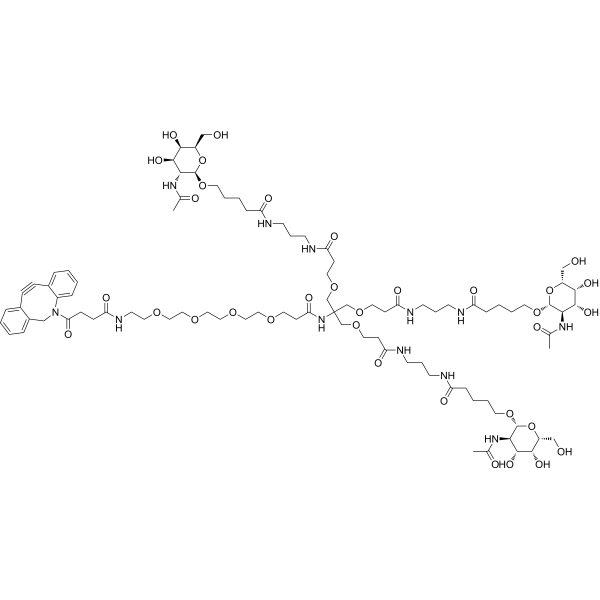
| DC68010 | Tri-GalNAc-PEG4-DBCO Featured |
Tri-GalNAc-biotin is an asialoglycoprotein receptor (ASGPR) ligand for lysosomal targeting chimera (LYTAC) research and development, comprising a triantennary N-acetylgalactosamine (GalNAc) joined by a PEG linker to DBCO.
More description
|
|
| DC68015 | tri-GalNAc-PEG3-Azide Featured |
tri-GalNAc-PEG3-Azide is a functionalized asialoglycoprotein receptor (ASGPR) ligand for lysosomal targeting chimera (LYTAC) research and development; each molecule incorporates three ASGPR ligands with a PEG3 linker and azide group reactive handle ready for conjugation. Upon binding to the ASGPR, tri-GalNAc conjugates are efficiently internalized via ASGPR-mediated endocytosis. tri-GalNAc conjugation can be employed as a strategy to effectively deliver cargo such as RNA or Cas9 complexes in a cell-specific manner to hepatocytes. Can be used to generate LYTACs, or labeled with dye for tissue imaging.
More description
|

|
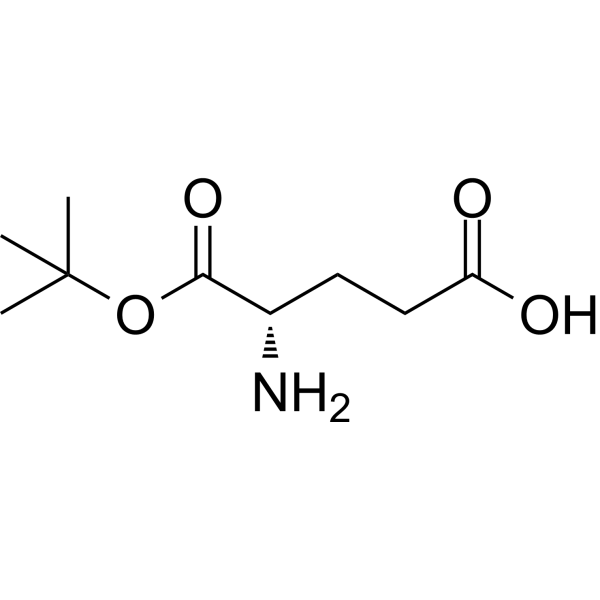
| DC49388 | H-Glu-OtBu Featured |
H-Glu-OtBu is a non-cleavable ADC linker used in the synthesis of antibody-drug conjugates (ADCs). H-Glu-OtBu is also a alkyl chain-based PROTAC linker that can be used in the synthesis of PROTACs[2
More description
|
|
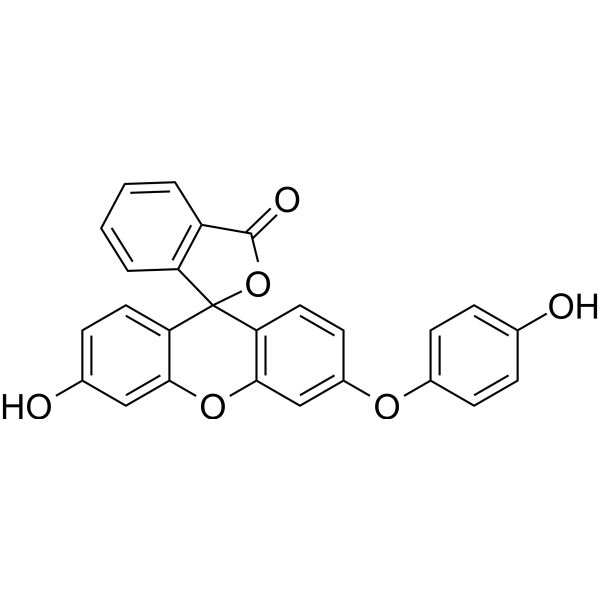
| DC49683 | Hydroxyphenyl Fluorescein Featured |
Hydroxyphenyl fluorescein (HPF) is the reagent that can directly detect highly reactive oxygen species (hROS). Hydroxyphenyl fluorescein selectively and dose-dependently reacts with hROS, such as the hydroxyl radical and peroxynitrite, which exhibit strong fluorescence.
More description
|
|
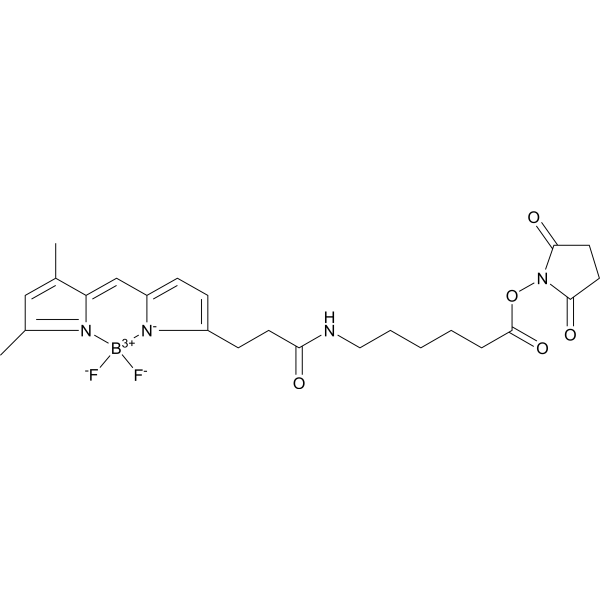
| DC68085 | BODIPY FL-X, SE Featured |
BODIPY FL-X,SE is a fluorescent greendye for the labeling of amine, shows a high fluorescence quantum yield and is relatively insensitive to pH change. BODIPY FL-X,SE can be used as an alternative for FAM, Cy2 or FITC. λabs: 504 nm; λem:510 nm.
More description
|
|
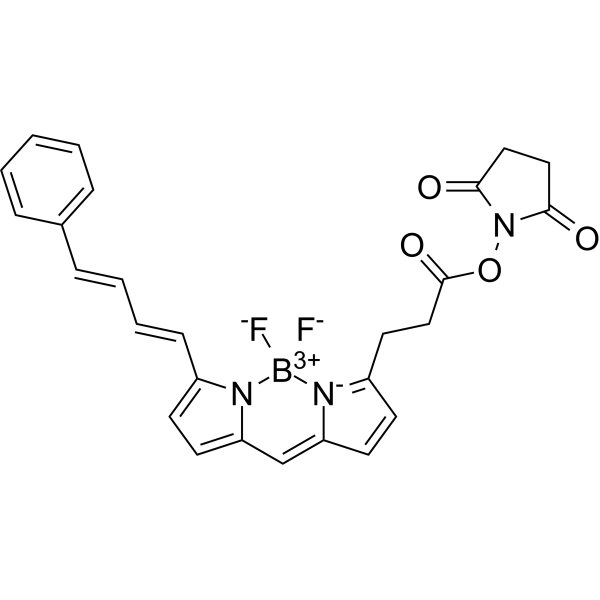
| DC68084 | BODIPY-581/591 NHS ester Featured |
BODIPY-581/591 NHS ester is a bright, red fluorescent dye (excitation: 581 nm; emission: 591 nm). BODIPY-581/591 NHS ester can be used for the labeling of amine containing biomolecules.
More description
|
|
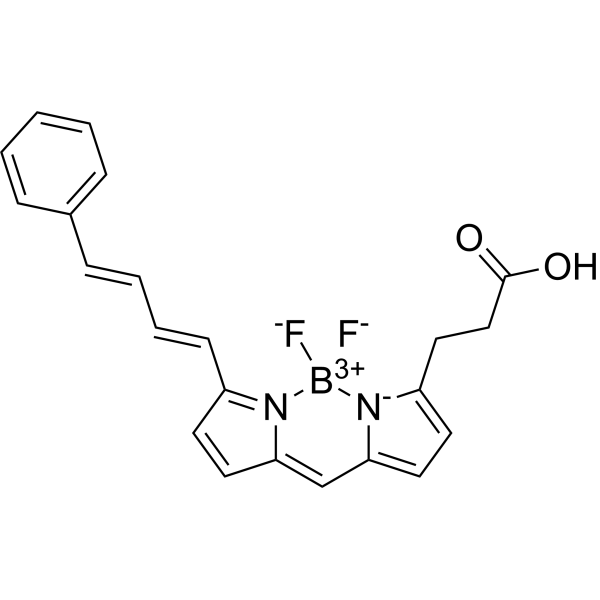
| DC33924 | BDP 581/591 carboxylic acid Featured |
BDP 581/591 carboxylic acid is a fluorescent dye (Ex=585 nm, Em=594 nm). BDP 581/591 carboxylic acid has a free carboxylic acid group, which can be catalyzed by a catalyst (such as EDC or HATU) to react with primary amines to form stable amide bonds. BDP 581/591 carboxylic acid is highly photostable and can be used for ROS detection.
More description
|
|
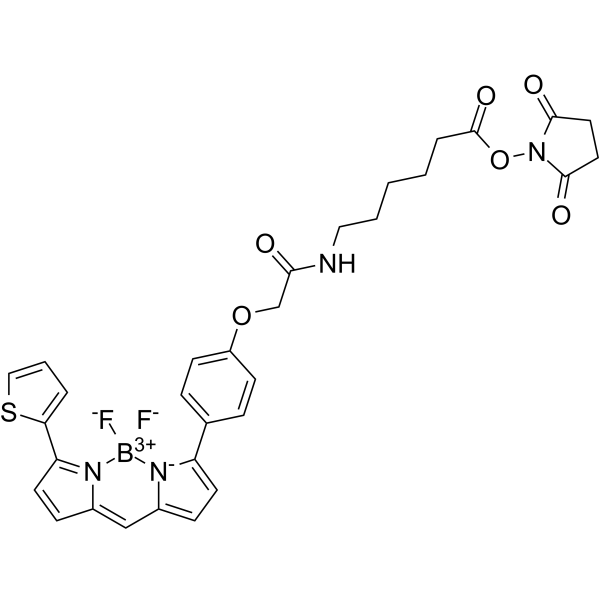
| DC68083 | BDY TR-X, SE Featured |
BODIPY TR-X (BODIPY TR-X NHS Ester) is a potent fluorescent dye. BODIPY TR-X can be used to label the primary amines (R-NH2) of proteins, amine-modified oligonucleotides, and other amine-containing molecules. BODIPY TR-X binds to protein or antibody and has bright, red fluorescent light. (λex=545 nm, λem=560 nm).
More description
|
|
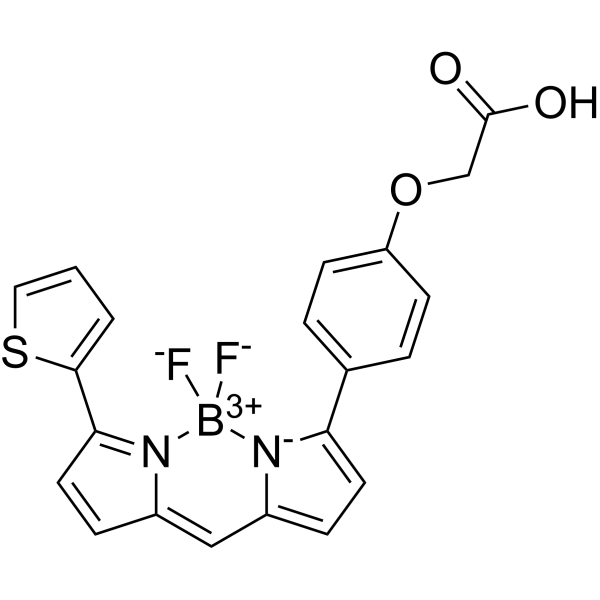
| DC33928 | BODIPY TR acid Featured |
BDP TR carboxylic acid is a carboxylic acid derivative of BDP TR. BDP TR is a BODIPY fluorescent probe.
More description
|
|
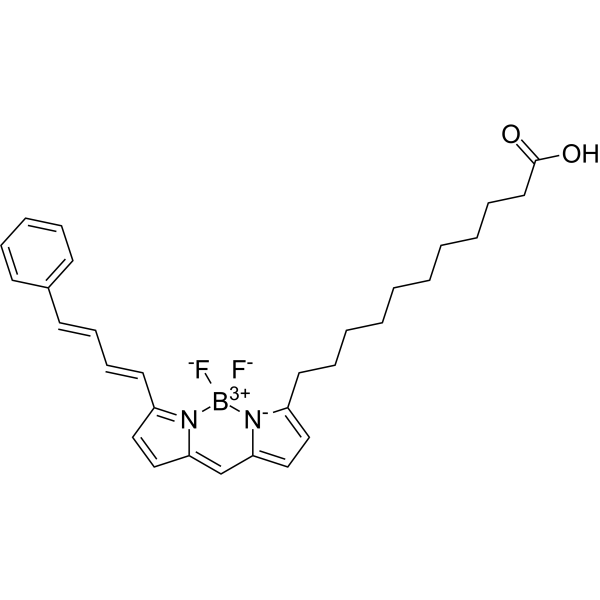
| DC65685 | BODIPY 581/591 C11 Featured |
BODIPY 581/591 C11 is a BODIPY borofluoroprene derivative with good light stability and low fluorescence artifacts. BODIPY 581/591 C11 can be used for study lipid peroxidation and antioxidant properties in living cells, or detect ferroptosis by reaction with hydroxyl radicals. BODIPY 581/591 C11 is emitted at 591 nm (reduced prototype), or redshifted to 510 nm (oxidized type). The excitation wavelengths were 581 nm (reduced prototype) and 500 nm (oxidized type).
More description
|
|
| DC68082 | BODIPY 493/503 NHS ester Featured |

|
|
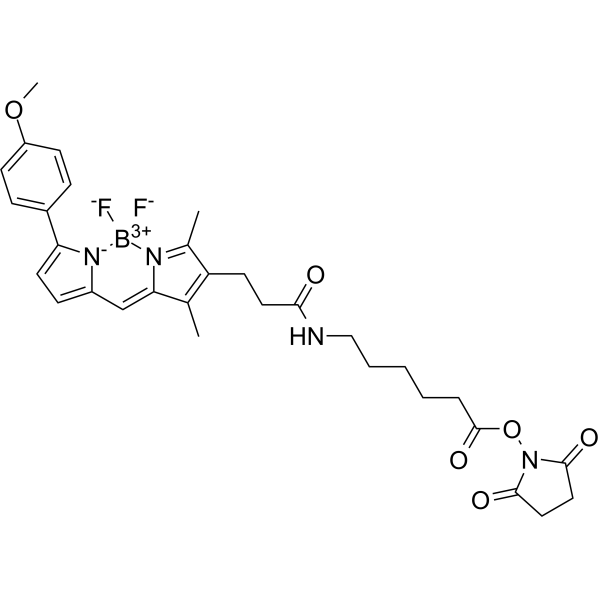
| DC68081 | BDY TMR-X, SE Featured |
BODIPY TMR-X SE is a potent fluorescent dye. BODIPY TMR-X SE can be used to label the primary amines (R-NH2) of proteins, amine-modified oligonucleotides, and other amine-containing molecules. BODIPY TR-X binds to protein or antibody and has bright, orange fluorescent light. (λex=544 nm, λem=570 nm).
More description
|
|
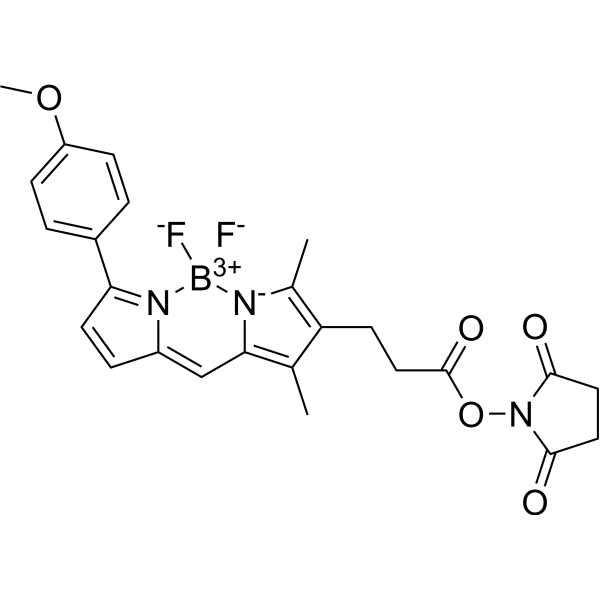
| DC33850 | BODIPY TMR NHS Ester Featured |
BDP TMR NHS ester is a multifunctional dye. Dyes are important tools in biological experiments. They can help researchers observe and analyze cell structures, track biomolecules, evaluate cell functions, distinguish cell types, detect biomolecules, study tissue pathology and monitor microorganisms. Their applications range from basic scientific research to clinical A wide range of diagnostics. Dyes are also widely used in traditional fields such as textile dyeing, as well as in emerging fields such as functional textile processing, food pigments and dye-sensitized solar cells.
More description
|
|
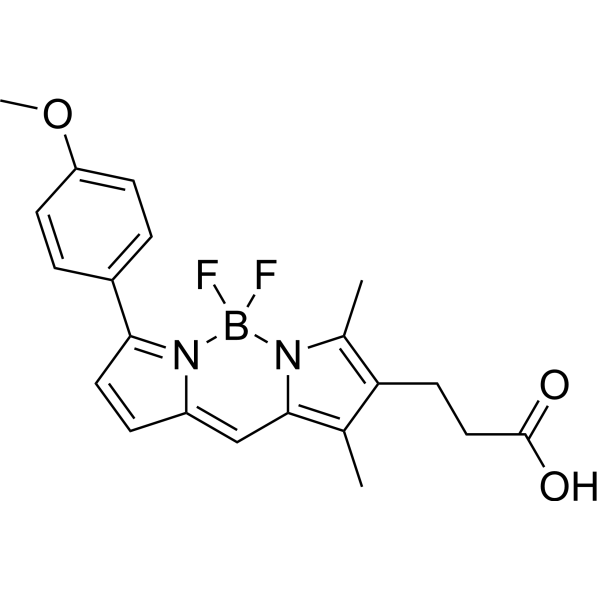
| DC33927 | BDP TMR carboxylic acid Featured |
BDP TMR carboxylic acid is a BDP TMR labeled carboxylic acid. BDP TMR carboxylic acid has the fluorophore BDP and can be used for oligonucleotide labeling and amino acid sequencing.
More description
|
|
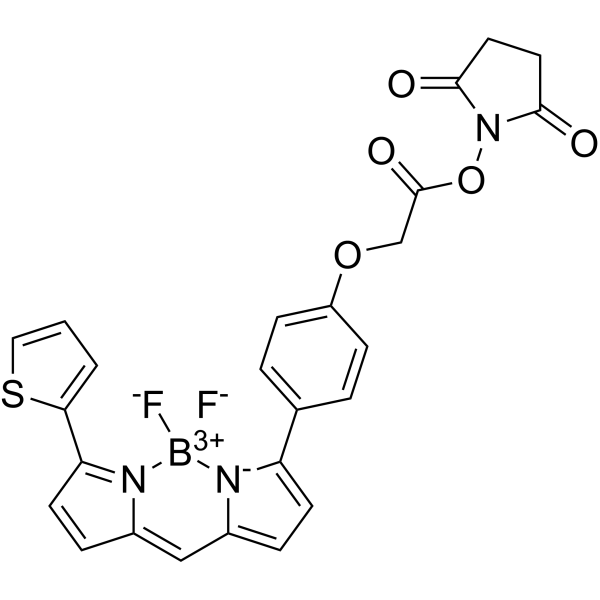
| DC33851 | Bdp tr nhs ester Featured |
Bdp tr nhs ester is a chemiluminescent coupling compound with a long excited state lifetime for immunoassays and is suitable for microscopy and fluorescence polarization analysis applications. NHS ester can react specifically and efficiently with the side chains of primary amines such as lysine residues or amino silane coated surfaces under neutral or weakly basic conditions to form covalent bonds.
More description
|
|
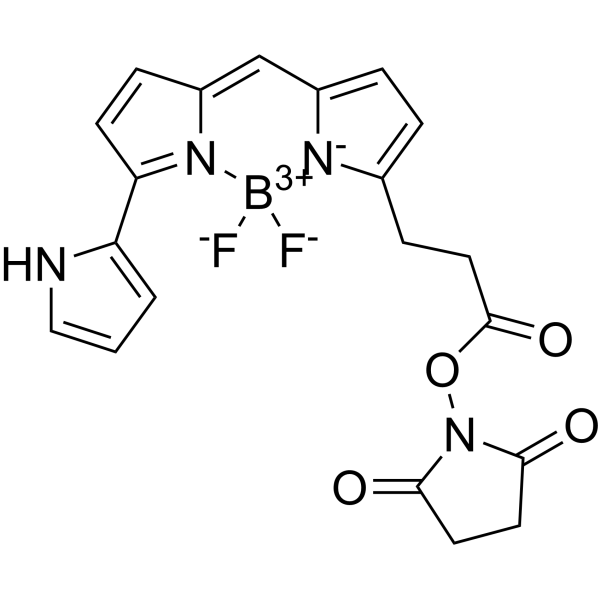
| DC68080 | Py-BODIPY-NHS ester Featured |
BODIPY dye is a small molecule dye with strong ultraviolet absorption ability, its fluorescence peak is relatively sharp, and the quantum yield is high. They are relatively insensitive to the polarity and pH of the environment and are relatively stable under different physiological conditions. Due to its structural asymmetry, BODIPY derives a variety of structural products.
More description
|
|
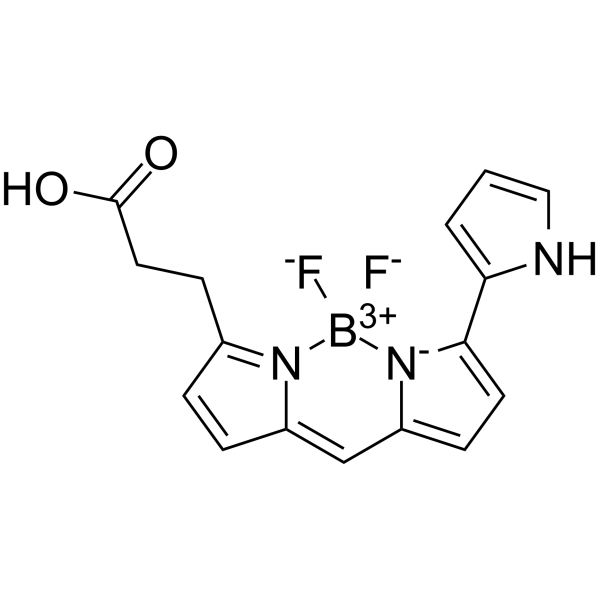
| DC68079 | BODIPY 576/589 Featured |
BODIPY 576/589 is a long wavelength biological labeled dye contains a free COOH-group (Em/Ex = 589/576 nm).
More description
|
|
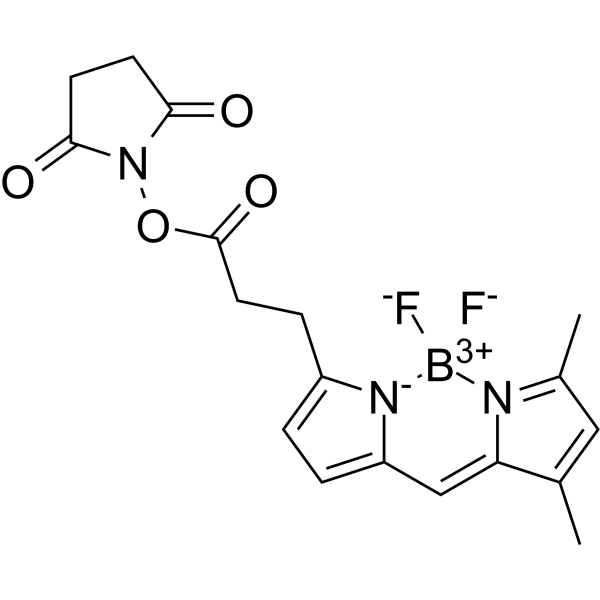
| DC33848 | BODIPY FL NHS ester Featured |
BODIPY FL NHS ester (BODIPY FL, SE) is a cell membranes-penatrable amine-reactive fluorescent probe. The maximum excitation/emission wavelength of the BODIPY-FL NHS ester are 502/511 nm, respectively. BODIPY-FL NHS ester has high stability and is insensitive to the polarity, pH and type of solvent, and can maintain stable fluorescence properties under different environmental conditions.
More description
|
|
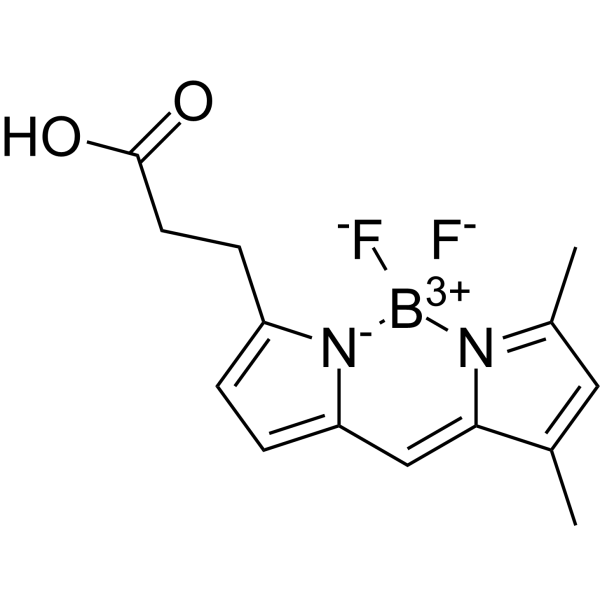
| DC36256 | BODIPY-FL Featured |
BODIPY-FL is a green fluorescent dye that can be used to label probes or primers. BODIPY-FL fluorescence can be quenched after interacting with uniquely positioned guanine, making it useful for quantifying specific DNA or RNA molecules.
More description
|
|
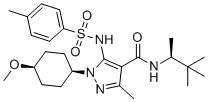
| DC74533 | ICT12035 Featured |
ICT12035 (AZ2158) is a potent, selective formylpeptide receptor-1 (FPR1) antagonist with IC50 of 30 nM in calcium mobilisation assays (100 nM fMLF).
More description
|
|
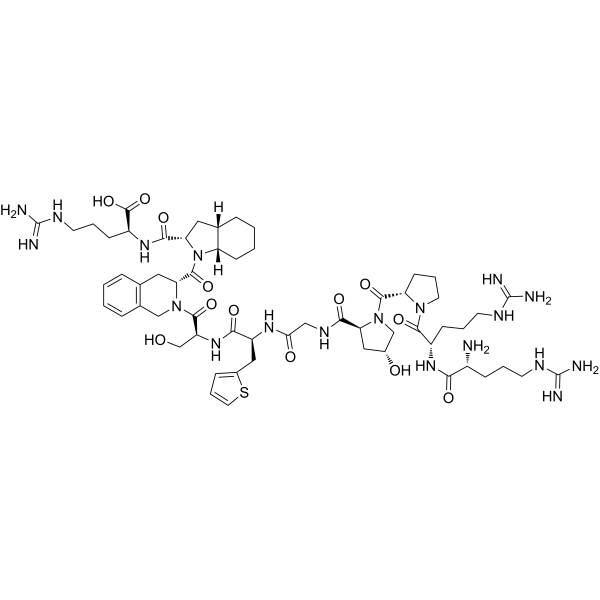
| DC31473 | Icatibant Featured |
Icatibant is a peptidomimetic drug consisting of ten amino acids, which is a selective and specific antagonist of bradykinin B2 receptors. It has been approved by the European Commission for the symptomatic treatment of acute attacks of hereditary angioedema (HAE) in adults with C1-esterase-inhibitor deficiency.
More description
|
|
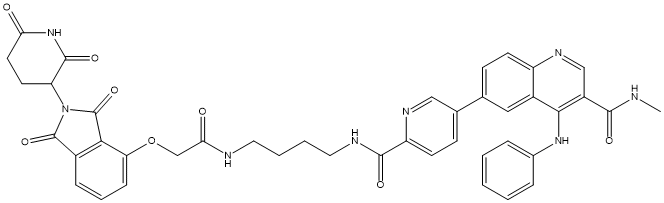
| DC36305 | CFT2139 Featured |
aTAG 2139 (CFT-2139) is an aTAG-based MTH1 fusion protein degrader with a DC50 value of 1.1 nM. aTAG 2139 has a Ki value of 2.1 nM for MTH1.
More description
|
|
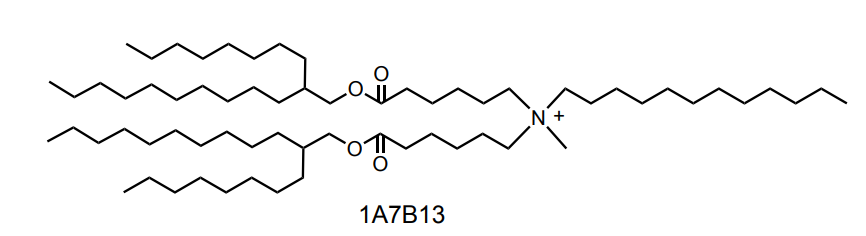
| DC68023 | Lipid 1A7B13 Featured |
1A7B13 is a top-performing "tripod-like" lung-targeting (LuT) lipid. It forms lipid nanoparticles (LNPs) that, after intravenous injection, deliver genetic medicines (like mRNA and CRISPR-Cas9) to the lungs with over 90% selectivity, particularly favoring epithelial cells. Compared to the benchmark DOTAP LNPs, 1A7B13 LNPs achieve a 25.5-fold increase in mRNA delivery and a 9.2-fold improvement in gene-editing efficiency within the lungs. Its therapeutic potential was demonstrated by successfully delivering IL-10 mRNA to treat acute lung injury in mice.
More description
|
|
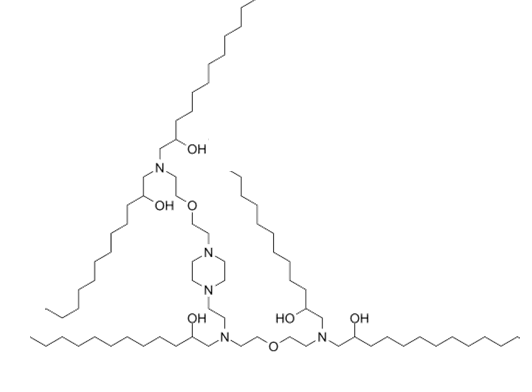
| DC89101 | C12-4 (Lipid A-4,Lipid F3,C12-494) Featured |
C12-4 (Lipid A-4,Lipid F3) is a branched-chain ionizable cationic lipidoid that has been used in the formation of lipid nanoparticles (LNPs) for the delivery of mRNA. LNPs containing lipid A4 and encapsulating an mRNA reporter accumulate in the uterus, placenta, and ovaries, as well as to the spleen and liver, in pregnant mouse dams unlike LNPs containing the branched-chain ionizable cationic lipidoid C12-200, which primarily accumulate in the liver. Intravenous administration of LNPs containing lipid A4 and encapsulating mRNA encoding VEGF increase placental VEGFR1 levels and mean fetal blood vessel area without inducing liver damage in pregnant mouse dams.
More description
|
|
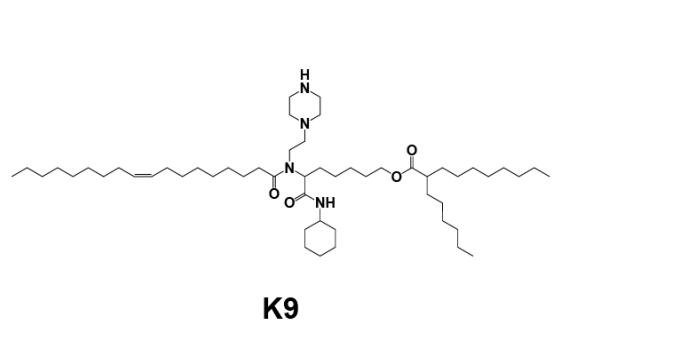
| DC68078 | Lipid K9 Featured |
K9 is a novel ionizable lipid designed by the multi-objective AI model MOLEA. Its core function is to enable tissue-selective mRNA delivery. When formulated into Lipid Nanoparticles (LNPs), K9 can preferentially deliver mRNA efficiently to articular chondrocytes while significantly reducing delivery to hepatocytes. This facilitates targeted drug delivery for conditions like osteoarthritis and lowers the risk of off-target effects in the liver. In vitro experiments confirm that K9-LNPs promote endosomal escape and efficient expression of mRNA in chondrocytes. Its targeted delivery efficiency is further enhanced by optimizing the LNP formulation (e.g., lipid composition ratios) using a Design of Experiment (DoE) approach. In vivo studies show that after intra-articular injection, K9-LNPs exhibit high biodistribution and gene expression in the knee joint, with limited distribution in major organs like the liver. Therefore, K9 represents an advanced, rationally designed LNP component for achieving joint tissue-specific therapy, providing a key tool for developing targeted mRNA therapeutics.
More description
|
|
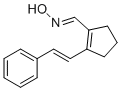
| DC74231 | ZINC13407541 Featured |
ZINC13407541 is a small molecule antagonist for FGF23, inhibits FGF-23 signaling with IC50 of 0.45 uM.
More description
|
|
