 To enhance service speed and avoid tariff delays, we've opened a US warehouse. All US orders ship directly from our US facility.
| Cat. No. | Product Name | Field of Application | Chemical Structure |
|---|---|---|---|
| DC67546 | ALC-0307 Featured |
ALC 0307 is an ionizable amino lipid developed by Acuitas Therapeutics, serving as the critical functional component in lipid nanoparticles (LNPs) for targeted therapeutic delivery. As the core cationic lipid in specific LNP formulations (e.g., k-abe for CPS1-Q335X correction), its key feature is pH-dependent chargeability: it remains neutral at physiological pH but becomes positively charged in acidic environments like endosomes. This property enables efficient encapsulation of nucleic acid payloads (>97% efficiency, e.g., base editor mRNA/gRNA complexes) and facilitates endosomal escape via membrane disruption post-cellular uptake. Its optimized structure promotes selective hepatocyte targeting by binding endogenous apolipoprotein E (ApoE), which subsequently interacts with LDL receptors on liver cells. Preclinical studies show rapid clearance (>99.5% plasma reduction in 14 days) and manageable transient toxicity (mild, reversible cytoplasmic vacuolation in hepatocytes, short-term ALT/AST elevation). LNPs containing ALC0307, alongside helper lipids (cholesterol, DSPC, and PEG-lipid ALC-0159), form stable ~73 nm particles with low polydispersity. This combination enables repeatable, liver-directed delivery of gene editing therapeutics with minimized off-target effects, underpinning its use in individualized in vivo gene correction therapies.
More description
|

|
| DC57006 | L319 Featured |
L319 (LIPID 319) is a novel ionizable, biodegradable lipid for delivery of short interfering RNAs (siRNAs). L319-LPN displays rapid elimination with pKa of 6.38 and also shows well tolerated up to 10 mg/kg.
More description
|

|
| DC71034 | EDMPC Featured |
EDMPC, a cationic lipid, has an enhanced ability to deliver DNA to pulmonary tissues. EDMPC mediates intralobar DNA delivery to rodents.
More description
|

|
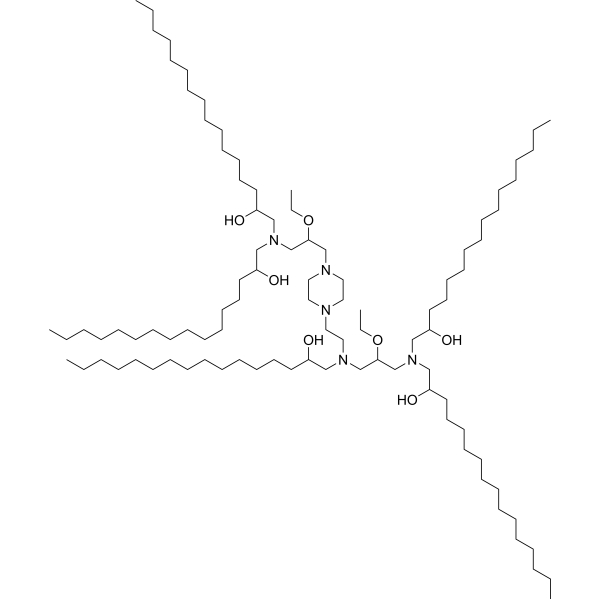
| DC65856 | Lipid C3 Featured |
Lipid C3 is an ionizable cationic lipid (pKa = 5.05-5.671).1,2 It has been used in the formation of lipid nanoparticles (LNPs) for the delivery of mRNA in vitro and in vivo.
More description
|
|
| DC60211 | TCL053 Featured |
TCL053 is an ionizable amino lipid.1 It has been used in the generation of lipid nanoparticles (LNPs) and has a pKa value of 6.8. LNPs containing TCL053 and encapsulating mRNA encoding the Cas9 nuclease, in combination with LNPs containing TCL053 and encapsulating single-guide RNA (sgRNA) targeting the Rosa26 locus, have been used to induce CRISPR-mediated gene editing in the mouse gastrocnemius muscle.TCL053 is an ionizable lipid that has received FDA approval
for preparing mRNA vaccines. It is a three-tailed ionizable lipid
to overcome the disadvantage of nonrepeatable administration of
AAV vectors. In addition, combined with limb perfusion administration,
TCL053 iLNPs could transiently deliver CRISPR-Cas9
mRNA and sgRNA to multiple muscle tissues, reducing
immunogenicity and increasing the safety of iLNPs. It is
great progress for treating Duchenne muscular dystrophy and
other diseases that require multiple doses.
More description
|

|
| DC86120 | EA-PIP(LIPID 10) Featured |
Lipid 10 is a novel ionizable cationic lipid be used for delivery of therapeutic RNA to the Bone Marrow in Multiple Myeloma Using CD38-Targeted with Lipid 10-LNP.
More description
|

|
| DC70010 | 98N12-5 Featured |
98N12-5 is an ionizable cationic lipid. It has been used in combination with other lipids in the generation of lipid nanoparticles (LNPs). LNPs containing 98N12-5 and encapsulating proprotein convertase subtilisin kexin type 9 (PCSK9) siRNA selectively accumulate in the liver and reduce total serum cholesterol levels in mice and rats and serum LDL levels in cynomolgus monkeys.
More description
|

|
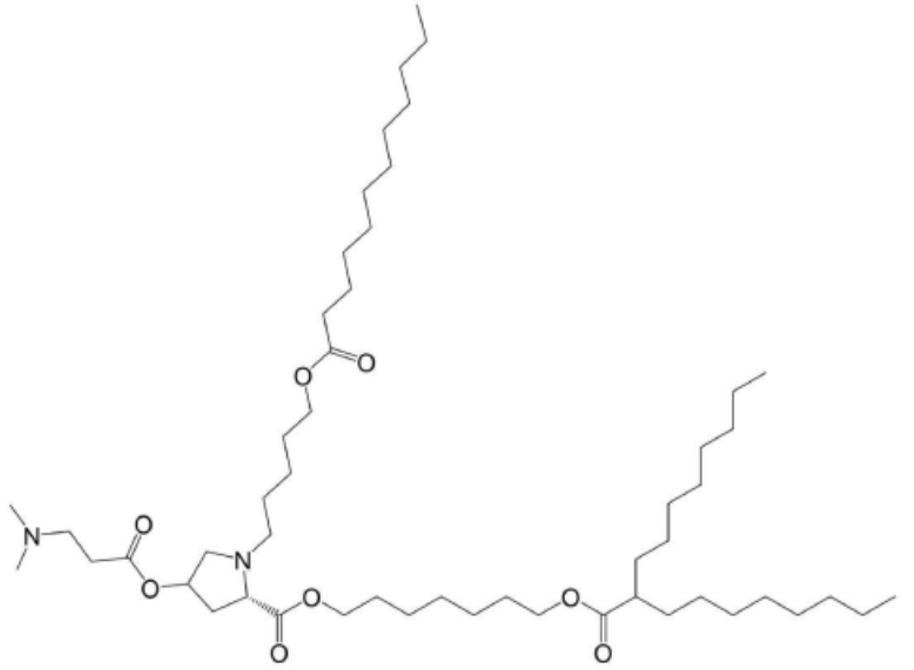
| DC60927 | Lipid 2298 Featured |
Lipid 2298 is a novel ionizable lipid developed by Sai Biomedicine demonstrates excellent performance with a spleen-to-liver ratio of 3.448 and a very high total expression level of 2.4E+07. Lipid 2298 offers a strong balance of efficient systemic protein production and clear preferential delivery to the spleen.
More description
|
|
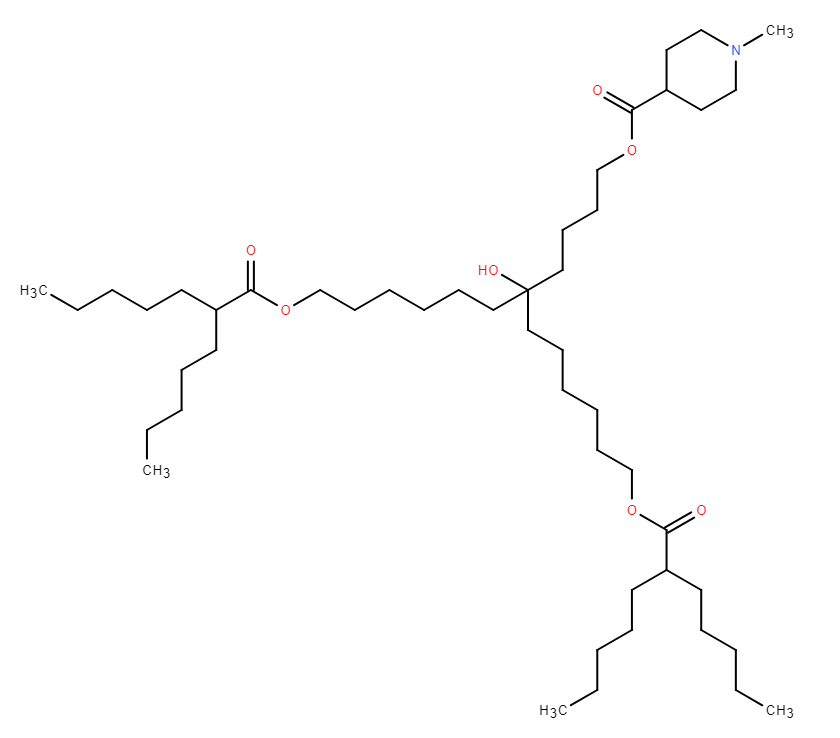
| DC60910 | CL15F 7-5 Featured |
CL15F 7-5 is a piperidine-based ionizable lipid from the CL15F library, characterized by a symmetrically branched tail structure with a 7-carbon main chain and a 5-carbon side chain. This moderate tail length positions it between short-tail (e.g., CL15F 6-4) and long-tail (e.g., CL15F 14-12) variants, granting it a unique balance in mRNA delivery properties. Its LNPs exhibit optimized organ selectivity, enabling significant mRNA expression in both the spleen and muscle, as demonstrated by in vivo luciferase assays following intravenous and intramuscular administration. This lipid structure facilitates a favorable DSPC surface density on LNPs, which moderates interactions with serum proteins like ApoE, thereby reducing rapid hepatic clearance and promoting extrahepatic delivery. In vaccine applications, CL15F 7-5 LNPs encapsulating SARS-CoV-2 RBD mRNA elicited robust anti-RBD IgG titers and neutralizing antibodies in mice, outperforming the clinically benchmarked SM-102 lipid. The piperidine headgroup further contributes to storage stability by minimizing the generation of aldehyde impurities that can form mRNA-lipid adducts. Consequently, CL15F 7-5 represents a versatile lipid for developing stable, spleen-targeted mRNA vaccines and therapeutics, leveraging tail-length engineering for enhanced efficacy without complex formulation changes.
More description
|
|
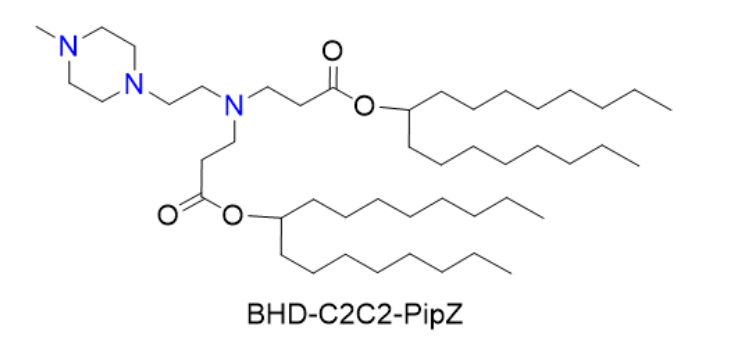
| DC60917 | BHD-C2C2-PipZ Featured |
BHD-C2C2-PipZ, as an efficient ionizable cationic lipid, achieves high encapsulation efficiency and controllable release of mRNA through its unique chemical structure. In PEG-free 3P-LNPs, its electrostatic interaction with tripolyphosphate successfully replaces the steric stabilization effect of traditional PEG, offering a new strategy to circumvent PEG immunogenicity. Its hepatic distribution pattern further indicates that LNP design should take into account the heterogeneity of the organ microenvironment.
More description
|
|
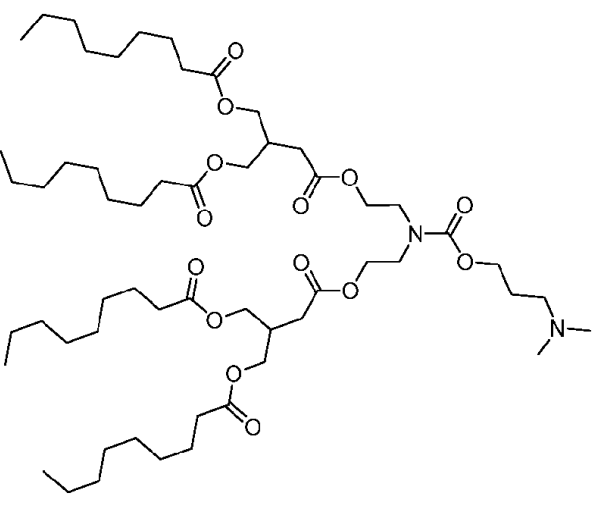
| DC60878 | Lipid A-12 Featured |
Lipid A-12 is an ionizable cationic lipid from Capstan Therapeutics and a close analog of CICL-1 (L829). The structure was modified by the extension of the headgroup linker from a two-carbon (C2) to a three-carbon (C3) spacer compared to CICL-1 (L829).
More description
|
|
| DC67990 | 4A3-LNSC8 Featured |
4A3-LNSC8 is a strategically designed thiourea-functionalized ionizable lipid that serves as the foundational core for a novel anion-coordination delivery platform. Its structure features a central 4A3 amine headgroup symmetrically extended with four hydrophobic tails, each incorporating a biodegradable ester linkage and a key thiourea-bridged linker. The inclusion of the thiourea group is the pivotal innovation, as it provides specific hydrogen-bonding sites capable of interacting with various halide anions (F⁻, Cl⁻, I⁻). When formulated into lipid nanoparticles (LNPs) without anion coordination, 4A3-LNSC8 itself exhibits a characteristic liver tropism, efficiently delivering mRNA to hepatocytes following systemic administration, with a measured surface pKa of approximately 5.54. However, its primary significance lies in its role as a versatile precursor. The strong anion-binding capability of its thiourea linkers allows for predictable modulation of the LNP's properties. Upon binding with anions like Cl⁻, the resulting complex (e.g., Cl-4A3-LNSC8) undergoes a significant pKa shift, which reprograms the LNP's in vivo fate, redirecting mRNA delivery from the liver to secondary lymphoid organs such as the spleen and lymph nodes. Thus, 4A3-LNSC8 is not merely an efficient ionizable lipid but a programmable scaffold that enables precise control over organ-targeting specificity through simple anion coordination, offering a powerful rational design strategy for advanced mRNA therapeutics.
More description
|

|
| DC67989 | Cl-4A3-LNSC8 Featured |
Cl-4A3-LNSC8 represents a novel class of thiourea-functionalized ionizable lipids engineered for selective organ-targeted mRNA delivery. Its core innovation lies in an anion-coordination strategy, where the parent lipid, 4A3-LNSC8, binds chloride ions (Cl⁻) via hydrogen-bonding interactions with its thiourea groups. This binding event is not merely structural but functionally critical, as it induces a significant shift in the surface pKa of the resulting lipid nanoparticles (LNPs) from approximately 5.54 to 8.79. This pKa modulation is the key mechanism that redirects the organotropism of the LNPs upon systemic administration. While the unmodified 4A3-LNSC8 LNPs preferentially deliver mRNA to the liver, Cl-4A3-LNSC8 LNPs effectivelyreprogram this tropism, enabling highly efficient mRNA delivery to secondary lymphoid organs (SLOs), particularly the spleen and lymph nodes. This platform demonstrates remarkable efficacy, achieving up to 65.7% gene editing efficiency in splenic macrophages in vivo, significantly outperforming benchmark delivery systems. Furthermore, by leveraging the coordination with different halides, such as iodine for computed tomography (CT) contrast, the system can be adapted for dual-modal theranostic applications, enabling simultaneous lymphatic metastasis imaging and therapeutic mRNA delivery.
More description
|

|
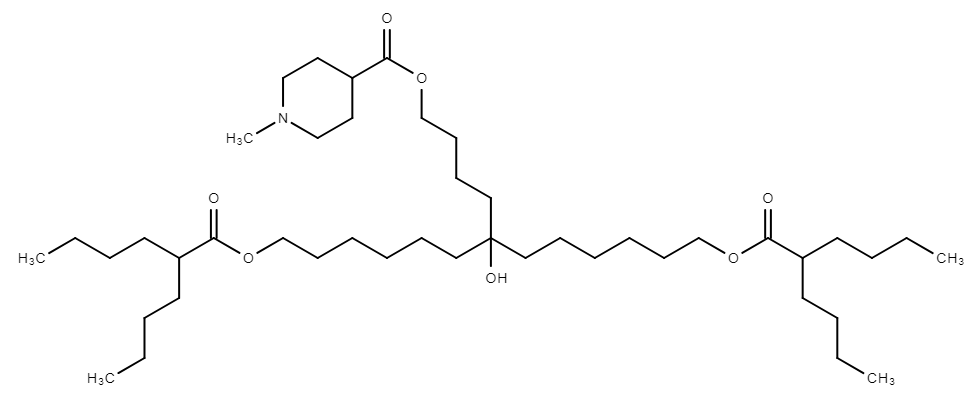
| DC67812 | CL15F 6-4 Featured |
CL15F 6-4 is a short-tail ionizable lipid from the piperidine-based CL15F series, characterized by its symmetric branched structure with a 6-carbon main chain and 4-carbon side chain. This specific tail length critically determines the lipid nanoparticle's (LNP) properties, resulting in larger particles with a high surface density of the phospholipid DSPC. This elevated DSPC density reduces interactions with serum proteins like ApoE, minimizing rapid liver clearance and shifting mRNA delivery preference towards the spleen. Consequently, CL15F 6-4 LNPs achieve efficient, endogenous spleen-targeted delivery, making them a highly promising candidate for enhancing vaccine efficacy by preferentially transfecting antigen-presenting cells without complex functionalization.
More description
|
|
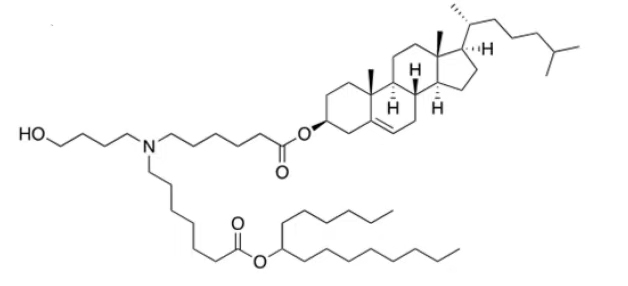
| DC67567 | ARV-T1 Featured |
ARV-T1 is a novel ionizable lipid featuring a cholesterol moiety incorporated in its tail, designed to enhance mRNA delivery efficiency. With a pKa of 6.73, it exhibits optimal pH-dependent ionization for endosomal escape and mRNA release. Structurally, ARV-T1 contains a tertiary amine head group and ester-linked lipid tails, enabling rapid in vivo metabolism and improved biocompatibility.Compared to SM-102 (used in Moderna's vaccine), LNPs formulated with ARV-T1 demonstrate superior physicochemical properties: smaller particle size (~80 nm vs. 90 nm), lower polydispersity index (0.09 vs. 0.10), and higher absolute zeta potential (-10 mV vs. -5 mV). These characteristics correlate with >90% mRNA encapsulation efficiency and enhanced stability, maintaining performance for 12 weeks at -20°C.In vitro, ARV-T1 LNPs showed 7-fold higher protein expression than SM-102 LNPs. In vivo, they prolonged luciferase expression (>72 hours vs. <48 hours for SM-102) and induced 10-fold higher neutralizing antibodies against SARS-CoV-2 spike protein at low doses. The cholesterol tail promotes endosomal membrane fusion, while ester linkages facilitate metabolic clearance, yielding an excellent safety profile in toxicity studies. This combination of efficacy and safety positions ARV-T1 as a promising platform for mRNA vaccines and therapeutics.
More description
|
|
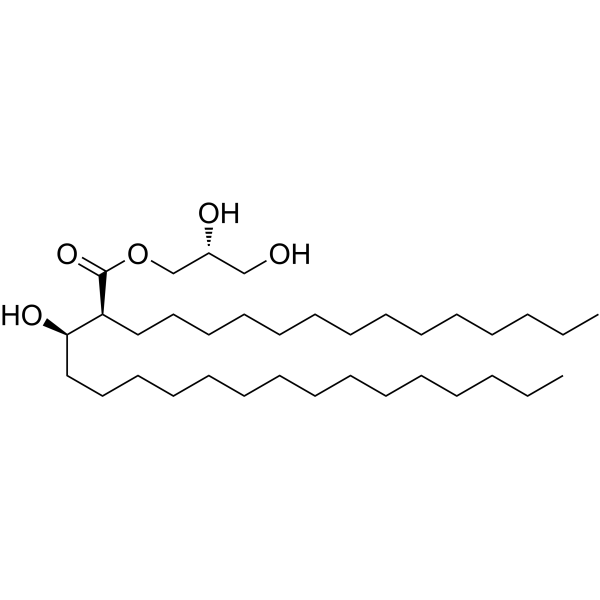
| DC68041 | MMG-1 Featured |
MMG-1, a monomycoloyl glycerol, is a C-type lectin receptor agonist. MMG-1, a lipid membrane stabilizer, is an immunopotentiator in liposomes. MMG-1 can be used to prepare lipid nanoparticles for drug delivery.
More description
|
|
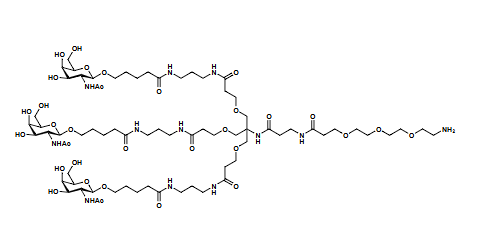
| DC68000 | Tris-GalNAc-β-Ala-PEG3-NH2 Featured |
|
|
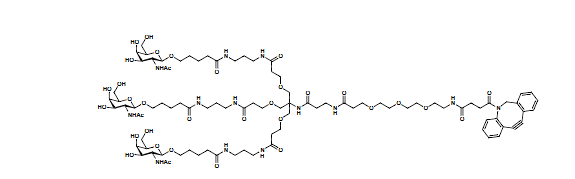
| DC68004 | Tris-GalNAc-β-Ala-PEG3-DBCO Featured |
Triantennary GalNAc ligand is known to bind Asialo Glycoprotein Receptor (ASGPR). The ligand is functionalized with dibenzocyclooctyne for click chemistry.
More description
|
|
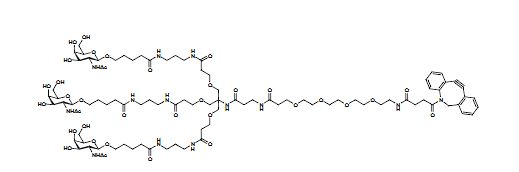
| DC68003 | Tris-GalNAc-β-Ala-PEG4-DBCO Featured |
Triantennary GalNAc ligand is known to bind Asialo Glycoprotein Receptor (ASGPR). The ligand is functionalized with dibenzocyclooctyne for click chemistry
More description
|
|
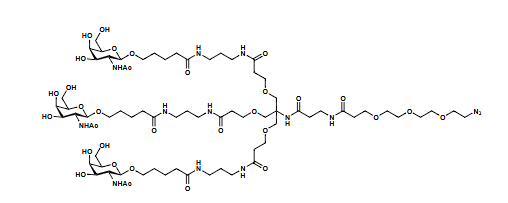
| DC68002 | Tris-β-GalNAc-β-Ala-PEG3-N3 Featured |
(β-D-GalNAc-sp)3-NHC(O)-(CH2)2-NHC(O)-PEG3-(CH2)2-N3 Tris-β-D-GalNAc ligands bind with asialoglycoprotein receptors (ASGPR) that are highly expressed on hepatocytes resulting in rapid endocytosis of the ligand along with conjugated payloads
More description
|
|
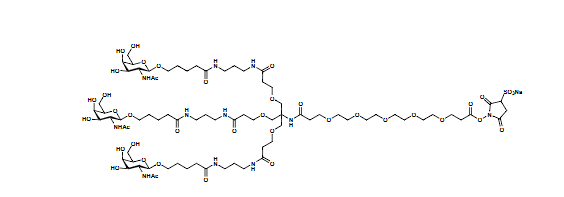
| DC68005 | Tris-GalNAc-PEG5-sulfo-NHS Ester Featured |
An amine-reactive asialo glycoprotein receptor (ASGPR) ligand.
More description
|
|
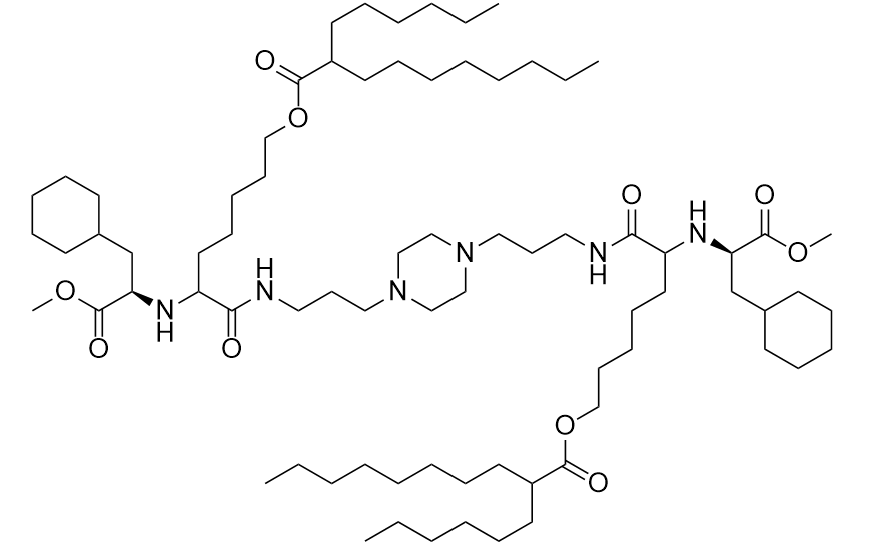
| DC68039 | CHCha-10 Featured |
CHCha-10 is an amino acid-derived ionizable lipid engineered for pulmonary gene therapy. Its optimal surface charge (-0.126 mV) enables efficient mucus penetration, while a pKa of ~7.0 facilitates endosomal escape. Its unique conical structure promotes membrane fusion and mRNA release. In animal models, CHCha-10-based LNPs achieved highly efficient and specific editing of lung epithelial cells, particularly stem-like basal cells (~44%), with effects persisting through tissue renewal. It also demonstrated excellent efficacy and safety in ferrets, a model closely mimicking human lung physiology.
More description
|
|
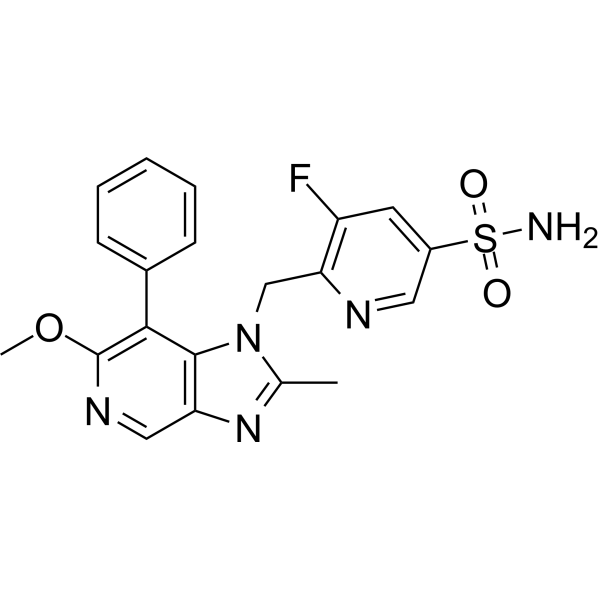
| DC78548 | ISM5939 Featured |
ISM5939 is an orally active and selective ENPP1 inhibitor with an IC50 of 0.63 nM for 2,3-cGAMP degradation and 9.28 nM for ATP hydrolysis. ISM5939 has antitumor activity.
More description
|
|
| DC58001 | BioE-11979(BioE1197) Featured |
BioE-1197 is a novel Pask inhibitor. BioE-1197 is a compound that enhances T cell function. Functionally, treatment with BIOE-1197 significantly boosts the ability of effector T cells (such as CD8+, Th1, and Th2 cells) to produce lineage-specific cytokines upon restimulation. BIOE-1197 is considered a novel agent with potential applications in tumor immunotherapy and enhancing vaccine efficacy.
More description
|

|
| DC77170 | Emupertinib Featured |
Emupertinib (example 37) is a potent EGFR inhibitor with IC50 values of <0.3 nM, 0.52 nM, 0.5 nM, 0.69 nM and 0.92 nM for EGFR (d746-750/T790M/C779S), EGFR (L858R/T790M/C797S), EGFR (d746-750/C797S), EGFR (L858R/C797S), and EGFR (wild-type), respectively.
More description
|
|
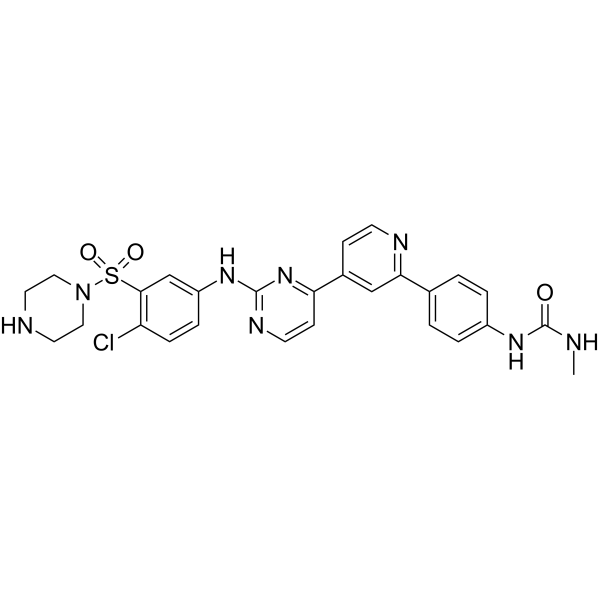
| DC74056 | KVS0001 Featured |
KVS0001 is a specific and bioavailable small molecule inhibitor of SMG1 kinase, disrupts nonsense mediated decay (NMD).
More description
|
|
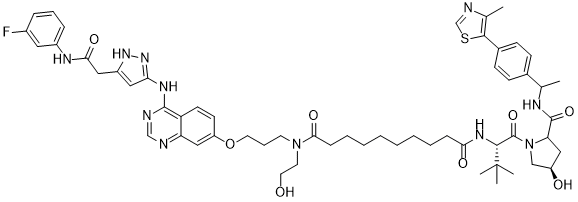
| DC68040 | AURKB PROTAC MS44 Featured |
AURKB PROTAC MS44 is a potent, selective, first-in-class Aurora B kinase (AURKB) PROTAC degrader with DC50 of 103 nM in HPAF-11 cells, Dmax of 89%.
More description
|
|
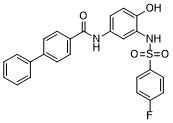
| DC60033 | SN-011 Featured |
STING inhbiitor, which inhibited the activation of the STING signal pathway and to prevent or treat a STING-mediated disease.
More description
|
|
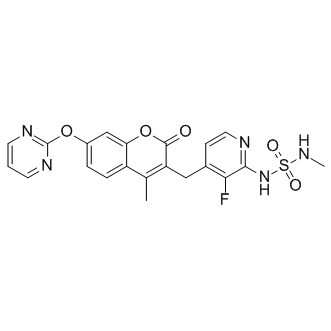
| DC7489 | RO5126766(CH5126766) Featured |
RO5126766(CH5126766) is a Raf/MEK dual kinase inhibitor.
More description
|
|
| DC74008 | GSK898 Featured |
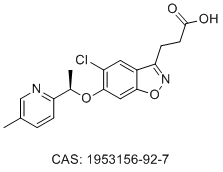
GSK898 is a potent, highly selective kynurenine monooxygenase (KMO) inhibitor with pIC50 of 8.8.
More description
|
|
