 To enhance service speed and avoid tariff delays, we've opened a US warehouse. All US orders ship directly from our US facility.
| Cat. No. | Product Name | Field of Application | Chemical Structure |
|---|---|---|---|
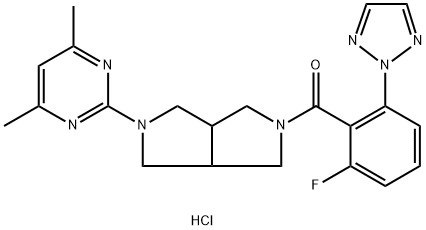
| DC28252 | Seltorexant hydrochloride Featured |
Seltorexant hydrochloride (JNJ-42847922 hydrochloride) is an orally active, high-affinity, and selective OX2R antagonist (pKi values of 8.0 and 8.1 for human and rat OX2R). Seltorexant hydrochloride crosses the blood-brain barrier and quickly occupies OX2R binding sites in the rat brain.
More description
|
|
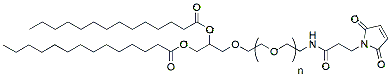
| DC67603 | DMG-PEG-Mal, MW 2,000 Featured |
DMG-PEG-Mal, MW 2,000 is a lipid PEG consisting of DMG and maleimide for reacting with thiols between pH 6.5 to 7.5
More description
|
|
| DC74503 | KH-103 Featured |
KH103 is a highly potent, catalytically-driven glucocorticoid receptor (GR) PROTAC degrader, demonstrate excellent performance in passively preventing ligand-induced gene expression activation in the absence of partial agonistic transcriptional triggering and crosstalk inhibition. KH 103 efficiently degrades glucocorticoid receptor (GR) in vitro and in vivo. In HEK293 cells, KH-103 (1 µM) induced rapid and nearly complete GR degradation within one hour. This degradation was highly potent, with significant depletion observed at 10 nM and near-complete depletion at 100 nM. KH-103 demonstrated effective and reversible GR degradation across diverse in vitro models from multiple tissues and species.Mechanistically, KH-103 promoted GR nuclear translocation but did not activate GR-mediated gene transcription and exhibited no nonspecific transcriptional effects alone. Furthermore, KH-103 effectively blocked dexamethasone (DEX)-induced GR signaling, demonstrating greater potency than comparator inhibitors.Critically, KH-103 also effectively depleted GR protein in the mouse pituitary gland in vivo and modulated corticosterone levels, confirming pharmacological activity beyond cell-based systems.
More description
|

|
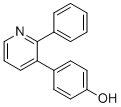
| DC73230 | SD133 Featured |
SD133 (Sd-133) is a drug-like small molecule inhibitor of adhesion molecule cadherin 11 (CDH11), binds specifically to the CDH11 binding pocket with KD of 25.2 uM in SPR assays.
More description
|
|
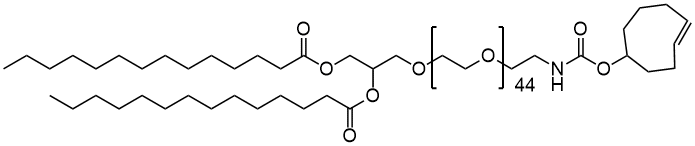
| DC67619 | DMG-PEG-TCO (MW2000) Featured |
DMG-PEG2000-TCO offer the ability to easily conjugate to specific biomolecules via metal free click chemistry to tetrazines. By changing the PEG length, one can change the micelle size, immunological safety, and change the drug release rate.
More description
|
|
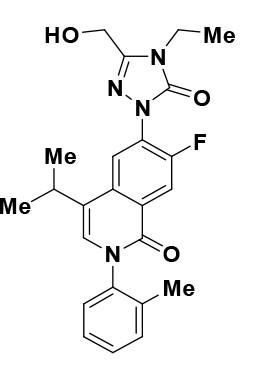
| DC60665 | JNJ-74856665 Featured |
JNJ-74856665 is an orally bioavailable, potent, and selective DHODH inhibitor with IC50 of 0.40 nM. JNJ-74856665 shows favorable physicochemical properties and has been selected for clinical development in patients with AML and myelodysplastic syndromes (MDS).
More description
|
|
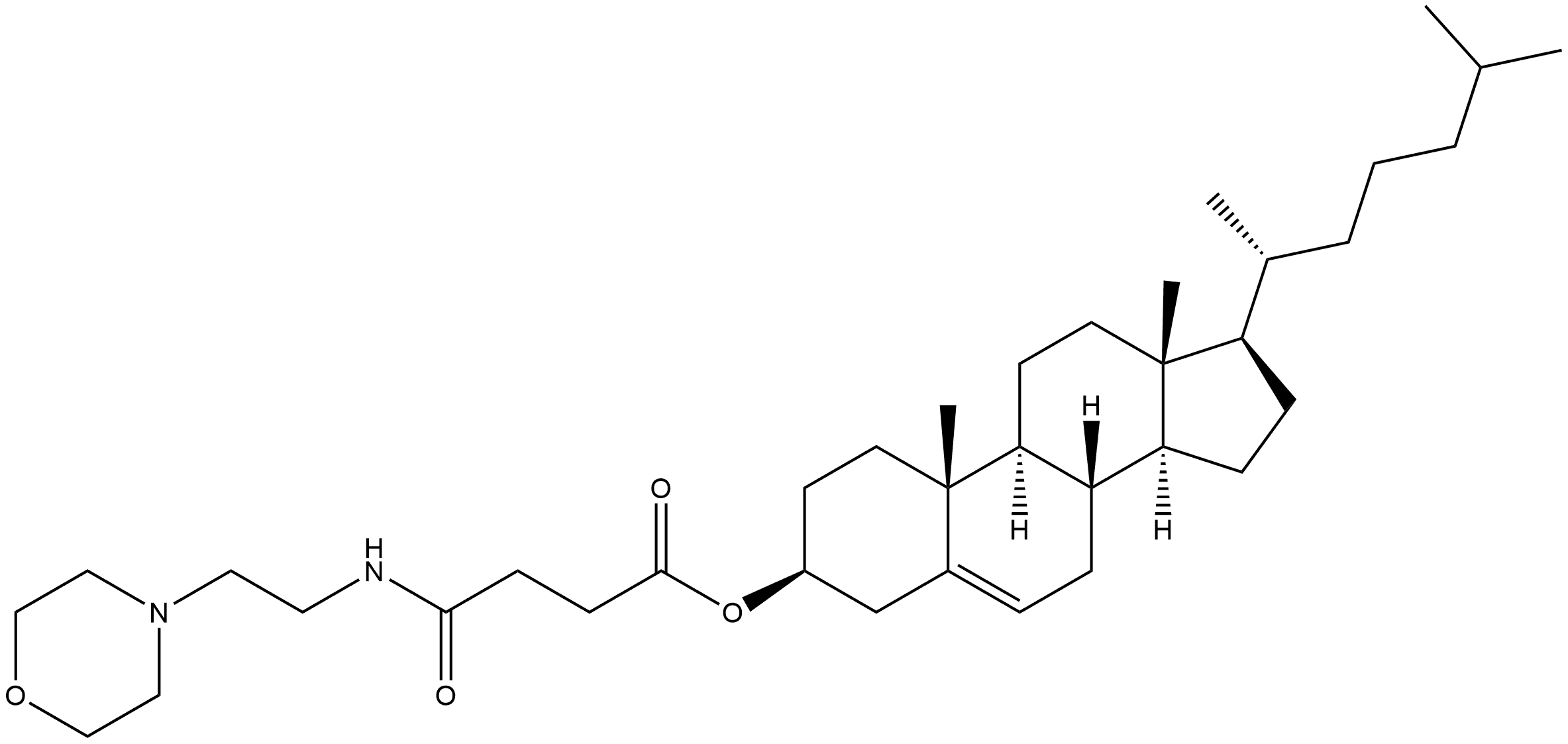
| DC67623 | MOCHOL Featured |
MOCHOL is an ionizable morpholine-modified cholesterol derivative. Unlike ordinary cholesterol that only stabilizes lipid bilayers, its tertiary amine head protonates in acidic endosomes to boost mRNA release via proton sponge effect. It reduces LNP hemolysis and serum lipid exchange, weakens hepatic tropism, and works compatibly with SM-102, AO12 and other ionizable lipids for extrahepatic mRNA delivery.
More description
|
|
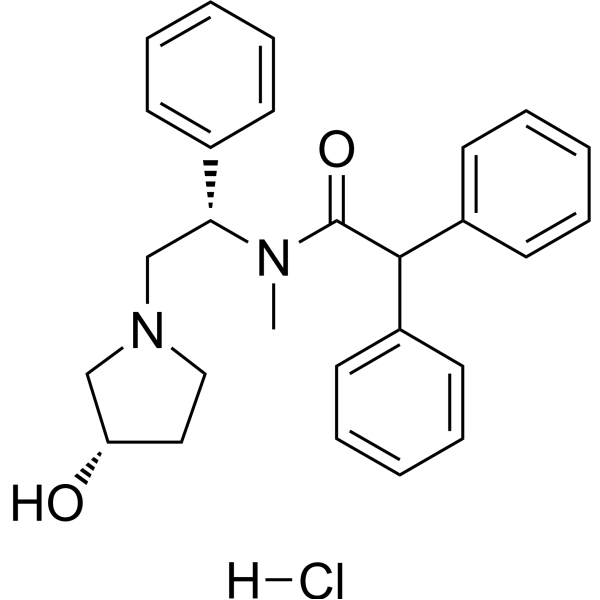
| DC33138 | N-[(1S)-2-[(3S)-3-hydroxy-1-pyrrolidinyl]-1-phenylethyl]-N-methyl-a-phenyl-benzeneacetamide hydrochloride Featured |
Asimadoline HCl is a κ-opioid receptor agonist potentially for the treatment of pruritus. Asimadoline has also been shown to be used in the treatment of irritable bowel syndrome.
More description
|
|
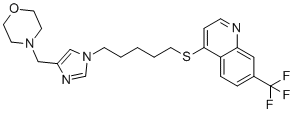
| DC74555 | GYS32661 Featured |
GYS32661 is a potent, small-molecule inhibitor of RAC1 and its isoform RAC1B, specifically designed to target the Sonic Hedgehog (Shh) signaling pathway in cancers like medulloblastoma and colorectal carcinoma. Distinguishing itself from other RAC1 inhibitors, GYS32661 exhibits exceptional blood-brain barrier (BBB) permeability with an approximately 50% brain-to-plasma ratio, making it a premier candidate for treating CNS-related malignancies. It functions by disrupting the activation of RAC1 (IC50 ≈ 1.18 μM), subsequently reducing the expression of downstream transcription factors GLI1 and GLI2, which effectively halts tumor proliferation and metastasis. In preclinical in vivo models, the compound has demonstrated significant anti-tumor efficacy and a favorable safety profile without systemic toxicity. Due to its hydrophobic nature, it is typically formulated in a vehicle of DMSO, PEG300, and saline for administration. As a non-toxic clinical candidate, GYS32661 represents a promising therapeutic strategy for overcoming chemoresistance and improving survival rates in Shh-driven pediatric and adult tumors.
More description
|
|
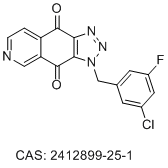
| DC74282 | HY041004 Featured |
HY041004 is the first small molecule inhibitor of deubiquitinase Josephin Domain-containing protein 2 (JOSD2) with IC50 of 0.26 uM for JOSD2 catalytic activity inhibition.
More description
|
|
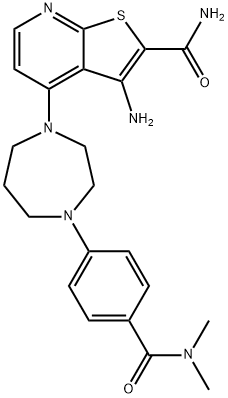
| DC73178 | SNX631 Featured |
SNX631 (SNX-631) is a potent, selective inhibitor of CDK8/19 Mediator kinase with IC50 of 10.3 nM in the NF κB-dependent cell-based assays.
More description
|
|
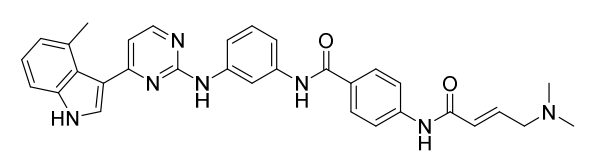
| DC60267 | JZ128 Featured |
JZ128 is a potential, irreversible, selective inhibitor of PKN3 with IC50 of 120 nM and shows a narrow kinome inhibition spectrum. JZ128 is used as a tool compound to identify novel potential PKN3 substrates.
More description
|
|
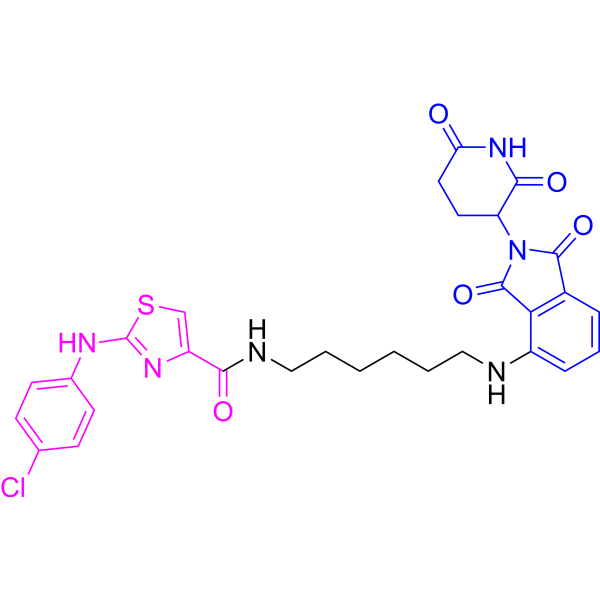
| DC49083 | PROTAC-O4I2 Featured |
PROTAC-O4I2 is a PROTAC targets splicing factor 3B1 (SF3B1). PROTAC-O4I2 induces FLAG-SF3B1 degradation with an IC50 value of 0.244 μM in K562 cells. PROTAC-O4I2 also induces cellular apoptosis in K562 WT cells.
More description
|
|
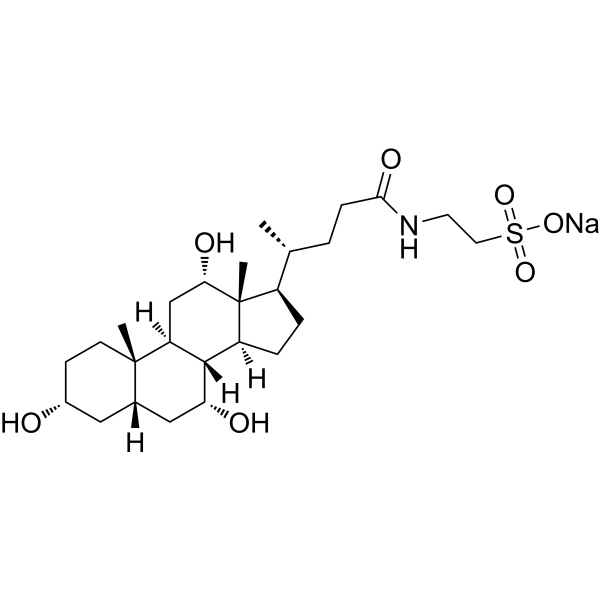
| DC33119 | Sodium taurocholate Featured |
Sodium taurocholate is a GPBAR1 protein agonist potentially for the treatment of type 2 diabetes and obesity in rats.
More description
|
|
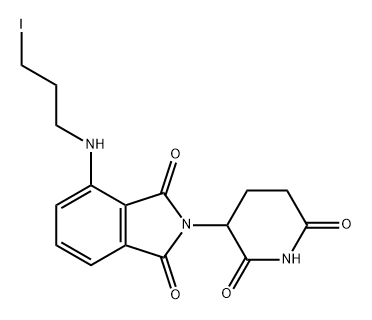
| DC67667 | POMALIDOMIDE-C3-I Featured |
|
|
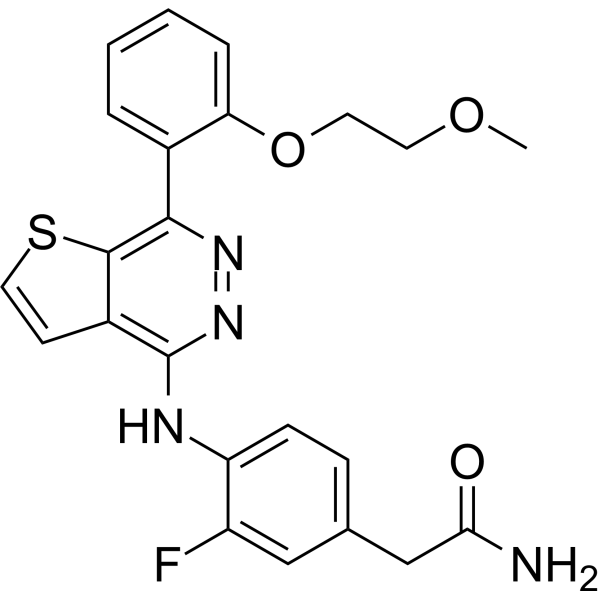
| DC60864 | D927 Featured |
D927 is a molecular glue and promotes glucose uptake in the absence of insulin. D927 also increases the affinity of RAS binding to PI3Kα by ~500-fold. In vivo, D927 mimicks the effects of insulin and rapidly lowers blood glucose concentrations.
More description
|
|
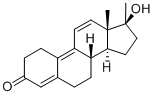
| DC23721 | Metribolone Featured |
An orally active anabolic-androgenic steroid and a 19-nortestosterone derivative that has been widely used in scientific research as a hot ligand in androgen receptor (AR) ligand binding assays (LBAs) and as a photoaffinity label for the AR..
More description
|
|
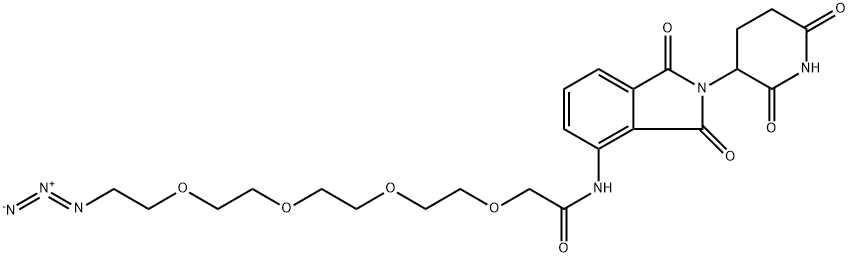
| DC67670 | Pomalidomide-PEG4-N3 Featured |
|
|
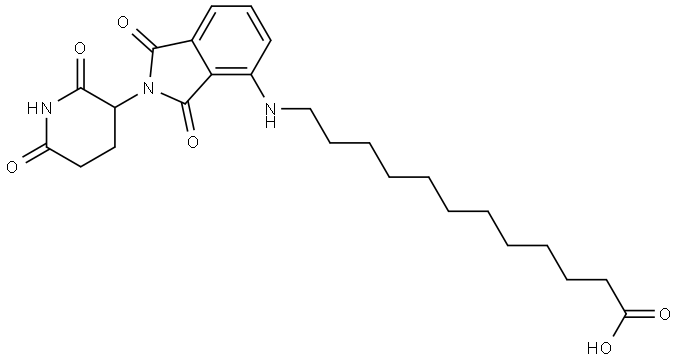
| DC67668 | Thalidomide-4-NH-C11-COOH Featured |
|
|
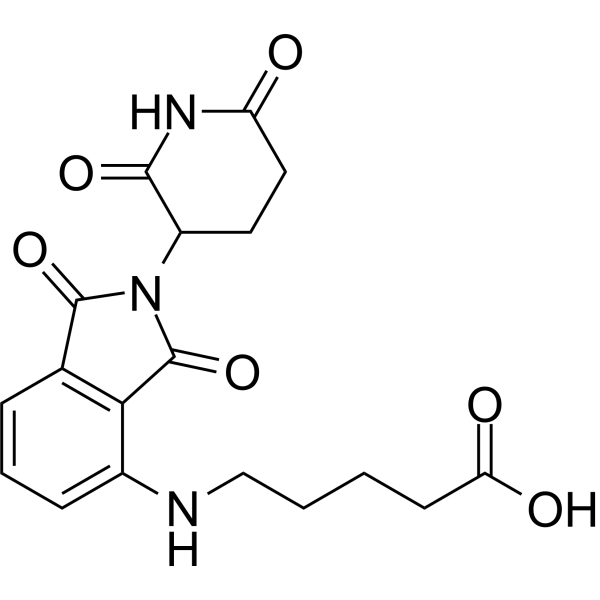
| DC67671 | Pomalidomide 4'-alkylC4-acid Featured |
Pomalidomide 4'-alkylC4-acid (linker 16) is a E3 ligase ligand-linker conjugate. Pomalidomide 4'-alkylC4-acid contains a cereblon ligand, an alkylC4 chain, and a terminal acid. Pomalidomide 4'-alkylC4-acid can be used to couple with target protein ligands to synthesize PROTAC.
More description
|
|
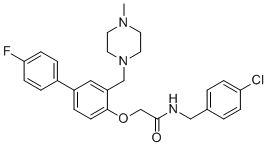
| DC73618 | NUCC-0200590 Featured |
NUCC-0200590 is a small-molecule inhibitor of the TRIP8b-HCN interaction with IC50 of 7.0 uM in AlphaScreen assays, effectively disrupts the TRIP8b-HCN interaction in vitro and in vivo.
More description
|
|
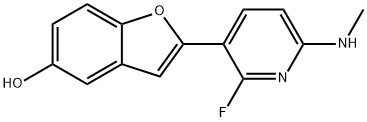
| DC46940 | AZD4694 Featured |
AZD4694, a fluorinated β-amyloid (Aβ) plaque neuroimaging PET radioligand, shows high affinity for Aβ fibrils (Kd = 2.3 nM).
More description
|
|
| DC67672 | 5-amino-N-(2,6-dioxopiperidin-3-yl)picolinamide Featured |
picolinamide.gif)
|
|
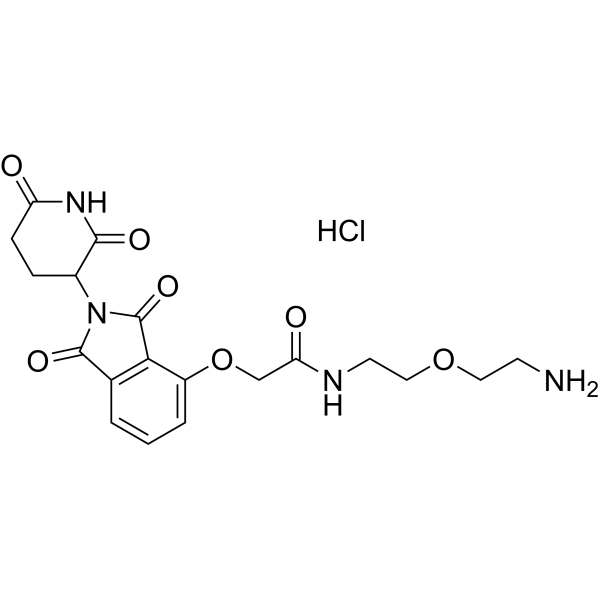
| DC67674 | Thalidomide-O-amido-PEG-C2-NH2 hydrochloride Featured |
Thalidomide-O-amido-PEG-C2-NH2 hydrochloride, a synthesized E3 ligase ligand-linker conjugate that incorporates the Thalidomide based cereblon ligand and a linker, can be used in the synthesis of PROTACs.
More description
|
|
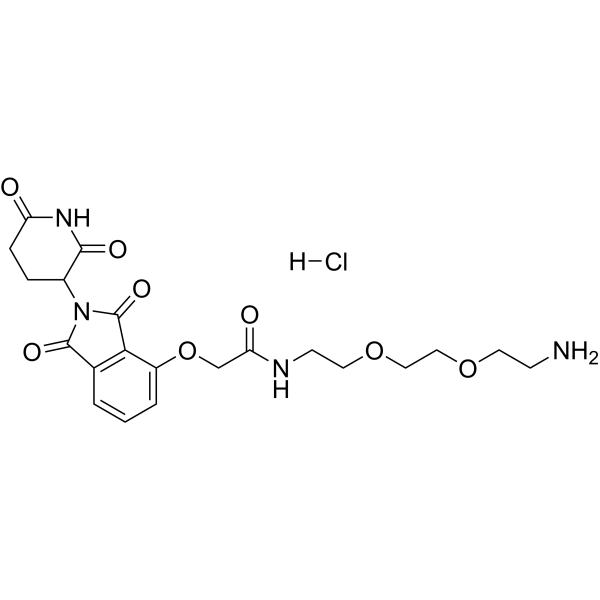
| DC67679 | Thalidomide-linker 14 Featured |
Thalidomide-O-amido-PEG2-C2-NH2 hydrochloride incorporates an E3 ligase ligand and a linker, can be an immunomodulater for the treatment of cancer.
More description
|
|
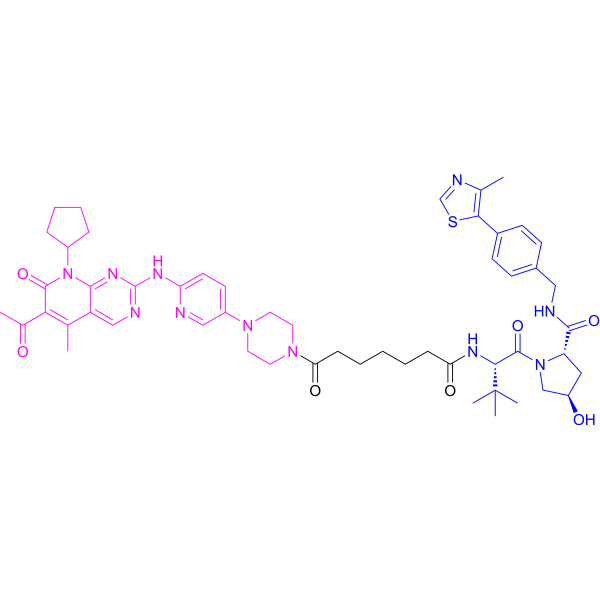
| DC28556 | XY028-133 Featured |
XY028-133 (example 14) is a PROTAC-based CDK4/6 degrader with anti-tumor activity, extracted from patent WO2018106870A1.
More description
|
|
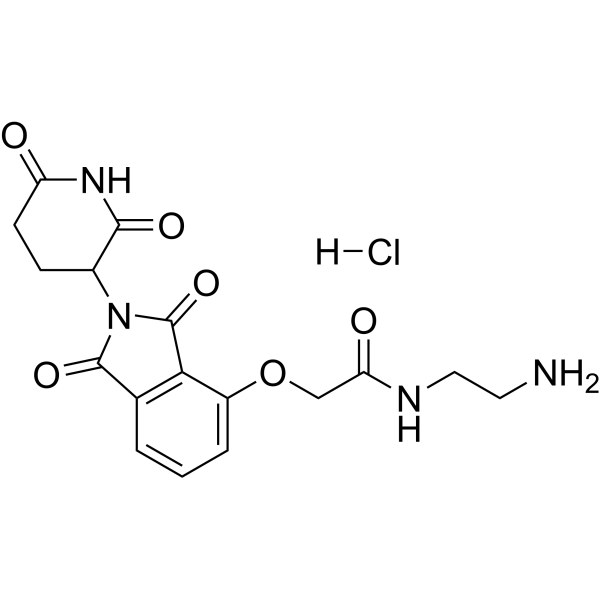
| DC67680 | Thalidomide-linker 10 Featured |
Thalidomide 4'-oxyacetamide-alkyl-C2-amine hydrochloride incorporates a cereblon (CRBN) ligand for the E3 ubiquitin ligase, and a linker. Thalidomide 4'-oxyacetamide-alkyl-C2-amine hydrochloride can be used to design the PROTACs.
More description
|
|
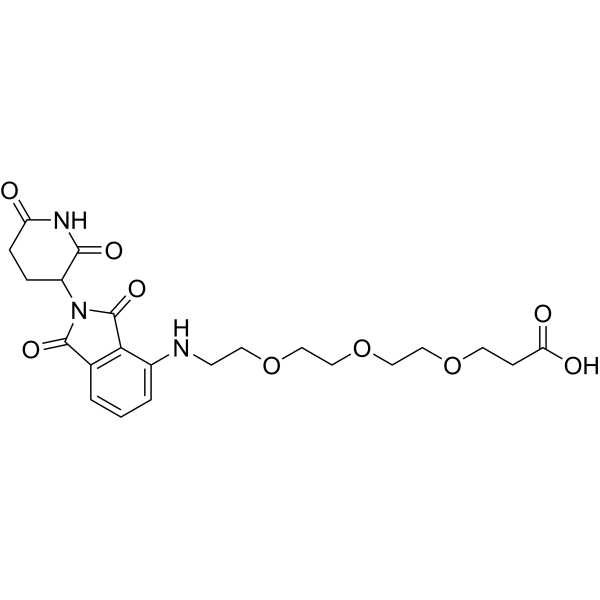
| DC67684 | Thalidomide-NH-PEG3-propionic acid Featured |
Thalidomide-NH-PEG3-propionic acid is a synthesized E3 ligase ligand-linker conjugate that incorporates the Thalidomide based cereblon ligand and 3-unit PEG linker used in PROTAC technology.
More description
|
|
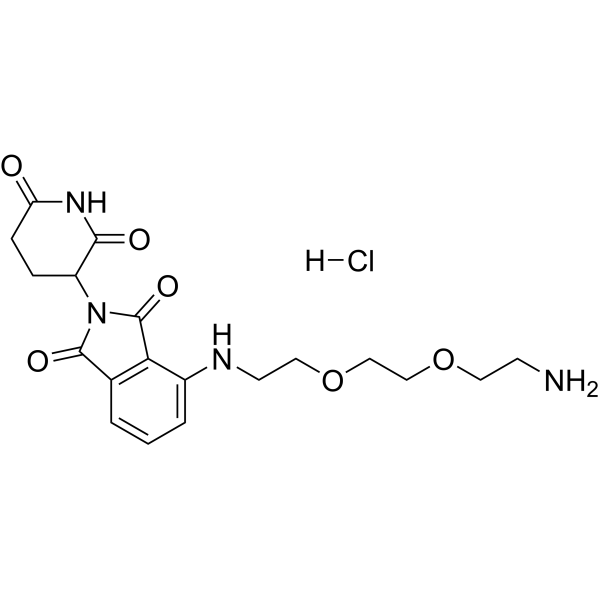
| DC67686 | Thalidomide-PEG2-C2-NH2 hydrochloride Featured |
Thalidomide-PEG2-C2-NH2 hydrochloride is a synthesized E3 ligase ligand-linker conjugate that incorporates the Thalidomide based cereblon ligand and 2-unit PEG linker used in PROTAC technology.
More description
|
|
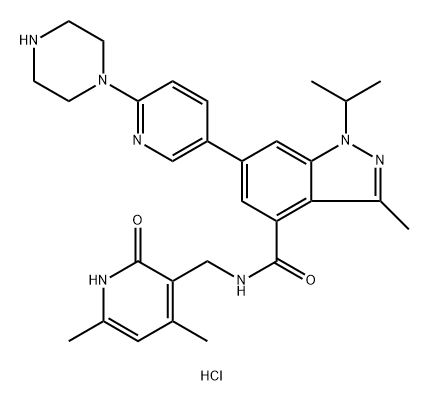
| DC67685 | 1H-Indazole-4-carboxamide, N-[(1,2-dihydro-4,6-dimethyl-2-oxo-3-pyridinyl)methyl]-3-methyl-1-(1-methylethyl)-6-[6-(1-piperazinyl)-3-pyridinyl]-, hydrochloride (1:1) Featured |
|
