Alternate TextTo enhance service speed and avoid tariff delays, we've opened a US warehouse. All US orders ship directly from our US facility.
Home > Products

Products

You can also try the following methods, and our professionals will serve you Customized Consultation
Cat. No. Product Name Field of Application Chemical Structure
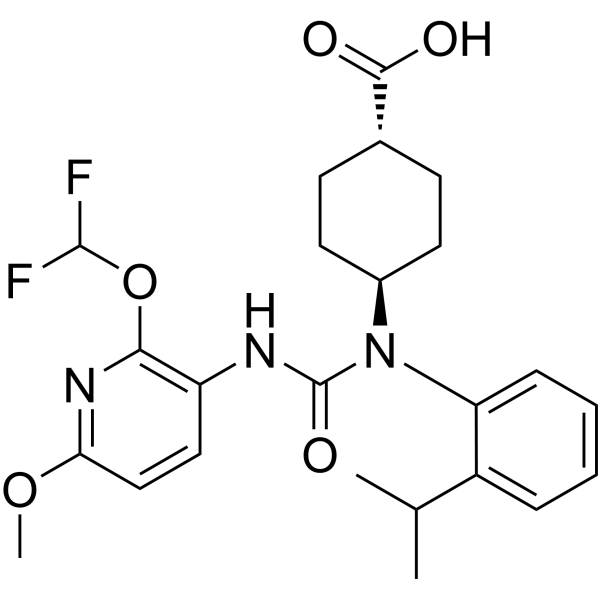
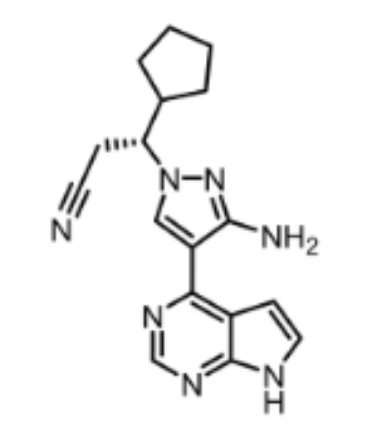
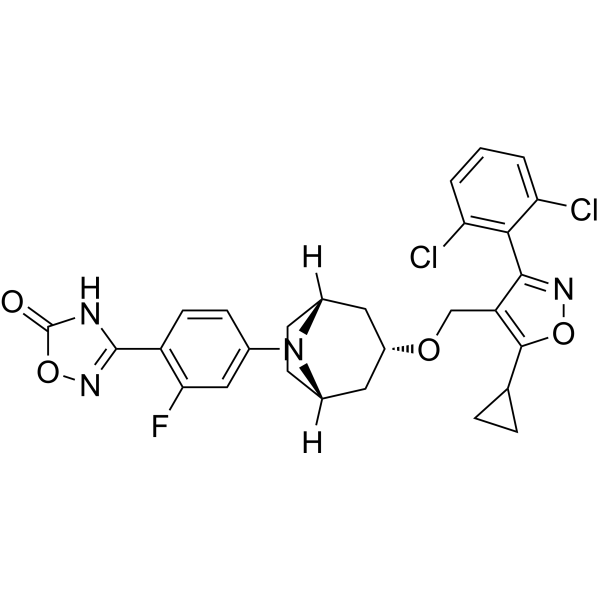
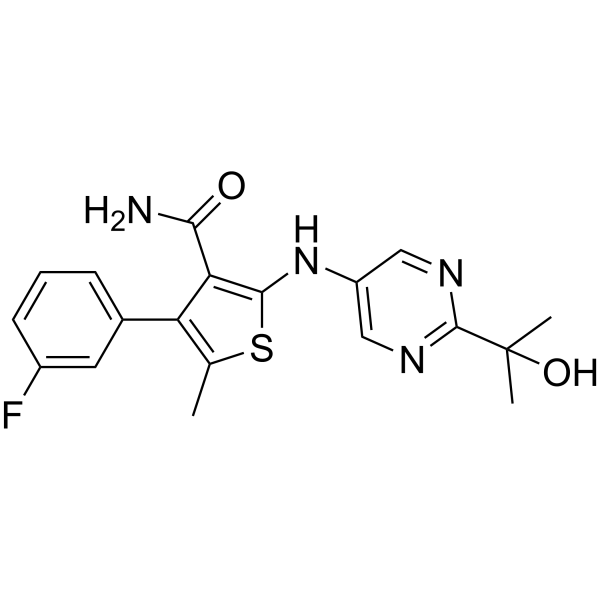
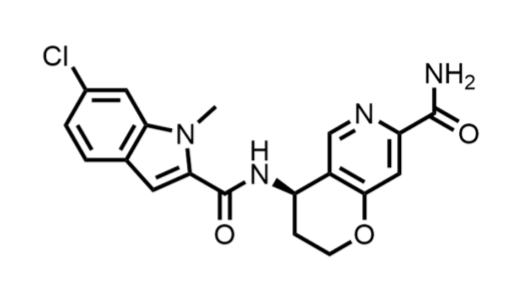
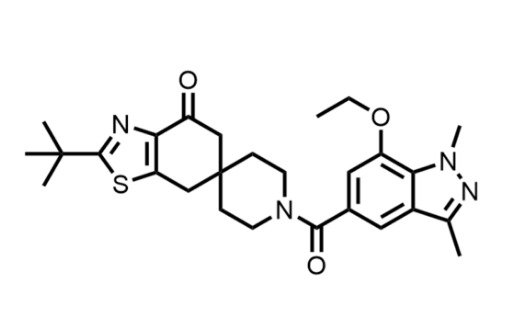
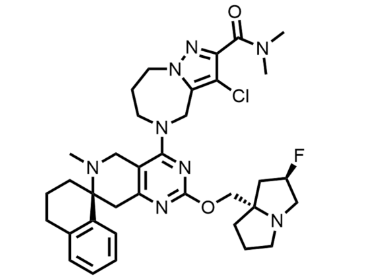
DC47131 Camonsertib Featured
Camonsertib is a potent ATR inhibitor. ATR inhibitor 4 has antitumor activity.
More description
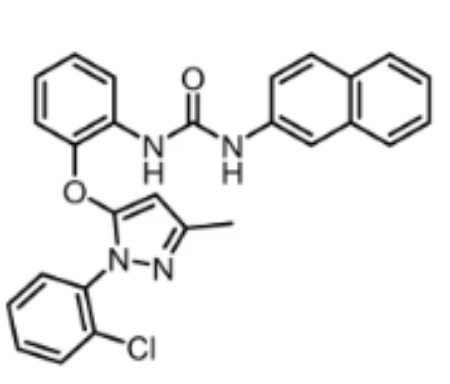
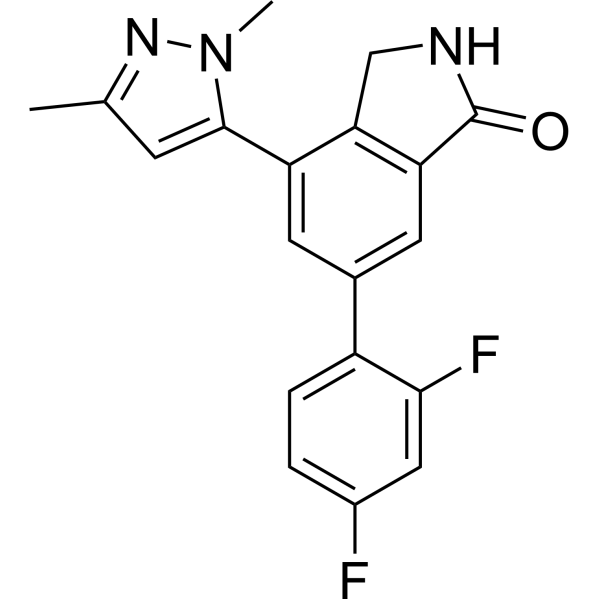
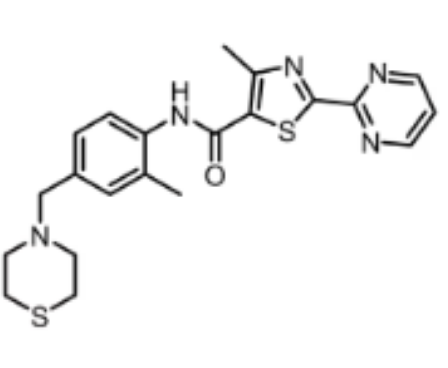
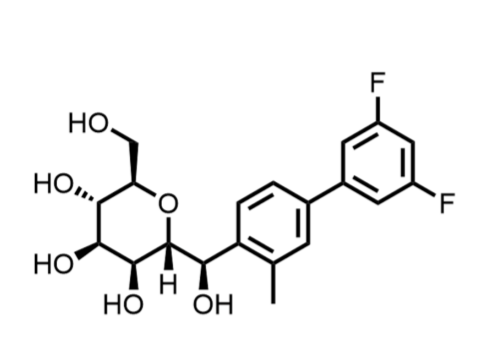
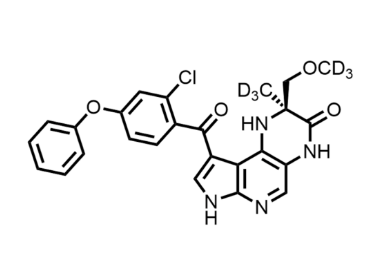
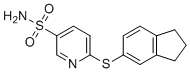
DC23772 CMLD-2 Featured
A novel small molecule disruptor of HuR-mRNA interaction with Ki of 350 nM.
More description
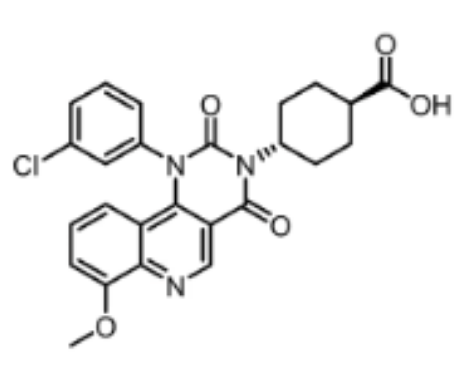
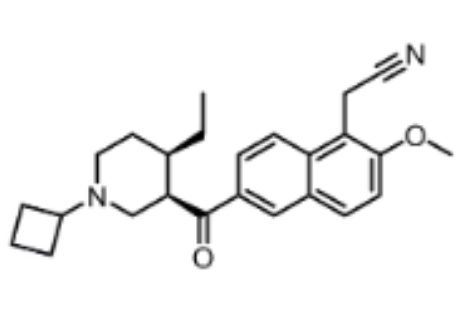
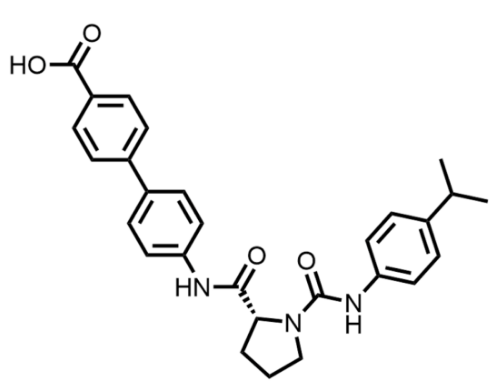
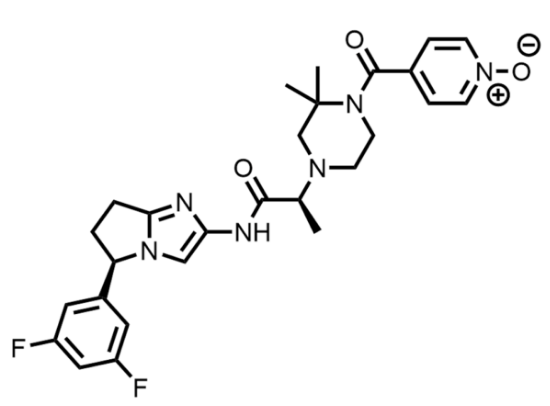
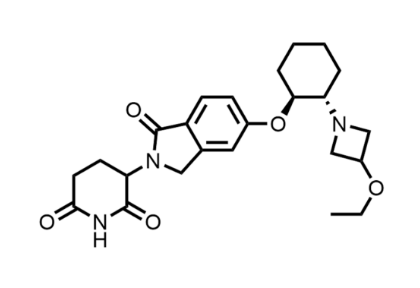
DC73883 (S)-IBD3540 Featured
(S)-IBD3540 is a potent, gut-restricted and orally active small molecule glutamate carboxypeptidase II (GCPII) inhibitor with IC50 of 4 nM, demonstrates anti-colitis activity in both acute and chronic mouse colitis models.
More description
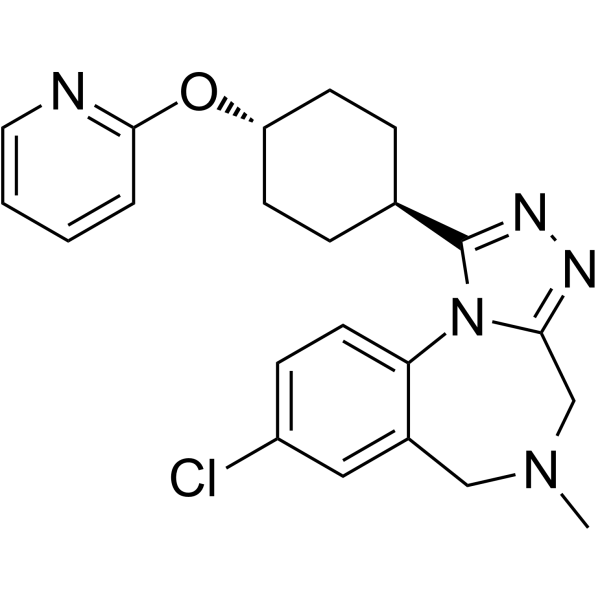
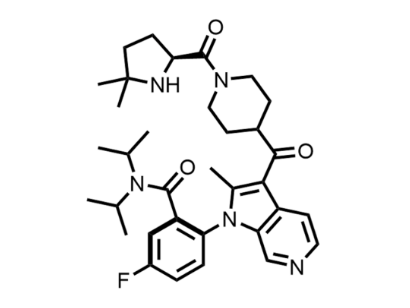
DC21996 AMXT-1501 tetrahydrochloride Featured
AMXT-1501 tetrahydrochloride (AMXT 1501, AMXT1501) is a novel potent polyamine transport inhibitor, synergistically reduces cell viability in NB cells in combination with DFMO.
More description
DC68147 SAINT-2 Featured
SAINT-2 is a cationic lipid with gene transfection activity and is a pyridyl lipid analog. Molecular membranes prepared by SAINT-2 can interact with plasmids to form lipid complexes. After the complex is taken up by cells, the plasmid dissociates from the lipid complex under the action of DOPE and the plasmid translocates across the endosome and/or nuclear membrane. Thus, SAINT-2 effectively transfers small oligonucleotides into cells。
More description
DC67458 DMT7 Featured
DMT7 (pKa 6.5) is an ionizable cationic lipid engineered for co-delivery of mRNA and immunomodulators via LNPs. In 4T1 breast cancer metastasis models, DMT7 LNPs carrying IL-12 mRNA and STING agonist MSA-2 significantly reduce tumor burden and pulmonary metastases while modulating T cell populations. The formulation demonstrates broad immunotherapeutic effects in melanoma models, shifting tumor macrophages toward the M1 phenotype, reducing Tregs, and elevating pro-inflammatory cytokines (IL-12, IL-2, TNF-α, IFN-γ).
More description
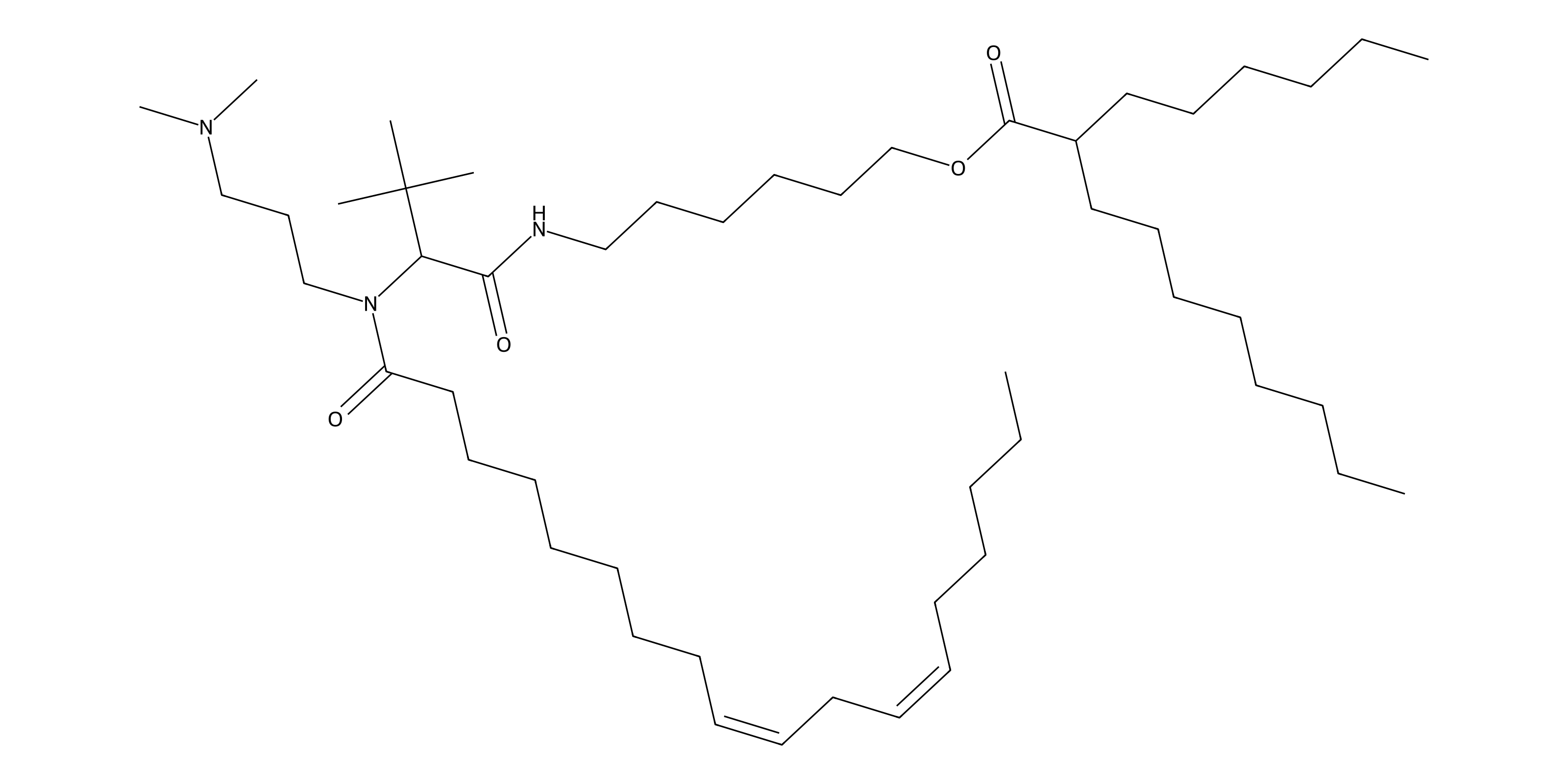
DC67465 Lipid 7-1 Featured
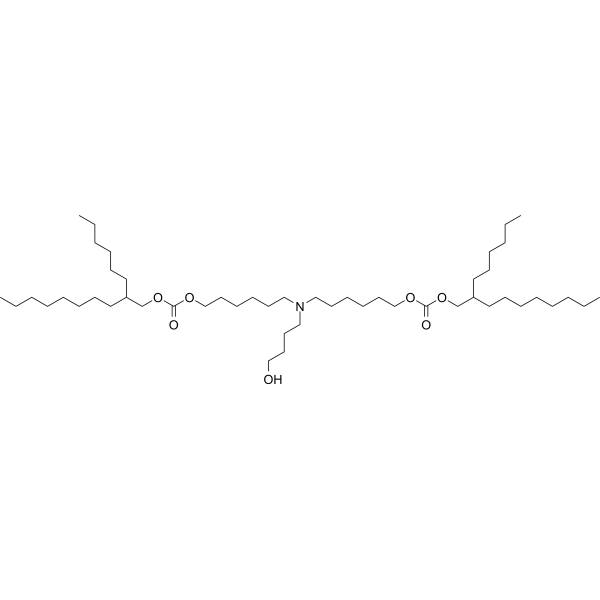
7-1 lipid represents a novel ionizable cationic compound designed for nucleic acid delivery applications.
More description
DC71699 DOIC Featured
DOIC is a cationic lipid that can be used for RNA vaccines.
More description
DC68146 DMDHP Featured
DMDHP ((±)-Dimyristoyl-2,3-dimethylhydroxypropylamine) is a cationic lipid with a polar head group containing a dihydroxy group. DMDHP exhibits superior transfection efficiency and lower toxicity at high DNA doses in mouse intrapulmonary transfection model. DMDHP is commonly used for gene delivery.
More description
DC68145 APL-719 Featured
APL-719 is a cationic lipid that can be used to synthesize lipid nanoparticles for drug delivery.
More description
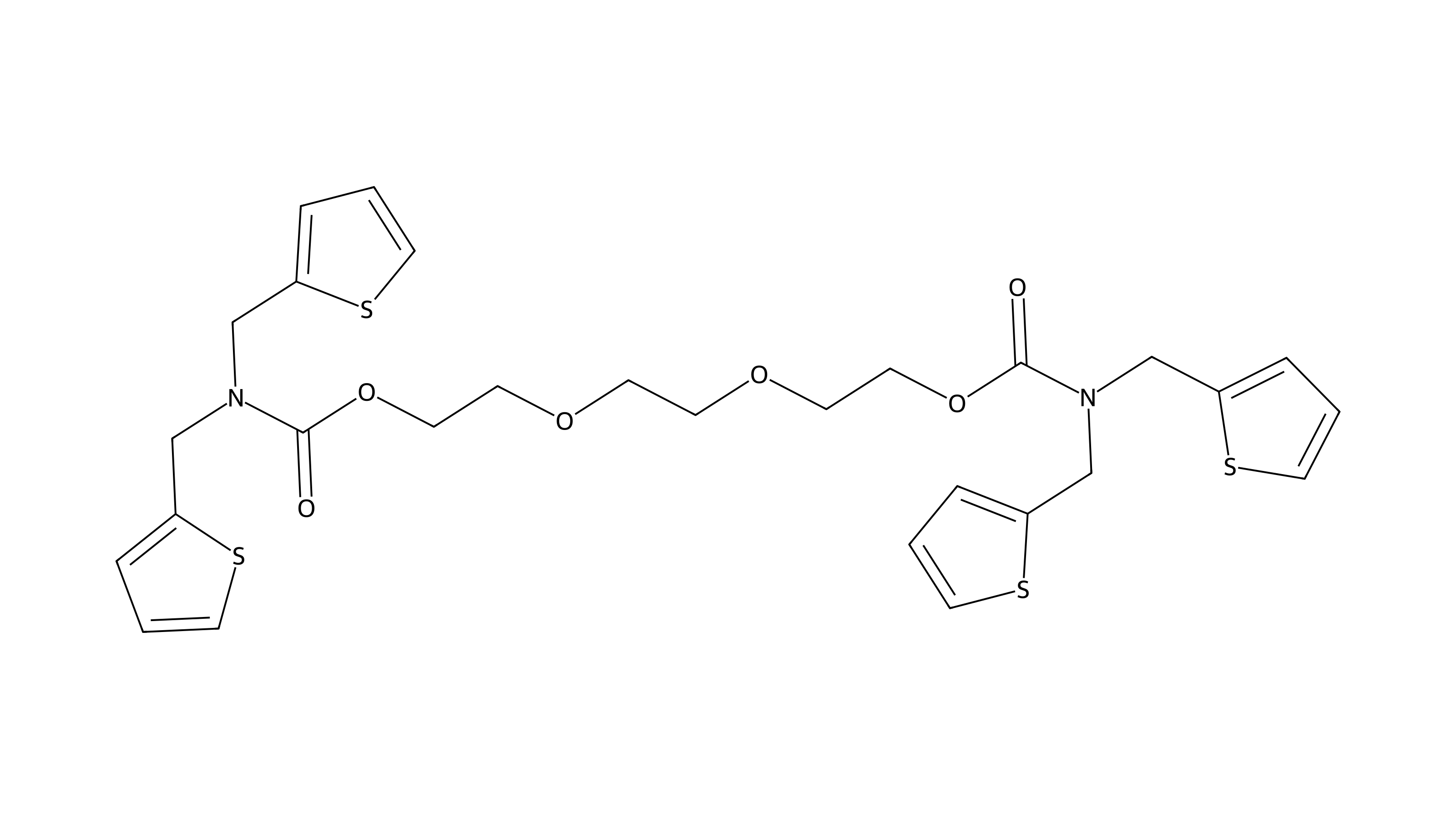
DC60556 Lipid 29d Featured
Lipid 29d is an ionizable lipid containing a thiophene moiety (Thio-lipid) for mRNA delivery. Lipid 29d enables LNPs to transfect the lung and spleen.
More description
DC60462 MIC1 Featured
MIC1 is a set of multi-charged lipids with four tertiary amino nitrogen atoms (4N4T) which could be constructed and applied to form novel lipid nanoparticles. 4N4T-LNPs based on MIC1 exhibit much higher mRNA translation efficiency than the approved SM-102-LNPs. 4N4T-LNPs are successfully applied to DS mRNA vaccine and the vaccines worked well against SARS-CoV-2 and its variants, including Delta and Omicron.
More description
DC66654 Lipid N2-3L Featured
DC67457 Lipid 1 HG3 Featured
Lipid 1 HG3 serves as a key component in LNPs specifically engineered for in vivo delivery of closed-end DNA (ceDNA), demonstrating efficient nucleic acid encapsulation and targeted release capabilities.
More description
DC67119 VC1052 Featured
VC1052 is the component of Vaxfectin. Vaxfectin is a cationic lipid-based adjuvant that can be used for plasmid DNA- and protein-based vaccines.
More description
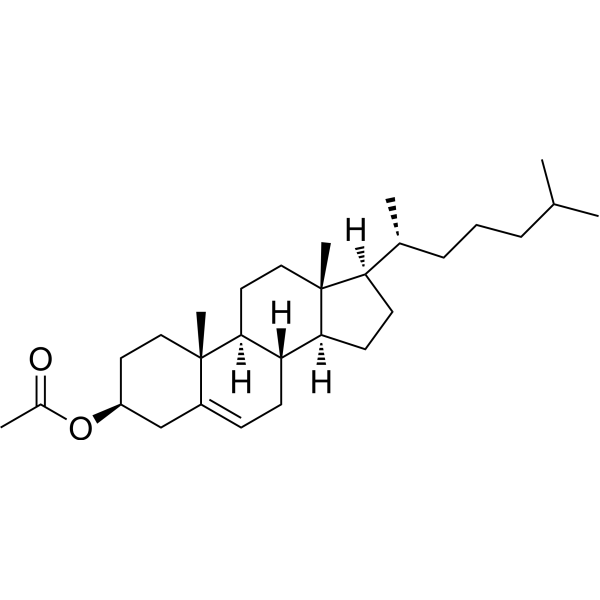
DC36459 DMHAPC-Chol Featured
DMHAPC-Chol is a cationic cholesterol. Liposomes containing DMHAPC-chol have been used for DNA plasmid delivery in vitro and in vivo in a B16-F10 mouse xenograft model. Liposomes containing DMHAPC-chol are cytotoxic to B16-F10 cells. DMHAPC-Chol, as part of a lipoplex with DOPE, has also been used to deliver DNA into mouse lung via intratracheal injection, resulting in a heterogeneous distribution in the bronchi and bronchioles, and to deliver VEGF siRNA into A431 and MDA-MB-231 cells, which secrete VEGF.
More description
DC71656 Vaxfectin Featured
Vaxfectin is a cationic lipid-based adjuvant that can be used for plasmid DNA- and protein-based vaccines.
More description
DC67134 IM21.7c Featured
DC67116 80-O14B Featured
DC67490 G0-C14 analog Featured
G0-C14 analog is a derivative of the ionizable cationic lipid G0-C14.
More description
DC60554 Lipid 20b Featured
Lipid 20b​​ is a thiophene-based ionizable lipid synthesized via the Gewald reaction. It features dual unsaturated linoleic tails (C18:2) attached to the same side of the thiophene core and a tertiary amine headgroup. Formulated into LNPs (~100 nm, PDI ~0.2) with DSPC/cholesterol/DMG-PEG, it exhibits high mRNA encapsulation (>90%). Unlike traditional lipids, 20b lacks a pH-dependent ionization profile, likely due to electron delocalization in the thiophene ring. Intravenously, 20b LNPs transfect the liver and spleen in mice. Notably, subretinal delivery in mice and non-human primates (NHPs) achieved robust mRNA expression in photoreceptors (35% rods, 45% cones at high dose) and retinal pigment epithelium (RPE) with minimal acute toxicity. Immunosuppression enhanced rod transfection efficiency. High-dose administration in NHPs caused subretinal debris, but low doses (2.5 µg mRNA) maintained retinal health. This lipid demonstrates potential for liver and retinal gene therapy.
More description
DC67133 C10-200 Featured
C10-200-based LNPs show enhanced liver tropism for mRNA delivery, outperforming branched-chain lipidoids (e.g., C12-200) in hepatic reporter gene expression. The system's therapeutic potential is confirmed through successful EPO production, with measurable increases in circulating protein levels following administration.
More description
DCC3809 Nsp-116 Featured
Novel free radical scavenger, against light-induced photoreceptor cell damage
More description
DC74359 BBO-8956 Featured
BBO-8956 is a highly potent, covalent inhibitor of GTP-KRAS G12C, BBO-8956 is effective against both GDP and GTP-bound KRAS G12C.
More description
DC81110 TS-202 Featured
TS-202 is an ionizable lipid designed for mRNA vaccines, featuring a pH-responsive N-methylpiperidine head and a unique branched-tail structure with ester linkages to enable biodegradability. With a pKa of ~6.04–6.29, it facilitates efficient endosomal escape while maintaining stability in physiological conditions. Formulated into lipid nanoparticles (LNPs) of ~103 nm (PDI 0.08), L202 achieves >97% mRNA encapsulation efficiency. Its optimized structure drives robust immunogenicity: in mice, a single 0.1–10 μg dose induced dose-dependent SARS-CoV-2 spike-specific IgG titers, outperforming MC3-based LNPs and protein-alum vaccines. L202-LNPs elicited balanced Th1/Th2 responses (IgG2a/IgG1 ratio) and potent germinal center B cell activation, critical for durable immunity. Lyophilization with 16% sucrose preserved mRNA integrity and immunogenicity after 1-month storage at 5°C or 25°C, addressing cold-chain limitations. In nonhuman primates, two 100-μg doses generated neutralizing antibody titers exceeding convalescent human sera, with broad efficacy against Alpha, Beta, Gamma, and Delta variants. Rapid tissue clearance (72 hours post-injection) and minimal hepatic accumulation, attributed to ester hydrolysis, enhanced safety profiles. Additionally, L202-LNPs functioned as intrinsic adjuvants, amplifying protein vaccine responses. Combined with its lyophilization compatibility, potent cross-variant immunity, and favorable pharmacokinetics, L202 represents a promising platform for next-generation mRNA vaccines.
More description
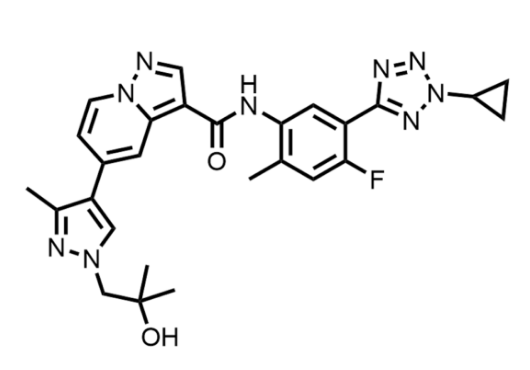
DC21435 OAT-1746 Featured
OAT-1746 is a novel potent, selective, orally active inhibitors of Arginase 1 and 2 (ARG1/2) with IC50 of <50 nM.
More description
DC7535 Y-320 Featured
Y-320 is a potent inhibitor of the STING with IC50 of 356 nM, approximately 8-fold more potent than the canonical STING inhibitor tool drug H-151. Y-320 blocks STING Golgi translocation and downstream signaling and dose-dependently ameliorates cisplatin-induced acute kidney injury in mice.
More description
DC68144 Lipid G9-1 Featured
G9-1 is a nitric oxide (NO)-inhibitory ionizable lipid designed for anti-inflammatory mRNA delivery. Derived from the potent NO inhibitor G9, it retains the ability to suppress macrophage-driven inflammation while enabling efficient mRNA encapsulation and lung-targeted delivery. In a murine acute lung injury model, G9-1 lipid nanoparticles (LNPs) loaded with IL-10 mRNA demonstrated synergistic therapeutic effects by reducing inflammatory cell infiltration, suppressing pro-inflammatory cytokines, and improving systemic tissue injury markers. With its intrinsic immunomodulatory activity and preferential targeting of lung-resident cells, G9-1 represents a promising platform for safer and more effective mRNA therapeutics in inflammatory disorders.
More description
DC67995 Lipid 22 Featured
Compound 22, as detailed in United States Patent US 2026/0014089 A1, is a bifunctional ionizable lipid engineered for precision drug delivery. Its structure integrates a monosaccharide targeting headgroup, designed to bind specifically to DC-SIGN receptors on dendritic cells, via a sophisticated linker connected to a biodegradable lipid anchor. This design enables it to serve as a key component of lipid nanoparticles (LNPs), forming a targeted delivery system. By leveraging the specific carbohydrate-receptor interaction, these LNPs are preferentially internalized by dendritic cells, critical for initiating adaptive immune responses. In vivo studies from the patent, such as the biodistribution data shown in Figure 5, confirm effective accumulation in lymphoid tissues like the spleen and lymph nodes. Consequently, this targeted delivery enhances the potency of encapsulated payloads (e.g., mRNA vaccines) by ensuring professional antigen presentation, eliciting a stronger and more specific immune response—evidenced by higher neutralizing antibody titers—making it a powerful tool for next-generation vaccines and therapeutics.
More description
DC67650 EB-Lipid Featured
EB-Lipid is an innovatively engineered ionizable lipid designed to replace conventional PEG-lipid in mRNA vaccine formulations. Its structure comprises three key components: an Evans Blue-derived headgroup with high affinity for albumin, a tetraethylene glycol linker that enhances colloidal stability, and dual oleate tails for anchoring into lipid bilayers. This molecular design enables EB-Lipid to actively recruit endogenous albumin, forming an albumin-rich protein corona on the surface of lipid nanoparticles (LNPs). Following intramuscular administration, these albumin-bound EB-LNPs are preferentially transported through lymphatic vessels rather than entering the bloodstream, thereby avoiding hepatic accumulation and associated hepatotoxicity risks.Experimental data demonstrate that EB-LNPs achieve significantly higher accumulation in lymph nodes, where they are efficiently internalized by dendritic cells via albumin receptor-mediated endocytosis (e.g., gp60). This process enhances antigen presentation and activates robust cellular and humoral immune responses. In both tumor models (B16-OVA and HPV-associated) and infectious disease models (H1N1 and SARS-CoV-2 Omicron), EB-LNP-based mRNA vaccines elicited potent cytotoxic T-cell activation and durable neutralizing antibody production at low doses. Unlike traditional PEG-LNPs, EB-LNPs show minimal liver distribution, reduced immunogenicity, and improved safety profiles after repeated administrations.By leveraging albumin’s natural trafficking pathway, EB-Lipid represents a transformative delivery platform that combines targeted lymph node delivery with enhanced biosafety, positioning it as a promising candidate for next-generation mRNA vaccines and therapeutics.
More description

Customized Consultation X

Your information is safe with us. * Required Fields.

Your name
Company
Email
Procuct Name
Cat. No.
Remark
Verification code
Please fill out the characters in the picture
X