 To enhance service speed and avoid tariff delays, we've opened a US warehouse. All US orders ship directly from our US facility.
| Cat. No. | Product Name | Field of Application | Chemical Structure |
|---|---|---|---|
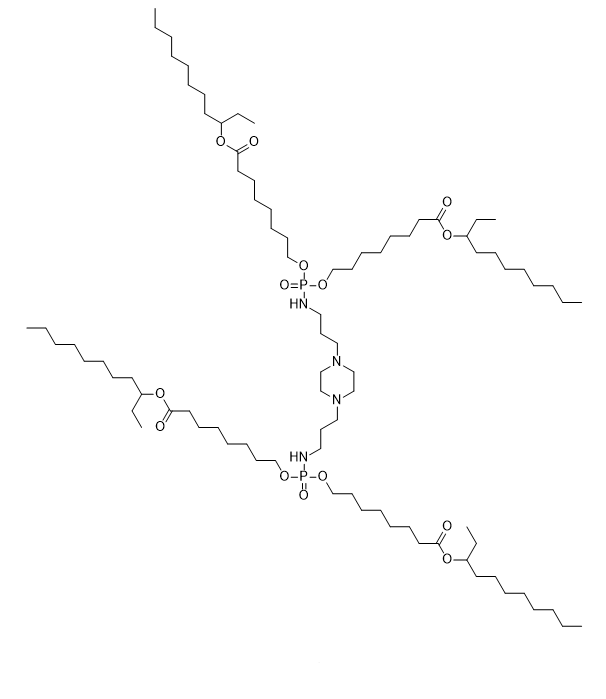
| DC67553 | Lipid PL40 Featured |
PL-40 is a cardiolipin-mimetic ionizable lipid engineered for high-efficiency, antibody-free mRNA delivery to T cells. PL 40 LNPs exhibit a mean particle size of 120 nm, zeta potential of -5.19 mV, and >80% mRNA encapsulation efficiency, with excellent plasma stability (≤5% size change after 6h in serum). Cryo-TEM reveals polyhedral nanoparticles with phase-separated domains, while SAXS confirms tight mRNA packing (d-spacing: ~3 nm vs. 6.64 nm in conventional LNPs). AFM demonstrates exceptional rigidity (high bending modulus), enabling T cell-selective uptake via actin-mediated endocytosis (>2× higher than ALC0315 LNPs).In primary human T cells, PL40 LNPs achieve >90% transfection at 0.5 μg mRNA dose and sustain >100× higher luciferase expression than benchmark lipids. When delivering circular RNA, they extend protein expression >5 days with superior spleen tropism (spleen:liver ratio = 2.63). Crucially, they reprogram T cells into functional CAR-Ts in vivo without antibody conjugation, evading exhaustion markers (no Tim-3/PD-1 upregulation). Therapeutically, PL40-based uPAR-targeted CAR mRNA reduces liver fibrosis (collagen↓50%, ALT↓50%) and rheumatoid arthritis severity (clinical scores↓60%) by clearing senescent cells. Humanized anti-uPAR CARs delivered via PL40 show near-complete cytotoxicity (>95%) against uPAR+ cells, underscoring clinical translatability.
More description
|
|
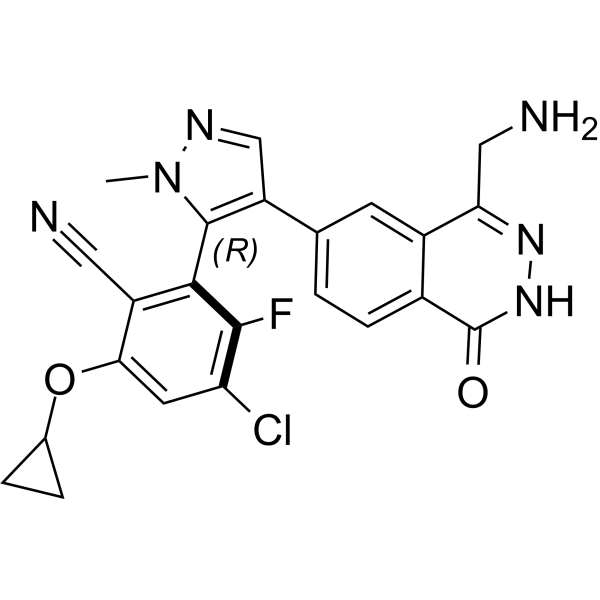
| DC47117 | Navlimetostat (BMS-986504,MRTX-1719) Featured |
MRTX-1719 is a potent first-in-class selective inhibitor of the PRMT5/MTA complex, with an IC50 of less than 10 nM in PRMT5/MTA MTAPDEL SDMA cells.
More description
|
|
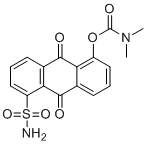
| DC73579 | LLL12B Featured |
LLL12B is a selective STAT3 inhibitor that suppresses Th17 development, specifically inhibits STAT3 and suppresses Th17 differentiation and expansion.
More description
|
|
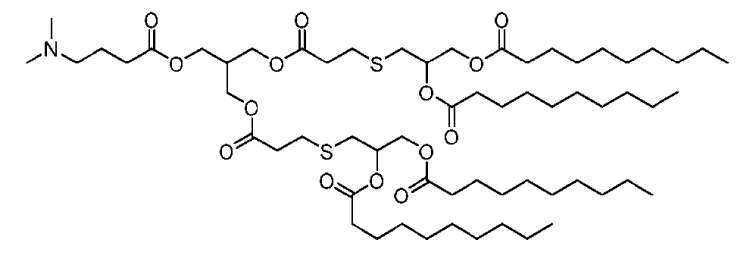
| DC60947 | Lilly lipid 51 Featured |
Lipid 51 is a top-performing thioglycerol-based biodegradable ionizable lipid disclosed in PCT patent WO2026/147683 (Eli Lilly, filed Dec 16, 2025). Built with cleavable thioester linkages, it balances neutral surface charge at physiological pH and protonatable amines in acidic endosomes for efficient mRNA encapsulation and endosomal escape. Formulated into LNPs with DSPC, cholesterol and DMG-PEG2K, it exhibits favorable particle size, low PDI and high RNA loading efficiency. In intracerebroventricular (ICV) mouse tests targeting central nervous system (CNS), it delivers Cre mRNA to brain neurons far more potently than Lipid 1/2/3, with the highest tissue fluorescent signal among all tested candidates. It shows low cellular toxicity in vitro and robust CNS tropism, making it an optimal carrier for brain-targeted mRNA and CRISPR gene editing therapeutics.
More description
|
|
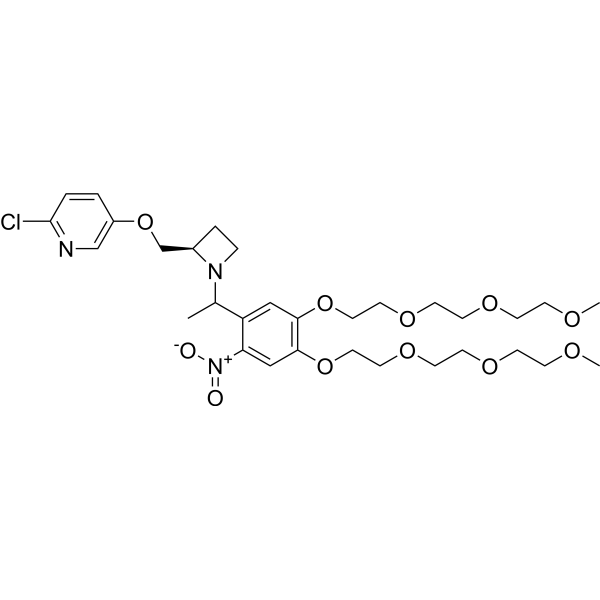
| DC46413 | DPNB-ABT594 Featured |
DPNB-ABT594 is a nitrobenzyl-caged ABT594 and activates nAChRs containing the α4β2 subunits with good selectivity than the α7 subunit. DPNB-ABT594 can be used to map the distribution of nAChRs on neurons of the medial habenula (MHb) and helps to gain a deeper understanding of the nAChR‐mediated Ca2+ signalling in the MHb.
More description
|
|
| DC68178 | PPIL4 Featured |
PPIL4 is a member of the cyclophilin family, characterized by its peptidyl-prolyl cis–trans isomerase activity, which facilitates the folding of target proteins through accelerated rotation around proline imidic peptide bonds. In addition to this isomerase function, PPIL4 harbors an RNA-recognition motif (RRM), implicating it in post-transcriptional processes. This dual-domain architecture suggests that PPIL4 not only participates in protein conformation quality control but also interfaces with the spliceosomal machinery and broader RNA metabolic pathways, potentially coupling protein folding events with co-transcriptional or post-transcriptional regulation.
More description
|
|
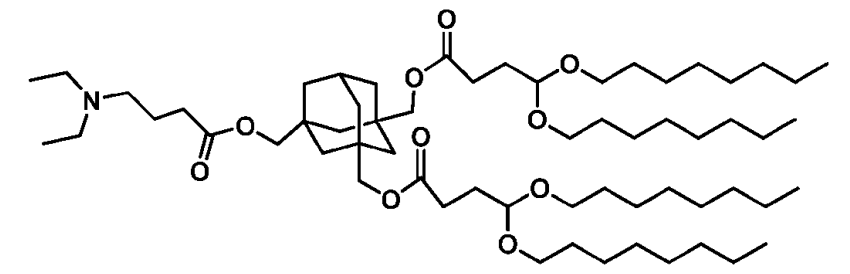
| DC67568 | ORNA Lipid AX-6 Featured |
AX6 is an ionizable lipid in the F32 LNP formulation, engineered by ReNAgade/Orna Therapeutics for targeted mRNA delivery to T cells. AX-6's unique bridged bicyclic/polycyclic core with a tertiary amine group enables pH-dependent protonation and endosomal escape, while C14-C18 hydrophobic tails (optionally branched/fluorinated) enhance bilayer stability and mRNA encapsulation. Demonstrating exceptional T-cell tropism, AX6 achieves high transfection efficiency in CD4+/CD8+ T cells (validated in NHP/humanized models) with minimal toxicity. Compared to clinical benchmarks (SM-102, ALC-0315), its rigid core offers superior serum stability and immune-cell specificity, positioning it as an ideal candidate for CAR-T/NK therapies and next-gen vaccines. The F32 LNP system's proven efficacy (e.g., in vivo B-cell depletion) underscores AX 6's transformative potential for cell engineering and immunotherapies.
More description
|
|
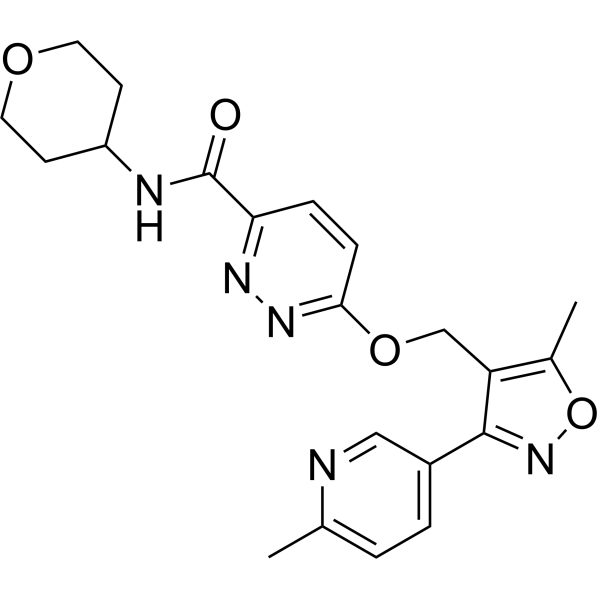
| DC47033 | Alogabat Featured |
Alogabat (example 8) is a GABAA α5 receptor positive allosteric modulators (PAMs) (extracted from patent WO2018104419A1).
More description
|
|
| DC74078 | MM0299 analog 13 Featured |
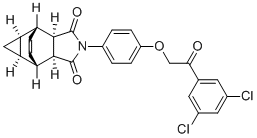
MM0299 analog 13 (MM 0299 derivative 13) is a potent, selective, orally bioavailable, brain-penetrant inhibitor of lanosterol synthase (LSS, competition EC50=28.7 nM) with anti-proliferative activity.
More description
|
|
| DC67566 | CureVac Lipid C24(CVL1,VitE-C4DE-Pip- S) Featured |
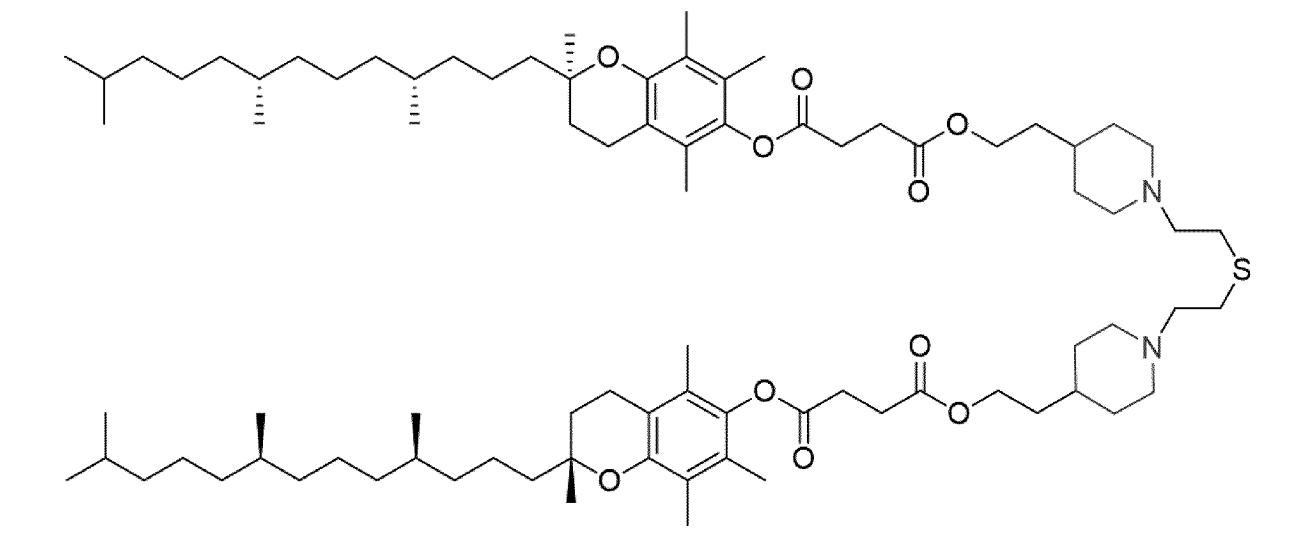
CVL1 (C24) is an ionizable lipid developed by CureVac for mRNA delivery, featuring a vitamin E (α-tocopherol) core linked via a thioether bridge to piperidine-based cationic headgroups. Its unique design enables pH-dependent charge switching (neutral at physiological pH, cationic in endosomes) for efficient mRNA encapsulation and endosomal escape. Formulated in lipid nanoparticles (LNPs) with DPhyPS and PMOZ4, CVL1 preferentially targets spleen and lymph node dendritic cells (DCs), enhancing antigen presentation and T-cell immunity. Key advantages include high mRNA encapsulation (>90%), stability under lyophilization, and reduced liver accumulation compared to PEGylated LNPs. In preclinical studies, CVL1-based LNPs induced robust CD8+/CD4+ T-cell responses and IgG2a-dominant antibody titers against tumor antigens (e.g., Trp2). With a particle size of 70–120 nm and low polydispersity (PDI <0.2), CVL1 balances delivery efficiency and biocompatibility, making it ideal for cancer and infectious disease vaccines requiring strong cellular immunity. Its degradable ester and thioether bonds further improve safety profiles.
More description
|
|
| DC11276 | KPT-6566 Featured |
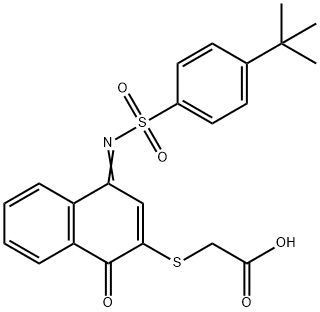
KPT-6566 is a covalent PIN1 inhibitor selectively targets cancer cells by a dual mechanism of action.
More description
|
|
| DC68177 | L52715 Featured |
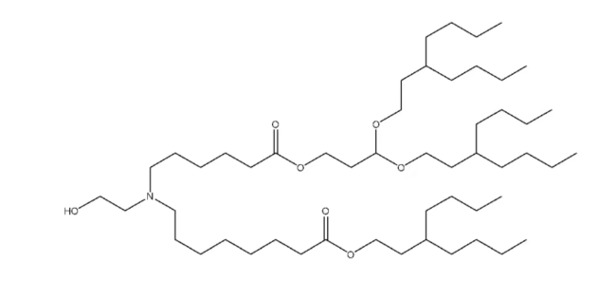
L52715 is a novel ionizable lipid developed by Shanghai Vitalgen, used to deliver mRNA.
More description
|
|
| DC60463 | MIC2 Featured |
MIC2 is a set of multi-charged lipids with four tertiary amino nitrogen atoms (4N4T) which could be constructed and applied to form novel lipid nanoparticles. 4N4T-LNPs based on MIC2 exhibit much higher mRNA translation efficiency than the approved SM-102-LNPs. 4N4T-LNPs are successfully applied to DS mRNA vaccine and the vaccines worked well against SARS-CoV-2 and its variants, including Delta and Omicron.
More description
|

|
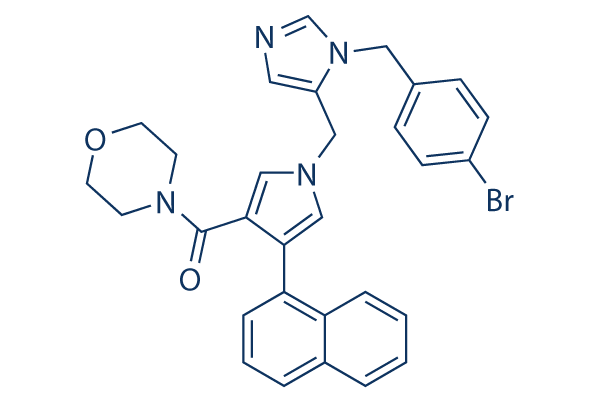
| DC7450 | LB42708 Featured |
LB42708 is an orally active farnesyltransferase (FTase) inhibitor with IC50 of 0.8, 1.2, and 2.0 nM toward H-ras, N-ras, and K-ras, respectively
More description
|
|
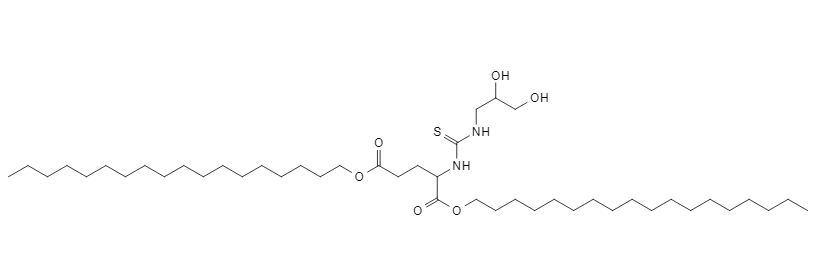
| DC60537 | C18 NC-TNP Featured |
C18 NC-TNP is a novel noncationic thiourea lipid without positively charged groups. It binds nucleic acids via hydrogen bonds instead of electrostatic attraction, avoiding cation-triggered systemic inflammation. Formulated into nanoparticles, it efficiently encapsulates mRNA, siRNA and plasmids, shows excellent serum tolerance and long-term liquid/lyophilized storage stability. It enters cells mainly through macropinocytosis, escapes endosomes intact to reduce nucleic acid degradation. In vivo, it targets spleen preferentially, induces robust long-lasting Th1-type cellular and humoral immunity with minimal organ toxicity, superior to SM102 LNPs for mRNA cancer vaccine delivery.
More description
|
|
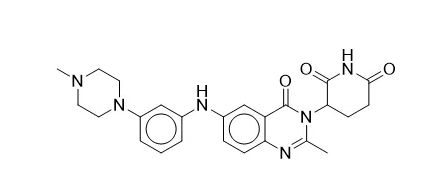
| DC60946 | ARV-102(S-enantiomer ) Featured |
S-enantiomer of ARV-102. ARV-102 is a highly potent, orally bioavailable PROTAC that targets LRRK2 with a of 0.14 nM, designed to cross the blood-brain barrier to address neurodegenerative diseases. By hijacking the body’s ubiquitin-proteasome system, it achieves deep and sustained degradation of LRRK2 protein in both peripheral tissues and the central nervous system, offering a potentially superior therapeutic approach over traditional kinase inhibitors.
More description
|
.png)
|
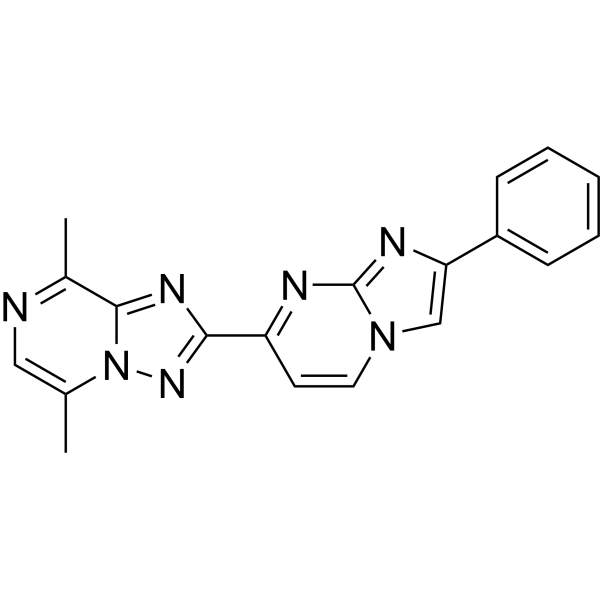
| DC70322 | CPL500036 Featured |
CPL500036 (CPL-500036) is a highly potent, selective and orally bioavailable PDE10A inhibitor with IC50 of 35 nM.CPL500036 is highly selective for PDE10A over other PDEs and common off-targets.CPL500036 effectively penetrates the brain where increases cAMP/cGMP levels and phosphorylates effector proteins like AMPA subunits.CPL500036 reduced sensorimotor deficits in 6-OHDA-lesioned rats.Acute and chronic CPL500036 did not reduce effects of L-DOPA in sensorimotor tests.Chronic CPL500036 treatment did not decrease L-DOPA-induced contralateral rotation.
More description
|
|
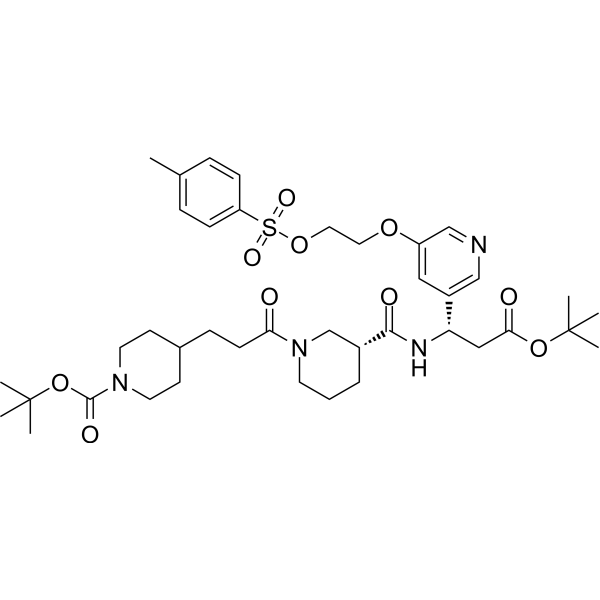
| DC78952 | GP1 precursor Featured |
GP1 precursor has high affinity to GPIIb/IIIa receptors of activated platelets. GP1 precursor can be radiolabeled with [18F] and used as a PET Tracer for visualizing active platelet aggregation at the molecular level. GP1 precursor can be used for the detection of Thrombi.
More description
|
|
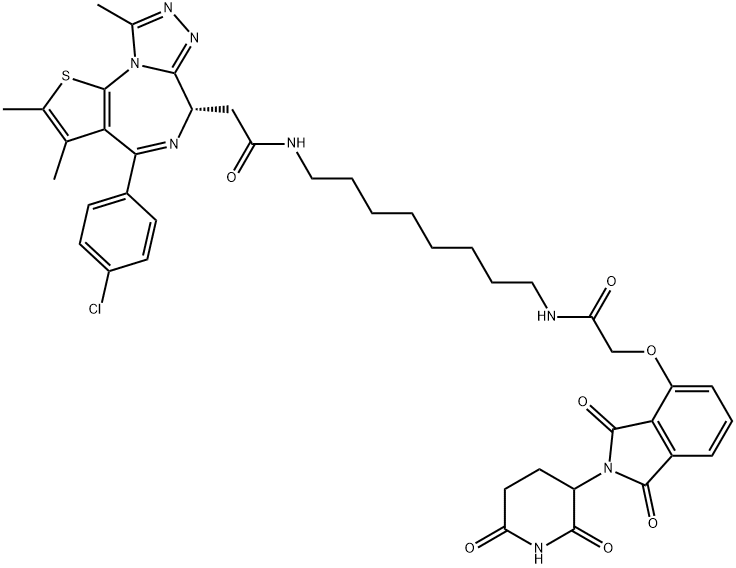
| DC12022 | dBET6 Featured |
dBET6 is a highly potent, selective and cell-permeable degrader of BET with an IC50 of 14 nM, and has antitumor activity.
More description
|
|
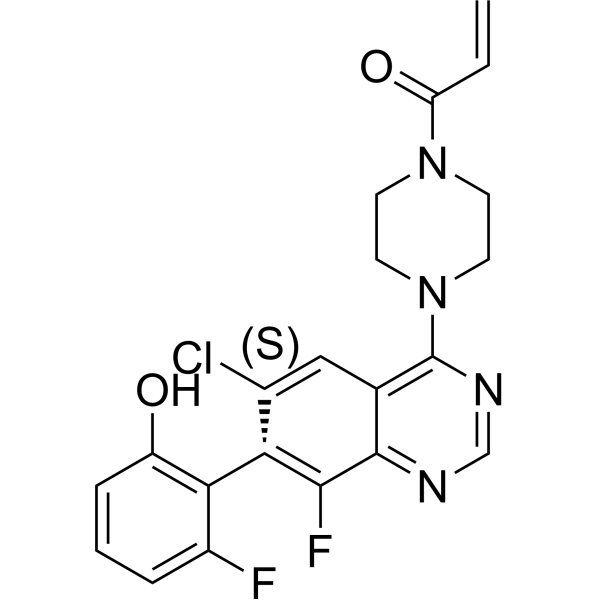
| DC10725 | ARS-1620 Featured |
ARS-1620 is a covalent compound with high potency and selectivity for KRAS-G12C.
More description
|
|
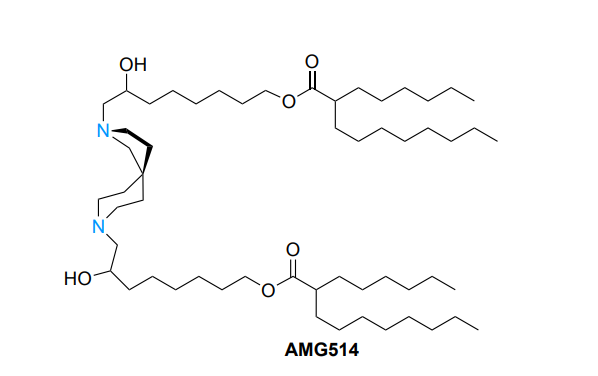
| DC68141 | AMG514 Featured |
AMG514 is a novel ionizable lipid designed for formulating spleen-targeting lipid nanoparticles (LNPs) to deliver immune‑remodeling mRNAs (IR‑mRNAs). Its key advantage lies in the formation of a unique “protein corona” enriched with vitronectin, coagulation factors, and specific apolipoproteins (e.g., ApoA‑IV), together with its relatively high apparent pKa (~7.5), which actively redirects LNPs to the spleen instead of the liver. This precise spleen‑targeting property enables efficient transfection of splenic antigen‑presenting cells (APCs). As a vaccine adjuvant, AMG514‑LNPs therefore elicit a more robust activation of adaptive immunity compared to conventional LNPs (e.g., cKK‑E12), generating significantly enhanced antigen‑specific CD8⁺ T‑cell and antibody responses, and inducing durable anti‑tumor immune memory in preclinical models.
More description
|
|
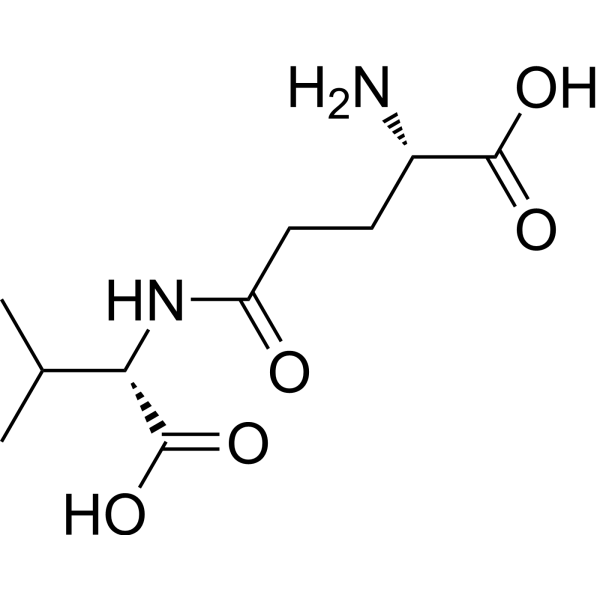
| DC34031 | G-Glu-Val Featured |
G-Glu-Val, also known as gamma-Glutamyl-L-valine or H-gGlu-Val-OH, is a taste-modulating dipeptide and a main contributor to the "kokumi" taste of edible beans.
More description
|
|
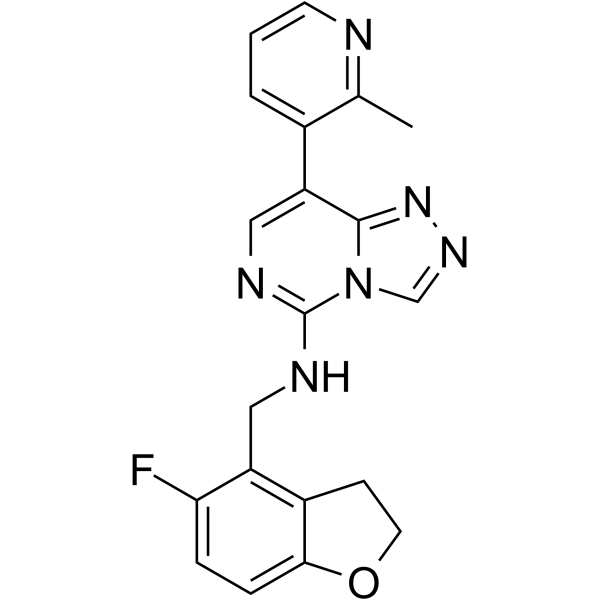
| DC10560 | MAK683 Featured |
MAK683 is a novel PRC2/EED inhibitor.
More description
|
|
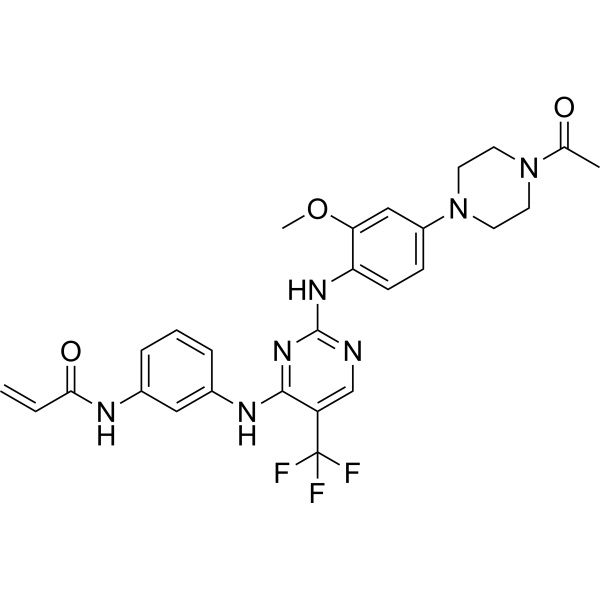
| DC7106 | Rociletinib (CO-1686) Featured |
CO-1686 is a novel, irreversible and orally delivered kinase inhibitor that specifically targets the mutant forms of EGFR including T790M(IC50=21 nM).
More description
|
|
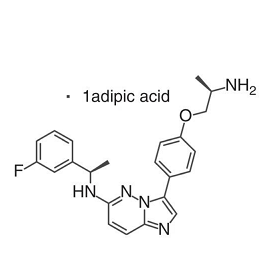
| DC26199 | Taletrectinib adipate(DS-6051b) Featured |
DS-6051b is a potent and selective ROS1 and TRK family inhibitor with IC50 of 0.207 nM, 0.622 nM and 0.980 nM against ROS1, NTRK1 and NTRK3. DS-6051b especially inhibits ROS1 G2032R and other crizotinib-resistant ROS1 mutants.
More description
|
|
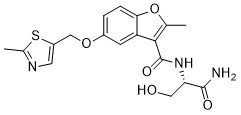
| DC80295 | Ponometrep(BBO-11818) Featured |
BBO-11818 is an orally active, highly selective (relative to NRAS and HRAS), non-covalent pan-KRAS inhibitor (IC50=28-120 nM). BBO-11818 specifically binds to the Switch-II/Helix 3 pocket, disrupts the KRAS:RAF1 interaction by inducing conformational changes, and blocks the MAPK signaling pathway. BBO-11818 exhibits significant anti-tumor activity, which not only inhibits cell proliferation and induces apoptosis, but also drives tumor regression in xenograft models. BBO-11818 produces synergistic effects when combined with Cetuximab, anti-PD-1 antibody or PI3Kα inhibitor. BBO-11818 is used in the research of KRAS mutation-related malignancies such as pancreatic cancer, non-small cell lung cancer and colorectal cancer.
More description
|
|
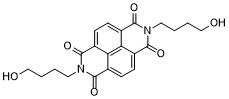
| DC68176 | MMV009085 Featured |
MMV009085 is a potent and selective inhibitor of the Plasmodium falciparum hexose transporter (PfHT1), designed to target malaria by blocking glucose uptake, with an IC50 of 2.6 μM for the transporter and an EC50 of 1.23 μM against the 3D7 strain. It acts as a probe-like molecule with high selectivity for PfHT1 over human glucose transporters (GLUTs). In vitro, it shows selective inhibition of Neospora caninum tachyzoite proliferation in infected host cell assays, with an IC₅₀ of approximately 150 ± 30 nM, while also displaying activity against related apicomplexan pathogens such as Cryptosporidium parvum. Mechanistically, related studies suggest MMV009085 may interfere with hexose transport–dependent metabolism, likely acting as a glucose transporter mimic or inhibitor, thereby disrupting parasite energy uptake and intracellular replication.
More description
|
|
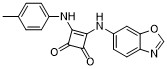
| DC68175 | HDB-1 Featured |
HDB-1 is a P2Y14R inhibitor for ameliorating liver fibrosis by suppressing hepatic stellate cell activation. HDB-1 demonstrates exceptional potency (IC50 = 0.026 nM) and superior metabolic stability. HDB-1 exhibited antihepatic fibrosis activity both in vivo and in vitro. Mechanistically, HDB-1 inhibits P2Y14R-mediated signaling by suppressing the PKA/Raf1/MEK/ERK cascade, thereby preventing the activation of hepatic stellate cells-the central pathological event in fibrosis development.
More description
|
|
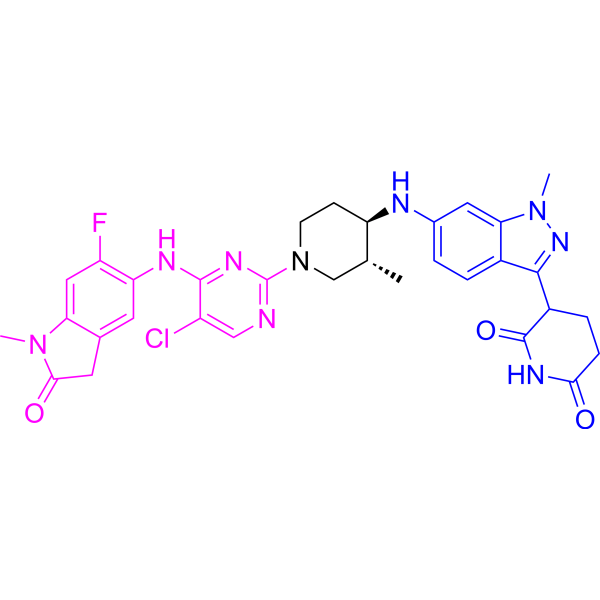
| DC80788 | PROTAC BCL6 Degrader-3 |
PROTAC BCL6 Degrader-3 (compound 92) is a BCL6 PROTAC degrader. PROTAC BCL6 Degrader-3 can be used for the study of cancer or an autoimmune disease.
More description
|
|
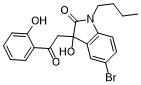
| DC68174 | UR778Br Featured |
UR778Br is a small-molecule inhibitor targeting the GTPase-activating protein–related (GRD) domain of IQGAP1, with demonstrated anti-leukemia activity in both in vitro and in vivo preclinical models. In human AML cell lines (e.g., MOLM13, MV4-11, THP-1, U937) and primary AML blasts, UR778Br shows dose-dependent suppression of proliferation (effective low-µM range), induces G2/M cell-cycle arrest, and triggers apoptosis.
More description
|
|
