 To enhance service speed and avoid tariff delays, we've opened a US warehouse. All US orders ship directly from our US facility.
| Cat. No. | Product Name | Field of Application | Chemical Structure |
|---|---|---|---|
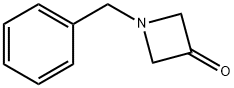
| DC68184 | 1-Benzylazetidin-3-one Featured |
|
|
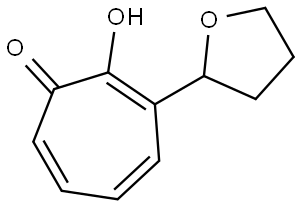
| DC68183 | FeM-1269 Featured |
|
|
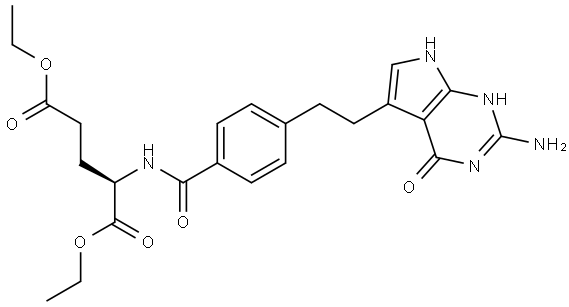
| DC68182 | (R)-Diethyl 2-(4-(2-(2-amino-4-oxo-4,7-dihydro-3H-pyrrolo[2,3-d]pyrimidin-5-yl)ethyl)benzamido)pentanedioate Featured |
|
|
| DC49332 | (R)-(-)-α-Methylhistamine dihydrochloride Featured |
(R)-(-)-α-Methylhistamine dihydrochloride is a potent, selective and brain-penetrant agonist of H3 histamine receptor, with a Kd of 50.3 nM. (R)-(-)-α-Methylhistamine dihydrochloride can enhance memory retention, attenuates memory impairment in rats.
More description
|
-(-)-α-Methylhistamine dihydrochloride.gif)
|
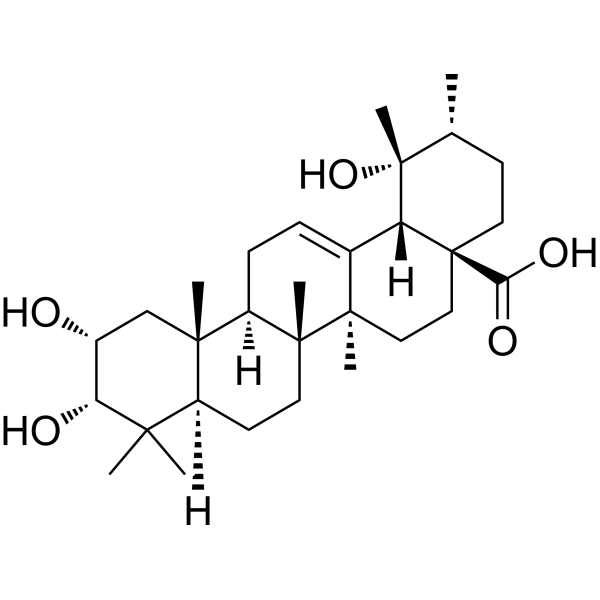
| DC43583 | Euscaphic acid Featured |
Euscaphic acid, a DNA polymerase inhibitor, is a triterpene from the root of the R. alceaefolius Poir. Euscaphic inhibits calf DNA polymerase α (pol α) and rat DNA polymerase β (pol β) with IC50 values of 61 and 108 μM.
More description
|
|
| DC33577 | RG7834 R-isomer Featured |
RG7834 R-isomer, also known as RO0321, is an enantiomer of RG7834 and a negative control for RG7834. RG7834 R-isomer has R-configuration with CAS#2072057-18-0. RG7834 is a novel oral HBV viral gene expression inhibitor that blocks viral antigen and virion production. RG7834 is highly selective for HBV, and has a unique antiviral profile that is clearly differentiated from nucleos(t)ide analogues.
More description
|
-RG7834.gif)
|
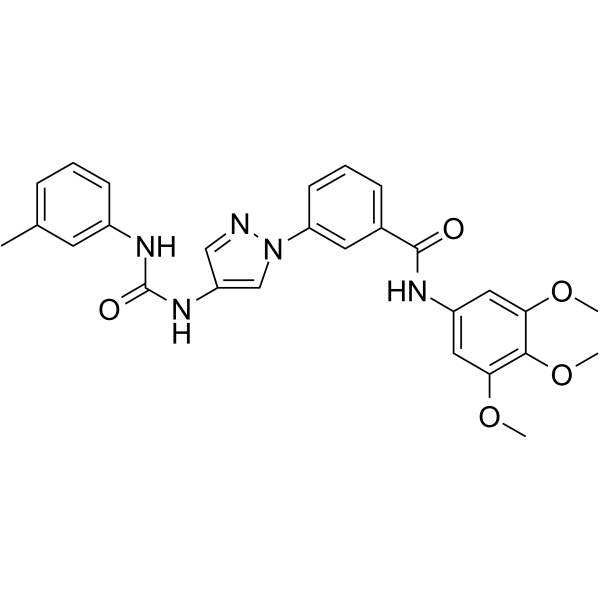
| DC34307 | SR 3576 Featured |
SR-3576 is a potent JNK3 inhibitor that is highly selective over p38.
More description
|
|
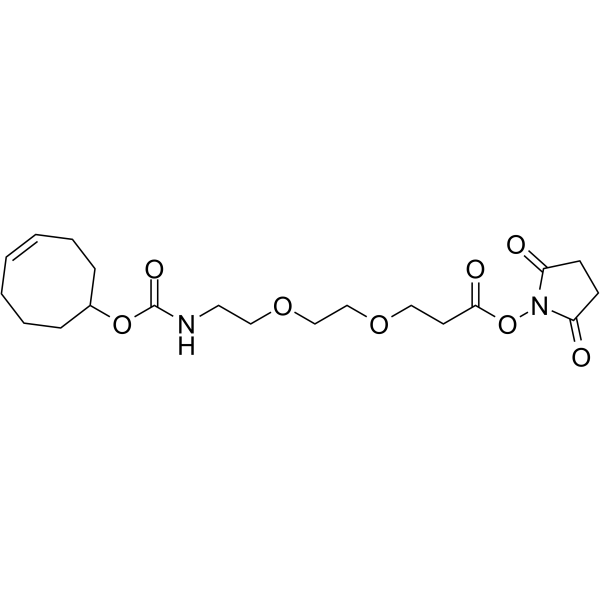
| DC77748 | TCO-PEG2-NHS ester Featured |
TCO-PEG2-NHS ester is a PEG/Alkyl/ether-based PROTAC linker can be used in the synthesis of PROTACs. TCO-PEG2-NHS ester is a click chemistry reagent, it contains a TCO group that can undergo an inverse electron demand Diels-Alder reaction (iEDDA) with molecules containing Tetrazine groups.
More description
|
|
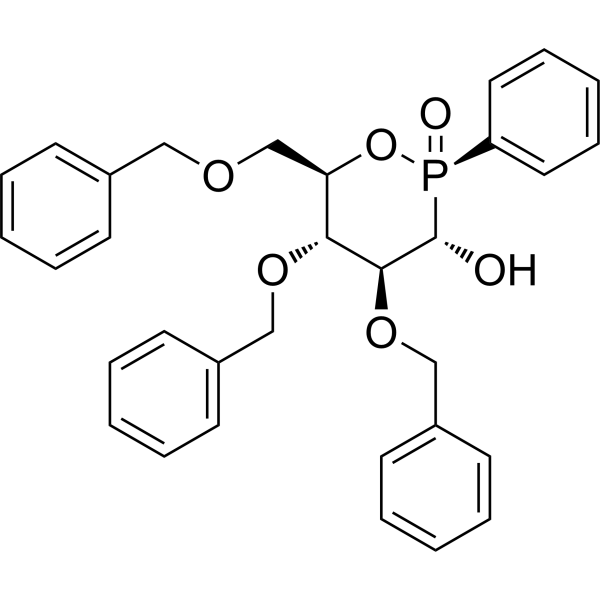
| DC77687 | PST3.1a Featured |
PST3.1a is a N-acetylglucosamine glycosyltransferase (MGAT5) inhibitor with the IC50 of 2 μM. PST3.1a inhibits glioblastoma-initiating cell invasiveness and proliferation.
More description
|
|
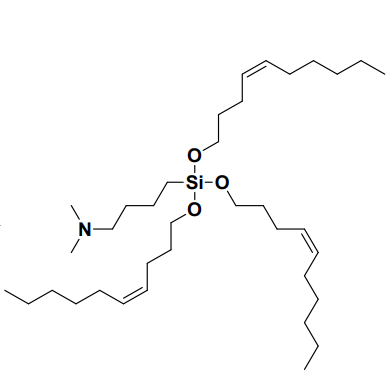
| DC60564 | Lipid GVS-18-B6 Featured |
GVS-18-B6 is a silicon ether-based ionizable lipid (pKa:6.15) developed by Genevant, optimized for mRNA-LNP delivery, characterized by a short-chain trialkyl structure with three C10 alkyl chains (including a cis double bond) and a dimethylamino (DMA) head group linked via a 4-carbon spacer (pKa ~6.15). Its LNP formulations exhibit a narrow particle size distribution (89 nm, PDI=0.06), high mRNA encapsulation efficiency (90%), and pH-dependent surface charge (−0.11 mV at pH 7.5 vs. +2.69 mV at pH 5.5), facilitating endosomal escape. In vivo, GVS-18-B6 demonstrated superior liver-specific mRNA expression (5.30×10⁷ pg EGFP/g liver, 2.6× higher than MC3) with minimal spleen accumulation (liver/spleen ratio 92:1 vs. MC3’s 10:1), attributed to rapid non-enzymatic hydrolysis of its silicon ether bonds. This mechanism enables near-complete hepatic clearance within 6 hours in mice and 24 hours in NHPs, avoiding long-term organ retention (MC3 retained 25% in liver after 28 days). Compared to benchmarks (MC3, SM-102, LP-01), GVS-18-B6 showed enhanced potency in RBC hemolysis assays (pH 6.2), indicating earlier endosomal membrane disruption, and maintained stability through 12-month frozen storage or repeated freeze-thaw cycles. Toxicity profiling revealed minimal immunogenicity (MCP-1 levels 0.58×10⁶ vs. MC3’s 1.10×10⁶) and no ALT/AST elevation or anti-PEG antibody induction in NHPs after repeated dosing. Its species-agnostic clearance, low off-target effects, and high tolerability (6 mg/kg dose in mice) position GVS-18-B6 as a leading candidate for chronic disease therapies requiring frequent mRNA administration.
More description
|
|
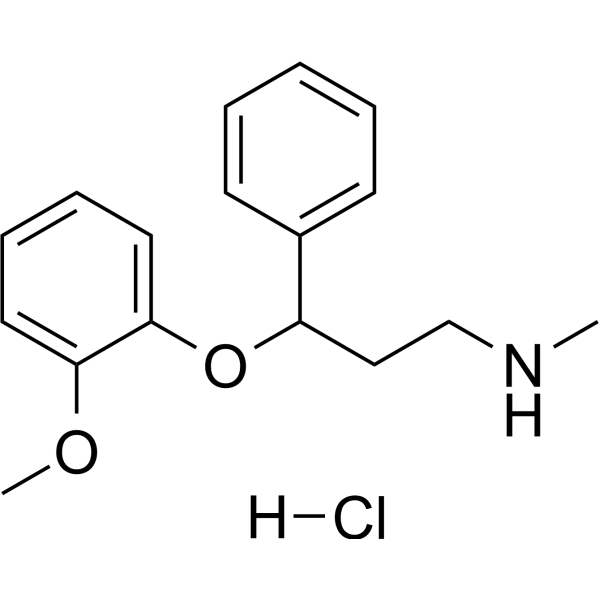
| DC41234 | Nisoxetine hydrochloride Featured |
Nisoxetine hydrochloride is a potent and selective inhibitor of noradrenaline transporter (NET), with a Kd of 0.76 nM. Nisoxetine hydrochloride is an antidepressant and local anesthetic, it can block voltage-gated sodium channels.
More description
|
|
| DC68181 | 5(4H)-Oxazolone, 2-[4-(1,1-dimethylethyl)phenyl]-4-(2-thienylmethylene)- Featured |
-Oxazolone, 2-[4-(1,1-dimethylethyl)phenyl]-4-(2-thienylmethylene)-.GIF)
|
|
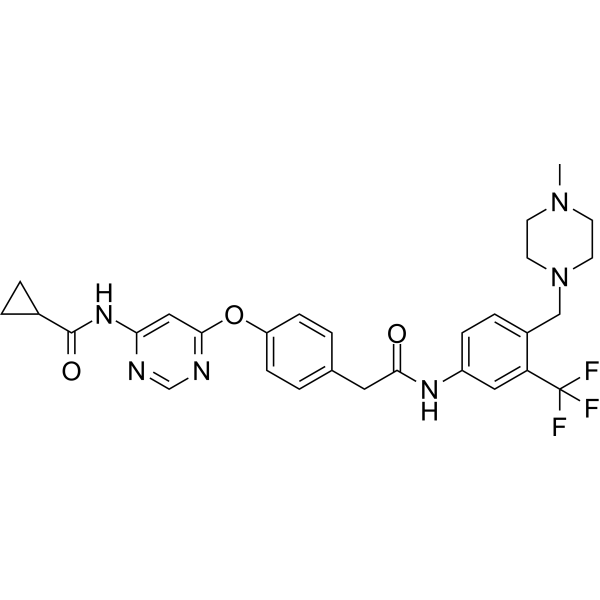
| DC7759 | WS6 Featured |
WS6 is a β cell proliferation inducer via modulation of Erb3 binding protein-1 (EBP1) and the IκB kinase pathway.
More description
|
|
| DC73469 | ML353 Featured |
ML353 (VU0478006) is a highly potent, selective, MPEP-site silent allosteric modulator of mGlu5 receptor with with sub-100 nM affinity.
More description
|

|
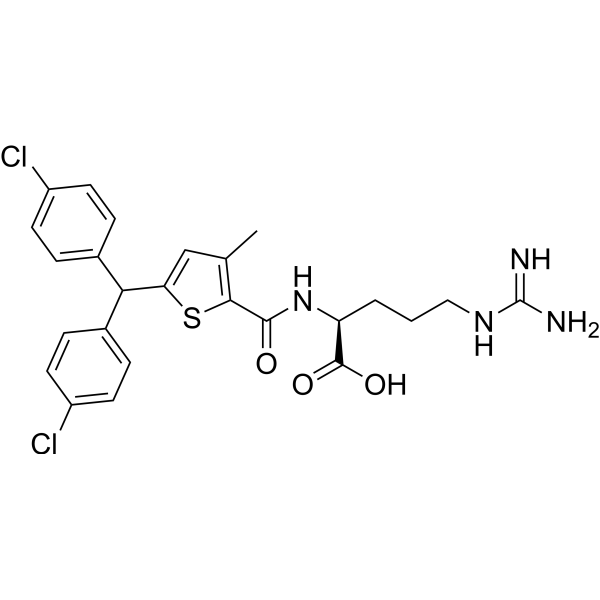
| DC42745 | JR14a Featured |
Novel potent and selective antagonist of human Complement C3a receptor
More description
|
|
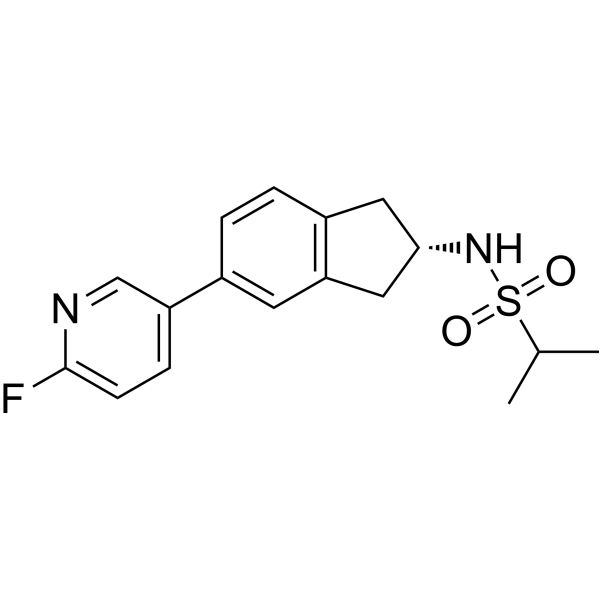
| DC11197 | UoS12258 Featured |
UoS12258 (UoS-12258) is a selective, positive allosteric modulator of the AMPA receptor with pEC50 of 5.6.
More description
|
|
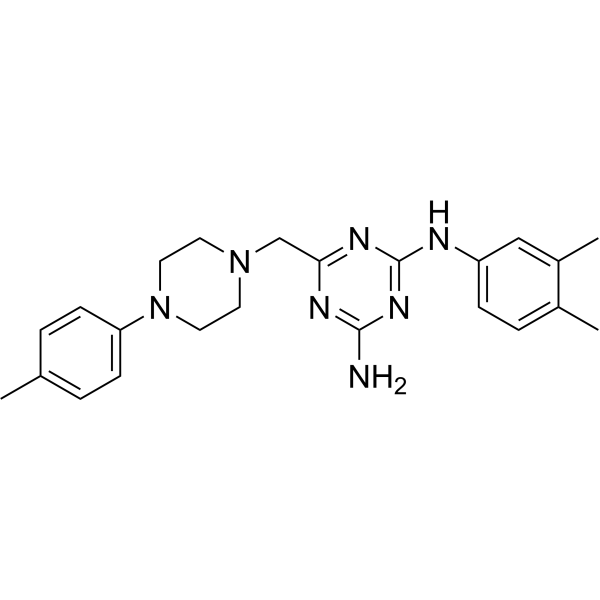
| DC42572 | GLX481372 Featured |
Novel potent and selective NADPH oxidase inhibitor, targeting Nox4 in TGFβ-induced lens epithelial to mesenchymal transition
More description
|
|
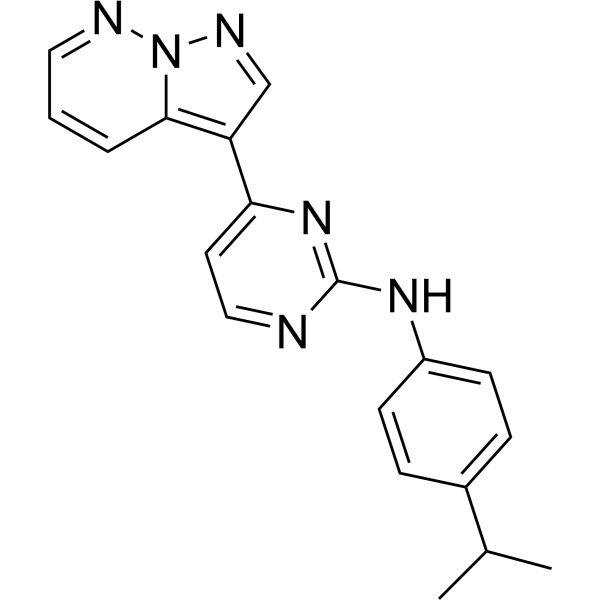
| DC42588 | UNC10112785 Featured |
NUNC10112785 is a serine/threonine kinase inhibitor with a human GSK-3β IC50 of 0.031 μM, human CDK-2 IC50 of 0.016 μM, and human CDK-4 IC50 of 1.99 μM. UNC10112785 can be used for the research of type 2 diabetes.
More description
|
|
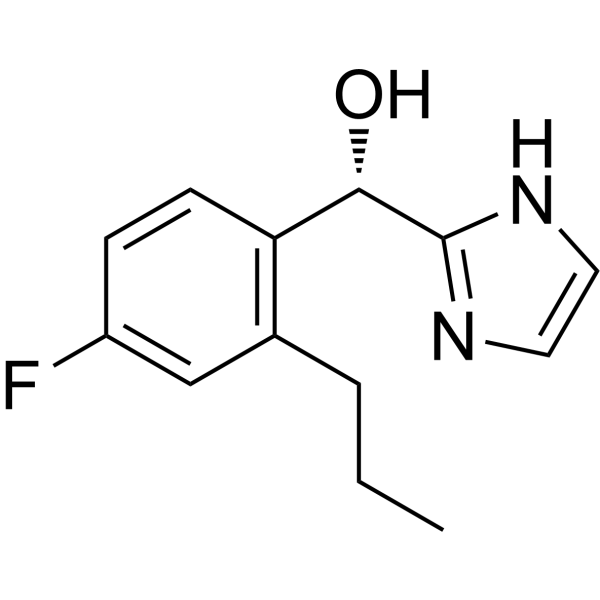
| DC11742 | AZ-8838 Featured |
AZ-8838 (AZ8838) is a potent, and selective PAR2 antagonist with Kd of 125 nM.
More description
|
|
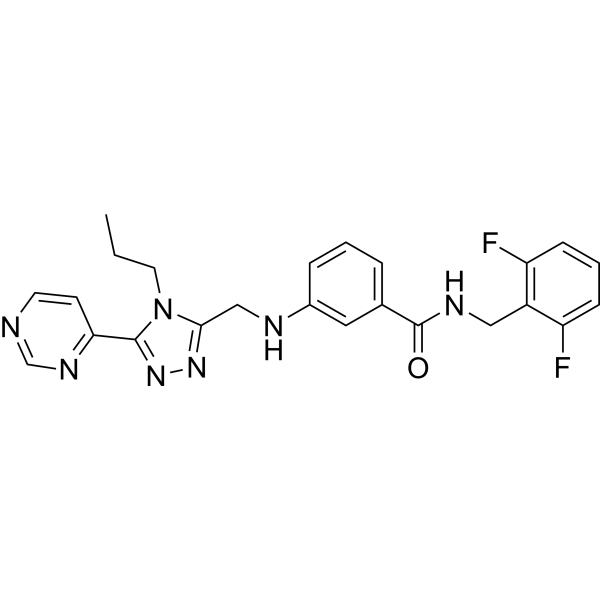
| DC42580 | Takeda103A Featured |
Novel potent inhibitor of the GRK2--dependent bovine tubulin oxidation
More description
|
|
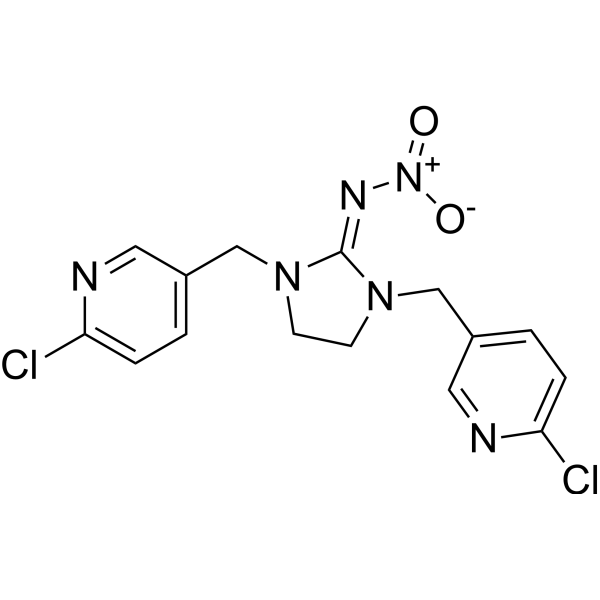
| DC60137 | Imidacloprid Impurity 1 Featured |
Imidacloprid impurity 1 (IMP-2) is the impurity found during the synthesis of Ivermectin.
More description
|
|
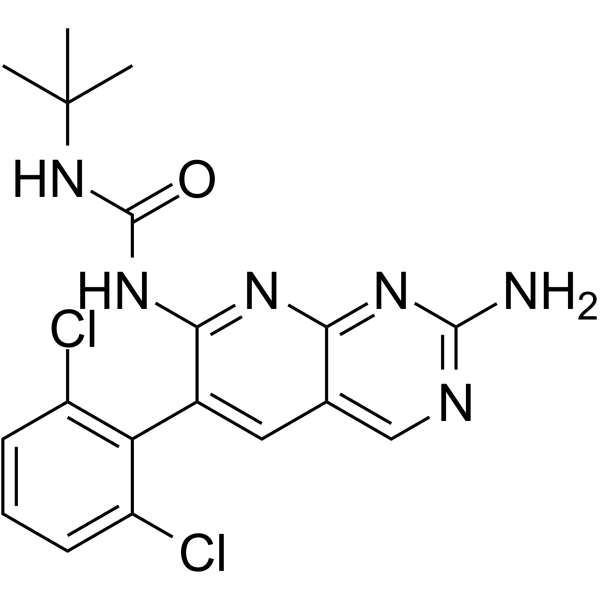
| DC43916 | PD-089828 Featured |
PD-089828 is an ATP competitive inhibitor of FGFR-1, PDGFR-β and EGFR (IC50s=0.15, 1.76, and 5.47 µM, respectively) and a noncompetitive inhibitor of c-Src tyrosine kinase (IC50=0.18 µM). PD-089828 also inhibits MAPK with an IC50 of 7.1 µM.
More description
|
|
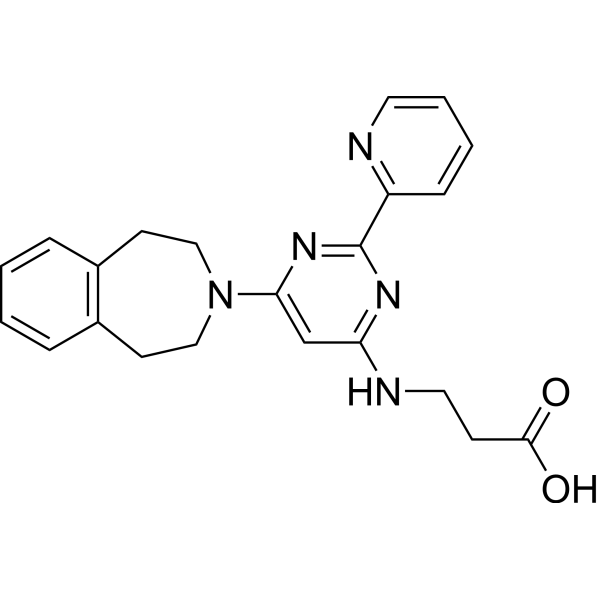
| DC7858 | GSK-J1 Featured |
GSK-J1 is a potent and selective inhibitor of the H3K27 histone demethylases JMJD3 and UTX (IC50 = 60 nM for human JMJD3 in vitro).
More description
|
|
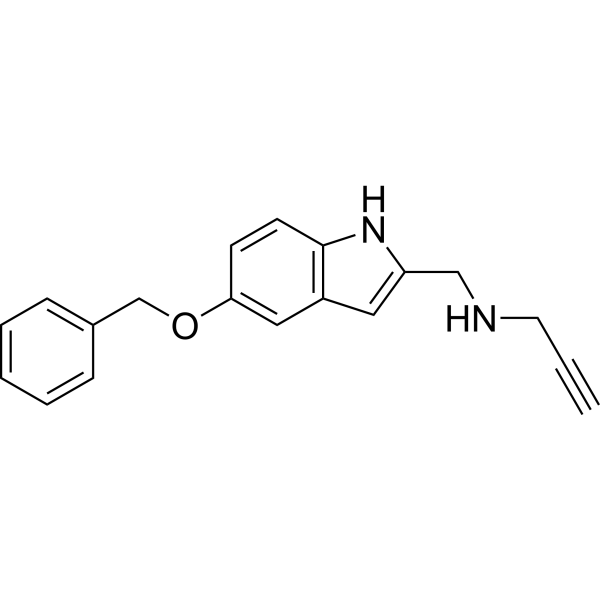
| DC33231 | PF9601N Featured |
PF9601N is a selective and potent monoamine oxidase B inhibitor that exhibit anti-Parkinsonian effects in several models of PD.
More description
|
|
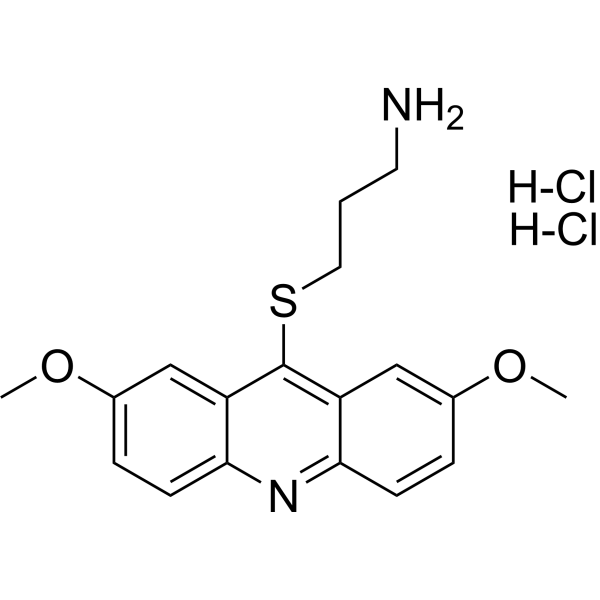
| DC70561 | LDN-192960 hydrochloride Featured |
LDN192960 (LDN 192960) is a highly potent and selective DYRK2 inhibitor with IC50 of 13 nM toward DYRK2 at 50 uM ATP.LDN192960 suppresses Thr25 RPT3 phosphorylation in a dose-dependent manner in HEK293T cells transiently overexpressing DYRK2-FLAG, with maximal effects at 1-10 uM.LDN192960 does not inhibit any of the 130+ kinases including other CMGC kinase family members that are closely related to the DYRKs.LDN192960 binds to the ATP-binding pocket of DYRK2, also potently inhibits DYRK1A, DYRK3 and Pim with IC50 of <3, 122 and 10 nM, respectively.LDN192960 perturbs proteasome activity, induces cell death, and impedes proliferation and invasion on MDA-MB-468 cells.LDN192960 impedes MM progression and delays myeloma-mediated bone degeneration.LDN192960 induces cytotoxicity in bortezomib-resistant MM, both in cells and in vivo. significantly alleviates tumor burden in standard and PDX TNBC models.
More description
|
|
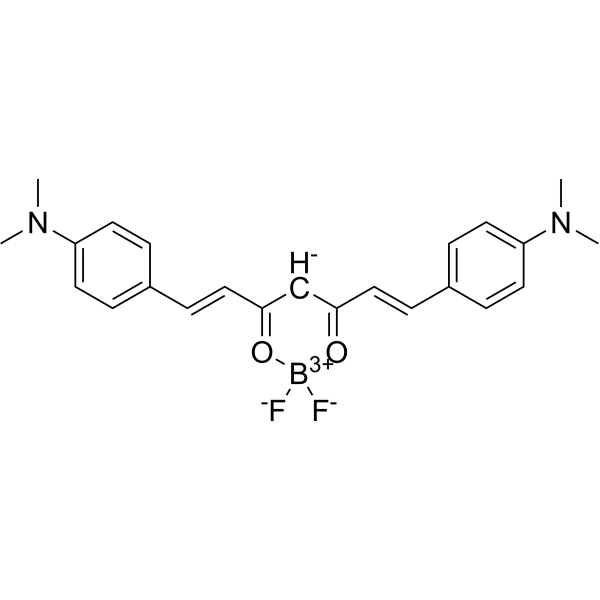
| DC33031 | CRANAD-2 Featured |
CRANAD-2 is a difluoroboron-derivatized curcumins as near-infrared probe for in vivo detection of amyloid-beta deposits. Upon interacting with Abeta aggregates, CRANAD-2 undergoes a range of changes, which include a 70-fold fluorescence intensity increase, a 90 nm blue shift (from 805 to 715 nm), and a large increase in quantum yield. Moreover, this probe also shows a high affinity for Abeta aggregates (K(d) = 38.0 nM), a reasonable log P value (log P = 3), considerable stability in serum, and a weak interaction with albumin. After intravenous injection of this probe, 19-month-old Tg2576 mice exhibited significantly higher relative signal than that of the control mice over the same period of time.
More description
|
|
| DC67540 | Lipid A5-CE-C7-6(3 tail) Featured |
A5-CE-C7-6 (3-tail analog) is a structural control compound derived from the standard 2-tail lipid(A5-CE-C7-6), with three carbonate alkyl chains linked to the A5 amine core.
More description
|

|
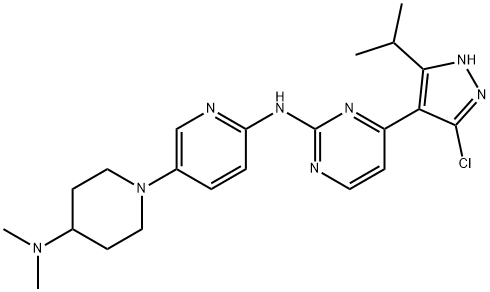
| DC7453 | Ribociclib (LEE011) Featured |
LEE011 is an orally available cyclin-dependent kinase (CDK) inhibitor targeting cyclin D1/CDK4 and cyclin D3/CDK6 cell cycle pathway, with potential antineoplastic activity.
More description
|
|
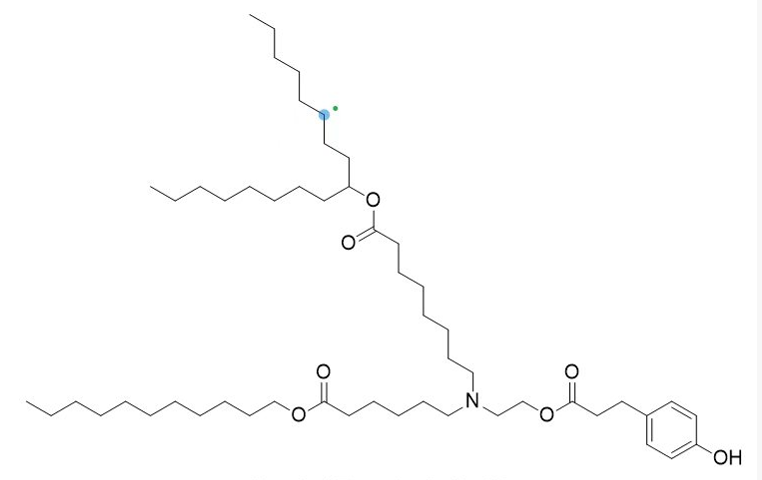
| DC60941 | Antioxidant lipid AO12 Featured |
AO12 is a novel antioxidant ionizable lipid derived from SM-102 skeleton with para-hydroxyphenyl propionic acid side chains. Integrated into LNPs, it efficiently scavenges diverse reactive oxygen species including ·OH and ONOO⁻, shielding encapsulated mRNA from oxidative degradation. It retains fine LNP formulation features and cellular uptake capacity of conventional lipids, boosting in vivo mRNA translation. Applied for regenerative mRNA therapy and CRISPR gene editing against fibrosis and inflammatory disorders.
More description
|
|
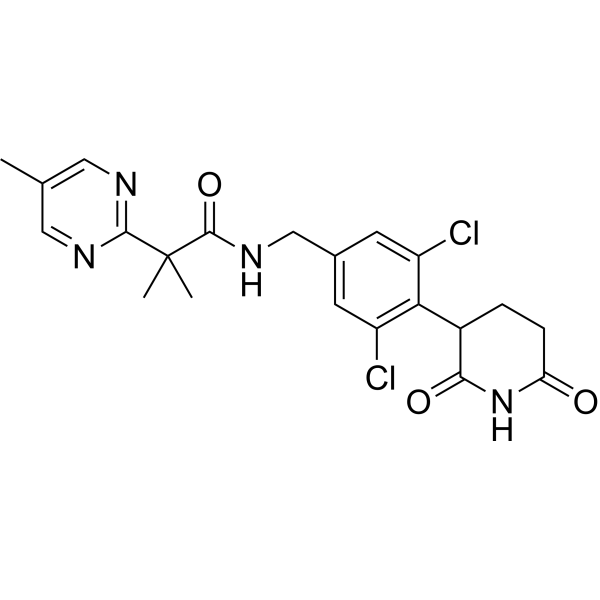
| DC60948 | NEK7 degrader (Compound 17) Featured |
NEK7 degrader-1 is a NEK7 molecular glue degrader with a DC50 of 9 nM. NEK7 degrader-1 dose-dependently inhibits caspase-1 activity and IL-Ιβ release in macrophages in response to NLRP3 inflammasome activation. NEK7 degrader-1 can be used for autoinflammatory and autoimmune disorders like multiple sclerosis, neurodegeneraive diseases like Alzheimer's disease and cardiovascular and melabolic disorders like pericarditis and Type 2 diabetes research.
More description
|
|
