 To enhance service speed and avoid tariff delays, we've opened a US warehouse. All US orders ship directly from our US facility.
| Cat. No. | Product Name | Field of Application | Chemical Structure |
|---|---|---|---|
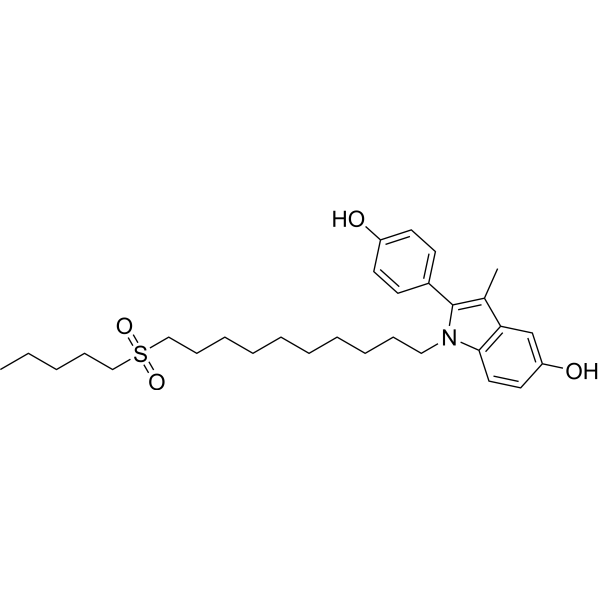
| DC68222 | ZK 164015 Featured |
ZK164015 is an estrogen-glucocorticoid receptor chimera that can be used as a compound screening tool to evaluate tissue-selective estrogen activity. ZK164015 was used to evaluate its effects on ER function in osteoblasts in studies based on green fluorescent protein (GFP)-receptor chimeras. In osteoblast-like (ROS and U2OS) and breast cancer (MCF7) cells, ZK164015 showed different effects in response to ER agonists, including modulation of ERE-luc activity and effects on nuclear mobility.
More description
|
|
| DC68221 | 3-Ethyl-2,5-dihydro-4-methyl-2-oxo-N-(2-phenylethyl)-1H-pyrrole-1-carboxamide Featured |
-1H-pyrrole-1-carboxamide.GIF)
|
|
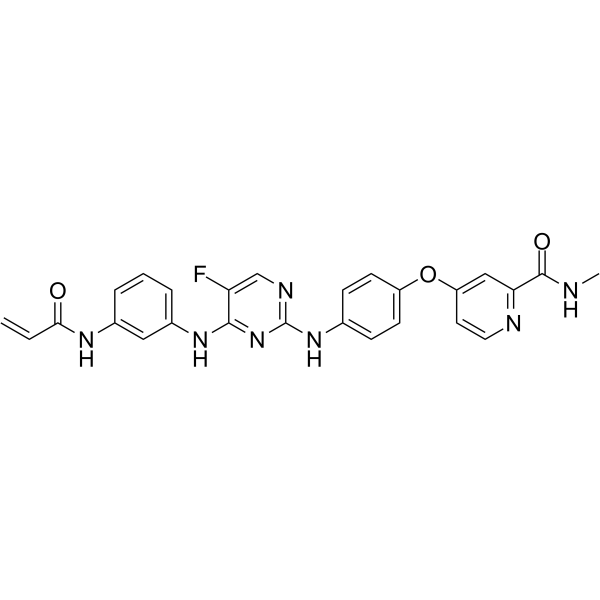
| DC7161 | CNX-774 Featured |
CNX-774 is a potent, selective, and orally available small molecule inhibitor of Btk (IC50< 1 nM) that forms a ligand-directed covalent bond with Cys-481, a non-conserved amino acid within the active site of the enzyme.
More description
|
|
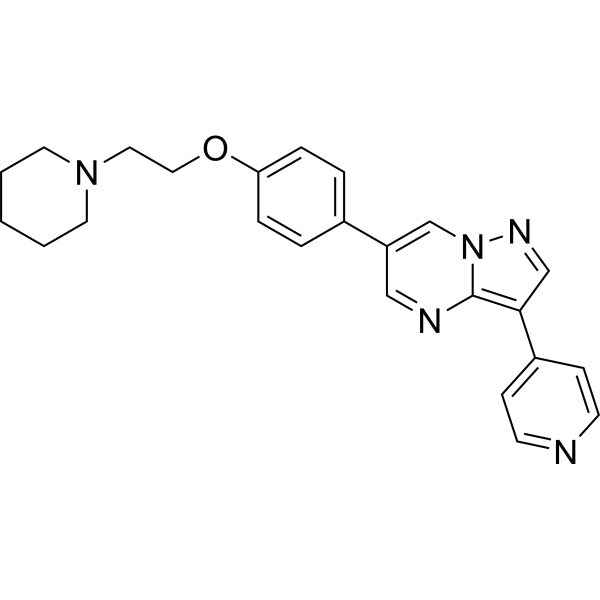
| DC8296 | Dorsomorphin(BML-275) Featured |
Dorsomorphin(Compound C; BML-275) has been shown to act as a potent and selective inhibitor of AMPK (AMP-activated protein kinase; Ki = 109 nM), induced by AICAR and metformin; also inhibits the bone morphogenetic protein type 1 receptors ACTR-I (ALK2), B
More description
|
|
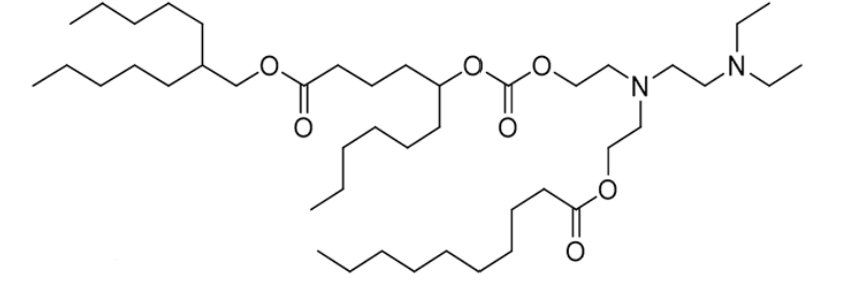
| DC60950 | FL0445 Featured |
FL0445 is a biodegradable, multi-branched ionizable lipid featuring an ionizable amine-containing headgroup together with ester and carbonate linkages. When formulated with DOPE, cholesterol, and a PEG lipid, FL0445-LNP enabled efficient delivery of both linear mRNA and structurally constrained capped circular RNA (Cap-cirRNA). In the reported study, the optimized formulation produced substantially higher in vitro protein expression than benchmark LNPs based on MC3, SM-102, or ALC-0315 and demonstrated functional nucleic-acid delivery following intravenous, intramuscular, and subcutaneous administration in mice. The platform was also evaluated for mRNA vaccination, ASO-mediated gene silencing, pDNA delivery, and GLP-1-encoding Cap-cirRNA. FL0445-LNP induced comparatively low inflammatory cytokine responses and showed favorable single-dose tolerability in the tested mouse models, supporting its further evaluation as a versatile preclinical delivery lipid for mRNA, circular RNA, and other nucleic-acid modalities.
More description
|
|
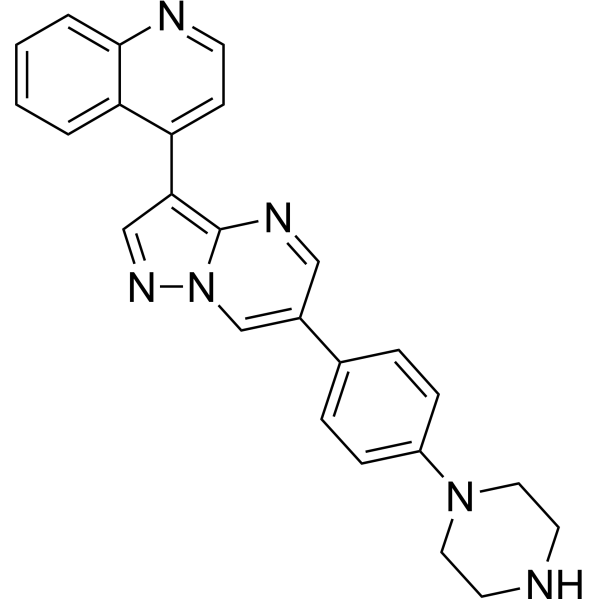
| DC8034 | LDN193189 free base Featured |
LDN193189 is a selective BMP signaling inhibitor, inhibits the transcriptional activity of the BMP type I receptors ALK2 and ALK3 with IC50 of 5 nM and 30 nM, respectively.
More description
|
|
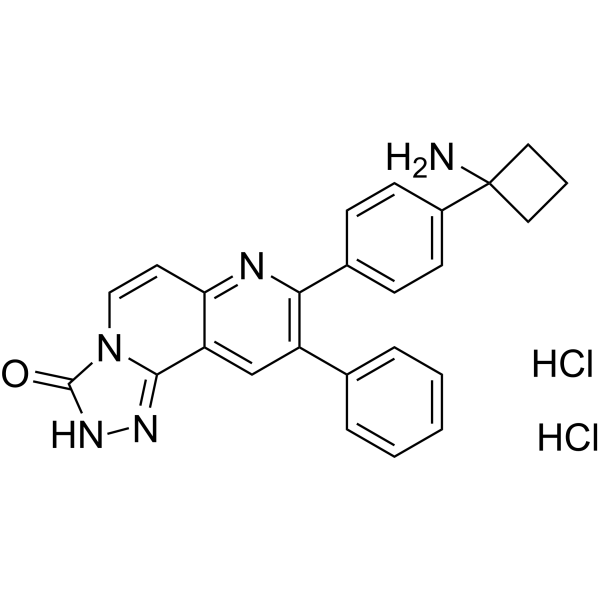
| DC7465 | MK-2206 2HCl Featured |
MK-2206 2HCl is a highly selective inhibitor of Akt1/2/3 with IC50 of 8 nM/12 nM/65 nM, respectively; no inhibitory activities against 250 other protein kinases observed. Phase 2.
More description
|
|
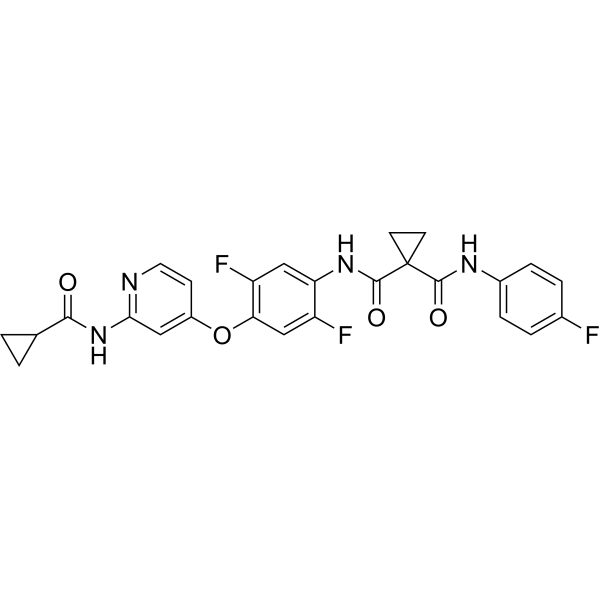
| DC8072 | Altiratinib(DCC-2701) Featured |
Altiratinib is a MET/TIE2/VEGFR2/TRK (A,B,C) kinase inhibitor in Phase 1 clinical development for the treatment of invasive solid tumors including glioblastoma.
More description
|
|
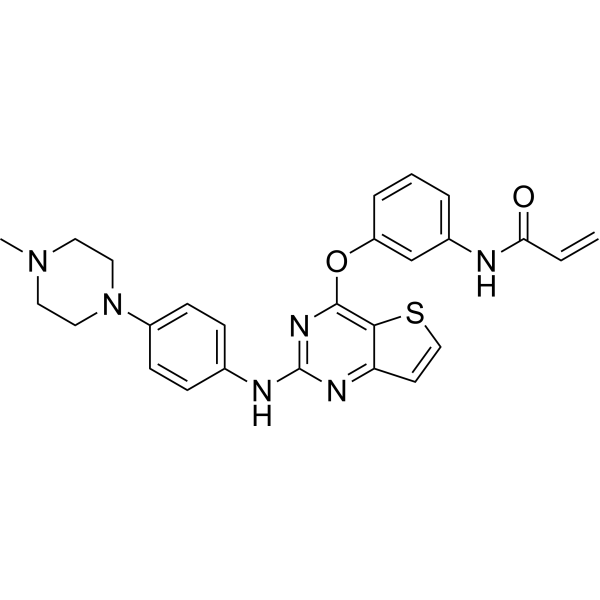
| DC8819 | Olmutinib (HM61713; BI-1482694) Featured |
HM-61713 (BI-1482694) is an orally available small molecule, mutant-selective inhibitor of epidermal growth factor receptor (EGFR) with potential antineoplastic activity.
More description
|
|
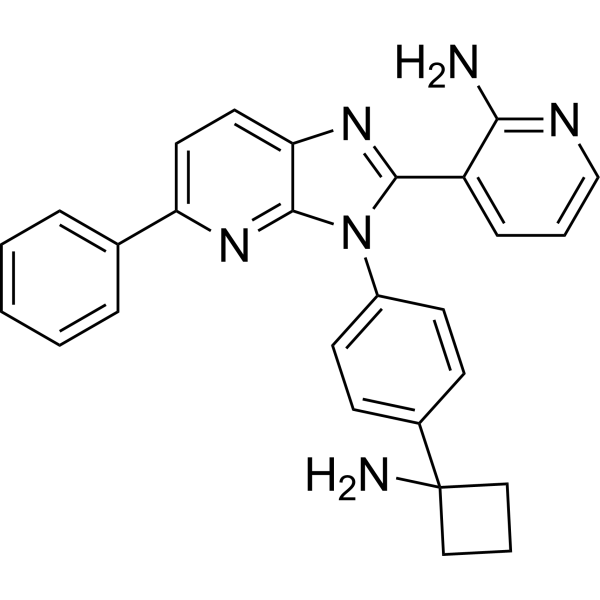
| DC9972 | ARQ-092(Miransertib) Featured |
ARQ 092 is an oral activie, potent and selective AKT inhibitor with IC50 values: 5.0 nM (AKT1); 4.5 nM (AKT2); 16 nM (AKT3).
More description
|
|
| DC60044 | Ethyl 4-[2-(5-Chloro-2-methoxybenzamido)ethyl]benzene Sulfonamide Carbamate Featured |
ethyl]benzene Sulfonamide Carbamate.gif)
|
|
| DC66573 | (S)-L-giutamic acid cbz Featured |
|
|
| DC66578 | Cluster Featured |

|
|
| DC66581 | C3-Phosphoramidites Featured |
|
|
| DC70599 | miR-21 inhibitor 12 Featured |
miR-21 inhibitor 12 (miR-21-IN-12) is a small molecule inhibitor of microRNA-21 expression and inhibit miR-21 transcription.miR-21-IN-12 inhibited transcription of the miR-21 gene resulting in significant reductions in primary and mature miR-21 levels.miR-21-IN-12 demonstrated cytotoxicity in a cervical cancer cell line via induction of apoptosis and was capable of reducing microtumor formation in a long-term clonogenic assay.miR-21-IN-12 shows some level of selectivity for miR-21 and is not a general miRNA pathway inhibitor.
More description
|

|
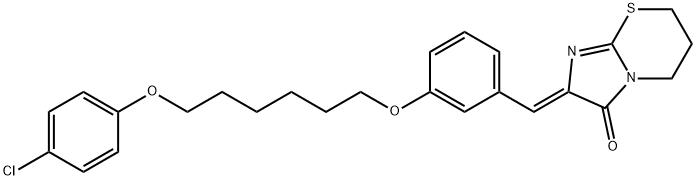
| DC74133 | PSB-CB-27 Featured |
PSB-CB-27 is a potent, selective antagonist of GPR18 with IC50 of 650 nM, shows no inhibition on GPR55 and low affinity for CB1/CB2 receptors.
More description
|
|
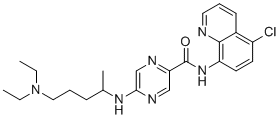
| DC73504 | JR1-157 Featured |
JR1-157 is a potent selective sigma 2 receptor (σ2R) ligand with Ki value of 47 nM, >10-fold selectivity over σ1R.
More description
|
|
| DC66590 | 3-Pyrrolidinol, 5-[(3aS,4S,6S,7aR)-hexahydro-3a,5,5-trimethyl-4,6-methano-1,3,2-benzodioxaborol-2-yl]-, hydrochloride (1:1), (3S,5R)- Featured |

|
|
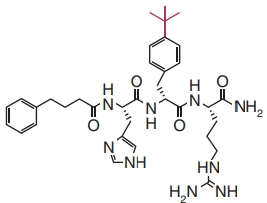
| DC66593 | HP-NH2 Featured |
|
|
| DC74438 | NRPa-308 Featured |
NRPa-308 is a neuropilin-1 (NRP-1) antagonist, inhibits the VEGF-A165/NRP-1 binding with IC50 of 42 uM, exerts in vitro anti-angiogenic activity.
More description
|

|
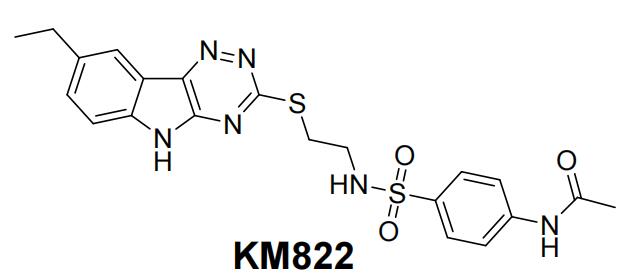
| DC60622 | KM822 Featured |
KM822 is avselective, noncompetitive modulator of human dopamine transporter (DAT) with IC50 3.7 μM, which shows 30 and 50 folds higher than for human norepinephrine transporter (hNET) and human serotonin transporter (SERT), respectively.
More description
|
|
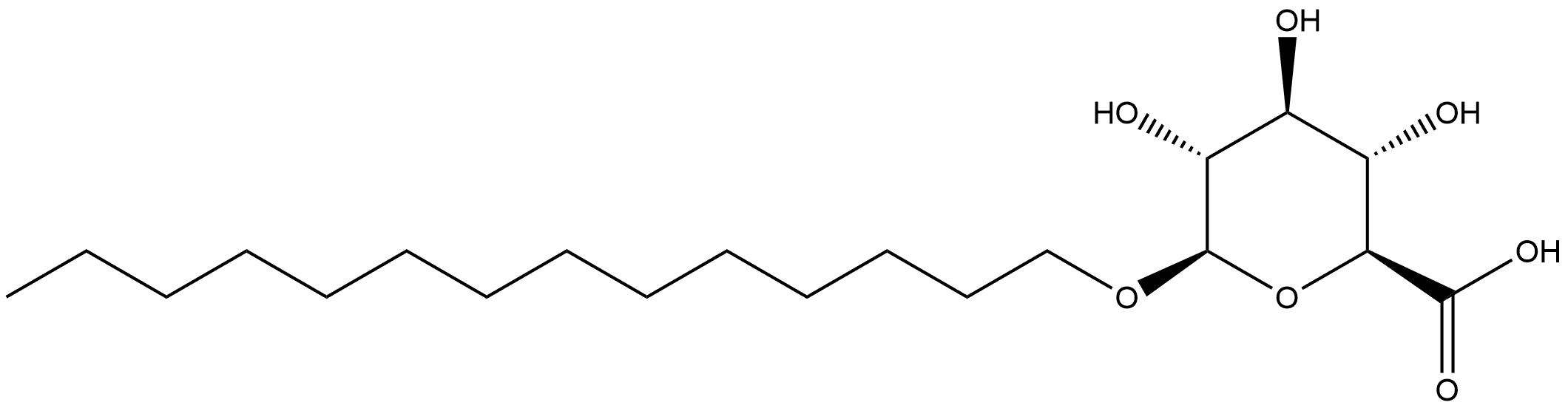
| DC66599 | β-D-Glucopyranosiduronic acid, tetradecyl Featured |
|
|
| DCC3108 | Lk-514 Featured |
Novel selective agonist of the human melanocortin 1 receptor (hMC1R) for sunless tanning and prevention of genotoxicity of UV in melanocytes
More description
|
|
| DC66603 | IWY357 Featured |
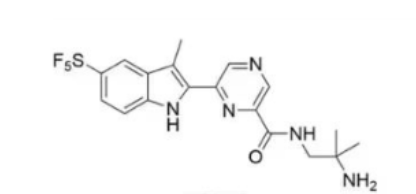
|
|
| DC66607 | BAY2925976 Featured |
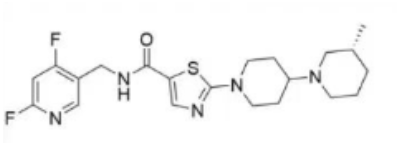
|
|
| DC66604 | EOS-984 Featured |
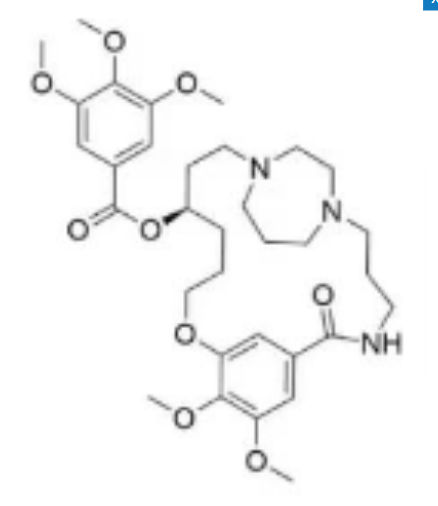
|
|
| DC66610 | Castadifan Featured |
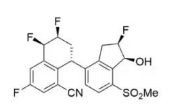
|
|
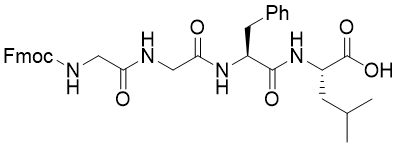
| DC66621 | Fmoc-GGFL-OH Featured |
|
|
| DC74198 | TMX-4102 Featured |
TMX-4102 (TMX4102) is a highly potent, selective PIP4K2C binder with KD of 0.45 nM, shows no affinity for PIP4K2B and PIP4K2A (KD>10 uM).
More description
|
|
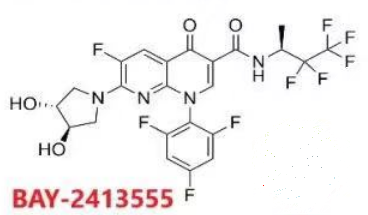
| DC66712 | BAY-2413555 Featured |
|
