Alternate TextTo enhance service speed and avoid tariff delays, we've opened a US warehouse. All US orders ship directly from our US facility.
Home > Products

Products

You can also try the following methods, and our professionals will serve you Customized Consultation
Cat. No. Product Name Field of Application Chemical Structure
DC60605 Lipid 119-23 Featured
Lipid 119-23 is an ionizable lipid for mRNA delivery. 119-23 LNP exhibits an enhanced capability to express functional mCre in several categories of immune cells, spanning the liver, spleen and lung.
More description
DC82102 PPZ-A10 Featured
PPZ-A10 is an ionizable cationic lipid.It has been used in the generation of lipid nanoparticles (LNPs) for the delivery of siRNA and mRNA in vitro and in vivo. Intraperitoneal administration of LNPs containing PPZ-A10 and encapsulating an mRNA reporter preferentially accumulates in hepatic Kupffer cells and splenic macrophages in mice.
More description
DC77133 AMG410 Featured
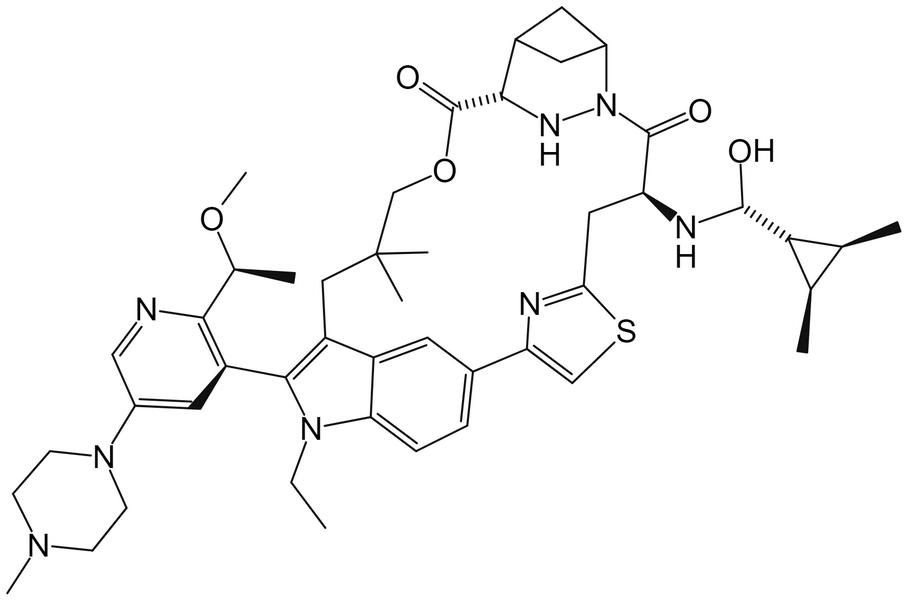
AMG410 is a non-covalent and selective pan-KRAS inhibitor with IC50 values of 1-4 nM for KRAS G12D, KRAS G12V, and KRAS G13D. AMG410 shows greater than 100-fold selectivity against both HRAS and NRAS. AMG410 is a dual GTP(on)- and GDP(off)-state inhibitor (Kd(GDP-state) of 1 nM; Kd(GTP-state) of 22 nM). AMG410 blocks KRAS signaling in a cycling state-independent manner and also blocks proliferation in wildtype KRAS-amplified tumor cells. AMG410 can be used for the study of colorectal, pancreatic, and lung cancers.
More description
DC82105 93-O17O Featured
93-O17O is a chalcogen-containing ionizable cationic lipidoid. It has been used in the generation of lipid nanoparticles (LNPs). LNPs containing 93-O17O localize to the spleen after intravenous injection into mice.LNPs containing 93-O17O have been used for the delivery of Cre recombinase and ribonucleoproteins for genome editing in mice and for the intratumoral delivery of cGAMP to enhance cross-presentation of tumor antigens.
More description
DC66219 Lipid 88 Featured
Lipid88​​ is a high-performance, novel ionizable lipid component engineered for advanced mRNA-LNP vaccine delivery. LNP88 formulation demonstrates superior biodistribution, achieving >10-fold higher transfection efficiency in spleen and lymph nodes compared to benchmark lipids like ALC-0315 via intramuscular delivery. When encapsulating antigen-encoding mRNA (e.g., optimized mCSA construct), Lipid-88 based LNPs drive robust humoral and cellular immunity, enabling complete protection against challenging SARS-CoV-2 variants (WA1/2020, Omicron BA.1, BQ.1) in preclinical models. Its design prioritizes potent immunogenicity with favorable safety profiles.
More description
DC59010 C14-4 Featured
C14-4 (C14-494,Lipid B-4,Lipid B4) is a novel ionizable lipid with the highest T-cell transfection efficiency and low cytotoxicity.The C14-4 ionizable lipid has been explored for CAR-T therapy.To screen the excellent formulations for mRNA delivery, a lipid library of 24 ionizable lipids was constructed to make iLNPs, which were used to deliver luciferase mRNA into Jurkat cells.[115] The optimal iLNPs formulation was C14-4 iLNPs (C14-4 ionizable lipid, DOPE, chol, and PEG at a molar ratio of 35%, 16%, 46.5%, and 2.5%) (Figure 6c). The optimal dose of luciferase mRNA for C14-4 iLNPs was 30 ng. Compared with electroporated CAR T cells, the CAR T cells engineered via C14-4 iLNPs showed potent cancer-killing activity when they were cocultured with Nalm-6 acute lymphoblastic leukemia cells. To obtain a safer and more effective CAR mRNA delivery vehicle, the orthogonal design provided 256 potential formulations, and 16 representative iLNPs formulations were evaluated.Through evaluating the safety, delivery efficiency, and transfection efficiency of 16 iLNPs, the formulation B10 (C14-4 ionizable lipid, DOPE, chol, PEG at a molar ratio of 40%, 30%, 25%, and 2.5%) was screened out as the optimal performing formulation. The luciferase expression based on B10 formulation was increased threefold than the initial formulation. Reducing the accumulation and clearance of iLNPs in the liver can increase the expression of CAR mRNA in T cells, further improving the therapeutic effect of CAR-T. Studies have shown that cholesterol analogs can alter the mechanisms of intracellular circulation and enhance the delivery of mRNA, which may be related to the reduced recognition of iLNPs by the Niemann Pick C1 (NPC1) enzyme.The addition of a hydroxyl group to various locations in the cholesterol molecule can alter the binding kinetics between the modified cholesterol and NPC1, and reduced NPC1 recognition of cholesterol. The results showed that replacement of 25% and 50% 7 α-hydroxycholesterol for cholesterol in iLNPs improved mRNA delivery to primary human T cells in vitro by 1.8-fold and twofold, respectively.C14-4 is one of the ionizable lipids to efficiently deliver mRNA to Jurkat cells or primary human T cells. It will effectively promote the development of mRNA delivery by iLNPs for CAR-T therapy.
More description
DC60808 503O8,12 Featured
503O8,12​​ is an ionizable lipidoid synthesized via Michael addition, combining a hydrophilic amine headgroup ("503" series) with two hydrophobic branched acrylate tails (C8 and C12 chains, likely with unsaturated bonds). Its design emphasizes organ-specific delivery, exhibiting ​​spleen-tropic targeting​​ in vivo.
More description
DC67120 YSK12-C4 (YSK12-MEND) Featured
YSK 12C4 is an ionizable cationic lipid primarily used to enhance siRNA cellular delivery via multifunctional envelope-type nanodevices (MEND). YSK 12C4 promotes siRNA uptake and endosomal escape, effectively silencing genes in human immune cell lines.
More description
DC60503 C12-A1 Featured
Lipid C12-A1 is an ionizable lipid. C12-A1-LPN is a potent and safe LNP platform to deliver Foxp3 mRNA to CD4+ T cells to engineer immunosuppressive FP3T cells. C12-A1 has a slightly lower average cell viability than C14-A1.
More description
DC60499 C14-A1 Featured
Lipid C14-A1 is an ionizable lipid. C14-A1-LPN is a potent and safe LNP platform to deliver Foxp3 mRNA to CD4+ T cells to engineer immunosuppressive FP3T cells.
More description
DC60495 9322-O16B Featured
9322-O16B is a lipidoid for the efficient delivery of antiCD19 mRNA CAR to murine primary macrophages. LNP 9322-O16B is more efficient than delivery with lipofectamine 2000 (LPF2K) or MC3.
More description
DC80065 113-O12B Featured
113-O12B is a disulfide bond-containing ionizable cationic lipidoid. 113-O12B LNP, an LN-targeting LNP delivery system, is developed for a mRNA cancer vaccine. The 113-O12B/mRNA shows enhanced expression in APCs compared with ALC-0315/mRNA, indicating the LN-specific targeting ability.
More description
DC86601 Lipid 8 Featured
Lipid 8 iLNPs were used to deliver CRISPR-Cas9 mRNA and sgRNA which targeted to the PLK1 gene. The safety and excellent intracerebral diffusion performance of lipid 8 iLNPs ensured that the survival of murine glioblastoma multiforme (GBM) mice was extended. The median survival was extended by approximately 50% and the overall survival was increased by 30%. The treatment of metastatic adenocarcinoma was executed by the EGFRtargeted lipid 8 iLNPs. These iLNPs possessed the ability of tumor targeting, which could increase the accumulation of CRISPR-Cas9 mRNA and sgRNA within the tumor cells. After a single intraperitoneal administration, 80% PLK1 gene was edited and the overall survival of mice with high-grade ovarian cancer malignant ascites was enhanced by 80% . These results demonstrate the clinical potential of CRISPR-Cas9 gene editing system can be delivered by iLNPs for treating tumors, and provide new ideas for tumor gene therapy.
More description
DC67521 Lipid TD5 Featured
TD5 is a brain-targeting lipid nanoparticle (BLNP) engineered for efficient mRNA delivery to the central nervous system (CNS) via intrathecal injection. It incorporates a tryptamine-derived ionizable lipid headgroup, myristic acid hydrocarbon tails, and a biodegradable carbonate ester linker, enabling pH-dependent mRNA encapsulation (81.7% efficiency) and brain cell-specific targeting. With a hydrodynamic diameter of 107.5 nm, near-neutral pKa (7.30), and mild positive charge, TD 5 demonstrates superior CNS tropism through serotonin receptor (5-HT1A)-mediated endocytosis. In vitro, TD-5 achieved 80.8% GFP expression in SH-SY5Y neuronal cells, outperforming MC3 LNPs by 50-fold. Following intrathecal administration in mice, TD-5 mediated GFP expression in 29.6% of neurons and 38.1% of astrocytes brain-wide, with 10-fold higher CNS specificity than peripheral organs. Genome editing studies showed TD5-delivered Cas9/sgRNA induced tdTomato activation in ≈30% of neurons and 40% of astrocytes across key brain regions. Safety profiling revealed minimal systemic immune responses (lower IL-6, IL-12p40 vs MC3 LNPs), normal hepatic/renal biomarkers, and no histopathological toxicity. The optimized structure balances myristic chain hydrophobicity for membrane interaction, ionizable amines for mRNA complexation, and tryptamine-mediated targeting for enhanced CNS uptake, establishing TD5 as a promising platform for CNS gene therapies.
More description
DC67295 Lipid MK16 Featured
MK-16 is a specialized lipid designed to traverse the blood-brain barrier (BBB) for effective mRNA delivery. Its formulation, MK 16 BLNP, leverages dual mechanisms involving caveolae and γ-secretase to facilitate BBB penetration, ensuring the targeted and efficient transport of functional mRNA to diverse brain cell types. Demonstrating excellent tolerability across a range of dosing regimens, MK16 BLNP represents a promising platform for brain-targeted therapeutic applications.
More description
DC65725 POPC Featured
1-Palmitoyl-2-oleoyl-sn-glycero-3-PC (POPC), a phospholipid, is a major component of biological membranes. 1-Palmitoyl-2-oleoyl-sn-glycero-3-PC is used for the preparation of liposomes and studying the properties of lipid bilayers.
More description
DC60212 NT1-O14B Featured
NT1-O14B is a tryptamine-containing cationic lipidoid.1 It has been used in combination with other lipids in the formation of lipid nanoparticles (LNPs). Intravenous administration of LNPs containing NT1-O14B and encapsulating antisense nucleotides against tau decreases tau brain levels in mice.
More description
DC41043 NT1-O12B Featured
NT1-O12B, an endogenous chemical and a neurotransmitter-derived lipidoid (NT-lipidoid), is an effective carrier for enhanced brain delivery of several blood-brain barrier (BBB)-impermeable cargos. Doping NT1-O12B into BBB-impermeable lipid nanoparticles (LNPs) gives the LNPs the ability to cross the BBB. NT-lipidoids formulation not only facilitate cargo crossing of the BBB, but also delivery of the cargo into neuronal cells for functional gene silencing or gene recombination.
More description
DC60706 FO-35 Featured
FO35 is an artificial intelligence-guided designed ionizable lipid for RNA delivery to the muscle, lung and nose. FO-35 LNPs enable potent transfection throughout the whole ferret lung epithelium, from trachea to alveoli.
More description
DC60705 FO-32 Featured
FO-32 is an artificial intelligence-guided designed ionizable lipid for RNA delivery to the muscle, lung and nose. FO-32 LNPs enable potent transfection throughout the whole ferret lung epithelium, from trachea to alveoli.
More description
DC65327 306-N16B Featured
306-N16B is a lipidnanoparticle, and allows systemic codelivery of Cas9 mRNA and sgRNA. 306-N16B can transport mRNA to the pulmonaryendothelial cell. 306-N16B can be used for research of genome editing-based therapies. Based on the same lipid libraries with 306-O12B, the researchers also found that N-series ionizable lipids were able to selectively deliver mRNA to the lungs of mice. Compared with the liver-targeted O-series ionizable lipids which contained ester bond in lipid tail found in previous work, such as 306-O12B, the N-series ionizable lipids with the lipid tail containing amide bond prefer to deliver mRNA to the lung. As a N-series ionizable lipid, the chemical structure of the 306-N16B is shown in Figure 4a,b. The difference of organ targeting may be due to their adsorption of different protein coronas during blood circulation caused by their different structures mentioned earlier.It has shown that the second major protein of the protein corona adsorbed by liver-targeting 306-O12B iLNPs was apolipoprotein E (ApoE), while the three dominant proteins in the protein corona adsorbed by lung-targeting 306-N16B iLNPs were serum albumin, fibrinogen beta chain, and fibrinogen gamma chain. However, the 306-N16B iLNPs showed less organ selectivity when systematically codelivered Cas9 mRNA and sgRNA in vivo, which could simultaneously activate tdTomato expression in the liver and lung of Ai14 mice, whereas single mRNA delivery could almost exclusively deliver mRNA to the lungs. This surprising phenomenon requires further investigation. Both the change of iLNPs charge and the change of lipids functional group can influence the distribution of iLNPs in vivo due to the altering of protein corona composition. Therefore, it is possible to control the organ targeting of iLNPs by controlling the composition of the outer protein corona of iLNPs.
More description
DC67525 Hopewell Lipid 649 Featured
L649 is a next-generation, lung-targeting ionizable lipid specifically designed for systemic mRNA delivery developed by Hopewell. Belonging to the novel "N-series" lipid class, it features a unique structure with an amine-containing head group and hydrophobic tails incorporating amide bonds. This design enables L649 to form highly stable lipid nanoparticles (LNPs) that exhibit exceptional tropism for the lower respiratory tract (lungs, bronchi, trachea) following intravenous administration. It demonstrates superior efficiency in delivering therapeutic payloads (like mRNA) specifically to key lung cell types, including alveolar epithelial cells (AT1 and AT2) and bronchial cells, while minimizing off-target accumulation in organs like the liver. L649-based LNPs, particularly when formulated with helper lipids like POPE, combine high potency with significantly improved tolerability, allowing for effective dosing in vivo. This makes L649 a promising candidate for developing treatments for various lung diseases such as pulmonary fibrosis, COPD, lung cancer, and infectious diseases like COVID-19.​
More description
DC67315 Lipid AA15
The AA15 lipid, an amino acid-derived ionizable lipid, integrates a carboxylic acid-containing headgroup and biodegradable branched ester tails (R2) to enhance mRNA delivery. Optimized as AA15V LNP, it exhibits a hydrodynamic diameter of 102.3 ± 4.1 nm, low polydispersity (PDI <0.15), and slightly positive zeta potential (+4–6 mV), enabling efficient tumor-targeted delivery. With a pKa ~6.1–6.4, AA15V ensures protonation in acidic endosomes, promoting mRNA release. It achieves >85% mRNA encapsulation efficiency, critical for stable saRNA delivery. In vitro, AA15V LNP-sSE-SCTs induced sustained SE-SCT expression (69% H-2Kb+β2m+ B16F10 cells at 72 h), outperforming mRNA formulations. In vivo, a single intratumoral dose of AA15V LNP-sSE-SCTs suppressed tumor growth by 22-fold in vaccinated mice, synergizing with checkpoint inhibitors (anti-PD-1/CTLA-4) for complete regression in 28.6% of lymphoma models. Ex vivo, AA15V enabled SE-SCT expression in human glioblastoma (7.1% CD45− cells) and lung cancer samples (5.8–8.7%), underscoring clinical potential. Key data: pKa ~6.3; encapsulation: 85–89%; zeta: +4–6 mV; size: 102.3 ± 4.1 nm. 
More description
DC67450 A28-C6B2
A28-C6B2 is an ionizable lipid (pKa 6.43) designed for mRNA encapsulation in lipid nanoparticles (LNPs). Following intravenous injection in mice, these LNPs exhibit spleen-selective accumulation, particularly localizing in F4/80+ macrophages and CD11c+ dendritic cells, with moderate uptake by T lymphocytes.
More description
DC60828 YK-TLR-001 Featured
YK-TLR-001 is a cyclic acetal-based ionizable lipid for mRNA delivery. YK-TLR-001 LNPs are demonstrated to enhance mRNA expression in the spleens and to induce exceptional maturation of antigen-presenting cells (APCs) and to promote antigen presentation.
More description
DC67568 ORNA Lipid AX-6 Featured
AX6​​ is an ionizable lipid in the ​​F32 LNP​​ formulation, engineered by ReNAgade/Orna Therapeutics for targeted mRNA delivery to T cells. AX-6's unique ​​bridged bicyclic/polycyclic core​​ with a ​​tertiary amine group​​ enables pH-dependent protonation and endosomal escape, while ​​C14-C18 hydrophobic tails​​ (optionally branched/fluorinated) enhance bilayer stability and mRNA encapsulation. Demonstrating ​​exceptional T-cell tropism​​, AX6 achieves high transfection efficiency in CD4+/CD8+ T cells (validated in NHP/humanized models) with minimal toxicity. Compared to clinical benchmarks (SM-102, ALC-0315), its rigid core offers superior ​​serum stability​​ and ​​immune-cell specificity​​, positioning it as an ideal candidate for ​​CAR-T/NK therapies​​ and ​​next-gen vaccines​​. The F32 LNP system's proven efficacy (e.g., in vivo B-cell depletion) underscores AX 6's transformative potential for ​​cell engineering​​ and ​​immunotherapies​​.
More description
DC67601 Sanofi Lipid 15 Featured
Sanofi Lipid 15 is a highly efficient ionizable cationic lipid for T-cell transfection. Its unique structure enables superior mRNA delivery to T cells, with key features including: 1) pH-responsive ionization (pKa ~6.5-7.2) for optimal endosomal escape, 2) biodegradable ester linkages for reduced toxicity, and 3) optimized hydrophobic tails for membrane fusion. When formulated in LNPs with CD3/CD8-targeting antibodies, Lipid 15 achieves >50% transfection efficiency in primary human T cells, with 2-3× higher GFP expression than DLin-KC3-DMA controls. The LNPs maintain stable particle size (~100nm) after freeze-thaw cycles and show minimal off-target effects (<5% non-T cell transfection). This performance makes Lipid 15 ideal for CAR-T and TCR engineering applications.
More description
DC60711 CL15F 9-5 Featured
CL15F 9-5, a piperidine-based ionizable lipid, exhibits favorable properties for mRNA delivery in lipid nanoparticles (LNPs). Its apparent pKa ranges between 6.24–7.15, ideal for mRNA encapsulation and endosomal escape. LNPs formulated with CL15F 9-5 (50:38.5:10:1.5 molar ratio of ionizable lipid:cholesterol:DSPC:DMG-PEG2k) demonstrated high mRNA encapsulation efficiency (>90%) and maintained physicochemical stability (size, PDI, zeta potential) during storage at 4°C for 5 months . In vitro, CL15F 9-5 LNPs showed superior luciferase expression in HEK-293T cells compared to CL4F-based LNPs. In vivo, liver-targeted LNPs delivered hEPO mRNA effectively, with sustained serum hEPO levels post-storage. Intravenous administration of FLuc mRNA-loaded CL15F 9-5 LNPs yielded strong hepatic bioluminescence, confirming liver tropism. As a vaccine candidate, CL15F 9-5 induced robust antigen-specific cellular immunity in mice, with a 14-fold increase in IFN-γ spots compared to SM-102. Its enhanced stability is attributed to reduced aldehyde impurities, minimizing mRNA-lipid adduct formation.
More description
DC60840 Lipid F10T5 Featured
F10T5 is a tetrahedral tetrahydrofuran (THF)-derived lipid nanoparticle (LNP) engineered with four acid-labile acetal tails, designed for efficient mRNA delivery to the central nervous system. This lipid features a mono-THF core conjugated with branched hydrophobic chains that balance lipophilicity (LogD ≈11) and endosomal escape capability. Preclinical studies demonstrated F10T5 LNPs bypass the blood-brain barrier via meningeal lymphatic vessels (MLVs) after subcutaneous neck injection, showing 40-fold higher brain luciferase expression than FDA-approved SM102 LNPs. Cryo-EM revealed spherical nanoparticles (~170 nm diameter) with 91.9% mRNA encapsulation. In Neuro-2a cells, F10T5 exhibited superior cytoplasmic mRNA release through enhanced endosomal membrane disruption, evidenced by diffuse calcein fluorescence. Flow cytometry confirmed neuron-predicted delivery (8.8% GFP+ neurons vs 1.28% with SM102) in mice, with functional validation in Ai14 transgenic models where Cre mRNA-loaded F10T5 induced tdTomato expression in neurons and glial cells. Safety assessments showed normal hepatic/renal biomarkers and no histopathological abnormalities. The THF core and acetal tail design synergistically optimize lymphatic trafficking, brain penetration, and biodegradability, positioning F10T5 as a transformative platform for mRNA-based therapies targeting neurodegenerative diseases.
More description
DC89101 C12-4 (Lipid A-4) Featured
C12-4 (C12-494,Lipid A-4) is a branched-chain ionizable cationic lipidoid that has been used in the formation of lipid nanoparticles (LNPs) for the delivery of mRNA. LNPs containing lipid A4 and encapsulating an mRNA reporter accumulate in the uterus, placenta, and ovaries, as well as to the spleen and liver, in pregnant mouse dams unlike LNPs containing the branched-chain ionizable cationic lipidoid C12-200, which primarily accumulate in the liver. Intravenous administration of LNPs containing lipid A4 and encapsulating mRNA encoding VEGF increase placental VEGFR1 levels and mean fetal blood vessel area without inducing liver damage in pregnant mouse dams.
More description

Customized Consultation X

Your information is safe with us. * Required Fields.

Your name
Company
Email
Procuct Name
Cat. No.
Remark
Verification code
Please fill out the characters in the picture
X