 To enhance service speed and avoid tariff delays, we've opened a US warehouse. All US orders ship directly from our US facility.
| Cat. No. | Product Name | Field of Application | Chemical Structure |
|---|---|---|---|
| DC60840 | Lipid F10T5 Featured |
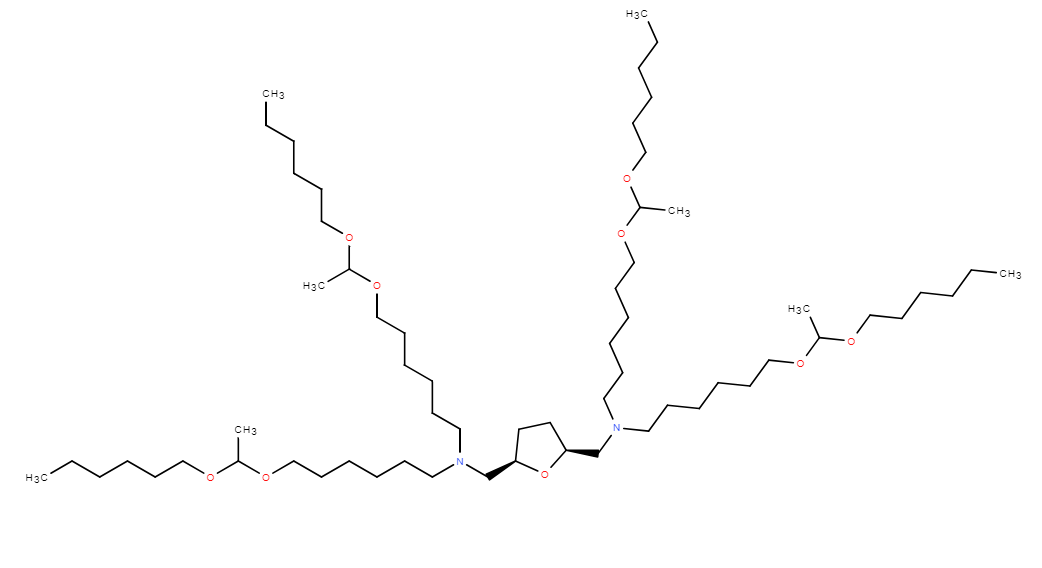
F10T5 is a tetrahedral tetrahydrofuran (THF)-derived lipid nanoparticle (LNP) engineered with four acid-labile acetal tails, designed for efficient mRNA delivery to the central nervous system. This lipid features a mono-THF core conjugated with branched hydrophobic chains that balance lipophilicity (LogD ≈11) and endosomal escape capability. Preclinical studies demonstrated F10T5 LNPs bypass the blood-brain barrier via meningeal lymphatic vessels (MLVs) after subcutaneous neck injection, showing 40-fold higher brain luciferase expression than FDA-approved SM102 LNPs. Cryo-EM revealed spherical nanoparticles (~170 nm diameter) with 91.9% mRNA encapsulation. In Neuro-2a cells, F10T5 exhibited superior cytoplasmic mRNA release through enhanced endosomal membrane disruption, evidenced by diffuse calcein fluorescence. Flow cytometry confirmed neuron-predicted delivery (8.8% GFP+ neurons vs 1.28% with SM102) in mice, with functional validation in Ai14 transgenic models where Cre mRNA-loaded F10T5 induced tdTomato expression in neurons and glial cells. Safety assessments showed normal hepatic/renal biomarkers and no histopathological abnormalities. The THF core and acetal tail design synergistically optimize lymphatic trafficking, brain penetration, and biodegradability, positioning F10T5 as a transformative platform for mRNA-based therapies targeting neurodegenerative diseases.
More description
|
|
| DC67555 | Sail Lipid 2231 Featured |
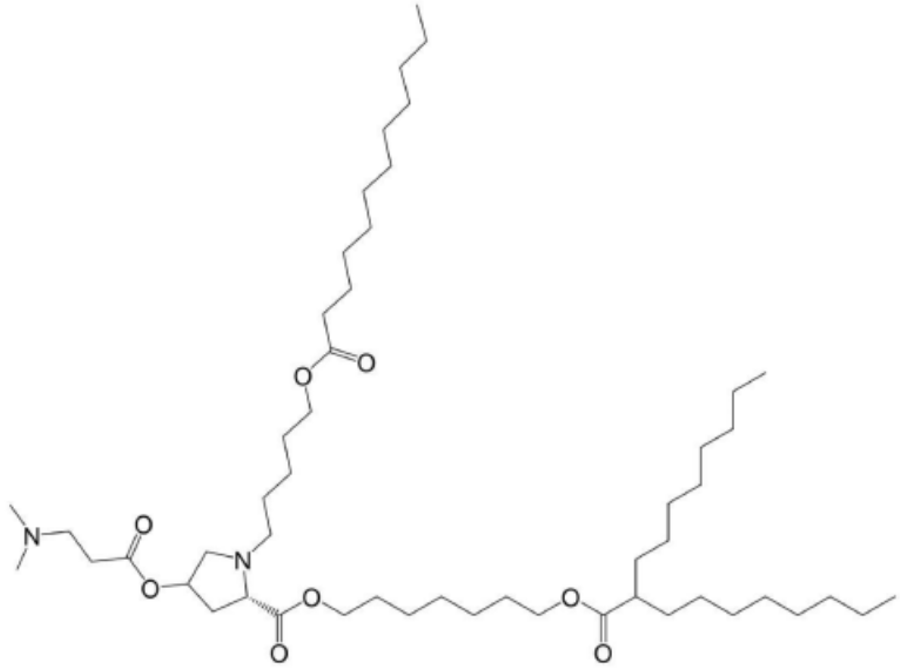
Sail Lipid 2231 is a novel ionizable lipid targeting to spleen developed by Sai Biomedicine.As described on US20250205167A1 Lipid 2231 features a pyrrolidine core (5-membered ring) with biodegradable ester linkages and asymmetric C17/C11 hydrophobic chains. In vivo data shows moderate spleen targeting (Spleen RLU: 3.8E+06) with a spleen-to-liver ratio of 12.767.
More description
|

|
| DC60510 | Iso-A11B5C1 Featured |
Iso-A11B5C1 is an ionizable lipid. The iso-A11B5C1 LNP demonstrates a high level of muscle-specific mRNA delivery efficiency. exhibiting transfection efficiency comparable to the commercially available lipid SM-102, while considerably reducing inadvertent mRNA expression in main organs such as the liver and spleen.Additionally, study results show that intramuscular administration of mRNA formulated with iso-A11B5C1 LNP caused potent cellular immune responses, even with limited expression observed in lymph nodes.
More description
|

|
| DC60211 | TCL053 Featured |
TCL053 is an ionizable amino lipid.1 It has been used in the generation of lipid nanoparticles (LNPs) and has a pKa value of 6.8. LNPs containing TCL053 and encapsulating mRNA encoding the Cas9 nuclease, in combination with LNPs containing TCL053 and encapsulating single-guide RNA (sgRNA) targeting the Rosa26 locus, have been used to induce CRISPR-mediated gene editing in the mouse gastrocnemius muscle.TCL053 is an ionizable lipid that has received FDA approval
for preparing mRNA vaccines. It is a three-tailed ionizable lipid
to overcome the disadvantage of nonrepeatable administration of
AAV vectors. In addition, combined with limb perfusion administration,
TCL053 iLNPs could transiently deliver CRISPR-Cas9
mRNA and sgRNA to multiple muscle tissues, reducing
immunogenicity and increasing the safety of iLNPs. It is
great progress for treating Duchenne muscular dystrophy and
other diseases that require multiple doses.
More description
|

|
| DC86120 | EA-PIP(LIPID 10) Featured |
Lipid 10 is a novel ionizable cationic lipid be used for delivery of therapeutic RNA to the Bone Marrow in Multiple Myeloma Using CD38-Targeted with Lipid 10-LNP.
More description
|

|
| DC49952 | 246C10 Featured |
246C10 is a synthesized ionizable lipid. 246C10 can be formulated into lipid nanoparticles (LNPs) with dioleoylphosphatidylethanolamine (DOPE), cholesterol, and C16-PEG2000 ceramide (PEG-lipid) as well as mRNA. The lipid nanoparticle formulations can be used for mRNA delivery. To obtain iLNPs that could specifically target liver sinusoidal
endothelial cells (LSECs), six different ionizable lipids (241C10
to 246C10) were synthesized by an epoxide ring-opening
reaction with piperazine- or piperidine-containing amines.
Biodistribution and gene regulation of various iLNPs were
assessed in vivo, and the results showed that the 246C10
iLNPs (containing piperazine amine) had the highest luciferase
expression in the liver. When further analyzing the
246C10 iLNPs transfection efficiency in different types of liver
cells, it was found that tdTomato fluorescence was mainly concentrated
in hepatocytes, not in LSECs. Figure 6f shows that 80%
of hepatocytes are fluorescent, 40% of LSECs are fluorescent, and
20% of Kupffer cells are fluorescent. Due to the mannose receptor
on LSECs, mannose-PEG lipid was introduced into 246C10
iLNPs to alter the distribution of iLNPs in different liver cells. As
shown in Figure 6g, tdTomato fluorescence distribution was 15%
of hepatocytes, 70% of LSECs, and 15% of Kupffer cells, significantly
improved the ability of iLNPs to actively target LSECs.
In contrast, this work indirectly shows that the iLNPs with piperazine
head lipid are more able to deliver mRNA to the liver and
translate the target protein than the iLNPs with piperidine
head lipid. It is worth mentioning that the preparation buffer of 246C10
iLNPs could influence the encapsulation efficiency of mRNA.
With the addition of sodium chloride in the citrate buffer, the
encapsulation efficiency of CRISPR-Cas9 mRNA and sgRNA
was increased. These iLNPs were able to treat hemophilia safely,
without causing hepatotoxicity, the immune response induced by
Cas9 and off-target editing.
More description
|

|
| DC70010 | 98N12-5 Featured |
98N12-5 is an ionizable cationic lipid. It has been used in combination with other lipids in the generation of lipid nanoparticles (LNPs). LNPs containing 98N12-5 and encapsulating proprotein convertase subtilisin kexin type 9 (PCSK9) siRNA selectively accumulate in the liver and reduce total serum cholesterol levels in mice and rats and serum LDL levels in cynomolgus monkeys.
More description
|

|
| DC82209 | ORNA Lipid 10a-26 (TFA salt) Featured |
Lipid 10a-26 is an ionizable lipid developed by Orna Therapeutics for lipid nanoparticle (LNP) formulations. Lipid 10a-26 is a key ionizable lipid in the LNP-6 formulation. Through structural modification, it exhibits reduced binding to ApoE proteins and lowered liver affinity compared to traditional ionizable lipids. Instead, Lipid 10a-26 demonstrates strong splenic tropism—in non-human primate studies, it effectively delivers payloads to the spleen and immune cells in peripheral blood, such as T cells, NK cells, and macrophages, enabling the possibility of "in vivo CAR-T" therapy. Its pKa is tuned to approximately 6.0–6.5, allowing rapid protonation in the acidic endosomal environment, which promotes endosomal membrane disruption and efficient cytosolic release of circular RNA.
More description
|
|
| DC60928 | Lipid 2306 Featured |
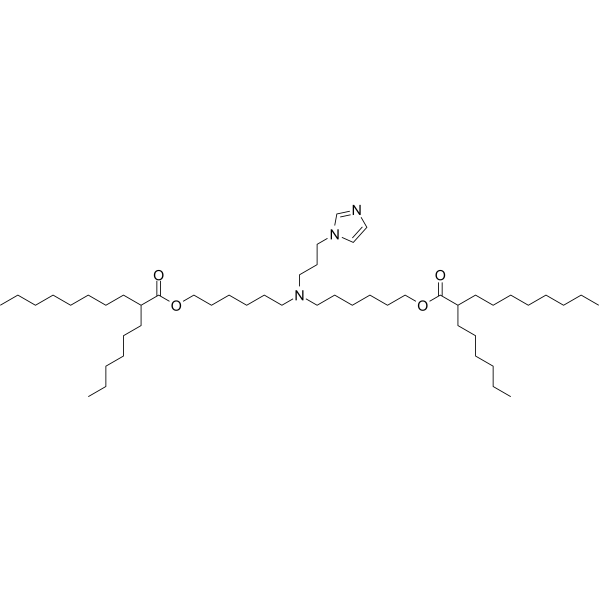
Lipid 2306 is a novel ionizable lipid developed by Sail Biomedicine demonstrates excellent performance with a spleen-to-liver ratio of 3.68 and a very high total expression level of 2.5E+07. Lipid 2306 offers a strong balance of efficient systemic protein production and clear preferential delivery to the spleen.
More description
|
|
| DC60929 | Lipid 2310 Featured |
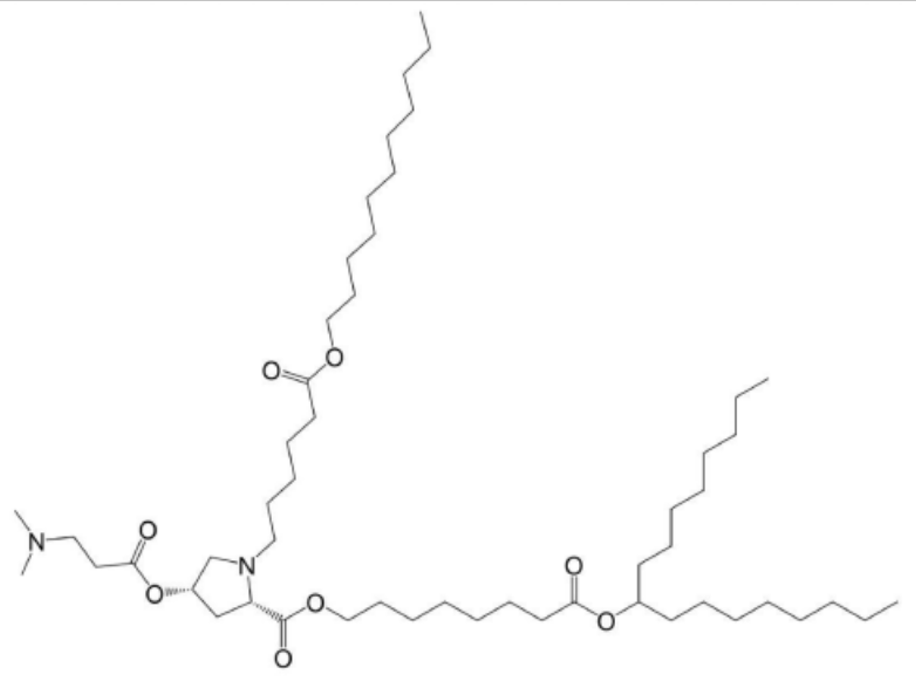
Lipid 2310 is a novel ionizable lipid developed by Sail Biomedicine demonstrates excellent performance with a spleen-to-liver ratio of 5.58 and a very high total expression level of 1.3E+07. Lipid 2310 offers a strong balance of efficient systemic protein production and clear preferential delivery to the spleen.
More description
|
|
| DC60927 | Lipid 2298 Featured |
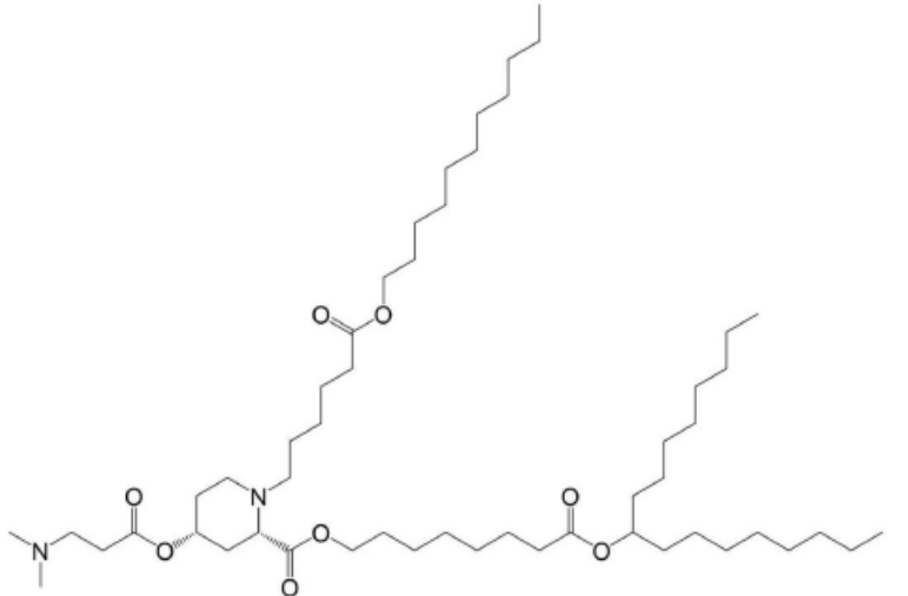
Lipid 2298 is a novel ionizable lipid developed by Sai Biomedicine demonstrates excellent performance with a spleen-to-liver ratio of 3.448 and a very high total expression level of 2.4E+07. Lipid 2298 offers a strong balance of efficient systemic protein production and clear preferential delivery to the spleen.
More description
|
|
| DC60910 | CL15F 7-5 Featured |
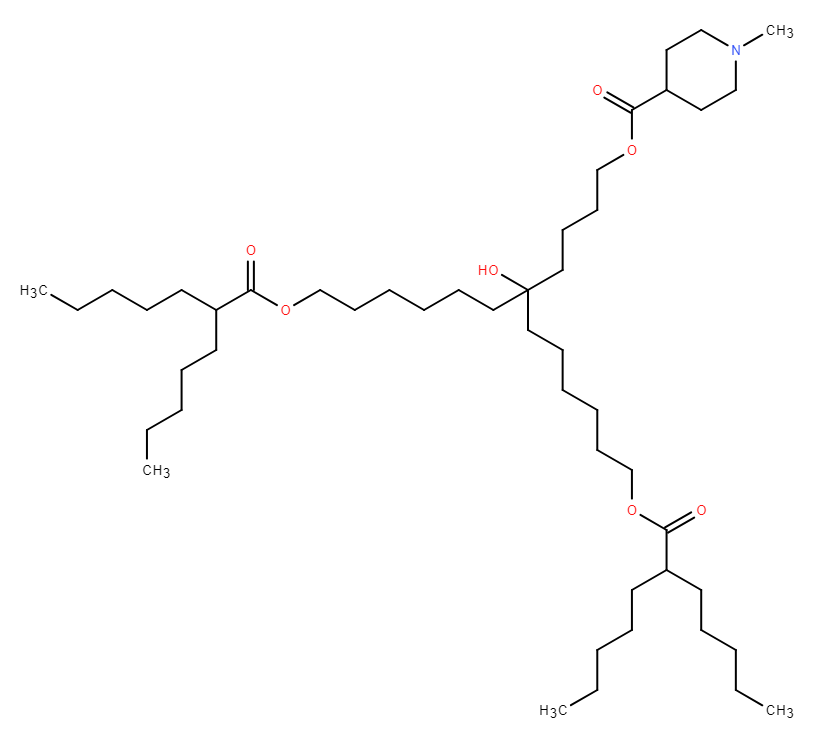
CL15F 7-5 is a piperidine-based ionizable lipid from the CL15F library, characterized by a symmetrically branched tail structure with a 7-carbon main chain and a 5-carbon side chain. This moderate tail length positions it between short-tail (e.g., CL15F 6-4) and long-tail (e.g., CL15F 14-12) variants, granting it a unique balance in mRNA delivery properties. Its LNPs exhibit optimized organ selectivity, enabling significant mRNA expression in both the spleen and muscle, as demonstrated by in vivo luciferase assays following intravenous and intramuscular administration. This lipid structure facilitates a favorable DSPC surface density on LNPs, which moderates interactions with serum proteins like ApoE, thereby reducing rapid hepatic clearance and promoting extrahepatic delivery. In vaccine applications, CL15F 7-5 LNPs encapsulating SARS-CoV-2 RBD mRNA elicited robust anti-RBD IgG titers and neutralizing antibodies in mice, outperforming the clinically benchmarked SM-102 lipid. The piperidine headgroup further contributes to storage stability by minimizing the generation of aldehyde impurities that can form mRNA-lipid adducts. Consequently, CL15F 7-5 represents a versatile lipid for developing stable, spleen-targeted mRNA vaccines and therapeutics, leveraging tail-length engineering for enhanced efficacy without complex formulation changes.
More description
|
|
| DC99010 | Capstan lipid CICL-1(L829) Featured |
CICL1 (L829) is a novel ionizable cationic lipid specifically engineered for targeted lipid nanoparticles (tLNPs) that enables efficient in vivo delivery of mRNA payloads to CD8+ T cells. Designed to overcome limitations of conventional LNPs, CICL-1 (L-829)significantly reduces off-target delivery to the liver and exhibits rapid clearance compared to benchmark lipids like ALC-0315, while demonstrating enhanced biodegradability and tolerability in rodent and primate models. When incorporated into CD8-targeted tLNPs, CICL 1 (L829 enables preferential transfection of CD8+ T cells over other immune subsets, facilitating the generation of functional anti-CD19 or anti-CD20 CAR T cells directly *in vivo*. These tLNP-engineered CAR T cells mediate rapid, deep B-cell depletion in humanized mice and cynomolgus monkeys, with repopulating B cells exhibiting a naïve phenotype suggestive of immune reset. By eliminating the need for ex vivo manufacturing or lymphodepleting chemotherapy, the L829-tLNP platform represents a safer, scalable approach for accessible CAR T therapy in oncology and autoimmune diseases.
More description
|

|
| DC60918 | C14-306 Featured |
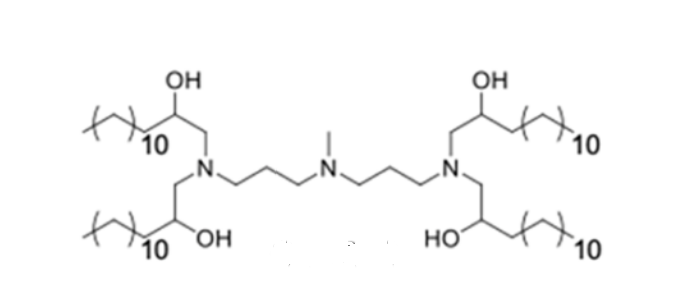
C14-306 is a rationally designed ionizable lipid for brain targeting delivery, characterized by a linear 3,3'-diamino-N-methyldipropylamine (306) core conjugated with tetradecyl (C14) tails. This specific architectural configuration, synthesized via epoxide ring-opening amination, yields a molecular structure that optimally balances hydrophobic character and protonation capacity. The C14 alkyl chains enhance membrane integration and LNP stability, while the multiamine core facilitates efficient mRNA complexation and pH-dependent endosomal disruption. When formulated into LNPs with standard helper lipids (DOPE, cholesterol, DMG-PEG2000), C14-306-based nanoparticles exhibit favorable physicochemical properties, including a monodisperse size distribution near 110 nm and high mRNA encapsulation efficiency (>84%). High-throughput in vivo barcoding screening identified C14-306 LNPs as lead candidates for brain delivery, demonstrating a significant tropism for neuronal cells over liver tissue. In validation studies, LNPs incorporating C14-306 achieved a 6.9-fold increase in luciferase mRNA transfection in the mouse brain compared to the SM-102 benchmark, coupled with a substantial reduction in hepatic off-target expression. Flow cytometry confirmed preferential transfection of NeuN+ neurons, and safety assessments indicated no significant blood-brain barrier compromise or induction of systemic inflammation. The efficacy of C14-306 is attributed to its tailored pKa, promoting extended circulation and enhanced endosomal escape within brain cells. C14-306 represents a promising platform for systemic mRNA therapeutics targeting neurological disorders.
More description
|
|
| DC67568 | ORNA Lipid AX-6 Featured |
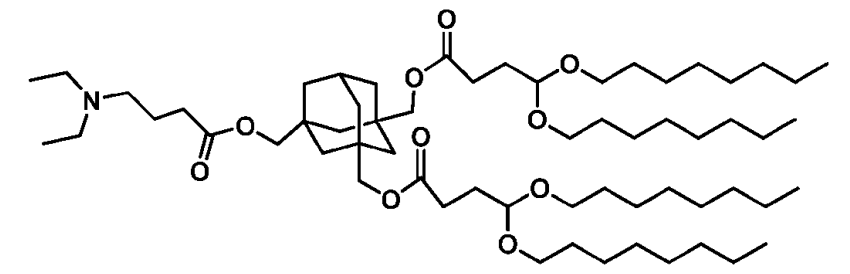
AX6 is an ionizable lipid in the F32 LNP formulation, engineered by ReNAgade/Orna Therapeutics for targeted mRNA delivery to T cells. AX-6's unique bridged bicyclic/polycyclic core with a tertiary amine group enables pH-dependent protonation and endosomal escape, while C14-C18 hydrophobic tails (optionally branched/fluorinated) enhance bilayer stability and mRNA encapsulation. Demonstrating exceptional T-cell tropism, AX6 achieves high transfection efficiency in CD4+/CD8+ T cells (validated in NHP/humanized models) with minimal toxicity. Compared to clinical benchmarks (SM-102, ALC-0315), its rigid core offers superior serum stability and immune-cell specificity, positioning it as an ideal candidate for CAR-T/NK therapies and next-gen vaccines. The F32 LNP system's proven efficacy (e.g., in vivo B-cell depletion) underscores AX 6's transformative potential for cell engineering and immunotherapies.
More description
|
|
| DC60917 | BHD-C2C2-PipZ Featured |
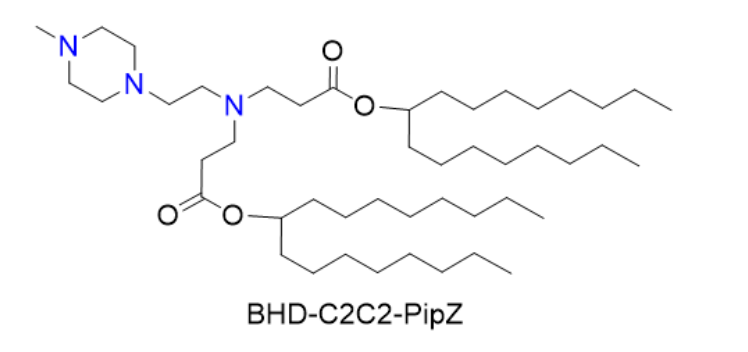
BHD-C2C2-PipZ, as an efficient ionizable cationic lipid, achieves high encapsulation efficiency and controllable release of mRNA through its unique chemical structure. In PEG-free 3P-LNPs, its electrostatic interaction with tripolyphosphate successfully replaces the steric stabilization effect of traditional PEG, offering a new strategy to circumvent PEG immunogenicity. Its hepatic distribution pattern further indicates that LNP design should take into account the heterogeneity of the organ microenvironment.
More description
|
|
| DC60879 | Lipid te AA3-Dlin Featured |
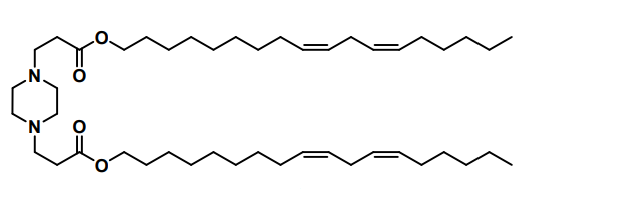
TE AA3-Dlin is an optimized lipid nanoparticle (LNP) carrier designed for mRNA-based cancer immunotherapy, enabling precise in vivo dendritic cell (DC) reprogramming to enhance antitumor immunity. TE AA3-Dlin LNP exhibits superior serum stability, maintaining consistent particle size and low turbidity under physiological conditions, while protecting mRNA from degradation, which is crucial for effective delivery. Functionally, TE AA3-Dlin preferentially targets splenic DCs by leveraging ApoE-enriched protein coronas, facilitating efficient cellular uptake and mRNA expression, as demonstrated by enhanced EGFP signals in DCs.This targeting promotes DC maturation, antigen presentation, and membrane-bound IL-15 expression, activating cytotoxic T lymphocytes (CTLs) for tumor rejection. In models like melanoma and colon carcinoma, it synergizes with checkpoint inhibitors, showing minimal toxicity and robust immunological memory.
More description
|
|
| DC60878 | Lipid A-12 Featured |
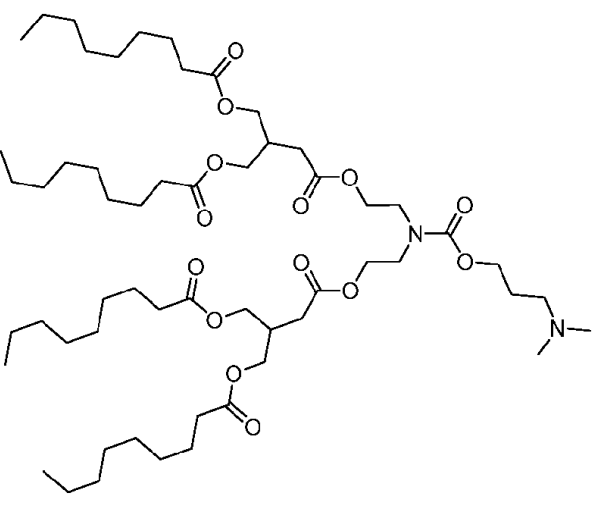
Lipid A-12 is an ionizable cationic lipid from Capstan Therapeutics and a close analog of CICL-1 (L829). The structure was modified by the extension of the headgroup linker from a two-carbon (C2) to a three-carbon (C3) spacer compared to CICL-1 (L829).
More description
|
|
| DC67990 | 4A3-LNSC8 Featured |
4A3-LNSC8 is a strategically designed thiourea-functionalized ionizable lipid that serves as the foundational core for a novel anion-coordination delivery platform. Its structure features a central 4A3 amine headgroup symmetrically extended with four hydrophobic tails, each incorporating a biodegradable ester linkage and a key thiourea-bridged linker. The inclusion of the thiourea group is the pivotal innovation, as it provides specific hydrogen-bonding sites capable of interacting with various halide anions (F⁻, Cl⁻, I⁻). When formulated into lipid nanoparticles (LNPs) without anion coordination, 4A3-LNSC8 itself exhibits a characteristic liver tropism, efficiently delivering mRNA to hepatocytes following systemic administration, with a measured surface pKa of approximately 5.54. However, its primary significance lies in its role as a versatile precursor. The strong anion-binding capability of its thiourea linkers allows for predictable modulation of the LNP's properties. Upon binding with anions like Cl⁻, the resulting complex (e.g., Cl-4A3-LNSC8) undergoes a significant pKa shift, which reprograms the LNP's in vivo fate, redirecting mRNA delivery from the liver to secondary lymphoid organs such as the spleen and lymph nodes. Thus, 4A3-LNSC8 is not merely an efficient ionizable lipid but a programmable scaffold that enables precise control over organ-targeting specificity through simple anion coordination, offering a powerful rational design strategy for advanced mRNA therapeutics.
More description
|

|
| DC67989 | Cl-4A3-LNSC8 Featured |
Cl-4A3-LNSC8 represents a novel class of thiourea-functionalized ionizable lipids engineered for selective organ-targeted mRNA delivery. Its core innovation lies in an anion-coordination strategy, where the parent lipid, 4A3-LNSC8, binds chloride ions (Cl⁻) via hydrogen-bonding interactions with its thiourea groups. This binding event is not merely structural but functionally critical, as it induces a significant shift in the surface pKa of the resulting lipid nanoparticles (LNPs) from approximately 5.54 to 8.79. This pKa modulation is the key mechanism that redirects the organotropism of the LNPs upon systemic administration. While the unmodified 4A3-LNSC8 LNPs preferentially deliver mRNA to the liver, Cl-4A3-LNSC8 LNPs effectivelyreprogram this tropism, enabling highly efficient mRNA delivery to secondary lymphoid organs (SLOs), particularly the spleen and lymph nodes. This platform demonstrates remarkable efficacy, achieving up to 65.7% gene editing efficiency in splenic macrophages in vivo, significantly outperforming benchmark delivery systems. Furthermore, by leveraging the coordination with different halides, such as iodine for computed tomography (CT) contrast, the system can be adapted for dual-modal theranostic applications, enabling simultaneous lymphatic metastasis imaging and therapeutic mRNA delivery.
More description
|

|
| DC67602 | ILB-3132(E12LA6B603) Featured |
E12LA6B603(ILB3132,ILB-3132) is a novel ionizable amino lipid disclosed in patent WO2024198497A1, developed by MagicRNA, representing a highly efficient component for lipid nanoparticle (LNP) delivery systems.When formulated into LNPs, E12LA6B603 LNP achieves a remarkable 98.26% encapsulation efficiency for mRNA. It mediates superior in vitro transfection in dendritic cells (1.8E+05 intensity) and demonstrates best-in-class in vivo protein expression after intramuscular injection (2.2E+09 intensity). Most notably, in a B16-OVA melanoma model, therapeutic OVA-mRNA vaccines delivered by E12LA6B603 LNPs induced 100% complete tumor regression, highlighting its superior efficacy over benchmarks like DLin-MC3 and SM-102. Its biodegradable ester linkages and balanced structure make it a promising, potent candidate for next-generation mRNA vaccines and therapeutics.
More description
|

|
| DC67812 | CL15F 6-4 Featured |
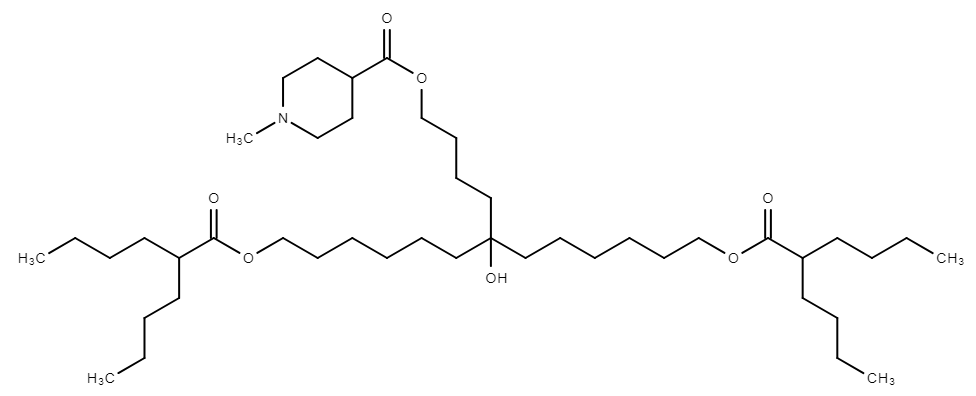
CL15F 6-4 is a short-tail ionizable lipid from the piperidine-based CL15F series, characterized by its symmetric branched structure with a 6-carbon main chain and 4-carbon side chain. This specific tail length critically determines the lipid nanoparticle's (LNP) properties, resulting in larger particles with a high surface density of the phospholipid DSPC. This elevated DSPC density reduces interactions with serum proteins like ApoE, minimizing rapid liver clearance and shifting mRNA delivery preference towards the spleen. Consequently, CL15F 6-4 LNPs achieve efficient, endogenous spleen-targeted delivery, making them a highly promising candidate for enhancing vaccine efficacy by preferentially transfecting antigen-presenting cells without complex functionalization.
More description
|
|
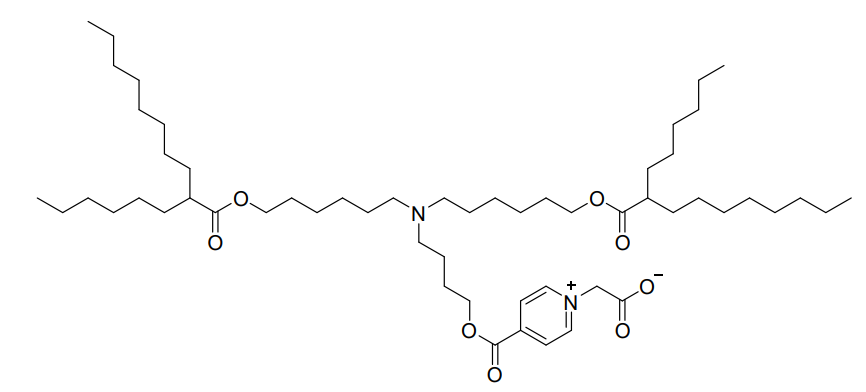
| DC67605 | PyCB lipid Featured |
PyCB lipid (MeDZ) is a rationally designed zwitterionic ionizable lipid that serves as a core functional component in the novel three-component (ThrCo) lipid nanoparticle (LNP) platform. It is synthesized by covalently attaching a zwitterionic PyCB structure to the hydroxyl group of the clinically available ionizable lipid ALC-0315.Its key feature is its pH-responsive behavior. At physiological pH (~7.4), the PyCB headgroup exhibits zwitterionic properties, forming charge-assisted hydrogen bonds with water molecules (PyCB-H₂O complexes). This confers high hydrophilicity to the LNP surface, enhancing stability in aqueous environments and reducing nonspecific protein adsorption in the bloodstream. This zwitterionic surface effectively mimics and replaces PEGylated lipids, thereby avoiding PEG immunogenicity and the associated Accelerated Blood Clearance (ABC) effect upon repeated administrations.Crucially, in the acidic environment of endosomes (pH ~6.5), the PyCB group undergoes strong protonation, rapidly transforming into a cationic state (PyCB-H₃O⁺ complexes). This promotes efficient fusion with and disruption of the endosomal membrane, facilitating the escape and cytoplasmic release of encapsulated mRNA.By replacing both cholesterol and PEGylated lipids in traditional LNPs, PyCB lipid enables the redirection of LNP biodistribution from the liver to the spleen, achieving superior spleen-specific mRNA translation and enhancing antigen presentation for potent immune activation.
More description
|
|
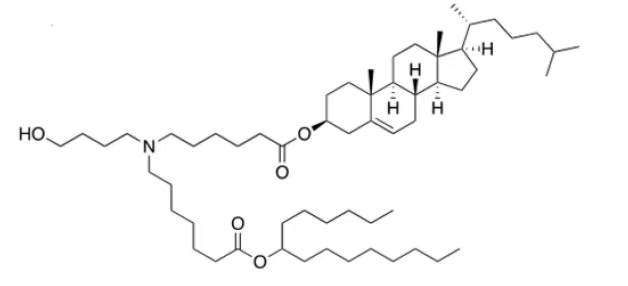
| DC67567 | ARV-T1 Featured |
ARV-T1 is a novel ionizable lipid featuring a cholesterol moiety incorporated in its tail, designed to enhance mRNA delivery efficiency. With a pKa of 6.73, it exhibits optimal pH-dependent ionization for endosomal escape and mRNA release. Structurally, ARV-T1 contains a tertiary amine head group and ester-linked lipid tails, enabling rapid in vivo metabolism and improved biocompatibility.Compared to SM-102 (used in Moderna's vaccine), LNPs formulated with ARV-T1 demonstrate superior physicochemical properties: smaller particle size (~80 nm vs. 90 nm), lower polydispersity index (0.09 vs. 0.10), and higher absolute zeta potential (-10 mV vs. -5 mV). These characteristics correlate with >90% mRNA encapsulation efficiency and enhanced stability, maintaining performance for 12 weeks at -20°C.In vitro, ARV-T1 LNPs showed 7-fold higher protein expression than SM-102 LNPs. In vivo, they prolonged luciferase expression (>72 hours vs. <48 hours for SM-102) and induced 10-fold higher neutralizing antibodies against SARS-CoV-2 spike protein at low doses. The cholesterol tail promotes endosomal membrane fusion, while ester linkages facilitate metabolic clearance, yielding an excellent safety profile in toxicity studies. This combination of efficacy and safety positions ARV-T1 as a promising platform for mRNA vaccines and therapeutics.
More description
|
|
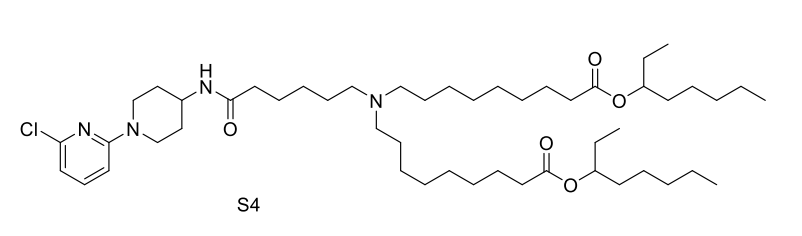
| DC67569 | Lipid S4 Featured |
Lipid S4 is an advanced ionizable lipid engineered for systemic mRNA delivery to the brain, leveraging SR-57227—a high-affinity 5-HT3 receptor ligand—as its core head group to enable targeted blood-brain barrier (BBB) penetration via receptor-mediated transcytosis, while incorporating amino linkers for pH-responsive ionization and biodegradable branched ester tails to facilitate efficient endosomal escape and intracellular mRNA release; optimized through orthogonal screening into OS4 LNP (formulated at S4/DOPE/Chol/DMG-PEG2k = 40:40:60:0.75 molar ratio), it demonstrated a 13.3-fold increase in brain mRNA expression compared to FDA-approved MC3 LNPs, and further conjugation with the Tat cell-penetrating peptide yielded OS4T LNP, boosting delivery efficiency by 12.7-fold over OS4 alone and enabling broad mRNA expression across neurons, astrocytes, microglia, and endothelial cells; validated in orthotopic glioblastoma models, OS4T delivered engineered IL-12 mRNA, suppressing tumor growth and extending median survival to 37 days (vs. 17 days for controls) with minimal systemic toxicity, positioning S4-based LNPs as a robust, translatable platform for CNS-targeted therapeutics.
More description
|
|
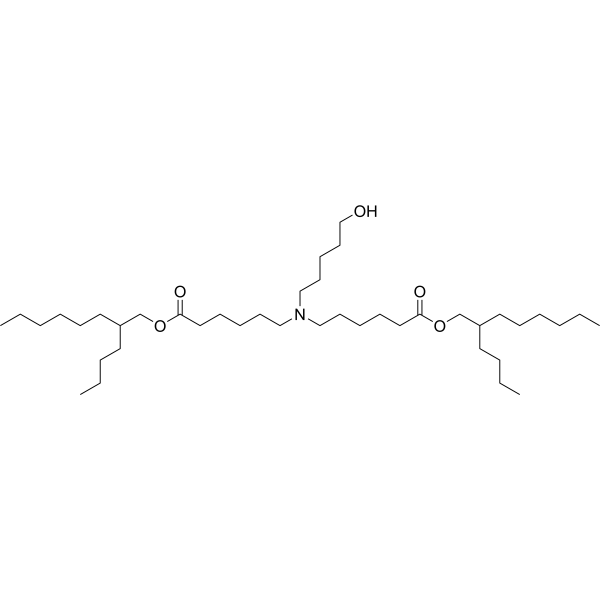
| DC67450 | A28-C6B2 Featured |
A28-C6B2 is a biodegradable ionizable lipid specifically engineered for spleen-targeted delivery. Through its unique branched structure, it bypasses hepatic uptake to achieve highly efficient transfection of F4/80+ macrophages and CD11c+ dendritic cells within the spleen. This lipid remains neutral in the bloodstream to minimize non-specific interactions, while undergoing protonation in the acidic environment of the endosome to facilitate nucleic acid release, thereby significantly enhancing the potency of mRNA vaccines and immunotherapies.
More description
|
|
| DC68041 | MMG-1 Featured |
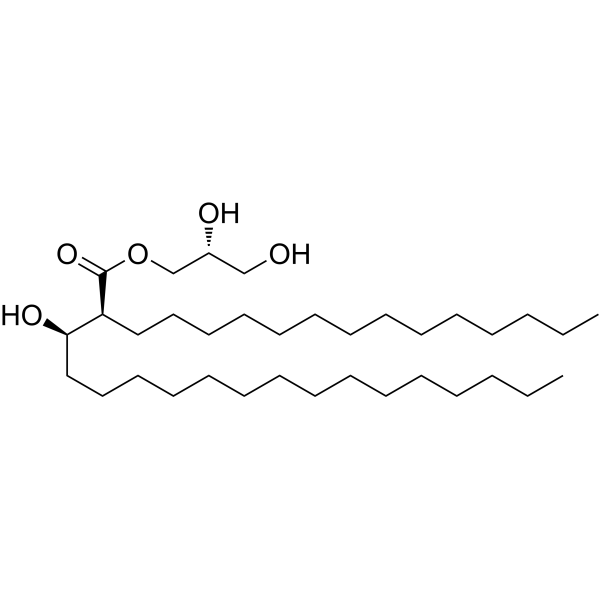
MMG-1, a monomycoloyl glycerol, is a C-type lectin receptor agonist. MMG-1, a lipid membrane stabilizer, is an immunopotentiator in liposomes. MMG-1 can be used to prepare lipid nanoparticles for drug delivery.
More description
|
|
| DC68000 | Tris-GalNAc-β-Ala-PEG3-NH2 Featured |
|
|
| DC68004 | Tris-GalNAc-β-Ala-PEG3-DBCO Featured |
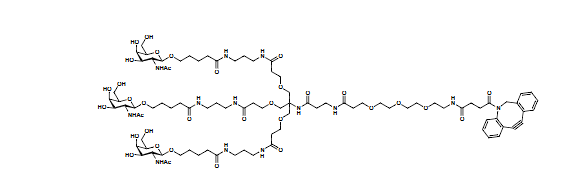
Triantennary GalNAc ligand is known to bind Asialo Glycoprotein Receptor (ASGPR). The ligand is functionalized with dibenzocyclooctyne for click chemistry.
More description
|
|
| DC68003 | Tris-GalNAc-β-Ala-PEG4-DBCO Featured |
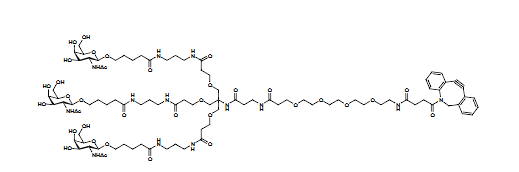
Triantennary GalNAc ligand is known to bind Asialo Glycoprotein Receptor (ASGPR). The ligand is functionalized with dibenzocyclooctyne for click chemistry
More description
|
|
