 To enhance service speed and avoid tariff delays, we've opened a US warehouse. All US orders ship directly from our US facility.
| Cat. No. | Product Name | Field of Application | Chemical Structure |
|---|---|---|---|
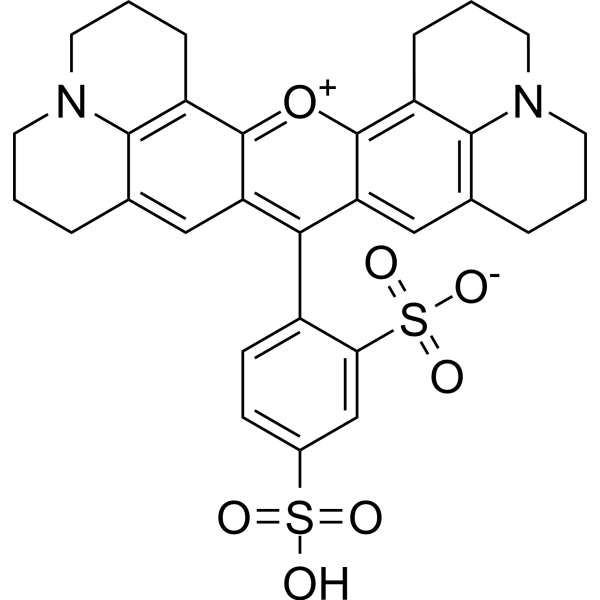
| DC68119 | Texas Red Featured |
Texas Red (Sulforhodamine 101) is an amphoteric rhodamine red fluorescent dye (excitation/emission: 586/605 nm). Texas Red is used extensively for investigating neuronal morphology and acts as acell type-selective fluorescent marker of astrocytes bothin vivoand in slice preparations.
More description
|
|
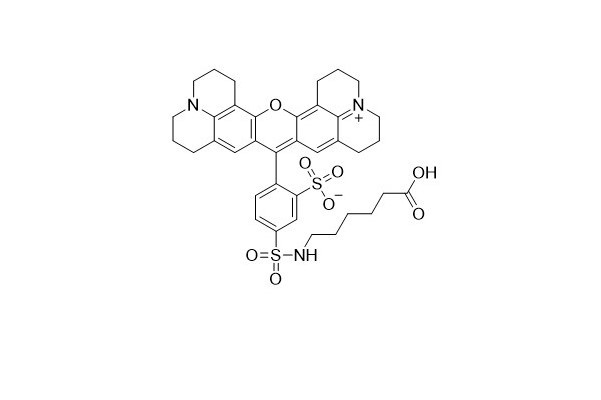
| DC67959 | Tex Red-X Acid Featured |
Tex Red-X dye is an innovative alternative to Tex Red. A key difference lies in its chemical structure - it features an additional seven - atom aminocaproyl spacer ("X") between the fluorophore and the carboxyl group. This spacer plays a crucial role in separating the fluorophore from its attachment point. By doing so, it effectively minimizes the interaction between the fluorophore and the conjugated biomolecule.
One of the standout features of Tex Red - X is that it exists as a single 5 - isomer. This characteristic significantly enhances the reproducibility of results, which is a highly desirable trait in scientific research and biological applications.
In terms of optical properties, Tex Red - X shares the same spectral characteristics as Texas Red. It can be utilized to create bright red fluorescent bioconjugates with excitation and emission maxima at approximately 595/615 nm. These bioconjugates are valuable tools in various biological and biochemical studies, enabling researchers to visualize and analyze biological processes with high precision.
More description
|
|
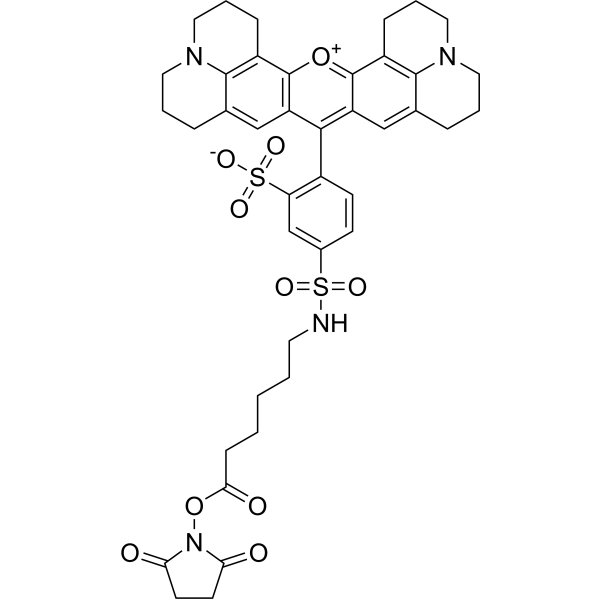
| DC67951 | Tex Red-X NHS Featured |
Tex Red-X NHS is a derivative of Texas Red (HY-101878), an amphoteric rhodamine red fluorescent dye. Texas Red is widely used to study neuronal morphology and as a cell type-selective fluorescent marker for astrocytes, both in vivo and in slice preparations.
More description
|
|
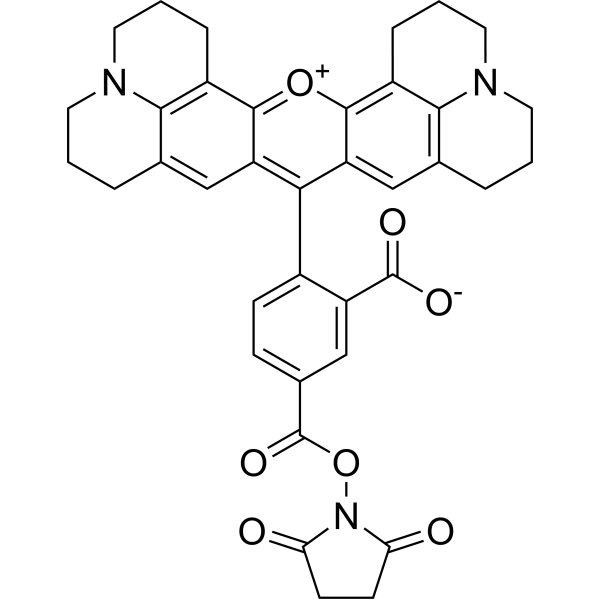
| DC68118 | 5-ROX NHS ester Featured |
5-Carboxy-X-rhodamin N-succinimidyl ester (5-ROX, SE) is a labeling reagent. 5-Carboxy-X-rhodamin N-succinimidyl ester can be used in the preparation of charge-modified dye-labeled Dideoxynucleotide Triphosphates (ddNTP) to "direct-load" DNA sequencing.
More description
|
|
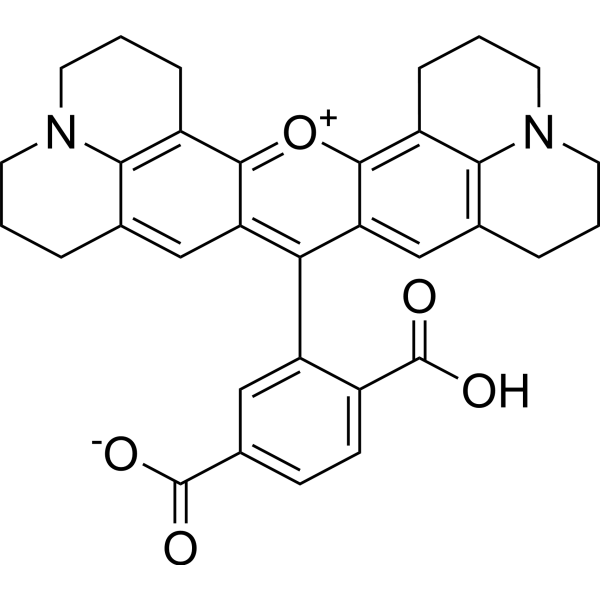
| DC60916 | 6-ROX Featured |
6-ROX is a selective fluorescent probe and potential inhibitor of COX-2. 6-ROX binds to the active site of COX-2 and inhibits its conversion of arachidonic acid into prostaglandins. 6-ROX is often used in the field of optical imaging related to tumors and inflammation, and helps detect diseased tissues with high expression of COX-2.
More description
|
|
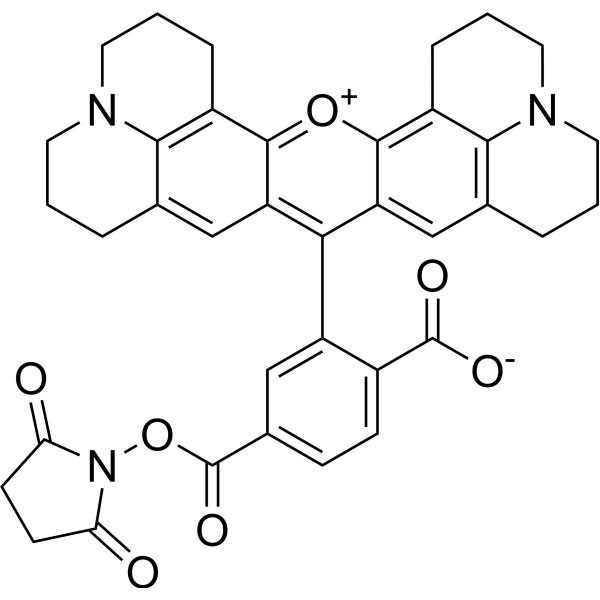
| DC67949 | 6-ROX NHS Featured |
6-Carboxy-X-rhodamine, succinimidyl ester (6-ROX, SE) is a fluorescent dye for oligonucleotide labeling and automated DNA sequencing.
More description
|
|
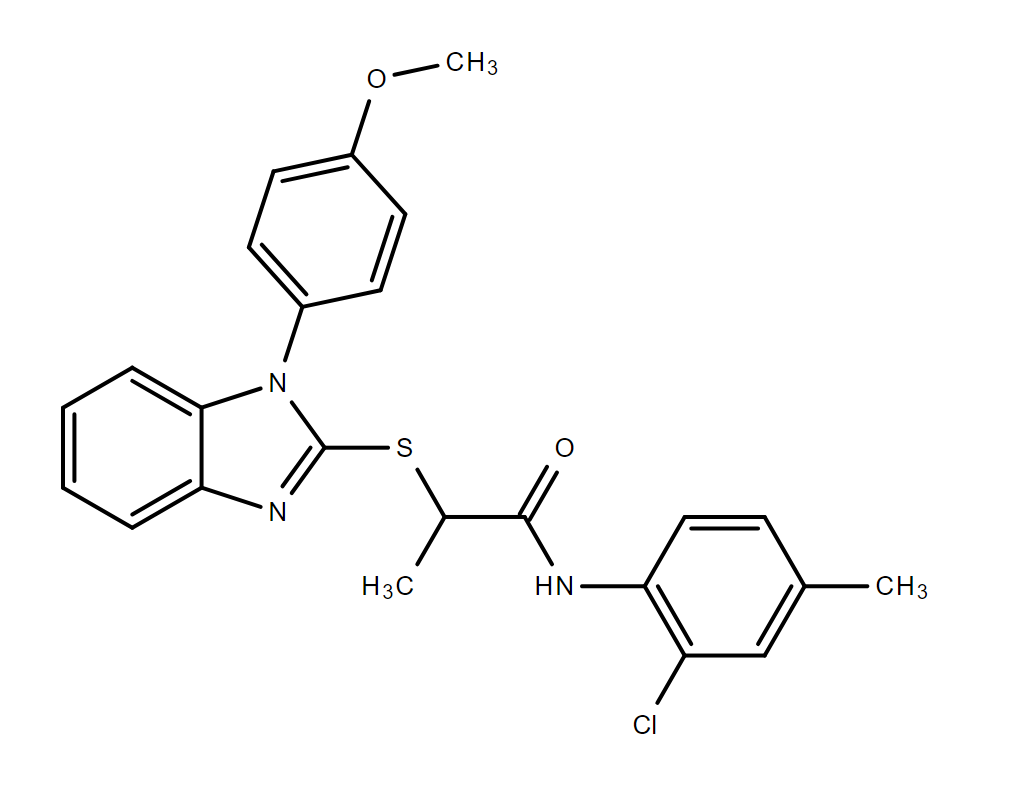
| DC70522 | JMN3-003 Featured |
JMN3-003 is a host-directed inhibitor with potent antiviral activity against a panel of myxovirus family members with EC50 of 10-70 nM.JMN3-003 shows activity against MeV at 170 (viral CPE-reduction assay) and 30 nM (virus yield reduction assay) and does not display any detectable acute cytotoxicity.JMN3-003 also shows superb antiviral activity against a selection of clinical-relevant paramyxovirus (RSV, MuV, and HPIV3) and orthomyxovirus (influenza) family members.
More description
|
|
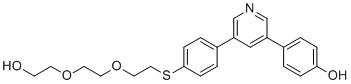
| DC74440 | CW85319 Featured |
CW85319 is a small-molecule compound that enhances Axin2's interaction with GSK3β, shows a high-affinity binding with Axin2 with Kd of 5.8 uM.
More description
|
|
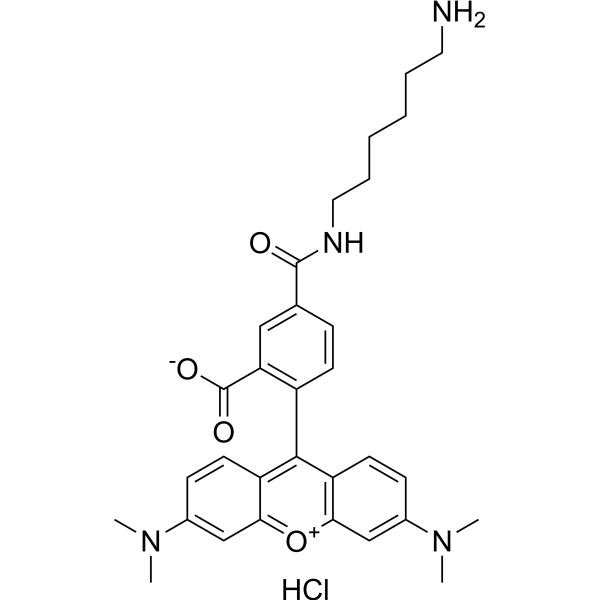
| DC68117 | TAMRA amine, 5-isomer Featured |
TAMRA amine, 5-isomer hydrochloride is a rhodamine dye with excitation/emission maximum 553/575 nm. The amine group is reactive with carboxylic acids, activated NHS esters, carbonyls (ketone, aldehyde) etc.
More description
|
|
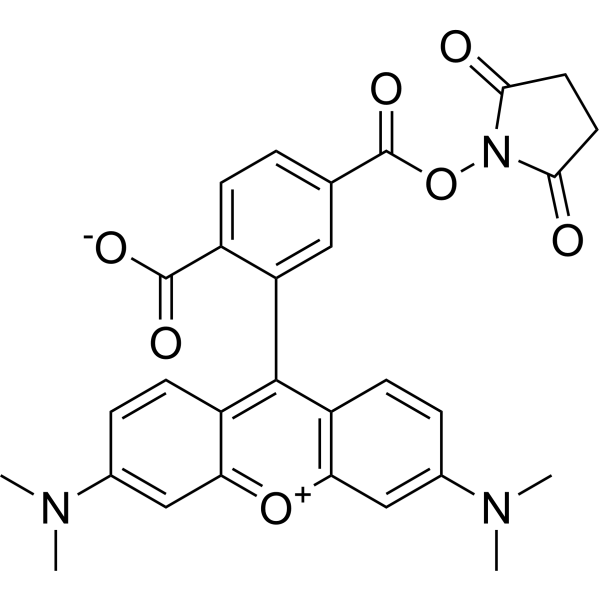
| DC68116 | 6-TAMRA-SE Featured |
6-TAMRA-SE (6-TAMRA-NHS ester) is a fluorescent dye carrying the amine reactive group. 6-TAMRA-SE is one of the traditional fluorophores used for automated DNA sequencing.
More description
|
|
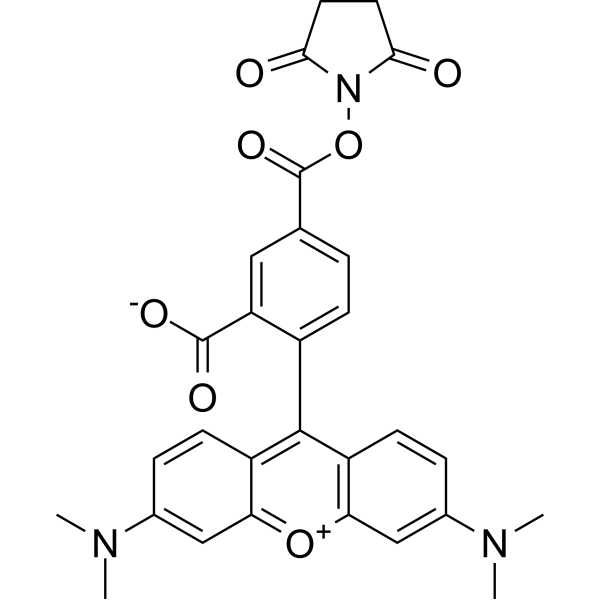
| DC67950 | 5-TAMRA NHS Featured |
5-TAMRA NHS is an amine-reactive fluorescent agent, and its conjugate produces bright, pH-insensitive orange-red fluorescence with good photostability (Ex/Em = 565/580 nm).
More description
|
|
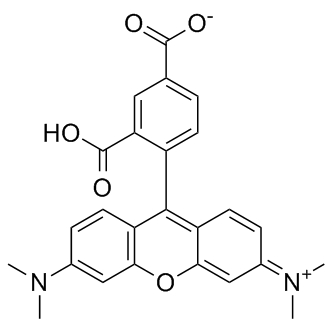
| DC9373 | 5-TAMRA Featured |
The amine-reactive 5-TAMRA, SE and its conjugates yield bright, pH-insensitive orange-red fluorescence (approximate excitation/emission maxima ~546/579) with good photostability.
More description
|
|
| DC9374 | 6-TAMRA Featured |
Tetramethylrhodamine (TMR, TRITC) has been a widely used fluorophore for preparing bioconjugates, especially fluorescent antibody and avidin derivatives used in immunochemistry.
More description
|

|
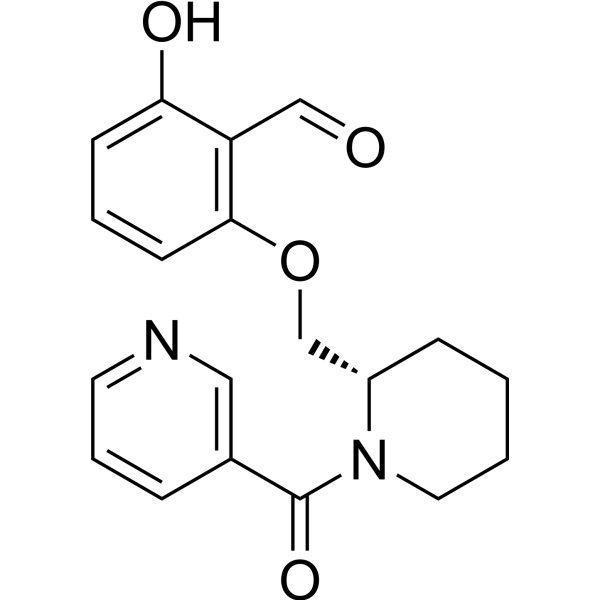
| DC72883 | GBT1118 Featured |
GBT1118 is a potent and orally active allosteric modifier of hemoglobin oxygen affinity. GBT1118 increases tolerance to severe hypoxia.
More description
|
|
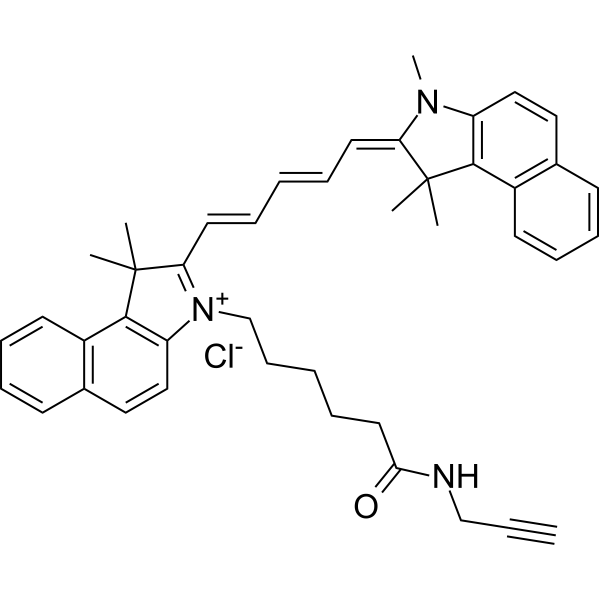
| DC33878 | Cyanine5.5 alkyne Featured |
Far red / near infrared dye alkyne for Click Chemistry labeling. Cyanine5.5 is an analog of Cy5.5, a popular fluorophore which has been widely used for various applications including intact organism imaging. This reagent can be conjugated with azido groups under mild copper catalyzed Click Chemistry conditions.
This reagent is soluble in organic solvents, but mixtures of water with small percent of DMSO can be used for efficient conjugation. Cyanine5.5 alkyne can also be used for the labeling of small molecules with this far red/NIR dye.
More description
|
|
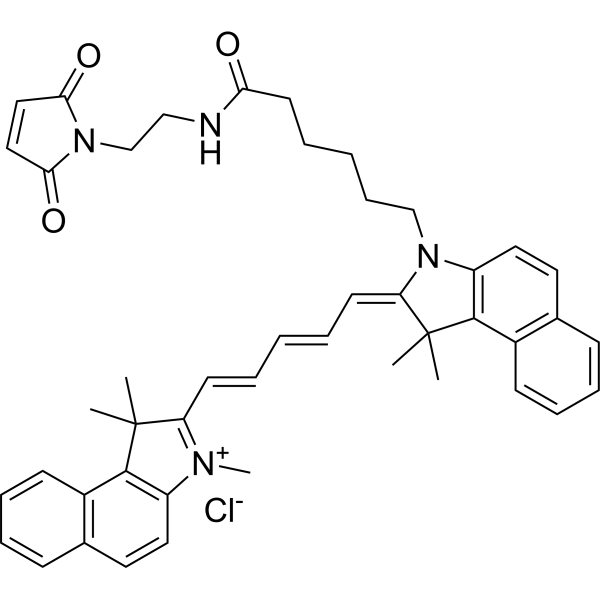
| DC33898 | Cyanine 5.5 maleimide Featured |
Cyanine5.5 maleimide is a thiol reactive dye which is capable of selective labeling of sulfhydryl groups in proteins, an analog of Cy5.5? maleimide.
Near infrared emission of Cyanine5.5 makes this dye suitable for bioimaging applications.
Cyanine5.5 can replace Cy5.5?, Alexa Fluor 680, and DyLight 680.
More description
|
|
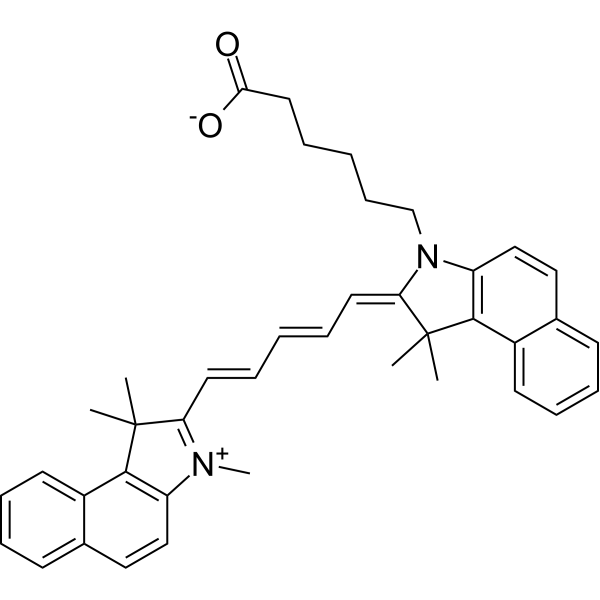
| DC33638 | Cy5.5 carboxylic acid Featured |
CY5.5 carboxylic acid, also known as Cyanine5.5 carboxylic acid, is a Far-red emitting fluorescent dye with Ex/Em wavelength 673nm/707nm. CY5.5 carboxylic acid can be considered non-reactive for most applications and used as a control or reference sample, and for instrument calibration.
More description
|
|
| DC68115 | Cy5 DBCO Featured |
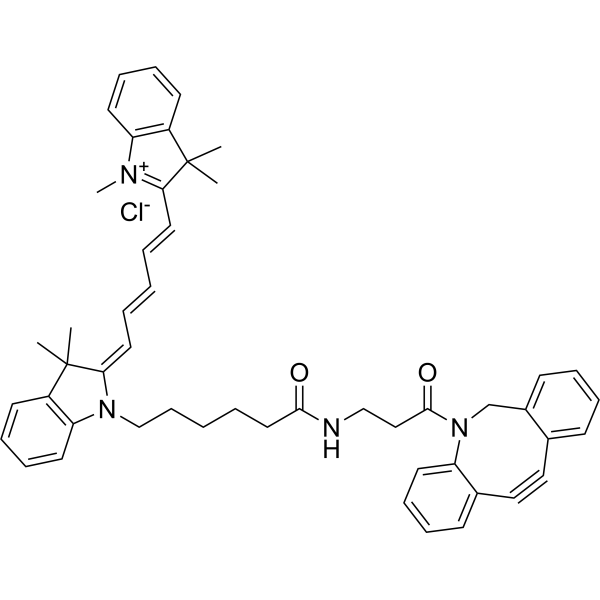
Cy5 DBCO chloride is an azide reaction probe and the addition of DBCO molecules allows the imaging of azide-labelled biomolecules by a copper-free "Click Chemistry" reaction[1]. Cy5 DBCO (chloride) is a click chemistry reagent, it contains a DBCO group that can undergo strain-promoted alkyne-azide cycloaddition (SPAAC) with molecules containing Azide groups.
More description
|
|
| DC68114 | Cyanine5 hydrazide Featured |
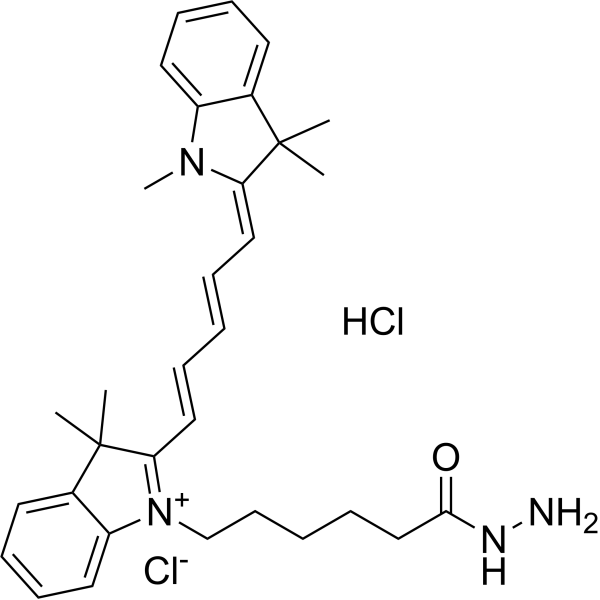
Cy 5 hydrazide (Cyanine5 hydrazide) is a fluorescent dye for aldehydes and ketones. Cy 5 hydrazide can be used for labeling proteins.
More description
|
|
| DC33877 | Cyanine5 alkyne Featured |
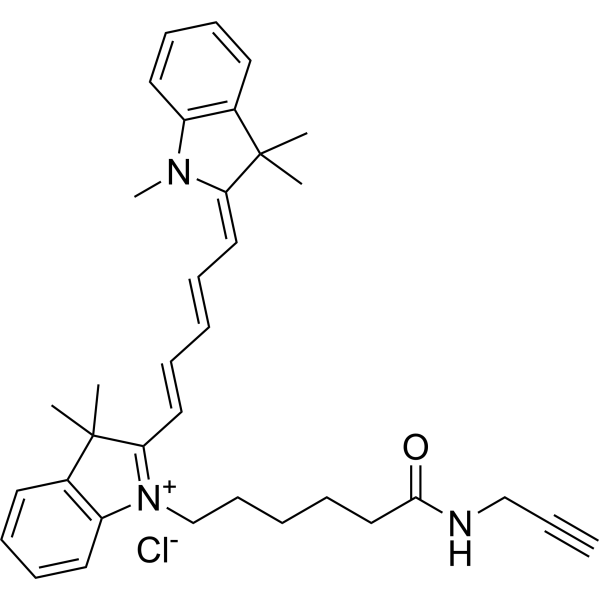
Cyanine5 alkyne for Click Chemistry, an analog of Cy5 alkyne. With this product, deeply colored, and photostable Cyanine5 fluorophore can be attached to various molecules via Click Chemistry reaction with azides.
This alkyne is non-water soluble, but it can be dissolved in DMF or DMSO prior to reaction, and added to aqueous reaction mixture. With our labeling protocol, the labeling reaction is very efficient, and high-yielding.
Various substrates bearing azides can be used for the labeling, including azido-labeled biomolecules, polymers, and solid surfaces.
More description
|
|
| DC33897 | Cyanine5 maleimide Featured |
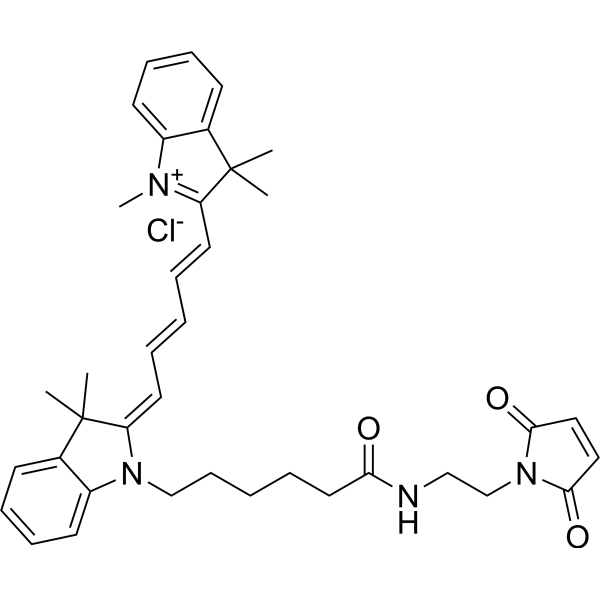
Cyanine5 maleimide is a mono-reactive dye which selectively couples with thiol groups (for example, with cysteines in peptides and proteins) to give labeled conjugates.
Cyanine5 is an analog of Cy5?, a common fluorophore which is compatible with various instrumentation like microscopes, imagers, and fluorescence readers.
For the labeling of antibodies and sensitive proteins we recommend to use the water soluble sulfo-Cyanine5 maleimide.
More description
|
|
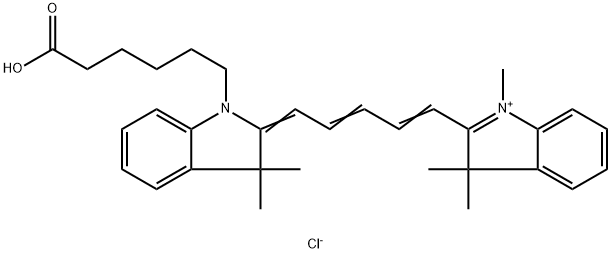
| DC33932 | Cyanine5 acid Featured |
Non-activated carboxylic acid, an analog of Cy5? free carboxylic acid. Contains Cyanine5 fluorophore.
This dye has limited water solubility, but can be dissolved in mixtures of water with organic phase (DMF, DMSO, alcohols) to obtain useful concentrations of the material in solution. Water-soluble version is available.
This molecule can be considered non-reactive dye for the use in control samples, and for instrument calibration. For coupling with amines and protein labeling, consider using Cyanine5 NHS ester, or water-soluble sulfo-Cyanine5 NHS ester.
More description
|
|
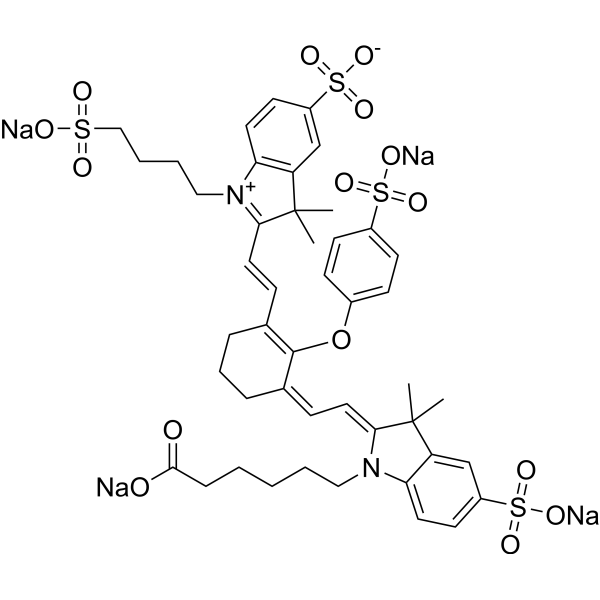
| DC68113 | 800CW acid (IRDye 800CW acid equivalent) Featured |
800CW acid is an orally active near-infrared (NIR) dye (excitation/emission 774/789 nm). 800CW acid can be used for intestinal permeability testing. 800CW acid can be used for in vivo imaging studies.
More description
|
|
| DC68112 | 800CW maleimide Featured |
|
|
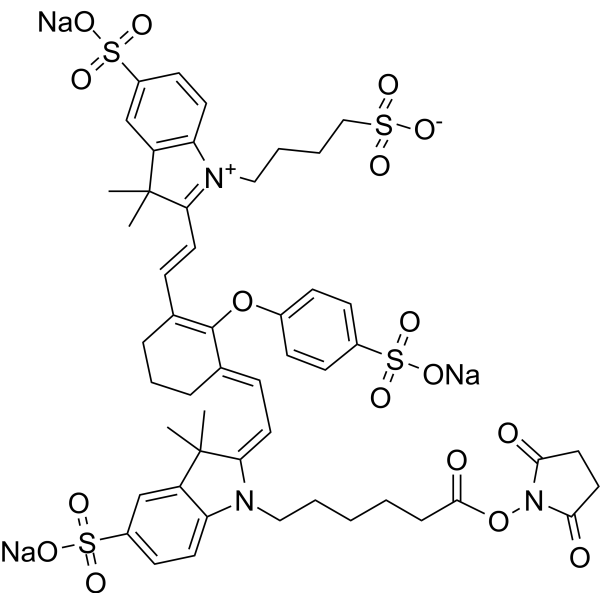
| DC68111 | IRDye 800 NHS Featured |
800CW NHS ester is a near-infrared fluorescent dye active ester that can conjugate with amine-containing small molecules, antibodies, peptides, and other substances to form fluorescent conjugates. 800CW NHS ester exhibits high fluorescence quantum yield and low non-specific binding properties. 800CW NHS ester can be used in biomedical research such as microbial infection imaging, tumor imaging, and biochemical detection.
More description
|
|
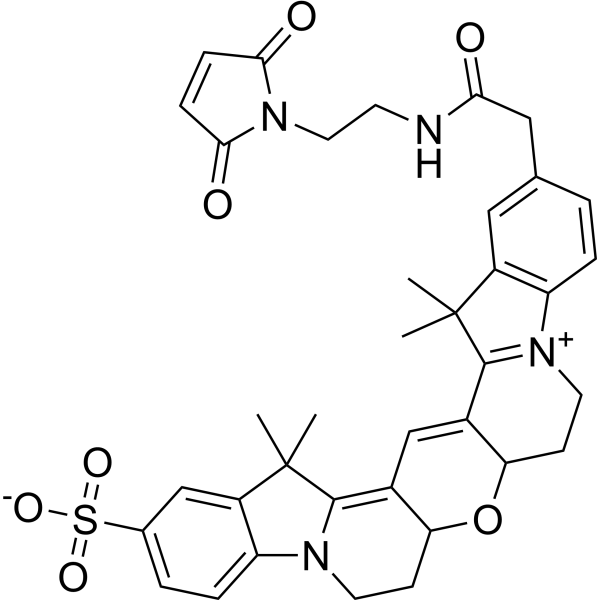
| DC68110 | Cy3B maleimide Featured |
Cy3B maleimide is a mono-reactive dye containing maleimide group, which can selectively and efficiently attach Cyanine3 fluorophore (an analog of Cy3) to proteins and peptides containing cysteine residues, as well as to other thiolated molecules (such as thiol-containing oligonucleotides). Cy3B is an improved version of Cy3 dyes with significantly increased fluorescence quantum yield and photostability.
More description
|
|
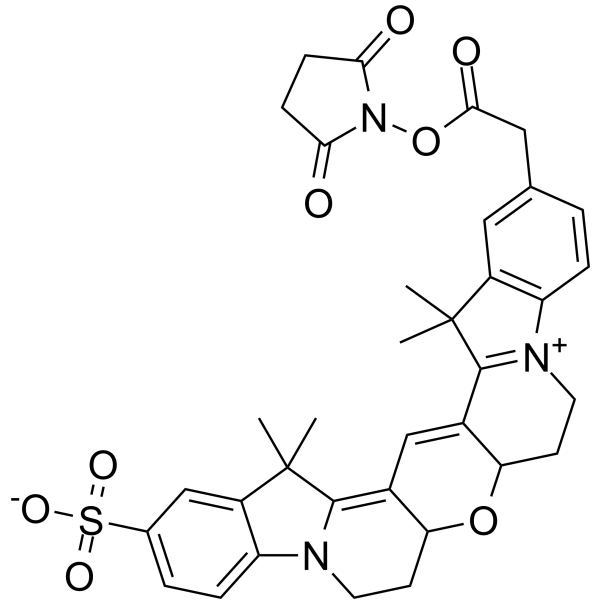
| DC68109 | Cy3B NHS ester Featured |
Cy3B NHS ester is a fluorescent dye compound that is commonly used in biomarking and fluorescent labeling experiments, especially for labeling biomolecules containing amino functional groups (amine groups), such as proteins, antibodies or peptides.
More description
|
|
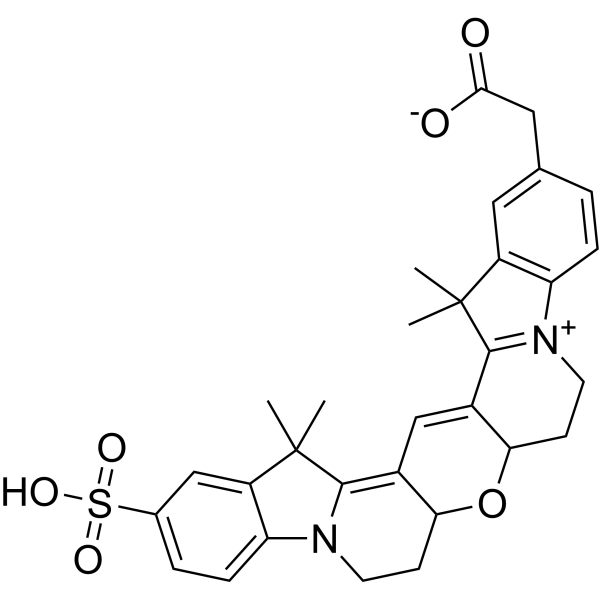
| DC68108 | Cy3B carboxylic acid Featured |
Cy3B is an improved variant of the Cy3 (Cyanine3) (HY-D0822) dye. Cy3 is a fluorescent dye, and its fluorescence spectrum generally falls within the green to orange wavelength range.
More description
|
|
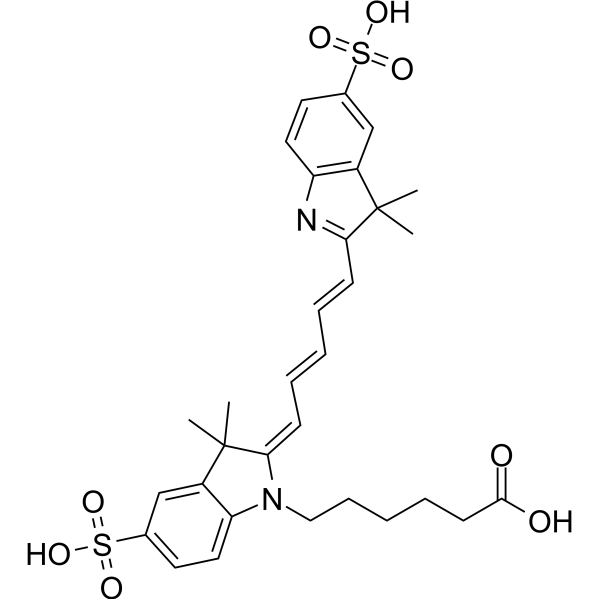
| DC68107 | CypHer5 Featured |
pH Receptor Probe is a pH-sensitive cyanine derivative and a environmental sensitive fluorophore. pH Receptor Probe has a pH-sensitive maximal absorption at 644 nm and emission at 664 nm. pH Receptor Probe has been used as a pH sensor of lysosomal compartments.
More description
|
|
| DC68106 | Sulfo Cy5 Maleimide Featured |
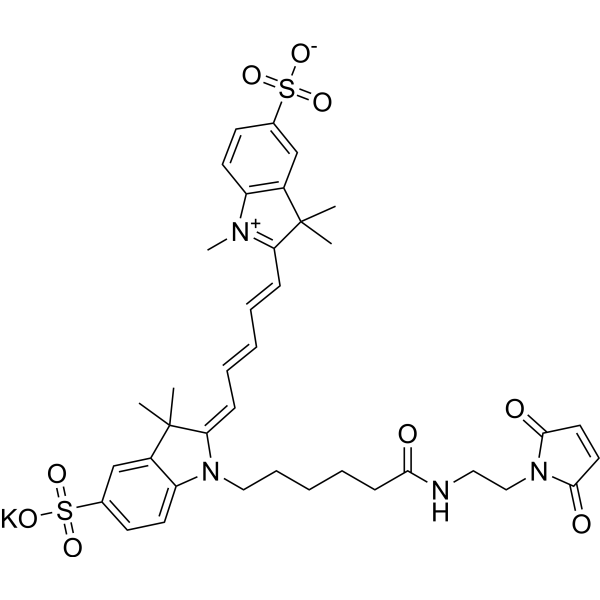
Sulfo-Cy5-Mal potassium is a fluorescent dye derivative composed of a CY5 dye and a maleimide functional group. Sulfo-Cy5-Mal potassium specifically covalently binds to thiol-containing (-SH) biomolecules. Sulfo-Cy5-Mal potassium can be used for protein labeling, antibody conjugation, molecular imaging, and drug delivery studies (Ex/Em = 633 nm/670 nm).
More description
|
|
