 To enhance service speed and avoid tariff delays, we've opened a US warehouse. All US orders ship directly from our US facility.
| Cat. No. | Product Name | Field of Application | Chemical Structure |
|---|---|---|---|
| DC41869 | PAMP-12(human, porcine) Featured |
PAMP-12(human, porcine) is a major component of immunoreactive (ir)-PAMP, is processed from the adrenomedullin precursor, is a potent hypotensive peptide and participates in cardiovascular control.
More description
|
.gif)
|
| DC68140 | PACAP-38 (31-38), human, mouse, rat Featured |
PACAP-38 (31-38), human, mouse, rat is a fragment containing the C-terminal 31-38 fragment of PACAP (1-38), human, ovine, rat (HY-P0221). PACAP-38 (31-38), human, mouse,
More description
|
, human, mouse, rat.gif)
|
| DC70085 | Nedisertib (Synonyms: Peposertib; M3814) Featured |
Nedisertib (M3814, MSC2490484A) is a highly potent, selective, orally bioavailable inhibitor of DNA-PK.
More description
|

|
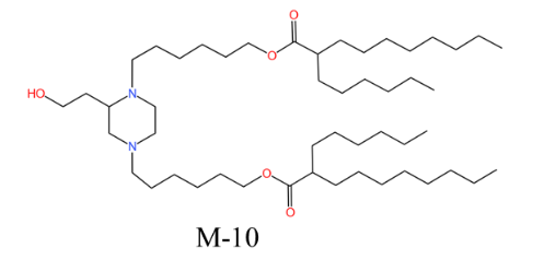
| DC68139 | Lipid M10 Featured |
M10 is a piperazine-derived bis-tertiary amine ionizable lipid. With an optimal pKa of 6.56, it enables efficient liver-targeted CRISPR/Cas9 delivery, achieving durable PCSK9 silencing and LDL-C reduction after a single dose, alongside a favorable safety profile.
More description
|
|
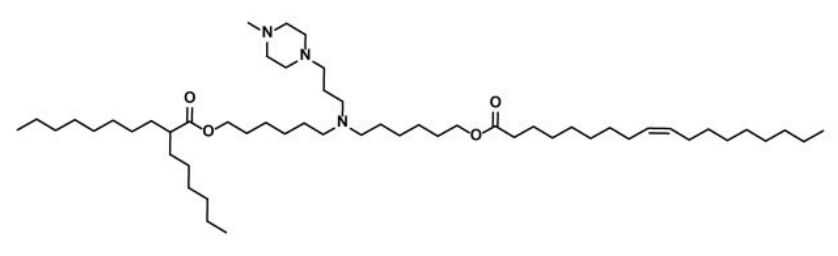
| DC68138 | Lipid M3 Featured |
Lipid M3 is a novel ionizable lipid. Lipid M3's primary role is to enable the efficient co-encapsulation and delivery of CRISPR/Cas9 components—Cas9 mRNA and sgRNA targeting the VEGFA gene—into human retinal endothelial cells. M3 facilitates critical steps for successful gene editing, including stabilizing the nucleic acid cargo, promoting cellular uptake, and enabling effective endosomal escape to release the payload into the cytoplasm. This results in high gene-editing efficiency (indel frequency ~28.7%). A single intravitreal injection of the M3-F4 LNP carrying this CRISPR system demonstrated potent therapeutic effects in mouse models of diabetic retinopathy by significantly inhibiting pathological neovascularization and vascular leakage, while maintaining excellent biocompatibility.
More description
|
|
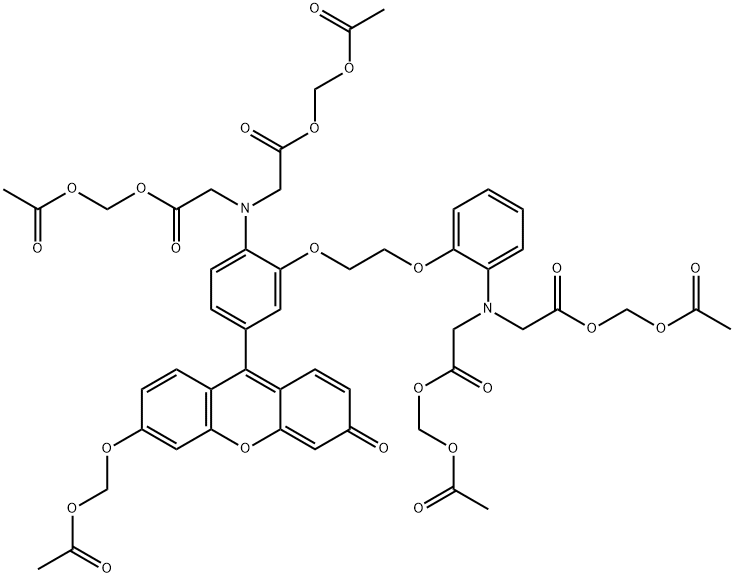
| DC68136 | Fluo-8 AM Featured |
|
|
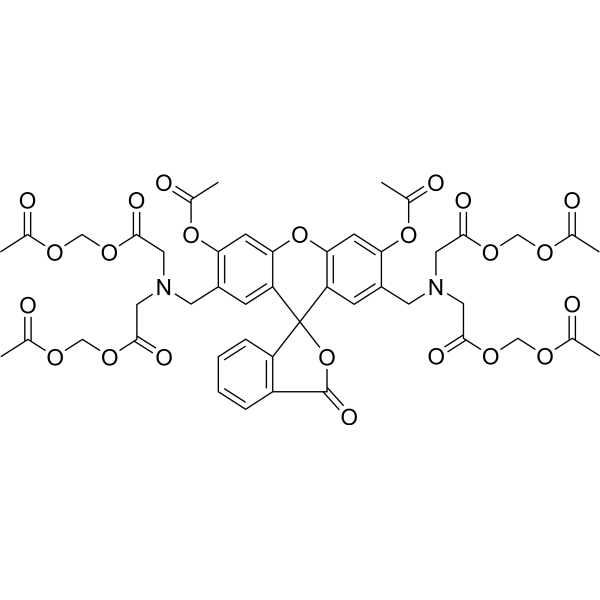
| DCC1203 | Calcein-am Featured |
Cell permeable derivative of calcein, becoming fluorescent on hydrolysis
More description
|
|
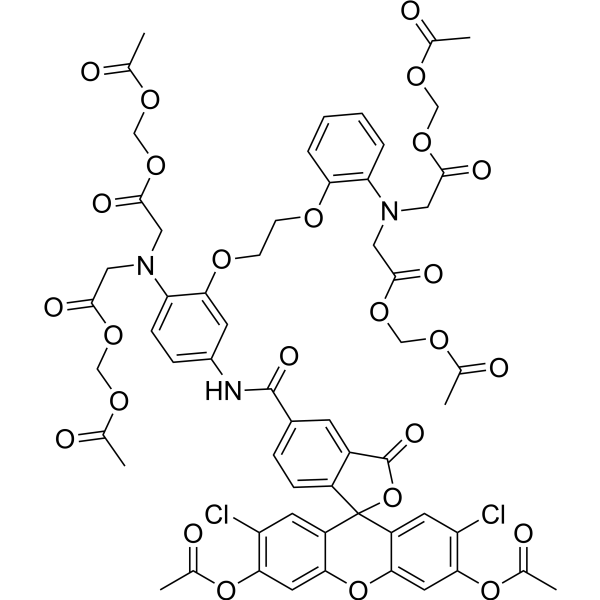
| DC68135 | Calcium Green 1AM Featured |
Calcium Green 1AM is a cell-permeant fluorescent calcium indicator (Excitation 506 nm; Emission 531 nm). Calcium Green 1AM is converted to the fluorescent calcium indicator by intracellular esterases.
More description
|
|
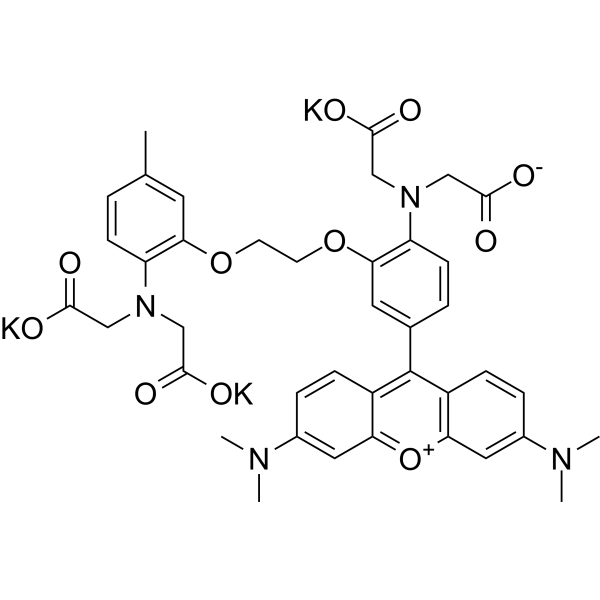
| DC68134 | Rhod-2 potassium Featured |
Rhod-2 potassium is a cell impermeant, red fluorescent calcium indicator. Rhod-2 potassium exhibits a significant shift in fluorescence intensity upon calcium binding (ex max=549 nm; calcium-free v. ex/em max=552/581 nm; calcium-bound). Unlike the UV-excitable indicators Fura-2 and Indo-1 (HY-D0121), there is no accompanying spectral shift.
More description
|
|
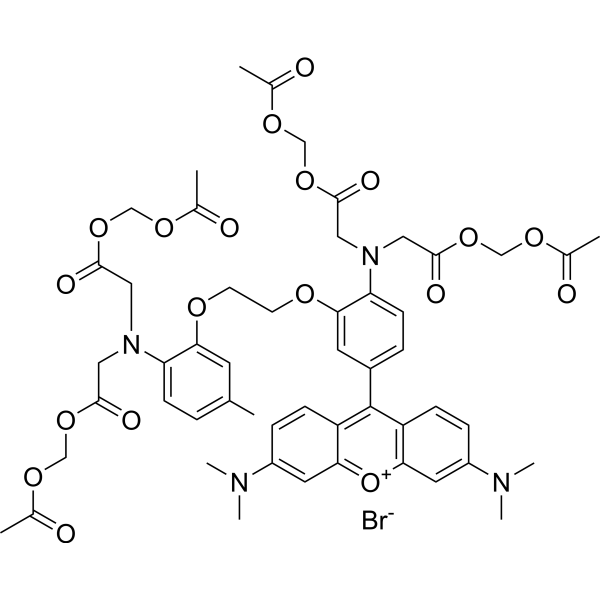
| DC68133 | Rhod-2 AM Featured |
Rhod-2 is a high-affinity visible light excitation wavelength Ca2+ fluorescent probe, Rhod-2, AM is an acetyl methyl ester derivative of Rhod-2, which has cell membrane permeability and can easily enter cells with simple culture. Once it enters the cell, it is sheared by its lactesterase to produce Rhod-2 without membrane permeability, which remains in the cell to perform the corresponding physiological functions. Maximum excitation/emission wavelength: 549/578 nm.
More description
|
|
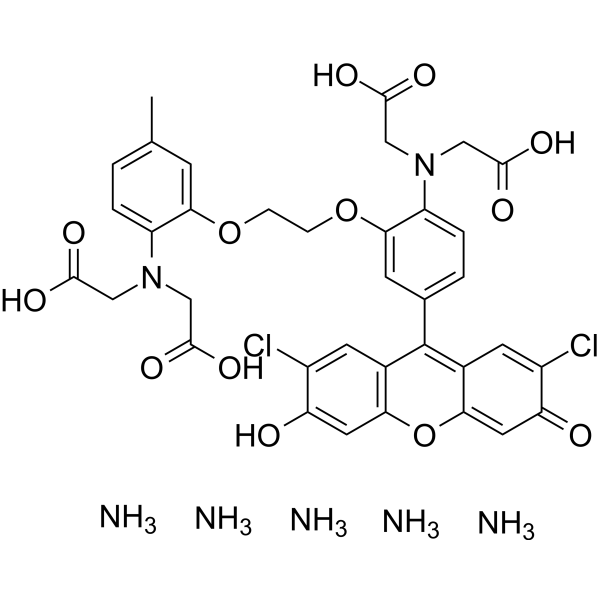
| DC68132 | Fluo-3 pentaammonium Featured |
Fluo-3 pentaammonium is a cell-impermeable calcium ion (Ca2+) indicator. Fluo-3 pentaammonium itself is not fluorescent, but it becomes fluorescent after binding to calcium ions (Ex/Em = 488/525 nm).
More description
|
|
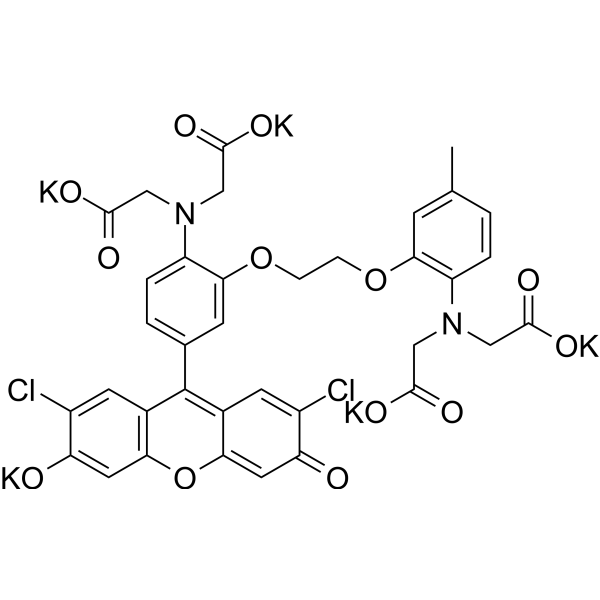
| DC68131 | Fluo-3 pentapotassium Featured |
Fluo-3 pentapotassium is a cell-impermeable calcium ion (Ca2+) indicator. Fluo-3 pentapotassium itself is not fluorescent, but it becomes fluorescent after binding to calcium ions (Ex/Em = 488/525 nm).
More description
|
|
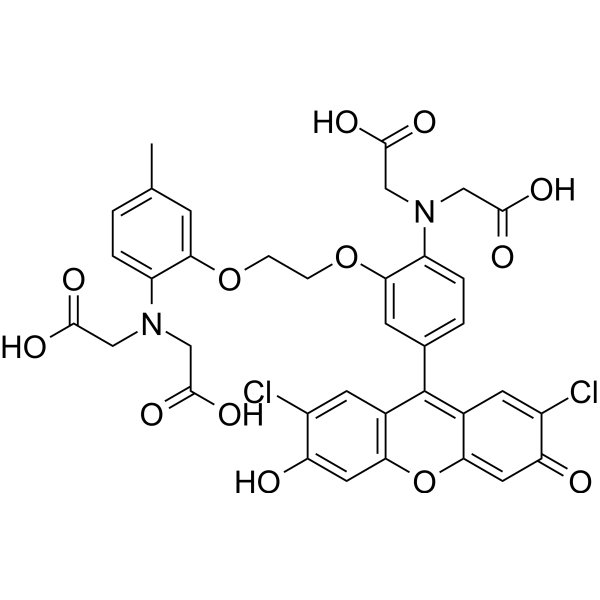
| DCC2136 | Fluo-3 Featured |
Fluo-3 is a cell-impermeable calcium ion (Ca2+) indicator. Fluo-3 itself is not fluorescent, but it becomes fluorescent after binding to calcium ions (Ex/Em = 488/525 nm).
More description
|
|
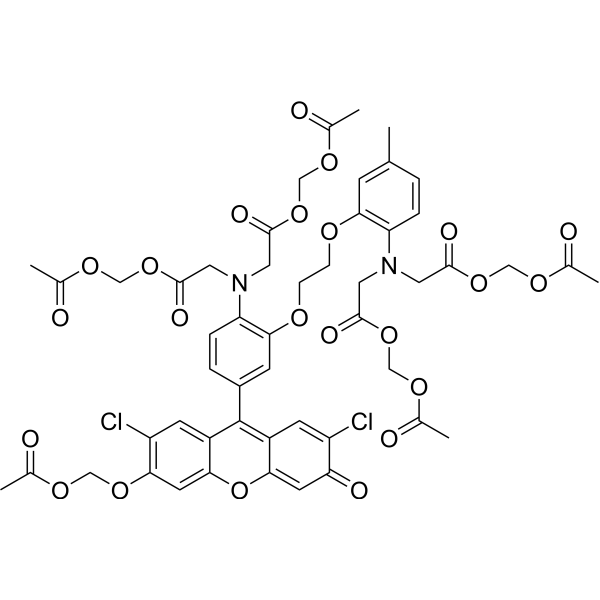
| DCC2137 | Fluo-3 Am Featured |
Fluo-3 AM is a fluorecent Ca2+ chelator, with high affinity for calcium. Fluo-3 AM can specifically identify intracellular calcium ions, with high sensitivity, low cytotoxicity, increased AM acetylmethyl ester can enter the cell well, after being sheared by the intracellular esterase stay in the cell to bind to calcium ions, produce strong fluorescence.
More description
|
|
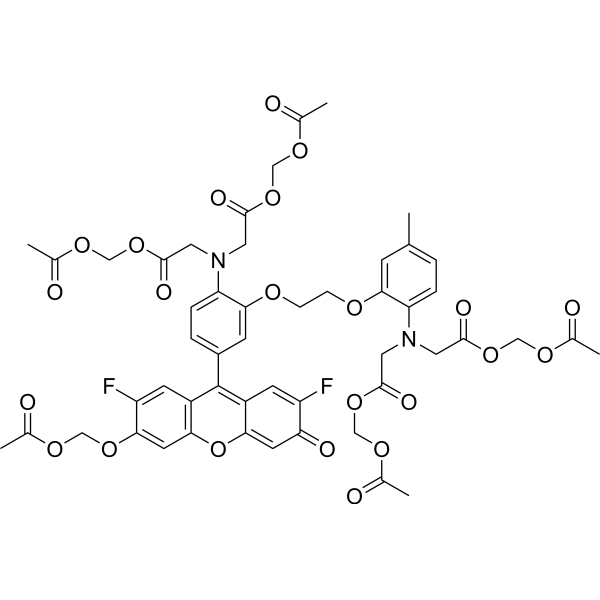
| DC36845 | Fluo-4 AM Featured |
Fluo-4 AM is a cell-permeable, fluorescent Ca2+ indicator.
More description
|
|
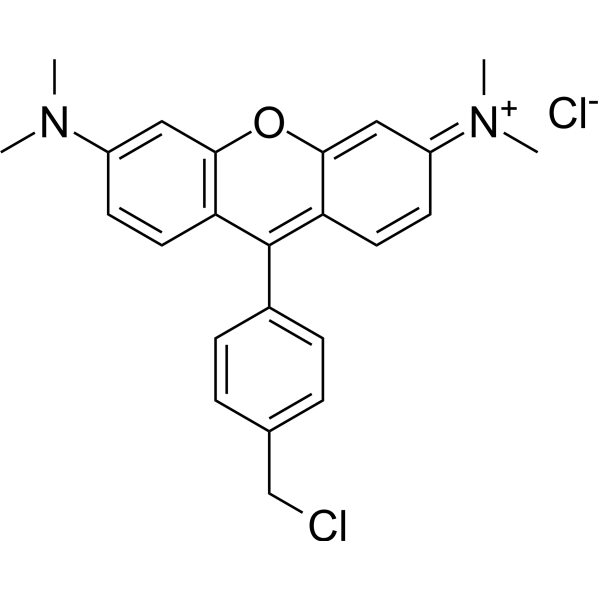
| DC68130 | MitoTracker Orange CMTMRos Featured |
MitoTracker Orange CMTMRos is a fluorescent dye that labels mitochondria within live cells utilizing the mitochondrial membrane potential (Ex/Em: 551/576 nm).
More description
|
|
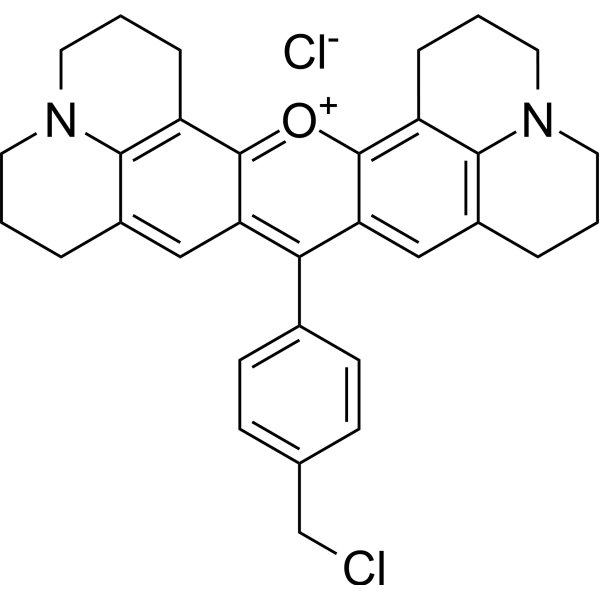
| DC41287 | MitoMark Red I Featured |
MitoMark Red I is a red fluorescent mitochondrial stain. Fluorescence intensity is dependent on mitochondrial membrane potential. Excitation/emission maxima λ ~ 578/599 nm.
More description
|
|
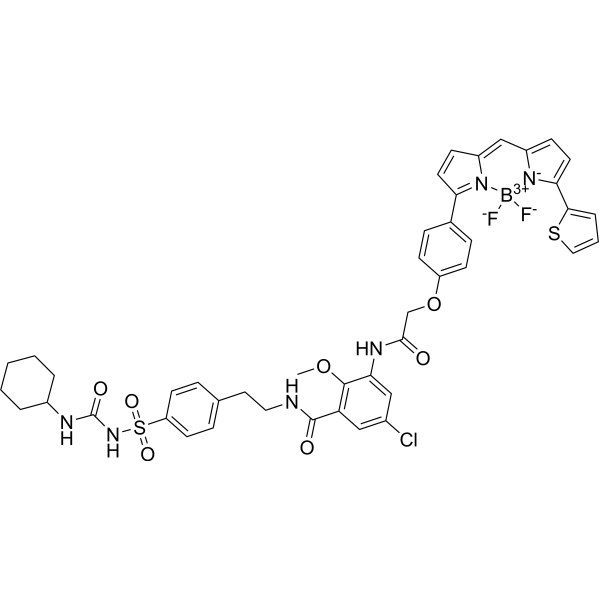
| DC49846 | ER-Tracker Red Featured |
ER-Tracker Red is cell-permeant, live-cell stain that is highly selective for the endoplasmic reticulum (ER).
More description
|
|
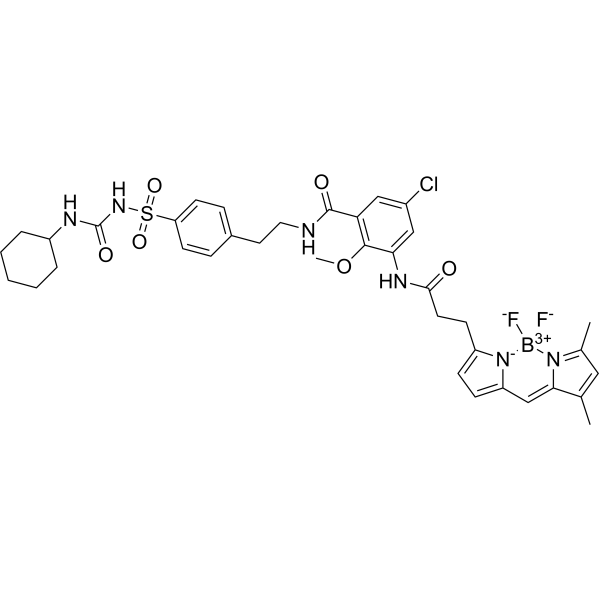
| DC45358 | ER-Tracker Green Featured |
ER-Tracker Green is a fluorescent dye that specific for endoplasmic reticulum.
More description
|
|
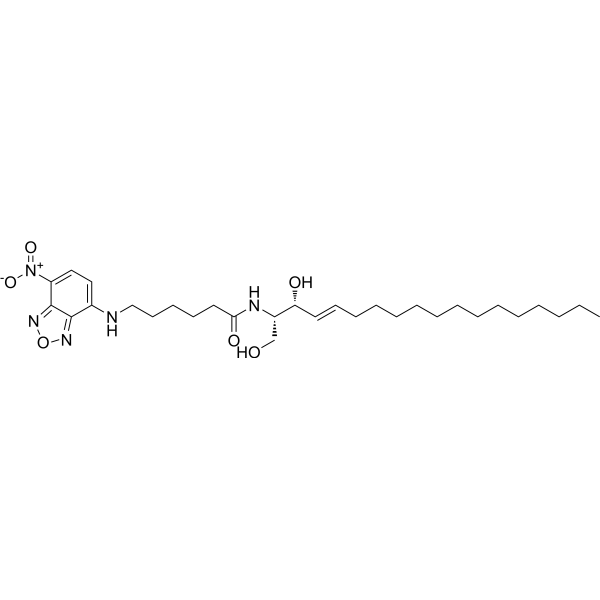
| DC68129 | C6 NBD Ceramide Featured |
C6 NBD Ceramide is a Golgi apparatus fluorescent probe with cell membrane permeability. C6 NBD Ceramide can be used for fast and convenient green fluorescent labeling of Golgi in living and fixed cells, and can be used to observe changes in Golgi morphology in living cells (Ex=466 nm, Em=536 nm). C6-NBD-ceramide is metabolized to fluorescent sphingomyelin and glucosylceramide, can be used for the study of sphingolipid transport and metabolic mechanism.
More description
|
|
| DC68128 | Golgi-Tracker Red Featured |
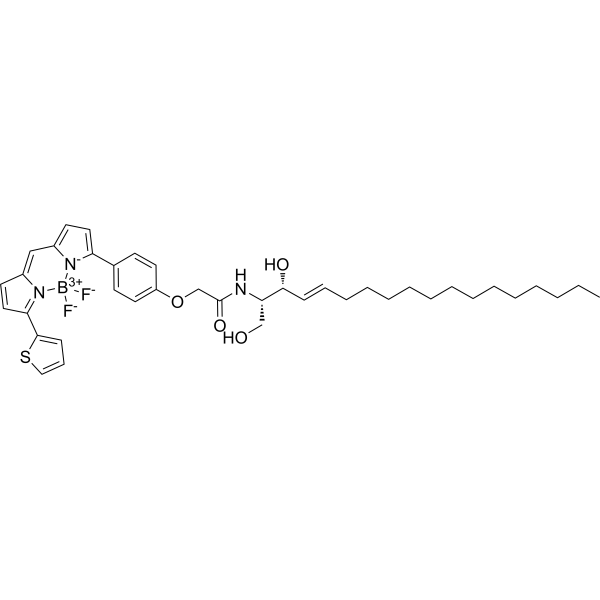
The Golgi apparatus is composed of flattened vesicles superimposed on each other by unit membranes. The flattened vesicles are round with expanded and perforated edges. The Golgi fluorescent probe is a BODIPY-labeled ceramide derivative, the synthesis of which occurs in the endoplasmic reticulum and can then be transported to the Golgi via ceramide transport protein (CERT) or vesicular translocation, allowing specific labeling of the dye. BODIPY TR Ceramide (Golgi-Red Tracke) is a Golgi-specific fluorescent dye, which can visualise individual cells[1]. Ex/Em=589 nm/616 nm.
More description
|
|
| DC68127 | Golgi-Tracker Green Featured |
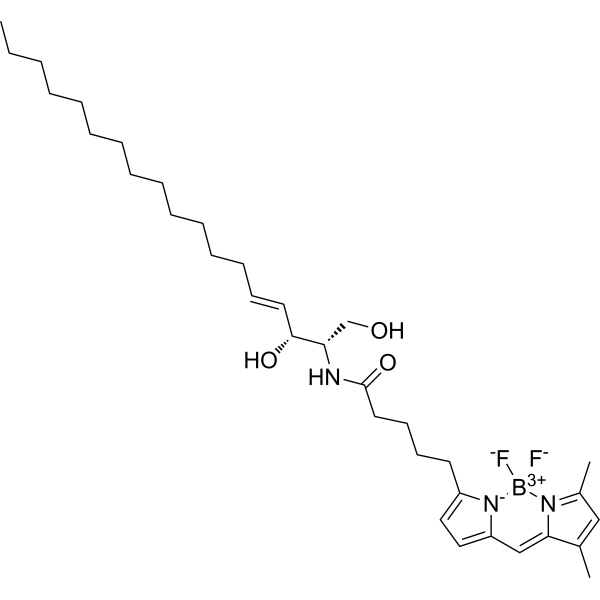
The Golgi apparatus is composed of flattened vesicles superimposed on each other by unit membranes. The flattened vesicles are round with expanded and perforated edges. The Golgi fluorescent probe is a BODIPY-labeled ceramide derivative, the synthesis of which occurs in the endoplasmic reticulum and can then be transported to the Golgi via ceramide transport protein (CERT) or vesicular translocation, allowing specific labeling of the dye. BODIPY Fl C5-Ceramide is a Golgi-specific green fluorescent dye, which can visualise individual cells. Ex/Em= 505 nm/512 nm.
More description
|
|
| DC47779 | LysoTracker Red Featured |
LysoTracker Red (LysoTracker Red DND-99) is a paraformaldehyde fixable probe that concentrates into acidic compartments of cells and tissues. LysoTracker Red is an indicator of cell death in a manner similar to other standard assays (Annexin, terminal dUTP nick end labeling, Nile blue sulfate, neutral red, and acridine orange). LysoTracker Red is a marker for late endosomes and lysosomes.
More description
|

|
| DC68126 | Green DND-26 Featured |
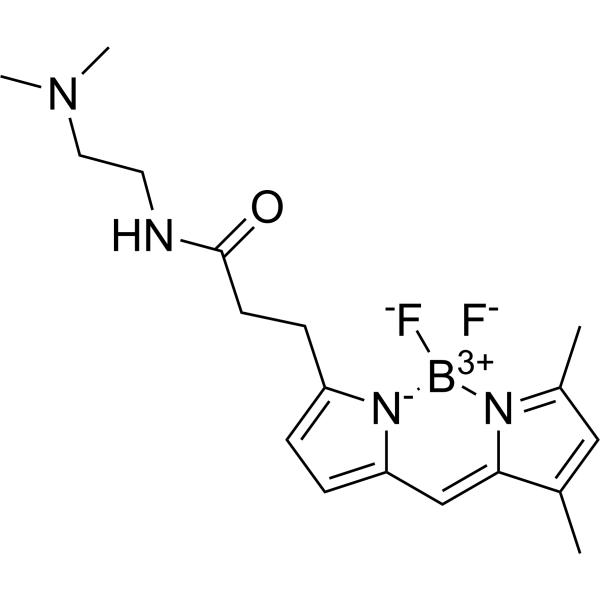
Green DND-26 is a green fluorescently labeled lysosomal probe with a maximum excitation/emission wavelength of 504/511 nm. The structure is composed of a fluorescein group and linked weak bases, which can freely cross the cell membrane and generally gather on spherical organelles. Green DND-26 is suitable for observing the internal biosynthesis and related pathogenesis of lysosomes.
More description
|
|
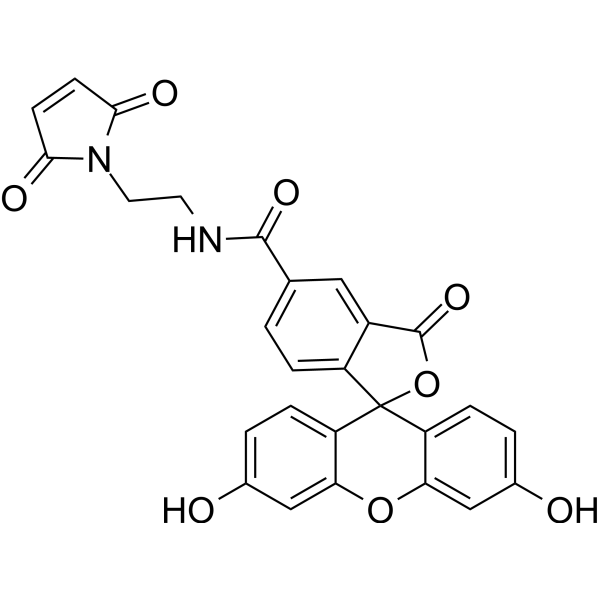
| DC68125 | 5-FAM Maleimide Featured |
Maleimide-5’FAM is a fluorescein. Maleimide-5’FAM can be used for labeling non-transduced cells.
More description
|
|
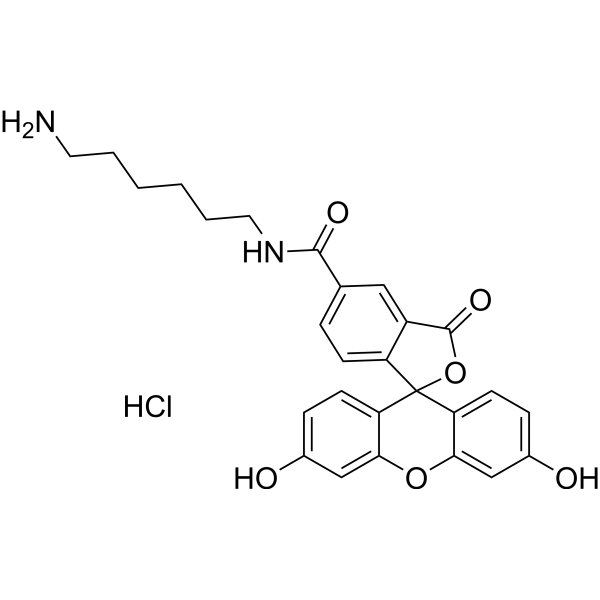
| DC33954 | 5-FAM amine HCl Featured |
Fluorescein (FAM) amine, isomerically pure dye (5-isomer). Unlike fluoresceinamine, this reagent contains a linker arm with an aliphatic amine group that is more reactive. It can react with electrophilic reagents like activated esters or epoxides, and be involved in enzymatic transamination.
More description
|
|
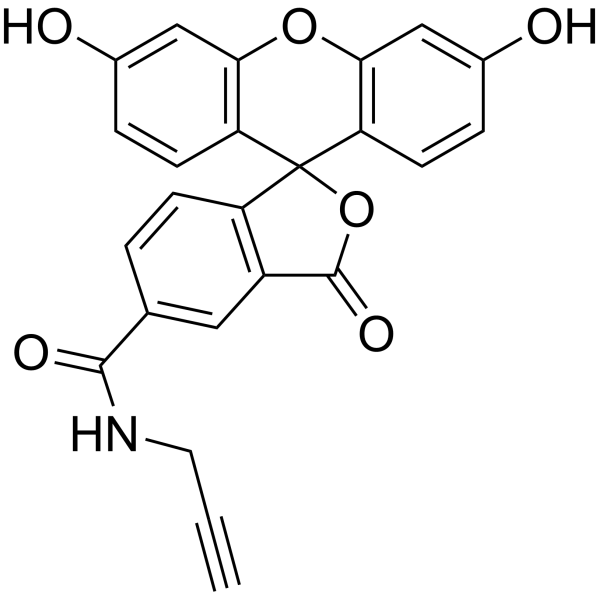
| DC68123 | 5-FAM alkyne Featured |
5-FAM-Alkyne is a high selective and sensitive fluorescent biosensor for alkaline phosphatase (ALP). 5-FAM-Alkyne is a click chemistry reagent, it contains an Alkyne group and can undergo copper-catalyzed azide-alkyne cycloaddition (CuAAc) with molecules containing Azide groups.
More description
|
|
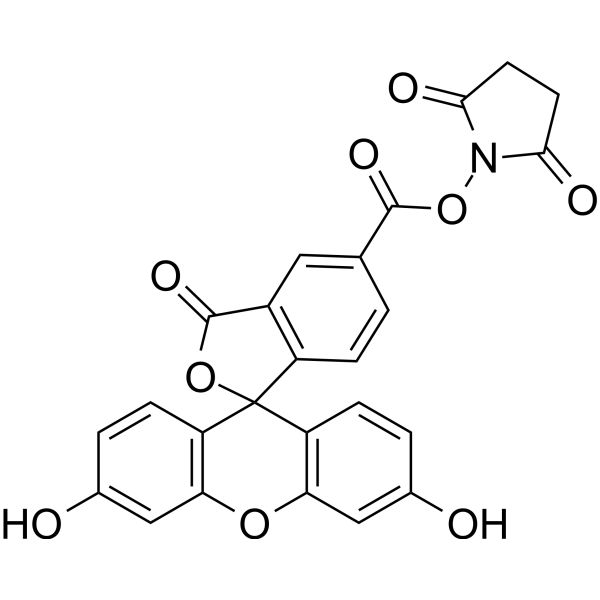
| DC9371 | 5-FAM SE Featured |
5-FAM SE is a single isomer, it is one of the most popular green fluorescent reagents used for labeling peptides, proteins and nucleotides.
More description
|
|
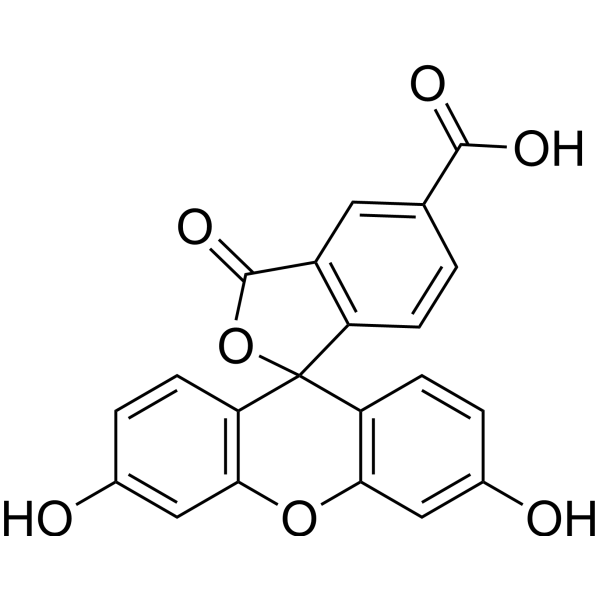
| DC22480 | 5-FAM Featured |
The single isomer, 5-FAM, contains a carboxylic acid that can be used to react with primary amines via carbodiimide activation of the carboxylic acid. Fluorescein is the most common fluorescent derivatization reagent for labeling biomolecules. In addition
More description
|
|
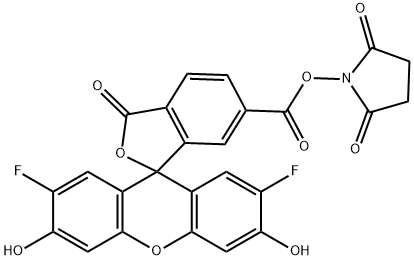
| DC68122 | 6-OG488 NHS ester Featured |
|
