 To enhance service speed and avoid tariff delays, we've opened a US warehouse. All US orders ship directly from our US facility.
| Cat. No. | Product Name | Field of Application | Chemical Structure |
|---|---|---|---|
| DC67490 | G0-C14 analog Featured |
G0-C14 analog is a derivative of the ionizable cationic lipid G0-C14.
More description
|

|
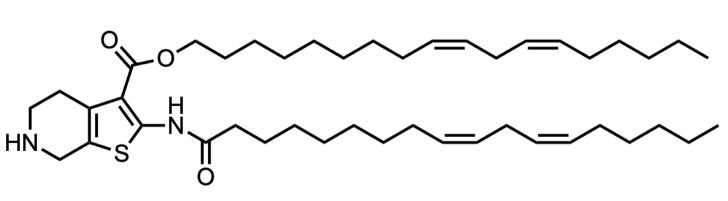
| DC60554 | Lipid 20b Featured |
Lipid 20b is a thiophene-based ionizable lipid synthesized via the Gewald reaction. It features dual unsaturated linoleic tails (C18:2) attached to the same side of the thiophene core and a tertiary amine headgroup. Formulated into LNPs (~100 nm, PDI ~0.2) with DSPC/cholesterol/DMG-PEG, it exhibits high mRNA encapsulation (>90%). Unlike traditional lipids, 20b lacks a pH-dependent ionization profile, likely due to electron delocalization in the thiophene ring. Intravenously, 20b LNPs transfect the liver and spleen in mice. Notably, subretinal delivery in mice and non-human primates (NHPs) achieved robust mRNA expression in photoreceptors (35% rods, 45% cones at high dose) and retinal pigment epithelium (RPE) with minimal acute toxicity. Immunosuppression enhanced rod transfection efficiency. High-dose administration in NHPs caused subretinal debris, but low doses (2.5 µg mRNA) maintained retinal health. This lipid demonstrates potential for liver and retinal gene therapy.
More description
|
|
| DC67133 | C10-200 Featured |
C10-200-based LNPs show enhanced liver tropism for mRNA delivery, outperforming branched-chain lipidoids (e.g., C12-200) in hepatic reporter gene expression. The system's therapeutic potential is confirmed through successful EPO production, with measurable increases in circulating protein levels following administration.
More description
|

|
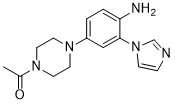
| DCC3809 | Nsp-116 Featured |
Novel free radical scavenger, against light-induced photoreceptor cell damage
More description
|
|
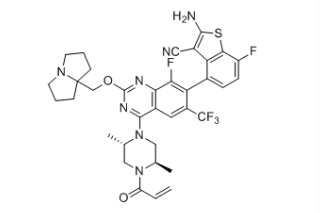
| DC74359 | BBO-8956 Featured |
BBO-8956 is a highly potent, covalent inhibitor of GTP-KRAS G12C, BBO-8956 is effective against both GDP and GTP-bound KRAS G12C.
More description
|
|
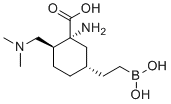
| DC21435 | OAT-1746 Featured |
OAT-1746 is a novel potent, selective, orally active inhibitors of Arginase 1 and 2 (ARG1/2) with IC50 of <50 nM.
More description
|
|
| DC7535 | Y-320 Featured |
Y-320 is a potent inhibitor of the STING with IC50 of 356 nM, approximately 8-fold more potent than the canonical STING inhibitor tool drug H-151. Y-320 blocks STING Golgi translocation and downstream signaling and dose-dependently ameliorates cisplatin-induced acute kidney injury in mice.
More description
|

|
| DC68144 | Lipid G9-1 Featured |
G9-1 is a nitric oxide (NO)-inhibitory ionizable lipid designed for anti-inflammatory mRNA delivery. Derived from the potent NO inhibitor G9, it retains the ability to suppress macrophage-driven inflammation while enabling efficient mRNA encapsulation and lung-targeted delivery. In a murine acute lung injury model, G9-1 lipid nanoparticles (LNPs) loaded with IL-10 mRNA demonstrated synergistic therapeutic effects by reducing inflammatory cell infiltration, suppressing pro-inflammatory cytokines, and improving systemic tissue injury markers. With its intrinsic immunomodulatory activity and preferential targeting of lung-resident cells, G9-1 represents a promising platform for safer and more effective mRNA therapeutics in inflammatory disorders.
More description
|

|
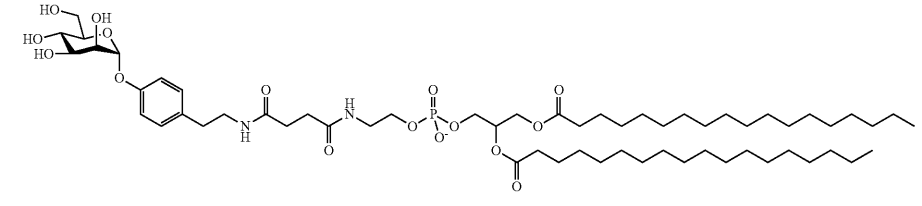
| DC67995 | Lipid 22 Featured |
Compound 22, as detailed in United States Patent US 2026/0014089 A1, is a bifunctional ionizable lipid engineered for precision drug delivery. Its structure integrates a monosaccharide targeting headgroup, designed to bind specifically to DC-SIGN receptors on dendritic cells, via a sophisticated linker connected to a biodegradable lipid anchor. This design enables it to serve as a key component of lipid nanoparticles (LNPs), forming a targeted delivery system. By leveraging the specific carbohydrate-receptor interaction, these LNPs are preferentially internalized by dendritic cells, critical for initiating adaptive immune responses. In vivo studies from the patent, such as the biodistribution data shown in Figure 5, confirm effective accumulation in lymphoid tissues like the spleen and lymph nodes. Consequently, this targeted delivery enhances the potency of encapsulated payloads (e.g., mRNA vaccines) by ensuring professional antigen presentation, eliciting a stronger and more specific immune response—evidenced by higher neutralizing antibody titers—making it a powerful tool for next-generation vaccines and therapeutics.
More description
|
|
| DC68143 | PACAP (1-38), human, ovine, rat Featured |
PACAP (1-38), human, ovine, rat is a PAC1 receptor agonist. PACAP (1-38), human, ovine, rat binds to PACAP type I receptor, PACAP type II receptor VIP1, and PACAP type II receptor VIP2 with IC50s of 4 nM, 2 nM, and 1 nM, respectively. PACAP (1-38), human, ovine, rat increases the α-secretase activity. PACAP (1-38), human, ovine, rat elevates cytosolic Ca2+, increases proliferation and increases phosphorylation of extracellular regulates kinase (ERK) and the epidermal growth factor receptor (EGFR). PACAP (1-38), human, ovine, rat demonstrates potent, efficacious, and sustained stimulatory effects on sympathetic neuronal NPY and catecholamine production.
More description
|
|
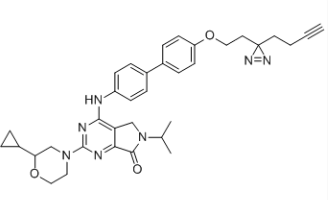
| DC73603 | OV350 Featured |
OV350 (OV-350) is a potent, selective and direct K+-Cl- cotransporter KCC2 agonist with EC50 of 261.4 nM, with no effect on KCC2 plasma membrane accumulation and phosphorylation.
More description
|
|
| DC89031 | SM-102 IMPURITY 2(SM-102 N-Oxide) Featured |
SM-102 N-oxide is potential impurity in commercial preparations of SM-102.
More description
|
.png)
|
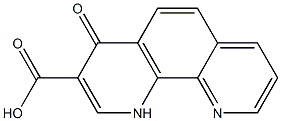
| DC73835 | FG-0041 Featured |
FG-0041 (FG0041) is a small molecule inhibitor of hypoxia-inducible factor prolyl hydroxylase (HIF-PH) with IC50 of 2 uM for collagen prolyl hydroxylase.
More description
|
|
| DC60213 | DOTMA Featured |
N-[1-(2,3-Dioleyloxy)propyl]-N,N,N-trimethylammonium (DOTMA) is a cationic lipid.It has been used as a component in liposomes that can be used to encapsulate siRNA, microRNAs, and oligonucleotides and for gene transfection in vitro.
More description
|

|
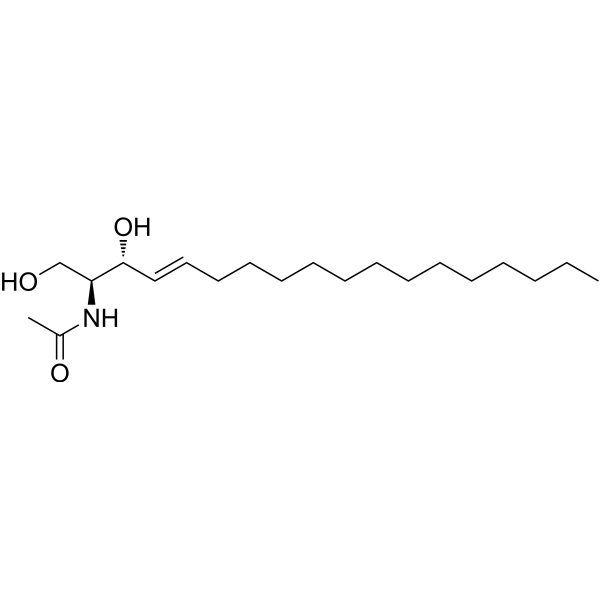
| DC40023 | C2 Ceramide Featured |
C2 Ceramide (Ceramide 2) is the main lipid of the stratum corneum and a protein phosphatase 1 (PP1) activator. C2 Ceramide activates PP2A and ceramide-activated protein phosphatase (CAPP). C2 Ceramide induces cells differentiation and apoptosis, inhibits mitochondrial respiratory chain complex III. C2 Ceramide is also a skin conditioning agent that protects the epidermal barrier from water loss.
More description
|
|
| DC42585 | RHI002 Featured |
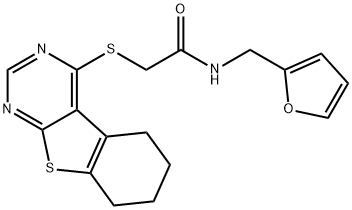
HIV inhibitor, showing selective activity against human RNaseH2
More description
|
|
| DC20561 | Syn-TEF1 Featured |
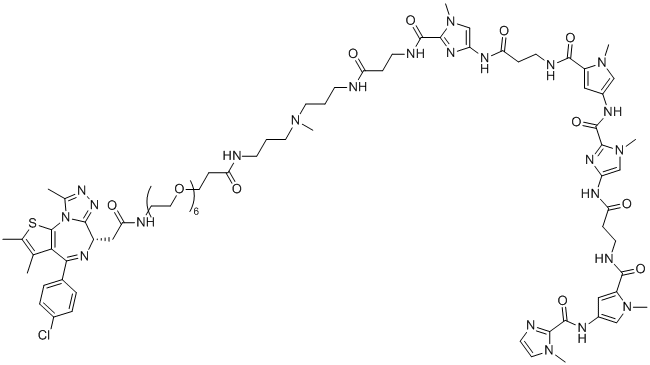
Syn-TEF1 is a molecule actively enables transcription across repressive GAA repeats that silence frataxin expression in Friedreich's ataxia, license transcription elongation at targeted genomic loci.
More description
|
|
| DC68077 | Probe Aca-Bio Featured |
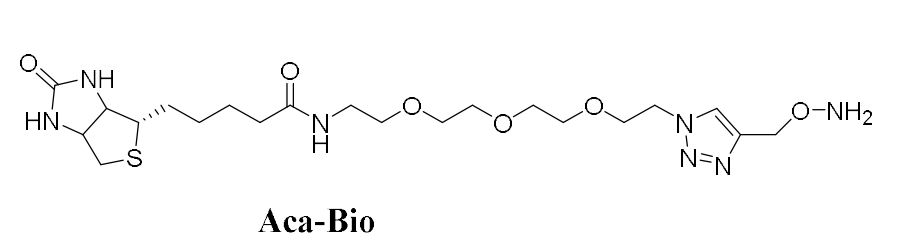
Aca-Bio is a specialized chemical probe designed for the specific enrichment and detection of lysine acetoacetylation (Kacac). Its core architecture consists of a hydroxylamine group, a polyethylene glycol (PEG) linker, and a biotin tag. Functionally, the hydroxylamine group selectively reacts with the unique ketone carbonyl moiety of Kacac under physiological conditions to form a stable, covalent oxime bond. This specific targeting allows Aca-Bio to accurately label Kacac-modified peptides in complex biological samples. Subsequently, the attached biotin tag enables efficient isolation of these labeled peptides via streptavidin-mediated affinity purification. A critical feature of Aca-Bio is its pH-responsive reversibility; the oxime bond remains stable at neutral pH but undergoes controlled cleavage in acidic environments. This allows for the gentle and effective elution of enriched peptides, facilitating subsequent mass spectrometry analysis. By overcoming the limitations of traditional antibody-based methods, Aca-Bio serves as a highly specific and sensitive tool for global Kacac substrate profiling.
More description
|
|
| DC67563 | S-Ac7-DOG Featured |
S-Ac7-DOg is an ionizable lipid engineered for optimized mRNA delivery to the retina, featuring a sulfur-based ester bond (S-Ac) and dual oleyl glyceride chains (DOg). Its pKa (~6.74) is finely tuned to enhance endosomal escape in acidic environments, enabling efficient cytosolic mRNA release. Unlike traditional lipids (e.g., C12-200, MC3), S-Ac7-DOg incorporates biodegradable ester linkages that hydrolyze intracellularly, minimizing lipid accumulation and reducing innate immune activation.
In vitro, S-Ac7-DOg LNPs achieved >80% transfection efficiency in retinal cells (ARPE-19, MIO-M1) with negligible cytokine secretion, outperforming MC3 and rivaling C12-200 while avoiding the latter’s high immunogenicity. In vivo, intravitreal delivery in mice showed robust protein expression in the optic nerve head (ONH) and Müller glia (75–100% of eyes), sustained for ≥7 days. Critically, it induced the lowest immunogenicity among tested lipids: minimal leukocyte infiltration (<1.5-fold vs. PBS), no microglial reactivity, and reduced GFAP upregulation.
More description
|

|
| DC70306 | CGX1321 Featured |
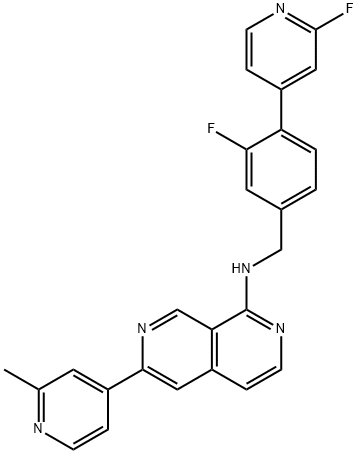
CGX1321 (CGX-1321) is a nove potent and specific inhibitor of porcupine (PORCN) that inhibits Wnt pathway, block secretion of WNT proteins with IC50 of 1 nM;
CGX1321 displayed >500 times selective for Porcupine over the most related target enzyme, hedgehog acyltransferase.
CGX1321 increased Ki67+ and phosphohistone H3 (PH3+) cardiomyocytes in culture, up-regulated cell cycle regulating genes such as Ccnb1 and Ccne1, did not alter YAP protein phosphorylation and nuclear translocation in cardiomyocytes.
CGX1321 administration blocked the secretion of Wnt proteins, and inhibited both canonical and non-canonical Wnt signaling pathways in MI injury mice.
CGX1321 improved cardiac function, reduced myocardial infarct size, and fibrosis of post-MI hearts.
CGX1321 significantly increased newly formed cardiomyocytes in infarct border zone of post-MI hearts, evidenced by the increased EdU+ cardiomyocytes.
More description
|
|
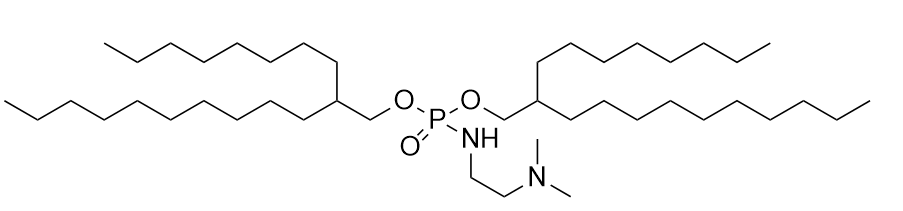
| DC68021 | BIP-20 Featured |
BiP-20 is a branched ionizable phospholipid identified as a lead compound for efficient hepatic mRNA delivery.BiP-20 is a novel, efficient, and safe liver-targeted LNP delivery vehicle. With an ideal pKa of 6.56, it achieves highly efficient liver targeting and endosomal escape primarily through the ApoE/LDL-R pathway. It demonstrates exceptional performance in gene editing at very low doses: for CRISPR-Cas9-mediated editing of TTR, a 10 μg dose achieved ~64% efficiency, which is 8-fold higher than the clinical benchmark lipid LP-01. In Prime Editing targeting the PCSK9 gene, its efficiency (4.30%) also significantly surpassed that of MC3, SM102, and LPO1. Furthermore, it mediates a 5.9-fold increase in hepatic protein expression compared to MC3. Safety assessments indicate it does not induce liver function abnormalities, showing strong therapeutic potential.
More description
|
|
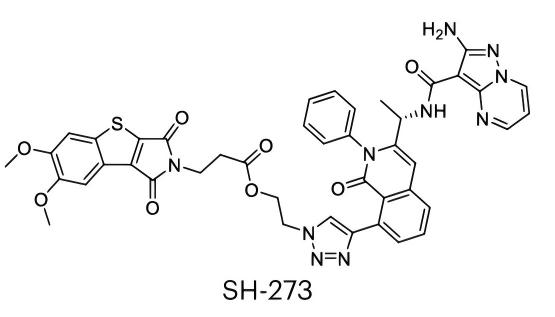
| DC60939 | SH-273 Featured |
SH-273 is a dual targeting compound that stimulates STING to activate myeloid cells and inhibits PI3Kγ to decrease Breg cell populations.
More description
|
|
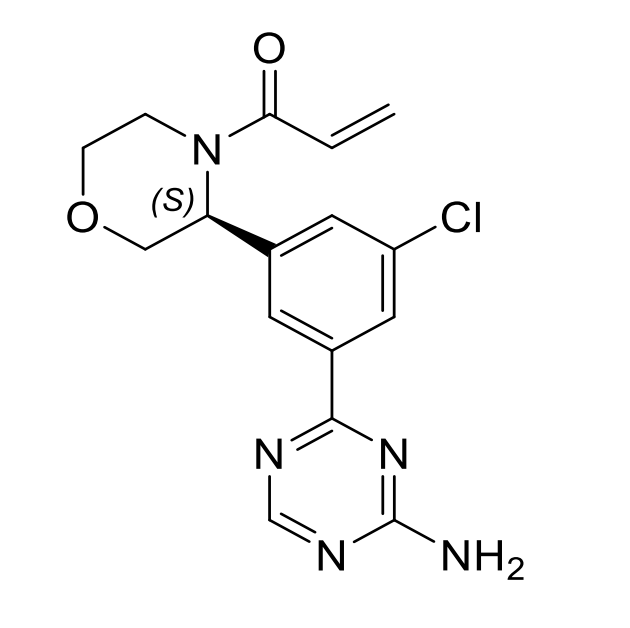
| DC60938 | VVD-065 Featured |
VVD-065 is a first-in-class NRF2 inhibitor that acts via an unprecedented allosteric molecular glue mechanism. VVD-065 specifically and covalently engages Cys151 on KEAP1, which in turn promotes KEAP1-CUL3 complex formation, leading to enhancement of NRF2 degradation.
More description
|
|
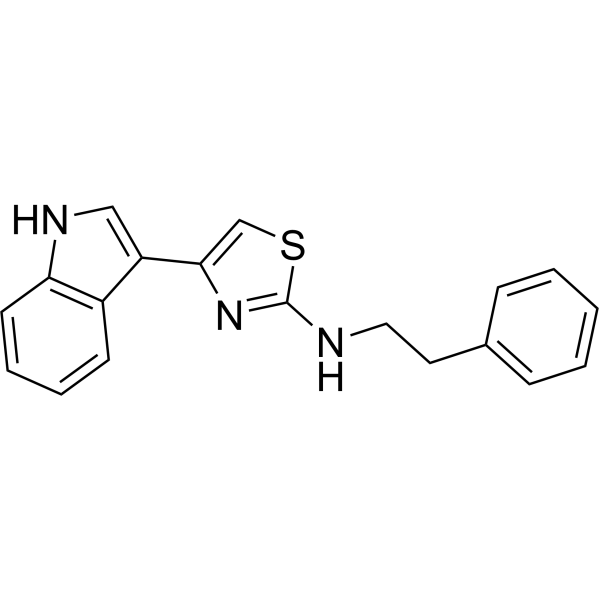
| DC78128 | T2M-010 Featured |
T2M-010 is a potent, brain-penetrant TREM2 agonist (Kd = 0.83 μM). T2M-010 activates receptor-proximal signaling, inducing SYK phosphorylation in TREM2-expressing cells, and promotes microglial phagocytosis. T2M-010 can be used for the study of protective microglial responses relevant to Alzheimer’s disease (AD).
More description
|
|
| DC65851 | CL15F6 Featured |
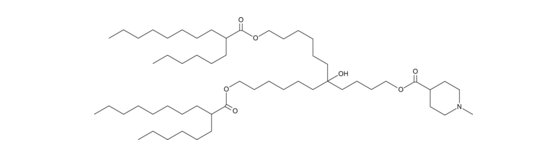
CL15F6 is an ionizable cationic lipid (pKa = 6.75).1 It has been used in the formation of lipid nanoparticles (LNPs) for the delivery of mRNA and polymer-lipid hybrid nanoparticles for the delivery of plasmid DNA in vitro.1,2
More description
|
|
| DCC2576 | Hmref-s-neu5ac Featured |
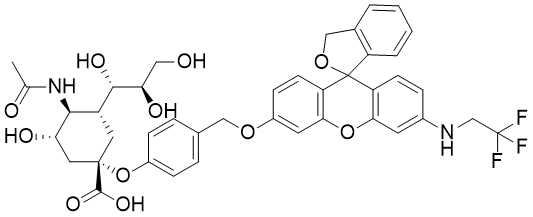
Novel sialidase-activatable fluorescence probe with improved stability for the sensitive detection of sialidase
More description
|
|
| DC72546 | Tri-GalNAc-NHS ester Featured |
Tri-GalNAc-NHS ester is a LYsosome TArgeting Chimera (LYTAC) and a ligand of asialoglycoprotein receptor (ASGPR). ASGPR is a lysosomal targeting receptor specifically expressed on liver cells, for the degradation of extracellular proteins including membrane proteins. Tri-GalNAc-NHS ester can be used as a protein degrader and it can be used for the research of LYTAC.
More description
|

|
| DC24192 | Dasatinib hydrochloride Featured |
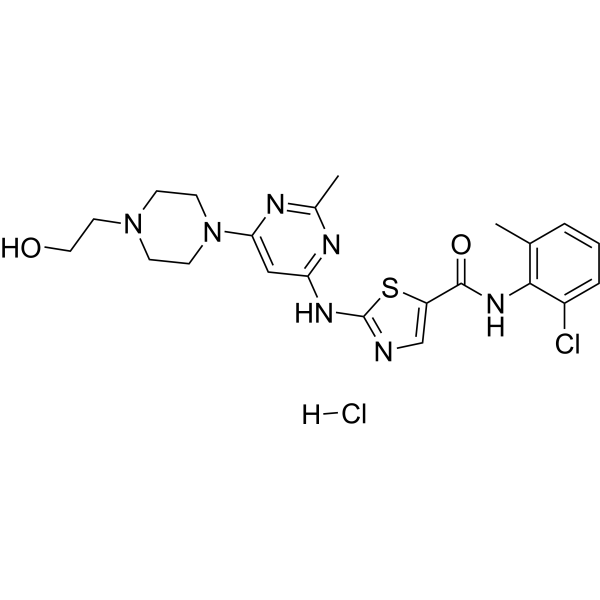
A potent, orally bioavailable, dual Src/Abl kinase inhibitor with IC50 of 0.5, 0.4, 0.5 and <1 nM for Src, Lck, Yes and Bcr-Abl, respectively.
More description
|
|
| DC68137 | PAA-38 HCl Featured |
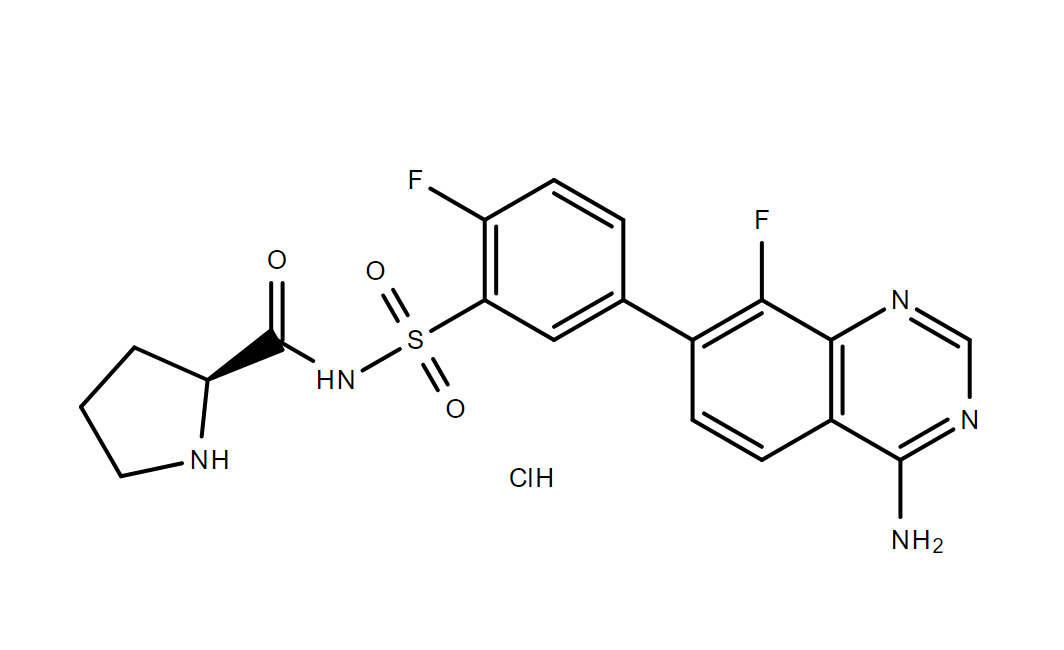
PAA-38 is a highly potent selective inhibitor targeting bacterial prolyl-tRNA synthetase (ProRS). PAA-38 againsts Pseudomonas aeruginosa ProRS (PaProRS) with a Kd value of 0.399 nM and an IC50 value of 4.97 nM. PAA-38 againsts human cytoplasmic ProRSs (HsProRS) with an IC50 value of 35.5 nM. PAA-38 demonstrates an in vitro antibacterial activity of minimum inhibitory concentration (MIC) = 4-8 μg/mL.
More description
|
|
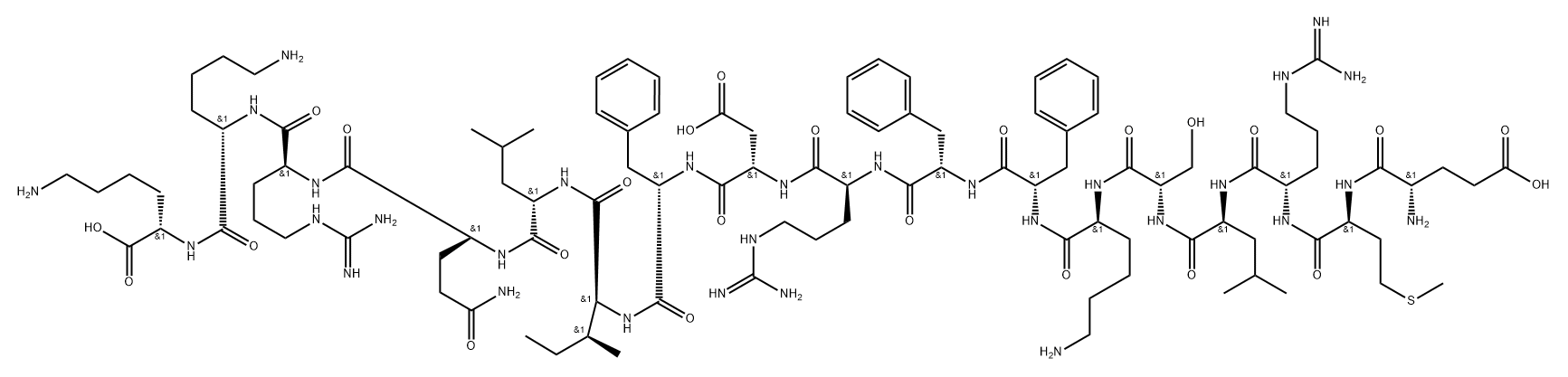
| DC41966 | CSP1 Featured |
CSP1 is a potent and selective ComD1 receptor agonist, with an IC50 of 10.3 nM. CSP1 is a major variants of competence-stimulating peptide (CSP), and it can regulate genetic transformation of S. pneumonia by modulating quorum sensing (QS). CSP1 can act as an antibacterial agent.
More description
|
|
