 To enhance service speed and avoid tariff delays, we've opened a US warehouse. All US orders ship directly from our US facility.
| Cat. No. | Product Name | Field of Application | Chemical Structure |
|---|---|---|---|
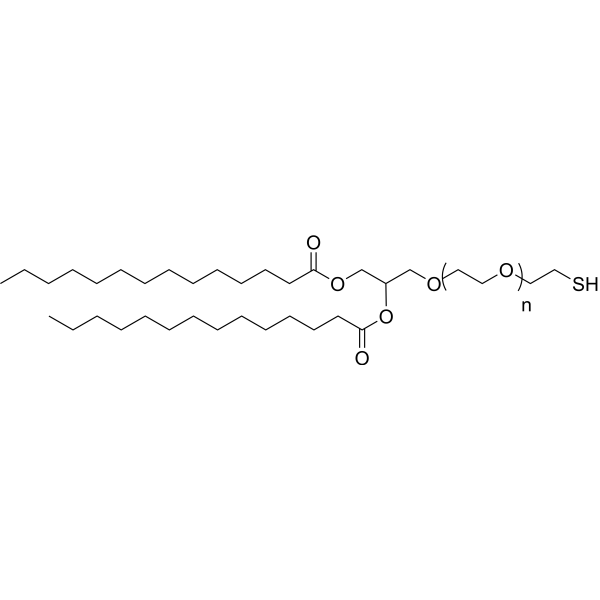
| DC68154 | Thiol-PEG2000-DMG Featured |
Thiol-PEG2000-DMG is a phospholipid polyPEG which can be used to prepare liposomes or nanoparticles. The terminal thiol group reacts with maleimide, OPSS, vinylsulfone and transition metal surfaces including gold, silver, etc.
More description
|
|
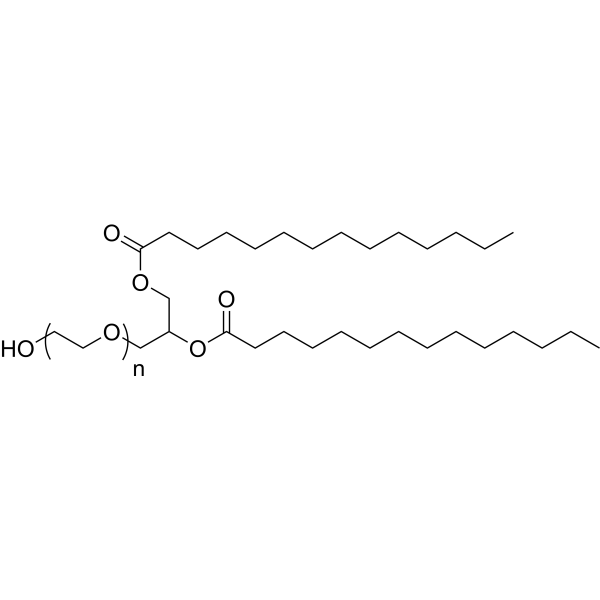
| DC68153 | DMG-PEG2000-OH Featured |
DMG-PEG2000-OH is a PEG derivative that can be used to construct drug delivery vehicles.
More description
|
|
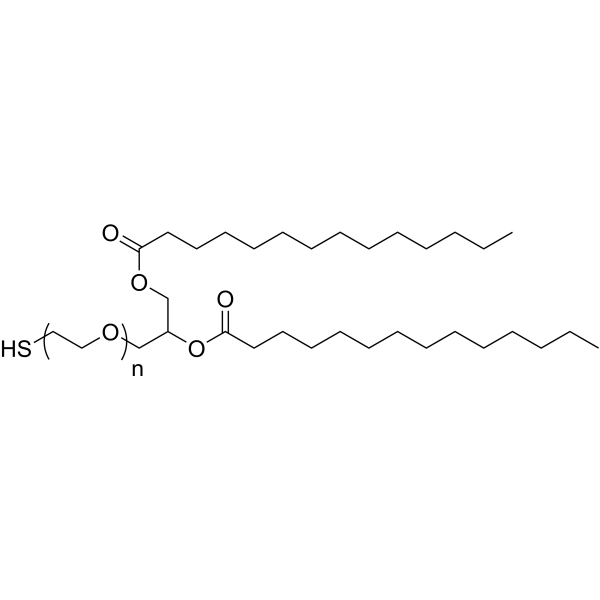
| DC68152 | DMG-PEG2000-SH Featured |
DMG-PEG2000-SH is a PEG derivative that can be used to construct drug delivery vehicles.
More description
|
|
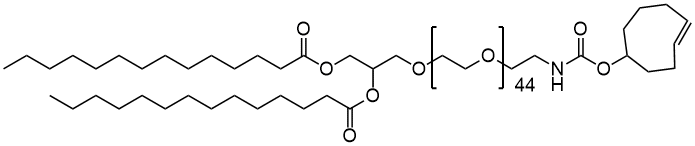
| DC67619 | DMG-PEG-TCO (MW2000) Featured |
DMG-PEG2000-TCO offer the ability to easily conjugate to specific biomolecules via metal free click chemistry to tetrazines. By changing the PEG length, one can change the micelle size, immunological safety, and change the drug release rate.
More description
|
|
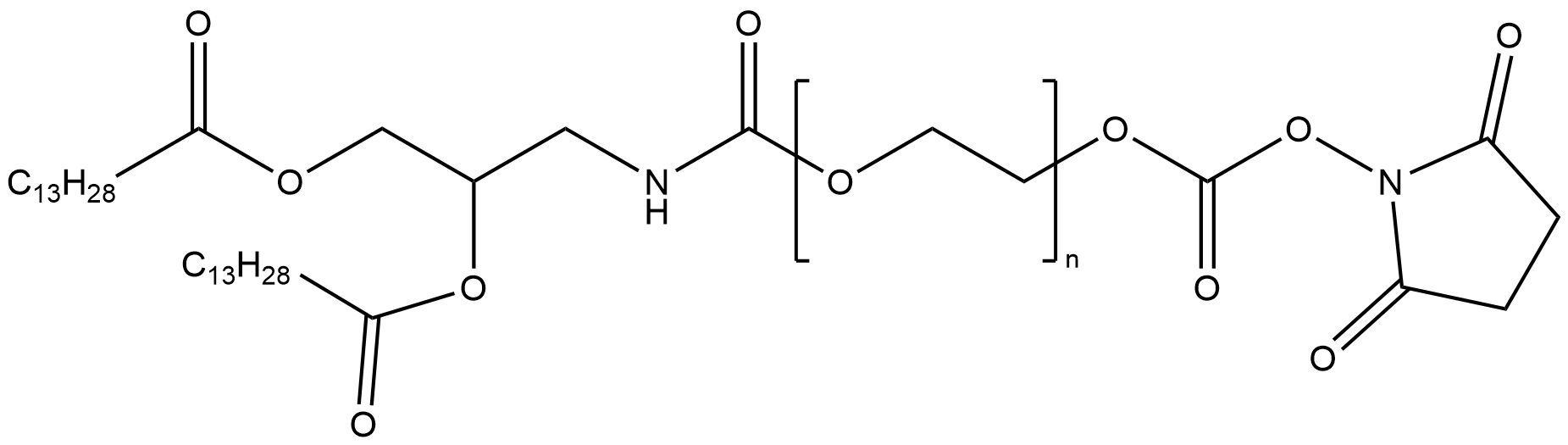
| DC67096 | DMG-PEG-NHS (MW2000) Featured |
DMG-PEG2000-NHS is a PEG derivative that can be used in various biomedical applications, such as the construction of drug delivery systems (siRNA delivery liposomes, lipid nanoparticle, etc.). The active ester (NHS) can react with an amino group (-NH2) to form a stable amide bond, which can be used as a linker in a bioconjugation strategy to modify amino-linked peptide proteins as well as other small molecules.
More description
|
|
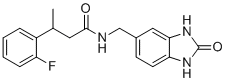
| DC20304 | AGPS-IN-1a Featured |
AGPS-IN-1a is a potent inhibitor of the ether lipid-generating enzyme alkyl-glycerone phosphate synthase (AGPS), selectively lowers ether lipid levels in several types of human cancer cells and impairs their cellular survival and migration..
More description
|
|
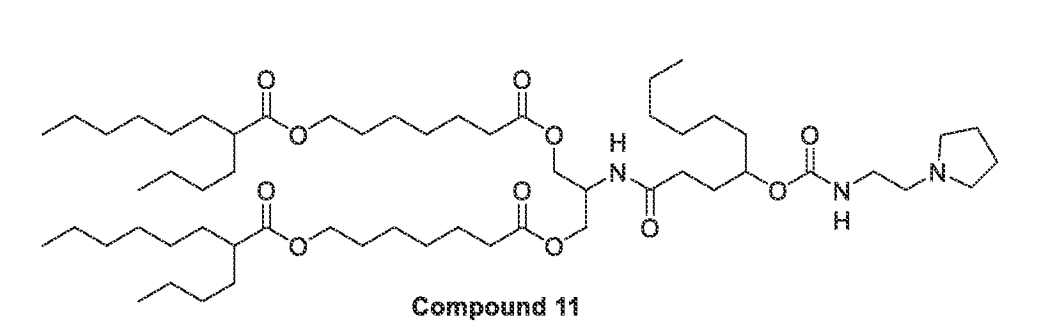
| DC68149 | Liberate lipid 11 Featured |
Lipid 11 is the optimal ionizable lipid disclosed by Liberate Bio, Inc. in patent WO2025/250730 A1, which can significantly improve the delivery efficiency of nucleic acid drugs to extrahepatic tissues including bone marrow, spleen and muscle, with excellent in vivo stability and safety.
More description
|
|
| DC68148 | DEA‑14‑DAP Featured |
DEA‑14‑DAP is a novel ionizable cationic SORT lipid. As a key component for central nervous system targeting, it enables lipid nanoparticles (LNPs) to specifically target microglia, significantly improving the delivery efficiency and cellular selectivity of nucleic acid drugs in the brain.
More description
|

|
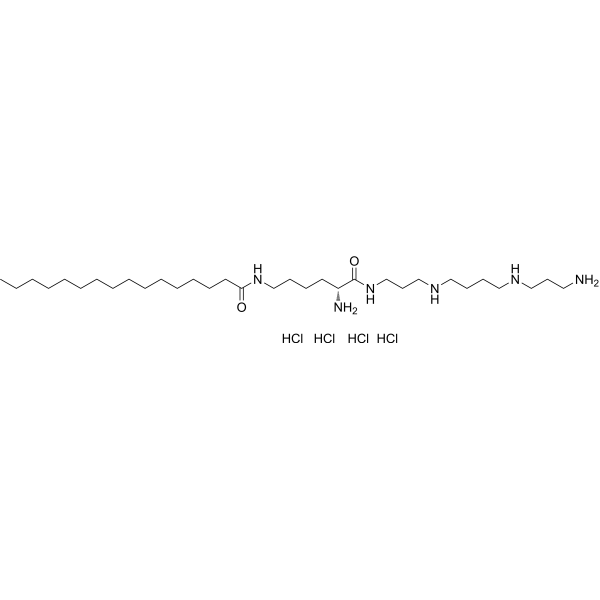
| DC21996 | AMXT-1501 tetrahydrochloride Featured |
AMXT-1501 tetrahydrochloride (AMXT 1501, AMXT1501) is a novel potent polyamine transport inhibitor, synergistically reduces cell viability in NB cells in combination with DFMO.
More description
|
|
| DC73883 | (S)-IBD3540 Featured |
(S)-IBD3540 is a potent, gut-restricted and orally active small molecule glutamate carboxypeptidase II (GCPII) inhibitor with IC50 of 4 nM, demonstrates anti-colitis activity in both acute and chronic mouse colitis models.
More description
|
-IBD3540.gif)
|
| DC23772 | CMLD-2 Featured |
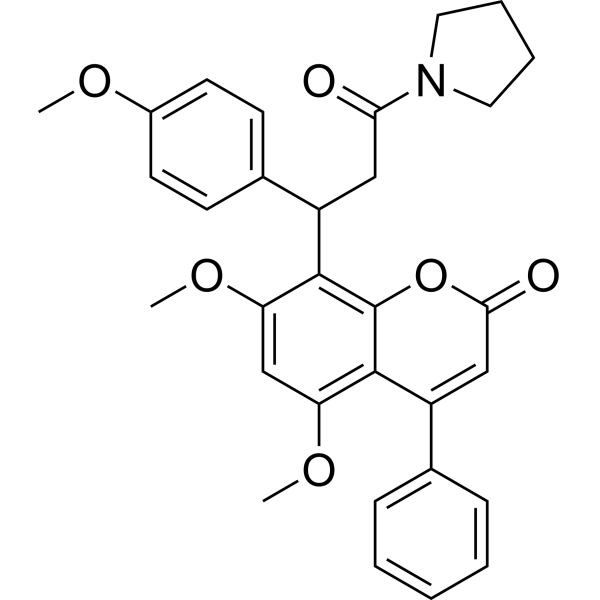
A novel small molecule disruptor of HuR-mRNA interaction with Ki of 350 nM.
More description
|
|
| DC60683 | Lipid-168 Featured |
LIPID168(pKa ~6.5) is an optimized ionizable lipid engineered for in vivo mRNA delivery to hematopoietic stem cells (HSCs) in bone marrow. Developed by Yoltech Therapeutics through high-throughput screening of lipid libraries, it features a diethylamino head group and a tailored hydrophobic tail structure that enables antibody-free targeting. When Lipid 168 was formulated into lipid nanoparticles (LNPs), it achieved 48.5% base editing efficiency in bone marrow cells —surpassing benchmarks like LIPID-028 (19.7%)—and reduced off-target liver editing from 71% to 19% by incorporating miR-122 target sequences. In humanized β-thalassemia models, LNP 168 delivered ABE8e mRNA/sgRNA to patient-derived HSCs, yielding 42.6% editing at the HBG promoter, reactivating fetal hemoglobin (γ-globin) and rescuing erythroid defects . Its bone marrow specificity is driven by a unique protein corona enriched in albumin, fibronectin, and fibrinogen . Safety studies confirmed transient immune responses and no cumulative toxicity . LIPID-168 represents a promising non-viral platform for curative gene therapies in blood disorders.
More description
|

|
| DC67650 | EB-Lipid Featured |
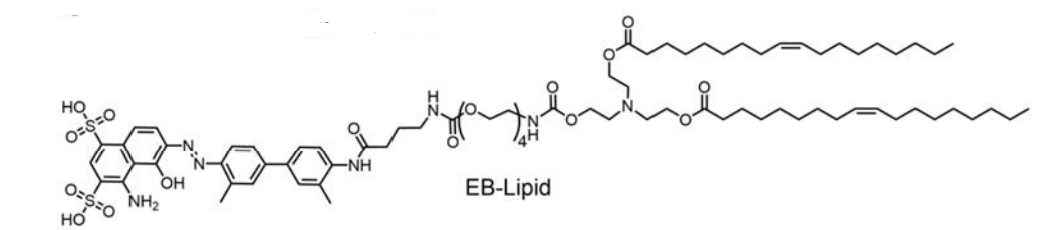
EB-Lipid is an innovatively engineered ionizable lipid designed to replace conventional PEG-lipid in mRNA vaccine formulations. Its structure comprises three key components: an Evans Blue-derived headgroup with high affinity for albumin, a tetraethylene glycol linker that enhances colloidal stability, and dual oleate tails for anchoring into lipid bilayers. This molecular design enables EB-Lipid to actively recruit endogenous albumin, forming an albumin-rich protein corona on the surface of lipid nanoparticles (LNPs). Following intramuscular administration, these albumin-bound EB-LNPs are preferentially transported through lymphatic vessels rather than entering the bloodstream, thereby avoiding hepatic accumulation and associated hepatotoxicity risks.Experimental data demonstrate that EB-LNPs achieve significantly higher accumulation in lymph nodes, where they are efficiently internalized by dendritic cells via albumin receptor-mediated endocytosis (e.g., gp60). This process enhances antigen presentation and activates robust cellular and humoral immune responses. In both tumor models (B16-OVA and HPV-associated) and infectious disease models (H1N1 and SARS-CoV-2 Omicron), EB-LNP-based mRNA vaccines elicited potent cytotoxic T-cell activation and durable neutralizing antibody production at low doses. Unlike traditional PEG-LNPs, EB-LNPs show minimal liver distribution, reduced immunogenicity, and improved safety profiles after repeated administrations.By leveraging albumin’s natural trafficking pathway, EB-Lipid represents a transformative delivery platform that combines targeted lymph node delivery with enhanced biosafety, positioning it as a promising candidate for next-generation mRNA vaccines and therapeutics.
More description
|
|
| DC60924 | AA76-lipid Featured |
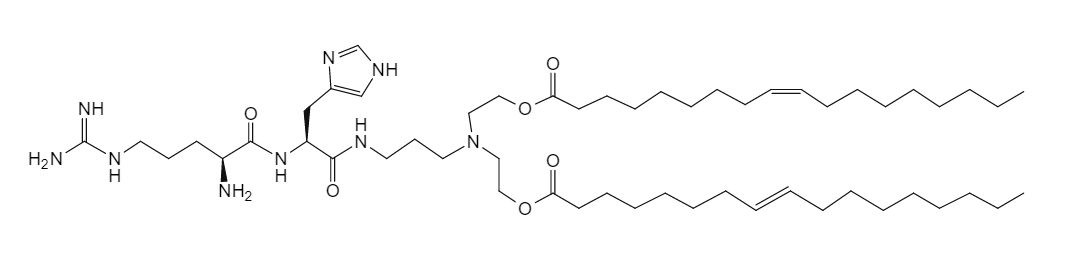
AA76-lipid is a dipeptide-modified ionizable lipid, engineered with an arginine-histidine motif, that constitutes the core of the pancreatic-targeted AH-LNP delivery platform. Its chemical architecture, characterized by an externally positioned and C-terminally modified arginine residue, was identified through systematic screening as the optimal structure for function. Upon intraperitoneal administration, AH-LNPs formulated with this lipid interact with proteins in the peritoneal fluid, undergoing dynamic assembly into significantly larger complexes. This substantial increase in size (from ~100 nm to over 360 nm) exploits a physical targeting principle termed the Capsule-filter-mediated pancreatic targeting (CAMP) mechanism. Large particles are selectively filtered out by the dense capsules of other abdominal organs, leading to preferential enrichment in the capsule-deficient pancreas. Concurrently, the arginine-histidine motif directs the formation of a distinct protein corona enriched with apolipoproteins (e.g., APOE, APOB-100), which mimics very-low-density lipoprotein (VLDL). This corona enables efficient cellular internalization primarily into pancreatic stromal cells via VLDL receptor (VLDLR)-mediated endocytosis, known as the VMP pathway. The synergistic integration of the physical CAMP targeting and the biological VMP uptake mechanisms empowers AA76-lipid-based AH-LNPs to achieve highly specific, potent, and sustained mRNA delivery and gene editing within the pancreas across multiple species, demonstrating exceptional therapeutic efficacy in models of both autoimmune pancreatitis and pancreatic cancer.
More description
|
|
| DC47131 | Camonsertib Featured |
Camonsertib is a potent ATR inhibitor. ATR inhibitor 4 has antitumor activity.
More description
|

|
| DC68147 | SAINT-2 Featured |
SAINT-2 is a cationic lipid with gene transfection activity and is a pyridyl lipid analog. Molecular membranes prepared by SAINT-2 can interact with plasmids to form lipid complexes. After the complex is taken up by cells, the plasmid dissociates from the lipid complex under the action of DOPE and the plasmid translocates across the endosome and/or nuclear membrane. Thus, SAINT-2 effectively transfers small oligonucleotides into cells。
More description
|

|
| DC67458 | DMT7 Featured |
DMT7 (pKa 6.5) is an ionizable cationic lipid engineered for co-delivery of mRNA and immunomodulators via LNPs. In 4T1 breast cancer metastasis models, DMT7 LNPs carrying IL-12 mRNA and STING agonist MSA-2 significantly reduce tumor burden and pulmonary metastases while modulating T cell populations. The formulation demonstrates broad immunotherapeutic effects in melanoma models, shifting tumor macrophages toward the M1 phenotype, reducing Tregs, and elevating pro-inflammatory cytokines (IL-12, IL-2, TNF-α, IFN-γ).
More description
|

|
| DC67465 | Lipid 7-1 Featured |
7-1 lipid represents a novel ionizable cationic compound designed for nucleic acid delivery applications.
More description
|

|
| DC71699 | DOIC Featured |
DOIC is a cationic lipid that can be used for RNA vaccines.
More description
|

|
| DC68146 | DMDHP Featured |
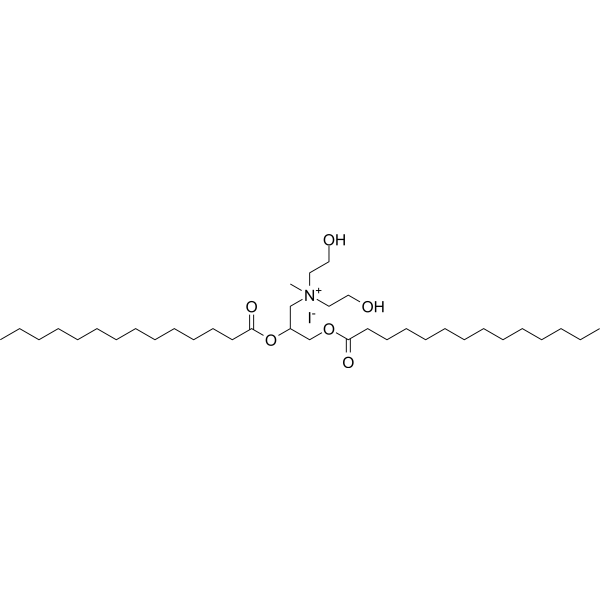
DMDHP ((±)-Dimyristoyl-2,3-dimethylhydroxypropylamine) is a cationic lipid with a polar head group containing a dihydroxy group. DMDHP exhibits superior transfection efficiency and lower toxicity at high DNA doses in mouse intrapulmonary transfection model. DMDHP is commonly used for gene delivery.
More description
|
|
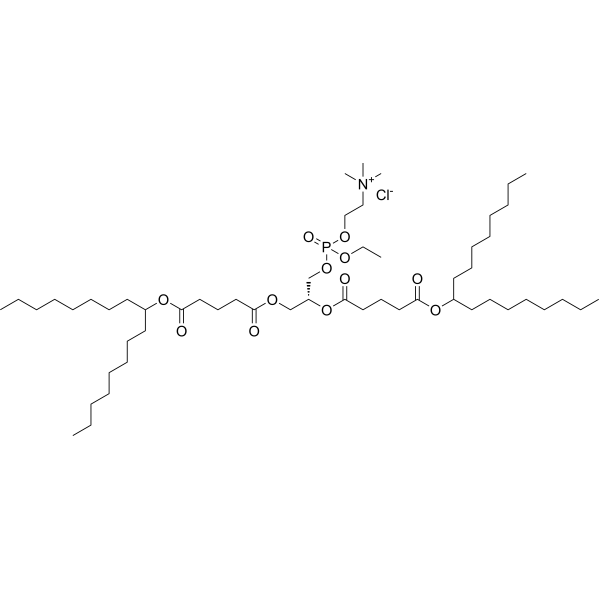
| DC68145 | APL-719 Featured |
APL-719 is a cationic lipid that can be used to synthesize lipid nanoparticles for drug delivery.
More description
|
|
| DC60556 | Lipid 29d Featured |
Lipid 29d is an ionizable lipid containing a thiophene moiety (Thio-lipid) for mRNA delivery. Lipid 29d enables LNPs to transfect the lung and spleen.
More description
|

|
| DC60462 | MIC1 Featured |
MIC1 is a set of multi-charged lipids with four tertiary amino nitrogen atoms (4N4T) which could be constructed and applied to form novel lipid nanoparticles. 4N4T-LNPs based on MIC1 exhibit much higher mRNA translation efficiency than the approved SM-102-LNPs. 4N4T-LNPs are successfully applied to DS mRNA vaccine and the vaccines worked well against SARS-CoV-2 and its variants, including Delta and Omicron.
More description
|

|
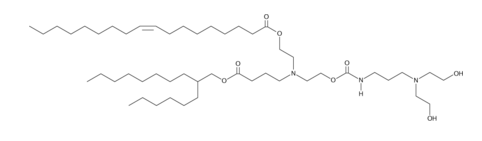
| DC66654 | Lipid N2-3L Featured |
|
|
| DC67457 | Lipid 1 HG3 Featured |
Lipid 1 HG3 serves as a key component in LNPs specifically engineered for in vivo delivery of closed-end DNA (ceDNA), demonstrating efficient nucleic acid encapsulation and targeted release capabilities.
More description
|

|
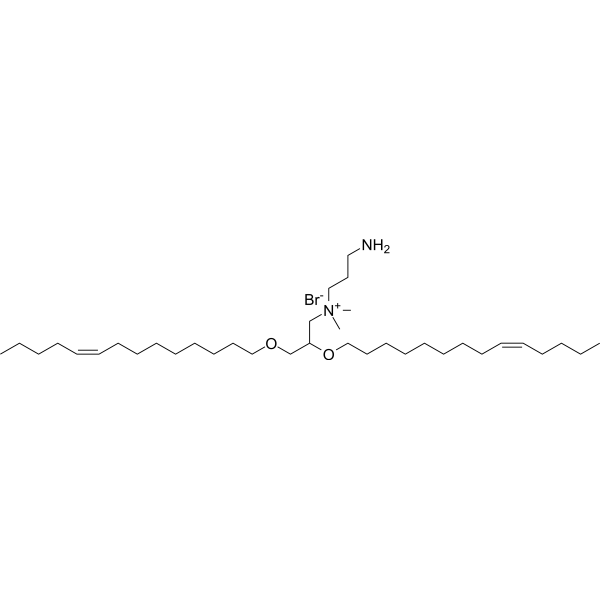
| DC67119 | VC1052 Featured |
VC1052 is the component of Vaxfectin. Vaxfectin is a cationic lipid-based adjuvant that can be used for plasmid DNA- and protein-based vaccines.
More description
|
|
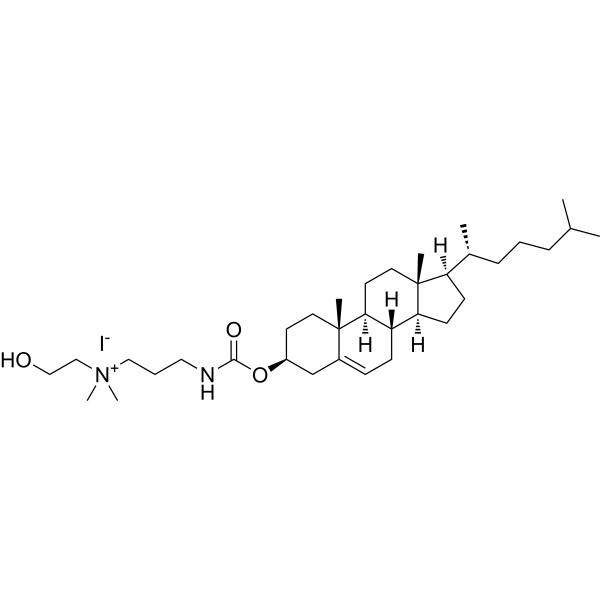
| DC36459 | DMHAPC-Chol Featured |
DMHAPC-Chol is a cationic cholesterol. Liposomes containing DMHAPC-chol have been used for DNA plasmid delivery in vitro and in vivo in a B16-F10 mouse xenograft model. Liposomes containing DMHAPC-chol are cytotoxic to B16-F10 cells. DMHAPC-Chol, as part of a lipoplex with DOPE, has also been used to deliver DNA into mouse lung via intratracheal injection, resulting in a heterogeneous distribution in the bronchi and bronchioles, and to deliver VEGF siRNA into A431 and MDA-MB-231 cells, which secrete VEGF.
More description
|
|
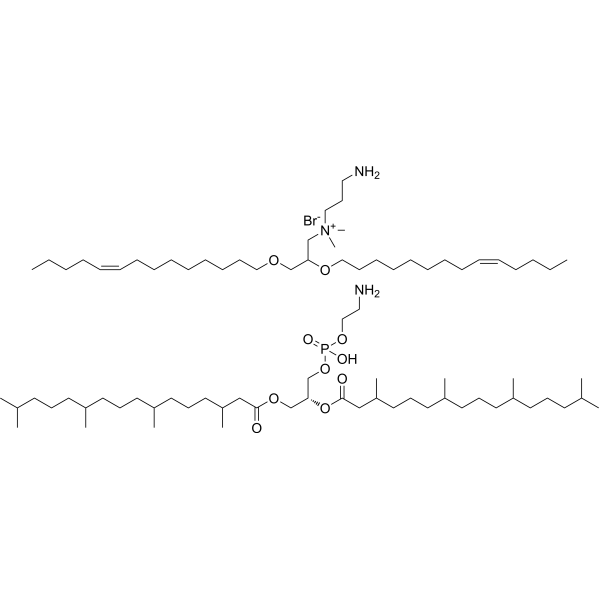
| DC71656 | Vaxfectin Featured |
Vaxfectin is a cationic lipid-based adjuvant that can be used for plasmid DNA- and protein-based vaccines.
More description
|
|
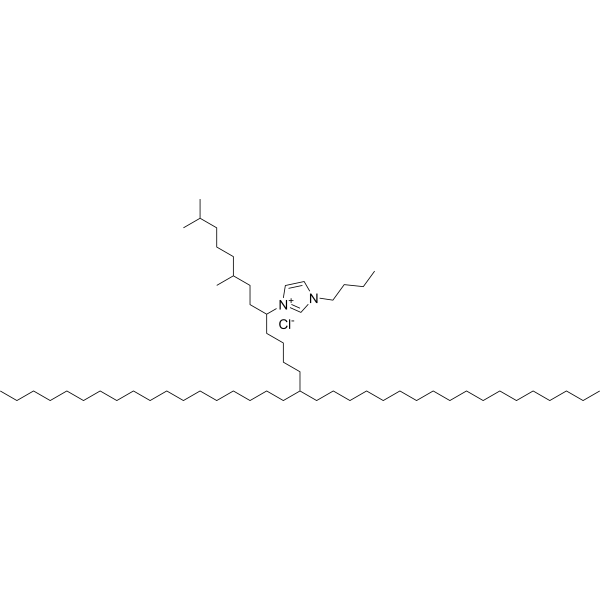
| DC67134 | IM21.7c Featured |
|
|
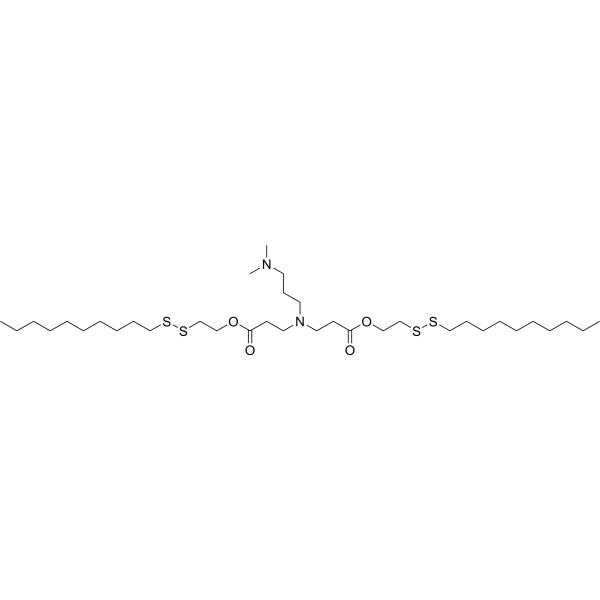
| DC67116 | 80-O14B Featured |
|
