 To enhance service speed and avoid tariff delays, we've opened a US warehouse. All US orders ship directly from our US facility.
| Cat. No. | Product Name | Field of Application | Chemical Structure |
|---|---|---|---|
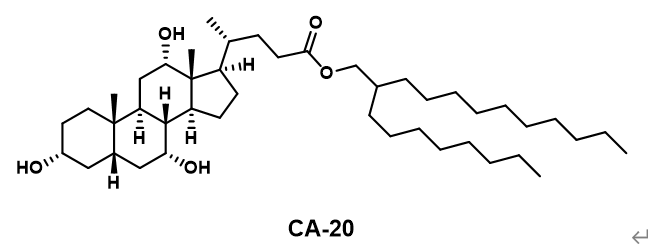
| DC68205 | CA-20 Featured |
CA-20 is a bile acid-derived sterol designed to replace cholesterol in mRNA LNPs. It achieves high mRNA encapsulation efficiency up to 87.4% and forms uniform, spherical nanoparticles with ordered membrane structures confirmed by cryo-TEM and MD simulations. In vivo, CA-20 drastically cuts hepatic mRNA expression while shifting nearly all gene expression to the spleen, driven by reduced ApoE protein binding on LNP surfaces. Using HA mRNA vaccines, CA-20 LNPs trigger stronger antigen-specific IgG, neutralizing antibodies, memory B cells and IFN-γ-secreting T cells than cholesterol LNPs. Acute safety tests prove CA-20 causes minimal liver damage, with normal serum liver enzymes and intact organ histology, delivering balanced superior immunogenicity and low liver toxicity for spleen-targeted mRNA vaccine delivery.
More description
|
|
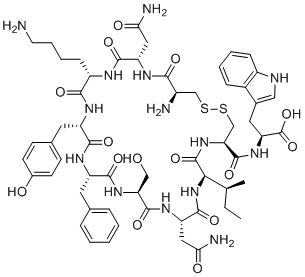
| DC73778 | WX-340 Featured |
WX-340 is a highly specific and selective, peptidic cyclic competitive inhibitor of urokinase-type plasminogen activator (uPA) with Ki of 12 and 170 nM for human and mouse uPA, respectively, inhibit 10 Units of human uPA with IC50 of 90 nM.
More description
|
|
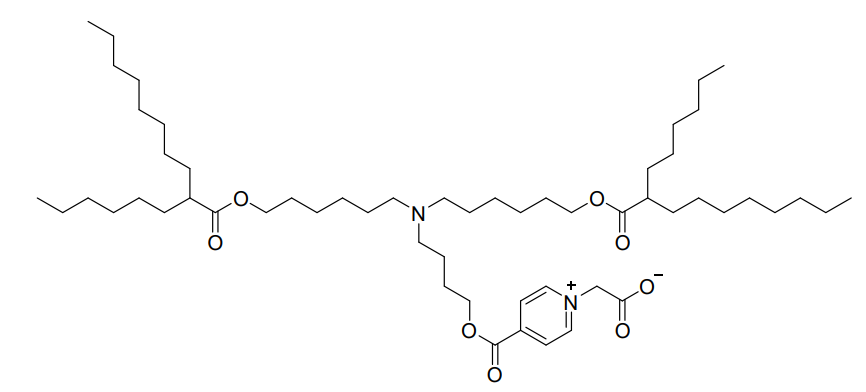
| DC67605 | PyCB lipid Featured |
PyCB lipid (MeDZ) is a rationally designed zwitterionic ionizable lipid that serves as a core functional component in the novel three-component (ThrCo) lipid nanoparticle (LNP) platform. It is synthesized by covalently attaching a zwitterionic PyCB structure to the hydroxyl group of the clinically available ionizable lipid ALC-0315.Its key feature is its pH-responsive behavior. At physiological pH (~7.4), the PyCB headgroup exhibits zwitterionic properties, forming charge-assisted hydrogen bonds with water molecules (PyCB-H₂O complexes). This confers high hydrophilicity to the LNP surface, enhancing stability in aqueous environments and reducing nonspecific protein adsorption in the bloodstream. This zwitterionic surface effectively mimics and replaces PEGylated lipids, thereby avoiding PEG immunogenicity and the associated Accelerated Blood Clearance (ABC) effect upon repeated administrations.Crucially, in the acidic environment of endosomes (pH ~6.5), the PyCB group undergoes strong protonation, rapidly transforming into a cationic state (PyCB-H₃O⁺ complexes). This promotes efficient fusion with and disruption of the endosomal membrane, facilitating the escape and cytoplasmic release of encapsulated mRNA.By replacing both cholesterol and PEGylated lipids in traditional LNPs, PyCB lipid enables the redirection of LNP biodistribution from the liver to the spleen, achieving superior spleen-specific mRNA translation and enhancing antigen presentation for potent immune activation.
More description
|
|
| DC60518 | ACBI3 Featured |
ACBI3 is a selective, potent and in vivo active pan-KRAS PROTAC degrader, potently degrades 13 out of 17 of the most prevalent oncogenic KRAS alleles (DC50=3.9 nM in GP2d cells).
More description
|

|
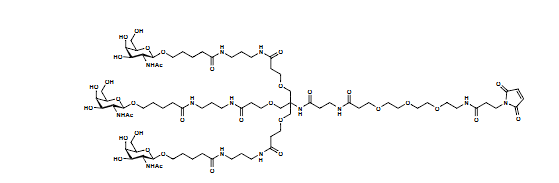
| DC68007 | Tri-GalNAc-β-Ala-PEG3-MAL Featured |
Tri-b-GalNAc-b-Ala-PEG3-MAL contains three terminal beta-N-acetylgalactosamine (GalNAc) sugars arranged in a trivalent configuration, facilitating high-affinity binding to the asialoglycoprotein receptor (ASGPR) expressed on hepatocyte surfaces. The crucial functional group is a terminal maleimide (MAL) moiety, enabling chemoselective bioconjugation with biomolecules harboring thiol (-SH) groups. This strategy allows for site-specific conjugation under mild conditions, valuable for developing targeted conjugates in disciplines like targeted drug delivery and antibody-drug conjugate (ADC) development for hepatocellular carcinoma.
More description
|
|
| DC67996 | SB405483 Featured |
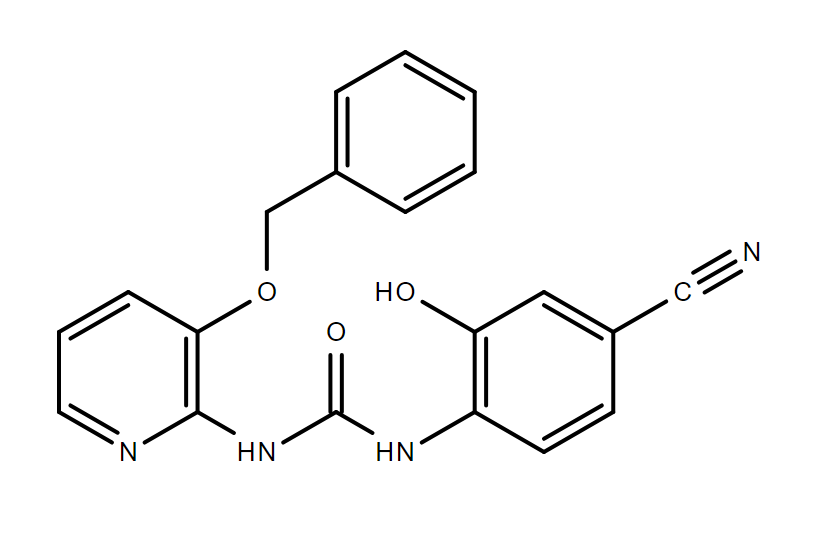
SB-405483 is a specific small-molecule chemical compound used in scientific research as an allosteric ligand for the protein cereblon (CRBN). It is primarily a biochemical tool for studying protein degradation pathways and has potential implications for drug discovery.
More description
|
|
| DC68180 | PCC0208017 Featured |
|
|
| DC65869 | Bis-THA inhibitor 4 Featured |
|
|
| DC80858 | UCB1244283 Featured |
Influenza virus-IN-10 is a dual-target antiviral agents for influenza that targets both PAC (KD = 8.9 μM) and NP (KD = 52.5 μM) simultaneously. Influenza virus-IN-10 exhibits an EC50 values of 1.64 μM) against influenza A virus (H1N1, A/WSN/33) and broad-spectrum activity against other influenza strains, including influenza B virus and multiple subtypes of influenza A.
More description
|
|
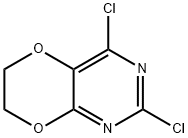
| DC68186 | AB639552 Featured |
|
|
| DC79876 | (±)-U-50488 Featured |
(±)-U-50488 ((±)-trans-(1R,2R)-U-50488) is a selective kappa opioid receptor agonist. (±)-U-50488 can improve symptoms related to status epilepticus, but has no significant effect on spontaneous seizure episodes. (±)-U-50488 can be used for research of epilepsy.
More description
|
-U-50488.gif)
|
| DC31663 | UNII 9JDX055TW1 Featured |
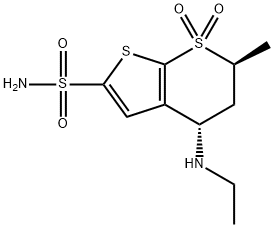
Dorzolamide is a carbonic anhydrase inhibitor. It is an anti-glaucoma agent, and acts by decreasing the production of aqueous humour. It is administered as a topical ophthalmic in the form of a 2% solution.
More description
|
|
| DC68204 | Eloralintide Featured |
Eloralintide (LY-3841136) is an amylin receptor agonist with human AMY1R EC50 23.9 pM and human AMY3R EC50 253.8 pM. Eloralintide induces decreased appetite, reduced food intake, body weight and fat mass loss, prolonged plasma calcium2+ reduction, and weak conditioned taste avoidance.
More description
|

|
| DC12631 | IM176OUT05 Featured |
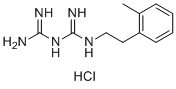
IM176OUT05 is a novel, and safe small molecule that improves the acquisition and maintenance of stem cell pluripotency, inhibits electron transport chain (ETC) in the A549 lung carcinoma cell line with IC50 of 3.2 uM.
More description
|
|
| DC68203 | APE1-IN-1 Featured |
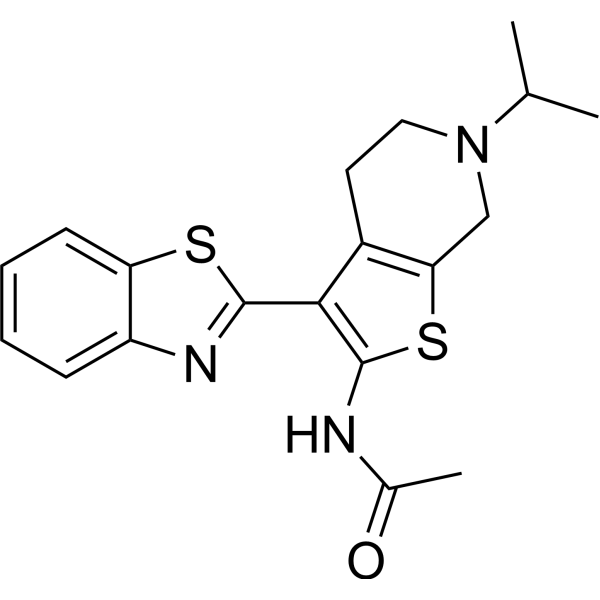
APE1-IN-1 is a potent and blood-brain barrier (BBB) penetrant apurinic/apyrimidinic (AP) endonuclease 1 (APE1) inhibitor with an IC50 value of 2 μM. APE1-IN-1 can potentiate the cytotoxicity of the alkylating agents Methylmethane sulfonate and Temozolomide (HY-17364) to cancer cell.
More description
|
|
| DC49652 | MRS2395 Featured |
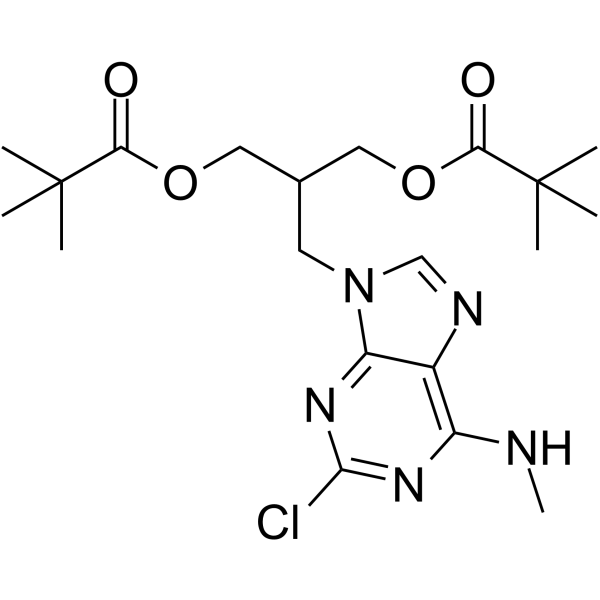
MRS2395, an dipivaloyl derivative, is a potent P2Y12 receptor antagonist. MRS2395 inhibits ADP-induced platelet activation with a Ki of 3.6 μM. MRS2395 inhibits cAMP induced by ADP in rat platelets in the presence of PGE1 with an IC50 of 7 µM. MRS2395 enhances platelet dense granule release in response to TRAP-6.
More description
|
|
| DC81747 | WX-02-23 Featured |
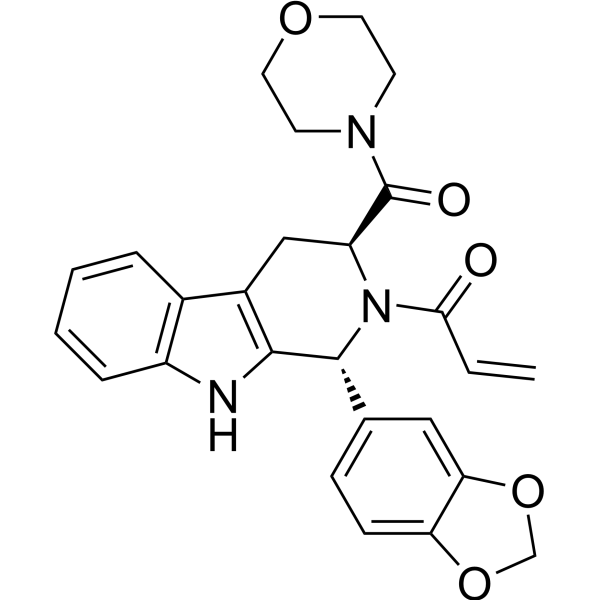
WX-02-23 is a small-molecule probe that stereoselectively and site-specifically binds to C258 of FOXA1 and C1111 of SF3B1. WX-02-23 remodels FOXA1's chromatin binding and pioneer activity in a DNA-dependent manner, disrupts spliceosome assembly, and enhances the thermal stability of SF3B1. WX-02-23 inhibits tumor cell proliferation and induces apoptosis. WX-02-23 can be used for research on cancers such as prostate cancer.
More description
|
|
| DC32882 | AM4113 Featured |
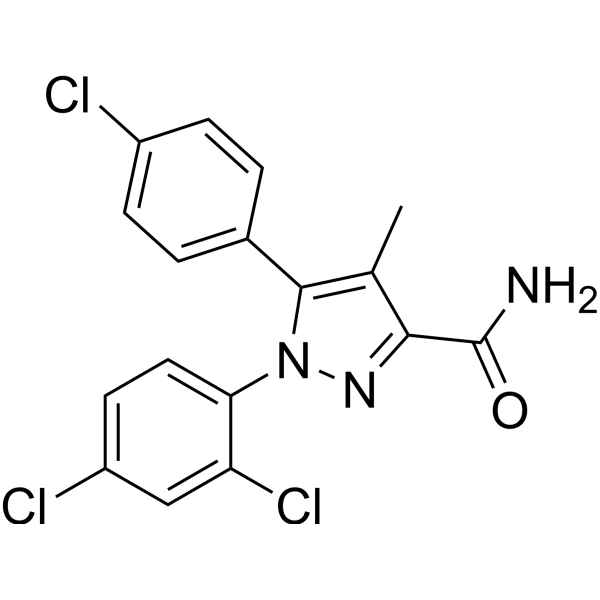
AM4113 is a cannabinoid receptor 1 (CB1)-selective antagonist.
More description
|
|
| DC7123 | PKI-402 Featured |
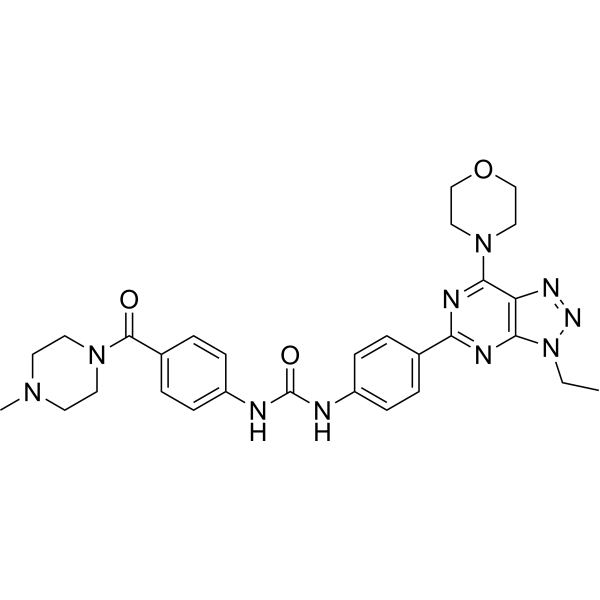
PKI-402 is a potent dual pan-PI3K/mTOR inhibitor targeting PI3Kα/β/γ/δ and mTOR with IC50 of 2 nM/7 nM/16 nM/14 nM and 3 nM, respectively; also potent to PI3Kα mutants E545K and H1047R.
More description
|
|
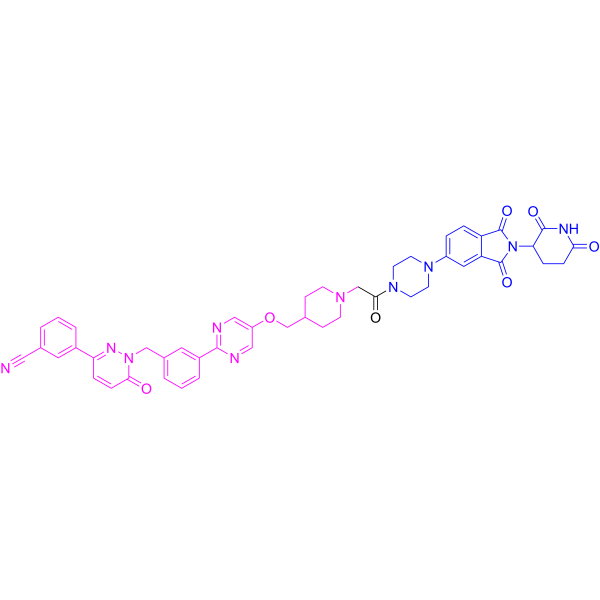
| DC81346 | PROTAC c-Met Degrader-4 Featured |
PROTAC c-Met Degrader-4 (compound D15) is a potent orally active PROTAC c-MET degrader. PROTAC c-Met Degrader-4 demonstrates excellent intracellular degradation potency with a DC50 < 0.5 nM. PROTAC c-Met Degrader-4 induces cell cycle arrest and apoptosis, inhibits cell invasion and migration, thereby suppressing cell proliferation. PROTAC c-Met Degrader-4 inhibits the growth of Hs746T xenograft tumors in nude mice. PROTAC c-Met Degrader-4 can be used for cancer research, such as non-small cell lung cancer and gastric cancer.
More description
|
|
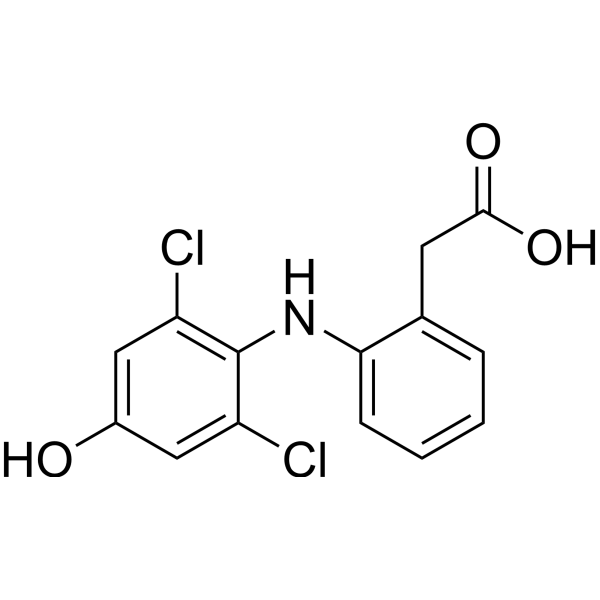
| DC41081 | 4'-Hydroxy diclofenac Featured |
4'-Hydroxy diclofenac is an orally active metabolite of Diclofenac by cytochrome P450 2C9 (CYP2C9). 4'-Hydroxy diclofenac has anti-inflammatory and analgesic properties.
More description
|
|
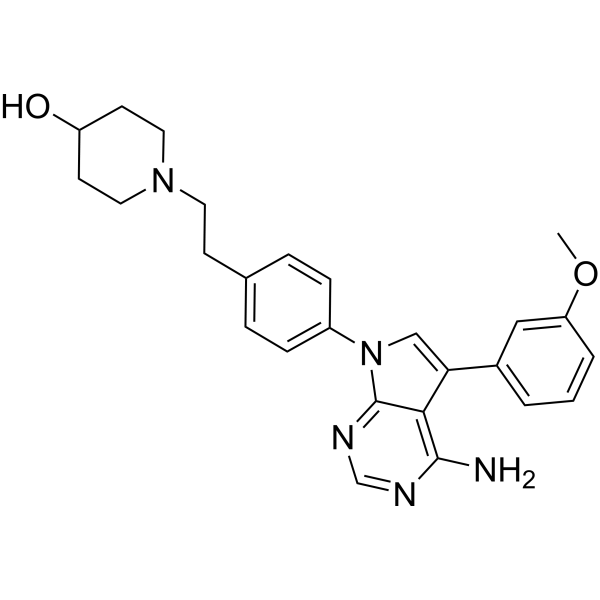
| DC32842 | CGP-77675 Featured |
CGP-77675 is a potent and selective Src family kinase (SFK) inhibitor. CGP-77675 inhibited phosphorylation of peptide substrates and autophosphorylation of purified Src (IC50: 5-20 and 40 nM, respectively). The dual inhibition of Src and GSK-3 signaling by CGP 77675 and CHIR 99021 was found to maintain mouse embryonic stem cell (mESC) self-renewal and pluripotency marker expression as efficiently as the dual inhibition of MAPK and GSK-3 by PD 0325901 and CHIR 99021.
More description
|
|
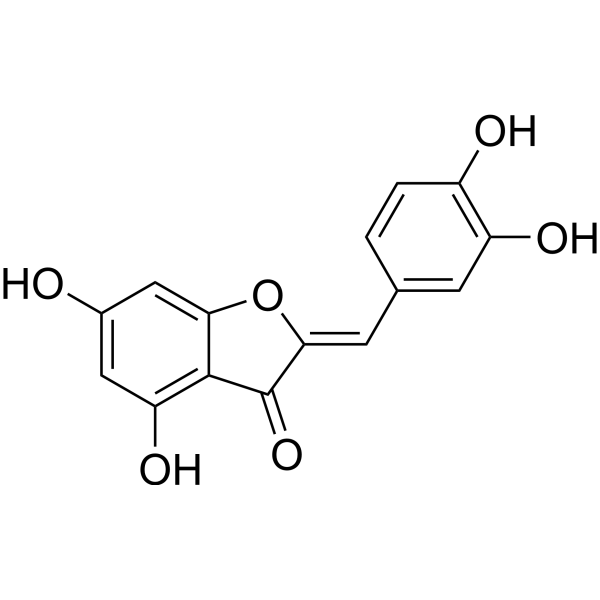
| DCC0786 | Aureusidin Featured |
Aureusidin is an aurone with high antioxidant and lipoxygenase inhibitory activity. Aureusidin also shows anti-inflammatory effects.
More description
|
|
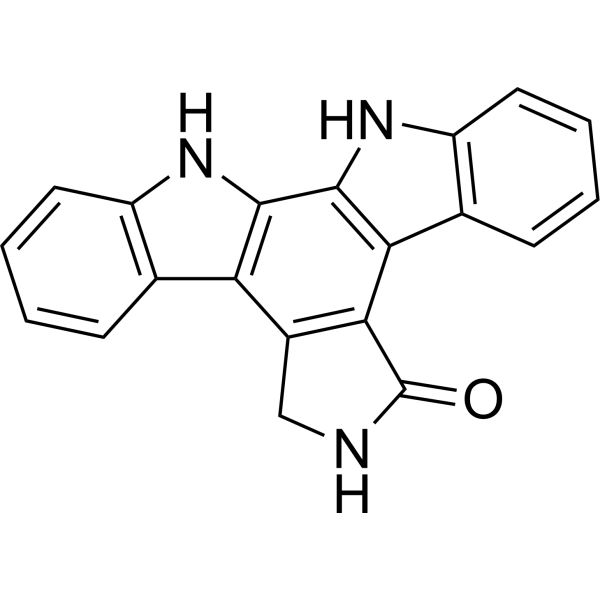
| DC33490 | staurosporine aglycone Featured |
K252c is a staurosporine analog and inhibitor of PKC and PKA. It inhibits proliferation of human cytomegalovirus and induces apoptosis in cancer cells.
More description
|
|
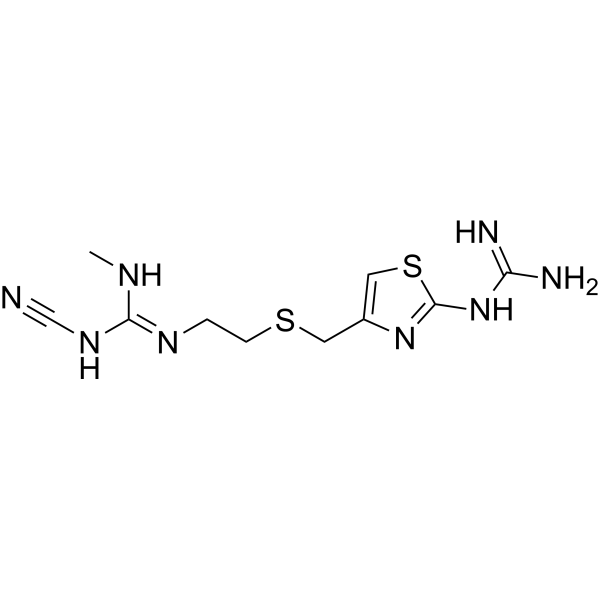
| DC28116 | Tiotidine Featured |
Tiotidine (ICI 125211) is a potent and selective antagonist of histamine H2-receptor (pA2=7.3-7.8 for guinea-pig right atrium). Tiotidine has low affinity for both the H1 and the H3 receptors.
More description
|
|
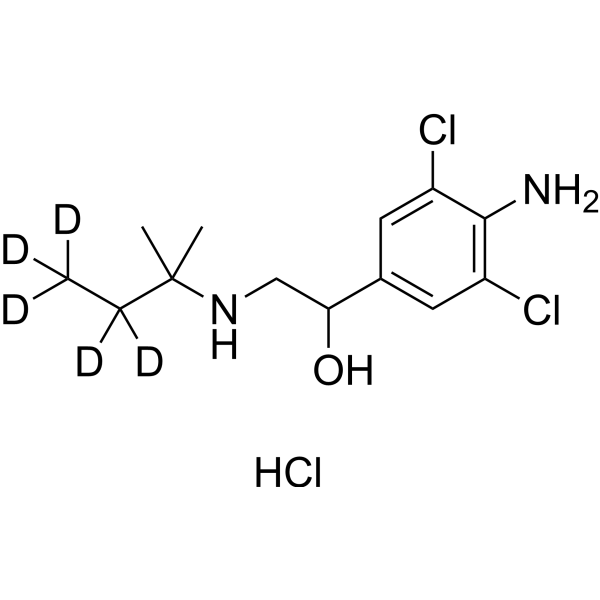
| DC66884 | Clenpenterol Hydrochloride Featured |
Clenpenterol-d5 (hydrochloride) is deuterium labeled Clenpenterol (hydrochloride).
More description
|
|
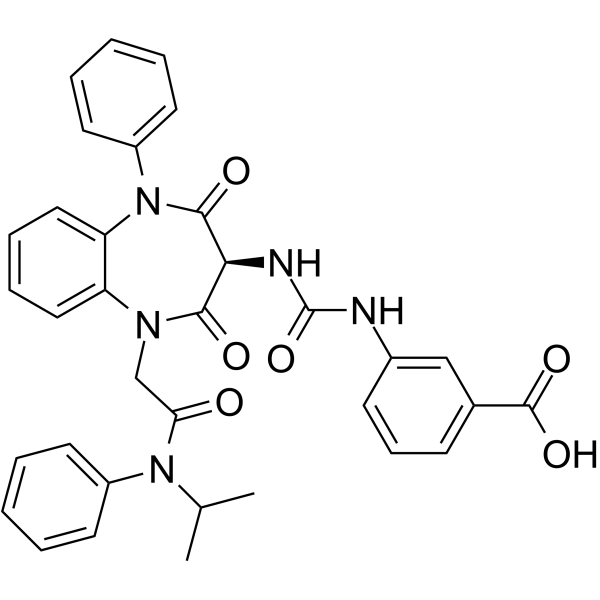
| DC65891 | GI 181771 Featured |
GI 181771 is a cholecystokinin 1 receptor agonist investigated for the treatment of obesity.
More description
|
|
| DC70573 | LSN3172176 Featured |
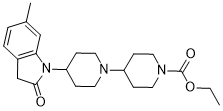
LSN3172176 is a novel potent, selectiive M1 mAChR partial agonist (EC50 2.4-7.0nM, Emax 43%-73%), shows binding selectivity for M1 mAChRs (Kd=1.5 nM); LSN3172176 is a potential PET tracer for assessment of M1 mAChR target engagement in the clinic and to further elucidate the function of M1 mAChRs in health and disease.
More description
|
|
| DC68202 | Desamino lenalidomide-4-COOH Featured |
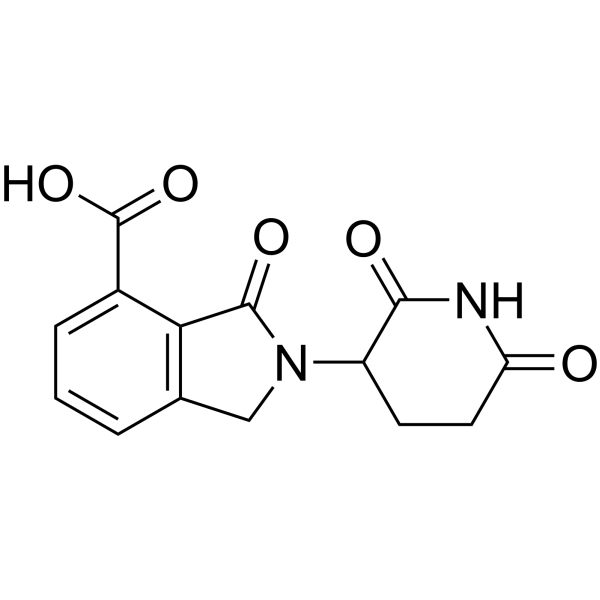
Desamino lenalidomide-4-COOH is an E3 ubiquitin ligase cereblon (CRBN) ligand used to recruit the cereblon protein. Desamino lenalidomide-4-COOH can be linked to a target protein ligand via a linker to form a PROTAC.
More description
|
|
| DC20875 | CCT 365623 hydrochloride Featured |
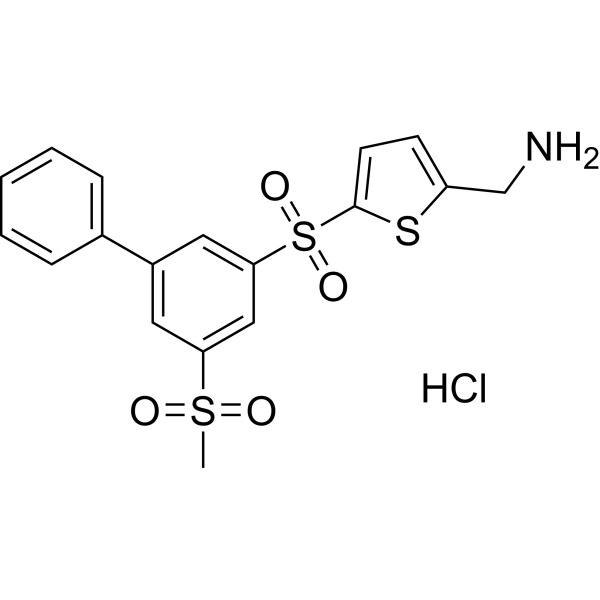
CCT 365623 (CCT365623) hydrochloride is a potent, orally active small molecule inhibitor of lysyl oxidase (LOX) with IC50 of 0.89 uM.
More description
|
|
