 To enhance service speed and avoid tariff delays, we've opened a US warehouse. All US orders ship directly from our US facility.
| Cat. No. | Product Name | Field of Application | Chemical Structure |
|---|---|---|---|
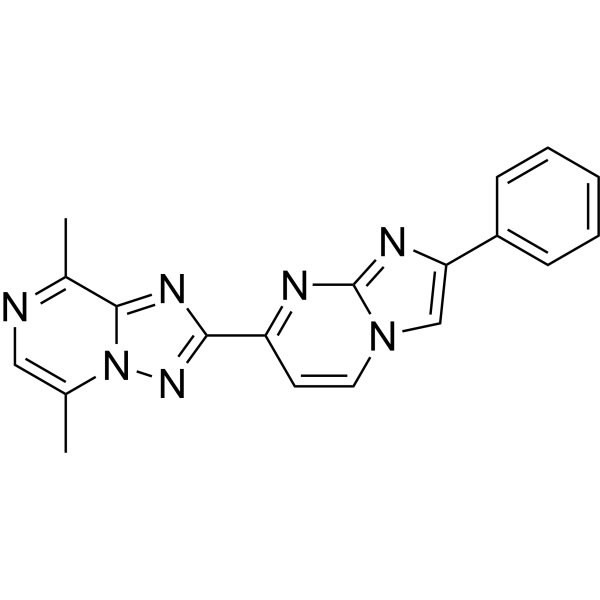
| DC70322 | CPL500036 Featured |
CPL500036 (CPL-500036) is a highly potent, selective and orally bioavailable PDE10A inhibitor with IC50 of 35 nM.CPL500036 is highly selective for PDE10A over other PDEs and common off-targets.CPL500036 effectively penetrates the brain where increases cAMP/cGMP levels and phosphorylates effector proteins like AMPA subunits.CPL500036 reduced sensorimotor deficits in 6-OHDA-lesioned rats.Acute and chronic CPL500036 did not reduce effects of L-DOPA in sensorimotor tests.Chronic CPL500036 treatment did not decrease L-DOPA-induced contralateral rotation.
More description
|
|
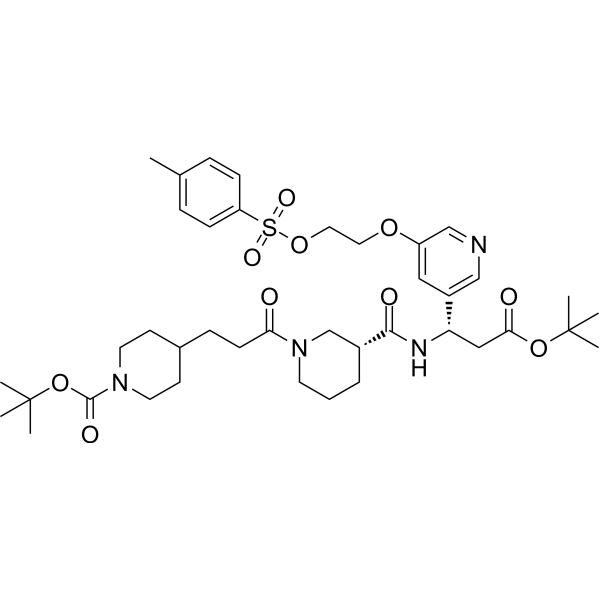
| DC78952 | GP1 precursor Featured |
GP1 precursor has high affinity to GPIIb/IIIa receptors of activated platelets. GP1 precursor can be radiolabeled with [18F] and used as a PET Tracer for visualizing active platelet aggregation at the molecular level. GP1 precursor can be used for the detection of Thrombi.
More description
|
|
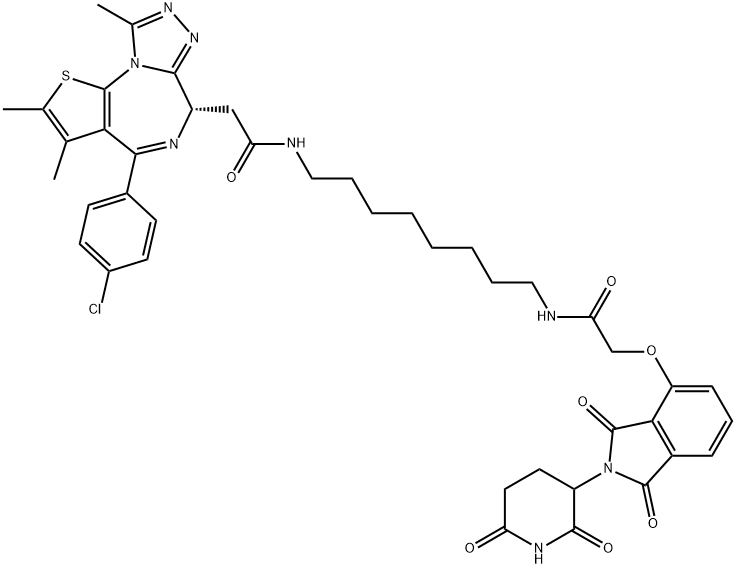
| DC12022 | dBET6 Featured |
dBET6 is a highly potent, selective and cell-permeable degrader of BET with an IC50 of 14 nM, and has antitumor activity.
More description
|
|
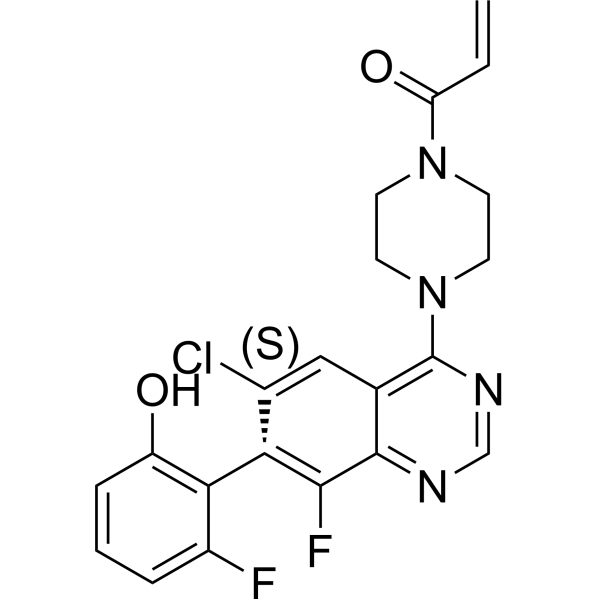
| DC10725 | ARS-1620 Featured |
ARS-1620 is a covalent compound with high potency and selectivity for KRAS-G12C.
More description
|
|
| DC68141 | AMG514 Featured |
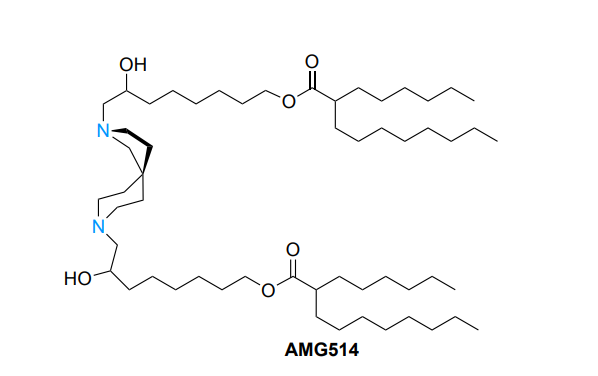
AMG514 is a novel ionizable lipid designed for formulating spleen-targeting lipid nanoparticles (LNPs) to deliver immune‑remodeling mRNAs (IR‑mRNAs). Its key advantage lies in the formation of a unique “protein corona” enriched with vitronectin, coagulation factors, and specific apolipoproteins (e.g., ApoA‑IV), together with its relatively high apparent pKa (~7.5), which actively redirects LNPs to the spleen instead of the liver. This precise spleen‑targeting property enables efficient transfection of splenic antigen‑presenting cells (APCs). As a vaccine adjuvant, AMG514‑LNPs therefore elicit a more robust activation of adaptive immunity compared to conventional LNPs (e.g., cKK‑E12), generating significantly enhanced antigen‑specific CD8⁺ T‑cell and antibody responses, and inducing durable anti‑tumor immune memory in preclinical models.
More description
|
|
| DC34031 | G-Glu-Val Featured |
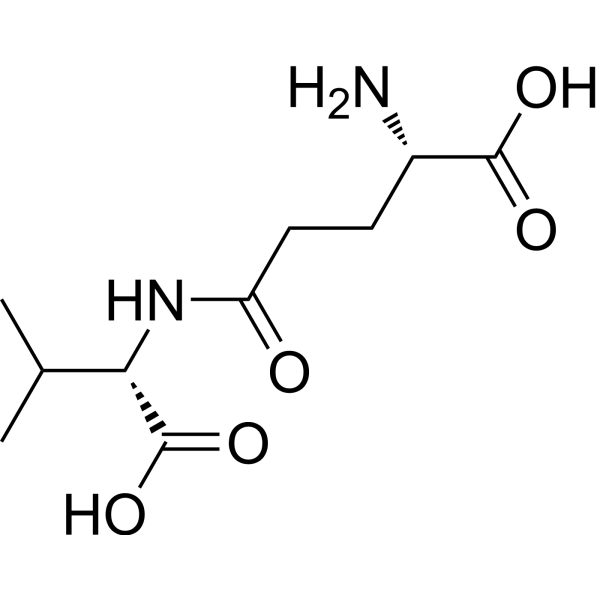
G-Glu-Val, also known as gamma-Glutamyl-L-valine or H-gGlu-Val-OH, is a taste-modulating dipeptide and a main contributor to the "kokumi" taste of edible beans.
More description
|
|
| DC10560 | MAK683 Featured |
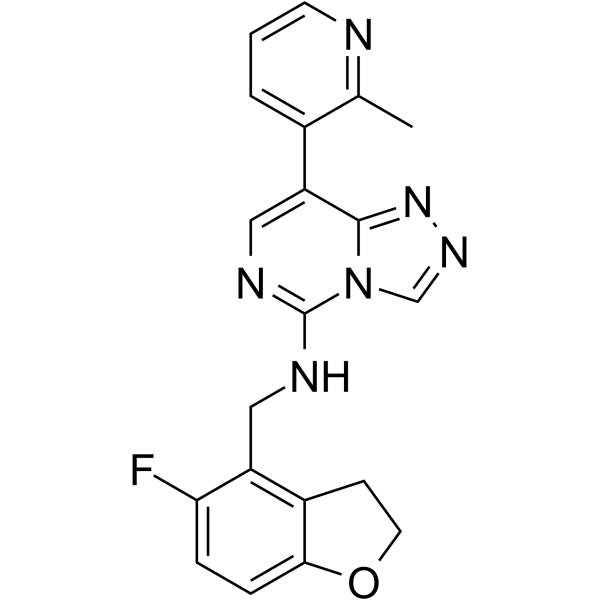
MAK683 is a novel PRC2/EED inhibitor.
More description
|
|
| DC7106 | Rociletinib (CO-1686) Featured |
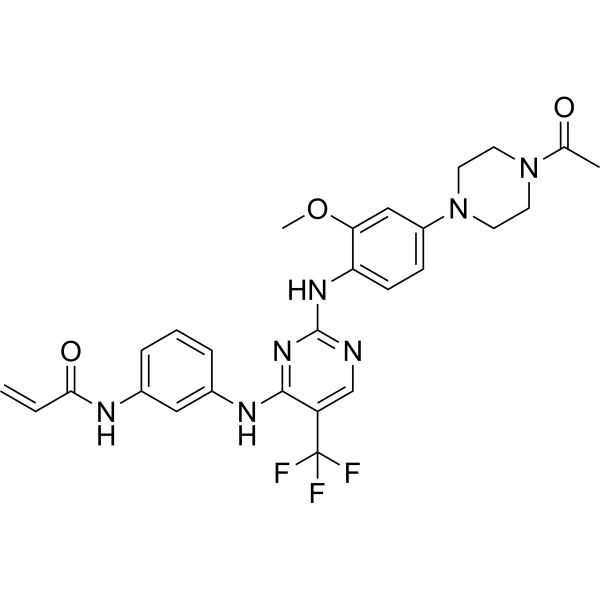
CO-1686 is a novel, irreversible and orally delivered kinase inhibitor that specifically targets the mutant forms of EGFR including T790M(IC50=21 nM).
More description
|
|
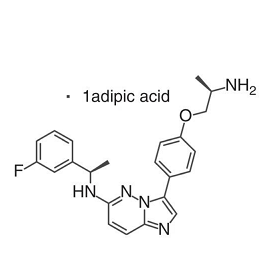
| DC26199 | Taletrectinib adipate(DS-6051b) Featured |
DS-6051b is a potent and selective ROS1 and TRK family inhibitor with IC50 of 0.207 nM, 0.622 nM and 0.980 nM against ROS1, NTRK1 and NTRK3. DS-6051b especially inhibits ROS1 G2032R and other crizotinib-resistant ROS1 mutants.
More description
|
|
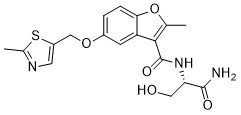
| DC80295 | Ponometrep(BBO-11818) Featured |
BBO-11818 is an orally active, highly selective (relative to NRAS and HRAS), non-covalent pan-KRAS inhibitor (IC50=28-120 nM). BBO-11818 specifically binds to the Switch-II/Helix 3 pocket, disrupts the KRAS:RAF1 interaction by inducing conformational changes, and blocks the MAPK signaling pathway. BBO-11818 exhibits significant anti-tumor activity, which not only inhibits cell proliferation and induces apoptosis, but also drives tumor regression in xenograft models. BBO-11818 produces synergistic effects when combined with Cetuximab, anti-PD-1 antibody or PI3Kα inhibitor. BBO-11818 is used in the research of KRAS mutation-related malignancies such as pancreatic cancer, non-small cell lung cancer and colorectal cancer.
More description
|
|
| DC68176 | MMV009085 Featured |
MMV009085 is a potent and selective inhibitor of the Plasmodium falciparum hexose transporter (PfHT1), designed to target malaria by blocking glucose uptake, with an IC50 of 2.6 μM for the transporter and an EC50 of 1.23 μM against the 3D7 strain. It acts as a probe-like molecule with high selectivity for PfHT1 over human glucose transporters (GLUTs). In vitro, it shows selective inhibition of Neospora caninum tachyzoite proliferation in infected host cell assays, with an IC₅₀ of approximately 150 ± 30 nM, while also displaying activity against related apicomplexan pathogens such as Cryptosporidium parvum. Mechanistically, related studies suggest MMV009085 may interfere with hexose transport–dependent metabolism, likely acting as a glucose transporter mimic or inhibitor, thereby disrupting parasite energy uptake and intracellular replication.
More description
|
|
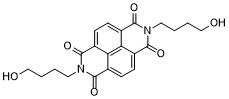
| DC68175 | HDB-1 Featured |
HDB-1 is a P2Y14R inhibitor for ameliorating liver fibrosis by suppressing hepatic stellate cell activation. HDB-1 demonstrates exceptional potency (IC50 = 0.026 nM) and superior metabolic stability. HDB-1 exhibited antihepatic fibrosis activity both in vivo and in vitro. Mechanistically, HDB-1 inhibits P2Y14R-mediated signaling by suppressing the PKA/Raf1/MEK/ERK cascade, thereby preventing the activation of hepatic stellate cells-the central pathological event in fibrosis development.
More description
|
|
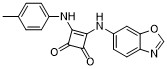
| DC68174 | UR778Br Featured |
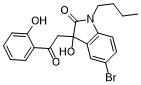
UR778Br is a small-molecule inhibitor targeting the GTPase-activating protein–related (GRD) domain of IQGAP1, with demonstrated anti-leukemia activity in both in vitro and in vivo preclinical models. In human AML cell lines (e.g., MOLM13, MV4-11, THP-1, U937) and primary AML blasts, UR778Br shows dose-dependent suppression of proliferation (effective low-µM range), induces G2/M cell-cycle arrest, and triggers apoptosis.
More description
|
|
| DC68173 | JT71 Featured |
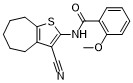
JT71 is a small-molecule inhibitor of the bacterial transcription regulator MrkH, showing potent anti-biofilm and anti-virulence activity in both in vitro and in vivo-relevant infection models. In vitro, JT71 inhibits MrkH-mediated transcription of the mrkA operon and suppresses type 3 fimbriae production in Klebsiella pneumoniae, resulting in ~50% reduction of mrkA promoter activity at 50 μM without affecting bacterial viability. It significantly reduces biofilm formation across multiple clinical and multidrug-resistant K. pneumoniae isolates as well as Citrobacter koseri, and downregulates both mrkH and mrkA expression, confirming dual transcriptional suppression. Mechanistically, JT71 binds to MrkH and interferes with c-di-GMP–dependent activation and/or DNA-binding activity, disrupting fimbriae assembly and surface adhesion.
More description
|
|
| DCC3793 | NSC73306 Featured |
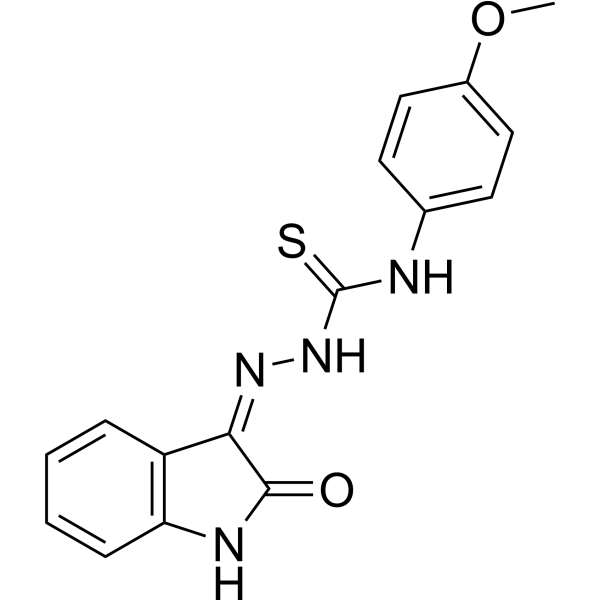
NSC73306 is a cell penetrant, cytotoxic agent that exhibits greater toxicity against cells expressing functional P-gp (P-glycoprotein) than against other cells. Irrespective of variations in cell line background, NSC73306 consistently demonstrated a Pgp-potentiated MDR-selective toxicity.
More description
|
|
| DC46320 | HBC599 Featured |
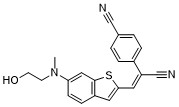
HBC599 is a HBC analog. HBC is nonfluorescent in solution, but emits strong fluorescence upon forming tight complex with Pepper RNA aptamer. HBC-Pepper complex can be used to visualize RNA dynamics in live cells.
More description
|
|
| DCAPI1337 | Natamycin(Pimaricin) Featured |
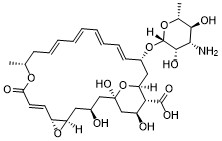
Natamycin is a naturally occurring polyene macrolide antifungal agent produced by Streptomyces natalensis, exhibiting potent in vitro and in vivo activity against a broad spectrum of yeasts and filamentous fungi. In vitro studies show strong inhibition of Candida spp., Aspergillus spp., and other food- and ocular-relevant fungi, with reported MIC values typically in the low µg/mL range (often ~1–10 µg/mL depending on species and strain).
More description
|
|
| DC68007 | Tri-GalNAc-β-Ala-PEG3-MAL Featured |
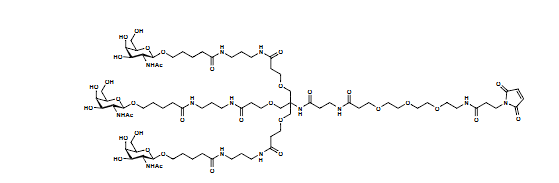
Tri-b-GalNAc-b-Ala-PEG3-MAL contains three terminal beta-N-acetylgalactosamine (GalNAc) sugars arranged in a trivalent configuration, facilitating high-affinity binding to the asialoglycoprotein receptor (ASGPR) expressed on hepatocyte surfaces. The crucial functional group is a terminal maleimide (MAL) moiety, enabling chemoselective bioconjugation with biomolecules harboring thiol (-SH) groups. This strategy allows for site-specific conjugation under mild conditions, valuable for developing targeted conjugates in disciplines like targeted drug delivery and antibody-drug conjugate (ADC) development for hepatocellular carcinoma.
More description
|
|
| DC60809 | 6Ac1-C12 Featured |
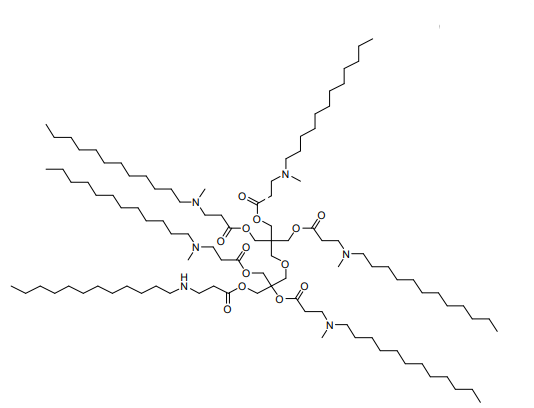
6Ac1-C12 is an ionizable cationic lipid with a hexaester degradable core and six C12 hydrophobic alkyl tails, featuring a pKa around 6.0 and strong endosomal escape capacity. Its four-component LNPs deliver mRNA mainly to liver endothelial cells after IV injection and remain stable for 30 days at 4°C. Formulated without cholesterol, its three-component system enables lung-targeted delivery with low in vivo toxicity, and the ester core facilitates biodegradation for versatile mRNA applications.
More description
|
|
| DC22543 | Lixisenatide Featured |
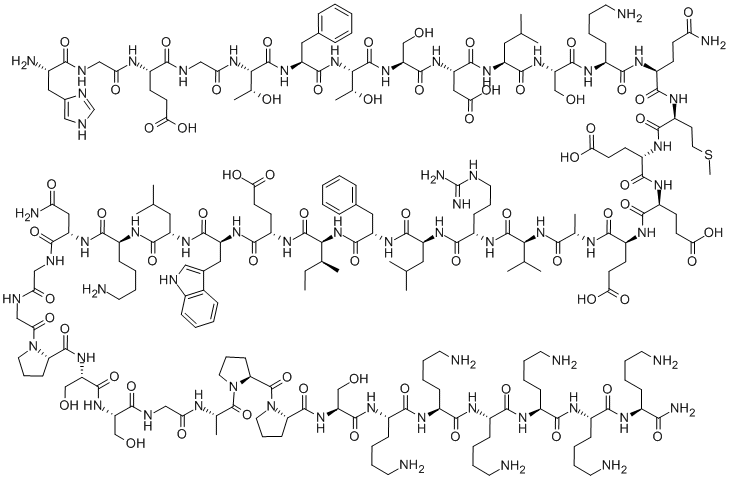
Lixisenatide is a glucagon-like peptide-1 (GLP-1) receptor agonist. Lixisenatide inhibits the inflammatory response through down regulation of pro-inflammatory cytokines, and suppresses of the Akt-MEK1/2 signaling pathway. Lixisenatide can inhibit oxidative stress, mitochondrial dysfunction and apoptosis. Lixisenatide can be used for the researches of inflammation, metabolic disease, neurological disease and cardiovascular disease, such as rheumatoid arthritis, diabetes, Alzheimer's disease and atherosclerosis.
More description
|
|
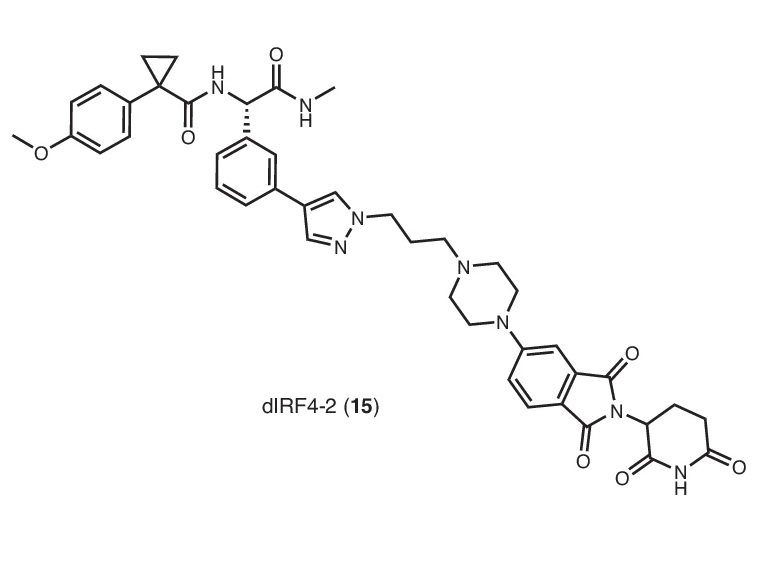
| DC60945 | dIRF4-2 Featured |
dIRF4-2 is a first-in-class proteolysis-targeting chimera of IRF4, by linking (S)-H1 to E3 ligase ligands of cereblon. dIRF4-2 achieves highly selective IRF4 knockdown (DC50 ~2.2–2.3 µM) without degrading off-target neosubstrates such as IKZF1/3 or GSPT1, and demonstrates strong cytotoxic effects across all multiple myeloma cell lines tested in vitro.
More description
|
|
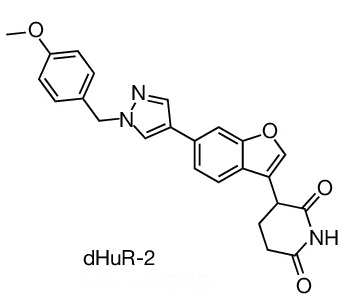
| DC60944 | dHuR-2 Featured |
dHuR-2 is the optimized analogue of dHuR-1 and exhibits exceptional nanomolar potency (DC50=3.8 nM) and oral bioavailability, effectively suppressing BRAF-mutant colorectal cancer by inducing unique BRAF mRNA exon skipping and overcoming existing inhibitor resistance.
More description
|
|
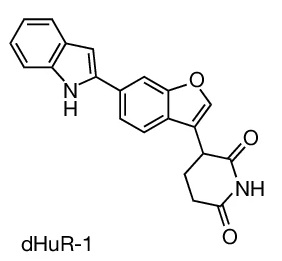
| DC60943 | dhur-1 Featured |
dHuR-1 is the first-in-class molecular glue degrader that recruits the CRBN E3 ligase to selectively eliminate the oncogenic RNA-binding protein HuR.
More description
|
|
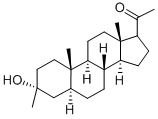
| DC32105 | Ganaxolone Featured |
Ganaxolone, also known as CCD 1042 and C1042, is a CNS-selective GABAA modulator that acts on well-characterized targets in the brain known to have anxiolytic and anticonvulsant effects. Ganaxolone protects against seizures in diverse animal models, including the pentylenetetrazol, 6 Hz and amygdala kindling models. Ganaxolone is a positive allosteric modulator of the action of the GABAA receptor and, unlike benzodiazepines, there does not appear to be tolerance to the anticonvulsant effects of ganaxolone.
More description
|
|
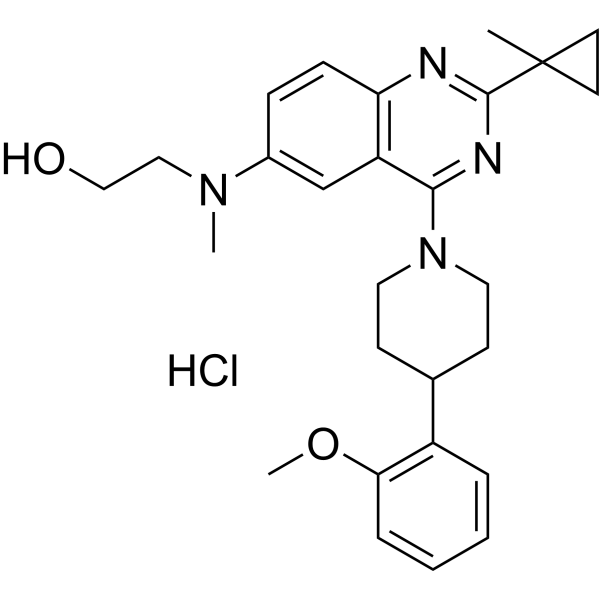
| DC76584 | SBI-810 hydrochloride Featured |
SBI-810 hydrochloride is a functionally selected β-arrestin-biased neurotensin receptor 1 (NTSR1) allosteric modulator. SBI-810 hydrochloride modulates NTSR1 G protein signaling in a G protein-specific manner in the presence of the endogenous ligand, neurotensin (NT). SBI-810 hydrochloride fully antagonizes NT-induced activation of Gq, partially antagonizes NT-induced activation of Gi1 and is permissive of NTSR1 activation of GoA and G12.
More description
|
|
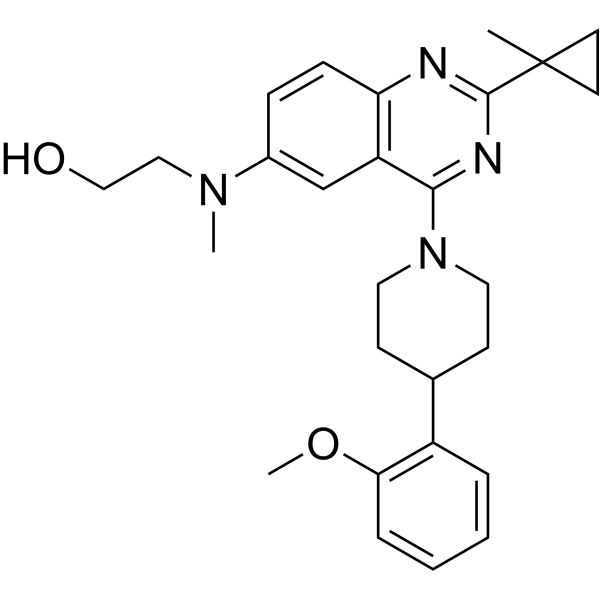
| DC76583 | SBI-810 Featured |
SBI-810 is a functionally selected β-arrestin-biased neurotensin receptor 1 (NTSR1) allosteric modulator. SBI-810 modulates NTSR1 G protein signaling in a G protein-specific manner in the presence of the endogenous ligand, neurotensin (NT). SBI-810 fully antagonizes NT-induced activation of Gq, partially antagonizes NT-induced activation of Gi1 and is permissive of NTSR1 activation of GoA and G12.
More description
|
|
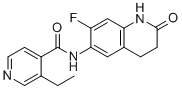
| DC73707 | KOTX1 Featured |
KOTX1 is a potent, selective and reversible ALDH1A3 inhibitor with IC50 of 5.14 nM by Aldefluor assay in A375 cells.
More description
|
|
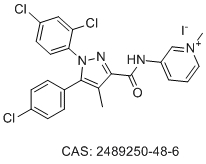
| DC74207 | TXX-1-10 Featured |
TXX-1-10 (CB1-8) is a small chemical molecule that inhibits HPIP oncoprotein expression, suppresses breast cancer cell growth and metastasis in vitro and in vivo.
More description
|
|
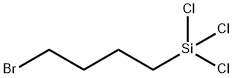
| DC68172 | 4-bromobutyltrichlorosilane Featured |
|
|
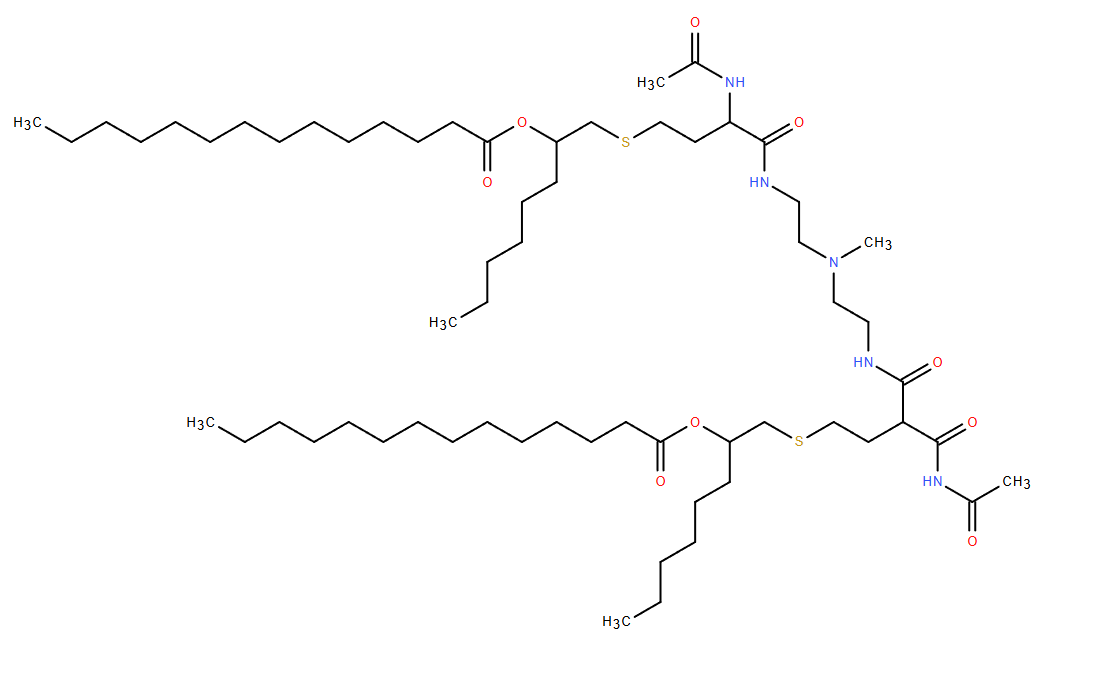
| DC60942 | 113-AA-C8C14 Featured |
113-AA-C8C14 is a spleen-tropic ionizable lipid with inherent splenic organ selectivity. Its formulated LNPs drastically reduce off-target liver uptake and drive 57-fold higher mRNA expression in spleen versus benchmark LNPs. It preferentially delivers nucleic acids to splenic immune cells like macrophages and T lymphocytes, supporting in vivo CAR-T engineering and mRNA vaccine research with minimal accumulation in other visceral organs.
More description
|
|
