 To enhance service speed and avoid tariff delays, we've opened a US warehouse. All US orders ship directly from our US facility.
| Cat. No. | Product Name | Field of Application | Chemical Structure |
|---|---|---|---|
| DC72708 | di-Pal-MTO |
di-Pal-MTO is a palm oil-based lipid produced by combining the anticancer drug mitoxantrone (MTO) with palmitoleic acid. When nanoparticles of mono-Pal-MTO and di-Pal-MTO are combined in a molar ratio of 1:1, they show effective siRNA cell delivery and enhance anticancer activity.
More description
|
.png)
|
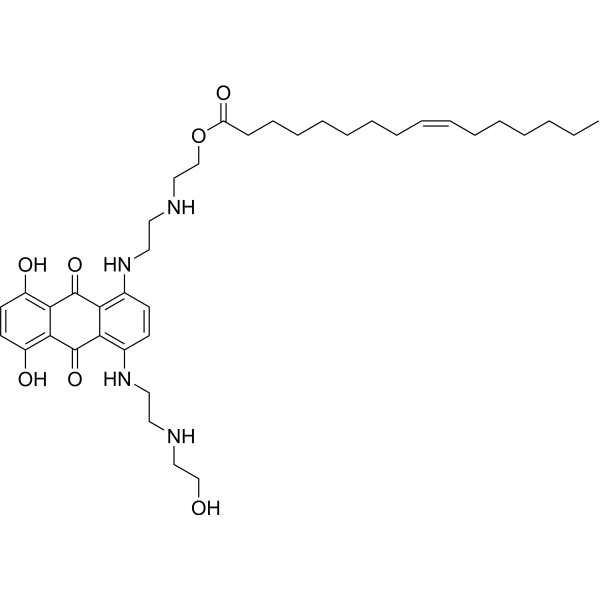
| DC72701 | mono-Pal-MTO |
mono-Pal-MTO is a palm oil-based lipid produced by combining the anticancer drug mitoxantrone (MTO) with palmitoleic acid. When nanoparticles of mono-Pal-MTO and di-Pal-MTO are combined in a molar ratio of 1:1, they show effective siRNA cell delivery and enhance anticancer activity.
More description
|
|
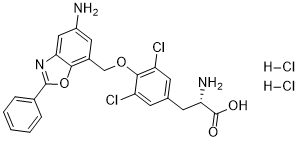
| DC31420 | JPH203 dihydrochloride Featured |
JPH203, also known as KYT-0353, is a potent and selective LAT1 selective ( L-type amino acid transporter 1) inhibitor. JPH203 can very potently inhibit l-leucine uptake. JPH203 inhibits YD-38 cell growth. JPH203 up-regulated the population of apoptotic Y
More description
|
|
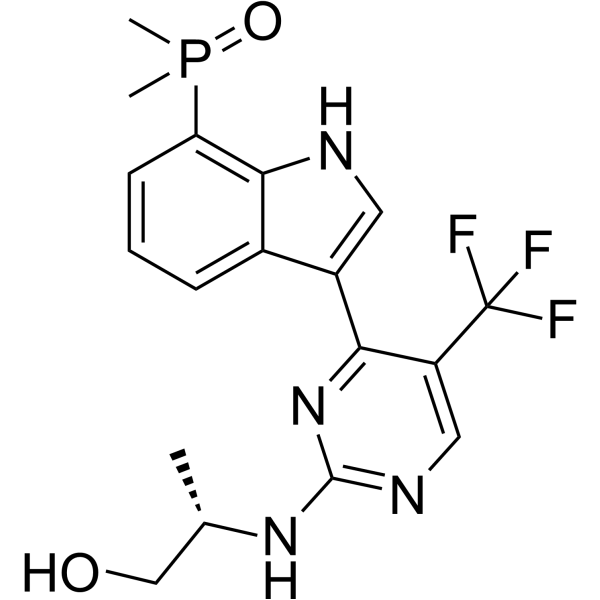
| DC77813 | Zeltociclib Featured |
Zeltociclib is a cyclin-dependent kinase inhibitor with antitumor effects.
More description
|
|
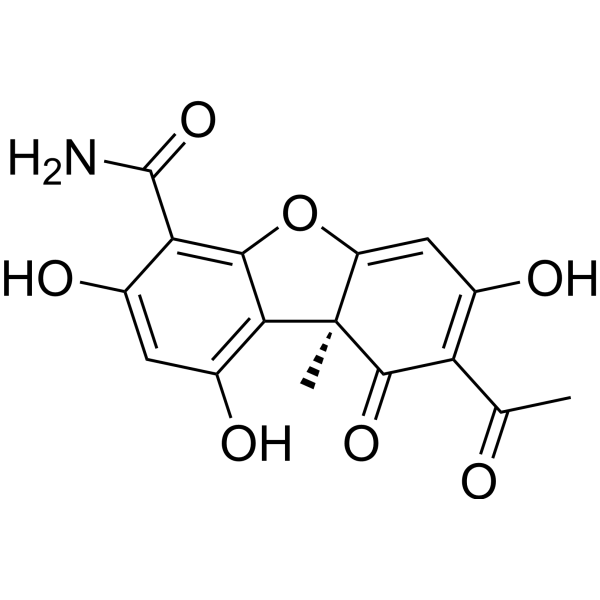
| DC23922 | Cercosporamide Featured |
A broad-spectrum natural antifungal compound that acts as a selective and highly potent fungal Pkc1 kinase inhibitor.
More description
|
|
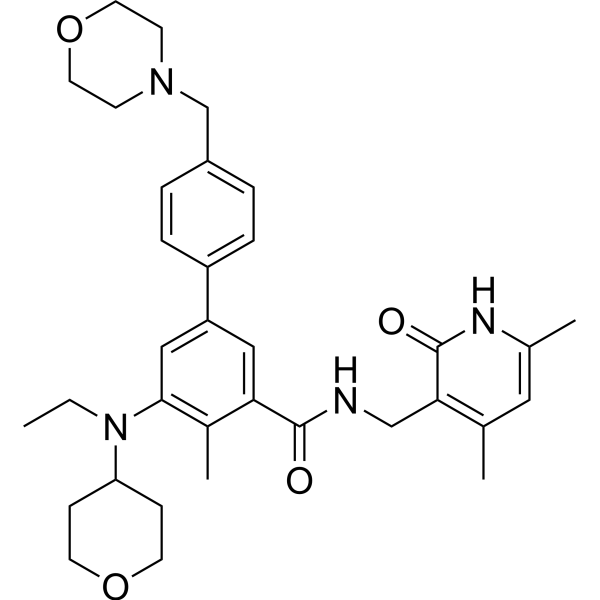
| DC7122 | Tazemetostat(EPZ-6438) Featured |
EPZ-6438 is a potent, selective, and orally bioavailable small-molecule inhibitor of EZH2 enzymatic activity with Ki value of 2.5±0.5 nM.
More description
|
|
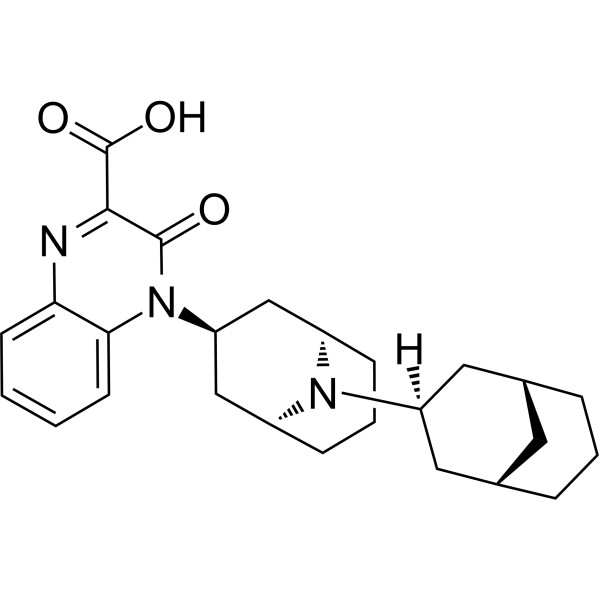
| DC47074 | Sunobinop Featured |
Sunobinop (S 117957) is a modulator of the opioid receptor-like orphan receptor (ORL1).
More description
|
|
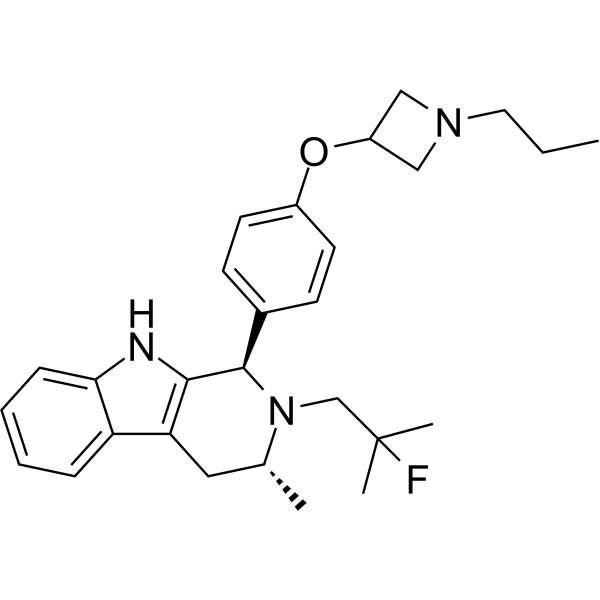
| DC72682 | Palazestrant Featured |
Palazestrant is an antiestrogen and antineoplastic agent. Palazestrant in combination with a HER2 inhibitor, works on ER+/HER2+ cancer.
More description
|
|
| DC26003 | TOPK inhibitor-1 HCl (OTS-964 Analogue) Featured |
Novel PDZ binding kinase (PBK) inhibitor.
More description
|
.png)
|
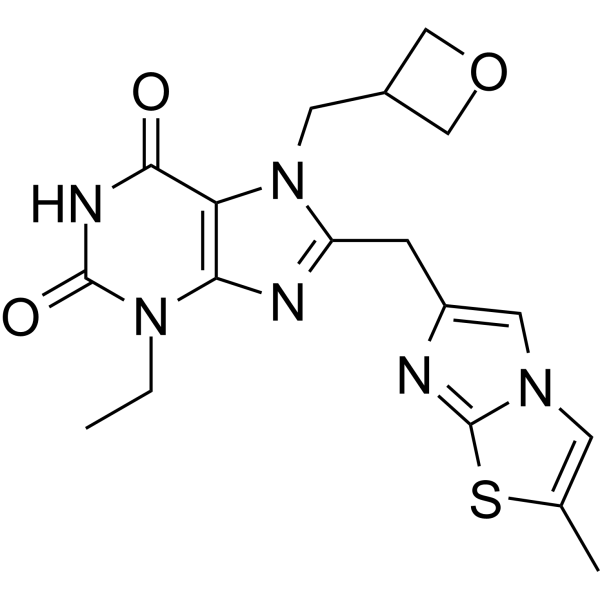
| DC73797 | TPT-004 Featured |
TPT-004 is a highly potent, selective tryptophan hydroxylase (TPH) with IC50 of 77 nM and 16 nM for TPH1 and TPH2, respectively.
More description
|
|
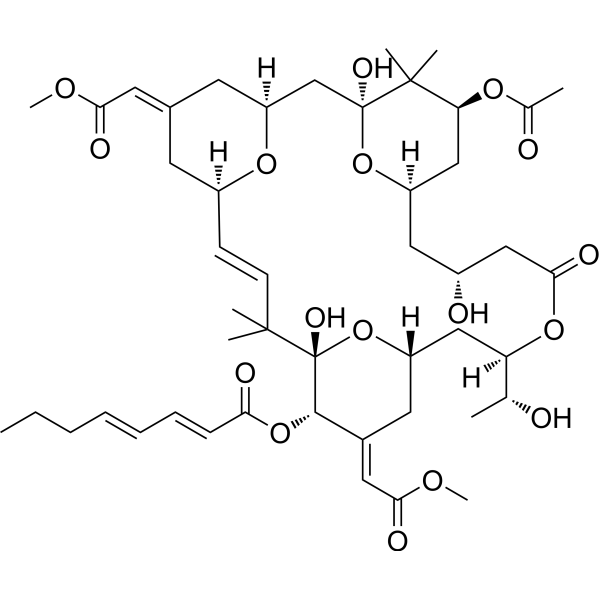
| DC11038 | Bryostatin 1 Featured |
Bryostatin 1 (NSC 339555) is a macrocyclic lactone derived from a marine invertebrate, fuctions as an activator of PKC with high binding affinity (Ki=1.35 nM).
More description
|
|
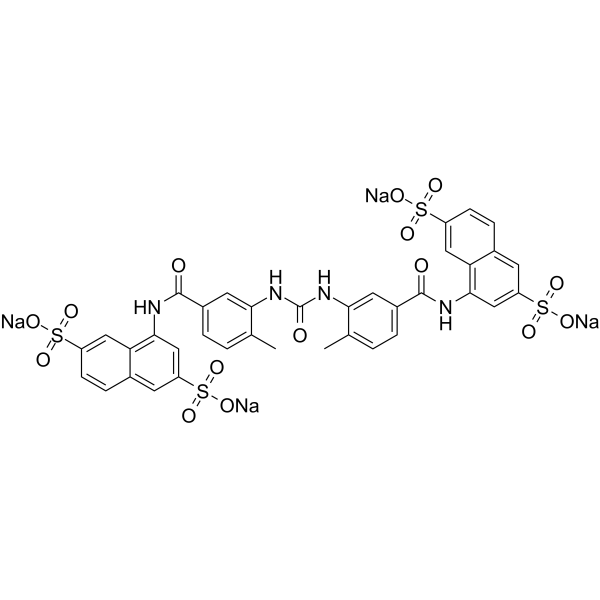
| DC71349 | NF340 Featured |
NF340 is a potent and selective P2Y11 receptor antagonist. NF340 inhibits the activity of P2Y11R by completely combining with ATP-binding amino acid residues. NF340 ameliorates inflammation in human fibroblast-like synoviocytes and can be used for rheumatoid arthritis research.
More description
|
|
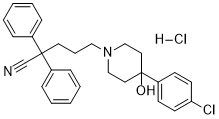
| DC8808 | BX 513 hydrochloride Featured |
BX-513 hydrochloride inhibits MIP-1α-induced intracellular calcium mobilization (IC50 = 2.5 μM).
More description
|
|
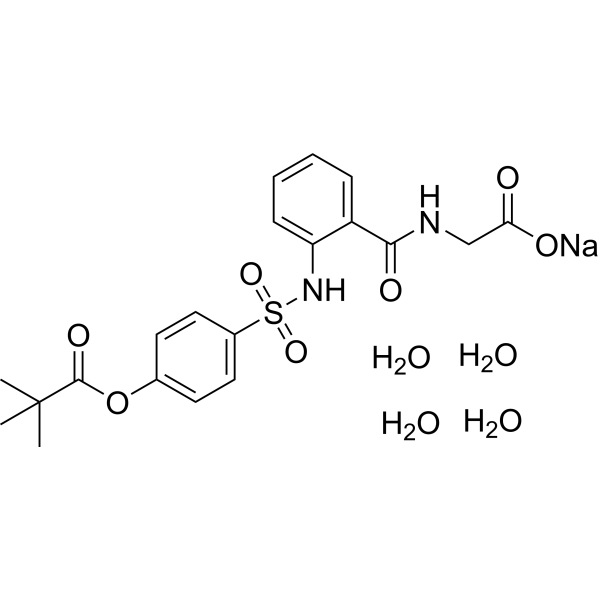
| DC8592 | Sivelestat (sodium salt hydrate) Featured |
Sivelestat(ONO5046; LY544349; EI546) is a competitive inhibitor of human neutrophil elastase(IC50 = 44 nM; Ki=200 nM); also inhibited leukocyte elastase obtained from rabbit, rat, hamster and mouse.
More description
|
|
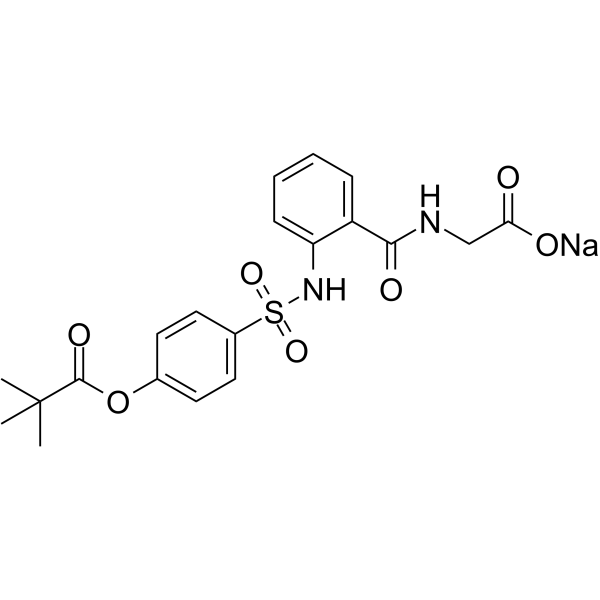
| DC25075 | Sivelestat sodium Featured |
A potent, specific and competitive inhibitor of human neutrophil elastase with IC50 of 44 nM.
More description
|
|
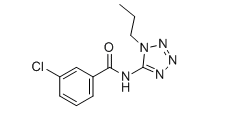
| DC72939 | KKL-55 Featured |
KKL-55 is a specific small molecule inhibitor of bacterial trans-translation by binding to longation factor thermo-unstable (EF-Tu, Kd=2 uM), inhibits binding between EF-Tu and tmRNA but not between EF-Tu and tRNA, has broad-spectrum antibiotic activity.
More description
|
|
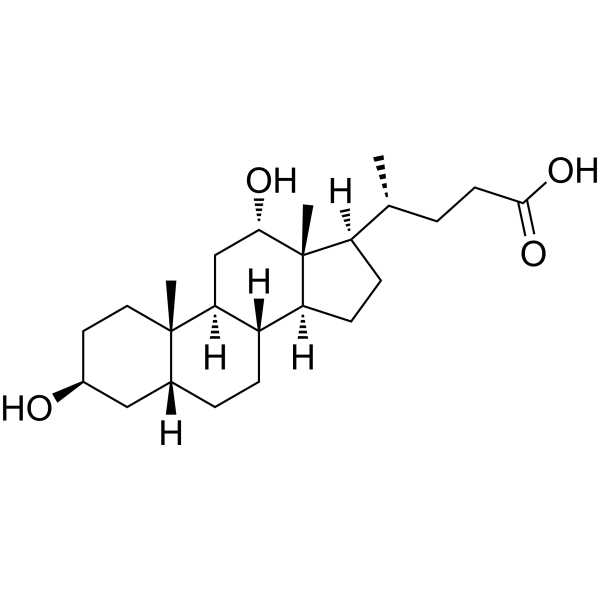
| DC76915 | 3-Epideoxycholic acid Featured |
3-Epideoxycholic acid is the microbial metabolite of Deoxycholic acid. 3-Epideoxycholic acid targets FXR of dendritic cells, reduces their immunostimulatory properties, promotes the generation of Treg cells, and exhibits anti-inflammatory activity. 3-Epideoxycholic acid promotes the growth of bacteria Bacteroides.
More description
|
|
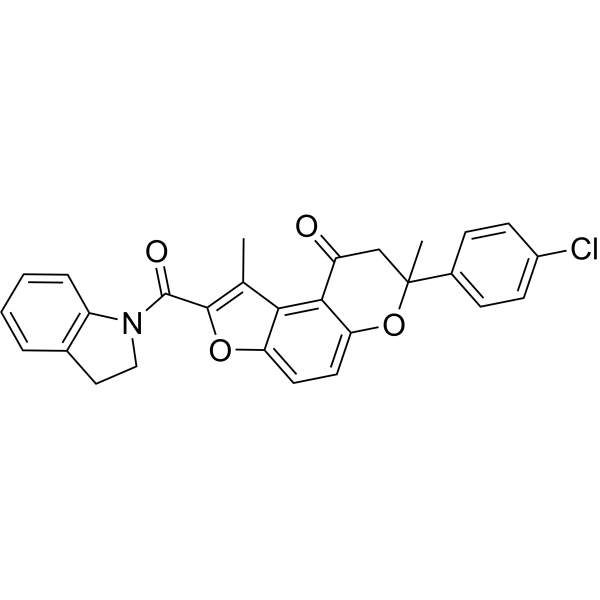
| DC72584 | M47 Featured |
M47 is a small molecule that selectively destabilizes Cryptochrome 1 (CRY1) and increases degradation of the CRY1 in the nucleus. M47 enhances apoptosis in Ras-transformed P53-deficient mouse skin fibroblast lines and enhances life span in p53 knockout mice. M47 can be used in research of cancer.
More description
|
|
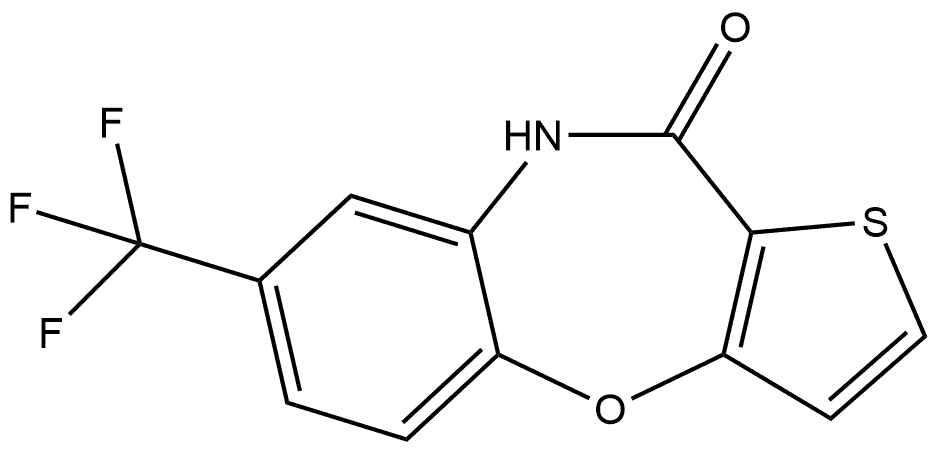
| DC73063 | MU-UNMC-2 Featured |
MU-UNMC-2 is a potential small-molecule inhibitor of S-RBD and ACE-2 interaction, shows antiviral activity against SARS-CoV-2 with IC50 of 1.72 uM in human bronchial epithelial cells.
More description
|
|
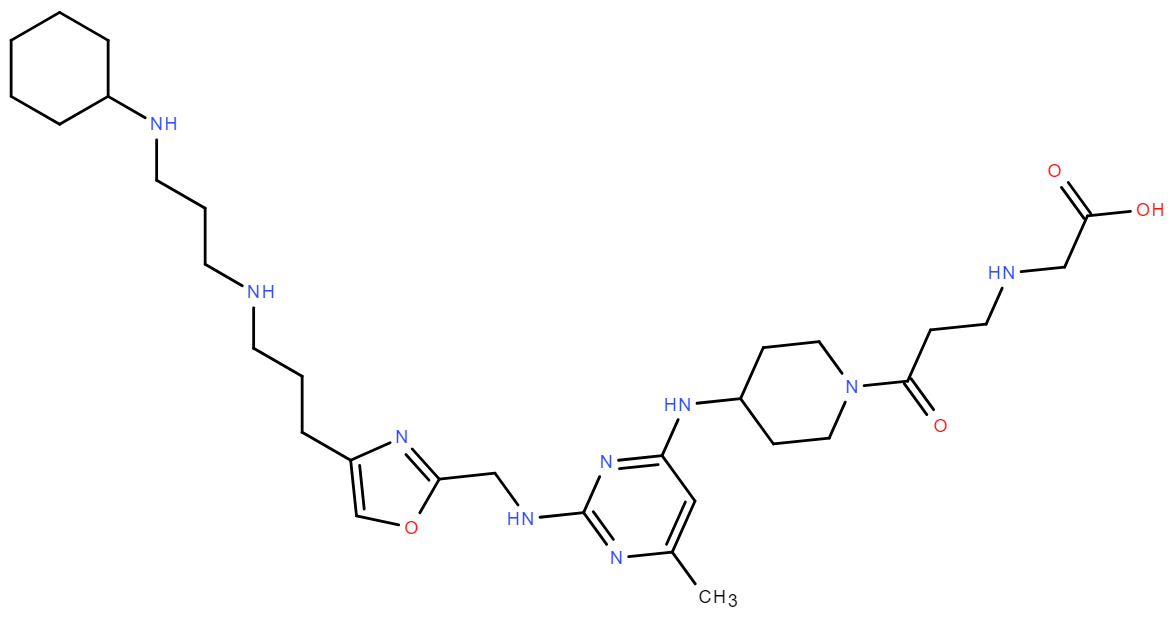
| DC73397 | BPRCX807 |
BPRCX807 (BPRCX-807) is a highly selective and potent CXCR4 antagonist with binding IC50 of 40.4 nM and EC50 of 48.1 nM for cell-mobility activity in the chemotaxis assays, inhibits CXCL12-mediated cell signaling pathway.
More description
|
|
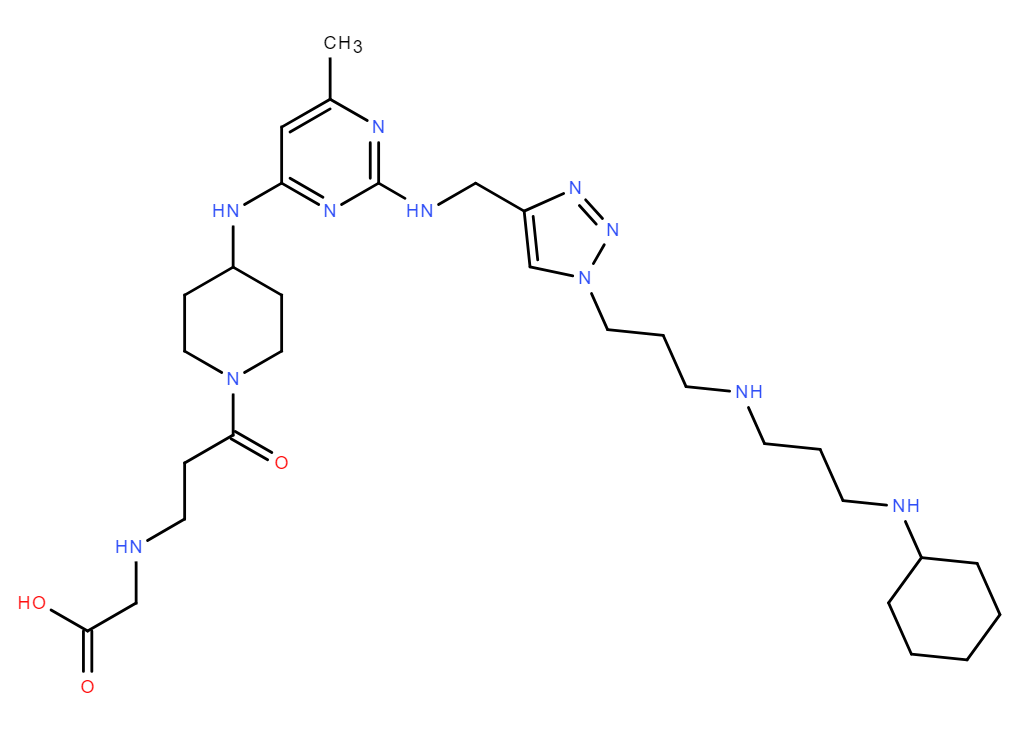
| DC73396 | BPRCX714 |
BPRCX714 (BPRCX 714) is a highly selective and potent CXCR4 antagonist with binding IC50 of 34.2 nM, effectively inhibits CXCL12-induced movement of CCRF-CEM cells with EC50 of 13.7 nM.
More description
|
|
| DC31451 | CCS-1477(CBP-IN-1) Featured |
CCS-1477 is a potent and selective p300/CBP bromodomain inhibitor, is targeted & differentiated from BET inhibitors in prostate cancer cell lines in vitro. Combination of CCS1477 & JQ1 resulted in a highly synergistic inhibitory effect on proliferation in normal 22Rv1 cells. Global gene expression analysis revealed significantly fewer altered genes after CCS1477 (27 up, 119 down) compared to JQ1 (196 up, 655 down).
More description
|
.gif)
|
| DC7723 | OTS-964 Featured |
OTS964 is a novel TOPK(T–lymphokine-activated killer cell–originated protein kinase) inhibitor.
More description
|

|
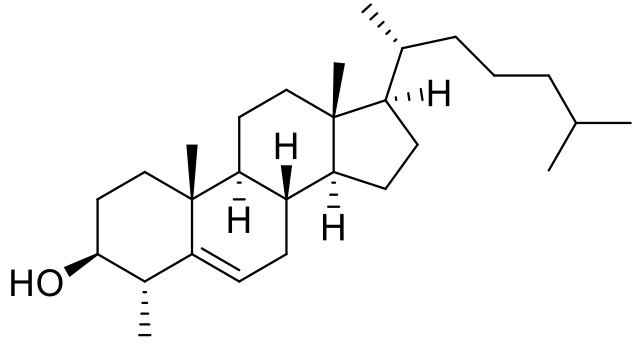
| DC43955 | 4α-Methylcholesterol Featured |
4α-Methylcholesterol is a Cholesterol derivative. 4α-Methylcholesterol can oxidize 3-hydroxy steroid, with the apparent Km of 12.6 μM.
More description
|
|
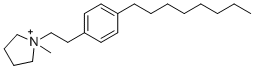
| DC21557 | RB-011 Featured |
A small molecule that disrupt 14-3-3 dimers at low micromolar concentrations and induce rapid down-regulation of Raf-MAPK and PI3K-Akt signaling in Jurkat cells.
More description
|
|
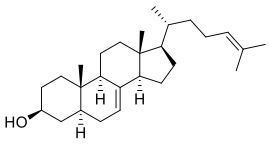
| DC45677 | 5α-Cholesta-7,24-dien-3β-ol Featured |
5α-Cholesta-7,24-dien-3β-ol, a sterol, can be found in hamster cauda epididymal mature spermatozoa.
More description
|
|
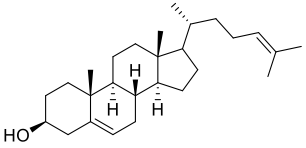
| DC32956 | Desmosterol Featured |
Desmosterol is an endogenous agonist of RORgamma; Intermediate in the synthesis of cholesterol.
More description
|
|
| DC12188 | Lathosterol Featured |
Lathosterol is a cholesterol-like molecule. Serum Lathosterol concentration is an indicator of whole-body cholesterol synthesis.
More description
|

|
| DC12199 | Cholestenone Featured |
Cholestenone is the intermediate oxidation product of cholesterol.
More description
|

|
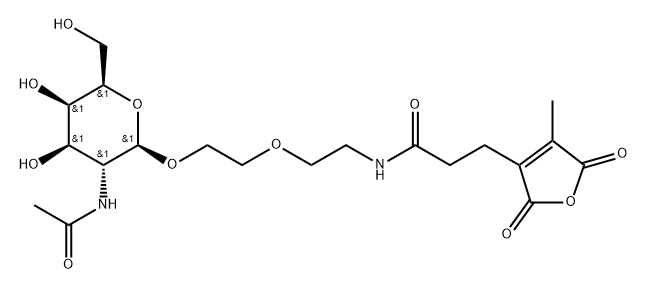
| DC11393 | CDM-NAG Featured |
CDM-NAG is a useful tool compound to deliver the siRNA.
More description
|
|
