 To enhance service speed and avoid tariff delays, we've opened a US warehouse. All US orders ship directly from our US facility.
| Cat. No. | Product Name | Field of Application | Chemical Structure |
|---|---|---|---|
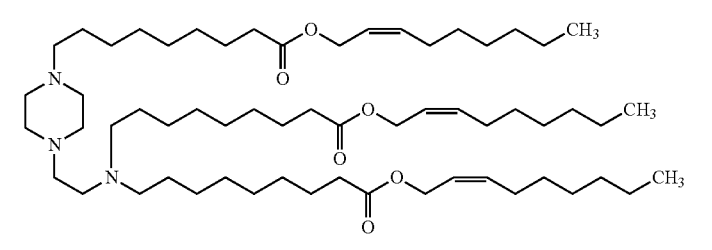
| DC67994 | 244-9-cis Featured |
244-9-cis is a novel ionizable lipid disclosed in United States Patent US 2026/0014075 A1, specifically engineered for advanced lipid nanoparticle (LNP) delivery systems. Its distinctive molecular architecture features biodegradable ester bonds, which contribute to excellent physicochemical properties such as a near-neutral surface charge (approximately -3 mV) for improved biocompatibility, an optimal pKa of about 6.2 to facilitate endosomal escape, and consistently high nucleic acid encapsulation efficiency exceeding 90%. In vivo studies confirm significantly enhanced delivery to hepatocytes and markedly higher therapeutic protein expression compared to control formulations, positioning 244-9-cis as a promising candidate for next-generation genetic medicines.
More description
|
|
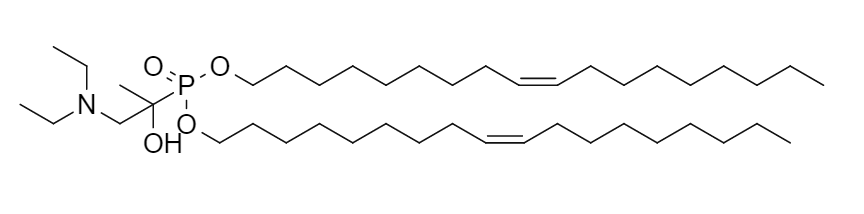
| DC60922 | Lipid AP60 Featured |
AP60 is a novel, biomimetic ionizable lipid, identified as the lead compound from a library of 67 aminophosphonate-derived lipids. Inspired by the structure of natural phospholipids, it forms the core component of lipid nanoparticles within the CROSS delivery platform. AP60-based LNPs demonstrate superior efficiency in delivering mRNA and circular RNA to neuronal cells and astrocytes compared to the clinically used MC3 LNP. In a mouse model of spinal cord injury, AP60 LNPs achieved significantly higher protein expression at the lesion site (13.7-fold locally, 4.6-fold intravenously) while concurrently reducing off-target accumulation in the liver by nearly 5-fold. This indicates improved targeting to the central nervous system injury site and a potentially better safety profile. Its cellular uptake is primarily mediated by clathrin-mediated endocytosis and macropinocytosis, followed by efficient endosomal escape. By encapsulating therapeutic circular RNAs encoding Sox2, Ascl1, and GDNF, AP60 LNPs enable effective in vivo reprogramming and neuroprotection, leading to significant functional recovery of bladder and locomotor functions after spinal cord injury.
More description
|
|
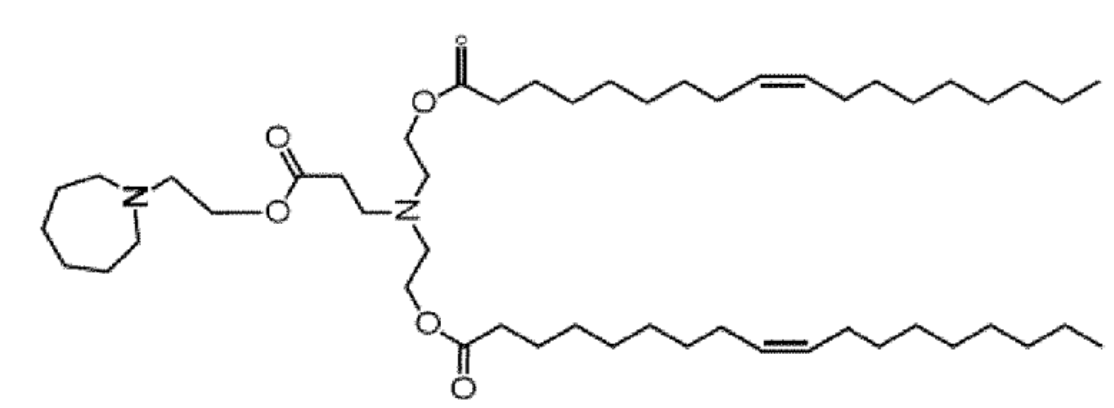
| DC68020 | Lipid OC7 Featured |
Lipid OC7, as described in the patent WO2022207938A1, is a novel ionizable lipid that serves as the core functional component of the saNppa-LNP delivery system. Its key innovation lies in its unique biodegradable structure featuring an internal ester bond. Under typical physiological conditions, this bond hydrolyzes, triggering a charge shift from a cationic form that complexes nucleic acids to a zwitterionic form that releases them. This property is central to its role in enabling long-acting self-amplifying RNA (saRNA) therapies. Specifically, OC7 facilitates immune stealth by mitigating early interferon responses, supports sustained and efficient intracellular replication of saRNA even at low doses, and enables therapeutic protein expression that persists for over 28 days from a single administration. This combination of efficient delivery, controlled release, and extended duration of action makes OC7-based LNPs a promising platform for long-term treatments, such as for myocardial infarction, as demonstrated in the referenced research.
More description
|
|
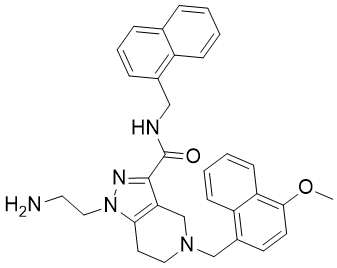
| DCC4079 | Pex14-pex5 Inhibitor-5 Featured |
First Inhibitor of PEX14-PEX5 Protein-Protein Interaction (PPI) with Trypanocidal Activity
More description
|
|
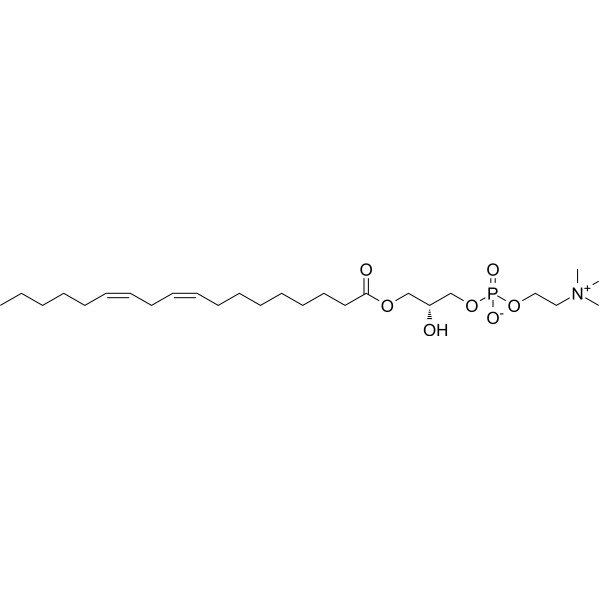
| DC44897 | Lysophosphatidylcholine 18:2 Featured |
Lysophosphatidylcholine 18:2 (1-Linoleoyl-2-Hydroxy-sn-glycero-3-PC), a lysophospholipid, is a potential biomarker identified from insulin resistance (IR) polycystic ovary syndrome (PCOS). Low plasma Lysophosphatidylcholine 18:2 also has been shown to predict impaired glucose tolerance, insulin resistance, type 2 diabetes, coronary artery disease, and memory impairment.
More description
|
|
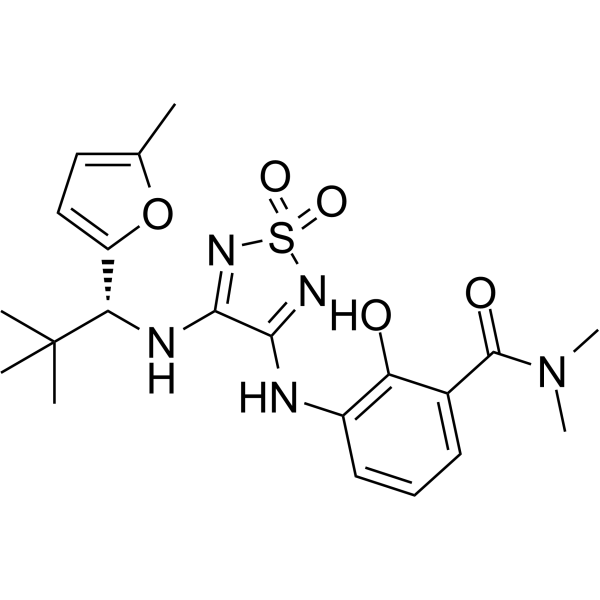
| DC77721 | SLW131 Featured |
SLW131 (Compound 10) is the antagonist for CCR7 with a good affinity of Ki of 9.85 nM. SLW131 inhibits CCL19-induced Go protein activation with an IC50 of 29.4 μM, inhibits β-arrestin2 recruitment with an IC50 of 6.0 μM. SLW131 inhibits CCL19-induced cell morphological changes in primary BMDCs, and CCR7-mediated migration in mouse CD4+ T cell.
More description
|
|
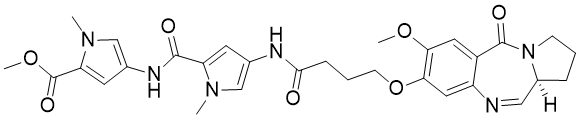
| DCC2459 | Gwl-78 Featured |
Novel modulator of NF-Y transcription, inhibiting the binding of NF-Y to DNA, blocking cellular proliferation and cell cycle progression, interacting with a variety of CCAAT-containing promoters leading to p53-independent cell cycle arrest
More description
|
|
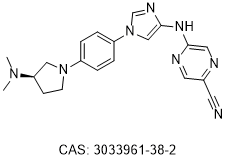
| DC68019 | BEN-28010 Featured |
BEN-28010 is a potent selective, orally bioavailable and brain-penetrant checkpoint kinase 1 (CHK1) inhibitor with IC50 of 4 nM, 450-fold selective over CHK2.
More description
|
|
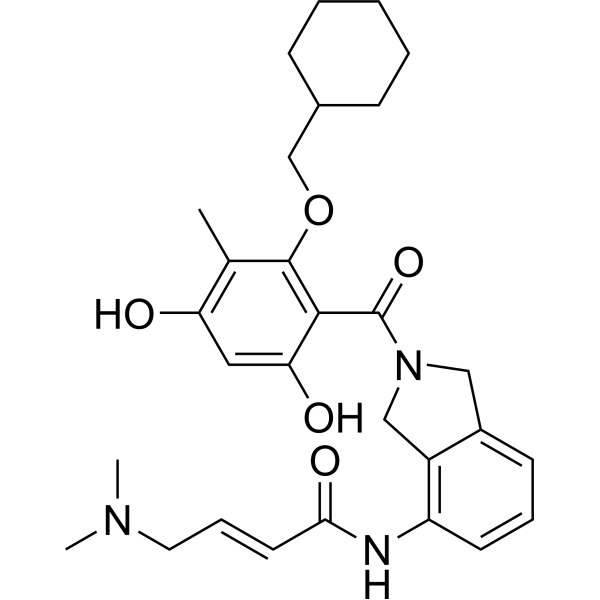
| DC78471 | NP1867 Featured |
NP1867 is a potent, selective, covalent PMS2 inhibitor. NP1867 functionally inhibits DNA mismatch repair. NP1867 enhances immune surveillance. NP1867 can be used in the research of colorectal cancer.
More description
|
|
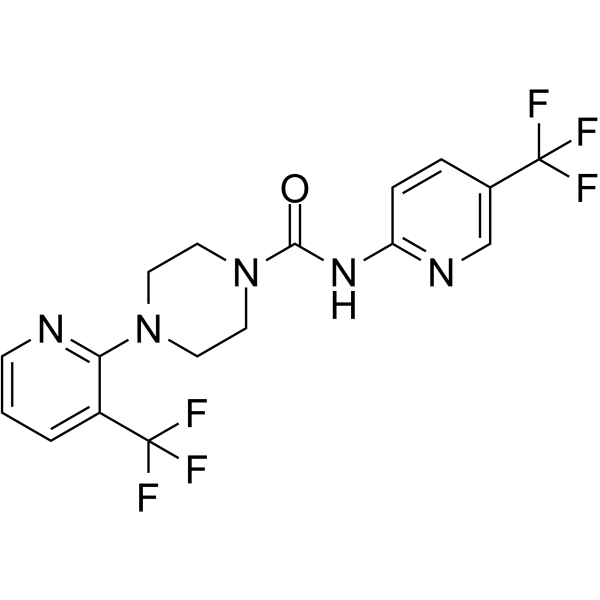
| DC23207 | JNJ-17203212 Featured |
A potent, selective and orally bioavailable TRPV1 receptor antagonist with IC50 of 65 nM and 102 nM for hTRPV1 and rTRPV1, respectively.
More description
|
|
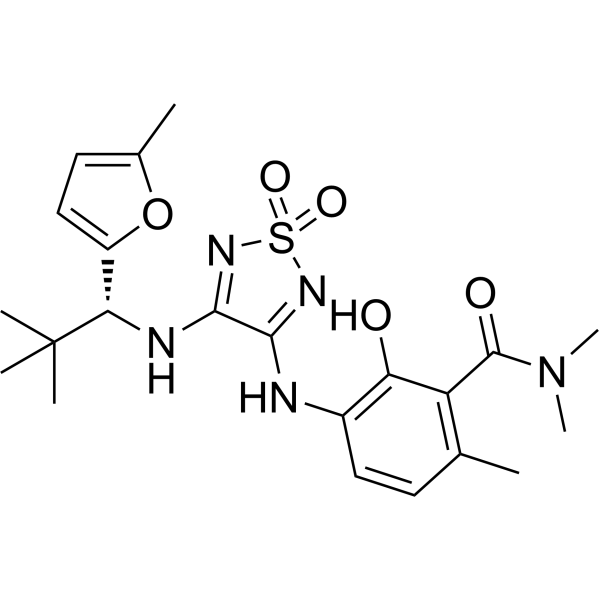
| DC70293 | CCR7 inhibitor Cmp1205 Featured |
CCR7 inhibitor Cmp1205 is an allosteric ligand and antagonist for human CC chemokine receptor 7 (CCR7) with Kd of 3 nM, suppresses arrestin binding in response to activation by CCL19 with IC50 of 7.3 uM.Cmp1205 binds to a pocket at the intracellular part of CCR7 between the ends of TM1, TM2, TM3, and TM6 and the loop between TM7 and H8.Cmp1205 allosterically inhibits binding of the native chemokine CCL19 ligand in a membrane-based competition binding experiment with IC50 of 35 nM.
More description
|
|
| DC68018 | GalNAc-L10 Featured |

|
|
| DC68017 | THA8 acid Featured |

|
|
| DC68016 | GalNAc-L-9 Featured |

|
|
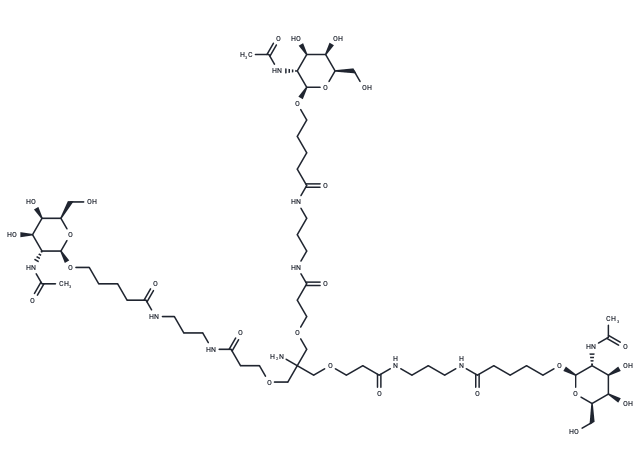
| DC60911 | ASGPR ligand-1 Featured |
ASGPR ligand-1 is a compound that targets the asialoglycoprotein receptor (ASGPR) and is utilized in various disease research contexts .
More description
|
|
| DC68013 | GalNAc-THA-C6 Featured |

|
|
| DC68012 | GalNAc-NAG37 Featured |

|
|
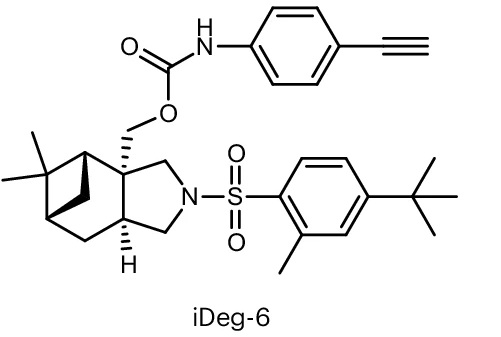
| DC60933 | iDeg-6 Featured |
iDeg-6 is a pseudo-natural product derived from (−)-myrtanol, that inhibit and induce degradation of the immunomodulatory enzyme indoleamine-2,3-dioxygenase 1 (IDO1) by a distinct mechanism. iDeg-1 inhibits kynurenine (Kyn) with IC50 of 16 nM and DC50 of 6.5 nM for IDO1 degradation.
More description
|
|
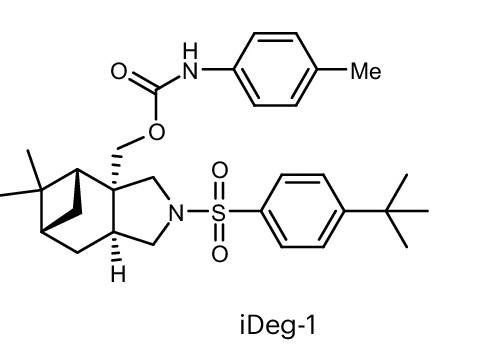
| DC60932 | iDeg-1 Featured |
iDeg-1 is a pseudo-natural product derived from (−)-myrtanol, that inhibit and induce degradation of the immunomodulatory enzyme indoleamine-2,3-dioxygenase 1 (IDO1) by a distinct mechanism. iDeg-1 inhibits kynurenine (Kyn) with IC50 of 0.83 µM.
More description
|
|
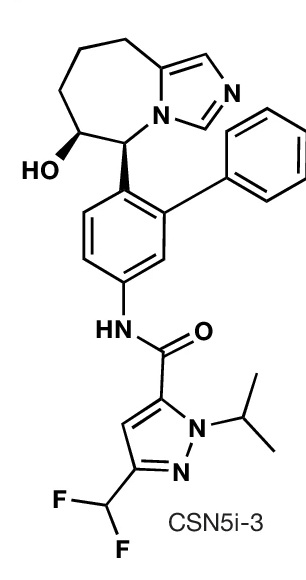
| DC60931 | CSN5i-3 Featured |
CSN5i-3 is a potent orthosteric molecular glue inhibitor of COP9 signalosome (CSN), functions dually as an orthosteric inhibitor of the iso-peptidase target while simultaneously stabilizing the enzyme–substrate complex as a molecular glue.
More description
|
|
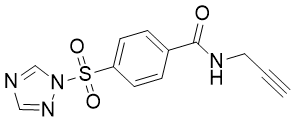
| DC90095 | HHS-475 Featured |
HHS-475 is a novel sulfur-triazole exchange (SuTEx) covalent probe with ~5-fold enhanced chemoselectivity for tyrosines over other nucleophilic amino acids.
More description
|
|
| DC68011 | GalNAc-NAG25 Featured |

|
|
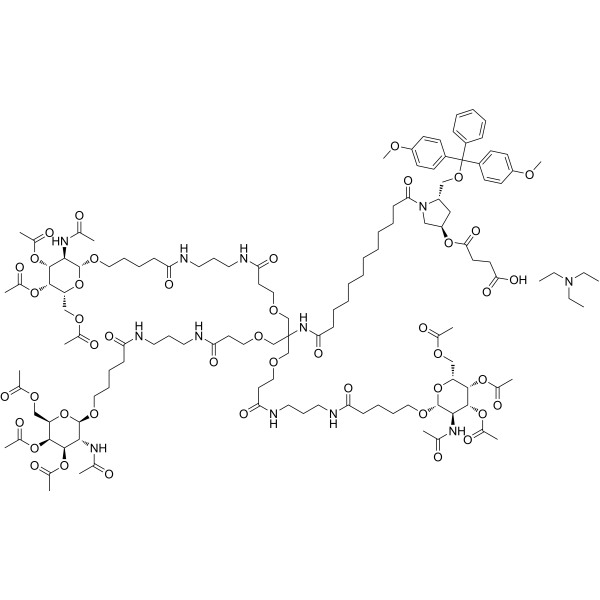
| DC65565 | GalNac-L96 Featured |
GalNac-L96, the G-rich oligonucleotides carrying the longer GalNAc linker that can be used for delivery of nucleic acid drugs[1].
More description
|
|
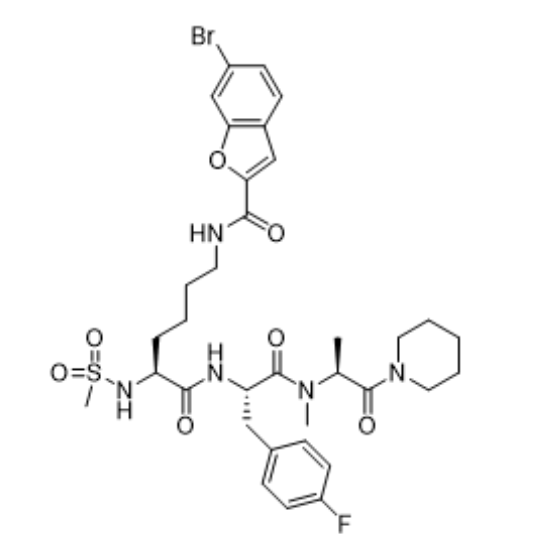
| DC60930 | LS-170 Featured |
LS-170 is a potent, selective and cell-active chemical inhibitor that targets the ATAC-specific YEATS2 YEATS domain with IC50 of 0.14 μM. LS-170 specifically reduces the chromatin occupancy of the ATAC complex, decreases the ATAC-dependent histone acetylation level and downregulates the expression of ATAC-governed genes, leading to significantly suppressed tumor growth in a lung cancer mouse model.
More description
|
|
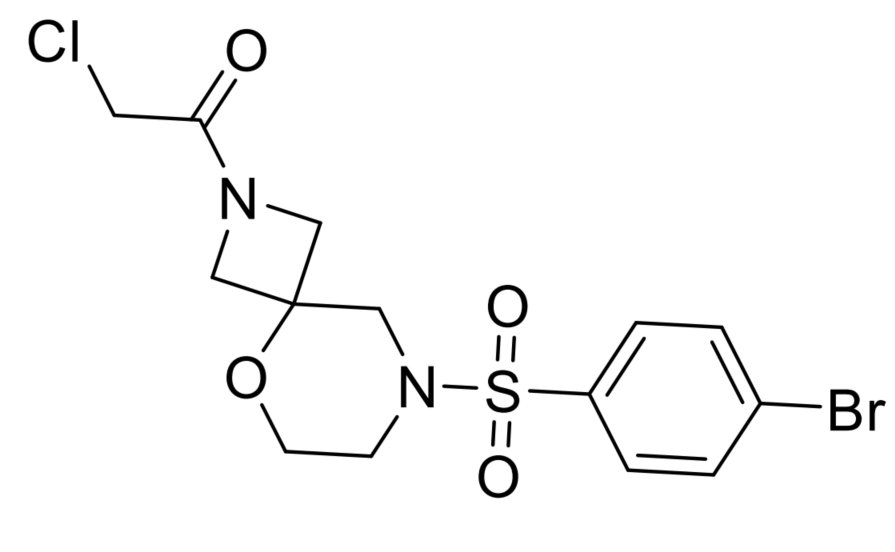
| DC60926 | Compound 78_molecular_glue Featured |
Compound 78 is a molecular glue for the unique composite surface of the 14-3-3/C-RAF259 complex. Compound 78 results in 210-fold stabilization of the 14-3-3σ/C-RAF259 complex in fluorescence anisotropy assays and has an EC50 of 1.2 μM in a cellular 14-3-3/C-RAF NanoBRET assay. Compound 78 shows greater selectivity for C-RAF in the NanoBRET assay and the protection of phosphorylation.
More description
|
|
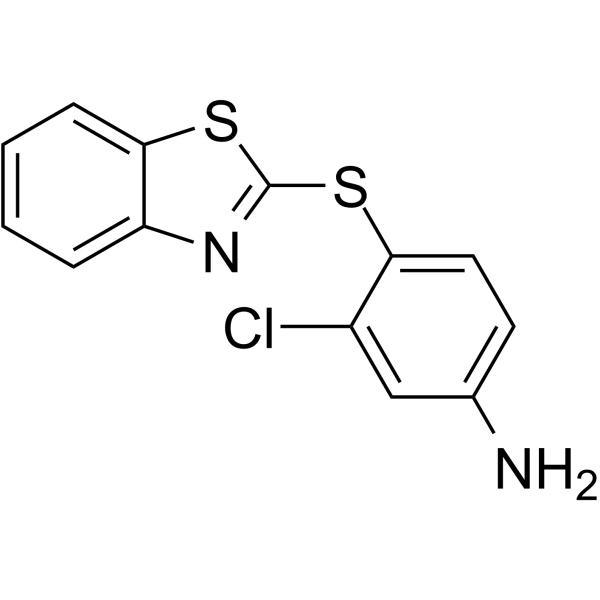
| DC41041 | KRAS inhibitor-9 Featured |
KRAS inhibitor-9, a potent KRAS inhibitor (Kd=92 μM), blocks the formation of GTP-KRAS and downstream activation of KRAS. KRAS inhibitor-9 binds to KRAS G12D, KRAS G12C and KRAS Q61H protein with a moderate binding affinity. KRAS inhibitor-9 causes G2/M cell cycle arrest and induces apoptosis. KRAS inhibitor-9 selectively inhibits the proliferation of NSCLC cells with KRAS mutation but not normal lung cells.
More description
|
|
| DC68009 | Lipid AMG1556 Featured |
AMG1556 is a biodegradable, cyclic amino alcohol-based ionizable lipid from the AMG series, designed specifically for mRNA delivery via lipid nanoparticles (LNPs).
More description
|

|
| DC20891 | ATN-224 Featured |
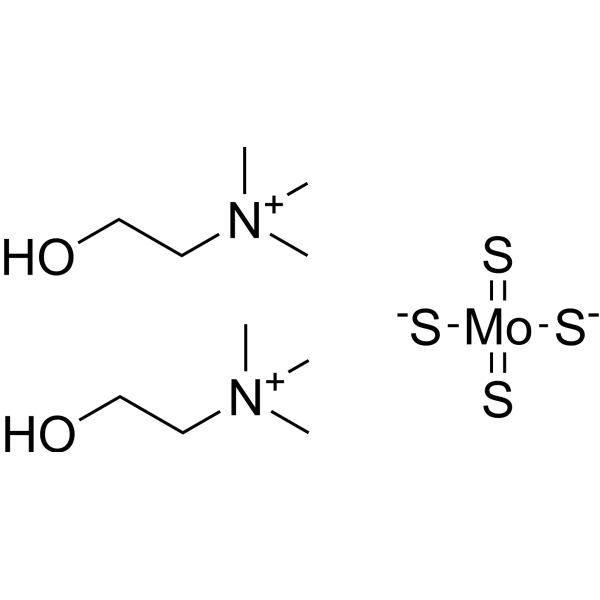
ATN-224 is a choline salt of tetrathiomolybdate and an inhibitor of superoxide dismutase 1 (SOD1; IC50s = 2.91 and 3.51 µM in human and mouse blood cells, respectively, in vitro).
More description
|
|
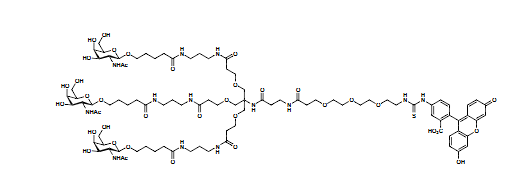
| DC68008 | Tris-GalNAc-β-Ala-PEG3-FITC Featured |
The trivalent β-GalNAc ligand is specific for Asialo Glycoprotein Receptors (ASGPR) on hepatocyte cells. β-Ala-PEG3 acts as linker/spacer between triantennary GalNAc and Fluorescein isothiocyanate (FITC).
More description
|
|
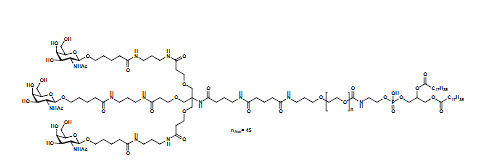
| DC68006 | Tri-GalNAc-PEG2000-DSPE Featured |
Tris-GalNAc-GABA-NH2 linked via PEG2k to phospholipid (DSPE or 1,2-distearoyl-sn-glycero-3-phosphoethanolamine) where GABA = gamma-Aminobutyric acid, or γ-aminobutyric acid.
More description
|
|
