 To enhance service speed and avoid tariff delays, we've opened a US warehouse. All US orders ship directly from our US facility.
| Cat. No. | Product Name | Field of Application | Chemical Structure |
|---|---|---|---|
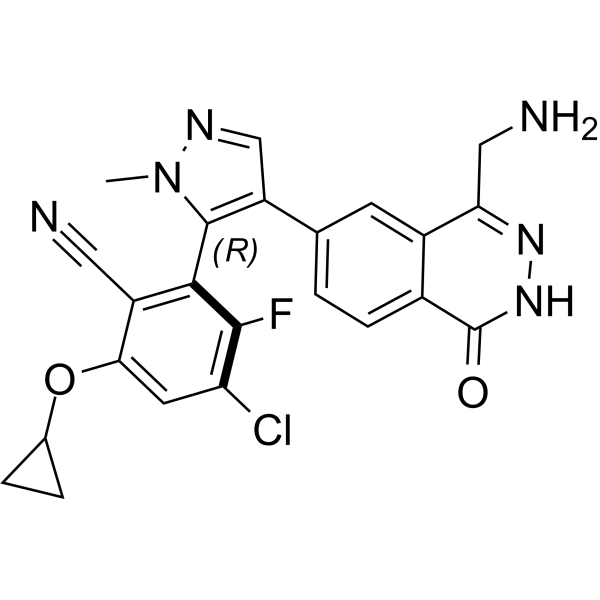
| DC47117 | Navlimetostat (BMS-986504,MRTX-1719) Featured |
MRTX-1719 is a potent first-in-class selective inhibitor of the PRMT5/MTA complex, with an IC50 of less than 10 nM in PRMT5/MTA MTAPDEL SDMA cells.
More description
|
|
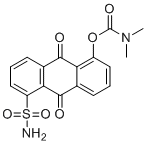
| DC73579 | LLL12B Featured |
LLL12B is a selective STAT3 inhibitor that suppresses Th17 development, specifically inhibits STAT3 and suppresses Th17 differentiation and expansion.
More description
|
|
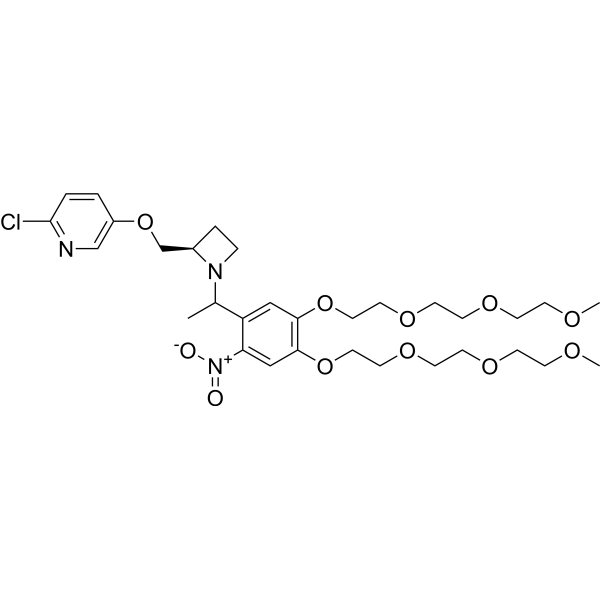
| DC46413 | DPNB-ABT594 Featured |
DPNB-ABT594 is a nitrobenzyl-caged ABT594 and activates nAChRs containing the α4β2 subunits with good selectivity than the α7 subunit. DPNB-ABT594 can be used to map the distribution of nAChRs on neurons of the medial habenula (MHb) and helps to gain a deeper understanding of the nAChR‐mediated Ca2+ signalling in the MHb.
More description
|
|
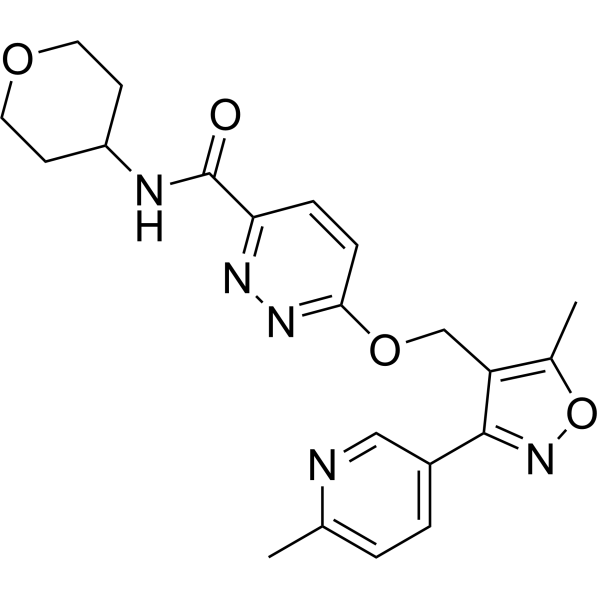
| DC47033 | Alogabat Featured |
Alogabat (example 8) is a GABAA α5 receptor positive allosteric modulators (PAMs) (extracted from patent WO2018104419A1).
More description
|
|
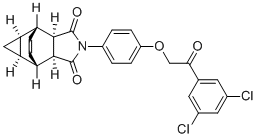
| DC74078 | MM0299 analog 13 Featured |
MM0299 analog 13 (MM 0299 derivative 13) is a potent, selective, orally bioavailable, brain-penetrant inhibitor of lanosterol synthase (LSS, competition EC50=28.7 nM) with anti-proliferative activity.
More description
|
|
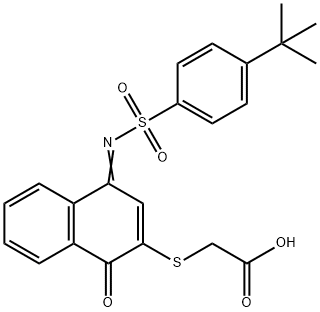
| DC11276 | KPT-6566 Featured |
KPT-6566 is a covalent PIN1 inhibitor selectively targets cancer cells by a dual mechanism of action.
More description
|
|
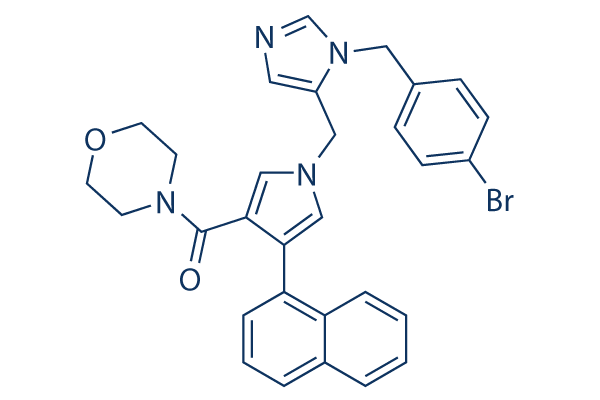
| DC7450 | LB42708 Featured |
LB42708 is an orally active farnesyltransferase (FTase) inhibitor with IC50 of 0.8, 1.2, and 2.0 nM toward H-ras, N-ras, and K-ras, respectively
More description
|
|
| DC60946 | ARV-102(S-enantiomer ) Featured |
S-enantiomer of ARV-102. ARV-102 is a highly potent, orally bioavailable PROTAC that targets LRRK2 with a of 0.14 nM, designed to cross the blood-brain barrier to address neurodegenerative diseases. By hijacking the body’s ubiquitin-proteasome system, it achieves deep and sustained degradation of LRRK2 protein in both peripheral tissues and the central nervous system, offering a potentially superior therapeutic approach over traditional kinase inhibitors.
More description
|
.png)
|
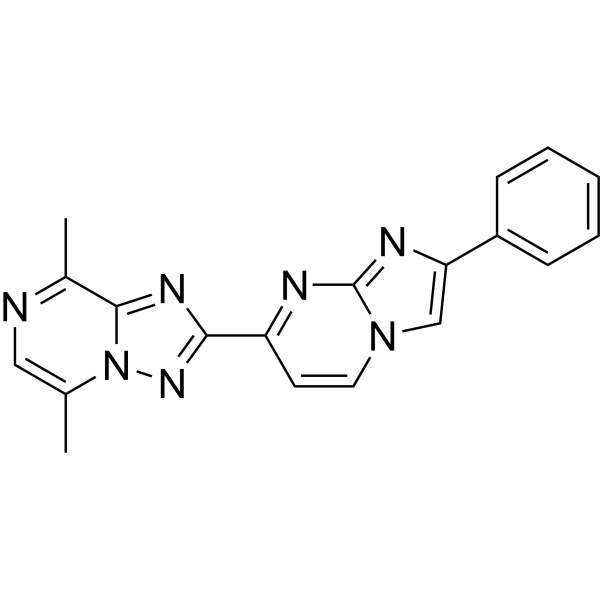
| DC70322 | CPL500036 Featured |
CPL500036 (CPL-500036) is a highly potent, selective and orally bioavailable PDE10A inhibitor with IC50 of 35 nM.CPL500036 is highly selective for PDE10A over other PDEs and common off-targets.CPL500036 effectively penetrates the brain where increases cAMP/cGMP levels and phosphorylates effector proteins like AMPA subunits.CPL500036 reduced sensorimotor deficits in 6-OHDA-lesioned rats.Acute and chronic CPL500036 did not reduce effects of L-DOPA in sensorimotor tests.Chronic CPL500036 treatment did not decrease L-DOPA-induced contralateral rotation.
More description
|
|
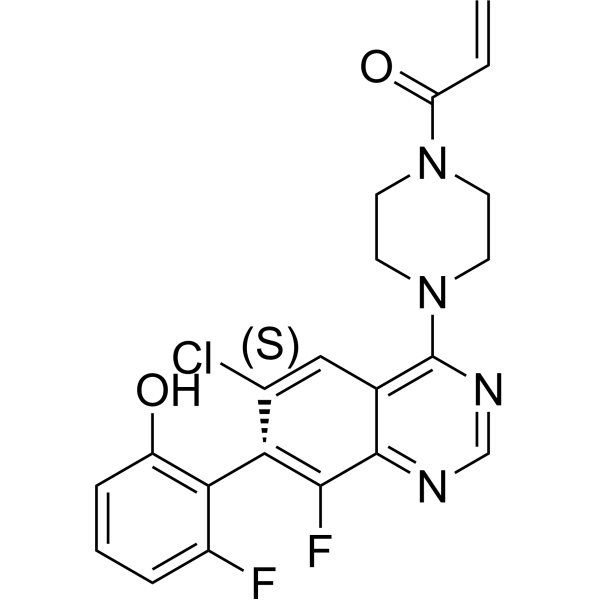
| DC10725 | ARS-1620 Featured |
ARS-1620 is a covalent compound with high potency and selectivity for KRAS-G12C.
More description
|
|
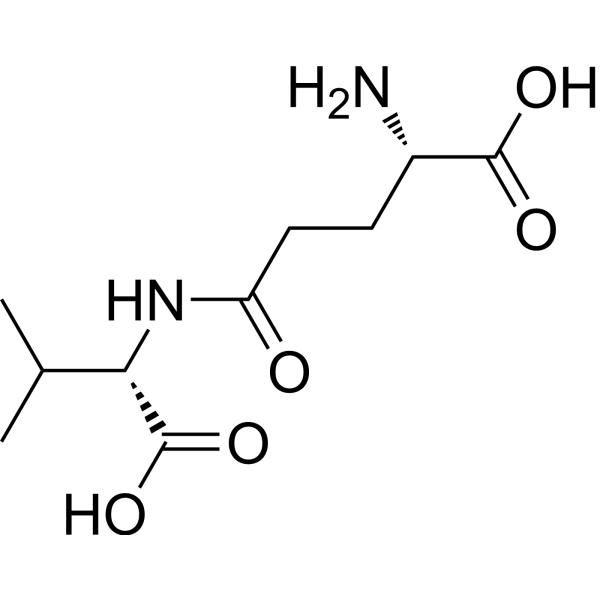
| DC34031 | G-Glu-Val Featured |
G-Glu-Val, also known as gamma-Glutamyl-L-valine or H-gGlu-Val-OH, is a taste-modulating dipeptide and a main contributor to the "kokumi" taste of edible beans.
More description
|
|
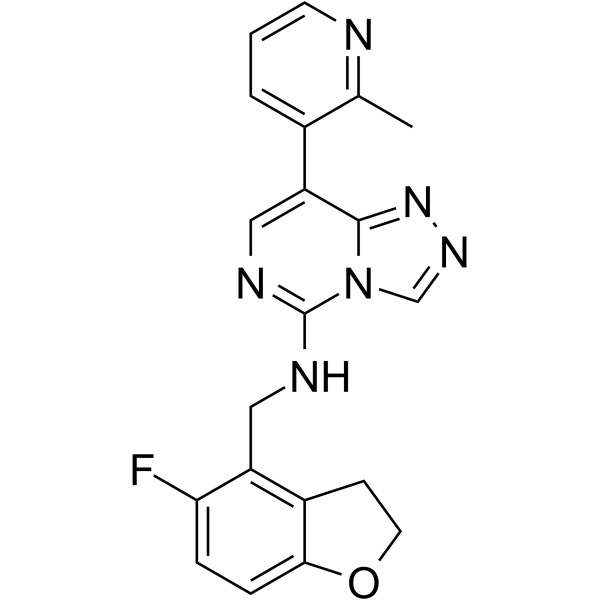
| DC10560 | MAK683 Featured |
MAK683 is a novel PRC2/EED inhibitor.
More description
|
|
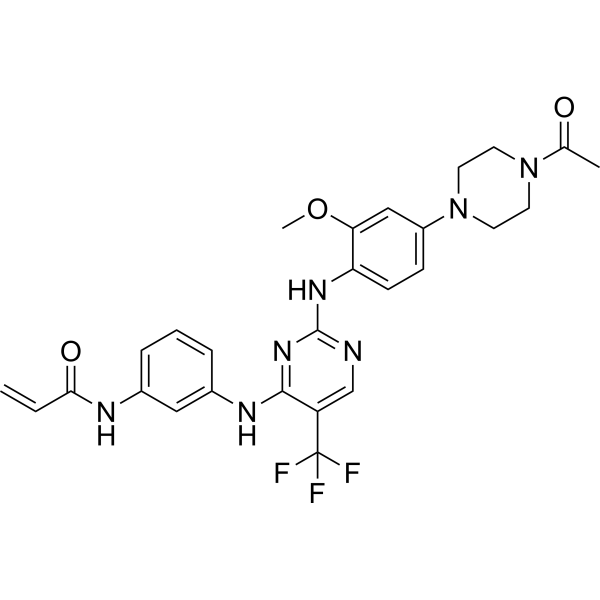
| DC7106 | Rociletinib (CO-1686) Featured |
CO-1686 is a novel, irreversible and orally delivered kinase inhibitor that specifically targets the mutant forms of EGFR including T790M(IC50=21 nM).
More description
|
|
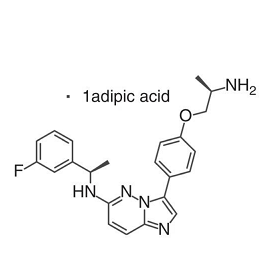
| DC26199 | Taletrectinib adipate(DS-6051b) Featured |
DS-6051b is a potent and selective ROS1 and TRK family inhibitor with IC50 of 0.207 nM, 0.622 nM and 0.980 nM against ROS1, NTRK1 and NTRK3. DS-6051b especially inhibits ROS1 G2032R and other crizotinib-resistant ROS1 mutants.
More description
|
|
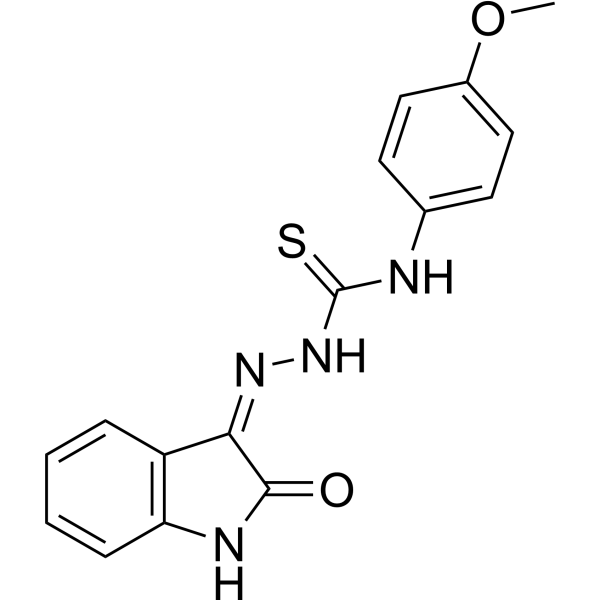
| DCC3793 | NSC73306 Featured |
NSC73306 is a cell penetrant, cytotoxic agent that exhibits greater toxicity against cells expressing functional P-gp (P-glycoprotein) than against other cells. Irrespective of variations in cell line background, NSC73306 consistently demonstrated a Pgp-potentiated MDR-selective toxicity.
More description
|
|
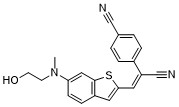
| DC46320 | HBC599 Featured |
HBC599 is a HBC analog. HBC is nonfluorescent in solution, but emits strong fluorescence upon forming tight complex with Pepper RNA aptamer. HBC-Pepper complex can be used to visualize RNA dynamics in live cells.
More description
|
|
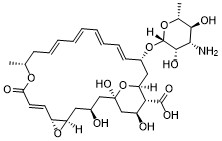
| DCAPI1337 | Natamycin(Pimaricin) Featured |
Natamycin is a naturally occurring polyene macrolide antifungal agent produced by Streptomyces natalensis, exhibiting potent in vitro and in vivo activity against a broad spectrum of yeasts and filamentous fungi. In vitro studies show strong inhibition of Candida spp., Aspergillus spp., and other food- and ocular-relevant fungi, with reported MIC values typically in the low µg/mL range (often ~1–10 µg/mL depending on species and strain).
More description
|
|
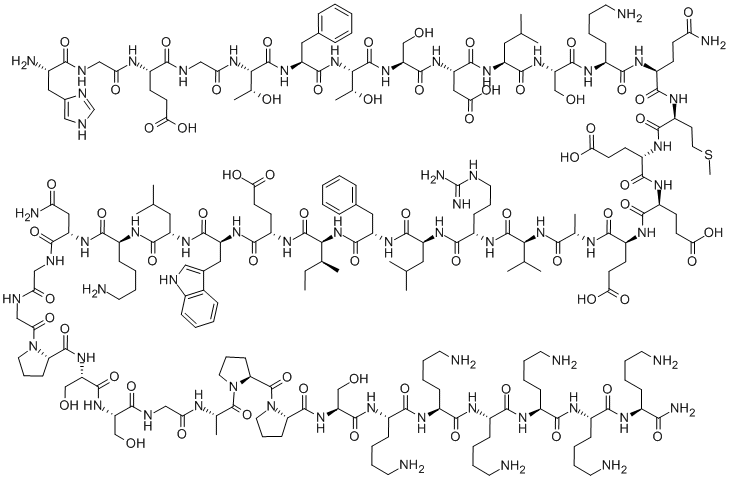
| DC22543 | Lixisenatide Featured |
Lixisenatide is a glucagon-like peptide-1 (GLP-1) receptor agonist. Lixisenatide inhibits the inflammatory response through down regulation of pro-inflammatory cytokines, and suppresses of the Akt-MEK1/2 signaling pathway. Lixisenatide can inhibit oxidative stress, mitochondrial dysfunction and apoptosis. Lixisenatide can be used for the researches of inflammation, metabolic disease, neurological disease and cardiovascular disease, such as rheumatoid arthritis, diabetes, Alzheimer's disease and atherosclerosis.
More description
|
|
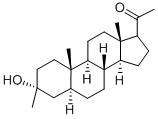
| DC32105 | Ganaxolone Featured |
Ganaxolone, also known as CCD 1042 and C1042, is a CNS-selective GABAA modulator that acts on well-characterized targets in the brain known to have anxiolytic and anticonvulsant effects. Ganaxolone protects against seizures in diverse animal models, including the pentylenetetrazol, 6 Hz and amygdala kindling models. Ganaxolone is a positive allosteric modulator of the action of the GABAA receptor and, unlike benzodiazepines, there does not appear to be tolerance to the anticonvulsant effects of ganaxolone.
More description
|
|
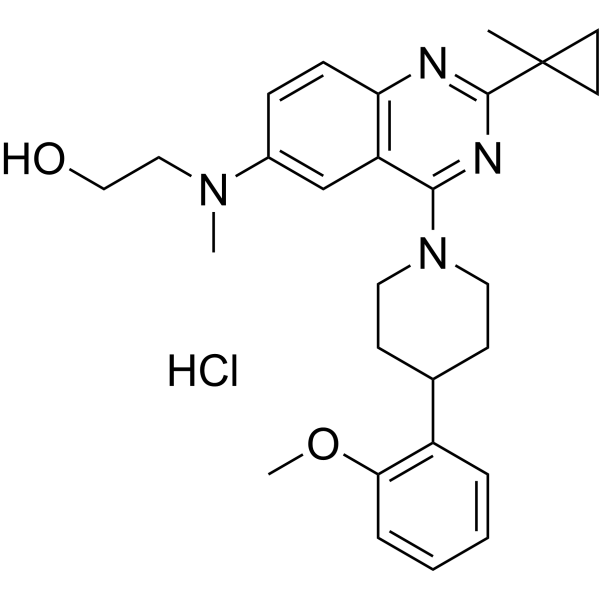
| DC76584 | SBI-810 hydrochloride Featured |
SBI-810 hydrochloride is a functionally selected β-arrestin-biased neurotensin receptor 1 (NTSR1) allosteric modulator. SBI-810 hydrochloride modulates NTSR1 G protein signaling in a G protein-specific manner in the presence of the endogenous ligand, neurotensin (NT). SBI-810 hydrochloride fully antagonizes NT-induced activation of Gq, partially antagonizes NT-induced activation of Gi1 and is permissive of NTSR1 activation of GoA and G12.
More description
|
|
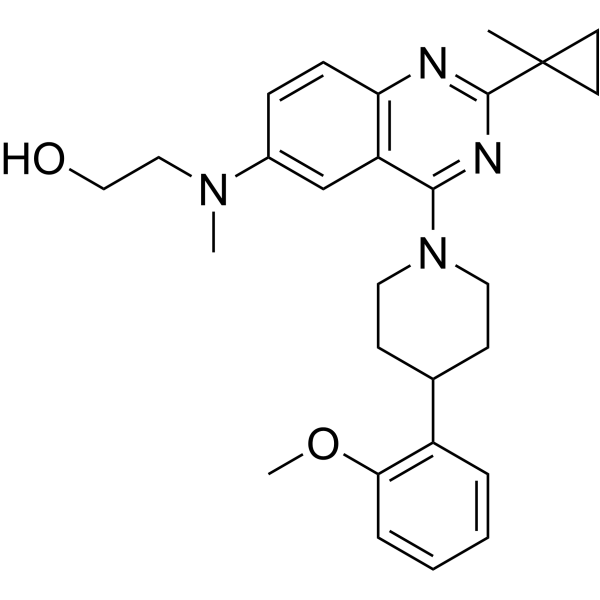
| DC76583 | SBI-810 Featured |
SBI-810 is a functionally selected β-arrestin-biased neurotensin receptor 1 (NTSR1) allosteric modulator. SBI-810 modulates NTSR1 G protein signaling in a G protein-specific manner in the presence of the endogenous ligand, neurotensin (NT). SBI-810 fully antagonizes NT-induced activation of Gq, partially antagonizes NT-induced activation of Gi1 and is permissive of NTSR1 activation of GoA and G12.
More description
|
|
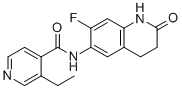
| DC73707 | KOTX1 Featured |
KOTX1 is a potent, selective and reversible ALDH1A3 inhibitor with IC50 of 5.14 nM by Aldefluor assay in A375 cells.
More description
|
|
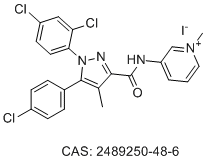
| DC74207 | TXX-1-10 Featured |
TXX-1-10 (CB1-8) is a small chemical molecule that inhibits HPIP oncoprotein expression, suppresses breast cancer cell growth and metastasis in vitro and in vivo.
More description
|
|
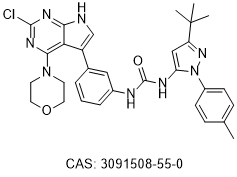
| DC78463 | RN277 Featured |
RN277 is an inhibitor for LRRK2 type II kinase. RN277 can be used as a cellular tool targeting the LRRK2 inactive state. RN277 can inhibit LRRK1 kinase activity in vitro. RN277 inhibits LRRK2 kinase activity in vitro (IC50 = 70 nM). RN277 reduces phosphorylation of Rab8a dose-dependently. RN277 can be studied in research for Parkingson’s disease.
More description
|
|
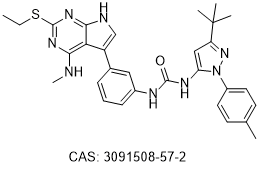
| DC79310 | RN341 Featured |
RN341 is a specific type II kinase inhibitor of LRRK2 (IC50: 296 nM). RN341 inhibits LRRK2 phosphorylation and avoids S935 dephosphorylation by stabilizing the open conformation. RN341 rescues LRRK2-mediated kinesin motility block by preventing microtubule binding. RN341 effectively inhibits LRRK2 wild-type and G2019S mutant at the cellular level. RN341 provides a new direction for Parkinson's disease research.
More description
|
|
| DC4131 | SR48692 Featured |
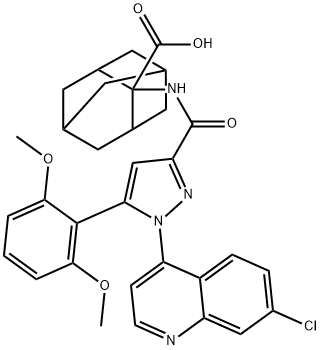
SR 48692 is a neurotensin antagonist; selective for NTS1 over NTS2 (apparent affinity, Ke, is 36 nM for NTS1). Competitively inhibits binding of [125I]-neurotensin to HT29 and N1E115 cell membranes (IC50 values are 15.3 and 20.4 nM respectively).
More description
|
|
| DC8578 | L002(NSC764414) Featured |
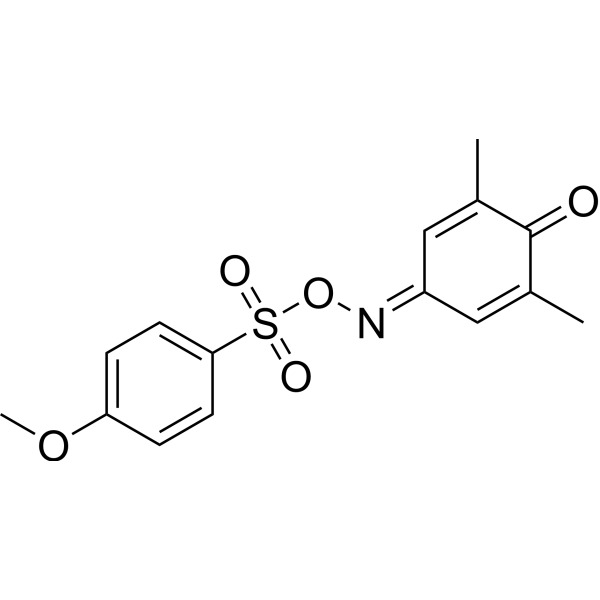
L002 is a p300 inhibitor (IC50=1.98 μM) that inhibits p53 and histone acetylation. Suppresses STAT3 activation in vitro and suppresses tumor growth in some mouse cell lines.
More description
|
|
| DC71178 | FAK PROTAC B5 Featured |
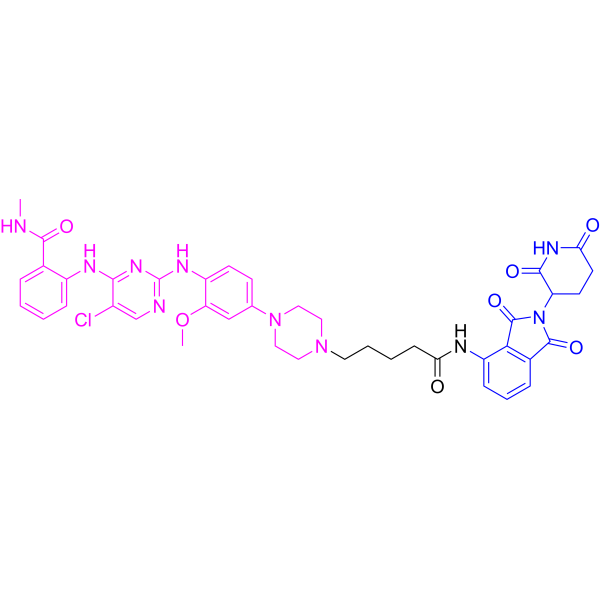
FAK PROTAC B5 (Compound B5) is a FAK PROTAC degrader with an IC50 value of 14.9 nM. FAK PROTAC B5 (Compound B5) presents strong FAK degradation activity, antiproliferative activity, outstanding plasma stability and moderate membrane permeability. FAK PROTAC B5 (Compound B5) inhibits cell migration and invasion.
More description
|
|
| DC22234 | SR 57227A Featured |
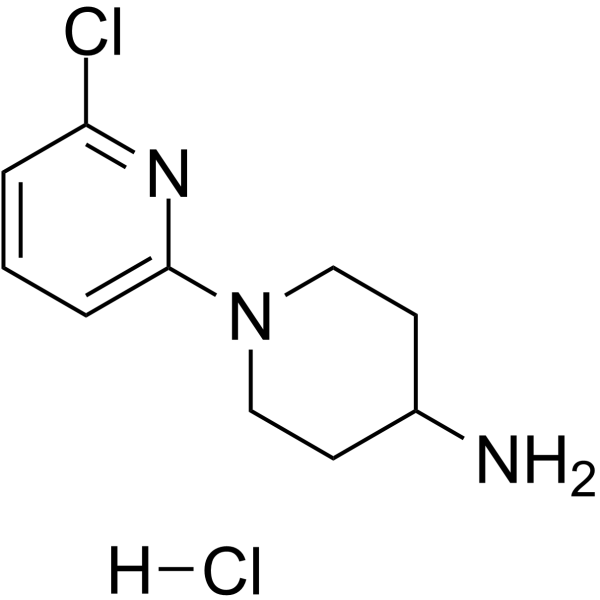
SR-57227 is a high affinity, selective 5-HT3 receptor agonist, demonstrates anticonvulsant effects in vivo. Head group of Lipid S4
More description
|
|
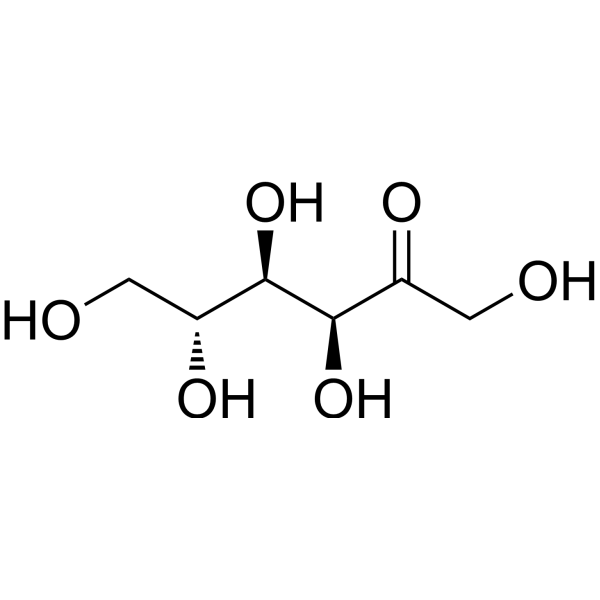
| DCG-056 | D(-)-Fructose |
>98%,Standard References
More description
|
|
