 To enhance service speed and avoid tariff delays, we've opened a US warehouse. All US orders ship directly from our US facility.
| Cat. No. | Product Name | Field of Application | Chemical Structure |
|---|---|---|---|
| DC77836 | TNG348 |
TNG348 is an orally bioavailable allosteric inhibitor targeting the ubiquitin-specific protease USP1. It selectively and potently blocks USP1 activity, preventing deubiquitination of proliferative PCNA and FANCD2, which disrupts DNA repair mechanisms. TNG348 demonstrates inhibitory effects against BRCA1/2-mutated and homologous recombination-deficient (HRD) breast and ovarian cancers .
More description
|

|
| DC77835 | BI033 |
BI033 is a selective inhibitor of BTB and CNC homology 1 (BACH1) specifically binds to BACH1's N-terminal with a Kd of 9.0 uM. It disrupts the BACH1–HDAC1 interaction, enhances H3K27 acetylation at BACH1 target genes, and upregulates angiogenic genes, suggesting its therapeutic potential for myocardial infarction and ischemic vascular disease.
More description
|
|
| DC77834 | Peptide 4 |
Peptide 4 is a complex synthetic peptide molecule commonly used as a research chemical or therapeutic agent due to its potential to mimic biological peptides and modulate specific molecular targets.
More description
|
|
| DC77833 | CT1113 |
CT1113 is a potent dual inhibitor of USP25 and USP28 that effectively reduces c-MYC levels and exhibits strong anti-tumor activity. It can be used in research on colon and pancreatic cancers.
More description
|
|
| DC77832 | Taurolithocholic acid |
Taurolithocholic acid is a taurine-conjugated tertiary bile acid. It induces apoptosis in hepatoma cell lines via caspase-3/7 activation and serves as a model to study the endocrine and metabolic roles of bile acids in enterohepatic circulation and liver physiology.
More description
|
|
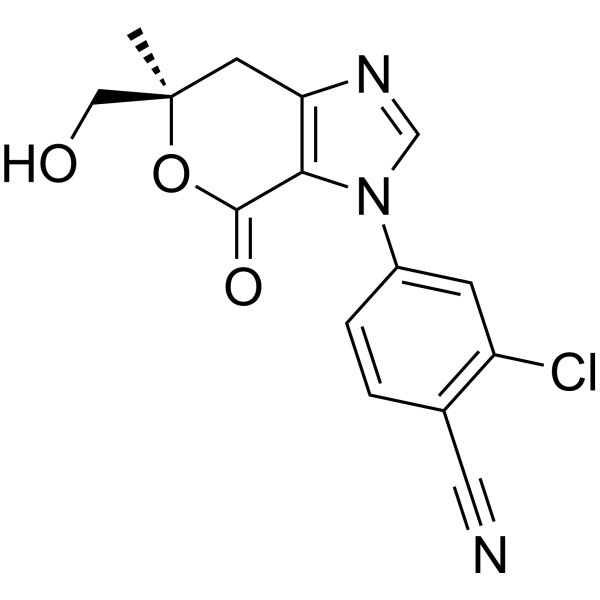
| DC77831 | Vicadrostat |
Vicadrostat (compound 29 A) is a potent and selective inhibitor of aldosterone synthase(CYP11B2) with an IC50 of 16 nM. It exhibits potential in renal disease, diabetic nephropathy, cardiovascular diseases and fibrotic disorder research.
More description
|
|
| DC77830 | PB94 |
PB94 is a potent and selective inhibitor of HDAC11 with an IC50 of 108 nM and exhibits >40-fold selectivity over other HDAC isoforms. It ameliorates neuropathic pain in mouse models and can be radiolabeled with carbon-11 as [¹¹C]this compound for PET imaging, demonstrating significant brain uptake and potential for in vivo imaging applications.
More description
|
|
| DC77829 | SKLB-11A |
SKLB-11A is a selective, first-in-class allosteric activator of SIRT3 that binds with a Kd of 4.7 μM and enhances its deacetylase activity with EC50 of 21.95 μM. It improves cardiac function and alleviates myocardial damage in vivo.
More description
|
|
| DC77828 | BIEGi-1 |
BIEGi-1 is a potent and selective binary inhibitor of EGFR that effectively blocks EGFR-catalyzed nucleotide exchange and disrupts the EGFR–Rheb interaction. It robustly inhibits both EGFR kinase activity and mTORC1 signaling in EGFR-mutant cancer cells. This compound exhibits significant anti-proliferative effects with an IC50 of 17 nM for PC9 and 20 nM for HCC827.
More description
|
|
| DC77827 | BSJ-5-63 |
BSJ-5-63 is a potent PROTAC degrader of CDK12, CDK7, CDK9. BSJ-5-63 decreases the protein expression of CDK12, CDK7, CDK9, RNAPII, Cyclin K, while also suppressing the mRNA expression of BRCA1 and BRCA2. BSJ-5-63 demonstrates anticancer properties and has the potential for the research of prostate cancer.
More description
|
|
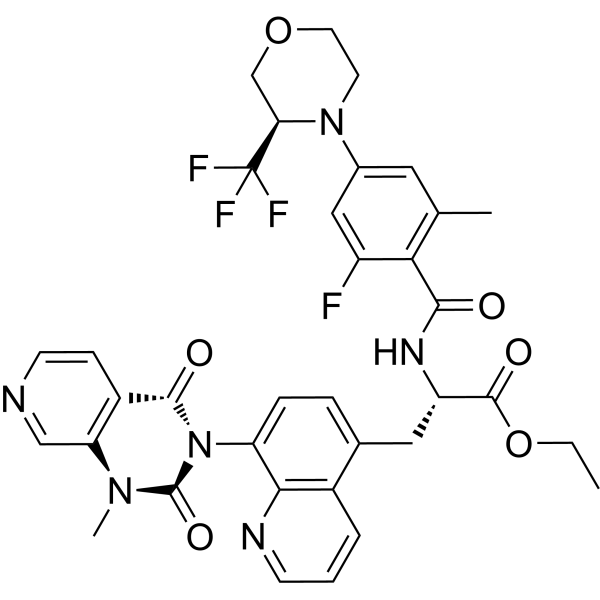
| DC78407 | Emvistegrast Featured |
Emvistegrast is a quinolone derivative. Emvistegrast is an antagonist of α4β7 integrin. Emvistegrast can be studied in research for diseases that are mediated by α4β7 integrin, such as infkammatory bowel disease.
More description
|
|
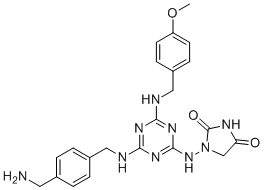
| DC70904 | WEHI-7326 Featured |
WEHI-7326 (WEHI 7326) is a specifi mitotic inhibitor and potential anticancer agent, causes cell cycle arrest in G2/M, cell death in vitro (MDA-MB-231 IC50=24.4 nM), and displays efficacious anti-tumor activity in vivo.WEHI-7326 induces cell death in a broad range of cancer cell lines, including taxane-resistant cells, and inhibits growth of human colon, brain, lung, prostate and breast tumors in mice xenografts.WEHI-7326 exceeded potency of myoseverin B by almost ten-fold, did not show any significant cytotoxic activity in vitro (IC50>40 uM) in HepG2 cells.WEHI-7326 prolongs survival in mouse models of high-risk neuroblastoma and leads to complete tumor regression when used in combination with standard-of-care relapse therapies.
More description
|
|
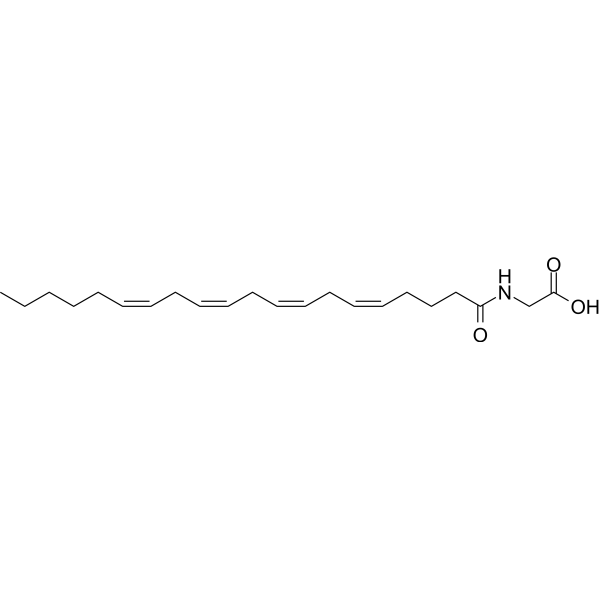
| DC46392 | N-Arachidonylglycine Featured |
N-Arachidonylglycine (NA-Gly), a carboxylic analog of the endocannabinoid anandamide (AEA), is a GPR18 agonist (EC50 = 44.5 nM). Unlike AEA, N-Arachidonylglycine has no activity at either CB1 or CB2 receptors. N-Arachidonylglycine inhibits GLYT2 (IC50 = 5.1 μM). N-Arachidonylglycine also is an effective activator of endometrial cell migration.
More description
|
|
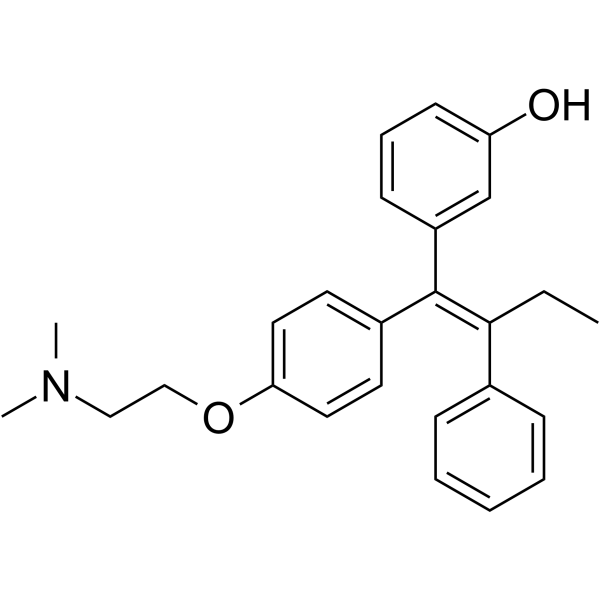
| DC22769 | Droloxifene Featured |
A nonsteroidal selective estrogen receptor modulator (SERM) that shows 10- to 60-fold increased affinity for the estrogen receptor compared with Tamoxifen.
More description
|
|
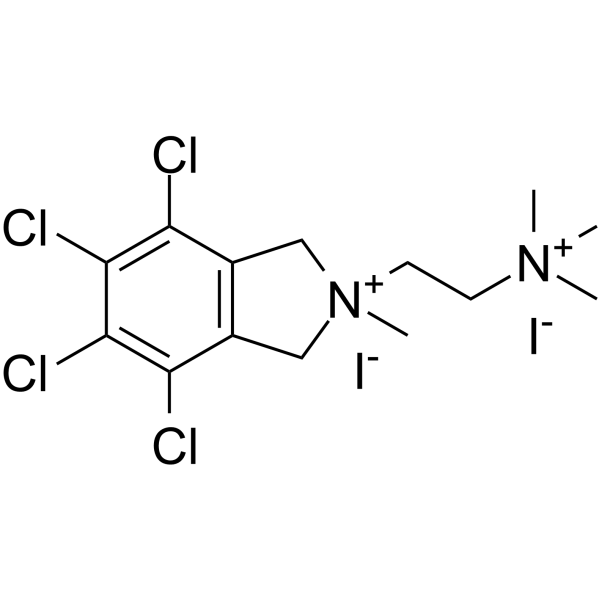
| DC71153 | Chlorisondamine diiodide Featured |
Chlorisondamine (diiodide) is a potent nicotinic acetylcholine receptor (nAChR) antagonist and a ganglion blocker. Chlorisondamine antagonizes some of nicotine's central actions in a potent, long-lasting and pharmacologically selective way.
More description
|
|
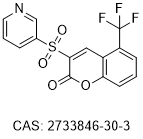
| DC11985 | PSTC Featured |
PSTC is a potent, selective Nrf2 activator with pEC50 of 7.7 (inducing of NQO1 specific enzyme activity).PSTC induces Nrf2 nuclear translocation, Nrf2-regulated gene expression, and
downstream signaling events, including induction of NAD(P)H:NQO1 enzyme activity and heme oxygenase-1 protein expression, in an Nrf2-dependent manner.PSTC does not inhibit IL-1β-induced NF-κB translocation or insulin-induced S6 phosphorylation in human cells.PSTC restores oxidant (tert-butyl hydroperoxide)
induced glutathione depletion in vitro and in vivo models of pulmonary oxidative stress.
More description
|
|
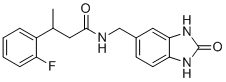
| DC20304 | AGPS-IN-1a Featured |
AGPS-IN-1a is a potent inhibitor of the ether lipid-generating enzyme alkyl-glycerone phosphate synthase (AGPS), selectively lowers ether lipid levels in several types of human cancer cells and impairs their cellular survival and migration..
More description
|
|
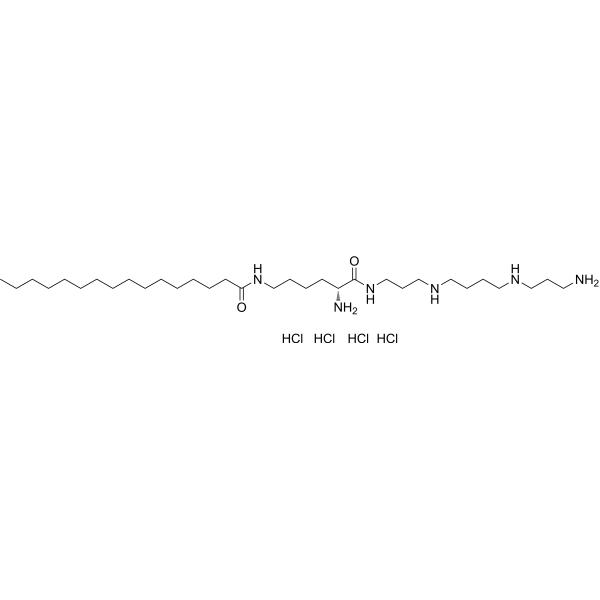
| DC21996 | AMXT-1501 tetrahydrochloride Featured |
AMXT-1501 tetrahydrochloride (AMXT 1501, AMXT1501) is a novel potent polyamine transport inhibitor, synergistically reduces cell viability in NB cells in combination with DFMO.
More description
|
|
| DC73883 | (S)-IBD3540 Featured |
(S)-IBD3540 is a potent, gut-restricted and orally active small molecule glutamate carboxypeptidase II (GCPII) inhibitor with IC50 of 4 nM, demonstrates anti-colitis activity in both acute and chronic mouse colitis models.
More description
|
-IBD3540.gif)
|
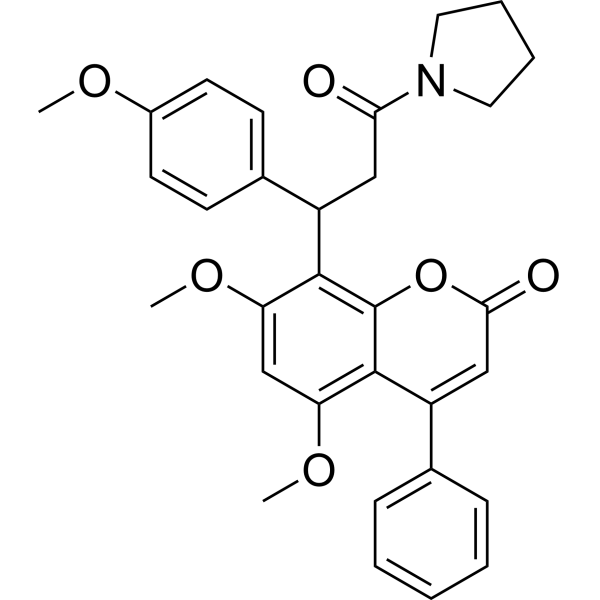
| DC23772 | CMLD-2 Featured |
A novel small molecule disruptor of HuR-mRNA interaction with Ki of 350 nM.
More description
|
|
| DC47131 | Camonsertib Featured |
Camonsertib is a potent ATR inhibitor. ATR inhibitor 4 has antitumor activity.
More description
|

|
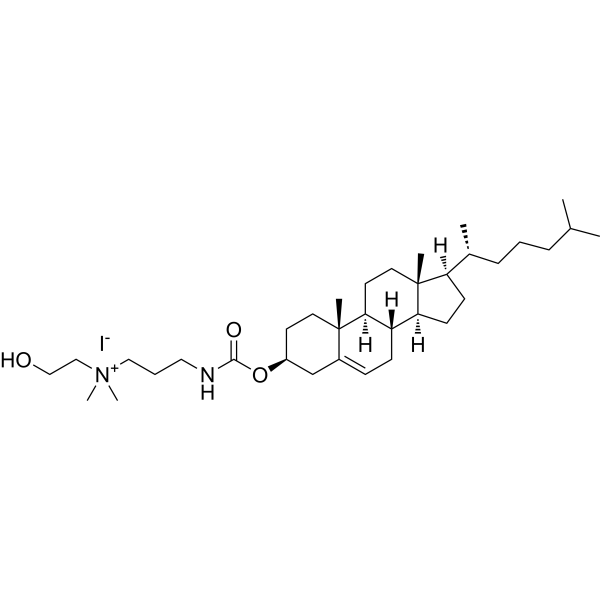
| DC36459 | DMHAPC-Chol Featured |
DMHAPC-Chol is a cationic cholesterol. Liposomes containing DMHAPC-chol have been used for DNA plasmid delivery in vitro and in vivo in a B16-F10 mouse xenograft model. Liposomes containing DMHAPC-chol are cytotoxic to B16-F10 cells. DMHAPC-Chol, as part of a lipoplex with DOPE, has also been used to deliver DNA into mouse lung via intratracheal injection, resulting in a heterogeneous distribution in the bronchi and bronchioles, and to deliver VEGF siRNA into A431 and MDA-MB-231 cells, which secrete VEGF.
More description
|
|
| DCC3809 | Nsp-116 Featured |
Novel free radical scavenger, against light-induced photoreceptor cell damage
More description
|
|
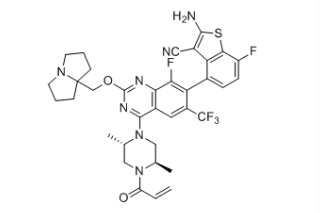
| DC74359 | BBO-8956 Featured |
BBO-8956 is a highly potent, covalent inhibitor of GTP-KRAS G12C, BBO-8956 is effective against both GDP and GTP-bound KRAS G12C.
More description
|
|
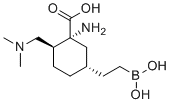
| DC21435 | OAT-1746 Featured |
OAT-1746 is a novel potent, selective, orally active inhibitors of Arginase 1 and 2 (ARG1/2) with IC50 of <50 nM.
More description
|
|
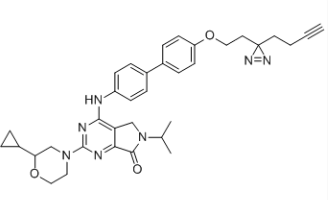
| DC73603 | OV350 Featured |
OV350 (OV-350) is a potent, selective and direct K+-Cl- cotransporter KCC2 agonist with EC50 of 261.4 nM, with no effect on KCC2 plasma membrane accumulation and phosphorylation.
More description
|
|
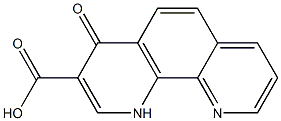
| DC73835 | FG-0041 Featured |
FG-0041 (FG0041) is a small molecule inhibitor of hypoxia-inducible factor prolyl hydroxylase (HIF-PH) with IC50 of 2 uM for collagen prolyl hydroxylase.
More description
|
|
| DC40023 | C2 Ceramide Featured |
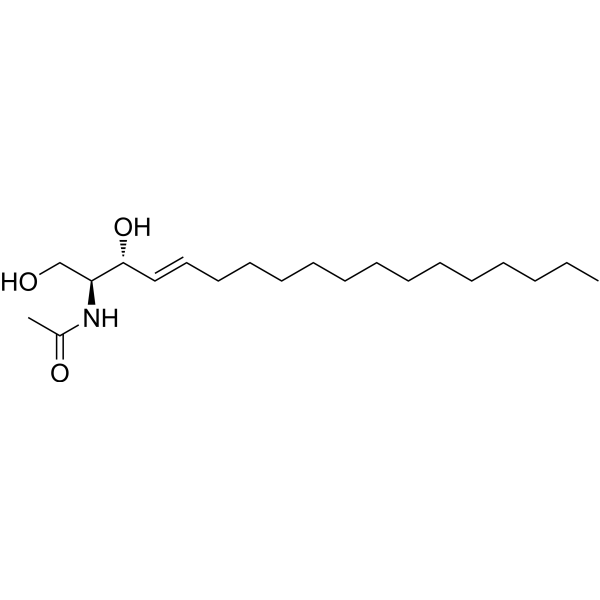
C2 Ceramide (Ceramide 2) is the main lipid of the stratum corneum and a protein phosphatase 1 (PP1) activator. C2 Ceramide activates PP2A and ceramide-activated protein phosphatase (CAPP). C2 Ceramide induces cells differentiation and apoptosis, inhibits mitochondrial respiratory chain complex III. C2 Ceramide is also a skin conditioning agent that protects the epidermal barrier from water loss.
More description
|
|
| DC42585 | RHI002 Featured |
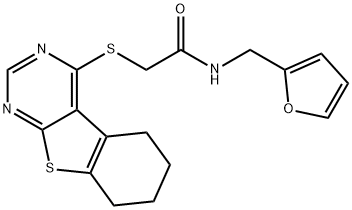
HIV inhibitor, showing selective activity against human RNaseH2
More description
|
|
| DC20561 | Syn-TEF1 Featured |
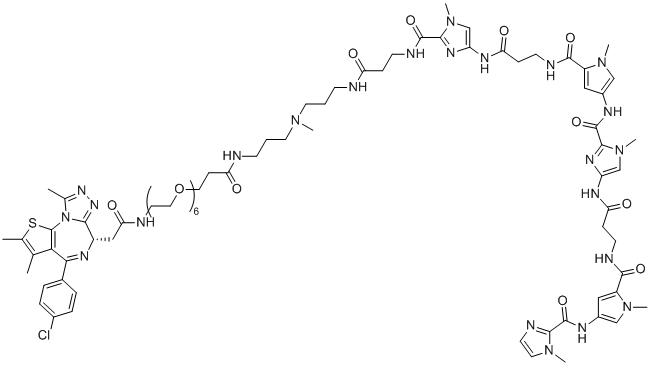
Syn-TEF1 is a molecule actively enables transcription across repressive GAA repeats that silence frataxin expression in Friedreich's ataxia, license transcription elongation at targeted genomic loci.
More description
|
|
