 To enhance service speed and avoid tariff delays, we've opened a US warehouse. All US orders ship directly from our US facility.
| Cat. No. | Product Name | Field of Application | Chemical Structure |
|---|---|---|---|
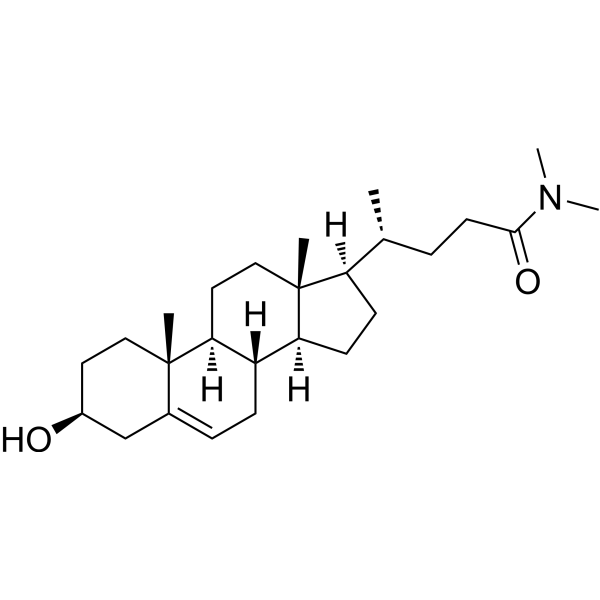
| DC43931 | DMHCA Featured |
Gene-selective LXR modulator that mediates potent transcriptional activation of ABCA1 gene expression while exhibiting minimal effects on SREBP-1c
More description
|
|
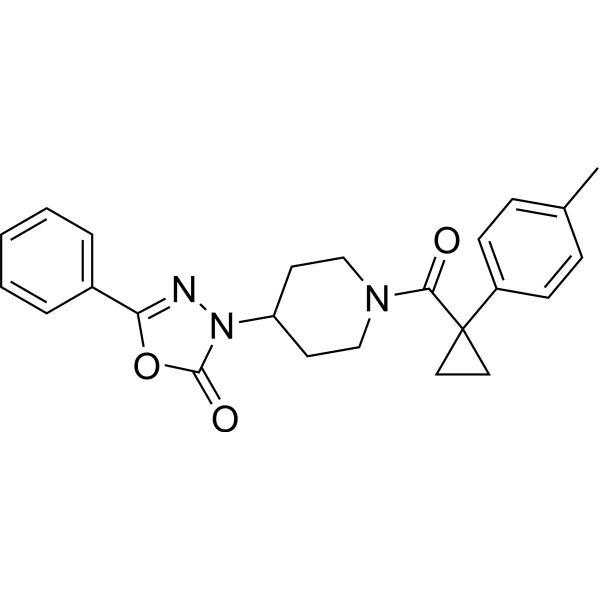
| DC22156 | ML-191 Featured |
ML-191 is a potent, selective GPR55 antagonist with 160 nM potency for GPR55 and >100-fold selectivity against GPR35, CB1 and CB2.
More description
|
|
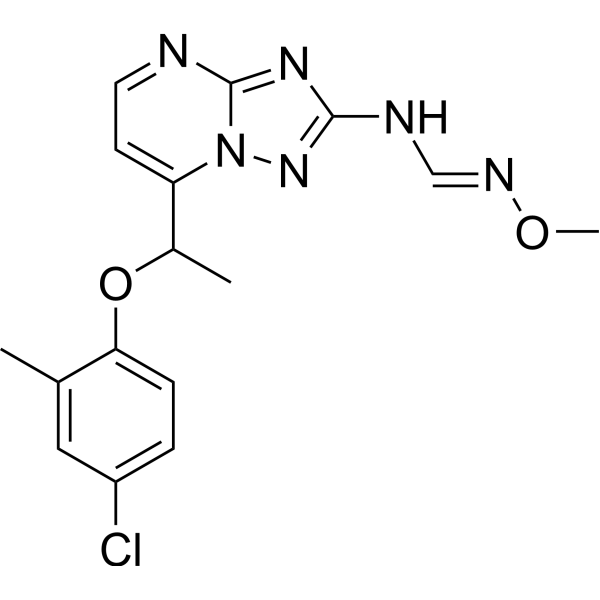
| DC90067 | (-)-cm-tpmf Featured |
CM-TPMF is a K(Ca)2 channel modulator with selective activation and inhibition of K(Ca)2.1 subtypes. CM-TPMF can act on K(Ca)2.1 channels as an activator or inhibitor, and its activity is affected by the stereochemical structure.
More description
|
|
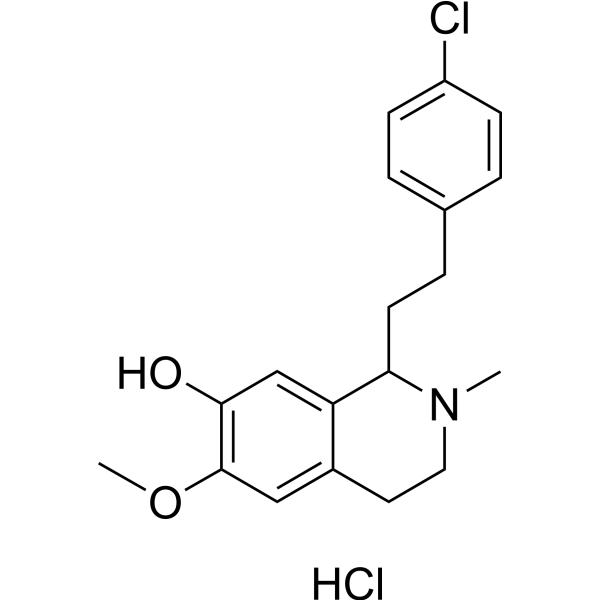
| DCC4446 | Ro 04-5595 Hydrochloride |
Selective antagonist of NMDA receptors NR2B subunits
More description
|
|
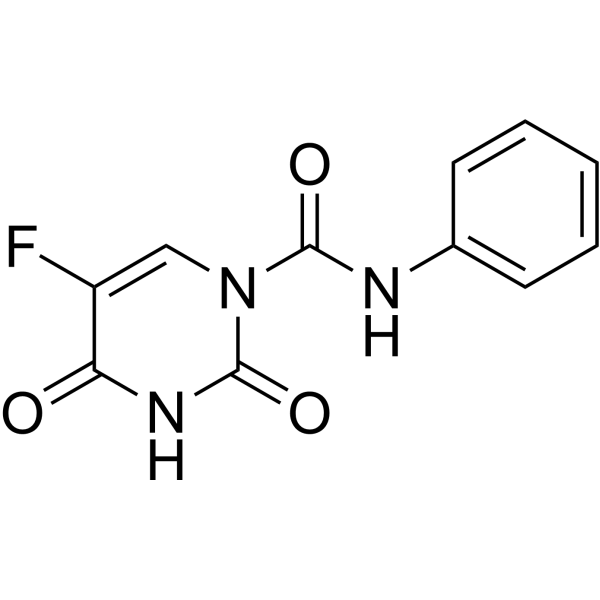
| DC44139 | PluriSIn #2 Featured |
PluriSIn #2 is a selective transcriptional inhibitor of topoisomerase II α (TOP2A). PluriSIn #2 is a compound that selectively eliminates undifferentiated human pluripotent stem cells (hPSCs).
More description
|
|
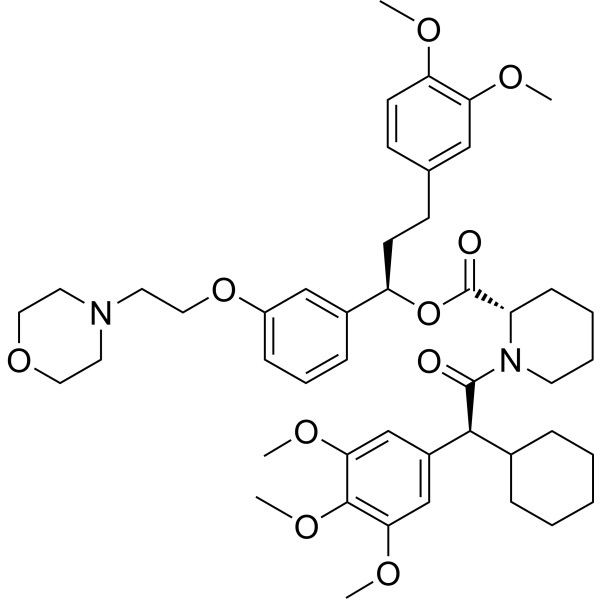
| DC34301 | SAFit2 Featured |
SAFit2 is a selective inhibitor of the ?FK506-binding protein 51 (FKBP51).
More description
|
|
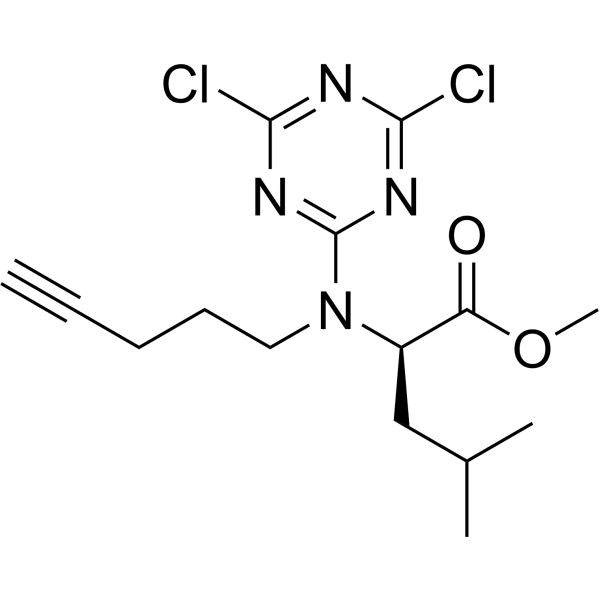
| DC43314 | LAS17 Featured |
Novel highly potent, selective, and irreversible GSTP1 inhibitor
More description
|
|
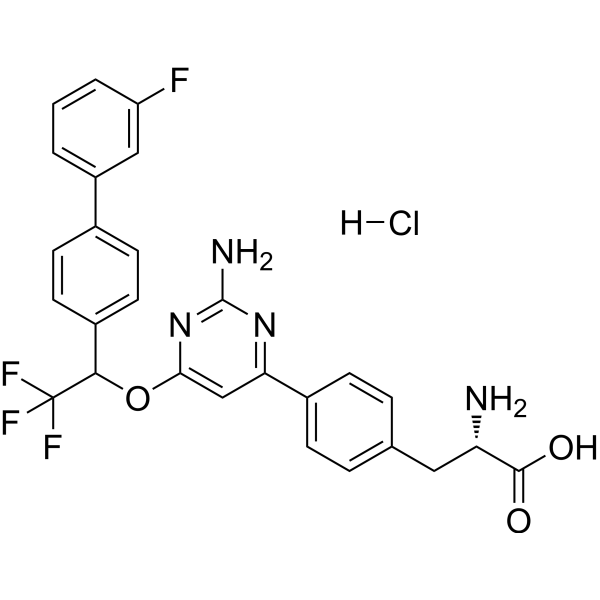
| DC9243 | LP533401 HCl Featured |
LP-533401 hydrochloride is a tryptophan hydroxylase 1 inhibitor that regulates serotonin production in the gut.
More description
|
|
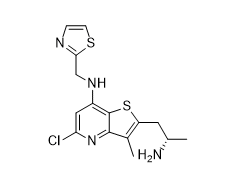
| DC77688 | PTC-700 Featured |
PTC-700 is a potent microtubule-associated protein tau (MAPT) splicing modulator. PTC-700 reduces 4R MAPT in both P301L and S305N neurons with EC50s of 1.3-1.8 nM, and 0.5-2.6 nM, respectively.
More description
|
|
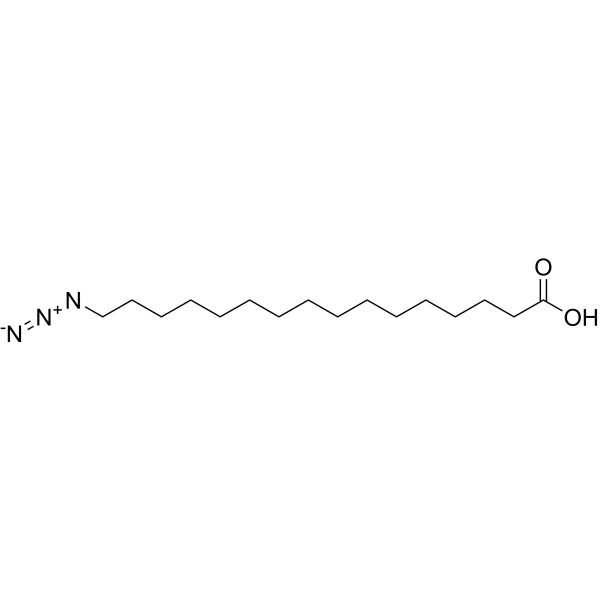
| DC71837 | 16-Azidohexadecanoic acid Featured |
16-Azidohexadecanoic acid, a synthetic fatty acid, can be used as a modification marker for nucleotides and a molecular probe for fatty acid metabolism.
More description
|
|
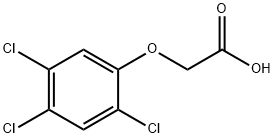
| DC37254 | 2,4,5-T Standard Featured |
2,4,5-T is an herbicide with strong irritant properties.
More description
|
|
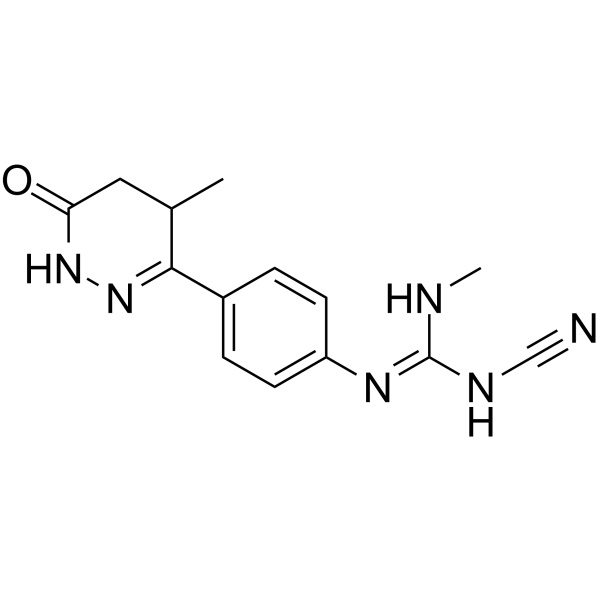
| DC29002 | Siguazodan Featured |
Siguazodan (SKF 94836) is a potent, selective and orally active phosphodiesterase III (PDE-III) inhibitor with an IC50 of 117 nM. Siguazodan increases cAMP accumulation in intact platelets with an EC50 of 18.88 μM. Siguazodan also inhibits phenylephrine-induced 5-HT release with an IC50 value of 4.2 μM.
More description
|
|
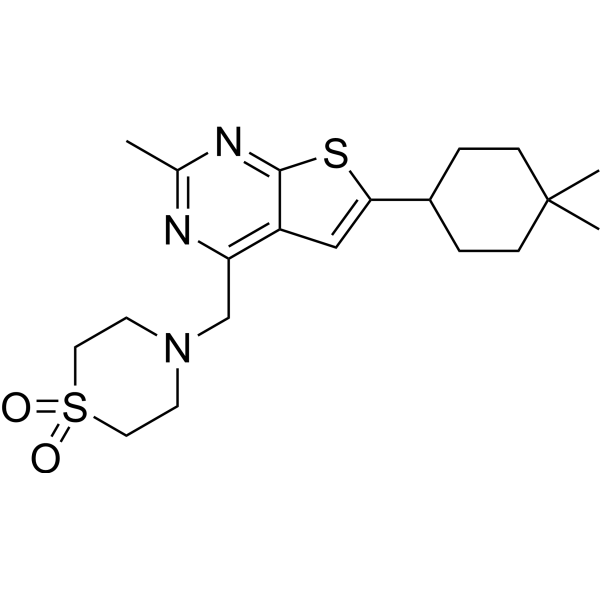
| DC73609 | ASP8062 Featured |
ASP8062 is a potent, selective GABA B receptor positive allosteric modulator (PAM), positive allosteric modulating activity for human and rat GABAB receptors, exerts analgesic effects in rat model of fibromyalgia.
More description
|
|
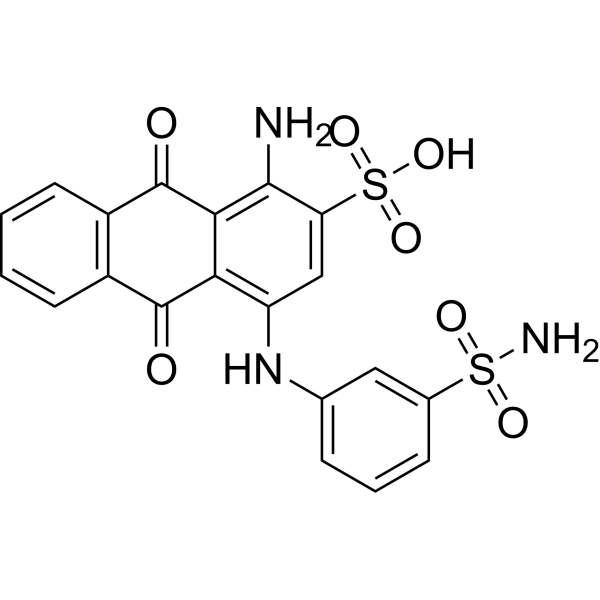
| DC12014 | NSC117079 Featured |
A selective protein phosphatase PHLPP inhibitor with IC50 of 4 uM for PP2C domain of PHLPP2.
More description
|
|
| DC49332 | (R)-(-)-α-Methylhistamine dihydrochloride Featured |
(R)-(-)-α-Methylhistamine dihydrochloride is a potent, selective and brain-penetrant agonist of H3 histamine receptor, with a Kd of 50.3 nM. (R)-(-)-α-Methylhistamine dihydrochloride can enhance memory retention, attenuates memory impairment in rats.
More description
|
-(-)-α-Methylhistamine dihydrochloride.gif)
|
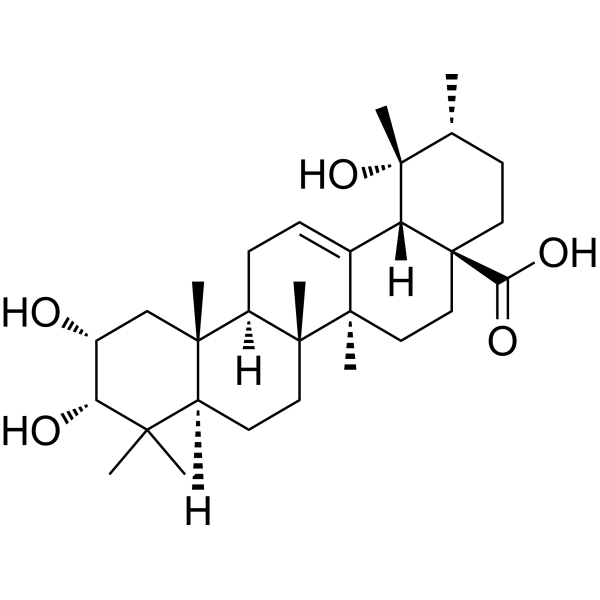
| DC43583 | Euscaphic acid Featured |
Euscaphic acid, a DNA polymerase inhibitor, is a triterpene from the root of the R. alceaefolius Poir. Euscaphic inhibits calf DNA polymerase α (pol α) and rat DNA polymerase β (pol β) with IC50 values of 61 and 108 μM.
More description
|
|
| DC33577 | RG7834 R-isomer Featured |
RG7834 R-isomer, also known as RO0321, is an enantiomer of RG7834 and a negative control for RG7834. RG7834 R-isomer has R-configuration with CAS#2072057-18-0. RG7834 is a novel oral HBV viral gene expression inhibitor that blocks viral antigen and virion production. RG7834 is highly selective for HBV, and has a unique antiviral profile that is clearly differentiated from nucleos(t)ide analogues.
More description
|
-RG7834.gif)
|
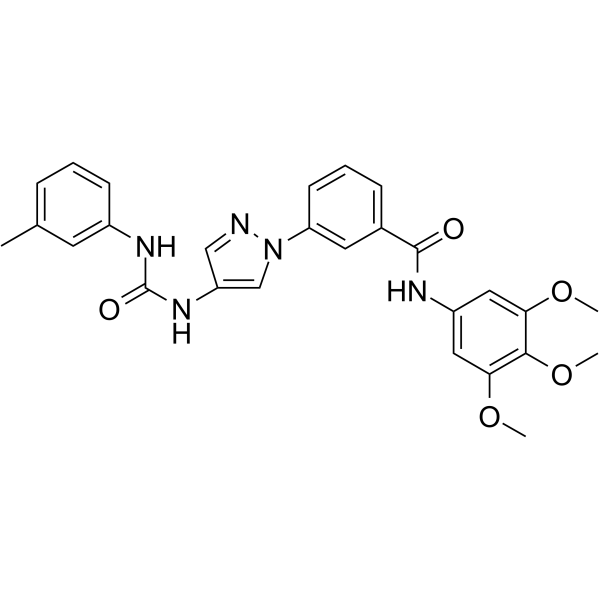
| DC34307 | SR 3576 Featured |
SR-3576 is a potent JNK3 inhibitor that is highly selective over p38.
More description
|
|
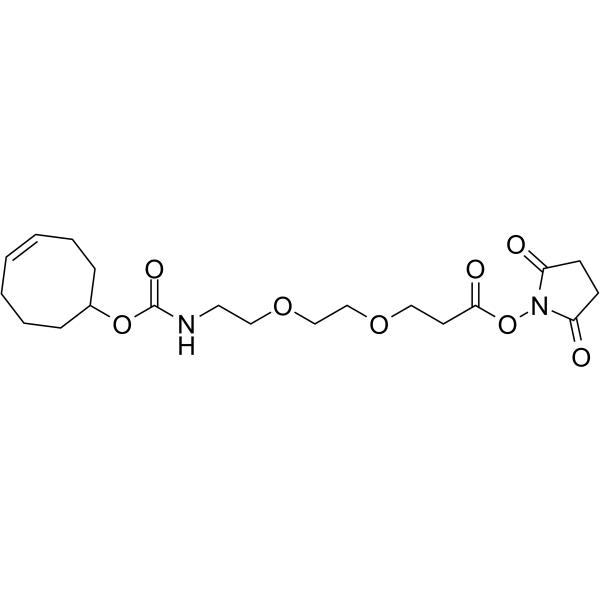
| DC77748 | TCO-PEG2-NHS ester Featured |
TCO-PEG2-NHS ester is a PEG/Alkyl/ether-based PROTAC linker can be used in the synthesis of PROTACs. TCO-PEG2-NHS ester is a click chemistry reagent, it contains a TCO group that can undergo an inverse electron demand Diels-Alder reaction (iEDDA) with molecules containing Tetrazine groups.
More description
|
|
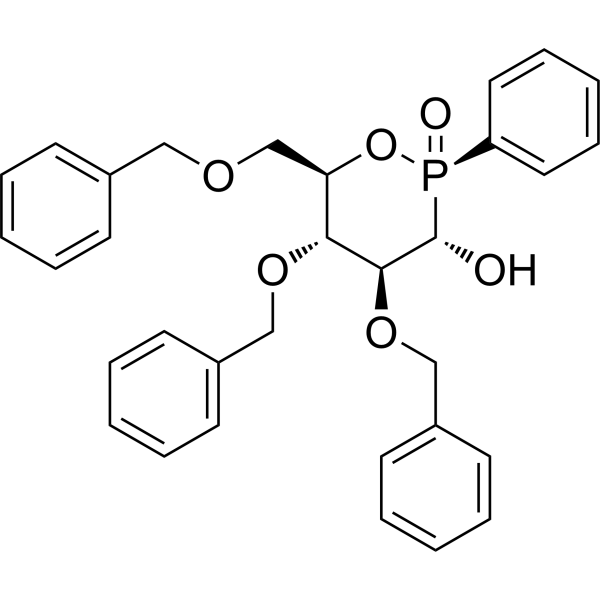
| DC77687 | PST3.1a Featured |
PST3.1a is a N-acetylglucosamine glycosyltransferase (MGAT5) inhibitor with the IC50 of 2 μM. PST3.1a inhibits glioblastoma-initiating cell invasiveness and proliferation.
More description
|
|
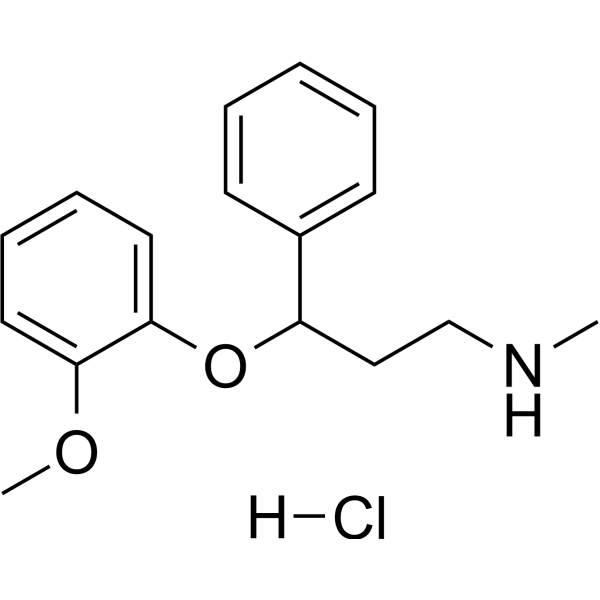
| DC41234 | Nisoxetine hydrochloride Featured |
Nisoxetine hydrochloride is a potent and selective inhibitor of noradrenaline transporter (NET), with a Kd of 0.76 nM. Nisoxetine hydrochloride is an antidepressant and local anesthetic, it can block voltage-gated sodium channels.
More description
|
|
| DC73469 | ML353 Featured |
ML353 (VU0478006) is a highly potent, selective, MPEP-site silent allosteric modulator of mGlu5 receptor with with sub-100 nM affinity.
More description
|

|
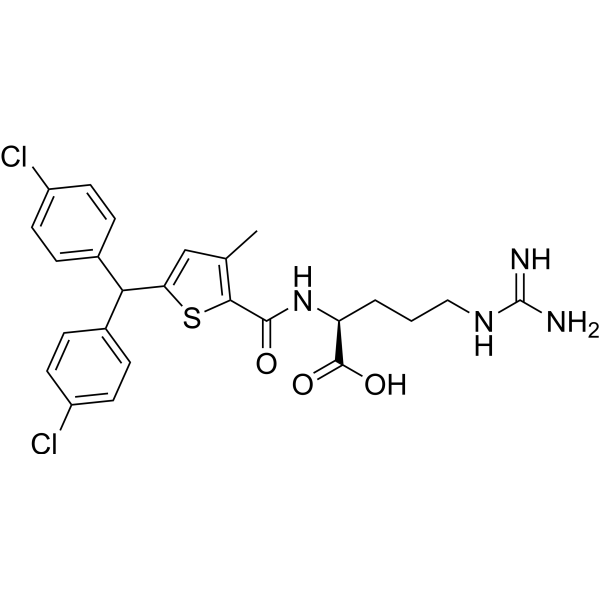
| DC42745 | JR14a Featured |
Novel potent and selective antagonist of human Complement C3a receptor
More description
|
|
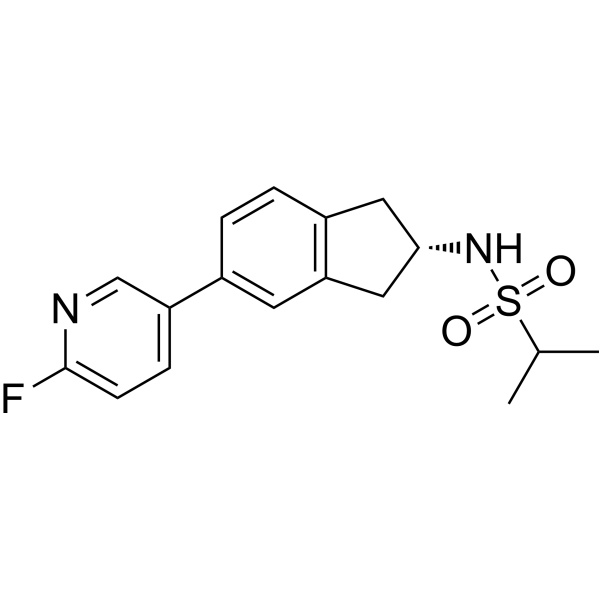
| DC11197 | UoS12258 Featured |
UoS12258 (UoS-12258) is a selective, positive allosteric modulator of the AMPA receptor with pEC50 of 5.6.
More description
|
|
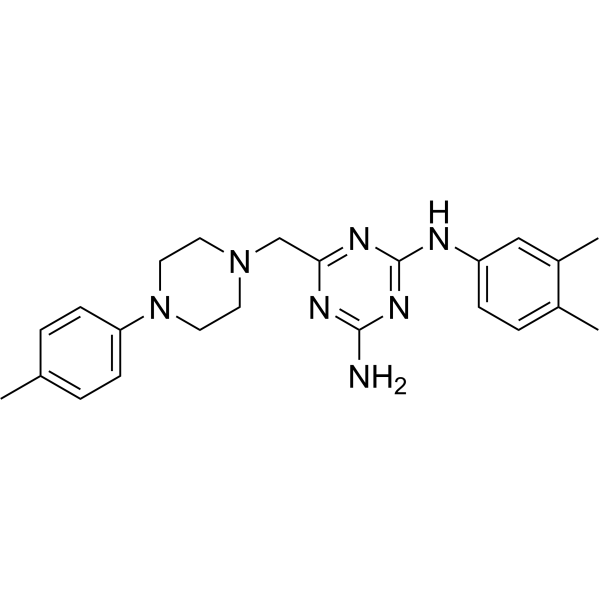
| DC42572 | GLX481372 Featured |
Novel potent and selective NADPH oxidase inhibitor, targeting Nox4 in TGFβ-induced lens epithelial to mesenchymal transition
More description
|
|
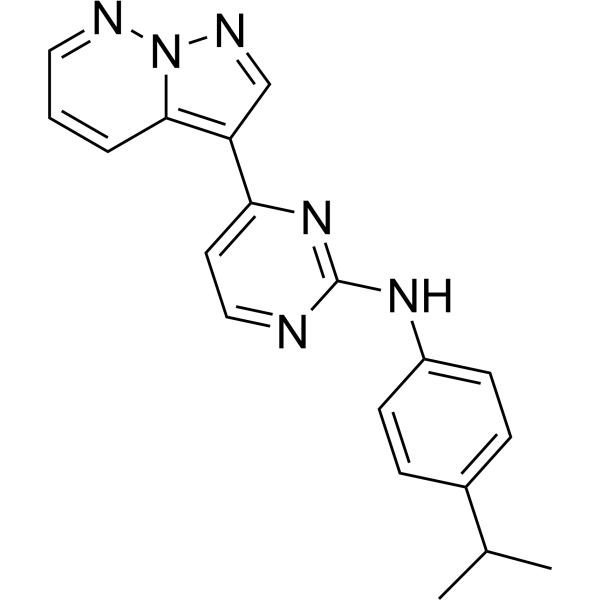
| DC42588 | UNC10112785 Featured |
NUNC10112785 is a serine/threonine kinase inhibitor with a human GSK-3β IC50 of 0.031 μM, human CDK-2 IC50 of 0.016 μM, and human CDK-4 IC50 of 1.99 μM. UNC10112785 can be used for the research of type 2 diabetes.
More description
|
|
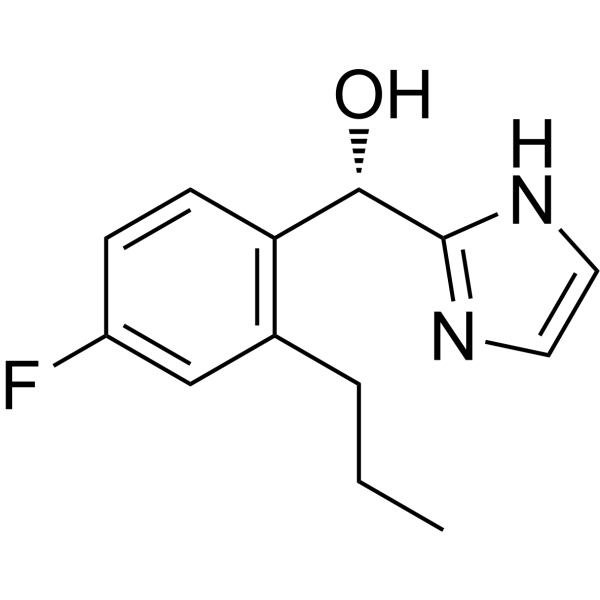
| DC11742 | AZ-8838 Featured |
AZ-8838 (AZ8838) is a potent, and selective PAR2 antagonist with Kd of 125 nM.
More description
|
|
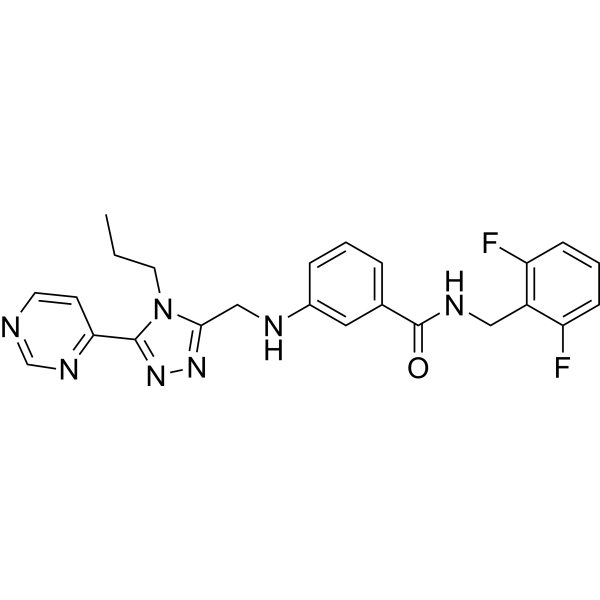
| DC42580 | Takeda103A Featured |
Novel potent inhibitor of the GRK2--dependent bovine tubulin oxidation
More description
|
|
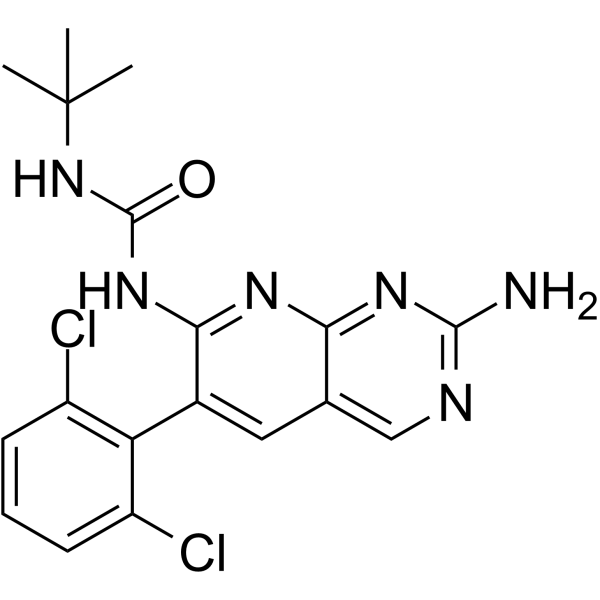
| DC43916 | PD-089828 Featured |
PD-089828 is an ATP competitive inhibitor of FGFR-1, PDGFR-β and EGFR (IC50s=0.15, 1.76, and 5.47 µM, respectively) and a noncompetitive inhibitor of c-Src tyrosine kinase (IC50=0.18 µM). PD-089828 also inhibits MAPK with an IC50 of 7.1 µM.
More description
|
|
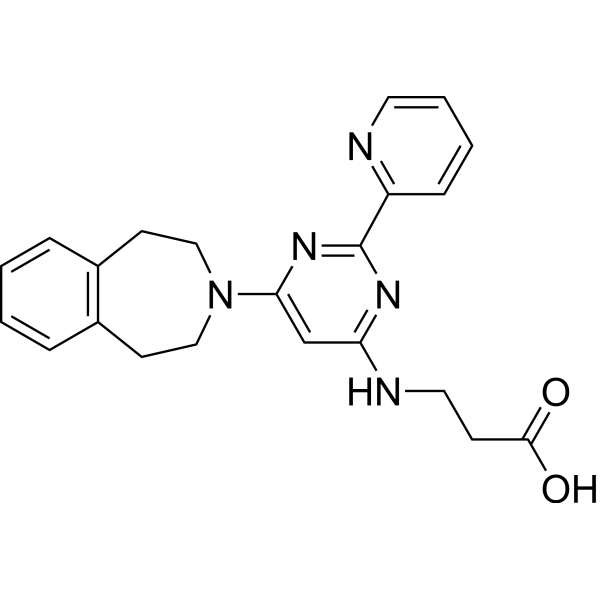
| DC7858 | GSK-J1 Featured |
GSK-J1 is a potent and selective inhibitor of the H3K27 histone demethylases JMJD3 and UTX (IC50 = 60 nM for human JMJD3 in vitro).
More description
|
|
