 To enhance service speed and avoid tariff delays, we've opened a US warehouse. All US orders ship directly from our US facility.
| Cat. No. | Product Name | Field of Application | Chemical Structure |
|---|---|---|---|
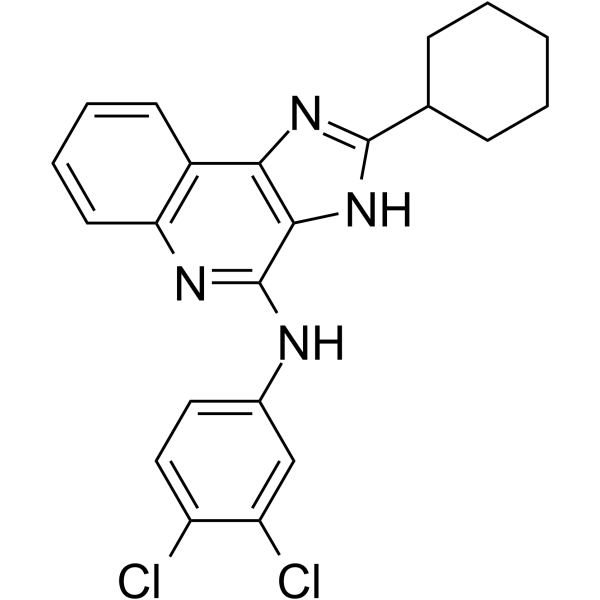
| DC22596 | LUF6000 Featured |
LUF6000 is a potent, selective, positive allosteric modulator (enhancer) of human A3 adenosine receptor, enhance Emax but without affecting agonist potency.
More description
|
|
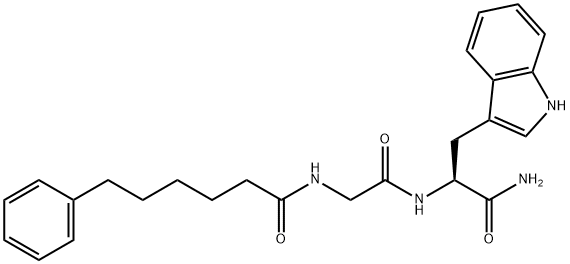
| DCC2223 | Gb-115 Featured |
Antagonist of central cholecystokinin receptors
More description
|
|
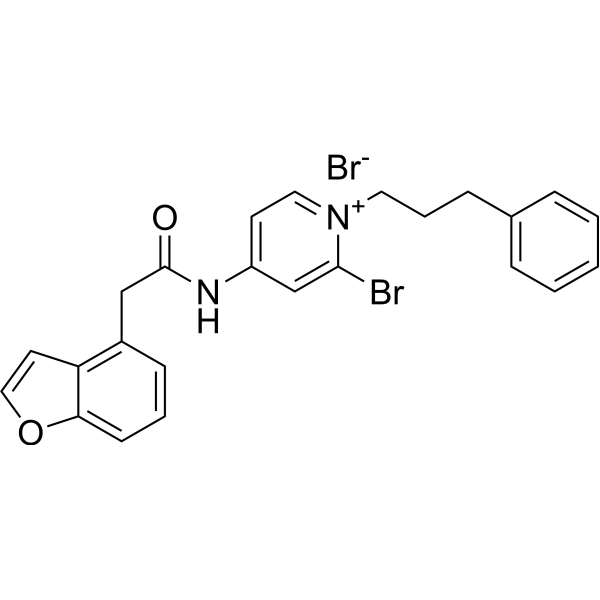
| DC78011 | CH0076989 Featured |
CH0076989 is a specific CCR3 agonist. CH0076989 activates eosinophils and transfectants expressing both wild-type CCR3 and a CCR1:CCR3 chimaeric receptor lacking the CCR3 amino-terminus. CH0076989 has a direct interaction with the transmembrane helices of CCR3, supported by the complete loss of its activity due to mutations of the residues Y41, Y113 and E287. CH0076989 can be used for the study of inflammation and allergic diseases (such as asthma).
More description
|
|
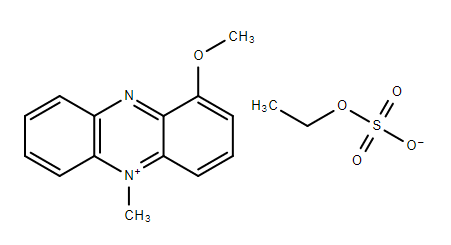
| DC65830 | 1-M-PES(1-Methoxy-5-methylphenazinium ethyl sulfate) Featured |
1-m-PES is an electron mediator which has higher stability of solutions than 1-Methoxy PMS. The stability in neutral to alkali conditions has been extremely improved with 1-Methoxy PES. 1-M-PES is a stable small-molecular compound and it has an equal or higher thermal stability than diaphorase. The 1-Methoxy PES solution can be stored long term. This product consists of approximately 90% 1-Methoxy-5-methylphenazinium ethyl sulfate, with the remaining 10% being its methyl sulfate analogue/derivative.
More description
|
|
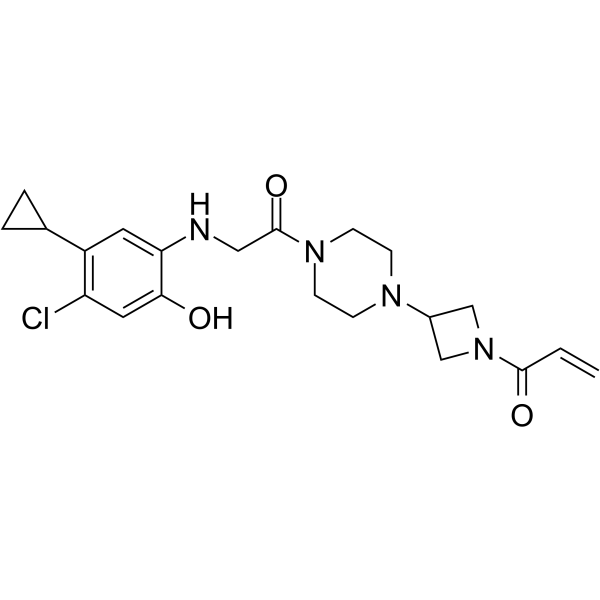
| DC22572 | K-Ras G12C-IN-2 Featured |
A novel and irreversible inhibitor of mutant K-ras G12C..
More description
|
|
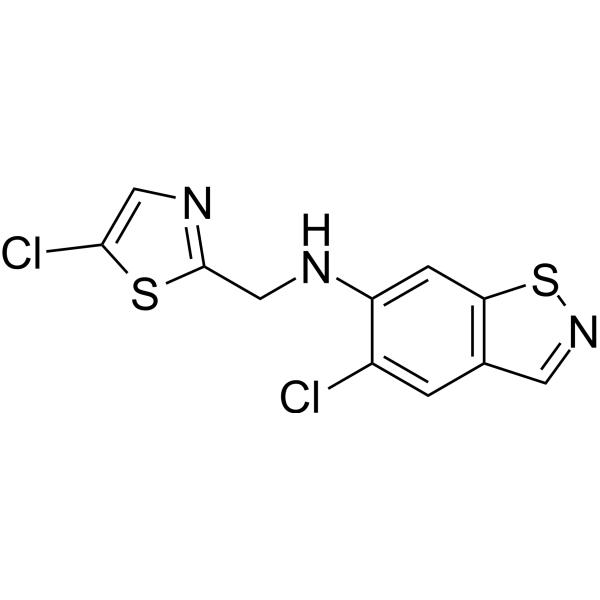
| DC81677 | TRPM5 agonist-1 Featured |
TRPM5 agonist-1 is an orally active TRPM5 agonist with a pEC50 of 8.1. TRPM5 agonist-1 shows excellent selectivity (> 100-fold) versus related cation channels (TRPM8, TRPV1, TRPV4, TRPA1, TRPM4). TRPM5 agonist-1 exhibits locally acting stimulatory effect on gastrointestinal transit in mice. TRPM5 agonist-1 can be used for research on promoting gastric motility.
More description
|
|
| DCC5183 | Tnks/usp25-in-c44 Featured |
Novel selective inhibitor of TNKS-USP25 interaction, effectively reducing prostate cancer cell proliferation and tumor growth
More description
|
.png)
|
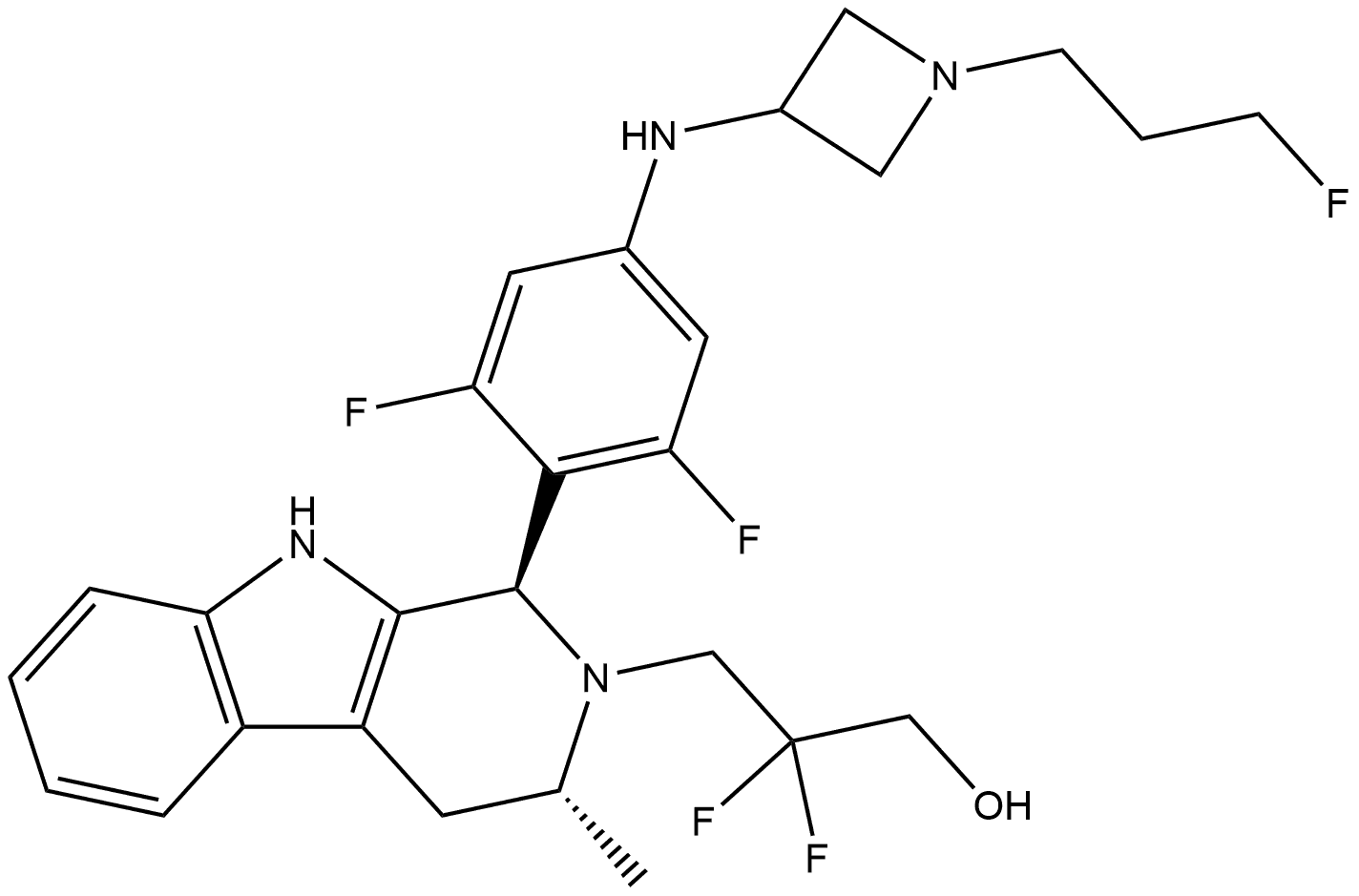
| DC40118 | Giredestrant Featured |
Giredestrant (GDC-9545), a non-steroidal estrogen receptor (ER) ligand, is an orally active and selective ER antagonist. Giredestrant potently competes with Estradiol for binding and induces a conformational change within the ER ligand binding domain. Gir
More description
|
|
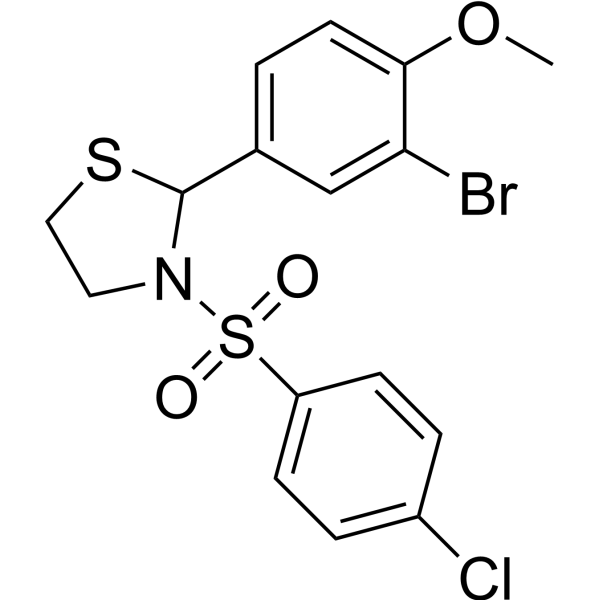
| DC26073 | BMS-986122 Featured |
BMS-986122 is a potent positive allosteric modulator of μ-opioid receptor, significantly increases the inhibition of forskolin-stimulated adenylyl cyclase activity produced by an EC10 (30 pM) concentration of endomorphin-I in CHO-μ cells..
More description
|
|
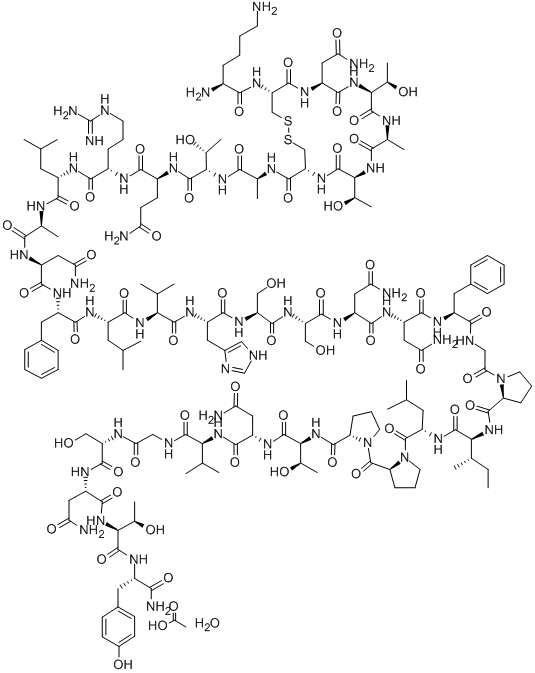
| DC41496 | Pramlintide Featured |
Pramlintide is a polypeptide analogue of human amylin. Pramlintide, an antidiabetic agent, is antineoplastic in colorectal cancer.
More description
|
|
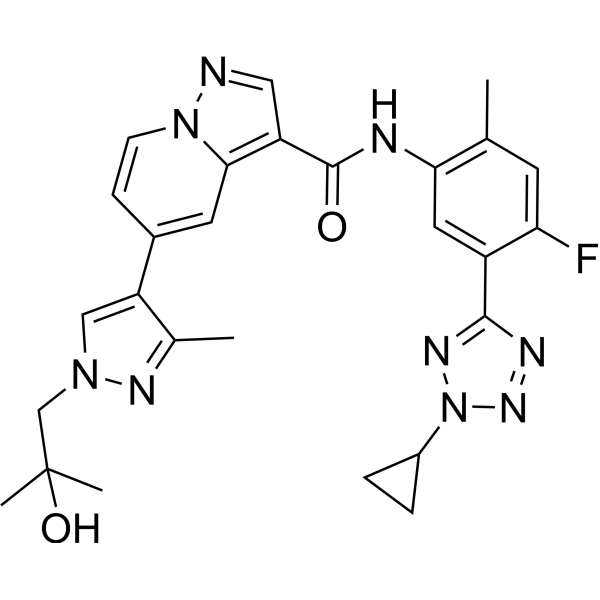
| DC80747 | BLU-808 Featured |
BLU-808 is a potent and highly selective GSPT1 molecular gel degrader, with a DC50 of 154 nM. GSPT1 degrader-15 has almost no effect on the expression of other proteins. GSPT1 degrader-15 exhibits significant anti-proliferative activity against leukemia cells and lymphoma cells. GSPT1 degrader-15 can be used in leukemia and lymphoma research.
More description
|
|
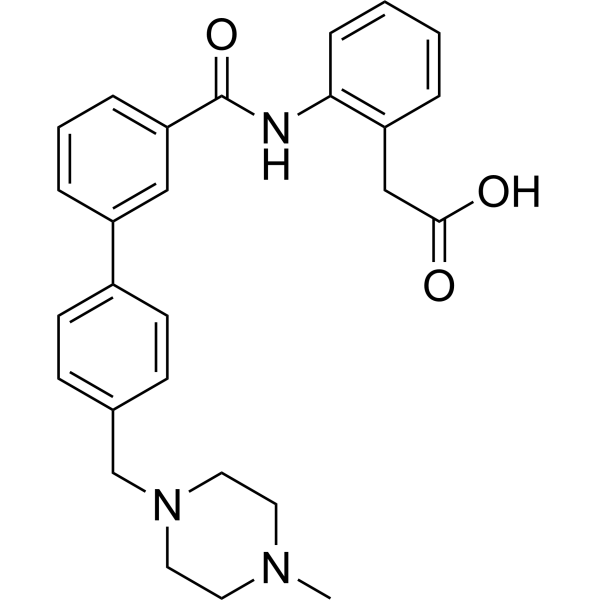
| DC71963 | NF-56-EJ40 Featured |
NF-56-EJ40 is a potent, high-affinity, and highly selective human SUCNR1 (GPR91) antagonist with an IC50 of 25 nM and a Ki of 33 nM, has high affinity for humanized rat SUCNR1 with a Ki value of 17.4 nM.
More description
|
|
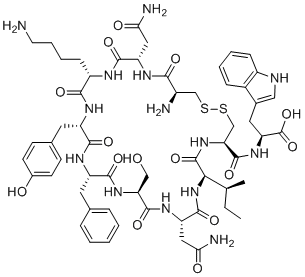
| DC73778 | WX-340 Featured |
WX-340 is a highly specific and selective, peptidic cyclic competitive inhibitor of urokinase-type plasminogen activator (uPA) with Ki of 12 and 170 nM for human and mouse uPA, respectively, inhibit 10 Units of human uPA with IC50 of 90 nM.
More description
|
|
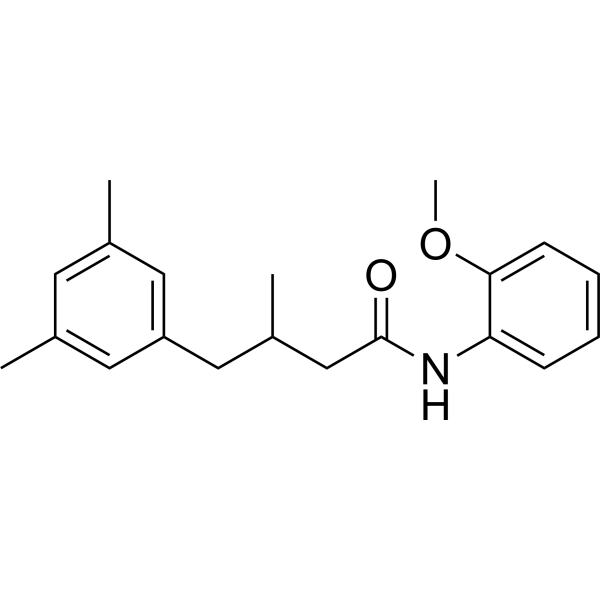
| DC80858 | UCB1244283 Featured |
Influenza virus-IN-10 is a dual-target antiviral agents for influenza that targets both PAC (KD = 8.9 μM) and NP (KD = 52.5 μM) simultaneously. Influenza virus-IN-10 exhibits an EC50 values of 1.64 μM) against influenza A virus (H1N1, A/WSN/33) and broad-spectrum activity against other influenza strains, including influenza B virus and multiple subtypes of influenza A.
More description
|
|
| DC79876 | (±)-U-50488 Featured |
(±)-U-50488 ((±)-trans-(1R,2R)-U-50488) is a selective kappa opioid receptor agonist. (±)-U-50488 can improve symptoms related to status epilepticus, but has no significant effect on spontaneous seizure episodes. (±)-U-50488 can be used for research of epilepsy.
More description
|
-U-50488.gif)
|
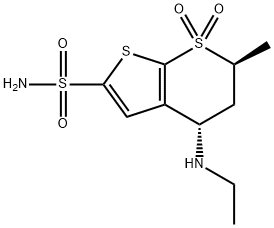
| DC31663 | UNII 9JDX055TW1 Featured |
Dorzolamide is a carbonic anhydrase inhibitor. It is an anti-glaucoma agent, and acts by decreasing the production of aqueous humour. It is administered as a topical ophthalmic in the form of a 2% solution.
More description
|
|
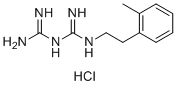
| DC12631 | IM176OUT05 Featured |
IM176OUT05 is a novel, and safe small molecule that improves the acquisition and maintenance of stem cell pluripotency, inhibits electron transport chain (ETC) in the A549 lung carcinoma cell line with IC50 of 3.2 uM.
More description
|
|
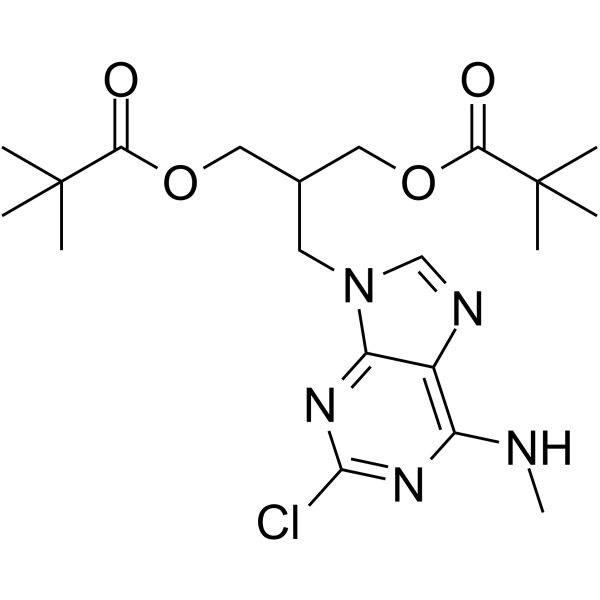
| DC49652 | MRS2395 Featured |
MRS2395, an dipivaloyl derivative, is a potent P2Y12 receptor antagonist. MRS2395 inhibits ADP-induced platelet activation with a Ki of 3.6 μM. MRS2395 inhibits cAMP induced by ADP in rat platelets in the presence of PGE1 with an IC50 of 7 µM. MRS2395 enhances platelet dense granule release in response to TRAP-6.
More description
|
|
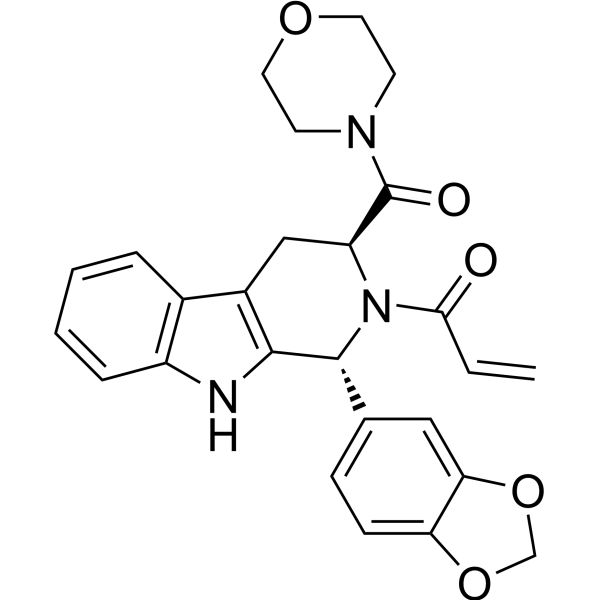
| DC81747 | WX-02-23 Featured |
WX-02-23 is a small-molecule probe that stereoselectively and site-specifically binds to C258 of FOXA1 and C1111 of SF3B1. WX-02-23 remodels FOXA1's chromatin binding and pioneer activity in a DNA-dependent manner, disrupts spliceosome assembly, and enhances the thermal stability of SF3B1. WX-02-23 inhibits tumor cell proliferation and induces apoptosis. WX-02-23 can be used for research on cancers such as prostate cancer.
More description
|
|
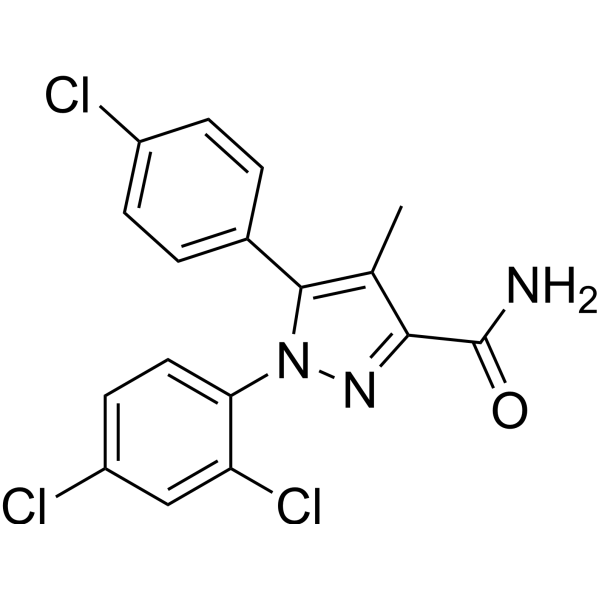
| DC32882 | AM4113 Featured |
AM4113 is a cannabinoid receptor 1 (CB1)-selective antagonist.
More description
|
|
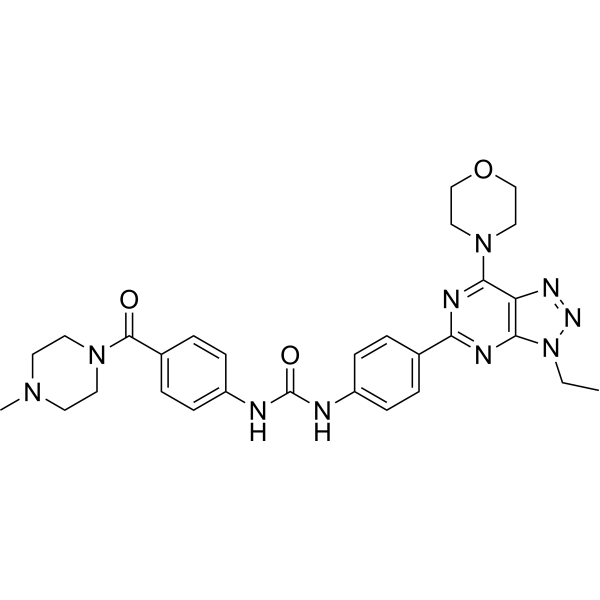
| DC7123 | PKI-402 Featured |
PKI-402 is a potent dual pan-PI3K/mTOR inhibitor targeting PI3Kα/β/γ/δ and mTOR with IC50 of 2 nM/7 nM/16 nM/14 nM and 3 nM, respectively; also potent to PI3Kα mutants E545K and H1047R.
More description
|
|
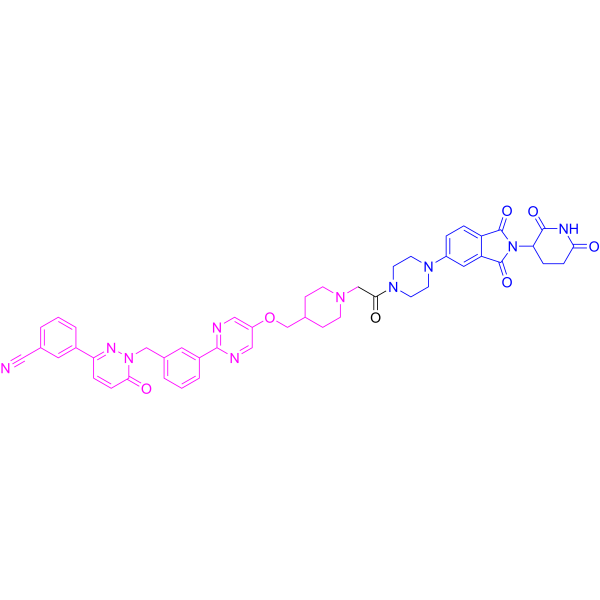
| DC81346 | PROTAC c-Met Degrader-4 Featured |
PROTAC c-Met Degrader-4 (compound D15) is a potent orally active PROTAC c-MET degrader. PROTAC c-Met Degrader-4 demonstrates excellent intracellular degradation potency with a DC50 < 0.5 nM. PROTAC c-Met Degrader-4 induces cell cycle arrest and apoptosis, inhibits cell invasion and migration, thereby suppressing cell proliferation. PROTAC c-Met Degrader-4 inhibits the growth of Hs746T xenograft tumors in nude mice. PROTAC c-Met Degrader-4 can be used for cancer research, such as non-small cell lung cancer and gastric cancer.
More description
|
|
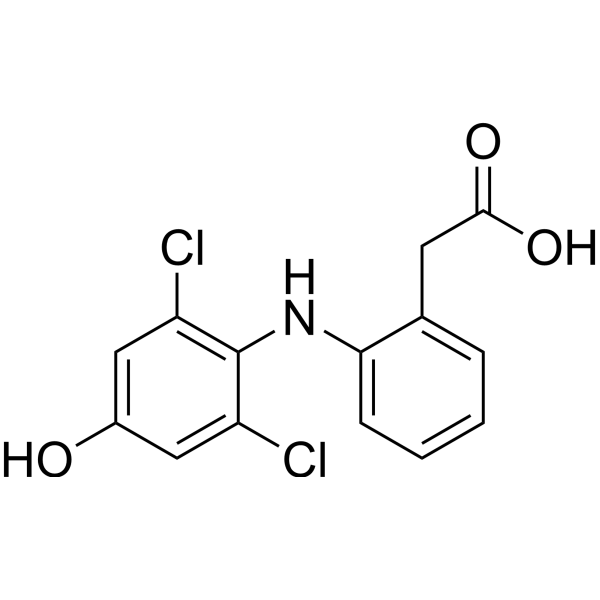
| DC41081 | 4'-Hydroxy diclofenac Featured |
4'-Hydroxy diclofenac is an orally active metabolite of Diclofenac by cytochrome P450 2C9 (CYP2C9). 4'-Hydroxy diclofenac has anti-inflammatory and analgesic properties.
More description
|
|
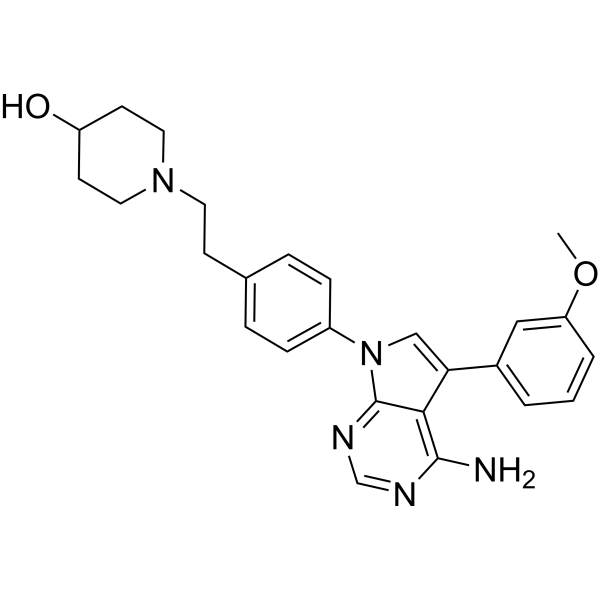
| DC32842 | CGP-77675 Featured |
CGP-77675 is a potent and selective Src family kinase (SFK) inhibitor. CGP-77675 inhibited phosphorylation of peptide substrates and autophosphorylation of purified Src (IC50: 5-20 and 40 nM, respectively). The dual inhibition of Src and GSK-3 signaling by CGP 77675 and CHIR 99021 was found to maintain mouse embryonic stem cell (mESC) self-renewal and pluripotency marker expression as efficiently as the dual inhibition of MAPK and GSK-3 by PD 0325901 and CHIR 99021.
More description
|
|
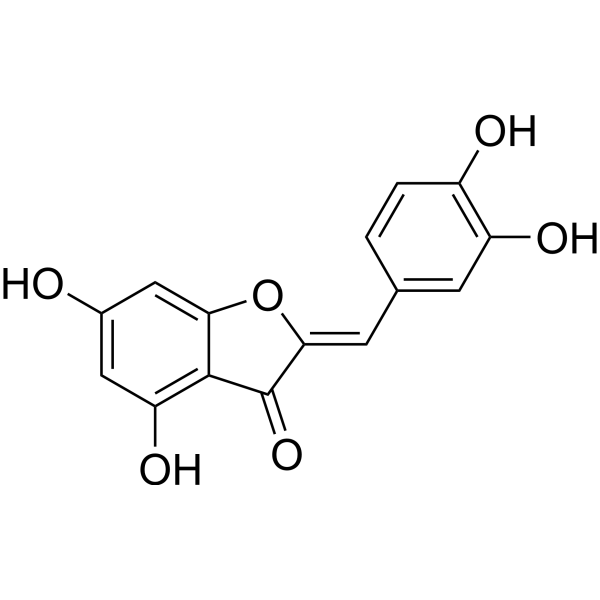
| DCC0786 | Aureusidin Featured |
Aureusidin is an aurone with high antioxidant and lipoxygenase inhibitory activity. Aureusidin also shows anti-inflammatory effects.
More description
|
|
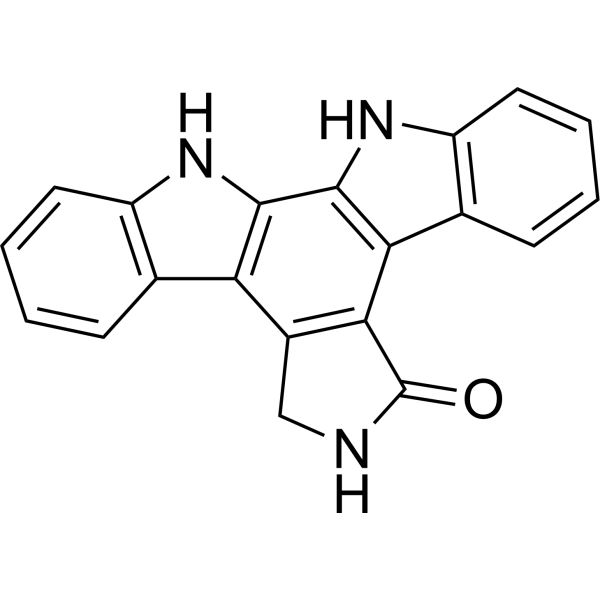
| DC33490 | staurosporine aglycone Featured |
K252c is a staurosporine analog and inhibitor of PKC and PKA. It inhibits proliferation of human cytomegalovirus and induces apoptosis in cancer cells.
More description
|
|
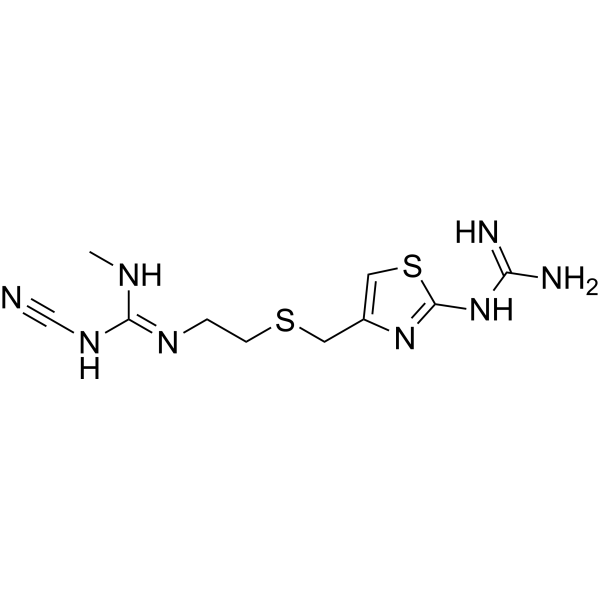
| DC28116 | Tiotidine Featured |
Tiotidine (ICI 125211) is a potent and selective antagonist of histamine H2-receptor (pA2=7.3-7.8 for guinea-pig right atrium). Tiotidine has low affinity for both the H1 and the H3 receptors.
More description
|
|
| DC70573 | LSN3172176 Featured |
LSN3172176 is a novel potent, selectiive M1 mAChR partial agonist (EC50 2.4-7.0nM, Emax 43%-73%), shows binding selectivity for M1 mAChRs (Kd=1.5 nM); LSN3172176 is a potential PET tracer for assessment of M1 mAChR target engagement in the clinic and to further elucidate the function of M1 mAChRs in health and disease.
More description
|
|
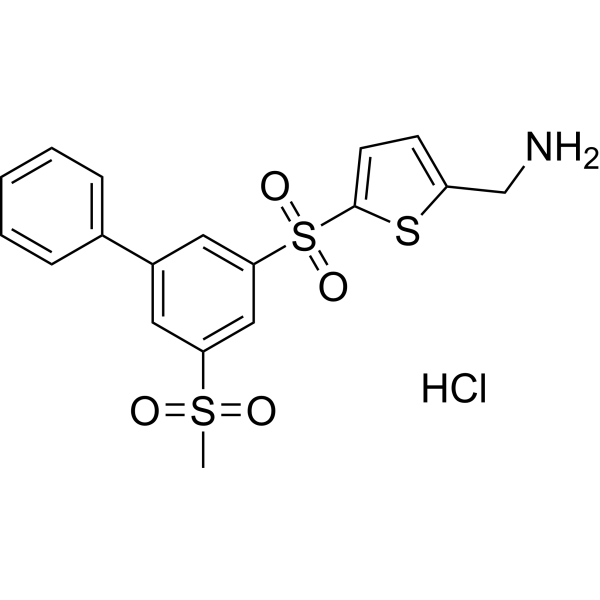
| DC20875 | CCT 365623 hydrochloride Featured |
CCT 365623 (CCT365623) hydrochloride is a potent, orally active small molecule inhibitor of lysyl oxidase (LOX) with IC50 of 0.89 uM.
More description
|
|
| DC12474 | VU6007477 Featured |
VU6007477 is a novel potent, selective, CNS penetrant M1 positive allosteric modulator (PAM) with EC50 of 230 nM, 93% ACh max with minimal M1 agonist activity.
More description
|
|
