 To enhance service speed and avoid tariff delays, we've opened a US warehouse. All US orders ship directly from our US facility.
| Cat. No. | Product Name | Field of Application | Chemical Structure |
|---|---|---|---|
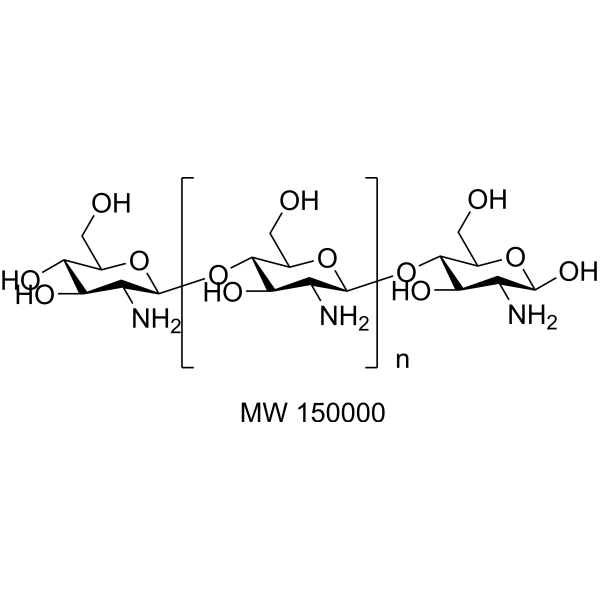
| DC36508 | Poliglusam Featured |
Poliglusam is also known as Chitosan. Chitosan is a linear polysaccharide composed of randomly distributed β-(1→4)-linked D-glucosamine (deacetylated unit) and N-acetyl-D-glucosamine (acetylated unit). It is made by treating the chitin shells of shrimp and other crustaceans with an alkaline substance, like sodium hydroxide. Deacetylated CHITIN, a linear polysaccharide of deacetylated beta-1,4-D-glucosamine. It is used in HYDROGEL and to treat WOUNDS.
More description
|
|
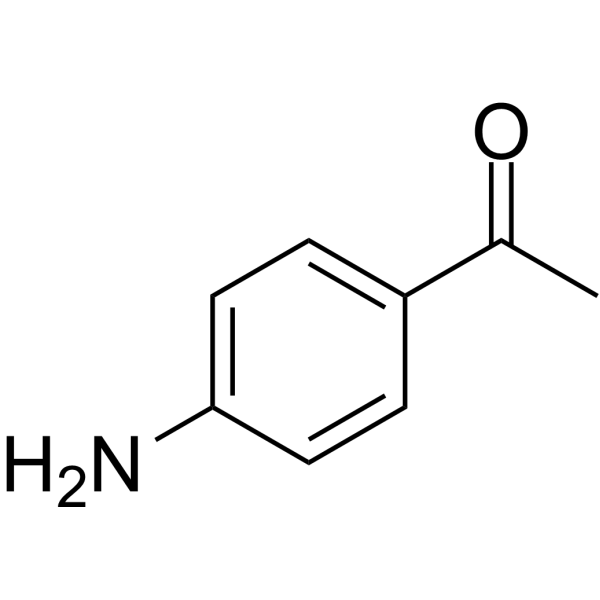
| DC37141 | 4'-Aminoacetophenone Featured |
1-(4-Aminophenyl)ethanone is a biochemical reagent that can be used as a biological material or organic compound for life science related research.
More description
|
|
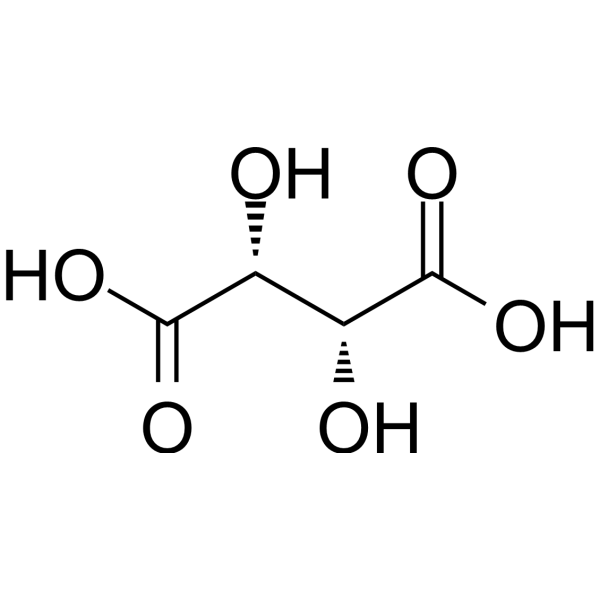
| DC45112 | DL-Tartaric acid Featured |
DL-Tartaric acid is a non-racemic mixture of L- and D-tartaric acids with antioxidant activities.
More description
|
|
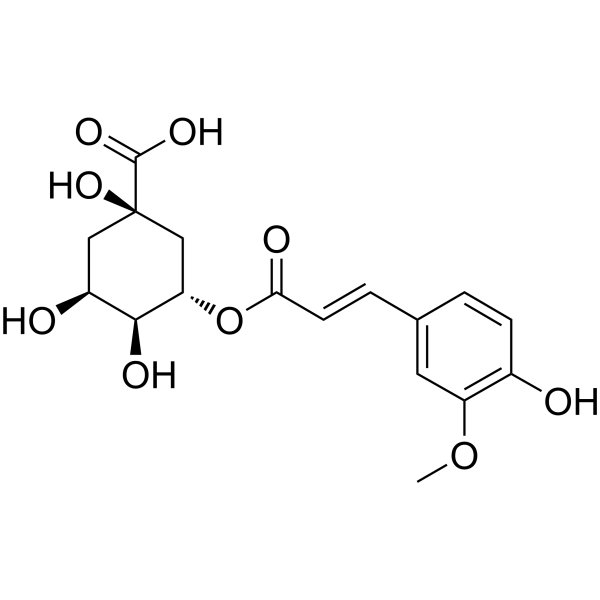
| DC45427 | 3-Feruloylquinic acid Featured |
3-Feruloylquinic acid, a derivative of quinic acid-bound phenolic acid, shows antioxidant activity. 3-Feruloylquinic acid markedly enhances by high photosynthetically active radiation (PAR) and UV irradiances.
More description
|
|
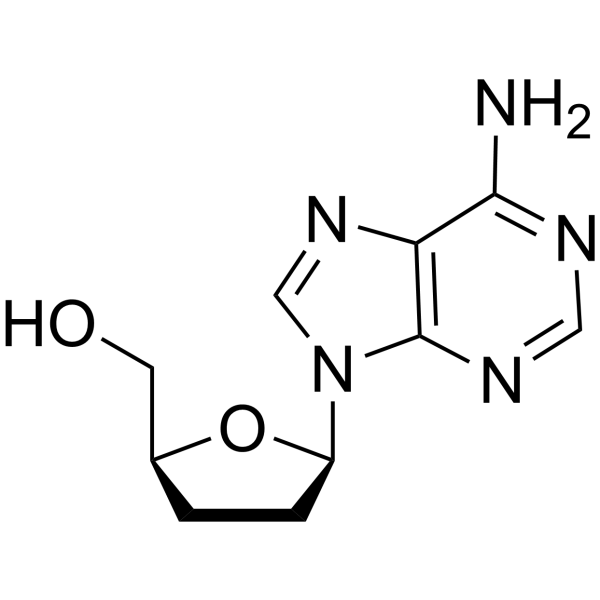
| DC36493 | Dideoxyadenosine Featured |
Dideoxyadenosine is konwn as 2′,3′-Dideoxyadenosine (ddA), a specific adenylyl cyclase inhibitor, is useful in biological process and pathway studies involving adenylyl cyclase activity and cAMP pool modulation.
More description
|
|
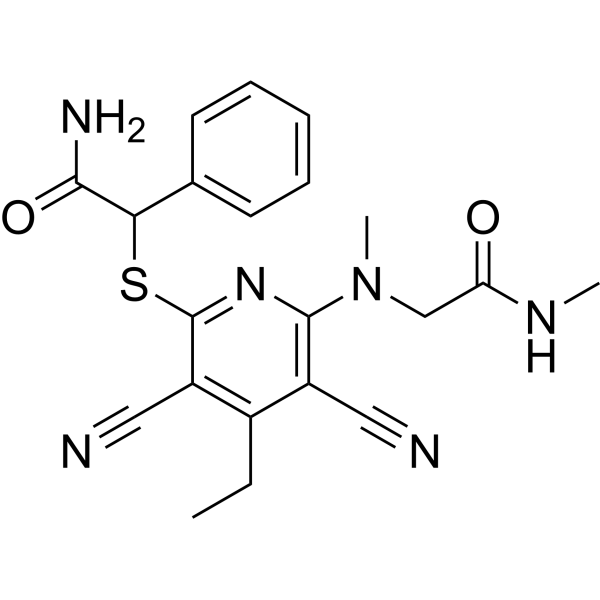
| DC77616 | MS9024 Featured |
MS9024 is the degrader for DNA methyltransferase 1 that degrades DNMT1 in cell HCT116 through the ubiquitin-proteasome pathway with a DC50 of 35 nM (DC50 in MDA-MB-468 and H1299 is 254 nM and 101 nM). MS9024 also inhibits DNMT1 with an IC50 of 0.43 μM.
More description
|
|
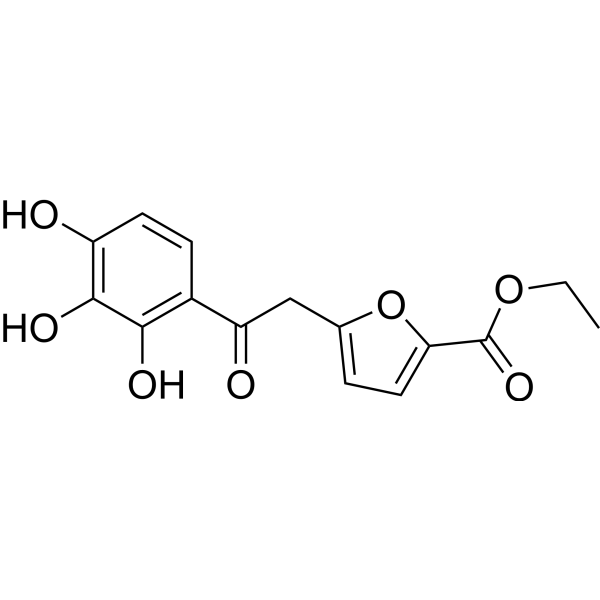
| DC34527 | MMG-11 |
MMG-11 is a potent and selective dual inhibitor of TLR2/1 and TLR2/6 signaling with low cytotoxicity.
More description
|
|
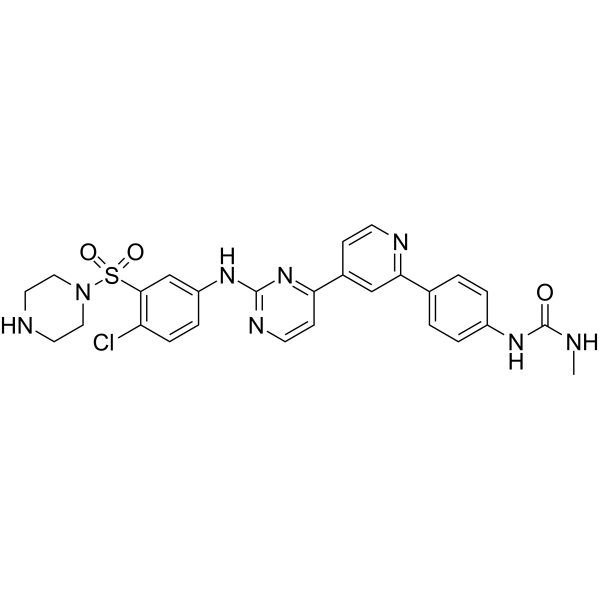
| DC74056 | KVS0001 Featured |
KVS0001 is a specific and bioavailable small molecule inhibitor of SMG1 kinase, disrupts nonsense mediated decay (NMD).
More description
|
|
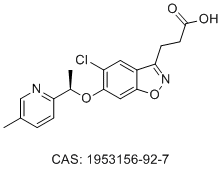
| DC74008 | GSK898 Featured |
GSK898 is a potent, highly selective kynurenine monooxygenase (KMO) inhibitor with pIC50 of 8.8.
More description
|
|
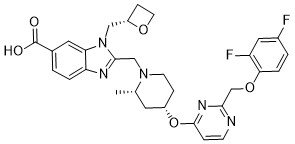
| DC78069 | CT-996 Featured |
CT-996 is an orally active GLP-1RA agonist, with an EC50 of 0.49 nM. CT-996 reduces the β-arrestin recruitment and GLP-1R internalization. CT-996 suppresses postprandial blood glucose following a mixed meal tolerance test (MMTT) in mice expressing the human GLP-1 receptor and enhances glucose stimulated insulin secretion (GSIS) during an intravenous glucose challenge in obese monkeys. CT-996 can be used for the study of type 2 diabetes (T2D) and obesity.
More description
|
|
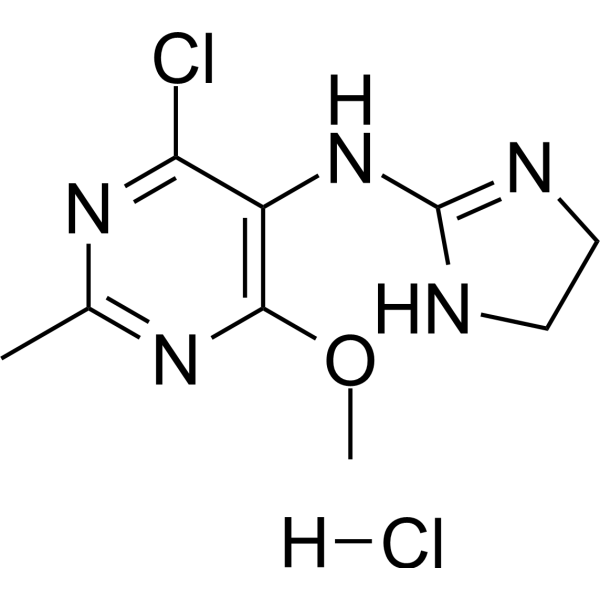
| DCAPI1572 | Moxonidine hydrochloride Featured |
Moxonidine (BDF5895) hydrochloride is an orally active imidazoline type 1 receptor (I1-R) agonist. Moxonidine hydrochloride activates imidazoline I1 receptors and α2 adrenoceptors, affecting oxidized low-density lipoprotein uptake. Moxonidine hydrochloride reduces atherosclerotic lesions and lowers blood pressure. Moxonidine hydrochloride can be used in the study of hypertension, heart failure, and atherosclerosis.
More description
|
|
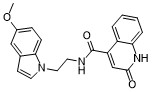
| DC78592 | ZINC13000658 Featured |
ZINC13000658 is a METTL inhibitor. ZINC13000658 exhibits significant anti proliferative activity in various cells and can induce G1 phase cell cycle arrest and apoptosis such as HepG2 (IC50 = 5.632 µM) and SNU-449 (IC50 = 6.184 µM) cells. ZINC13000658 may be related to the inhibition of the activity of multiple methyltransferases such as METTL1, 3, 6, 16, 18, etc. ZINC13000658 can be used for research on various types of cancer.
More description
|
|
| DC78326 | XL-3156 Featured |
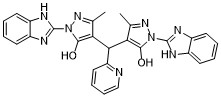
XL-3156 is a potent, selective, and cross-species cGAS inhibitor. XL-3156 can simultaneously occupy both allosteric and orthosteric sites, and inhibit the interaction and phase separation between cGAS and DNA by stabilizing the closed conformation of the activation loop. XL-3156 can be used in the research of autoimmune diseases, inflammatory conditions and other diseases.
More description
|
|
| DC79112 | Simepdekinra Featured |
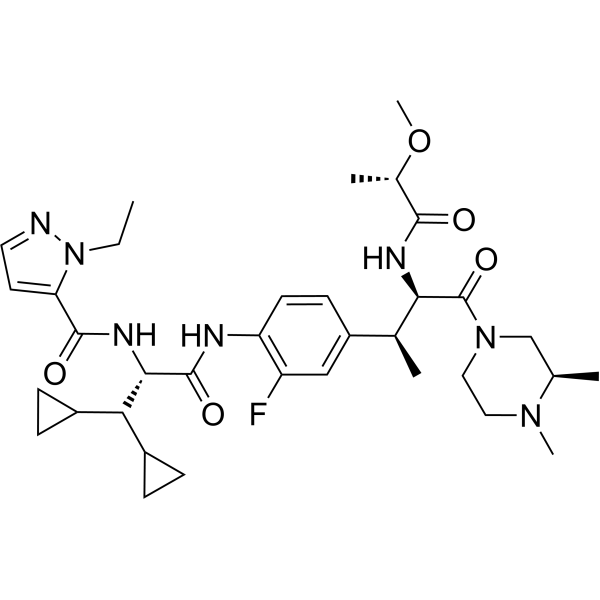
Simepdekinra (Compound 221) is a IL-17A modulator with IC50s ≤10 nM and 10-100 nM for IL-17A/A HEK-Blue and IL-17A/F HEK-Blue cells. Simepdekinra can be used for inflammatory diseases such as psoriasis, ankylosing spondylitis and psoriatic arthritis research.
More description
|
|
| DC74559 | PA-915 Featured |
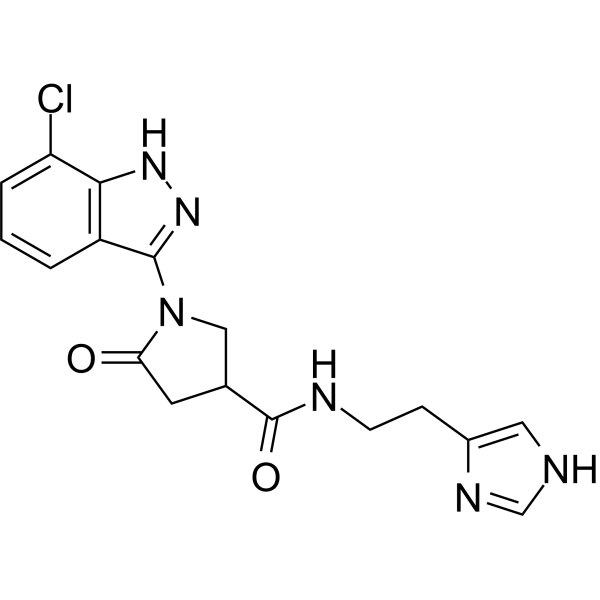
PA-915 (PA915) is a small-molecule, non-peptide antagonist of the PACAP type I (PAC1) receptor, inhibits PACAP (1 nM)-induced phosphorylation of CREB in PAC1/CHO cells with IC50 of <10 pM.
More description
|
|
| DC23228 | (R)-Baclofen hydrochloride Featured |
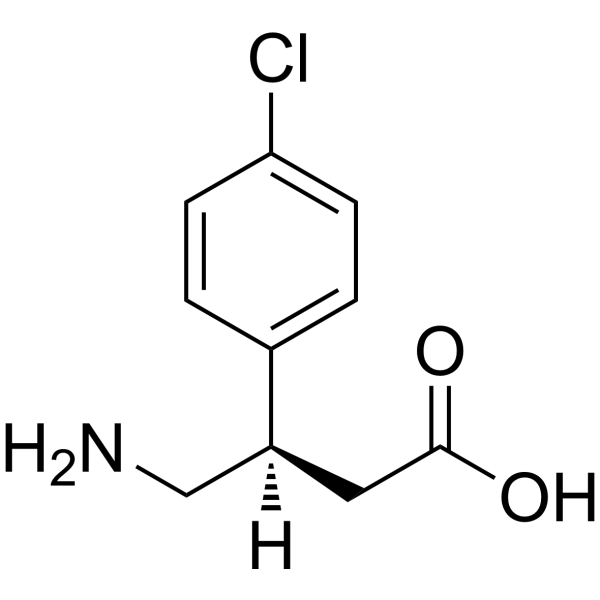
A derivative of the neurotransmitter GABA that acts as a GABAB receptor agonist.
More description
|
|
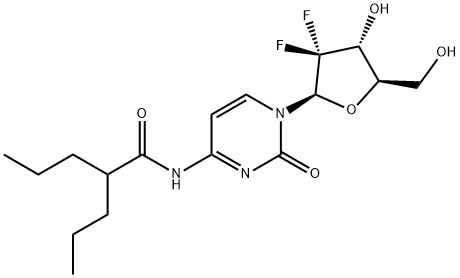
| DC9304 | LY2334737 Featured |
LY2334737 is an orally available prodrug of gemcitabine which is a nucleoside analog used as chemotherapy.
More description
|
|
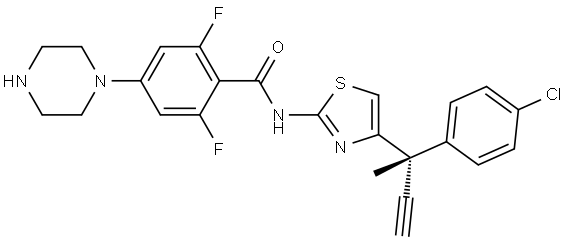
| DC79335 | DF-003 |
DF-003 is a selective, orally active, ATP-competitive, and brain-penetrant ALPK1 inhibitor. DF-003 potently inhibits human ALPK1 and ALPK1[T237M] with IC50s value of 1.5 nM and 16 nM. DF-003 exhibits more than 860-fold selectivity over the closest kinase. DF-003 inhibits TNF, CXCL10, or CXCL8 upregulation in HEK-293 cells. DF-003 can be used for the study of retinal dystrophy, optic nerve edema, splenomegaly, anhidrosis, and headache (ROSAH) syndrome.
More description
|
|
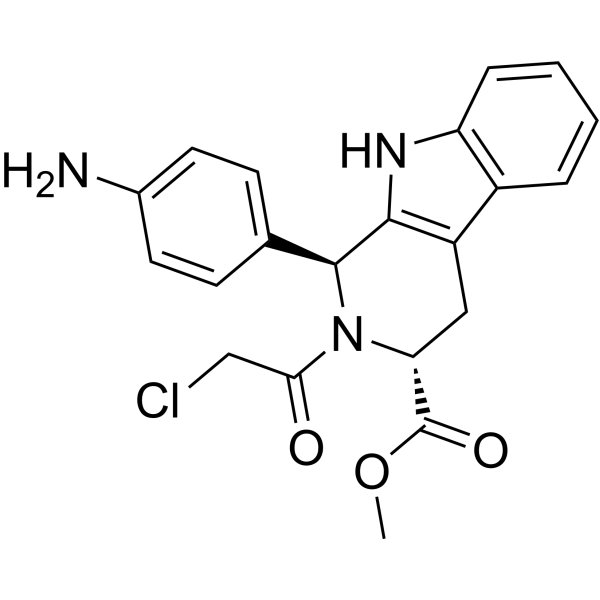
| DC78751 | RSL3-NH2 Featured |
RSL3-NH2 is a GPX4 inhibitor and Ferroptosis inducer. RSL3-NH2 can be used as a cytotoxic payload for synthesis of antibody-drug conjugates (ADCs).
More description
|
|
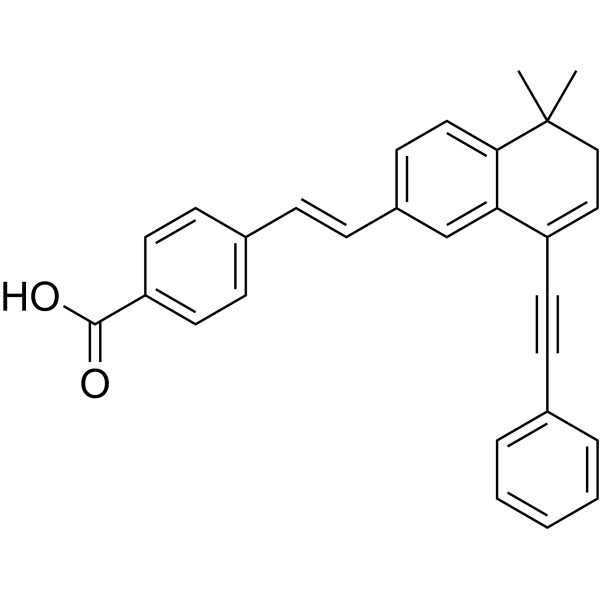
| DC22989 | BMS-204493 Featured |
A pan-RAR inverse agonist that blocks RARα activity with IC50 of 114 nM.
More description
|
|
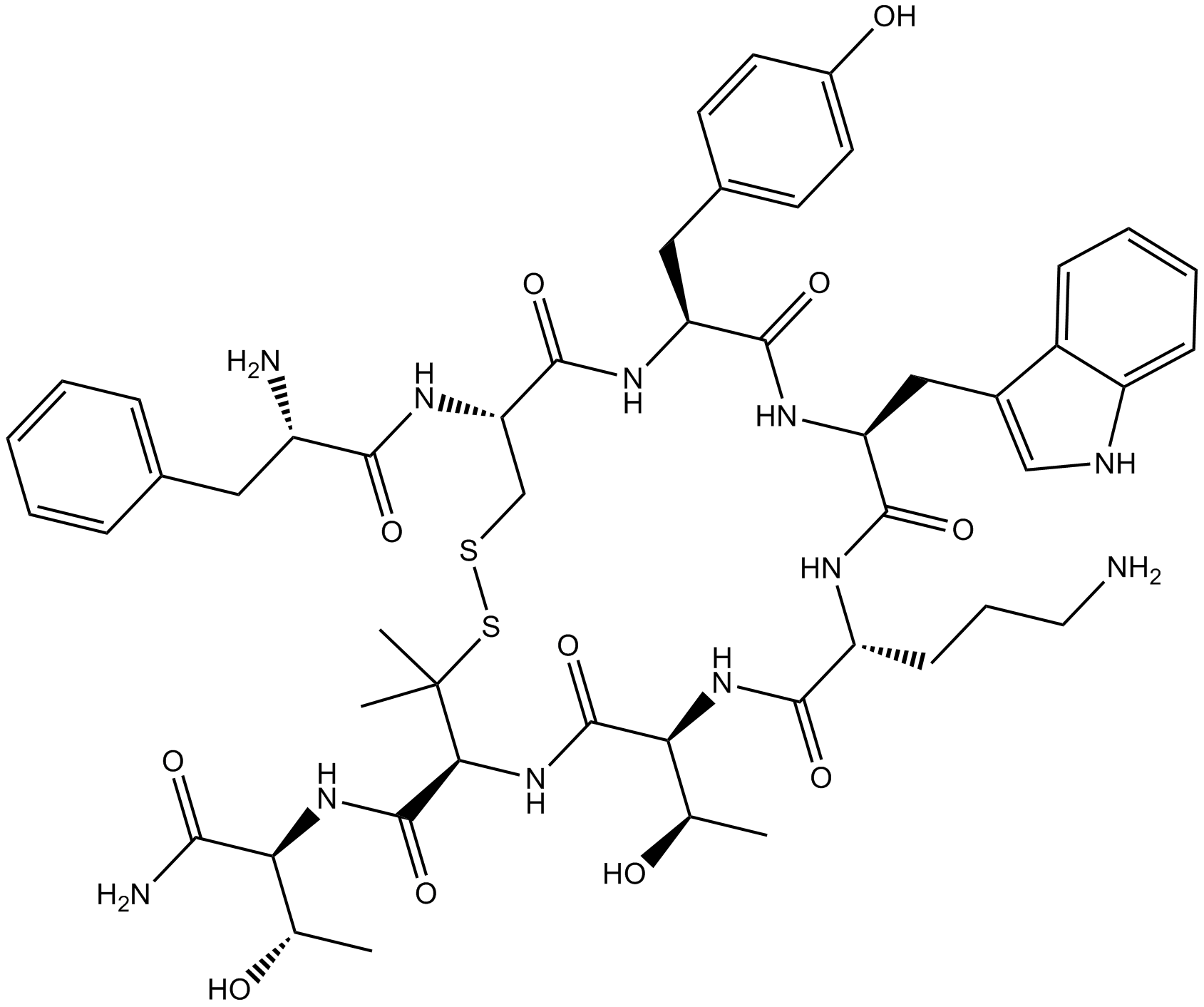
| DC26224 | CTOP Featured |
CTOP is a potent and highly selective μ-opioid receptor antagonist. CTOP antagonizes the acute morphine-induced analgesic effect and hypermotility. CTOP enhances extracellular dopamine levels in the nucleus accumbens. CTOP dose-dependently enhances locomotor activity.
More description
|
|
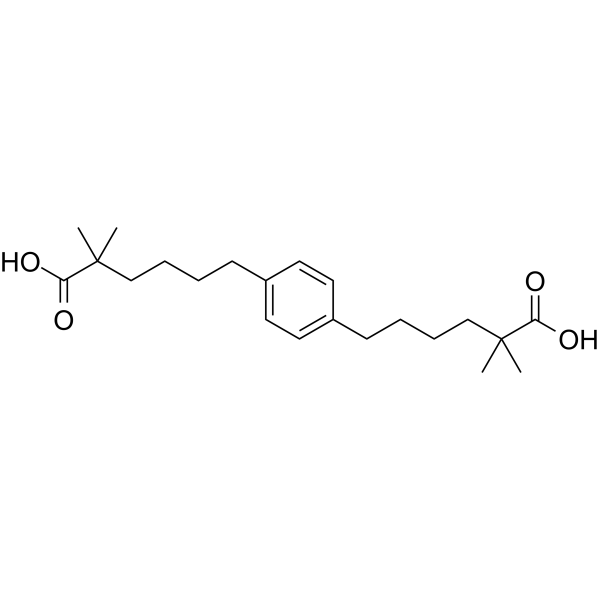
| DC79856 | EVT0185 Featured |
EVT0185 is an orally active ATP citrate lyase (ACLY) inhibitor. EVT0185 is converted to a CoA thioester in the liver by SLC27A2 and interacts with the CoA-binding site of ACLY. EVT0185-CoA inhibits ACLY activity with an IC50 of 2.5 μM. EVT0185 can phenocopy the immune and antitumour effects of genetic ACLY deletion. EVT0185 can increase tumour-infiltrating B cells and chemokine CXCL13 levels. EVT0185 can be used for the research of cancer, such as hepatocellular carcinoma (HCC).
More description
|
|
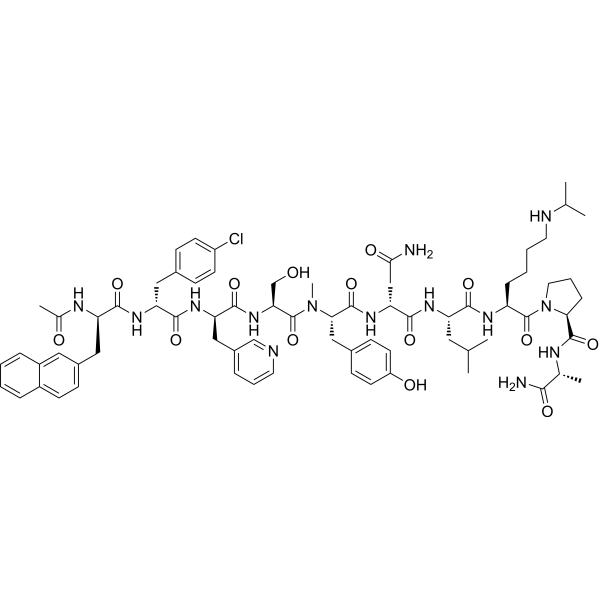
| DC31079 | Abarelix Featured |
Abarelix is a synthetic decapeptide and antagonist of naturally occurring gonadotropin-releasing hormone (GnRH). Abarelix directly and competitively binds to and blocks the gonadotropin releasing hormone receptor in the anterior pituitary gland, thereby inhibiting the secretion and release of luteinizing hormone (LH) and follicle stimulating hormone (FSH). In males, the inhibition of LH secretion prevents the release of testosterone. As a result, this may relieve symptoms associated with prostate hypertrophy or prostate cancer, since testosterone is required to sustain prostate growth.
More description
|
|
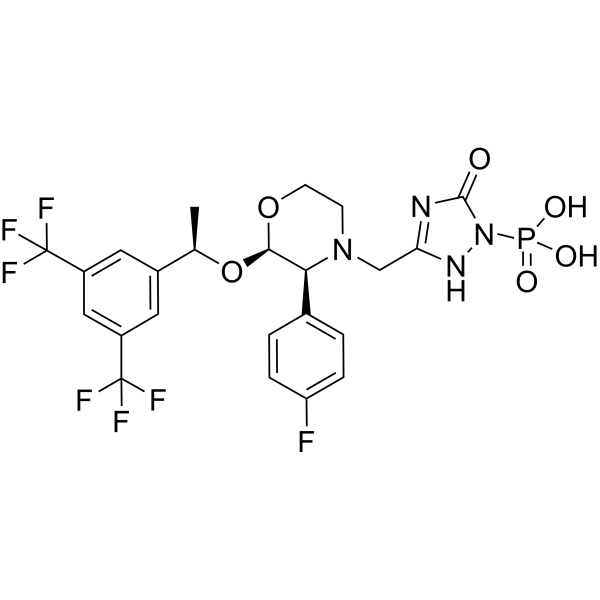
| DC75202 | Fosaprepitant free acid Featured |
Fosaprepitant, also known as MK0517, is an antiemetic drug, administered intravenously. It is a prodrug of aprepitant. Fosaprepitant was developed by Merck & Co. and was approved. It is a prodrug of Aprepitant. It aids in the prevention of acute and delayed nausea and vomiting associated with chemotherapy treatment. Fosaprepitant is a weak inhibitor of CYP3A4, and aprepitant, the active moiety, is a substrate, inhibitor, and inducer of CYP3A4
More description
|
|
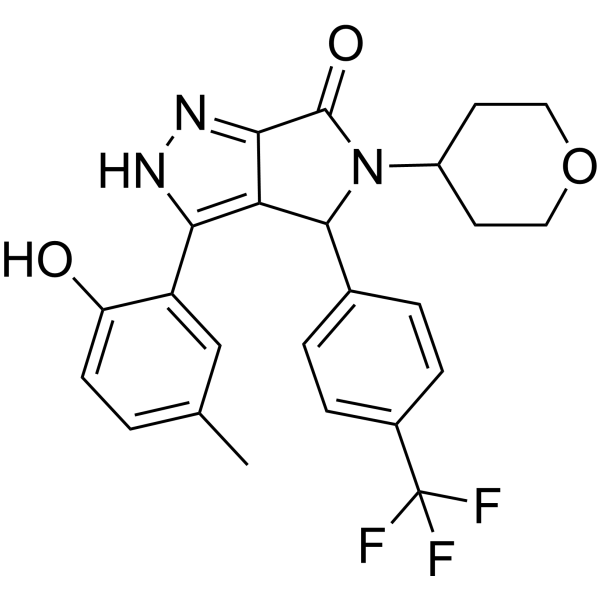
| DC77740 | T0080 Featured |
T0080 is a FPR-1 antagonist. T0080 reduces the cell apoptosis, inhibits ROS production and pro-inflammatory cytokines (TNF-α and IL-1β) from plaque macrophages, which attenuates atherosclerotic progression in ApoE−/− mice.
More description
|
|
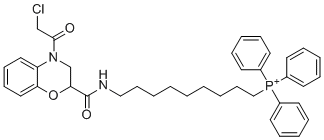
| DC74073 | MitoCKi Featured |
MitoCKi (Creatine kinase inhibitor CKi-26) is a selective, covalent inhibitor of creatine kinases (CKs), inhibits recombinant creatine kinase B (CKB) phosphotransfer activity with IC50 of 185 nM, depletes creatine phosphagen energetics in cells.
More description
|
|
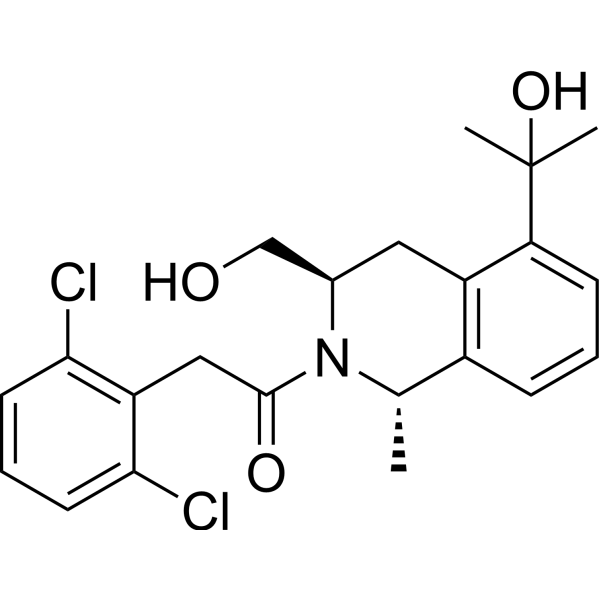
| DC22700 | DETQ Featured |
A novel potent, selective, allosteric and orally active dopamine D1 receptor potentiator with Kb of 26 nM.
More description
|
|
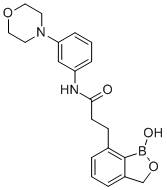
| DC74014 | HQY426 Featured |
HQY426 is a specific, orally bioavailable inhibitor of pre-messenger RNA endonuclease cleavage and polyadenylation specificity factor 3 (CPSF3) with binding IC50 of 0.32 uM, exhibits potent antitumor activity.
More description
|
|
| DC74021 | IBS007125 Featured |
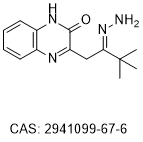
IBS007125 is a small molecule inhibitor of c-Maf, inhibits multiple myeloma proliferation by targeting cMaf transcriptional activity.
More description
|
|
| DCAPI1374 | Cyclovirobuxin D(Bebuxine) Featured |
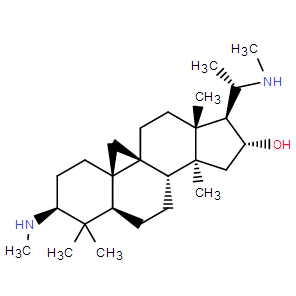
Cyclovirobuxine D (CVB-D) is the main active component of the traditional Chinese medicine Buxus microphylla. Cyclovirobuxine D induces autophagy and attenuates the phosphorylation of Akt and mTOR. Cyclovirobuxine D inhibits cell proliferation of gastric cancer cells through suppression of cell cycle progression and inducement of mitochondria-mediated apoptosis. Cyclovirobuxine D is beneficial for heart failure induced by myocardial infarction.
More description
|
|
