 To enhance service speed and avoid tariff delays, we've opened a US warehouse. All US orders ship directly from our US facility.
| Cat. No. | Product Name | Field of Application | Chemical Structure |
|---|---|---|---|
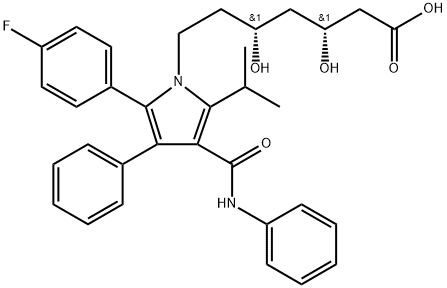
| DC23234 | Atorvastatin Featured |
A competitive inhibitor of HMG-CoA reductase that acts as a lipid-lowering agent for prevention of events associated with cardiovascular disease..
More description
|
|
| DC8125 | ETH 4030(Magnesium ionophore III) Featured |
Magnesium ionophore III is an onophore used in solvent polymeric membrane electrodes for the assay of Mg2+ activities in blood serum in vitro.
More description
|

|
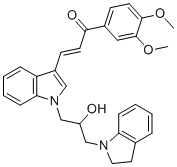
| DC22114 | ICA135 Featured |
ICA135 (ICA-135, ICA 135) is a broad-spectrum inhibitor against human enteroviruses that inhibits Coxsackievirus A10 (CV-A10) replication in RD cells with IC50 of 1.446 uM.
More description
|
|
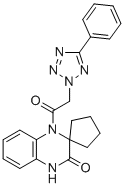
| DC74230 | ZHAWOC8697 Featured |
ZHAWOC8697 is a small molecule dual inhibitor of sentrin-specific protease SENP1 and SENP2 with IC50 of 8.6 and 2.3 uM, respectively, a valuable tool for the study of SUMOylation processes.
More description
|
|
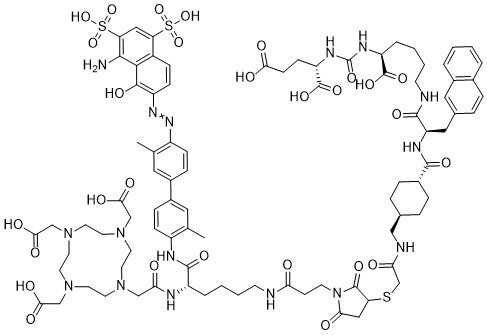
| DC74646 | EB-PSMA-617 Featured |
EB-PSMA-617 is an Evans blue-modified prostate-specific membrane antigen (PSMA) 617 ligand for making 177Lu-EB-PSMA, which is potential useful for Metastatic Castration-Resistant Prostate Cancer.
More description
|
|
| DC74641 | HC-258 Featured |
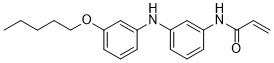
HC-258 is a Covalent Acrylamide TEAD Inhibitor That Reduces Gene Expression and Cell Migration. HC-258 reduces the CTGF, CYR61, AXL, and NF2 transcript levels and inhibits the migration of MDA-MB-231 breast cancer cells. Co-crystallization with hTEAD2 confirmed that HC-258 binds within TEAD’s PA pocket, where it forms a covalent bond with its cysteine.
More description
|
|
| DC74639 | Oligopeptide-10 Featured |
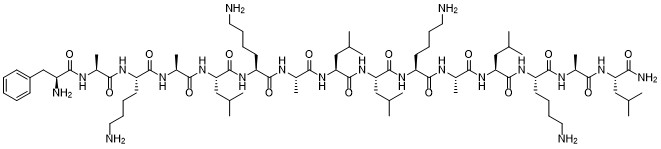
Oligopeptide-10, also known as granactive oligopeptide-10, is a synthetic bio-active peptide composed of 15 amino acids. it can help manage acne-causing bacteria, both on its own and in conjunction with anti-acne superstar exfoliant salicylic acid.
More description
|
|
| DC73996 | FDW028 Featured |
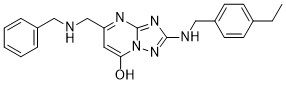
FDW028 is a potent and highly selective small-molecule inhibitor of fucosyltransferase 8 (FUT8) with binding KD value of 5.486 uM, displays no affinity against other FUTs, shows potent anti-CRC activities.
More description
|
|
| DC74684 | ZH8667 Featured |
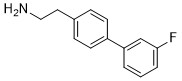
ZH8667 is a trace amine-associated receptor 1 (TAAR1)–Gs agonist.
More description
|
|
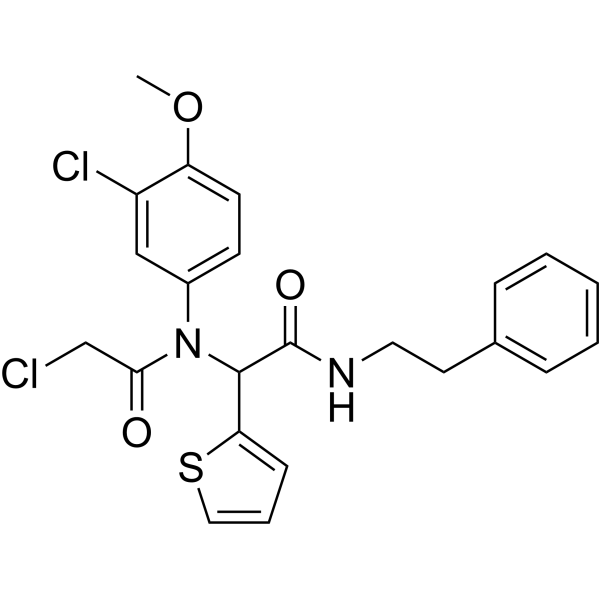
| DC22799 | ML-162 Featured |
ML162 is a covalent inhibitor that specifically targets glutathione peroxidase 4 (GPX4), a key regulator of ferroptosis. This compound exhibits selective cytotoxicity against cancer cell lines harboring mutant RAS oncogenes, making it a promising candidate for precision oncology.
More description
|
|
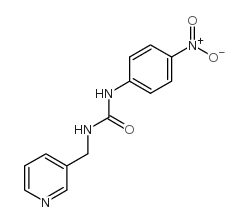
| DC32456 | Pyrinuron Featured |
Pyrinuron is an inhibitor of NAMPT and NMNAT2.Pyrinuron is used as a model compound in studies of urea derivatives and their reactivity.Research has explored the effects of this compound on insulin-producing beta cells, providing insights into diabetes mechanisms.Although not used therapeutically, this compound’s ability to selectively destroy beta cells has implications for understanding and potentially treating type 1 diabetes.
More description
|
|
| DCS-103 | Lycorine Featured |
Lycorine is a natural alkaloid extracted from the Amaryllidaceae plant. Lycorine is a potent and orally active SCAP inhibitor with a Kd value 15.24 nM. Lycorine downregulates the SCAP protein level without changing its transcription. Lycorine is also a melanoma vasculogenic inhibitor. Lycorine can be used for the study of prostate cancer and metabolic diseases.
More description
|

|
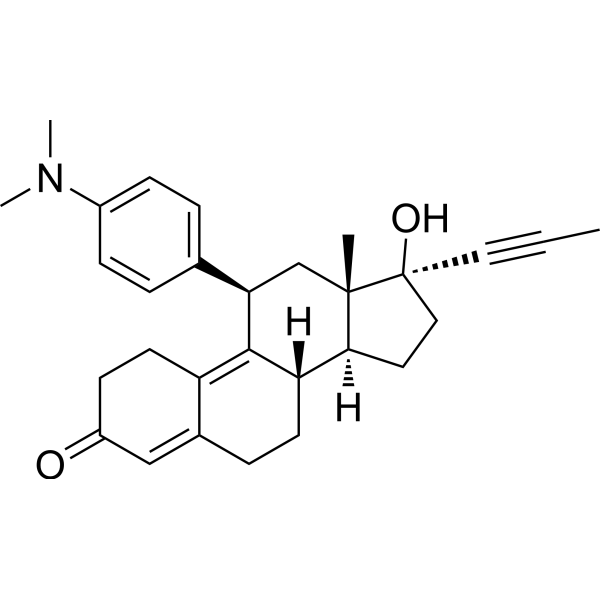
| DC31256 | Mifepristone (RU486) Featured |
Mifepristone (RU-486) is a potent steroidal antagonist exhibiting subnanomolar affinity for progesterone receptors (PR IC₅₀ = 0.2 nM) and nanomolar activity against glucocorticoid receptors (GR IC₅₀ = 2.6 nM). This dual-receptor modulator competitively blocks endogenous hormone binding while inducing distinct conformational changes that prevent coactivator recruitment, demonstrating differential antagonism between PR and GR signaling pathways.
More description
|
|
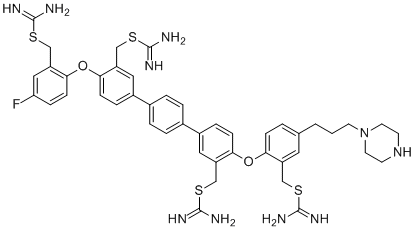
| DC74222 | XEN 602 Featured |
XEN-602 represents a breakthrough in DMT1 pharmacology as a picomolar-range inhibitor of divalent metal transporter 1 (SLC11A2), demonstrating unprecedented selectivity for manganese transport blockade (IC₅₀ = 300 pM in HEK293 cells). This structurally optimized small molecule achieves complete suppression of DMT1-mediated Mn²⁺ uptake while maintaining exceptional target specificity, as evidenced by minimal interference with other metal transporters. Its unmatched potency enables precise interrogation of DMT1's physiological roles and therapeutic exploration for manganese dysregulation disorders.
More description
|
|
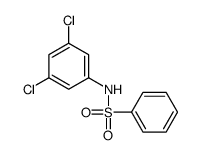
| DC34489 | DOCK5-IN-C21 Featured |
DOCK5-IN-C21 functions as an allosteric inhibitor targeting the guanine nucleotide exchange factor DOCK5, effectively modulating its activity through a non-competitive mechanism.
More description
|
|
| DC12575 | VU0466551 Featured |
VU0466551 is a targeted activator that specifically modulates homomeric G protein-gated inwardly rectifying potassium (GIRK1) channels, demonstrating its selectivity for this ion channel subtype.
More description
|

|
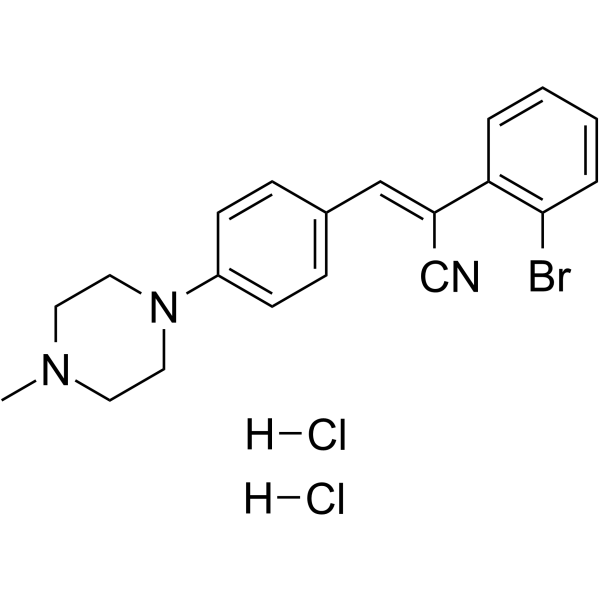
| DC24079 | DG-172 dihydrochloride Featured |
DG-172 is a cutting-edge compound designed as a selective ligand for PPARβ/δ, exhibiting remarkable binding affinity with an IC50 value of 27 nM. It demonstrates robust inverse agonistic activity, positioning it as a promising candidate for research targeting PPARβ/δ signaling pathways.
More description
|
|
| DC24063 | Cediranib maleate Featured |
Cediranib maleate (AZD-2171 maleate) is a highly effective, orally administered inhibitor targeting VEGFR with remarkable potency. It demonstrates IC50 values of less than 1 nM for Flt1, below 3 nM for KDR, 5 nM for both Flt4 and PDGFRα, 36 nM for PDGFRβ, and 2 nM for c-Kit, showcasing its broad inhibitory activity across multiple kinase targets.
More description
|

|
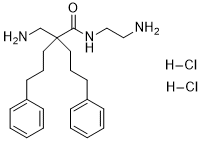
| DC10988 | LTX-401 Featured |
LTX-401 is a novel oncolytic amino acid derivative that specifically targets the Golgi apparatus, demonstrating significant potential in cancer therapy. In vitro studies reveal that LTX-401 effectively reduces the viability of various tumor cell lines, exhibiting cytotoxic activity across a range of concentrations. Notably, it shows the highest potency against the human malignant melanoma cell line MDA-MB-435S (IC50 = 13.5 μM) and the lowest activity against the human hepatocellular carcinoma cell line HEPG2 (IC50 = 35.4 μM). For other cell lines, the IC50 values fall within a narrow range of 19-32 μM. Importantly, LTX-401 does not induce hemolysis in red blood cells at concentrations effective for cancer cell death, with hemolytic activity only observed at much higher concentrations (400 μg/mL = 1087 μM). Additionally, LTX-401 demonstrates cytotoxicity against non-malignant cell lines, including HUV-EC-C endothelial cells, HaCat keratinocytes, and MRC-5 fibroblasts, suggesting a broad but selective mechanism of action.
More description
|
|
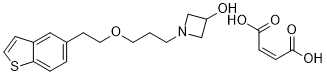
| DC10762 | Edonerpic maleate Featured |
Edonerpic, also known as T-817, is a neuroprotectant. Edonerpic is a candidate therapeutic agent for Alzheimer's disease that inhibits oxidative stress and nitric oxide-induced neurotoxicity and acts as a neurotrophic factor. Edonerpic protects against MPTP-induced neurotoxicity by blocking lipid peroxidation in the SNc, and imply that this compound may be useful for treating neurodegenerative disorders related to oxidative stress, such as Parkinson's disease.
More description
|
|
| DC35377 | TAMRA-PEG4-NHS ester |
TAMRA-PEG4-NHS ester is a TAMRA red fluorescent dye derivative containing an NHS ester group which can be used to label the primary amines (-NH2) of proteins, amine-modified oligonucleotides, and other amine-containing molecules.
More description
|

|
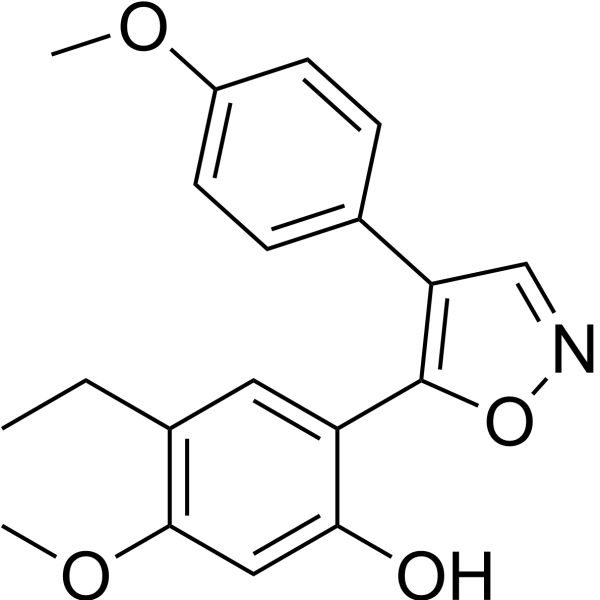
| DC11375 | KRIBB3 Featured |
KRIBB3 is an Hsp27 and microtubule inhibitor that inhibits migration and invasion of MDA-MB-231 cells in vitro in an Hsp27-dependent manner.
More description
|
|
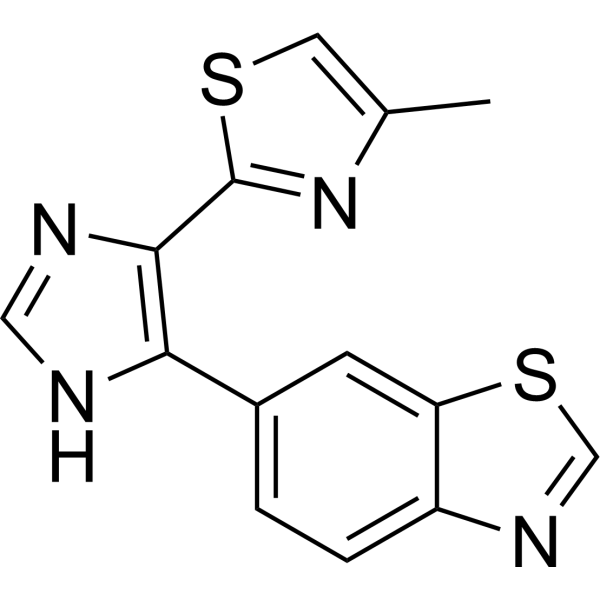
| DC20200 | TP0427736 Featured |
TP0427736 is a highly selective inhibitor of ALK5, demonstrating potent activity with an IC50 of 2.72 nM. It effectively suppresses Smad2/3 phosphorylation in A549 cells, highlighting its ability to modulate TGF-β signaling pathways. Additionally, TP0427736 has been shown to reduce the growth inhibition of human outer root sheath cells, suggesting its potential therapeutic utility in conditions where ALK5-mediated signaling plays a critical role. This compound represents a promising tool for investigating ALK5-related biological processes and developing targeted treatments for diseases involving aberrant TGF-β signaling.
More description
|
|
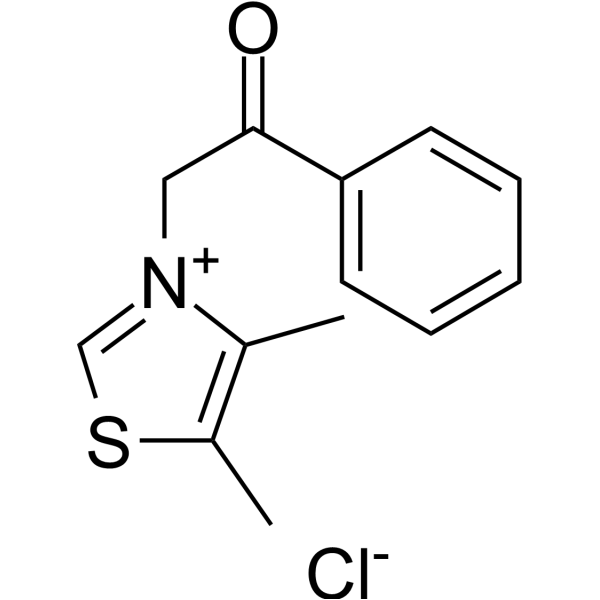
| DC32320 | Alagebrium Chloride Featured |
Alagebrium Chloride, identified as ALT711, emerged as a pioneering pharmaceutical candidate developed by Alteon, Inc. It marked the first clinical attempt to address the crosslinks formed by advanced glycation endproducts (AGEs), a key factor in the aging process. By targeting and disrupting these crosslinks, Alagebrium aims to counteract the stiffening of blood vessel walls, a condition linked to hypertension, cardiovascular disorders, and various age-related degenerative issues caused by protein crosslinking. Clinical studies have demonstrated its efficacy in lowering systolic blood pressure and offering therapeutic advantages for individuals with diastolic dysfunction.
More description
|
|
| DC31184 | Idoxuridine Featured |
Idoxuridine is an anti-herpesvirus antiviral and anticancer drug. It is a nucleoside analogue, a modified form of deoxyuridine, similar enough to be incorporated into viral DNA replication, but the iodine atom added to the uracil component blocks base pairing. It is used only topically due to cardiotoxicity. It was synthesized by William Prusoff in the late 1950s. Initially developed as an anticancer drug, idoxuridine became the first antiviral agent in 1962.
More description
|

|
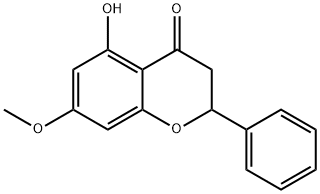
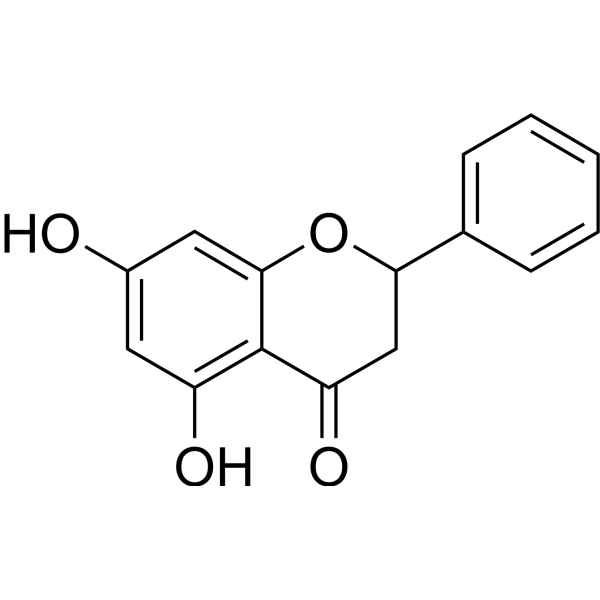
| DC32287 | Pinostrobin Featured |
Pinostrobin is a flavonoid with diverse biological activities, including antioxidant, anti-inflammatory, and anticancer properties. Pinostrobin is a dietary bioflavonoid discovered more than 6 decades ago in the heart-wood of pine (Pinus strobus). Pinostrobin has depicted many pharmacological activities including anti-viral, anti-oxidant, anti-leukaemic, anti-inflammatory and anti-aromatase activities. It is an inhibitor of sodium channel and Ca(2+) signalling pathways and also inhibits intestinal smooth muscle contractions.
More description
|
|
| DC33104 | DL-0108 Featured |
Pinocembrin, also known as DL-0108, is an androgen receptor ligand potentially for the treatment of acute stroke.
More description
|
|
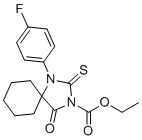
| DC21314 | ML316 Featured |
ML316 is a specific antifungal agent that fungal-selectively inhibits the mitochondrial phosphate carrier Mir1, exhibits potent antifungal activity against the moderatelyazole-resistant C. albicans strain CaCi-2 with MIC of 0.05 ug/ml.
More description
|
|
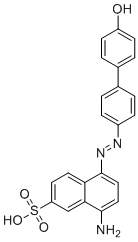
| DC23024 | N-65828 Featured |
NCI-65828 (designated as N 65828,NSC-65828) is a small-molecule inhibitor targeting angiogenin (ANG), a protein critical for angiogenesis and cellular proliferation. Its therapeutic potential stems from selective suppression of ANG's ribonucleolytic function, a biochemical activity essential for mediating downstream biological effects. By disrupting ANG's enzymatic capacity to cleave RNA substrates, NCI-65828 attenuates the protein's pro-angiogenic signaling pathways.
Preclinical evaluations highlight its multifaceted antitumor properties. In vitro studies using diverse cancer cell models—including bladder carcinoma (T24; IC₅₀ = 1.3 ± 0.5 μM), cervical adenocarcinoma (HeLa; IC₅₀ = 1.9 ± 0.4 μM), and urothelial carcinoma (UROtsa; IC₅₀ = 3.2 ± 0.8 μM)—demonstrate dose-dependent antiproliferative effects, with potency variations reflecting tissue-specific sensitivity. Parallel experiments in human umbilical vein endothelial cells (HUVECs) reveal significant inhibition of capillary-like tube formation, confirming its antiangiogenic efficacy in disrupting endothelial morphogenesis.
Notably, in vivo investigations using transgenic murine models demonstrate that NCI-65828 effectively suppresses the development of prostatic intraepithelial neoplasia (PIN) lesions. Mechanistic analysis indicates this activity arises from direct enzymatic inhibition rather than interference with ANG's intracellular trafficking, as nuclear translocation remains unaffected—a distinguishing feature that differentiates it from other ANG-targeted agents. This selective mode of action positions NCI-65828 as a precision tool for studying ANG-dependent pathologies.
More description
|
|
| DC9212 | Furafylline Featured |
Furafylline is a potent and selective inhibitor of human cytochrome P450IA2 with an IC50 of 0.07 μM.
More description
|

|
