 To enhance service speed and avoid tariff delays, we've opened a US warehouse. All US orders ship directly from our US facility.
| Cat. No. | Product Name | Field of Application | Chemical Structure |
|---|---|---|---|
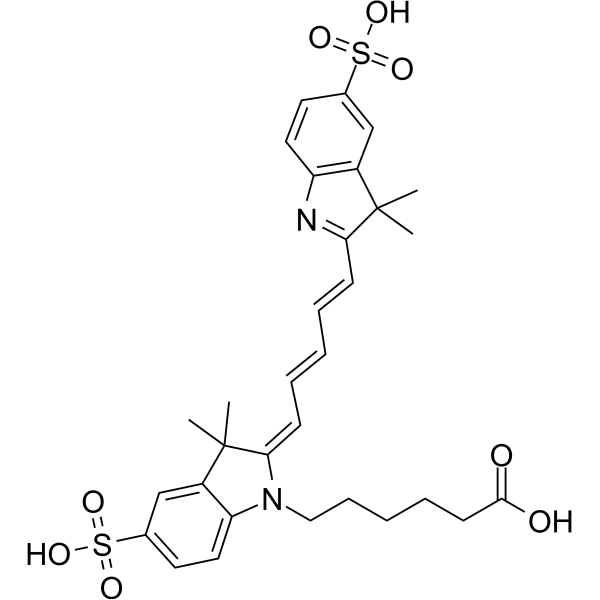
| DC68107 | CypHer5 Featured |
pH Receptor Probe is a pH-sensitive cyanine derivative and a environmental sensitive fluorophore. pH Receptor Probe has a pH-sensitive maximal absorption at 644 nm and emission at 664 nm. pH Receptor Probe has been used as a pH sensor of lysosomal compartments.
More description
|
|
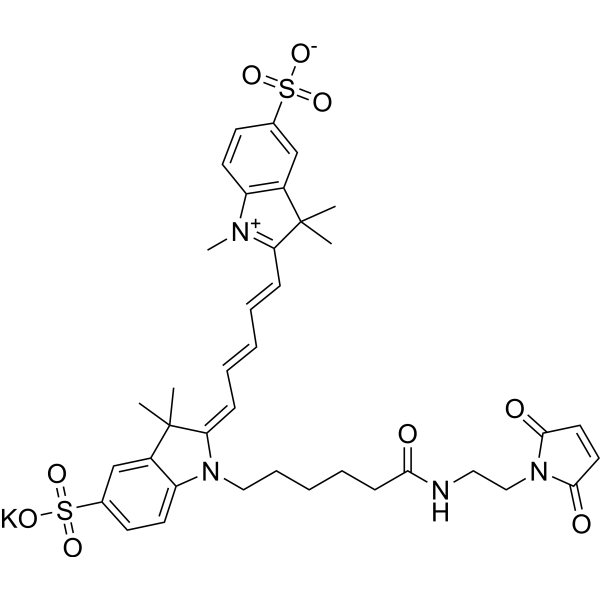
| DC68106 | Sulfo Cy5 Maleimide Featured |
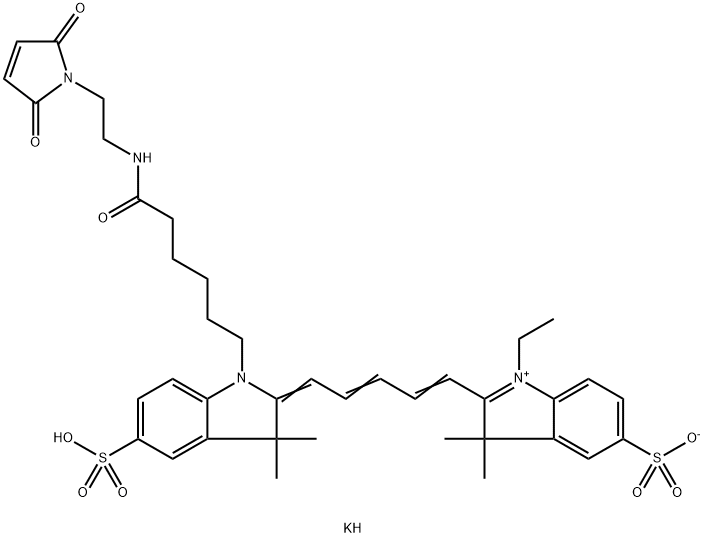
Sulfo-Cy5-Mal potassium is a fluorescent dye derivative composed of a CY5 dye and a maleimide functional group. Sulfo-Cy5-Mal potassium specifically covalently binds to thiol-containing (-SH) biomolecules. Sulfo-Cy5-Mal potassium can be used for protein labeling, antibody conjugation, molecular imaging, and drug delivery studies (Ex/Em = 633 nm/670 nm).
More description
|
|
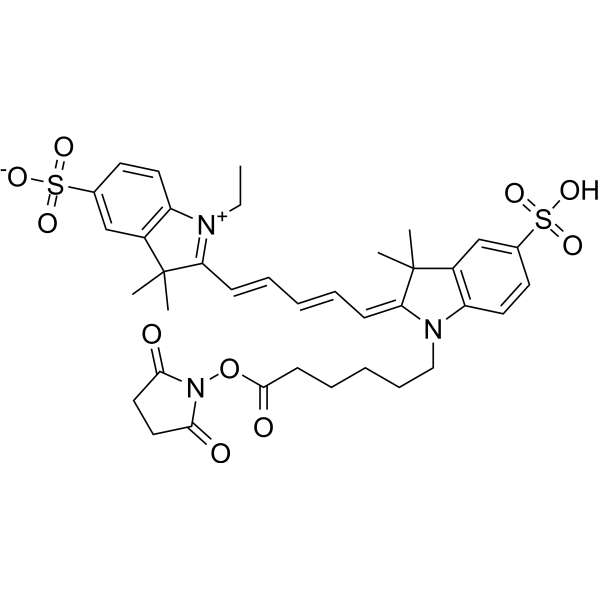
| DC67081 | CY5-SE Featured |
Cy5-SE (Cy5 NHS Ester) is a reactive dye for the labeling of amino-groups in peptides, proteins, and oligonucleotides. This dye requires small amount of organic co-solvent (such as DMF or DMSO) to be used in labeling reaction. This reagent is ideal for very cost-efficient labeling of soluble proteins, as well as all kinds of peptides and oligonucleotides. This reagent also works well in organic solvents for small molecule labeling. Excitation (nm):649, Emission (nm): 670.
More description
|
|
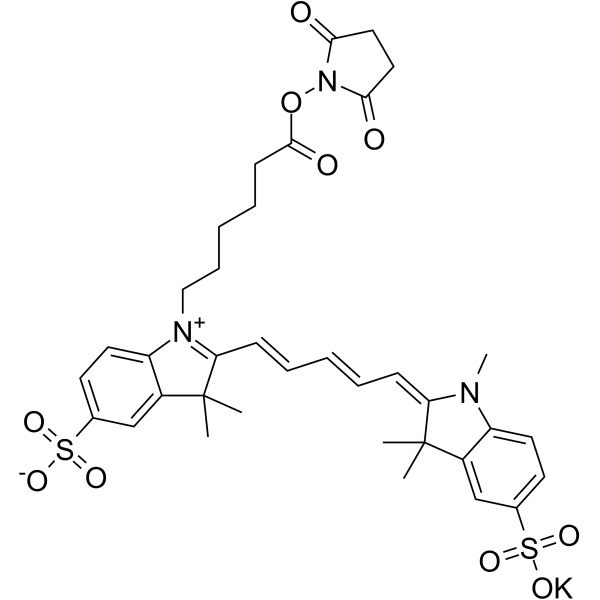
| DC33859 | Sulfo-Cy 5 NHS Ester Featured |
Sulfo-Cyanine 5 NHS Ester is a water soluble amine reactive red emitting fluorescent dye.Used for the labeling of various amine containing molecules in aqueous phase without use of any organic co-solvent. Useful for the labeling of proteins which denature in the presence of organic co-solvents, as well as for proteins with low solubility.
More description
|
|
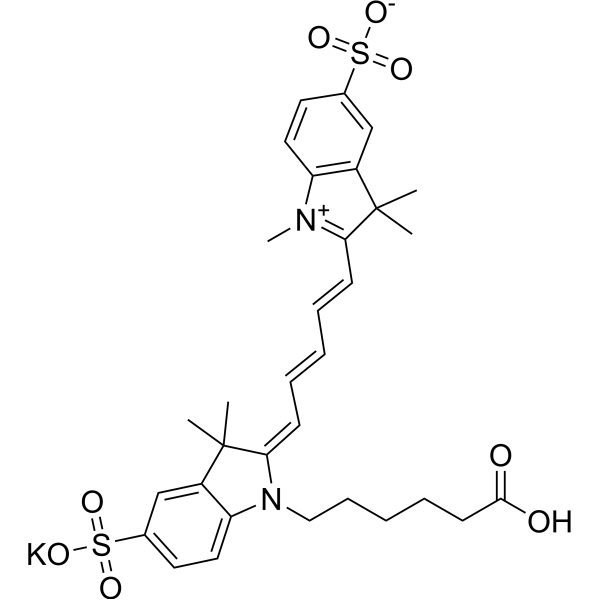
| DC68105 | Sulfo-Cyanine5 carboxylic acid Featured |
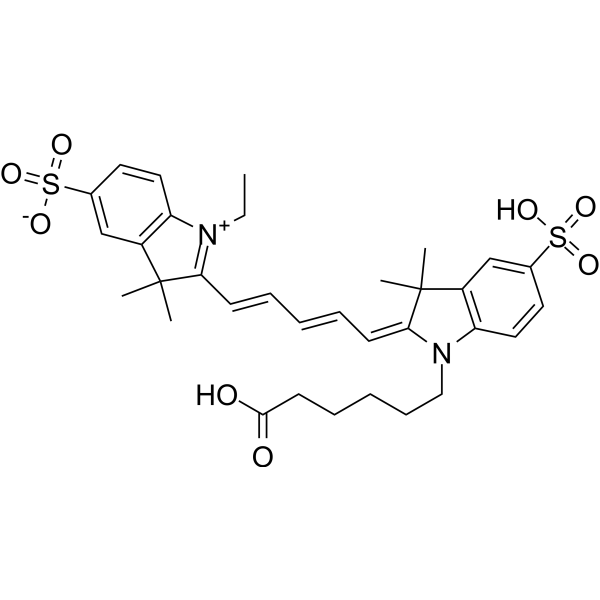
Sulfo-Cy5 carboxylic acid potassium is a water-soluble, inactive Cy5 carboxylic acid.
More description
|
|
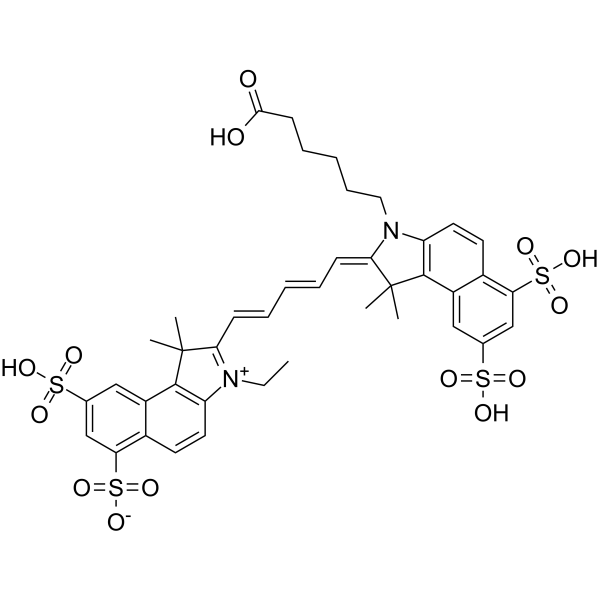
| DC33958 | Sulfo-Cy5.5 acid Featured |
Sulfo-Cyanine5.5 is a water soluble cyanine dye for far red / NIR applications such as in vivo imaging. The dye possesses four sulfonate groups that render it highly hydrophilic and water soluble. As well as other cyanines, sulfo-Cyanine5.5 has an outstanding extinction coefficient that makes it a bright fluorescent label for the far red region.
This is an amine-containing fluorescent dye. The amine group is separated from the fluorophore by a relatively long linker that facilitates conjugation. The aliphatic primary amine group can be coupled with various electrophiles (activated esters, epoxides, etc), and also be used in enzymatic transamination labeling.
More description
|
|
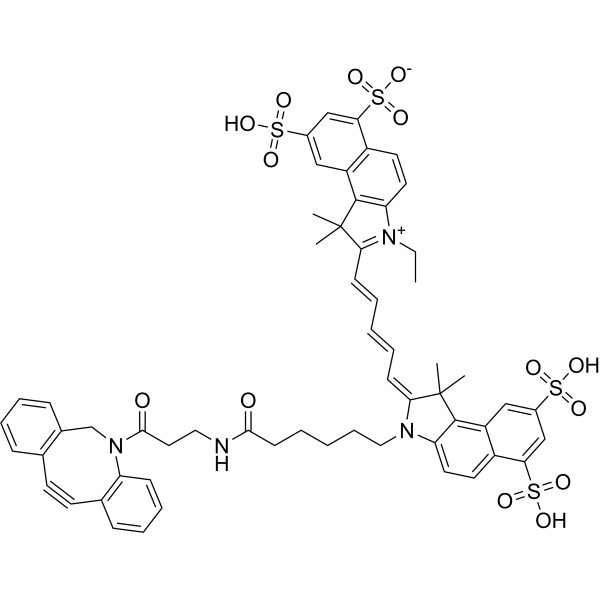
| DC68104 | Cy5.5 DBCO Featured |
Cy5.5 DBCO is a click chemistry reagent containing an cycloalkynes group. Cy5.5 DBCO is a linker of Cyanine5.5 fluorophore. DBCO group enables copper free biocompatible click chemistry with fast reaction kinetics and good stability.
More description
|
|
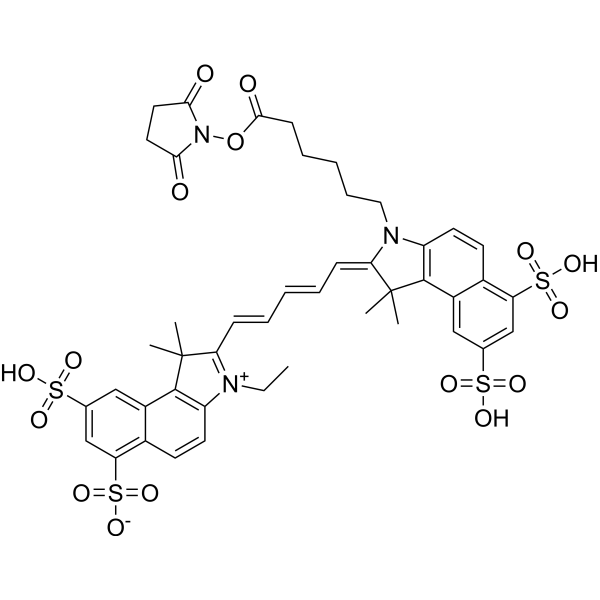
| DC68103 | Cy5.5-SE Featured |
Cy5.5-SE (Cyanine5.5 NHS ester) is a CY dye. CY, short for Cyanine, is a compound consisting of two nitrogen atoms connected by an odd number of methyl units. Cyanine compounds have the characteristics of long wavelength, adjustable absorption and emission, high extinction coefficient, good water solubility and relatively simple synthesis[1]. CY dyes are of en used for the labeling of proteins, antibodies and small molecular compounds. For the labeling of protein antibodies, the combination can be completed through a simple mixing reaction. Below, we introduce the labeling method of protein antibody labeling, which has certain reference significance[2]. Storage: protect from light.
More description
|
|
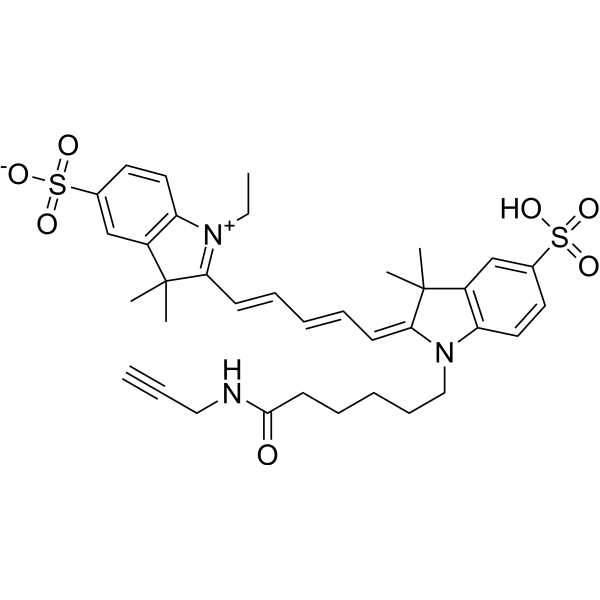
| DC33885 | Cy5-YNE Featured |
Water soluble reagent with alkyne group for Click Chemistry. Sulfo-Cyanine5 is a sulfonated dye, which possesses high hydrophilicity and aqueous solubility, exceptionally high extinction coefficient, good quantum yield, and compatibility with many instruments.
This reagent is recommended for the conjugation with proteins, nanoparticles, and other applications where hydrophilicity is important.
More description
|
|
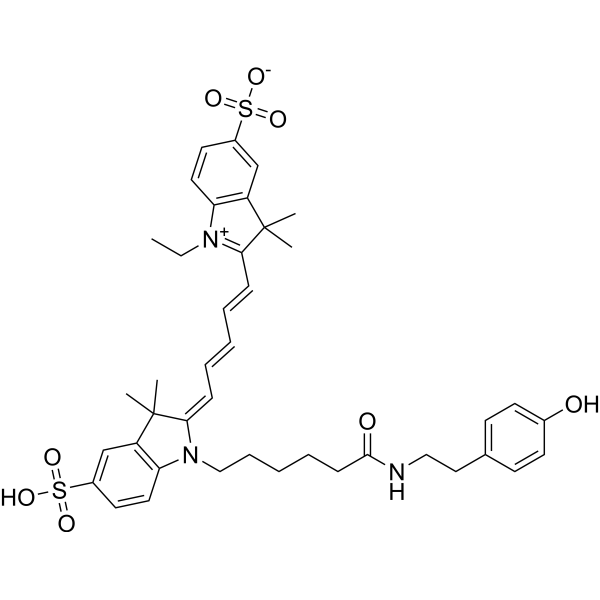
| DC68102 | Cyanine 5 Tyramide Featured |
Cyanine 5 Tyramide (Tyramide-Cy5), a red fluorescent dye, is utilized as reporter fluorescent substrate for horseradish peroxidase (HRP)-catalyzed deposition that is signal amplification technique in immunoassay and in situ hybridization of nucleic acids.
More description
|
|
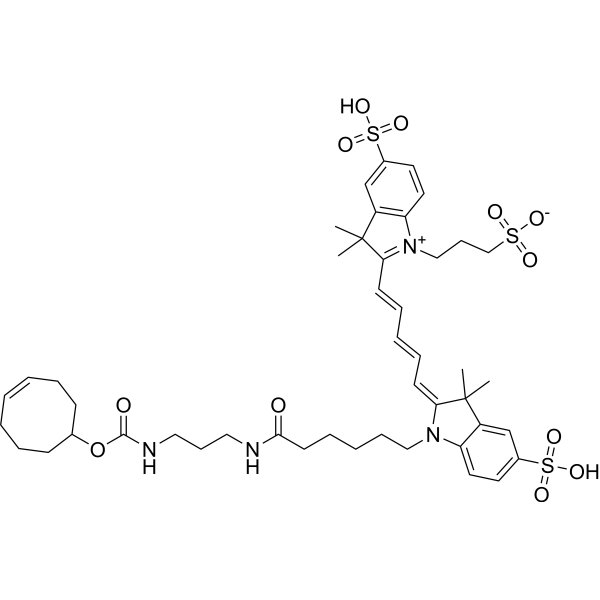
| DC68101 | Sulfo-Cy5-TCO Featured |
Sulfo-Cy5-TCO is a water-soluble sulfonated Cy5 fluorescent reagent containing trans-cyclooctene (TCO). Sulfo-Cy5-TCO undergoes an inverse electron demand Diels‑Alder reaction with tetrazine-labeled fixed breast cancer cells to achieve cell labeling. Sulfo-Cy5-TCO is used for fluorescent labeling and imaging of biological samples such as proteins and cells。
More description
|
|
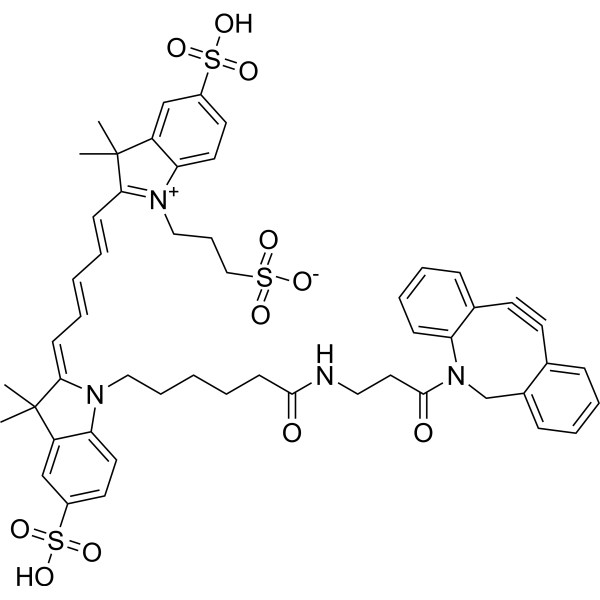
| DC68100 | Cy5-DBCO Featured |
Cy5-DBCO (DBCO-Sulfo-Cy5) is a near-infrared (NIR)red fluorescent dye with λabsand λem of 646nm and 670 nm, respectively. Cy5-DBCO (DBCO-Sulfo-Cy5) is not suitable for staining intracellular components of permeabilezed cell, it may exhibits a high background. Cy5-DBCO is a click chemistry reagent, it contains a DBCO group that can undergo strain-promoted alkyne-azide cycloaddition (SPAAC) with molecules containing Azide groups.
More description
|
|
| DC68099 | Sulfo-Cy5 maleimide Featured |
|
|
| DC34550 | Sulfo-Cyanine5 Featured |
CY5 is a photoswitchable fluorescent labeling reagent.
More description
|
|
| DC68098 | AF 555 azide Featured |
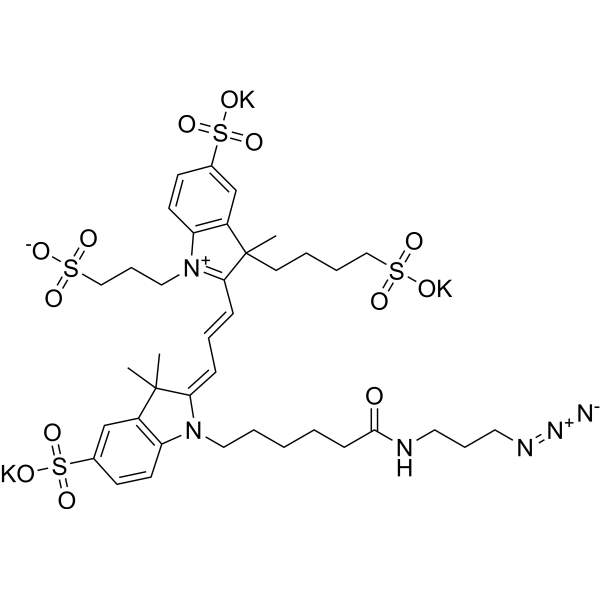
AF 555 azide is a fluorescent dye and is the azide of AF 555. It contains an Azide group and can undergo copper-catalyzed azide-alkyne cycloaddition reaction (CuAAc) with molecules containing Alkyne groups. It can also undergo strain-promoted alkyne-azide cycloaddition (SPAAC) reactions with molecules containing DBCO or BCN groups (Ex/Em = 555/565 nm).
More description
|
|
| DC68097 | AF680 NHS ester Featured |
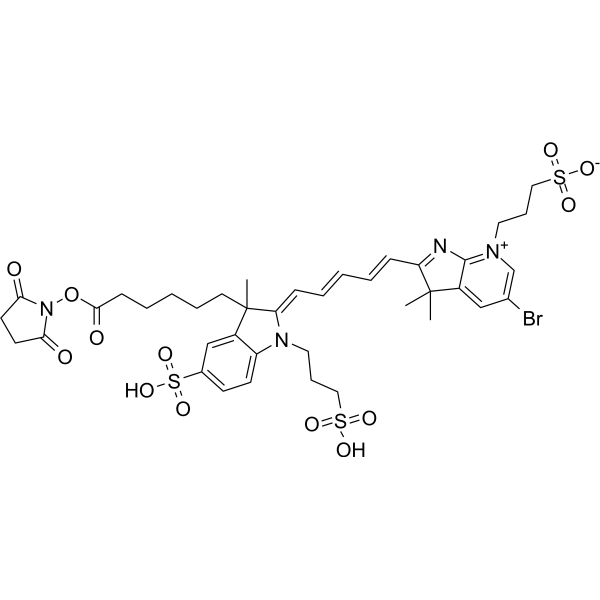
Alexa Fluor 680 NHS ester (Alexa Fluor 680 succinimidyl ester) is a near-infrared (NIR) fluorescent dye. NHS esters can be used to label to the primary amines (R-NH2) of proteins, amine-modified oligonucleotides, and other amine-containing molecules (Ex/Em = 679/702 nm).
More description
|
|
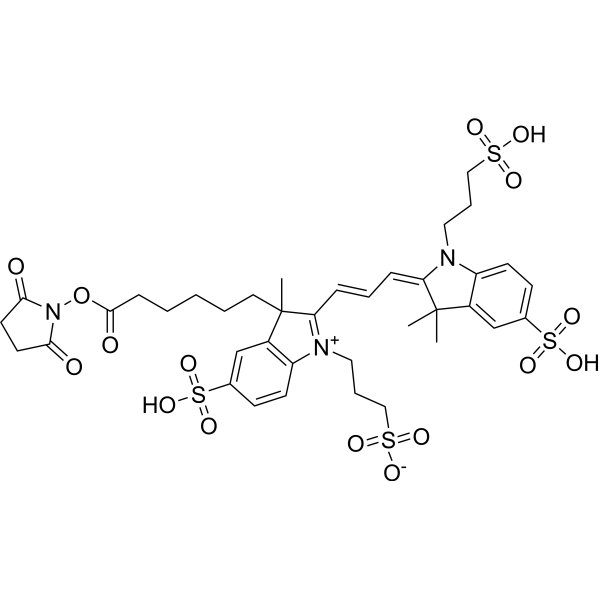
| DC68096 | AF555 NHS Featured |
AF555 NHS is a red fluorescent dye with excellent fluorescence properties and light stability. The excitation wavelength is 556 nm and the emission wavelength is 571 nm, which can be used for protein labeling, antibody labeling, and cell imaging.
More description
|
|
| DC68095 | AF488 C5 maleimide Featured |

|
|
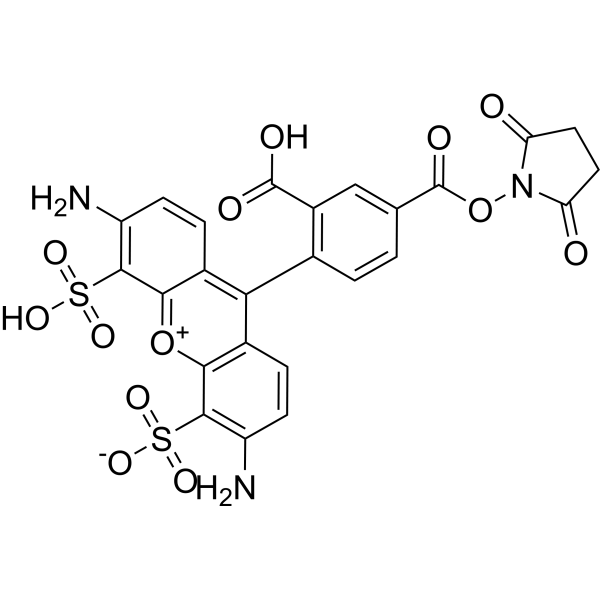
| DC68094 | AF488 NHS ester Featured |
AF488 NHS ester is an amine specific fluorescence probe (Em=525 nm). AF488 NHS ester reacts with sulfhydryl groups and amines in aqueous and biological samples then change their chemical structure and fluorescence properties after derivatization.
More description
|
|
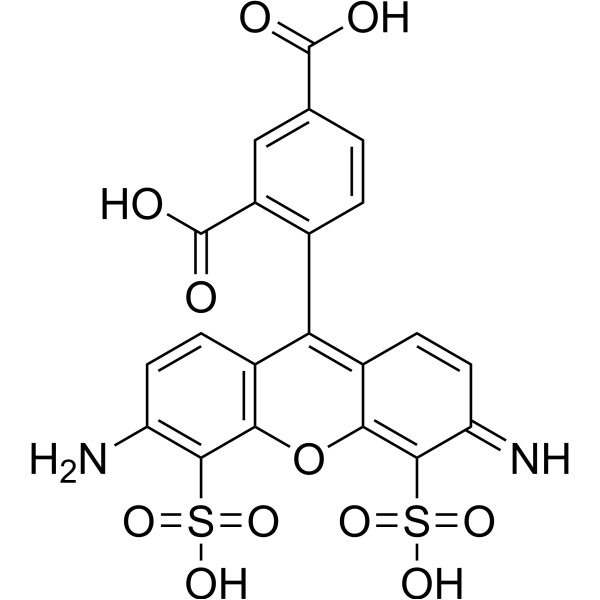
| DC67971 | AF488 acid Featured |
AF 488 is a vivid green fluorescent dye. Owing to its excellent photostability, it is frequently utilized in microscopy and cell detection. AF 488 can be used in conjunction with DAPI and is highly suitable for multiplex detection. It exhibits a high quantum yield and stable fluorescence within a pH range of 4 to 10.
More description
|
|
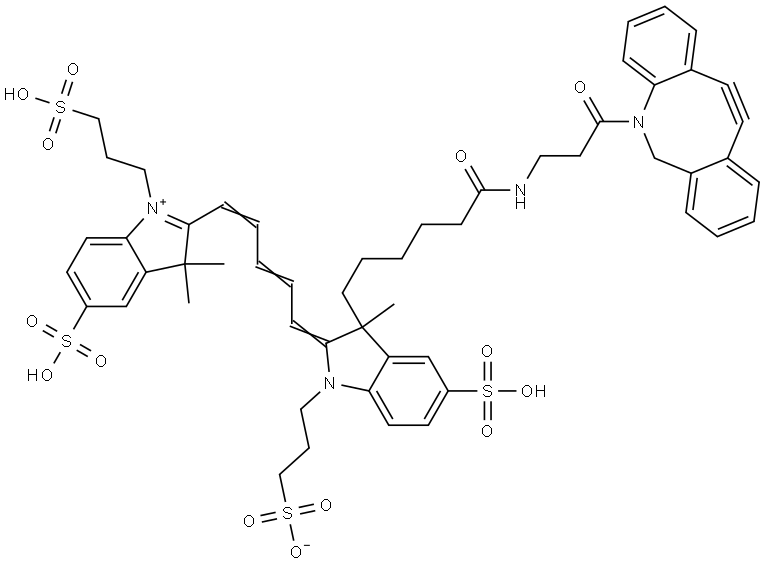
| DC68093 | AF647-DBCO Featured |
|
|
| DC68092 | AF647 C2 maleimide Featured |
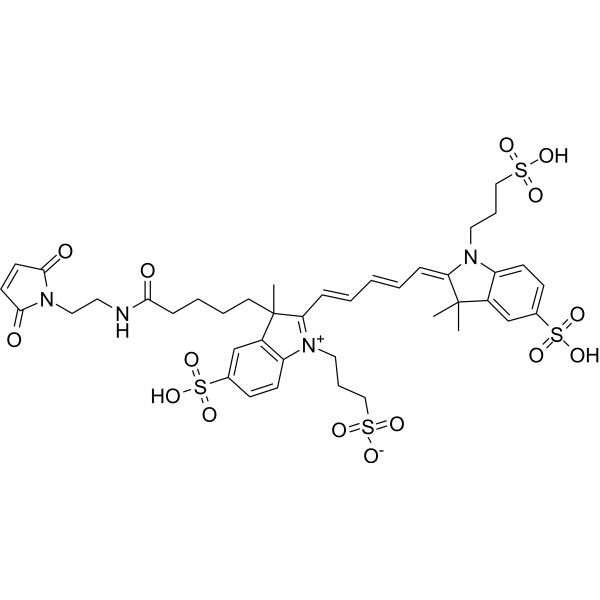
Alexa fluor 647 maleimide is a bright, far-red-emitting fluorescent dye for labeling of protein SH groups (Ex/Em = 656/670 nm). Alexa fluor 647 maleimide can be used to attach AF 647 fluorophore to proteins and peptides containing cysteine residues, as well as to other thiolated molecules (such as thiol-containing oligonucleotides). Alexa Fluor 647 maleimide is promising for research of cell biology, neuroscience, and disease diagnostics.
More description
|
|
| DC68091 | AF647 NHS ester Featured |
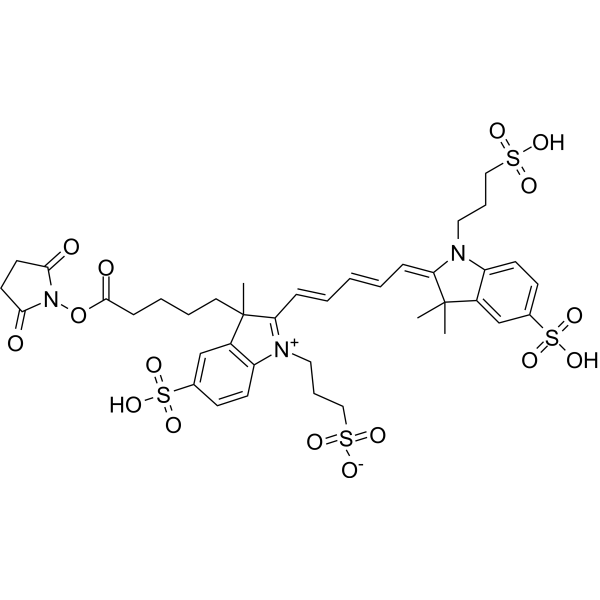
Alexa fluor 647 NHS ester can be used to label Alexa fluor 647 to the primary amines (R-NH2) of proteins, amine-modified oligonucleotides, and other amine-containing molecules.
More description
|
|
| DC68090 | AF647 acid Featured |
|
|
| DC33945 | BODIPY FL amine Featured |
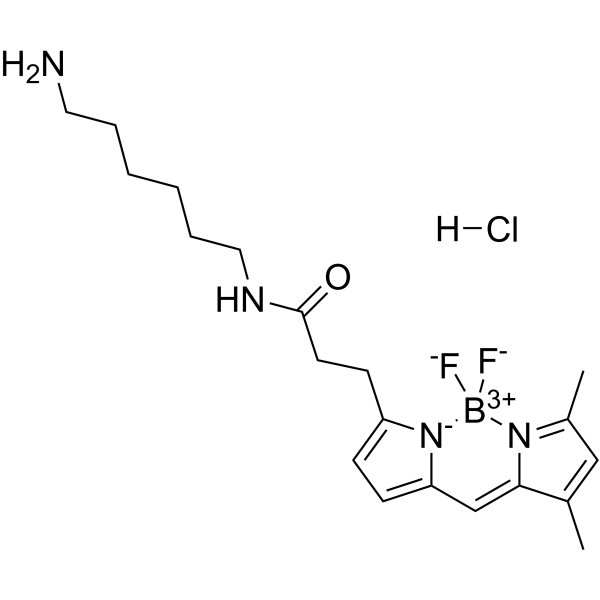
Amino derivative of BDP FL dye, a borondipyrromethene dye for FAM channel. This reagent possesses good aqueous solubility.
More description
|
|
| DC68088 | BODIPY 650-X, SE Featured |
|
|
| DC68087 | BODIPY 630-X, SE Featured |
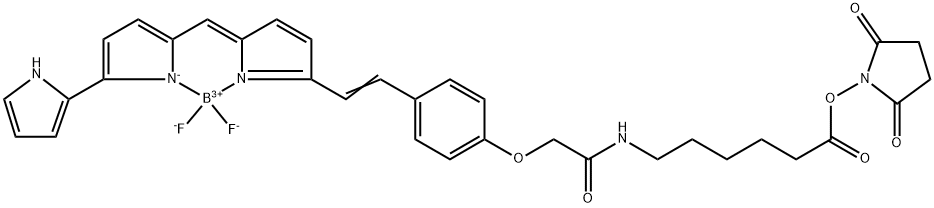
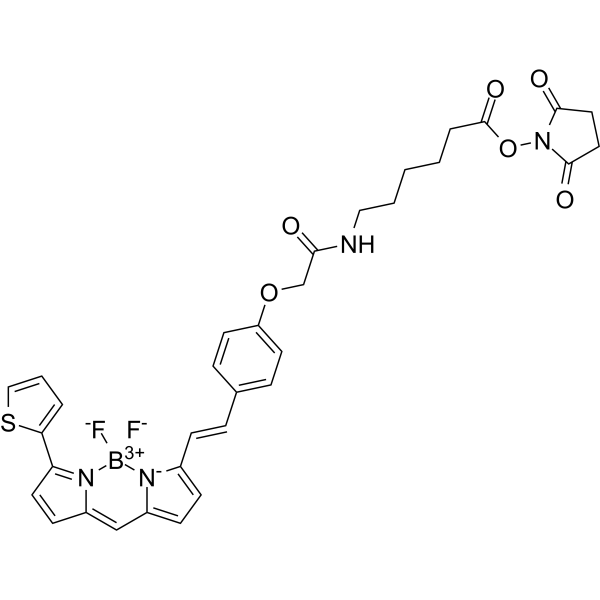
BODIPY 630/650X is a red fluorescent dye that targets amine groups. BODIPY 630/650X displays excitation/emission maxima of 630/650 nm, respectively. BODIPY 630/650X can be used to covalently label proteins, antibodies, or other amine-containing biomolecules for detection and imaging.
More description
|
|
| DC35287 | BDP FL DBCO Featured |
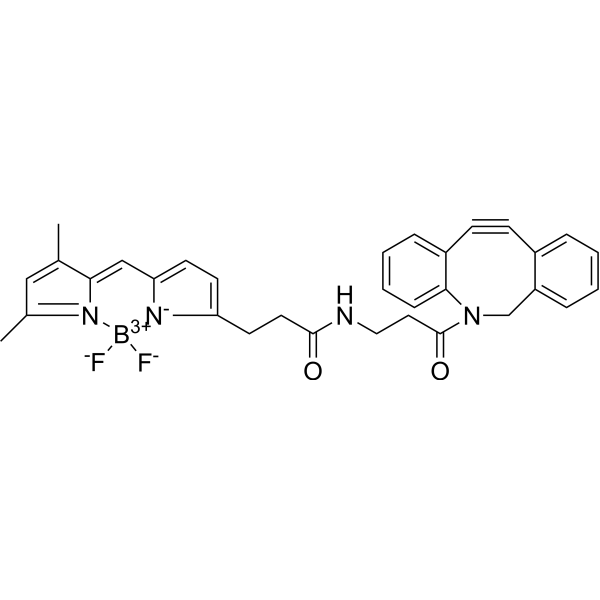
BDP FL DBCO is a PEG derivative containing a reactive DBCO group. DBCO will react with azide-bearing compounds or biomolecules to form a stable triazole linkage without copper catalyst.
More description
|
|
| DC12023 | dBET1 Featured |
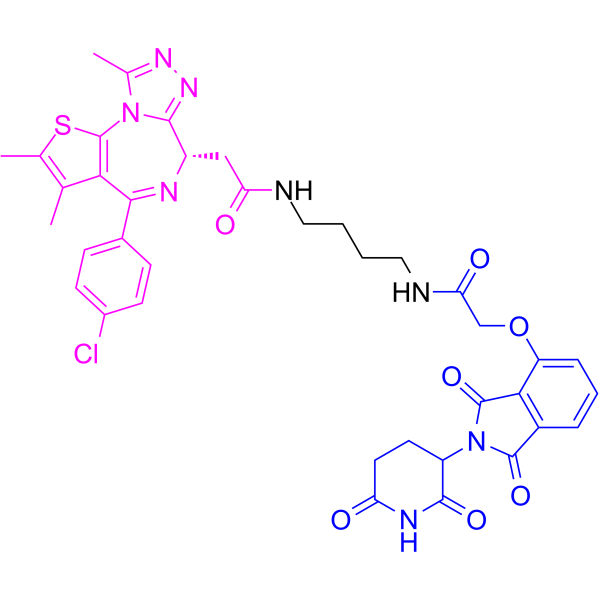
dBET1 is a potent BRD4 protein degrader based on PROTAC technology with an EC50 of 430 nM.
More description
|
|
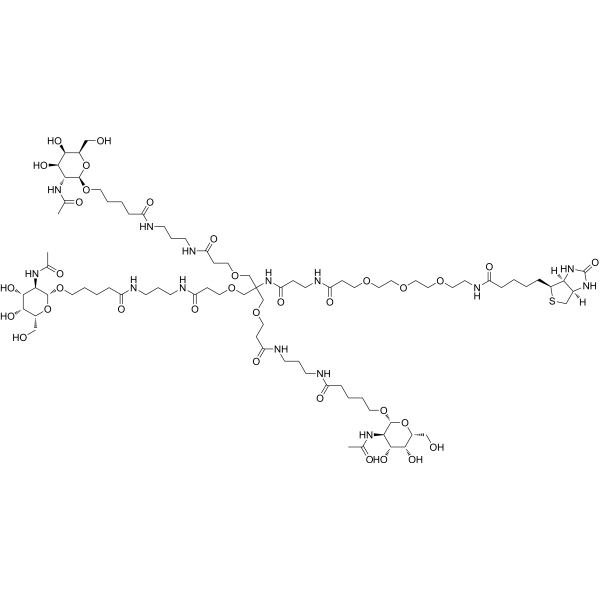
| DC68086 | tri-GalNAc biotin Featured |
tri-GalNAc biotin is a biotinylated ASGPR (Asialoglycoprotein receptor) ligand. tri-GalNAc biotin promotes cellular uptake of neutravidin (NA) via ASGPR. tri-GalNAc biotin delivers neutravidin to lysosomes for degradation. tri-GalNAc biotin can be used for research of LYsosome TArgeting Chimera (LYTAC).
More description
|
|
