 To enhance service speed and avoid tariff delays, we've opened a US warehouse. All US orders ship directly from our US facility.
| Cat. No. | Product Name | Field of Application | Chemical Structure |
|---|---|---|---|
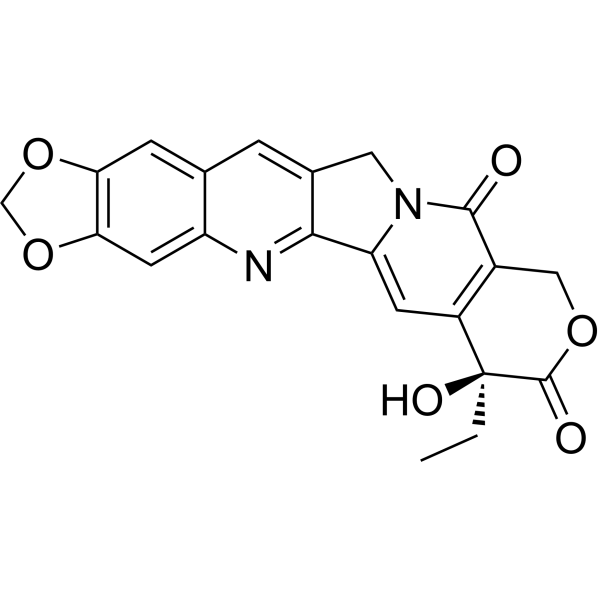
| DC74588 | FL118 Featured |
FL118(10,11-(Methylenedioxy)-20(S)-camptothecin), a Camptothecin analog, is a potent and orally active inhibitor of Survivin. FL118 also selectively and independently inhibits three additional cancer-associated survival genes Mcl-1, XIAP, and cIAP2 in a p53 status-independent manner. FL118 displays potent antitumor activity and can be used in cancer research.
More description
|
|
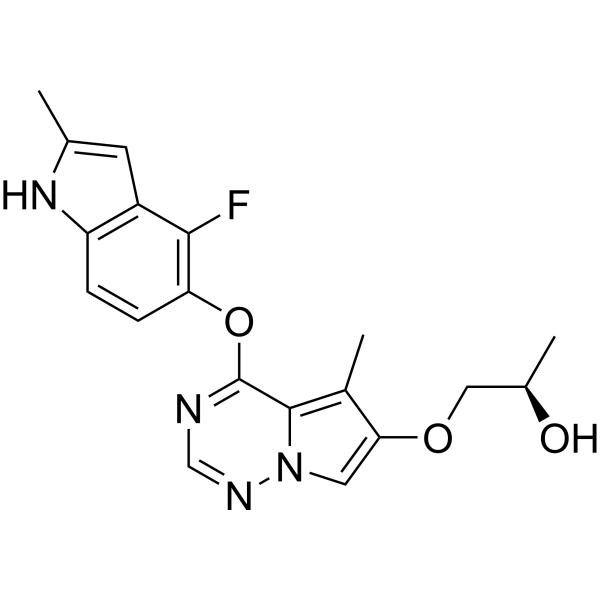
| DC2019 | Brivanib (bms-540215) Featured |
Brivanib is an ATP-competitive inhibitor against human VEGFR2 and FGFR with IC50 of 25 nM and 148 nM, respectively.
More description
|
|
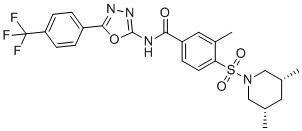
| DC72931 | HSGN-189 Featured |
HSGN-189 is a potent lipoteichoic acid (LTA) biosynthesis inhibitor, exhibits potent antibacterial activity against both MRSA and VRE strains with MICs of 1 ug/mL.
More description
|
|
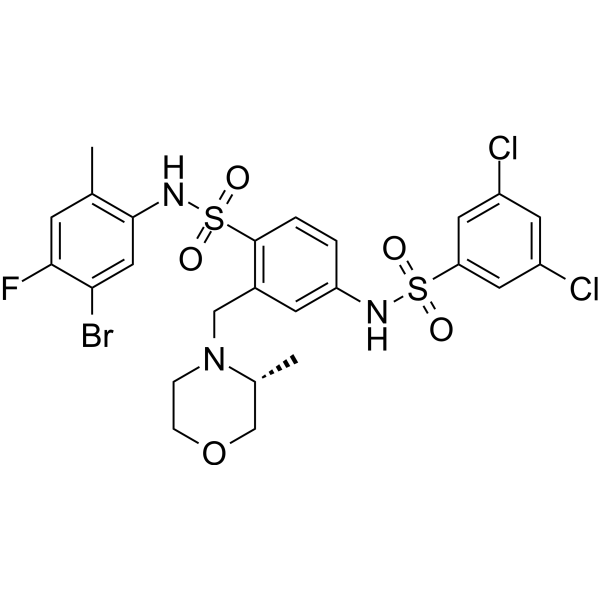
| DC73354 | MDL-811 Featured |
MDL-811 (MDL811) is a potent, selective and allosteric SIRT6 activator with EC50 of 5.7 uM (activated SIRT6 deacetylation), two-fold greater activity than MDL-800 (EC50=12.3 uM, Cat# 35760).
More description
|
|
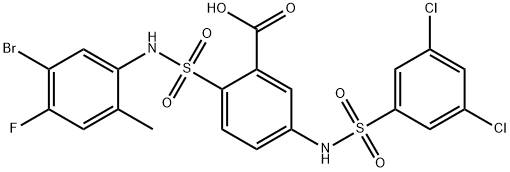
| DC42689 | MDL-801 Featured |
Novel activator of SIRT6 deacetylation
More description
|
|
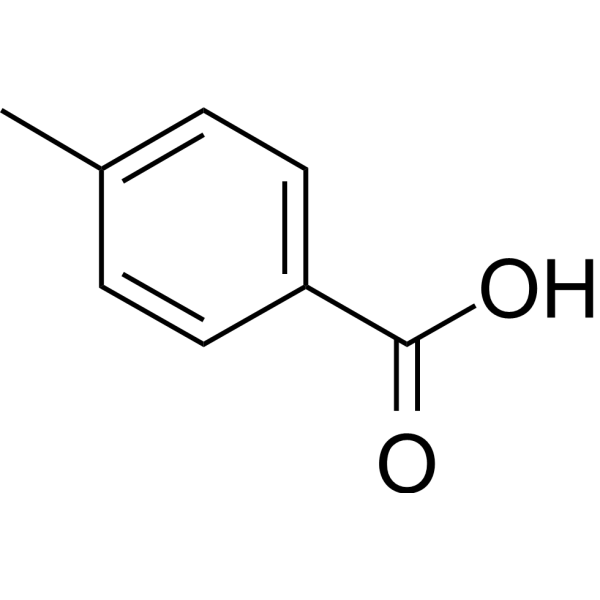
| DC74589 | p-Toluic acid Featured |
p-Toluic acid (4-Methylbenzoic acid) is a methylbenzoic acid and can be used as an intermediate for the synthesis of para-aminomethylbenzoic acid (PAMBA), p-tolunitrile, etc. It also exhibits hepatotoxicological potential in humanised-liver mice.
More description
|
|
| DC68055 | IPN01203 Featured |
IPN01203 is a potential first-in-class T cell‑activating fusion protein designed to selectively engage Vβ6 T cells through both the T cell receptor (TCR) and the IL‑15 receptor pathway. Rather than relying on broad, non‑specific T cell stimulation, this approach aims to enhance antitumor immunity by activating a more focused subset of the T cell repertoire.
More description
|

|
| DC68054 | JNJ-89862175 Featured |
JNJ-89862175 is an antibody-drug conjugate (ADC) directed against ENPP3, currently under development for the treatment of advanced solid tumors. This program highlights the potential of ENPP3 as a tumor-associated antigen for targeted payload delivery, expanding ADC development beyond more established surface targets in the field.
More description
|
|
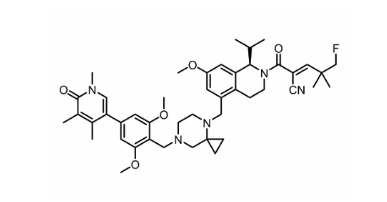
| DC68052 | CID-078 Featured |
CID-078 is an orally bioavailable macrocyclic compound that binds to the RxL groove of both cyclin A and cyclin B. By engaging this conserved docking site, it blocks their interactions with multiple components of the cell cycle machinery. More specifically, this agent disrupts HP-RxL motif‑mediated protein–protein interactions within the cyclin A2/CDK2‑E2F1 and cyclin B1/CDK1‑MYT1 complexes. The resulting interference leads to cell cycle arrest and triggers apoptotic cell death in tumor cells.
More description
|
|
| DC68051 | HLX316(E-688) Featured |
HLX316 is a potential first-in-class glyco-editing biologic developed using Palleon's EAGLE platform. It is constructed by fusing a human-derived sialidase enzyme with a human anti-B7-H3 monoclonal antibody. By targeting B7-H3-expressing tumor cells, this agent drives their desialylation, thereby reversing glycosylation-mediated immune suppression within the tumor microenvironment.
More description
|
.png)
|
| DC68049 | AZD8359 Featured |
AZD8359 is a STEAP2-targeting T-cell engager. STEAP2 is a highly specific prostate-associated surface antigen that is strongly expressed across all stages of prostate adenocarcinoma. Built on AstraZeneca’s TITAN platform, AZD8359 is engineered to bias activity toward CD8+ T cells. Its "2+1" antibody format favors CD8+ over CD4+ T cells, preserving tumor cell killing while reducing the risk of cytokine release syndrome and off-target toxicity.
More description
|
.png)
|
| DC68050 | EPI-326 Featured |
This therapeutic candidate, known as EpiTAC, is a tissue-selective bispecific antibody developed for EGFR-driven cancers. It works by binding to ITGB6 (integrin subunit beta-6), which promotes the degradation of both wild-type and mutant forms of EGFR specifically within tumor tissues. This triggers lysosome-mediated protein breakdown, potentially expanding the reach of EGFR-targeted therapy beyond currently defined mutation-restricted patient populations.
More description
|
|
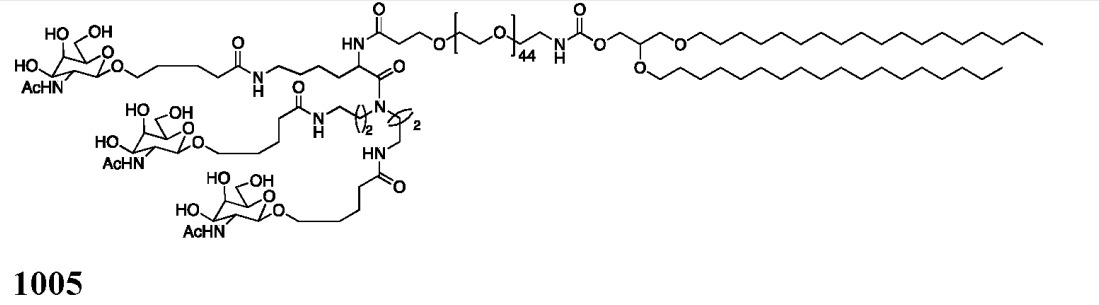
| DC67444 | GalNAc Lipid 1005 Featured |
GalNAc Lipid 1005 is a trivalent GalNAc-lipid conjugate designed for ASGPR-mediated hepatic delivery. It features a lysine-based scaffold covalently linked to three GalNAc moieties via a 44-unit PEG spacer, anchored by a 1,2-O-dioctadecyl-sn-glyceryl (DSG) lipid tail.
More description
|
|
| DC60502 | GalNAc Lipid GL6(GalNAc Lipid 1004) Featured |
GL6 is a trivalent GalNAc-lipid conjugate designed for ASGPR-mediated hepatic delivery. It features a lysine-based scaffold covalently linked to three GalNAc moieties via a 36-unit PEG spacer, anchored by a 1,2-O-dioctadecyl-sn-glyceryl (DSG) lipid tail. This structure balances ligand accessibility (via optimized PEG length) and nanoparticle stability (via hydrophobic DSG anchoring). Compared to GL3 (TRIS scaffold, same PEG length), GL6’s simplified lysine scaffold improves manufacturability. In LDLR-deficient models, GL6 enabled 61% liver editing (vs. 5% with standard LNPs) at 2 mg/kg, demonstrating superior ASGPR targeting. Its design minimizes ligand crowding (0.05 mol% surface density) while maximizing endosomal escape and durable gene editing.
More description
|

|
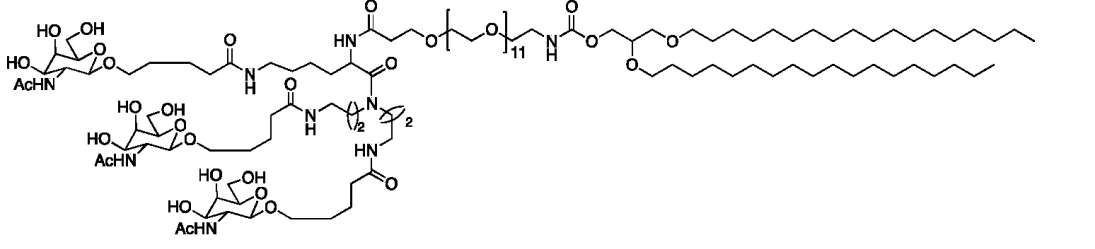
| DC67443 | GalNAc Lipid 1002 Featured |
GalNAc Lipid 1002 is a trivalent GalNAc-lipid conjugate designed for ASGPR-mediated hepatic delivery. It features a lysine-based scaffold covalently linked to three GalNAc moieties via a 12-unit PEG spacer, anchored by a 1,2-O-dioctadecyl-sn-glyceryl (DSG) lipid tail.
More description
|
|
| DC67408 | Galnac Lipid 29 Featured |

|
|
| DC67409 | Galnac Lipid 83 Featured |
Galnac Lipid 83 is developed by Prime Medicine Patent: WO2024220807.Galnac Lipid 83 83 is a GalNAc-conjugated lipid designed for targeted liver delivery. It features a triantennary GalNAc ligand linked via a PEG spacer (e.g., -(CH2CH2O)n-) to a branched hydrophobic tail (C18 alkyl chains). The structure includes amide/ester bonds for stability and a stereospecific configuration (R/S) to optimize ASGPR receptor binding. Integrated into lipid nanoparticles (LNPs), it enhances hepatic uptake of nucleic acids (e.g., mRNA, gene editors) by leveraging ASGPR-mediated endocytosis. Its design balances hydrophilicity (PEG) and lipophilicity (alkyl chains) for efficient encapsulation and in vivo delivery, supporting therapeutic applications in liver-specific gene editing or RNA therapies.
More description
|

|
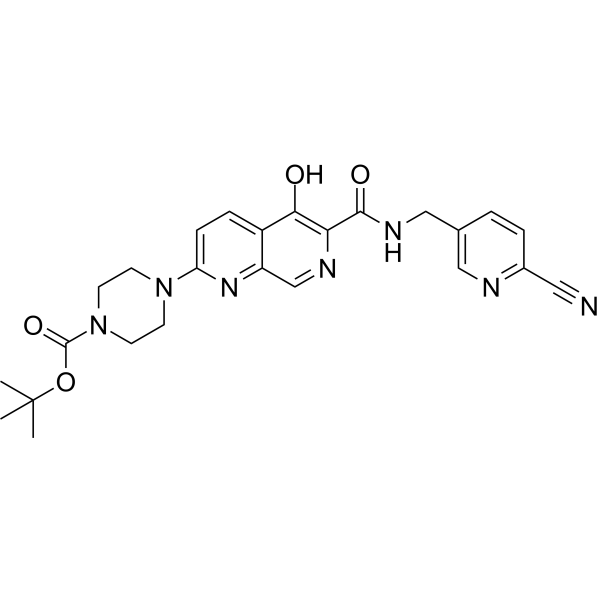
| DC60936 | ISM012-042 Featured |
ISM012-042 is an orally active, selective inhibitor of PHD1 and PHD2, with IC50 values of 1.9 nM and 2.5 nM, respectively. ISM012-042 stabilizes HIF1α protein in intestinal epithelial cells, thereby activating gene transcription programs associated with mucus production, tight junction formation, anti-inflammatory mediator generation and wound healing, which fundamentally promotes mucosal barrier repair and regulates intestinal immunity. ISM012-042 can be used for the research of inflammatory bowel disease.
More description
|
|
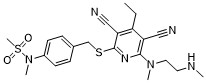
| DCC2388 | GSK3830052 Featured |
GSK3830052 is a novel DNMT1-selective inhibitor (IC50 = 0.11 ± 0.02 µM). In in vitro assays, compounds in this series, including GSK3830052, inhibit human DNMT1 activity selectively over DNMT3A/3B, produce robust DNA hypomethylation, and trigger transcriptional reactivation and anti‑proliferative effects in leukemia cell lines at low‑micromolar concentrations. In animal models, analogs of this series achieve significant tumor regression and survival benefit in acute myeloid leukemia xenografts with improved tolerability compared to decitabine, demonstrating dose‑dependent antitumor efficacy with reduced hematologic toxicity, although specific numeric IC₅₀/ED₅₀ values for GSK3830052 alone aren’t detailed in the open article.
More description
|
|
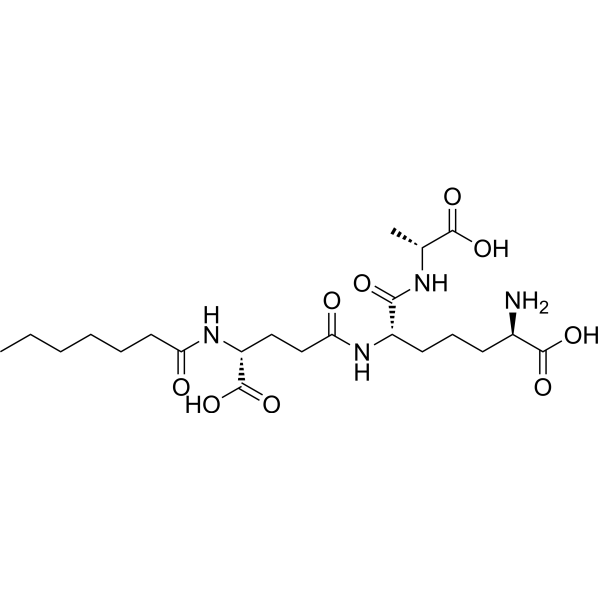
| DC73528 | FK 565 Featured |
FK565 is an immunoactive peptide and a nucleotide-binding oligomerization domain (Nod)-1 ligand agonist.
More description
|
|
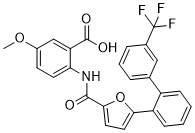
| DC68048 | PSB-24040 Featured |
PSB-24040 is a potent antagonist of orphan receptor GPR17 with Ki of 83.2 nM, and pIC50 of 7.48 in calcium mobilization assays.
More description
|
|
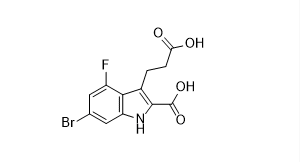
| DCC4292 | Psb-18422 Featured |
Novel Potent Agonist of the Orphan G Protein-Coupled Receptor GPR17 (EC 50 27.9 nM)
More description
|
|
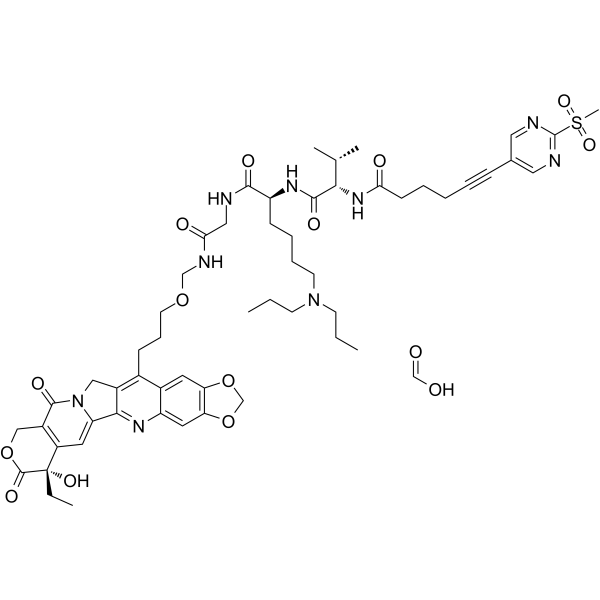
| DC68047 | DL-01 formic Featured |
DL-01 formic is a drug-linker conjugates for ADC that can be used for the synthesis of ADCs.
More description
|
|
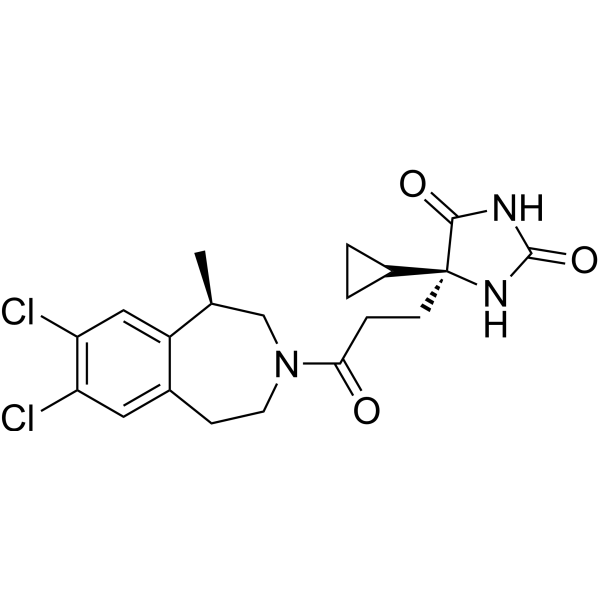
| DC49962 | ADAMTS-5-IN-3 Featured |
ADAMTS-5-IN-3 (Example 37-2) is a potent inhibitor of ADAMTS-5 and ADAMTS-4 with IC50s of 8 and 12 nM, respectively. ADAMTS-5-IN-3 can be used for the research of diseases involving degradation of cartilage or disruption of cartilage homeostasis, in particular osteoarthrosis and/or rheumatoid arthritis.
More description
|
|
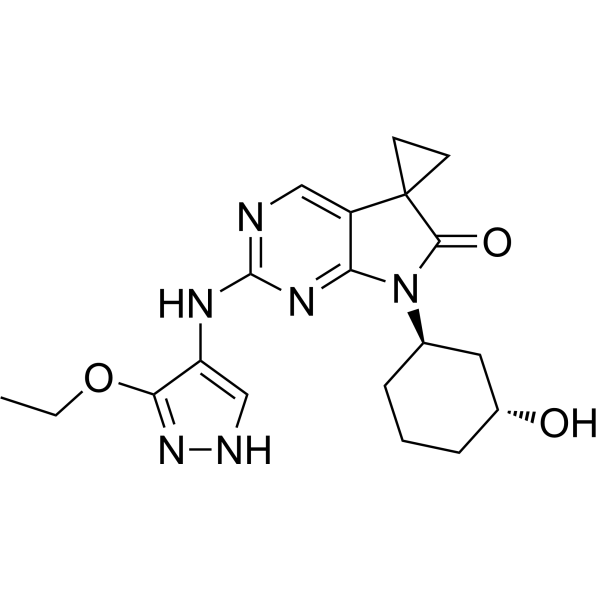
| DC68046 | ECI830 Featured |
ECI830 (CDK2-IN-37) is an orally active, ATP-competitive and highly selective CDK2 inhibitor. ECI830 shows high selectivity over other CDK family members. ECI830 can be used for the study of HR+/HER2- breast cancer and CCNE1-amplified tumors (such as ovarian cancer and lung cancer).
More description
|
|
| DC77616 | MS9024 Featured |
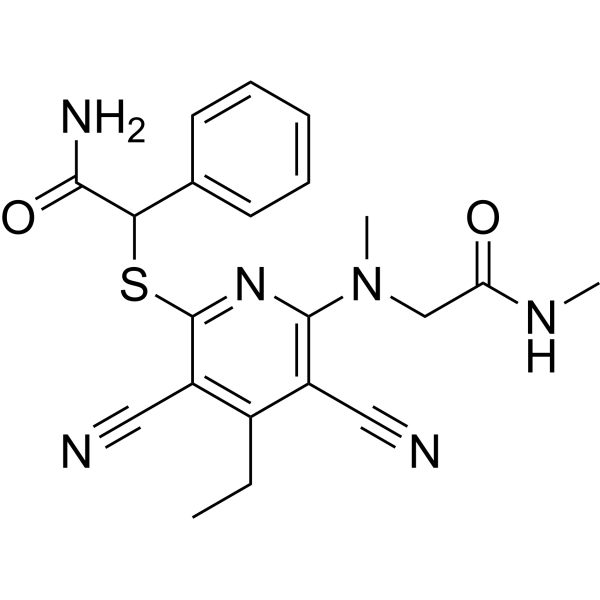
MS9024 is the degrader for DNA methyltransferase 1 that degrades DNMT1 in cell HCT116 through the ubiquitin-proteasome pathway with a DC50 of 35 nM (DC50 in MDA-MB-468 and H1299 is 254 nM and 101 nM). MS9024 also inhibits DNMT1 with an IC50 of 0.43 μM.
More description
|
|
| DC79246 | C199 Featured |
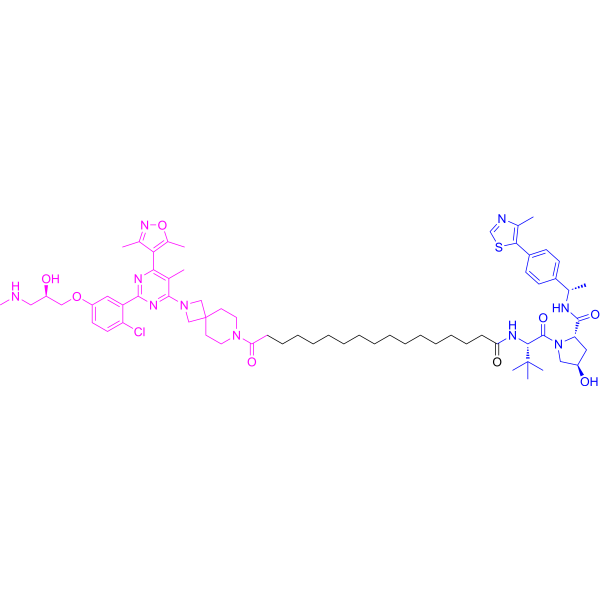
C199 is a PROTAC degrader targeting PRMT4 (DC50 = 106 nM). C199 shows high selectivity for PRMT4 over other protein arginile methyltransferases. C199 exhibits strong cell degradation ability. C199 induces apoptosis in MM cell lines. C199 efficiently clears PRMT4 protein via the VHL-proteasome pathway. C199 has a relatively long half-life and shows strong anti-multiple myeloma (MM) tumor activity.
More description
|
|
| DC65328 | AA-T3A-C12 Featured |
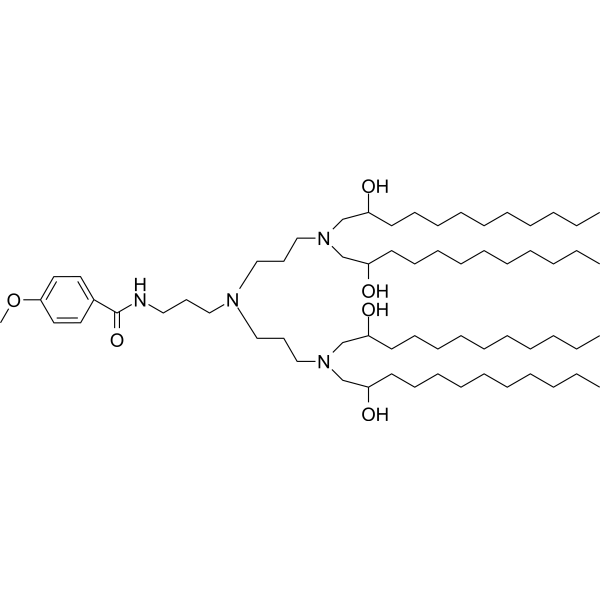
AA-T3A-C12 is a leading anisamide-tethered lipidoid (AA-lipidoid) identified through a combinatorial library screening for targeted RNA delivery to activated fibroblasts, offering a promising approach to treat liver fibrosis.AA-T3A-C12 is a leading anisamide-tethered lipidoid (AA-lipidoid) identified through a combinatorial library screening for targeted RNA delivery to activated fibroblasts, offering a promising approach to treat liver fibrosis. It is synthesized via a one-pot, two-step modular method that combines anisamide—a ligand for sigma receptors overexpressed on activated hepatic stellate cells (HSCs)—with a T3A polyamine core and C12 epoxide tails, enabling efficient siRNA encapsulation in lipid nanoparticles (LNPs).
In vitro, AA-T3A-C12 LNPs exhibit enhanced cellular uptake and gene silencing in activated fibroblasts, dependent on sigma receptor binding, as confirmed by haloperidol blockade studies, and outperform non-targeted analogs and the FDA-approved MC3 LNPs in fibroblast selectivity.In a mouse model of CCl4-induced liver fibrosis, AA-T3A-C12/siHSP47 LNP achieves approximately 65% knockdown of heat shock protein 47 (HSP47), a key fibrotic target, leading to significant reduction in collagen deposition and fibrosis alleviation, with a good safety profile and no exacerbation of liver injury.
More description
|
|
| DC60215 | Moderna Lipid 29 Featured |
Lipid 29 is an ionizable amino lipid (pKa = 6.91) from Moderna platform that has been used in combination with other lipids in the formation of lipid nanoparticles (LNPs).Administration of human erythropoietin (EPO) mRNA in lipid 29-containing LNPs increases serum EPO levels in mice.
More description
|

|
| DC60579 | Lipid B3 Featured |
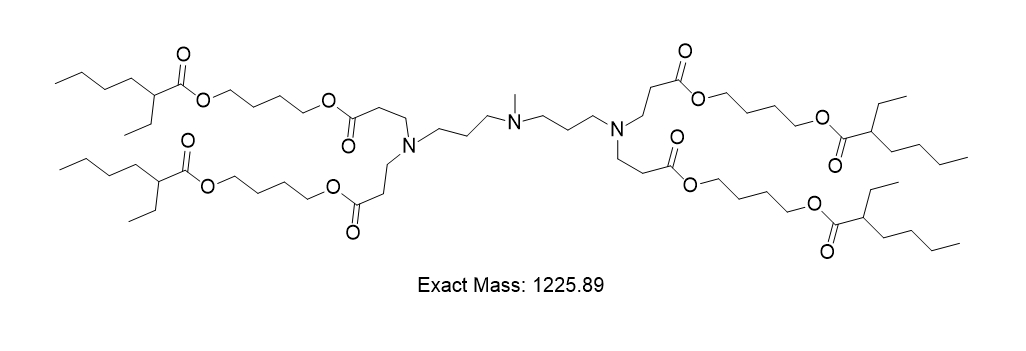
Lipid B3 is a biodegradable ionizable lipid for liver targeted delivery. Lipid B3-LNP shows high delivery efficacy and low toxicity in delivering RNA to liver cells.
More description
|
|
