 To enhance service speed and avoid tariff delays, we've opened a US warehouse. All US orders ship directly from our US facility.
| Cat. No. | Product Name | Field of Application | Chemical Structure |
|---|---|---|---|
| DCL0013 | iL-19 Featured |
iL-19 is an aminoethoxy-functionalized ionizable lipid with a triamine scaffold, two ester linkages and four doubly branched hydrophobic tails. It was identified as the overall lead for circular RNA delivery in a 2026 JACS study. With circRNA encoding firefly luciferase, iL-19 LNPs produced approximately 28-fold higher expression than the SM-102 benchmark in C2C12 cells and approximately 2.5-fold higher expression after intramuscular administration in BALB/c mice under the reported conditions. The reported circRNA formulation uses iL-19, DSPC, cholesterol and DMG-PEG2000 at 50:10:38.5:1.5 mol%. It supports preclinical investigation of circular RNA delivery to muscle; comprehensive safety and immunogenicity evaluation remains outstanding.
More description
|

|
| DC52025 | SM-102 Featured |
SM-102 is an ionizable amino lipid that has been used in combination with other lipids in the formation of lipid nanoparticles.Administration of luciferase mRNA in SM-102-containing lipid nanoparticles induces hepatic luciferase expression in mice. Formulations containing SM-102 have been used in the development of lipid nanoparticles for delivery of mRNA-based vaccines.
More description
|

|
| DC82301 | IC-8(lipid MIC5) Featured |
IC8 is an ionizable cationic lipid. It has been used in combination with other lipids for the formation of lipid nanoparticles (LNPs). Immunization with severe acute respiratory coronavirus 2 (SARS-CoV-2) spike glycoprotein mRNA in IC8- and manganese-containing LNPs induces IgG responses to SARS-CoV-2 Delta and Omicron variants in mice.1 Administration of mRNA encoding B7-H3 X CD3 bispecific T cell engaging (BiTE) antibodies in IC8-containing LNPs reduces tumor growth in MV4-11 and A375 mouse xenograft models.
More description
|

|
| DC60478 | ALC-0366 Featured |
ALC 0366 is an ionizable cationic lipid (pKa = 6.25) from Biontech,which is derived from ALC-0315. ALC0366 has been used as a key component of LNP to deliver BNT142, a lipid nanoparticle (LNP)-formulated RNA (RNA-LNP) encoding a T cell-engaging bispecific antibody that monovalently binds the T cell marker CD3 and bivalently binds claudin 6 (CLDN6), an oncofetal antigen that is absent from normal adult tissue but expressed on various solid tumors.
More description
|

|
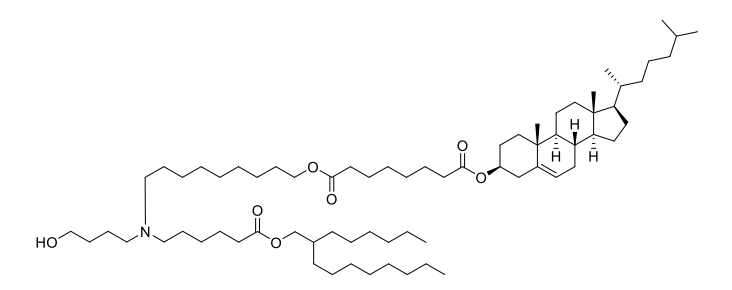
| DC67617 | iChol15-C4A2 Featured |
iChol15-C4A2 is a groundbreaking ionizable cholesteryl lipid, expertly designed to overcome the primary challenge of liver-centric accumulation in mRNA therapeutics. Its innovative "two-in-one" structure seamlessly integrates cholesterol with an ionizable headgroup, enabling the formation of stable, three-component Lipid Nanoparticles (Tc-LNPs).The key advantage of Tc-LNPs formulated with iChol15-CA2 is their significantly reduced adsorption of Apolipoprotein E (ApoE).This unique property directly attenuates ApoE/LDLR-mediated uptake by liver cells, dramatically shifting biodistribution toward extrahepatic tissues. Peer-validated research demonstrates a remarkable 20-50 fold increase in the spleen-to-liver mRNA expression ratio compared to standard LNPs like ALC-0315, unlocking unparalleled potential for targeting the immune system.
Beyond its superior targeting capability, iChol15-C4A2 ensures high mRNA encapsulation efficiency, excellent colloidal stability, and proven biocompatibility. It offers a powerful, off-the-shelf solution to advance next-generation mRNA applications, from innovative vaccines and cancer immunotherapies to treatments for splenic disorders. Discover how iChol15-C4A2 can transform your delivery platform.
More description
|
|
| DCL0009 | Lipid 01-1 Featured |
Lipid 01-1 is an ionizable lipid investigated for lipid nanoparticle delivery of mRNA encoding a CD19/CD3 bispecific T-cell engager. In WO2024131874A1, 01-1-based LNPs supported serum antibody expression and were used in a Nalm6 leukemia model with human PBMCs. A single intravenous dose of mRNA1-LNPs reduced tumor bioluminescence relative to controls and the recombinant antibody regimen tested. Its structure combines a hydroxyl-bearing diamine headgroup, a cyclobutyl substituent and two ester-linked branched hydrophobic groups.
More description
|

|
| DCL0008 | Lipid 03-135 Featured |
Lipid 03-135 is an ionizable lipid investigated for lipid nanoparticle delivery of mRNA encoding a CD19/CD3 bispecific T-cell engager developed by Abogen. In WO2024131874A1, its formulation showed the highest plotted serum antibody concentrations at 24 and 48 hours among five tested lipids after a single intravenous dose of mRNA1 in NOD/SCID mice.
More description
|

|
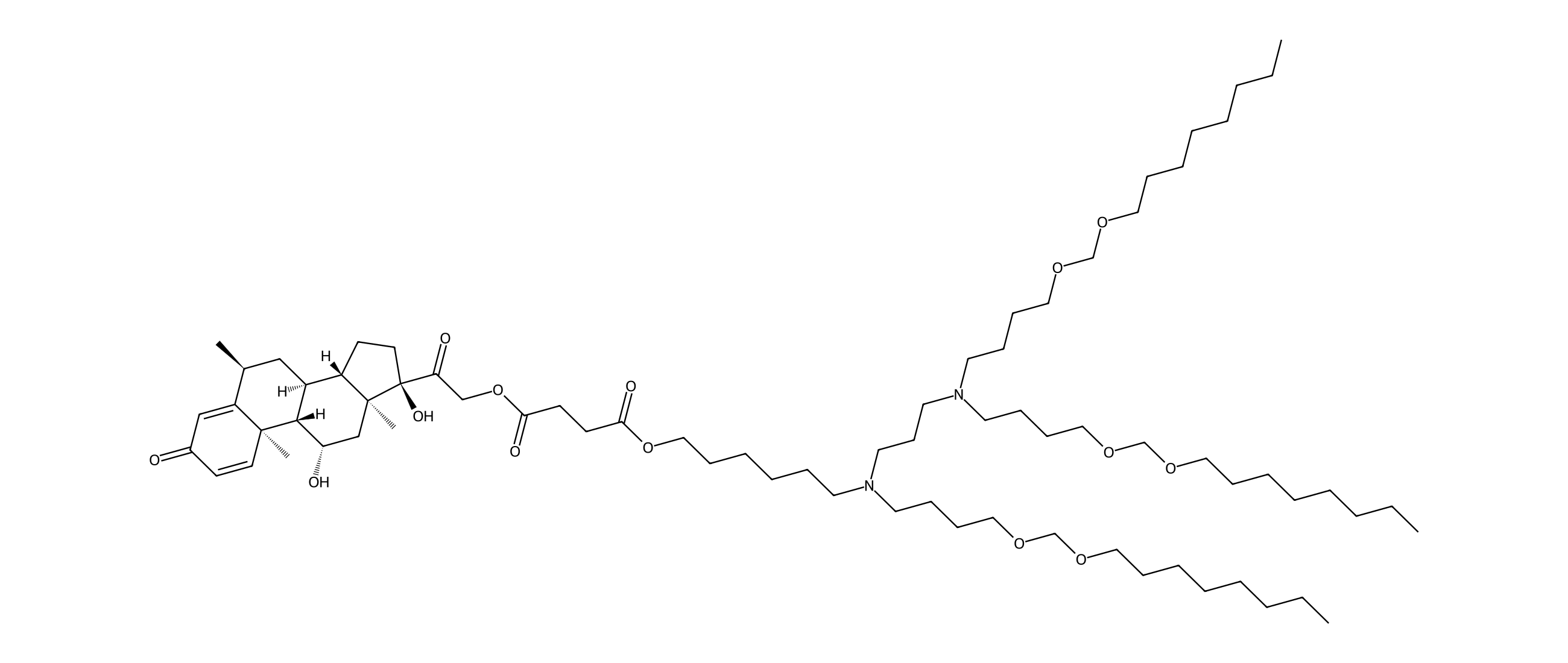
| DCL0007 | MP2 Featured |
MP2 is a methylprednisolone-derived ionizable lipid with a steroidal headgroup and three acetal-containing C8 tails. In the cited study, MP2 was formulated with DOPE, cholesterol and DMG-PEG2k for rectal mRNA delivery to inflamed colonic tissue. The MP2 formulation produced about 15-fold higher colonic luciferase signal than the study's SM102 formulation in TNBS colitis mice.
More description
|
|
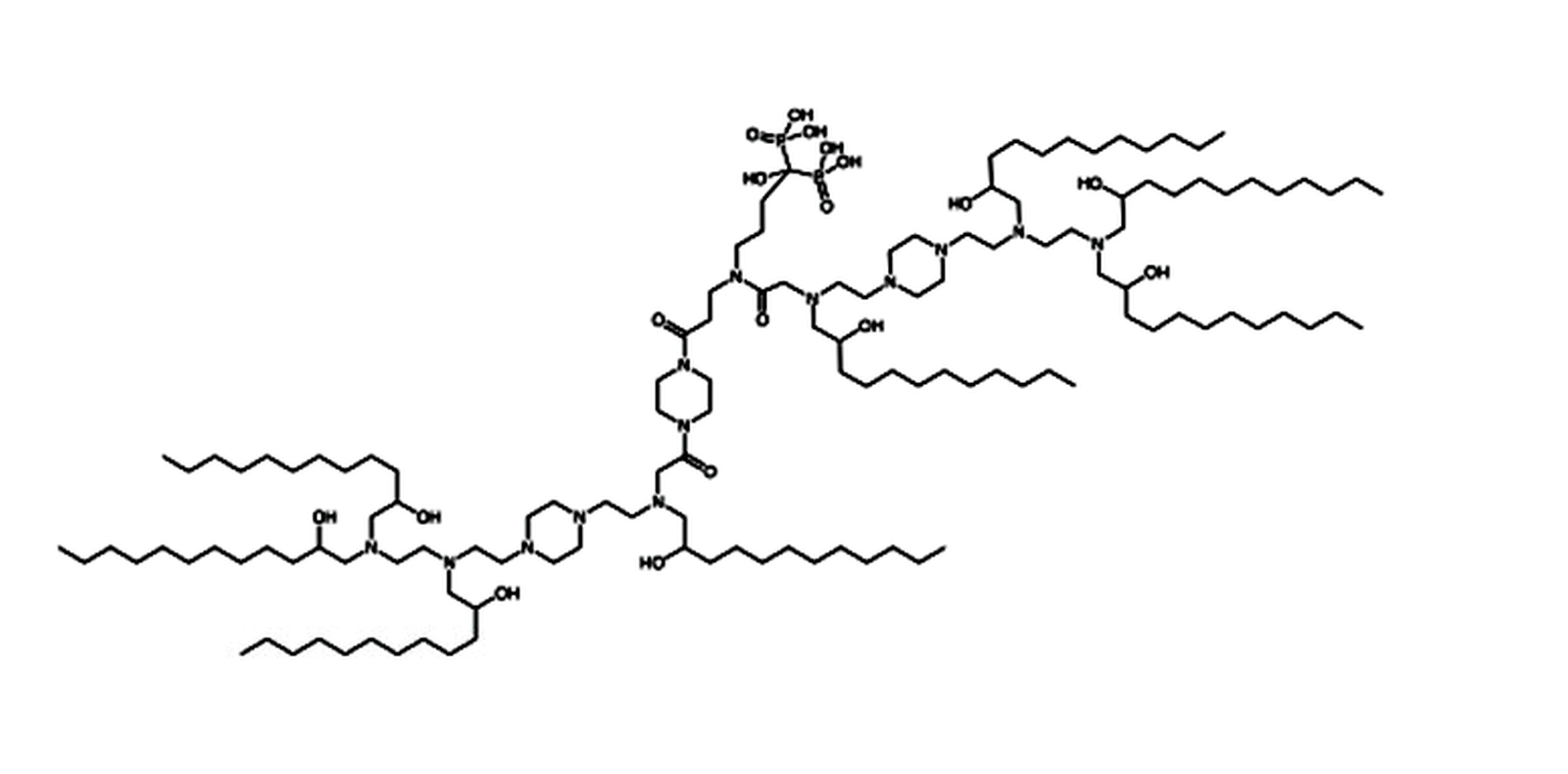
| DCL0006 | BP-200-C12 Featured |
BP-200-C12 is a bisphosphonate-linked ionizable lipid selected from a 21-member library in Liu et al. for local RNA delivery at mineralized tissue interfaces.
More description
|
|
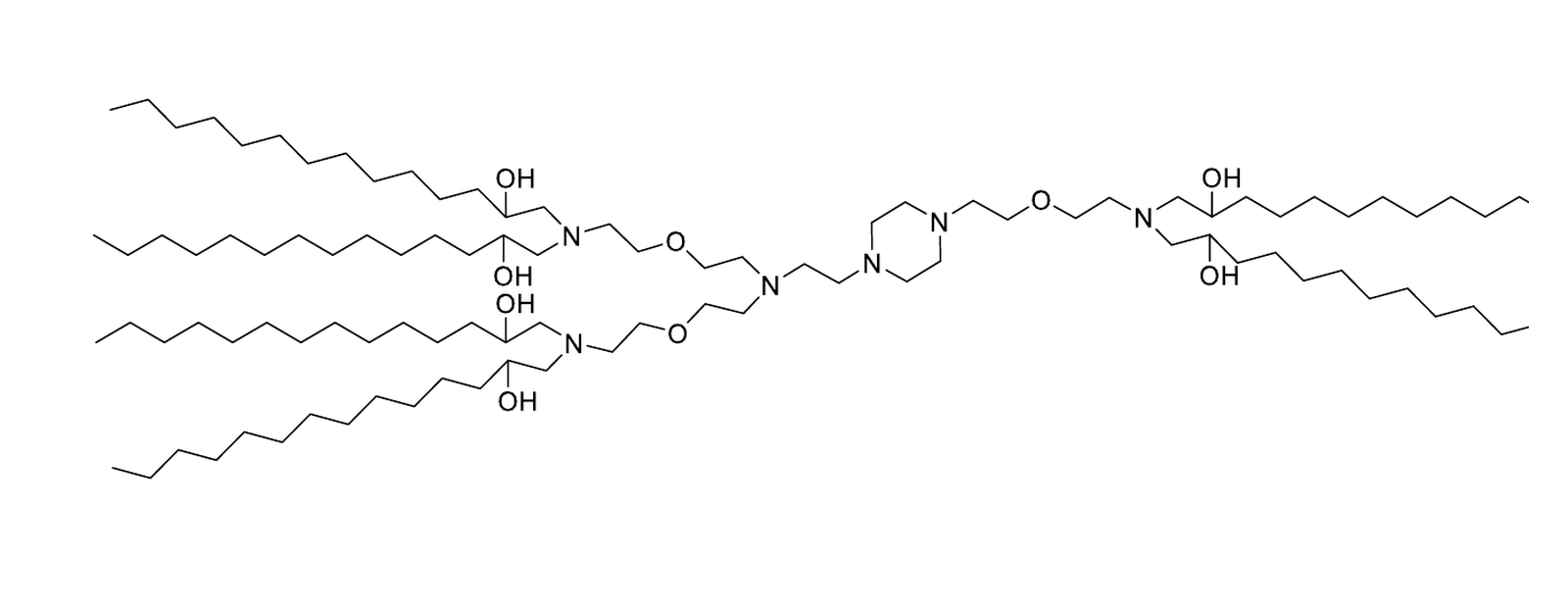
| DCL0005 | Lipid 6 Featured |
Lipid 6 is the lead ionizable lipid among eight candidates screened by Gao et al. for mRNA delivery to primary human immune cells. Lipid 6 LNPs were used to generate MUC1-CAR T cells ex vivo and to assess their cytotoxicity against MUC1-positive cancer cell lines in vitro. Mouse reporter-mRNA expression was studied separately; in vivo antitumor efficacy of the CAR T cells was not established.
More description
|
|
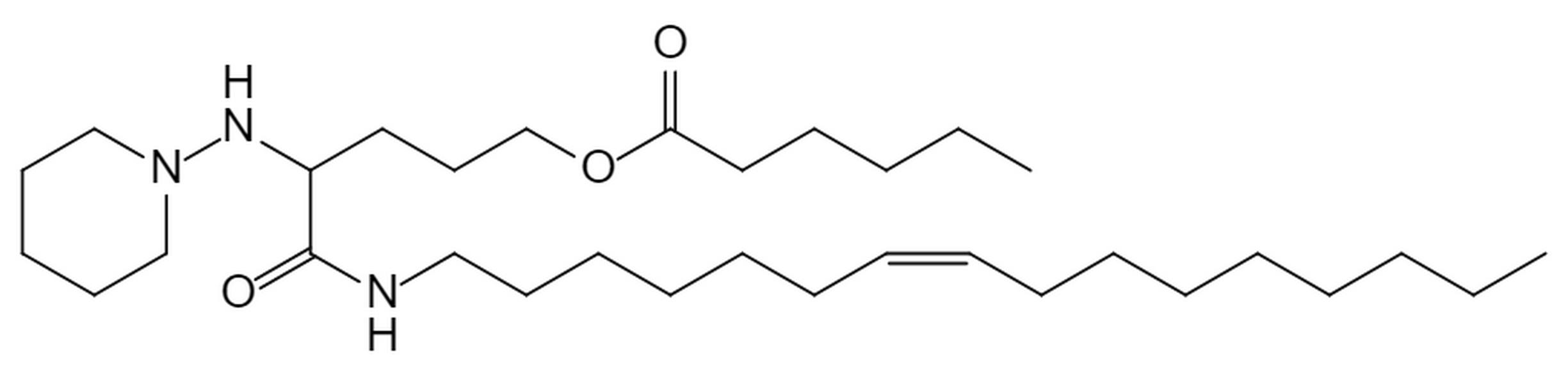
| DC60466 | Lipid H9 Featured |
H9 is a new ionizable lipid driven from AI-Guided Ionizable Lipid Engineering (AGILE) platform for mRNA delivery. H9 LNPs shows superior mRNA transfection potency compared to LNPs containing (D-Lin-MC3-DMA).
More description
|
|
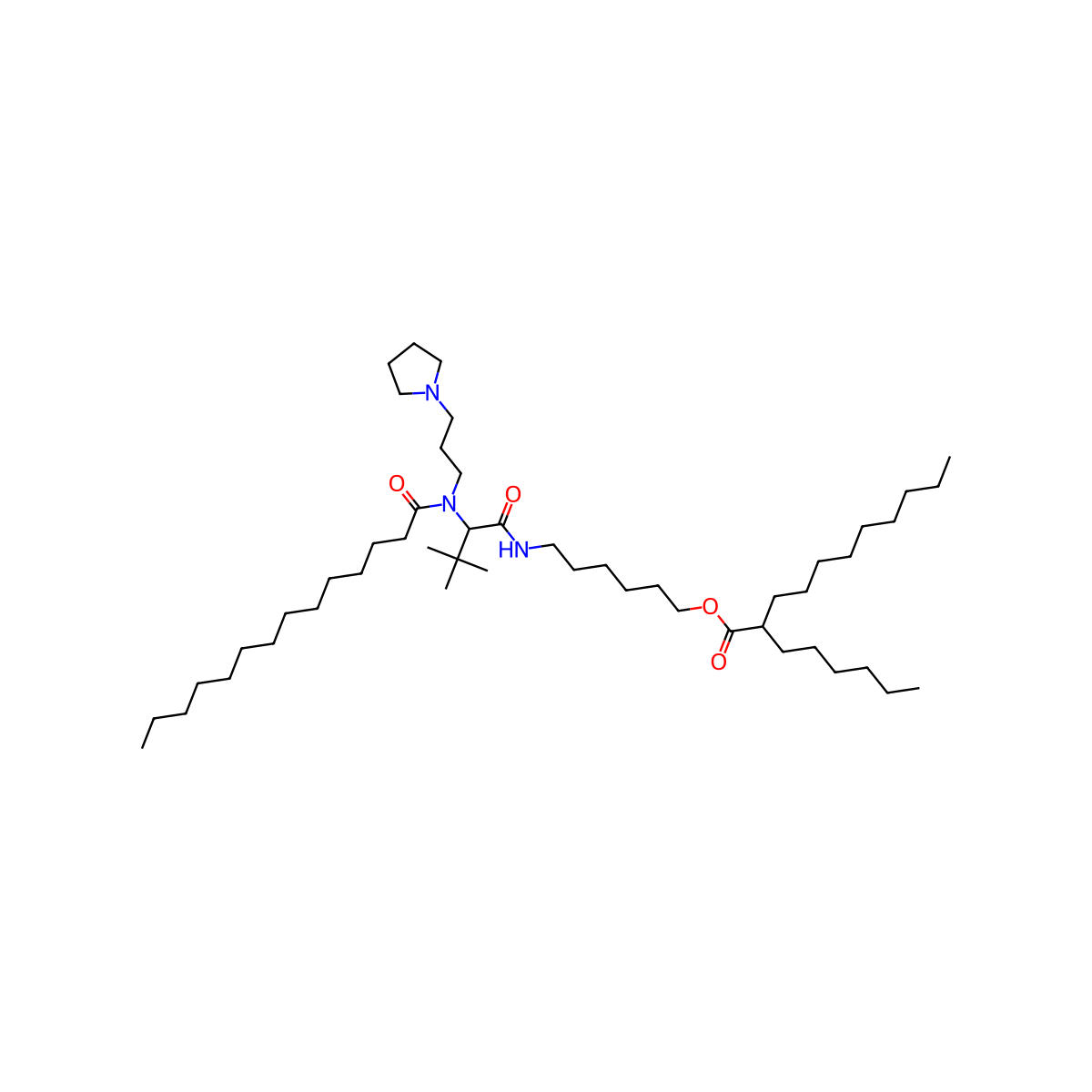
| DCL0004 | LC-1 Featured |
LC-1 (LC-lipid-1) is an ionizable lipid identified by screening a 384-member Ugi-reaction library with a large, 5.7-kb ABE–NanoLuc mRNA cargo. The cited study evaluated LC-1 lipid nanoparticles for delivery of Cas9 and base-editing cargos to the liver, brain and lung in mice, using different formulations and administration routes.
More description
|
|
| DC60934 | Lipid P3B Featured |
P3B is a biodegradable ionizable lipid engineered to function as a highly efficient delivery vehicle for genome-editing machinery (e.g., CRISPR-Cas9 and adenine base editors) specifically to the central nervous system (CNS). Its primary function is to encapsulate and transport large mRNA payloads across the brain-CSF interface following intrathecal administration, enabling robust and widespread gene editing in neurons and astrocytes across multiple brain regions, including the hippocampus, cortex, and thalamus. Notably, it facilitates precise single-nucleotide correction via base editing. Its targeting is intrinsically achieved by the intrathecal injection route, which localizes the nanoparticles within the cerebrospinal fluid, coupled with an optimized formulation that promotes efficient uptake and activity within CNS parenchyma while minimizing off-target exposure in peripheral organs.
More description
|

|
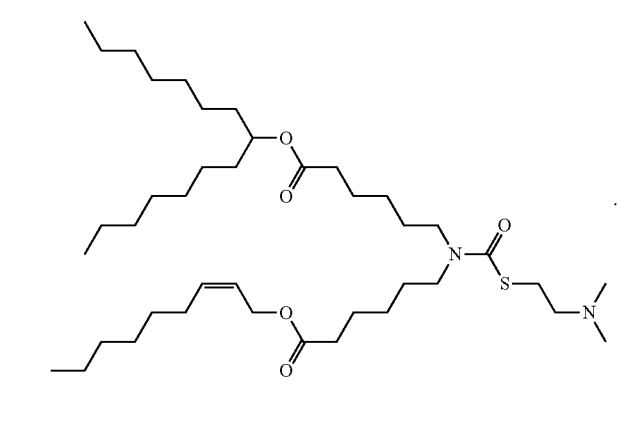
| DC68233 | ATX-95 Featured |
ATX-95 is an unsaturated ionizable lipid utilized in the formulation of lipid nanoparticles for drug delivery.
More description
|
|
| DC67653 | Imidazole cholesteryl ester (ICE) Featured |
Imidazole cholesterol ester (ICE) is a sterol‑based ionizable cationic lipid invented by Translate‑Bio (WO2018/089790 A1) for mRNA‑loaded lipid‑nanoparticle (LNP) pulmonary delivery. It fuses an imidazole pH‑responsive headgroup with cholesterol via ester linkage. Typically formulated as a three‑component LNP (ICE : DOPE : DMG‑PEG2K = 60 : 35 : 5 mol ratio), ICE‑LNPs achieve high mRNA encapsulation (>80‑90 %), good nebulization stability and low toxicity. Upon cellular uptake, imidazole mediates endosomal escape; the ester bond degrades to yield cholesterol, conferring favorable biocompatibility. Animal studies demonstrate robust CFTR protein expression in bronchial and alveolar lung tissue after inhalation, making ICE promising for cystic‑fibrosis mRNA therapy.
More description
|
.png)
|
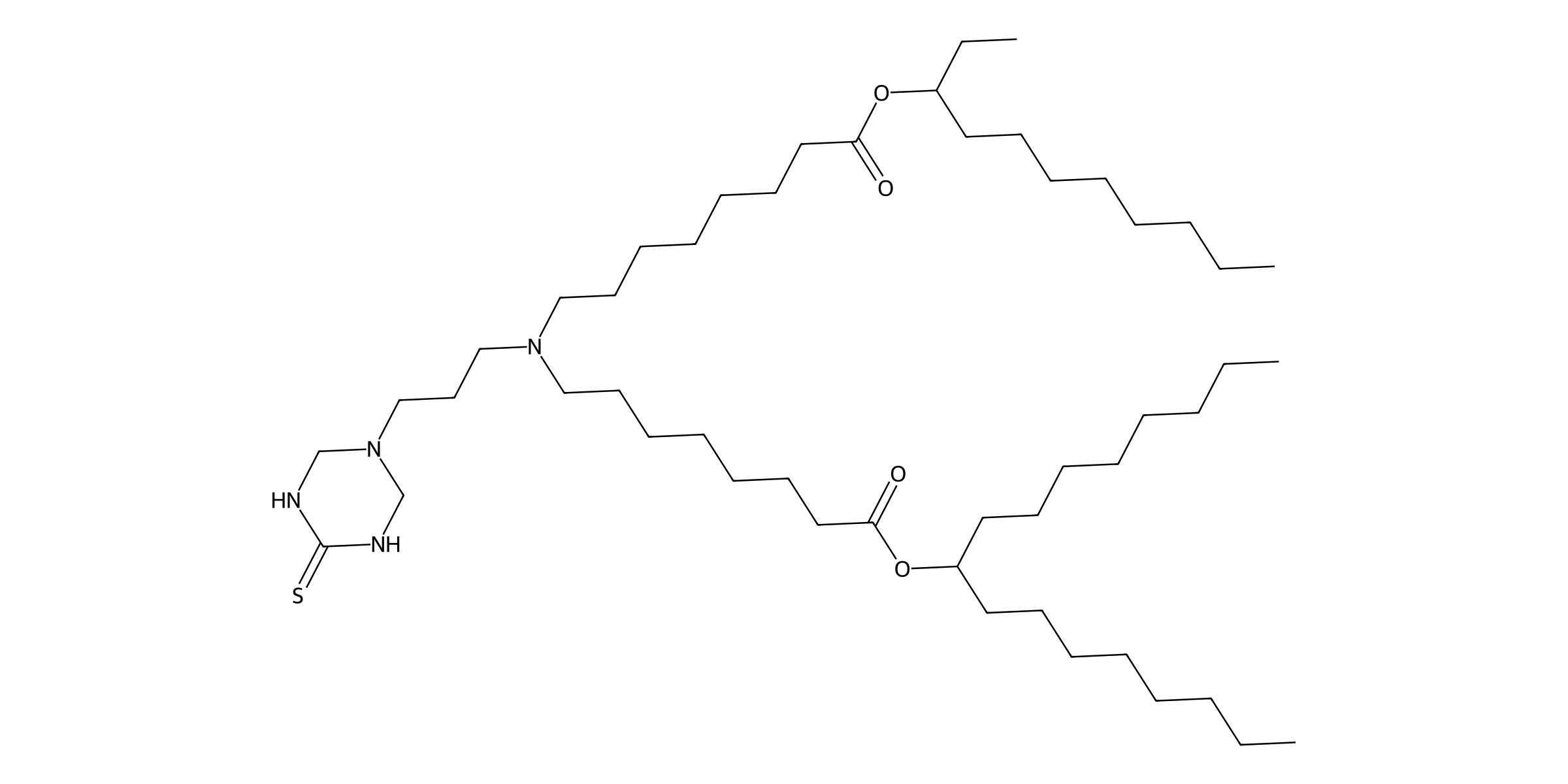
| DCL0002 | HI-62 Featured |
HI-62 is a cyclic-thiourea ionizable lipid reported as a lead component of onion-like multilamellar mRNA-LNPs. In the cited preprint, its E21 formulation supported high mRNA encapsulation, sustained reporter expression, frozen-storage stability and antitumor activity in a preclinical mRNA-vaccine model.
More description
|
|
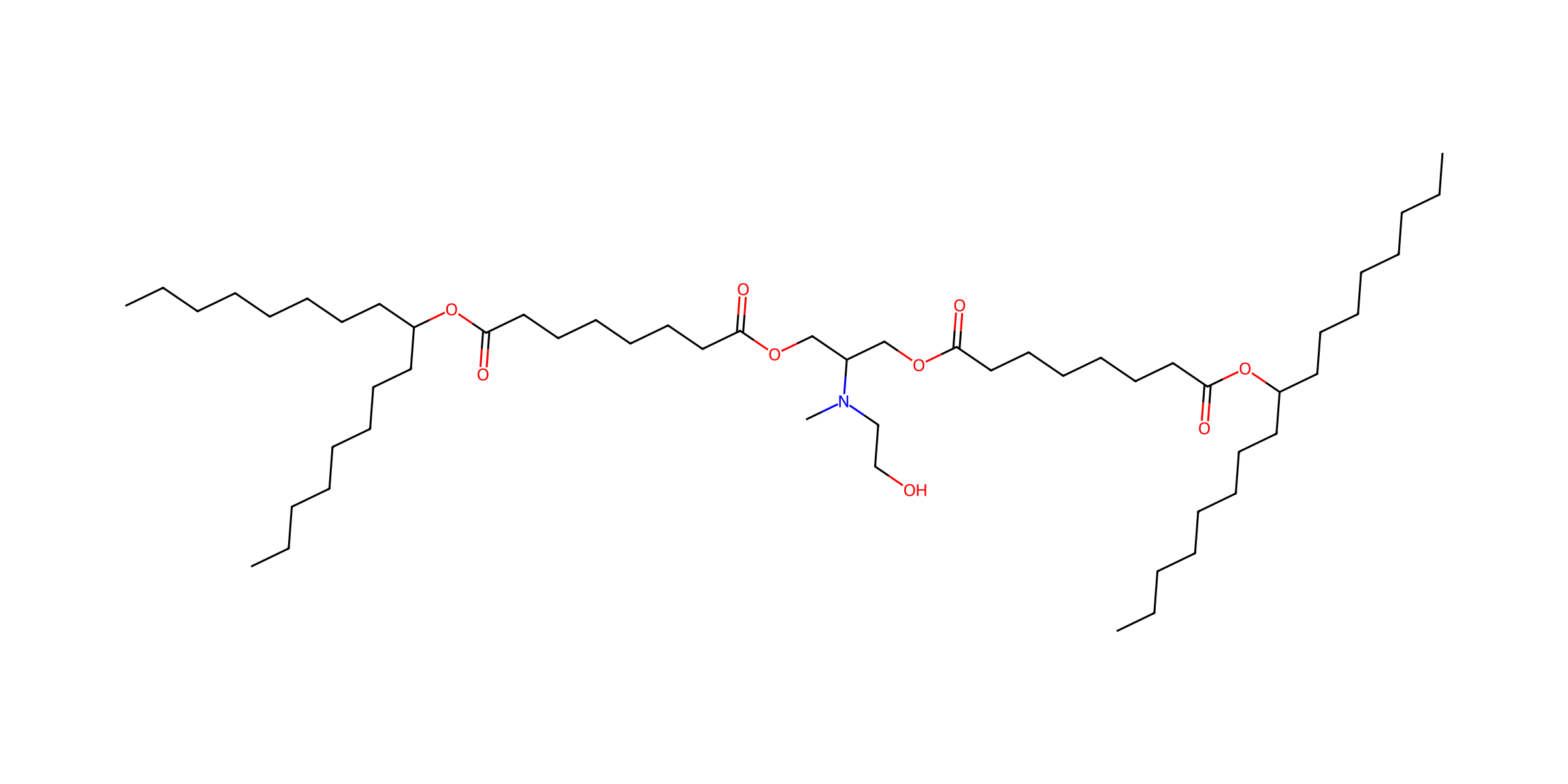
| DCL0003 | Lipid 43 Featured |
Lipid 43 is an ionizable lipid disclosed as Compound 43 in WO 2024/109794. In the patent's TMF30 formulation, mRNA-LNPs showed predominantly splenic reporter expression after administration in mice. Its structure, molecular formula, molecular weight and SMILES were assigned from the compound-specific synthesis scheme and checked against the reported proton count.
More description
|
|
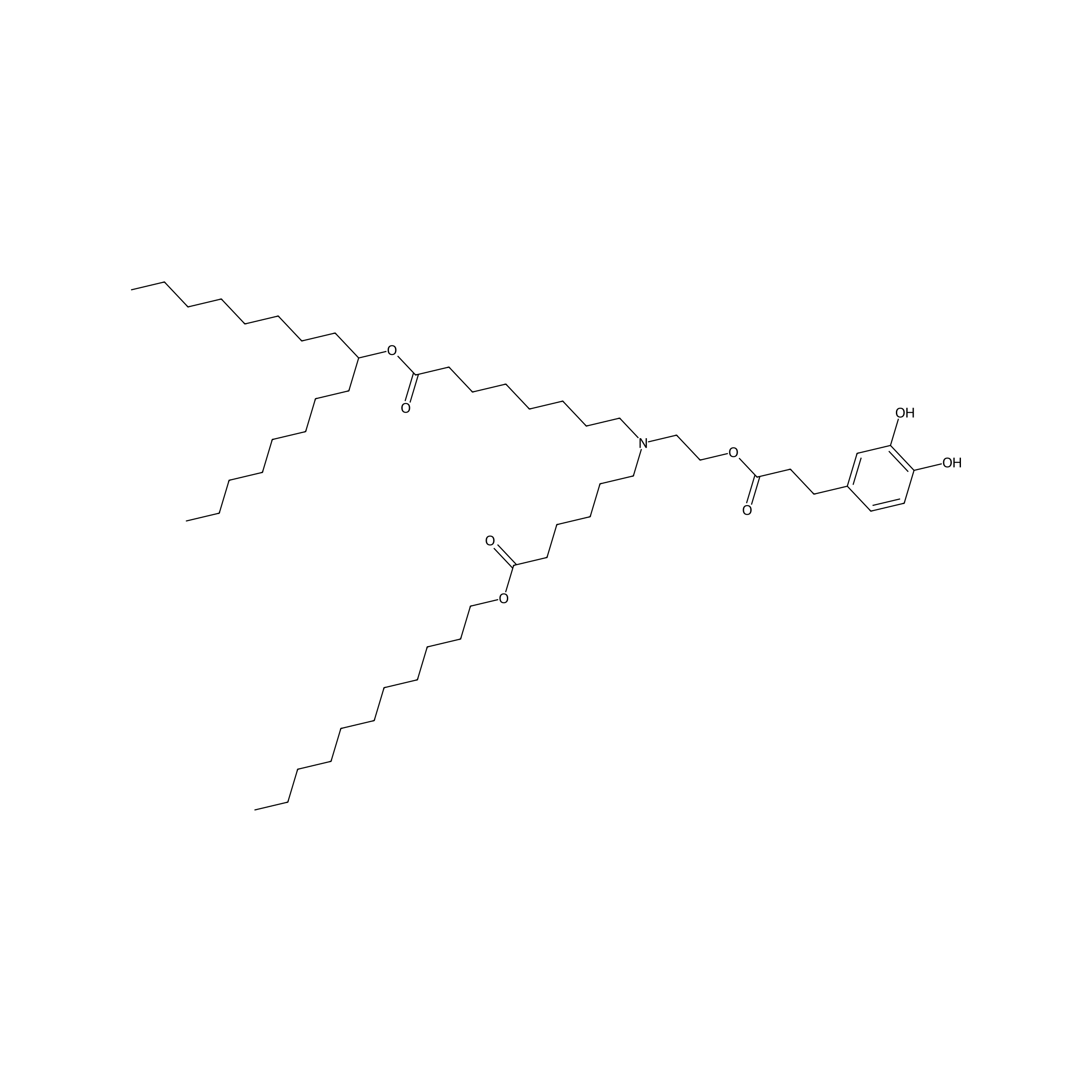
| DCL0001 | Antioxidant lipid AO16 Featured |
AO16 is a literature-reported antioxidant ionizable lipid derived from the SM-102 scaffold.
More description
|
|
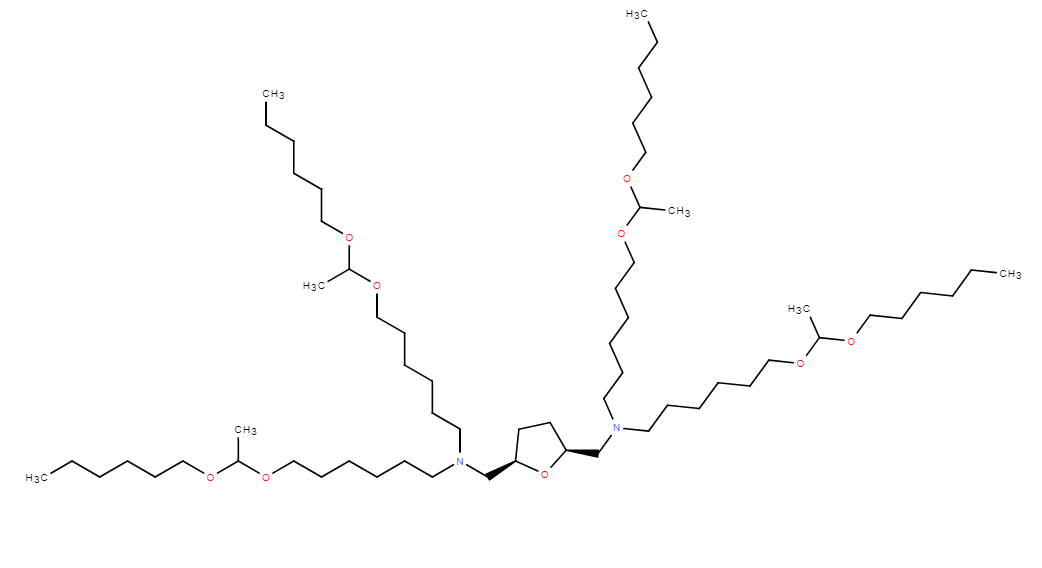
| DC60840 | Lipid F10T5 Featured |
F10T5 is a furan-derived ionizable lipid developed for mRNA delivery to the central nervous system through the meningeal lymphatic pathway. Its architecture incorporates an ionizable polyamine region and four hydrophobic tails containing acid-sensitive acetal linkages. Following subcutaneous administration near the deep cervical lymph nodes, F10T5 LNPs enabled functional mRNA expression in neurons, microglia, and astrocytes while producing relatively low signals in peripheral organs. Cre mRNA delivery resulted in tdTomato expression in approximately 8.93% of neurons, 7.0% of microglia, and 9.9% of astrocytes in mice. Compared with the co-lead lipid F11T6, F10T5 showed comparable total brain luciferase expression, stronger astrocyte transfection, and lower peripheral-organ distribution. Its activity was associated primarily with improved endosomal escape rather than increased cellular uptake. F10T5 remains a preclinical research lipid, and its repeat-dose safety, pharmacokinetics, and performance in larger animals require further evaluation.
More description
|
|
| DC49932 | FTT5 Featured |
FTT5 is a lipid-like compound for efficient delivery of long mRNAs in vivo.
More description
|

|
| DC68227 | Lipid E20 Featured |
E20 is a charge-switching ionizable lipid developed for efficient nucleic acid delivery with reduced inflammatory toxicity. Its carboxylic acid–tertiary amine headgroup changes charge between acidic formulation conditions and physiological pH, while two hydroxylated spacers and branched 8×6 hydrophobic tails support nucleic acid encapsulation and cytosolic delivery. E20 nanoparticles generated approximately 600 mU/mL serum hEPO after intravenous mRNA administration in mice. Unlike multiple benchmark LNPs, E20 did not exacerbate cytokine production in LPS-pretreated mice or human PBMCs. E20 also enabled sustained pDNA expression without the acute lethality observed with MC3-LNPs and improved IL-22 mRNA treatment in a mouse model of acute lung injury. E20 remains a preclinical research lipid.
More description
|

|
| DC60964 | TTP-3 Featured |
TTP-3 is an asymmetric Ugi-derived ionizable lipid developed specifically for pulmonary delivery of structured suppressor tRNA cargo. Its architecture combines a dimethylaminopropyl ionizable headgroup, two amide-containing linkages, and chemically distinct hydrophobic tails. Selected from a 1,000-member lipid library, TTP-3 showed the strongest suppressor-tRNA delivery in a cystic-fibrosis-relevant air–liquid interface model containing artificial mucus. An optimized formulation containing TTP-3, DOPE, β-sitosterol, and C14-PEG2000 produced approximately 38-fold higher functional pulmonary reporter expression than MC3 following intratracheal administration in mice. TTP-3 LNPs preferentially delivered tRNA to airway epithelial cells, including ciliated, club, ionocyte, and basal progenitor populations. When combined with chemically modified suppressor tRNAs, the platform restored CFTR expression and function in cellular, mouse, and patient-derived organoid models. TTP-3 remains a preclinical research lipid, and further optimization is required for aerosol delivery, repeat dosing, and clinical translation.
More description
|

|
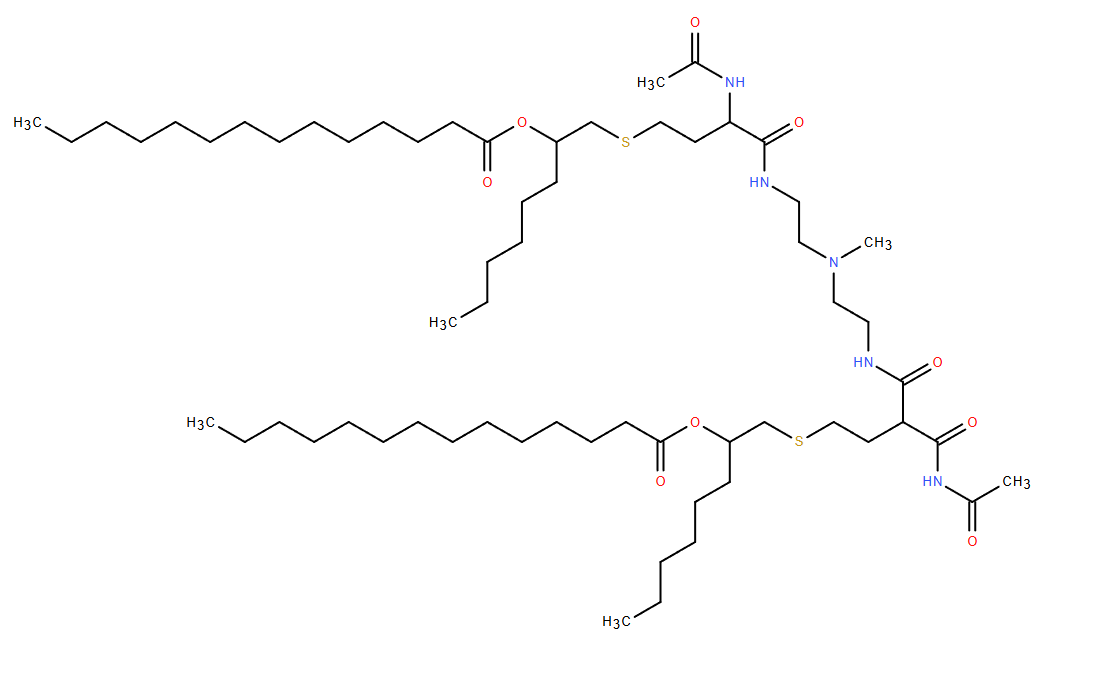
| DC60942 | 113-AA-C8C14 Featured |
113-AA-C8C14 is a spleen-tropic ionizable lipid with inherent splenic organ selectivity. Its formulated LNPs drastically reduce off-target liver uptake and drive 57-fold higher mRNA expression in spleen versus benchmark LNPs. It preferentially delivers nucleic acids to splenic immune cells like macrophages and T lymphocytes, supporting in vivo CAR-T engineering and mRNA vaccine research with minimal accumulation in other visceral organs.
More description
|
|
| DC68057 | Lipid Trp-L1-T4 Featured |
Trp-L1-T4 is a novel tryptophan-derived ionizable lipid that serves as the core functional component of the optimized lipid nanoparticle (TLNP/RLNP) platform. Its primary function is to enable the efficient encapsulation and in vivo delivery of self-amplifying RNA (saRNA) cargo. Specifically, it facilitates high transfection efficiency and cytosolic release of the RNA payload in target follicular helper T (Tfh) cells, with minimal cytotoxicity. This capability is crucial for reprogramming pathogenic Tfh cells into regulatory CAR-Tfh cells, forming the foundation of the study's therapeutic strategy.
More description
|

|
| DC68021 | BIP-20 Featured |
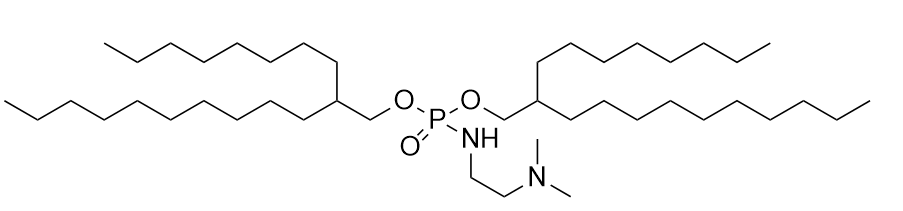
BiP-20 is a branched ionizable phospholipid identified as a lead compound for efficient hepatic mRNA delivery.BiP-20 is a novel, efficient, and safe liver-targeted LNP delivery vehicle. With an ideal pKa of 6.56, it achieves highly efficient liver targeting and endosomal escape primarily through the ApoE/LDL-R pathway. It demonstrates exceptional performance in gene editing at very low doses: for CRISPR-Cas9-mediated editing of TTR, a 10 μg dose achieved ~64% efficiency, which is 8-fold higher than the clinical benchmark lipid LP-01. In Prime Editing targeting the PCSK9 gene, its efficiency (4.30%) also significantly surpassed that of MC3, SM102, and LPO1. Furthermore, it mediates a 5.9-fold increase in hepatic protein expression compared to MC3. Safety assessments indicate it does not induce liver function abnormalities, showing strong therapeutic potential.
More description
|
|
| DC67521 | Lipid TD5 Featured |
TD5 is a brain-targeting lipid nanoparticle (BLNP) engineered for efficient mRNA delivery to the central nervous system (CNS) via intrathecal injection. It incorporates a tryptamine-derived ionizable lipid headgroup, myristic acid hydrocarbon tails, and a biodegradable carbonate ester linker, enabling pH-dependent mRNA encapsulation (81.7% efficiency) and brain cell-specific targeting. With a hydrodynamic diameter of 107.5 nm, near-neutral pKa (7.30), and mild positive charge, TD 5 demonstrates superior CNS tropism through serotonin receptor (5-HT1A)-mediated endocytosis. In vitro, TD-5 achieved 80.8% GFP expression in SH-SY5Y neuronal cells, outperforming MC3 LNPs by 50-fold. Following intrathecal administration in mice, TD-5 mediated GFP expression in 29.6% of neurons and 38.1% of astrocytes brain-wide, with 10-fold higher CNS specificity than peripheral organs. Genome editing studies showed TD5-delivered Cas9/sgRNA induced tdTomato activation in ≈30% of neurons and 40% of astrocytes across key brain regions. Safety profiling revealed minimal systemic immune responses (lower IL-6, IL-12p40 vs MC3 LNPs), normal hepatic/renal biomarkers, and no histopathological toxicity. The optimized structure balances myristic chain hydrophobicity for membrane interaction, ionizable amines for mRNA complexation, and tryptamine-mediated targeting for enhanced CNS uptake, establishing TD5 as a promising platform for CNS gene therapies.
More description
|

|
| DC60510 | Iso-A11B5C1 Featured |
Iso-A11B5C1 is an ionizable lipid. The iso-A11B5C1 LNP demonstrates a high level of muscle-specific mRNA delivery efficiency. exhibiting transfection efficiency comparable to the commercially available lipid SM-102, while considerably reducing inadvertent mRNA expression in main organs such as the liver and spleen.Additionally, study results show that intramuscular administration of mRNA formulated with iso-A11B5C1 LNP caused potent cellular immune responses, even with limited expression observed in lymph nodes.
More description
|

|
| DC68141 | AMG514 Featured |
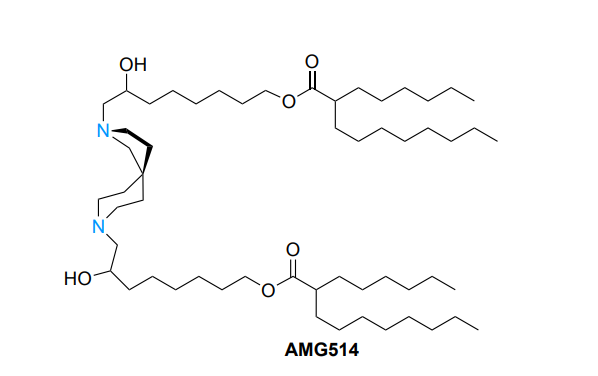
AMG514 is a novel ionizable lipid designed for formulating spleen-targeting lipid nanoparticles (LNPs) to deliver immune‑remodeling mRNAs (IR‑mRNAs). Its key advantage lies in the formation of a unique “protein corona” enriched with vitronectin, coagulation factors, and specific apolipoproteins (e.g., ApoA‑IV), together with its relatively high apparent pKa (~7.5), which actively redirects LNPs to the spleen instead of the liver. This precise spleen‑targeting property enables efficient transfection of splenic antigen‑presenting cells (APCs). As a vaccine adjuvant, AMG514‑LNPs therefore elicit a more robust activation of adaptive immunity compared to conventional LNPs (e.g., cKK‑E12), generating significantly enhanced antigen‑specific CD8⁺ T‑cell and antibody responses, and inducing durable anti‑tumor immune memory in preclinical models.
More description
|
|
| DC67553 | Lipid PL40 Featured |
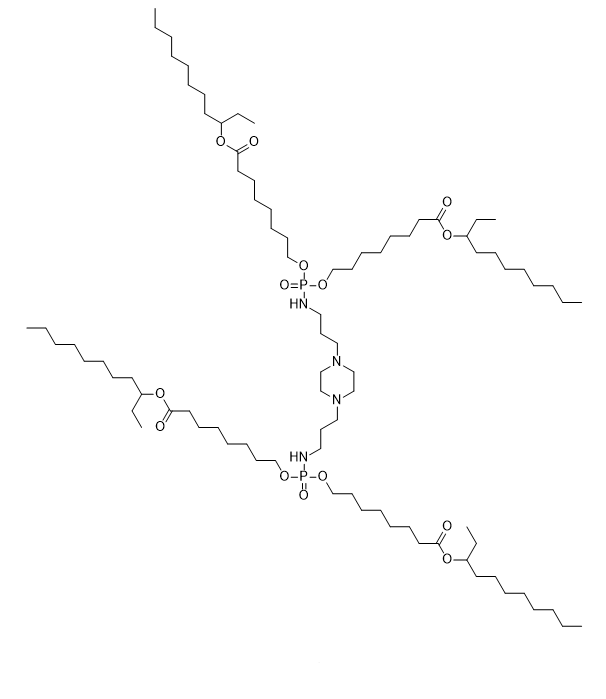
PL-40 is a cardiolipin-mimetic ionizable lipid engineered for high-efficiency, antibody-free mRNA delivery to T cells. PL 40 LNPs exhibit a mean particle size of 120 nm, zeta potential of -5.19 mV, and >80% mRNA encapsulation efficiency, with excellent plasma stability (≤5% size change after 6h in serum). Cryo-TEM reveals polyhedral nanoparticles with phase-separated domains, while SAXS confirms tight mRNA packing (d-spacing: ~3 nm vs. 6.64 nm in conventional LNPs). AFM demonstrates exceptional rigidity (high bending modulus), enabling T cell-selective uptake via actin-mediated endocytosis (>2× higher than ALC0315 LNPs).In primary human T cells, PL40 LNPs achieve >90% transfection at 0.5 μg mRNA dose and sustain >100× higher luciferase expression than benchmark lipids. When delivering circular RNA, they extend protein expression >5 days with superior spleen tropism (spleen:liver ratio = 2.63). Crucially, they reprogram T cells into functional CAR-Ts in vivo without antibody conjugation, evading exhaustion markers (no Tim-3/PD-1 upregulation). Therapeutically, PL40-based uPAR-targeted CAR mRNA reduces liver fibrosis (collagen↓50%, ALT↓50%) and rheumatoid arthritis severity (clinical scores↓60%) by clearing senescent cells. Humanized anti-uPAR CARs delivered via PL40 show near-complete cytotoxicity (>95%) against uPAR+ cells, underscoring clinical translatability.
More description
|
|
| DC60808 | 503O8,12 Featured |
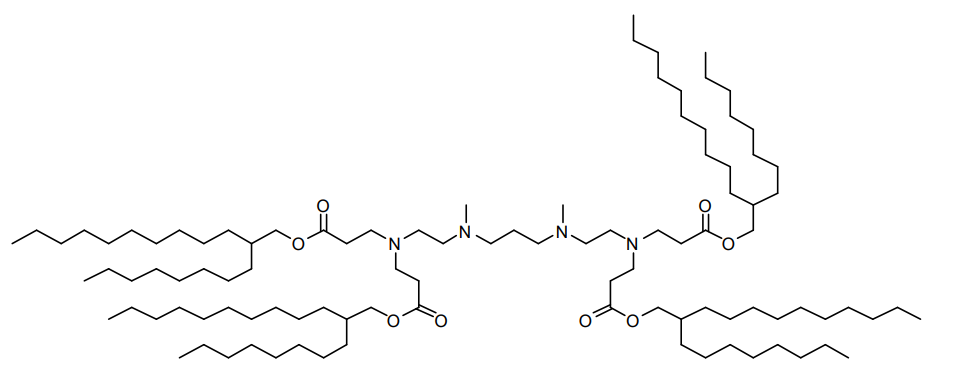
503O8,12 is an ionizable lipidoid synthesized via Michael addition, combining a hydrophilic amine headgroup ("503" series) with two hydrophobic branched acrylate tails (C8 and C12 chains, likely with unsaturated bonds). Its design emphasizes organ-specific delivery, exhibiting spleen-tropic targeting in vivo.
More description
|
|
