 To enhance service speed and avoid tariff delays, we've opened a US warehouse. All US orders ship directly from our US facility.
| Cat. No. | Product Name | Field of Application | Chemical Structure |
|---|---|---|---|
| DC81110 | TS-202 Featured |
TS-202 is a novel ionizable lipid for RNA delivery.
More description
|

|
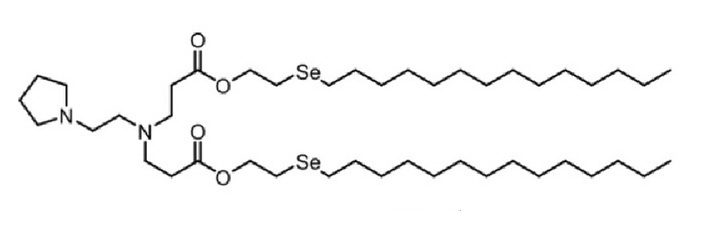
| DC60494 | 76-O17Se Featured |
76-O17Se is a lipidoid for the efficient delivery of antiCD19 mRNA CAR to murine primary macrophages. 76-O17Se is more efficient than delivery with lipofectamine 2000 (LPF2K) or MC3
More description
|
|
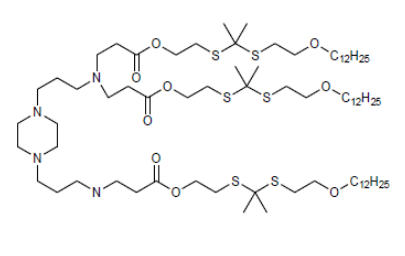
| DC82115 | BAMP-TK-12 Featured |
BAmP-TK-12 is a ROS-responsive ionizable lipid designed for tumor-cell mRNA delivery. It features a bis(aminopropyl)piperazine-derived ionizable headgroup and four C12 tails connected through cleavable thioketal linkers. In the reported study, BAmP-TK-12 achieved RFP expression in up to 95% of HeLa cells, comparable to Lipofectamine 3000, with lower cytotoxicity under the tested conditions. ROS-triggered linker cleavage supported intracellular mRNA release in high-ROS tumor cells. When formulated with DUF5 mRNA, the LNP suppressed tumor growth in HCT-116 and A549 xenograft models, supporting its use as a promising preclinical research lipid for stimulus-responsive mRNA delivery.
More description
|
|
| DC31024 | SM-86(Lipid 5) Featured |
SM86 is a cationic, ionizable lipid developed by Moderna as a core component of its lipid nanoparticle (LNP) platform for mRNA therapeutic delivery.SM-086 is structurally optimized and analogous to SM-102 (used in Moderna’s COVID-19 vaccines), with modifications aimed at enhancing mRNA delivery efficiency and safety.SM-86 serves as the primary cationic lipid in three investigational mRNA therapies targeting rare metabolic disorders:mRNA-3927: Restores propionyl-CoA carboxylase activity in propionic acidemia (PA).
mRNA-3705: Delivers methylmalonyl-CoA mutase mRNA for methylmalonic acidemia (MMA).
mRNA-3210: Provides phenylalanine hydroxylase mRNA to treat phenylketonuria (PKU).
More description
|

|
| DC68211 | lipid a12Dab4 Featured |
a12Dab4 is a novel, high-performance peptide-based ionizable lipid designed specifically as the core functional building block for lipid nanoparticles (LNPs) targeting challenging or quiescent cell types, such as human hematopoietic stem and progenitor cells (HSPCs). Chemically engineered to possess a unique peptide-mimetic backbone, it provides superior membrane fusion and exceptional endosomal escape capabilities compared to older-generation, industry-standard lipids like Dlin-MC3-DMA and ALC-0315. Functionally, its primary role within the LNP formulation is to complex and efficiently encapsulate sensitive nucleic acid payloads, such as mRNA or CRISPR/Cas9 editing machinery, at an optimal nitrogen-to-phosphate (N/P) ratio. When formulated, a12Dab4 enables maximum cellular transfection and robust genome editing while exhibiting minimal cytotoxicity and preserving the long-term proliferative, self-renewing functionality of primitive stem cell compartments. Although it delivers commendable baseline transfection independently, it functions as an exceptional molecular chassis that synergies seamlessly with surface antibody conjugation (such as anti-CD34) to unlock precise, therapeutic-grade in vivo gene engineering.
More description
|

|
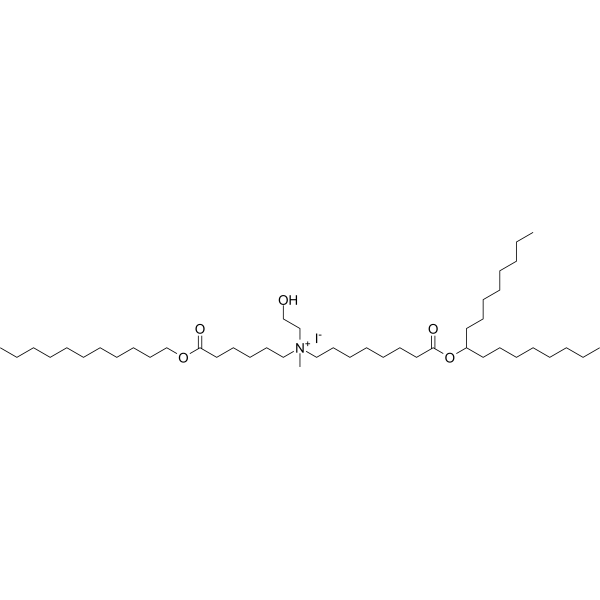
| DC68207 | Q1-SM-102 iodide Featured |
Q1-SM-102 iodide is a quaternary ammonium lipid derivative of SM-102. Q1-SM-102 iodide can be used to prepare lipid nanoparticles (LNPs) for the delivery of mRNA in vivo. Q1-SM-102 iodide is a carriers for targeting delivery of mRNA to immune organs.
More description
|
|
| DC67555 | Lipid 2231 Featured |
Sail Lipid 2231 is a novel ionizable lipid targeting to spleen developed by Sai Biomedicine.As described on US20250205167A1 Lipid 2231 features a pyrrolidine core (5-membered ring) with biodegradable ester linkages and asymmetric C17/C11 hydrophobic chains. In vivo data shows moderate spleen targeting (Spleen RLU: 3.8E+06) with a spleen-to-liver ratio of 12.767.
More description
|

|
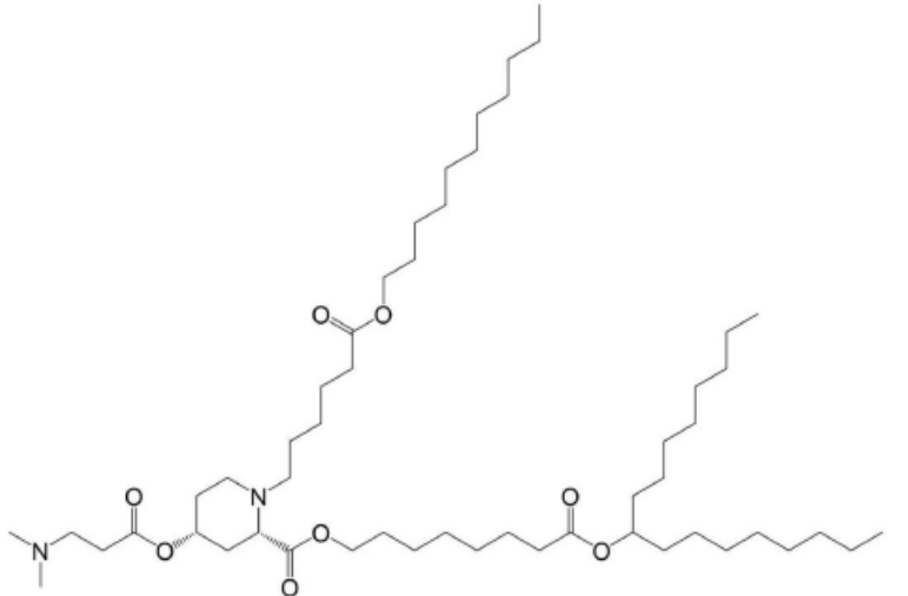
| DC60929 | Lipid 2310 Featured |
Lipid 2310 is a novel ionizable lipid developed by Sail Biomedicine demonstrates excellent performance with a spleen-to-liver ratio of 5.58 and a very high total expression level of 1.3E+07. Lipid 2310 offers a strong balance of efficient systemic protein production and clear preferential delivery to the spleen.
More description
|
|
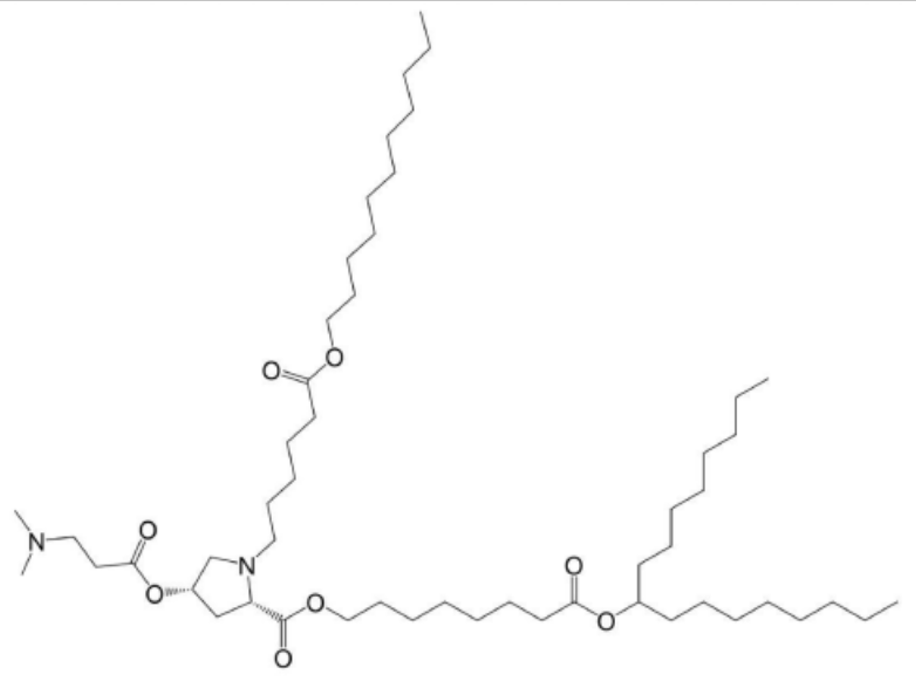
| DC60928 | Lipid 2306 Featured |
Lipid 2306 is a novel ionizable lipid developed by Sail Biomedicine demonstrates excellent performance with a spleen-to-liver ratio of 3.68 and a very high total expression level of 2.5E+07. Lipid 2306 offers a strong balance of efficient systemic protein production and clear preferential delivery to the spleen.
More description
|
|
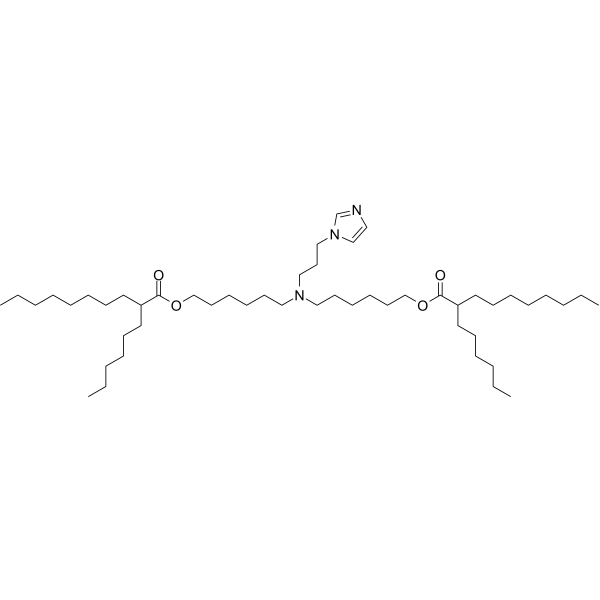
| DC82209 | Lipid 10a-26 Featured |
Lipid 10a-26 is an ionizable lipid developed by Orna Therapeutics for lipid nanoparticle (LNP) formulations. Lipid 10a-26 is a key ionizable lipid in the LNP-6 formulation. Through structural modification, it exhibits reduced binding to ApoE proteins and lowered liver affinity compared to traditional ionizable lipids. Instead, Lipid 10a-26 demonstrates strong splenic tropism—in non-human primate studies, it effectively delivers payloads to the spleen and immune cells in peripheral blood, such as T cells, NK cells, and macrophages, enabling the possibility of "in vivo CAR-T" therapy. Its pKa is tuned to approximately 6.0–6.5, allowing rapid protonation in the acidic endosomal environment, which promotes endosomal membrane disruption and efficient cytosolic release of circular RNA.
More description
|
|
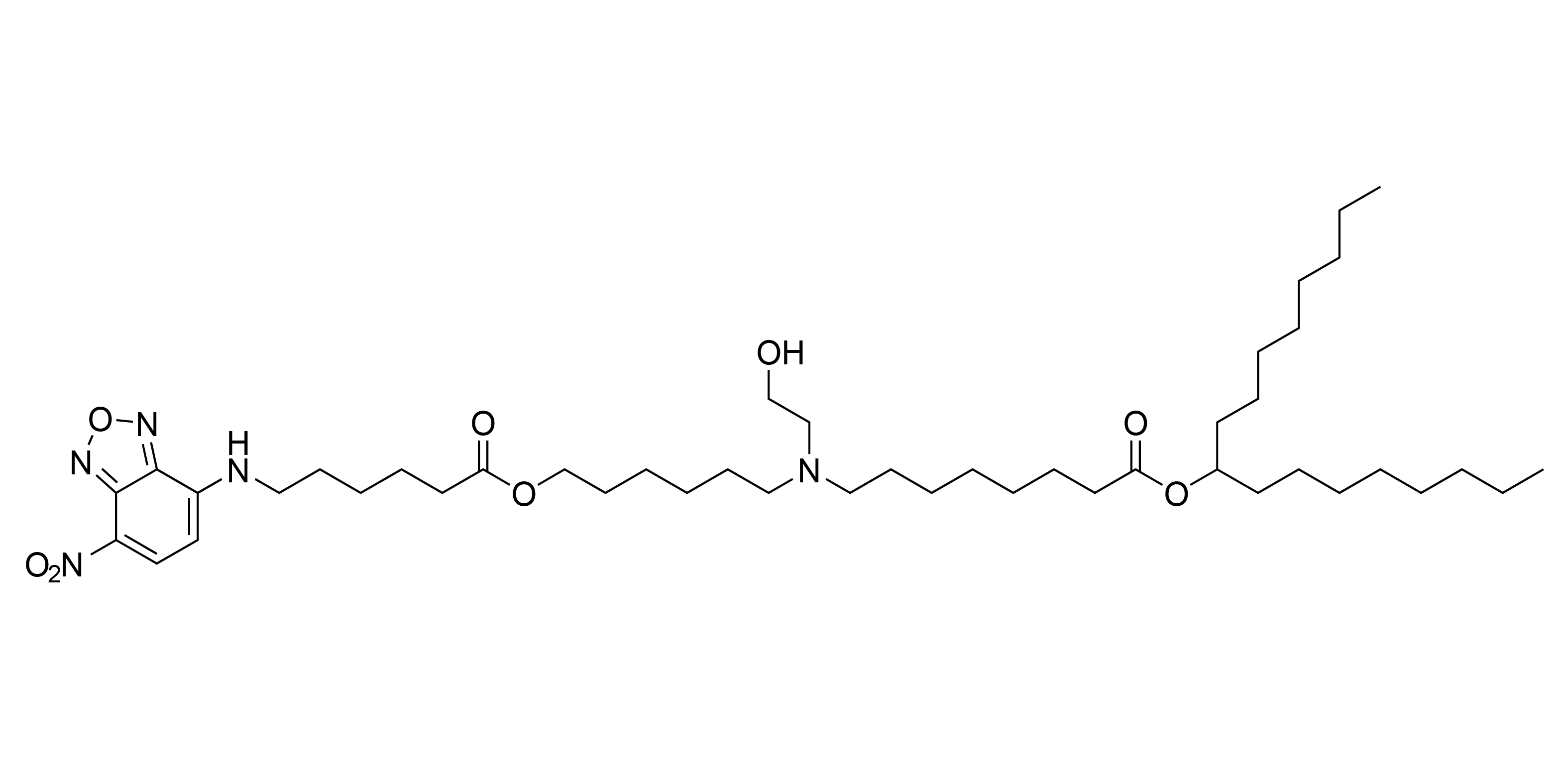
| DC67109 | Fluorescent SM-102 (NBD-SM-102) Featured |
Fluorescent SM-102 (NBD-SM-102) is a premium, dye-conjugated ionizable cationic lipid designed for advanced nanomedicine and mRNA delivery research. By covalently integrating a bright, green-fluorescent nitrobenzofurazan (NBD) probe into the industry-standard SM-102 skeleton, this high-purity reagent operates as an indispensable visual tracer. It empowers researchers to seamlessly track cellular uptake, monitor tissue biodistribution, and quantify endosomal escape efficiencies via fluorescence microscopy and flow cytometry. Crucially, this NBD-SM-102 derivative preserves the native ionizable property (\(pK_a \approx 6.68\)) and optimal membrane-fusion dynamics required for lipid nanoparticle (LNP) assembly and transfection, ensuring experimental formulations accurately mimic functional delivery vectors. This reliable reagent is ideal for accelerating lipid-mix optimization, high-throughput screening, and nucleic acid therapeutics development pipeline.
More description
|
|
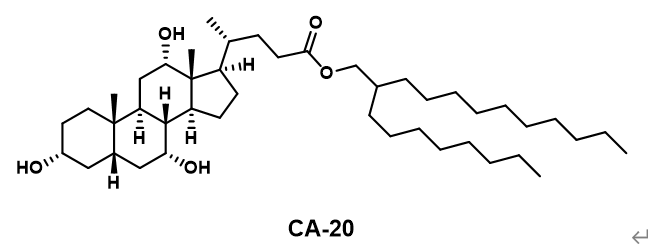
| DC68205 | CA-20 Featured |
CA-20 is a bile acid-derived sterol designed to replace cholesterol in mRNA LNPs. It achieves high mRNA encapsulation efficiency up to 87.4% and forms uniform, spherical nanoparticles with ordered membrane structures confirmed by cryo-TEM and MD simulations. In vivo, CA-20 drastically cuts hepatic mRNA expression while shifting nearly all gene expression to the spleen, driven by reduced ApoE protein binding on LNP surfaces. Using HA mRNA vaccines, CA-20 LNPs trigger stronger antigen-specific IgG, neutralizing antibodies, memory B cells and IFN-γ-secreting T cells than cholesterol LNPs. Acute safety tests prove CA-20 causes minimal liver damage, with normal serum liver enzymes and intact organ histology, delivering balanced superior immunogenicity and low liver toxicity for spleen-targeted mRNA vaccine delivery.
More description
|
|
| DC60564 | Lipid GVS-18-B6 Featured |
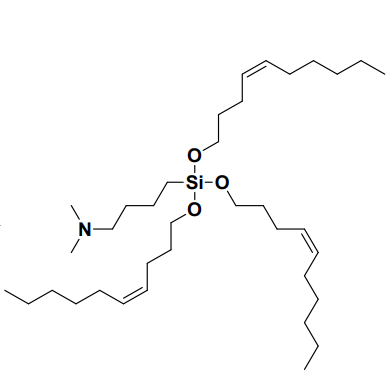
GVS-18-B6 is a silicon ether-based ionizable lipid (pKa:6.15) developed by Genevant, optimized for mRNA-LNP delivery, characterized by a short-chain trialkyl structure with three C10 alkyl chains (including a cis double bond) and a dimethylamino (DMA) head group linked via a 4-carbon spacer (pKa ~6.15). Its LNP formulations exhibit a narrow particle size distribution (89 nm, PDI=0.06), high mRNA encapsulation efficiency (90%), and pH-dependent surface charge (−0.11 mV at pH 7.5 vs. +2.69 mV at pH 5.5), facilitating endosomal escape. In vivo, GVS-18-B6 demonstrated superior liver-specific mRNA expression (5.30×10⁷ pg EGFP/g liver, 2.6× higher than MC3) with minimal spleen accumulation (liver/spleen ratio 92:1 vs. MC3’s 10:1), attributed to rapid non-enzymatic hydrolysis of its silicon ether bonds. This mechanism enables near-complete hepatic clearance within 6 hours in mice and 24 hours in NHPs, avoiding long-term organ retention (MC3 retained 25% in liver after 28 days). Compared to benchmarks (MC3, SM-102, LP-01), GVS-18-B6 showed enhanced potency in RBC hemolysis assays (pH 6.2), indicating earlier endosomal membrane disruption, and maintained stability through 12-month frozen storage or repeated freeze-thaw cycles. Toxicity profiling revealed minimal immunogenicity (MCP-1 levels 0.58×10⁶ vs. MC3’s 1.10×10⁶) and no ALT/AST elevation or anti-PEG antibody induction in NHPs after repeated dosing. Its species-agnostic clearance, low off-target effects, and high tolerability (6 mg/kg dose in mice) position GVS-18-B6 as a leading candidate for chronic disease therapies requiring frequent mRNA administration.
More description
|
|
| DC67540 | Lipid A5-CE-C7-6(3 tail) Featured |
A5-CE-C7-6 (3-tail analog) is a structural control compound derived from the standard 2-tail lipid(A5-CE-C7-6), with three carbonate alkyl chains linked to the A5 amine core.
More description
|

|
| DC60947 | Lilly lipid 51 Featured |
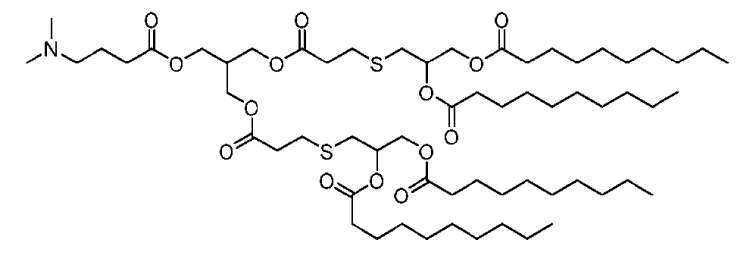
Lipid 51 is a top-performing thioglycerol-based biodegradable ionizable lipid disclosed in PCT patent WO2026/147683 (Eli Lilly, filed Dec 16, 2025). Built with cleavable thioester linkages, it balances neutral surface charge at physiological pH and protonatable amines in acidic endosomes for efficient mRNA encapsulation and endosomal escape. Formulated into LNPs with DSPC, cholesterol and DMG-PEG2K, it exhibits favorable particle size, low PDI and high RNA loading efficiency. In intracerebroventricular (ICV) mouse tests targeting central nervous system (CNS), it delivers Cre mRNA to brain neurons far more potently than Lipid 1/2/3, with the highest tissue fluorescent signal among all tested candidates. It shows low cellular toxicity in vitro and robust CNS tropism, making it an optimal carrier for brain-targeted mRNA and CRISPR gene editing therapeutics.
More description
|
|
| DC67568 | ORNA Lipid AX-6 Featured |
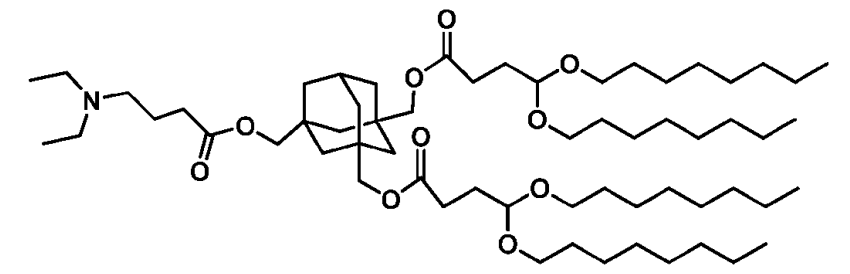
AX6 is an ionizable lipid in the F32 LNP formulation, engineered by ReNAgade/Orna Therapeutics for targeted mRNA delivery to T cells. AX-6's unique bridged bicyclic/polycyclic core with a tertiary amine group enables pH-dependent protonation and endosomal escape, while C14-C18 hydrophobic tails (optionally branched/fluorinated) enhance bilayer stability and mRNA encapsulation. Demonstrating exceptional T-cell tropism, AX6 achieves high transfection efficiency in CD4+/CD8+ T cells (validated in NHP/humanized models) with minimal toxicity. Compared to clinical benchmarks (SM-102, ALC-0315), its rigid core offers superior serum stability and immune-cell specificity, positioning it as an ideal candidate for CAR-T/NK therapies and next-gen vaccines. The F32 LNP system's proven efficacy (e.g., in vivo B-cell depletion) underscores AX 6's transformative potential for cell engineering and immunotherapies.
More description
|
|
| DC65619 | Lipid 11-A-M Featured |
Lipid 11-A-M (LNP Lipid-8) is a specialized single-tail, multi-head ionizable cationic lipid engineered for targeted nucleic acid delivery to T cells. Unlike traditional lipids that exhibit strong liver tropism, 11-A-M formulations successfully bypass hepatocytes, resulting in negligible liver accumulation and toxicity. Upon intravenous administration, it naturally localizes to peripheral immune organs, enabling robust gene silencing and transfection specifically within splenic CD3⁺ T cells, with a higher efficiency in CD8⁺ cytotoxic T cells over CD4⁺ helper T cells. This liver-evading, T cell-specific targeting profile makes it a premier tool for in vivo immunotherapy and in situ cell reprogramming.
More description
|

|
| DC85555 | YK-009 Featured |
YK-009 is an advanced, biodegradable ionizable lipid designed for efficient mRNA delivery. Via intramuscular injection, it demonstrates superior targeting to draining lymph nodes, boosting immune cell transfection for vaccines. When administered intravenously, it distributes to the liver but leverages a highly degradable chemical backbone to ensure rapid clearance post-endosomal escape. This effectively eliminates the risk of long-term tissue accumulation and liver toxicity seen in traditional lipids. Delivering a balance of high transfection efficiency and exceptional biocompatibility, YK-009 is an ideal component for safe and potent lipid nanoparticle (LNP) formulations.
More description
|

|
| DC60575 | U-101 Featured |
U-101 is an ionizable lipid for mRNA delivery. U101-LNP/IL-2F mRNA formulation demonstrats effective antitumor activity and safety.LNPs containing lipid U 101 and encapsulating mRNA encoding a fusion protein composed of IL-2, a linker, and CD25 inhibit tumor growth in an MC-38 mouse xenograft model.
More description
|

|
| DC60485 | IAJD93 Featured |
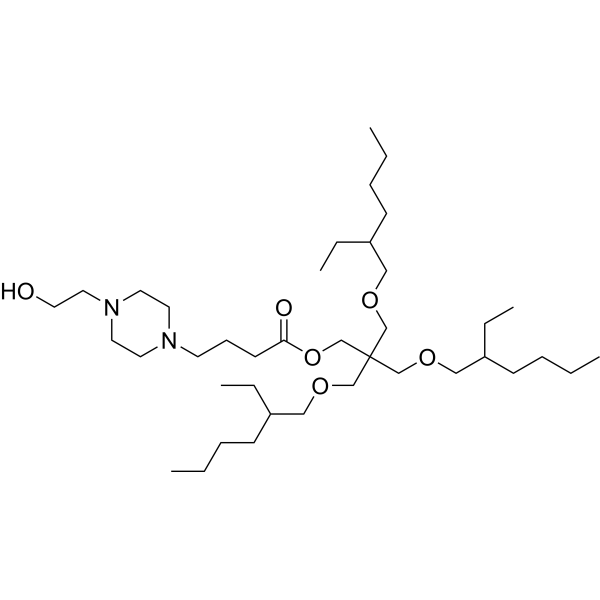
IAJD93(IAJD-93) is a pentaerythritol-based one-component ionizable amphiphilic Janus Dendrimer (IAJD), delivery systems for mRNA delivery.
More description
|
|
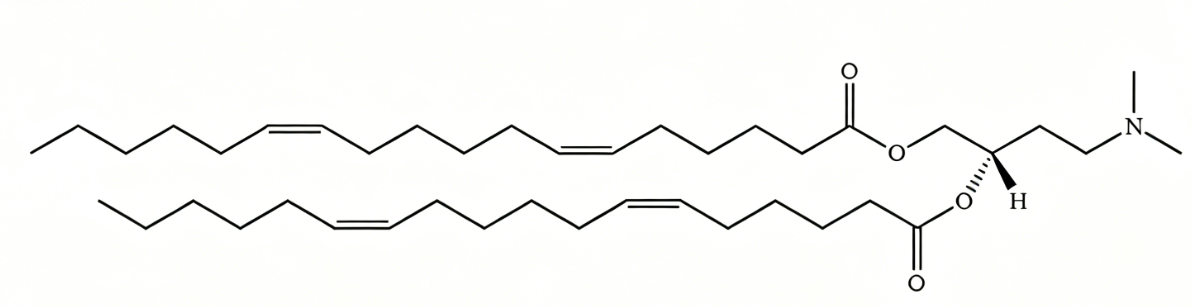
| DC68161 | AKG-UO-1 Featured |
AKG-UO-1 is an innovative ionizable lipid engineered for targeted nucleic acid delivery, exhibiting exceptional hepatic tropism and a high affinity for metabolically active tissues. Leveraging an alpha-ketoglutarate (AKG)-inspired design, it capitalizes on the liver’s high metabolic demand to achieve precise parenchymal accumulation via systemic injection. Crucially, AKG-UO-1 selectively homing into diseased or lipid-accumulated microenvironments, where it enhances endosomal escape and mRNA translation. Its unique degradation pathway actively synergizes with host cells to alleviate metabolic stress and maintain mitochondrial homeostasis, making it an ideal candidate for treating metabolic liver diseases and fatty liver disorders.
More description
|
|
| DC68162 | HGT5001 Featured |
HGT5001, disclosed in patent US 2026/0125339 A1 by Translate Bio (now part of Sanofi), is a potent ionizable cationic lipid optimized for mRNA delivery, exhibiting versatile organ tropism governed by the route of administration. When delivered via intratracheal or pulmonary administration, it effectively crosses the mucosal barrier to achieve high transfection efficiency specifically within lung tissues. Conversely, intravenous injection redirects its tropism to the liver and spleen via endogenous ApoE mediation, facilitating systemic protein replacement therapies. Engineered with an optimized headgroup, HGT5001 ensures excellent encapsulation, rapid pH-responsive endosomal escape, and superior biocompatibility with minimal systemic toxicity, making it an exceptional candidate for cystic fibrosis therapies and hepatic treatments.
More description
|

|
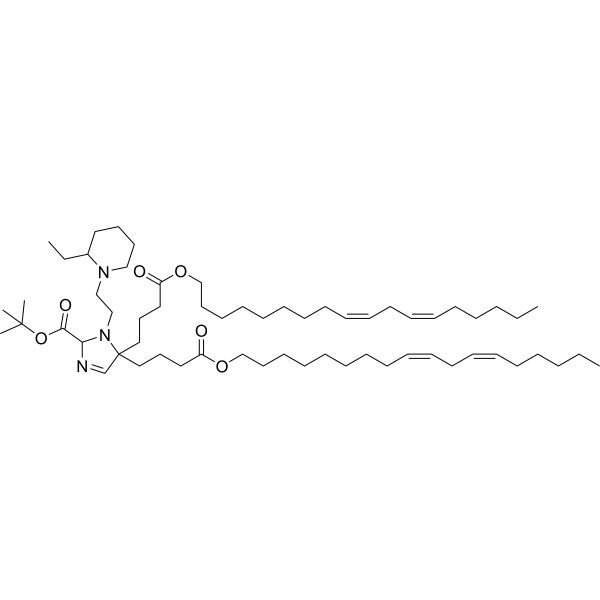
| DC60489 | LIPID 331 Featured |
Lipid 331 is a biodegradable cyclic ionizable lipid. LNPs containing Lipid 331 result in robust transfection in the nasal and lung tissues of mice and efficient transfection of lung epithelial cells and lung-resident APCs. Lipid 331 is a promising candidate for mRNA vaccine delivery, offering the potential for further enhancing the potency of mRNA vaccines.
More description
|
|
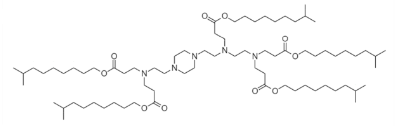
| DC60545 | 200Oi10 Featured |
200Oi10 is a highly potent, biodegradable ionizable lipidoid optimized for targeted mRNA delivery, with its organ tropism dynamic to the route of administration. Under intravenous injection, it demonstrates an extraordinary 97.7% liver specificity mediated by endogenous ApoE binding. Strikingly, shifting to intraperitoneal injection redirects its tropism, yielding up to 46.4% pancreatic targeting, which can be further boosted when co-formulated with DOTAP. Featuring ester-conjugated cleavable tails, 200Oi10 guarantees rapid metabolic clearance and negligible tissue accumulation toxicity, making it an exceptional candidate for localized pancreatic therapy and efficient hepatic gene delivery.
More description
|
|
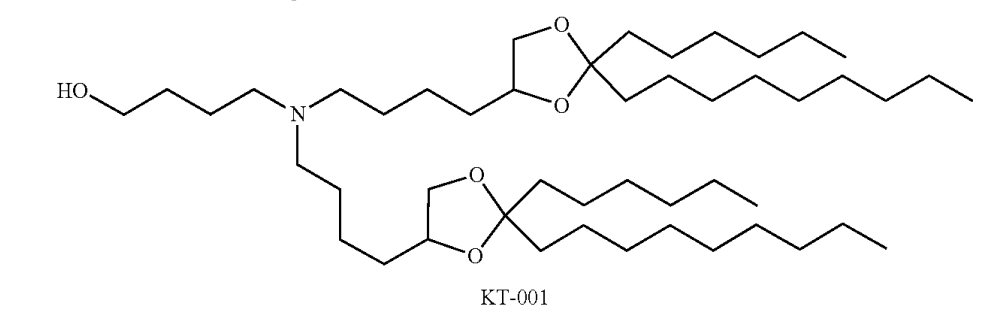
| DC67988 | KT-001 Featured |
KT-001 is a novel ionizable cationic lipid developed by Vivas, Inc., disclosed in US 2026/0007612 A1 (published Jan 8, 2026).KT-001 demonstrates exceptional skeletal muscle targeting and low liver toxicity.Unlike traditional lipids that primarily accumulate in the liver, KT-001 avoids serum ApoE binding, preventing hepatic uptake. Upon intramuscular injection, it achieves a 29-fold reduction in liver off-target expression compared to standard lipids, while maintaining robust, long-lasting protein expression at the injection site.Its optimized pKa enables precise, pH-responsive endosomal escape for high transfection efficiency. KT-001 is an ideal carrier for localized mRNA vaccines and targeted therapeutics for muscle-related disorders.
More description
|
|
| DC82105 | 93-O17O Featured |
93-O17O is a chalcogen-containing ionizable cationic lipidoid. It has been used in the generation of lipid nanoparticles (LNPs). LNPs containing 93-O17O localize to the spleen after intravenous injection into mice.LNPs containing 93-O17O have been used for the delivery of Cre recombinase and ribonucleoproteins for genome editing in mice and for the intratumoral delivery of cGAMP to enhance cross-presentation of tumor antigens.
More description
|

|
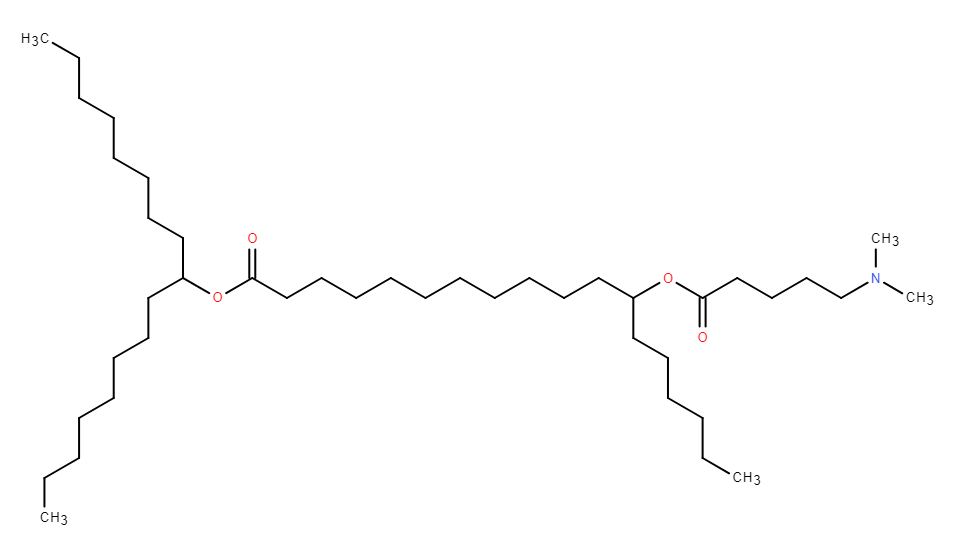
| DC67570 | Generation Lipid 87 Featured |
Lipid 87 is a proprietary ionizable lipid developed by Generation Bio. Used as a key ingredient in stealth LNPs, it greatly prolongs blood circulation time, maintains high nucleic acid encapsulation efficiency and low cytotoxicity, and enables effective liver targeting. Its relevant applications are documented in PCT patent WO2026/080826A1. As a core component (47.5–57.5 mol%) of stealth lipid nanoparticles (LNPs), it works synergistically with steric-stabilizing polymers like DSG-PEG₂₀₀₀-OMe to extend the in vivo blood half-life of LNPs to over 24 hours (compared to merely 30 minutes of conventional LNPs). It achieves an encapsulation efficiency above 95% for mRNA and closed-ended DNA (ceDNA), exhibits low cytotoxicity with an IC₅ value greater than 100 μM, and delivers robust liver-targeting performance, obtaining over 80% hepatocyte transfection at a dosage of 0.5 mpk. In preclinical models of hemophilia B, LNPs formulated with Lipid 87 can restore around 40% of clotting factor IX (FIX) activity for more than seven days.
More description
|
|
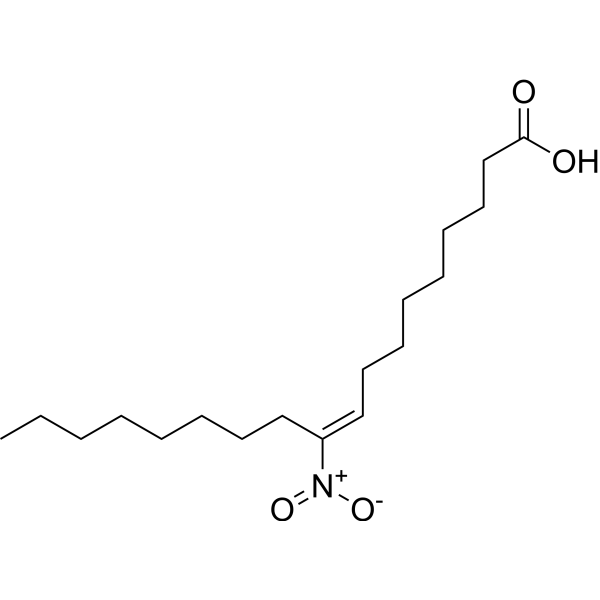
| DC47162 | 10-Nitrooleic acid Featured |
10-Nitrooleic acid (CXA-10), a nitro fatty acid, has potential effects in disease states in which oxidative stress, inflammation, fibrosis, and/or direct tissue toxicity play significant roles.
More description
|
|
| DC77017 | 9(10)-Nitrooleate Featured |
9(10)-Nitrooleate(NOA)is an endogenous nitrated fatty acid that functions as a highly efficient bioactive molecule. Its primary role is the specific inhibition of the STING protein, a key inflammatory signaling sensor within cells. When STING is aberrantly activated, it can trigger a severe inflammatory response, leading to cellular damage.Mechanistically, NOA acts as an electrophile, capable of covalently modifying specific cysteine residues on the STING protein, thereby effectively blocking its ability to activate downstream signaling pathways. This inhibitory action establishes NOA as a potent endogenous anti-inflammatory agent.
In practical application, loading NOA into delivery systems, such as lipid nanoparticles, equips them with an intrinsic "molecular fire extinguisher." It significantly mitigates the acute inflammatory response triggered by delivered cargo, effectively transforming otherwise toxic delivery vehicles into safe platforms. The core value of NOA lies in its ability to provide exceptional safety without compromising the functional expression of therapeutic payloads, offering a crucial safeguard for achieving long-term treatments.
More description
|
-Nitrooleate.gif)
|
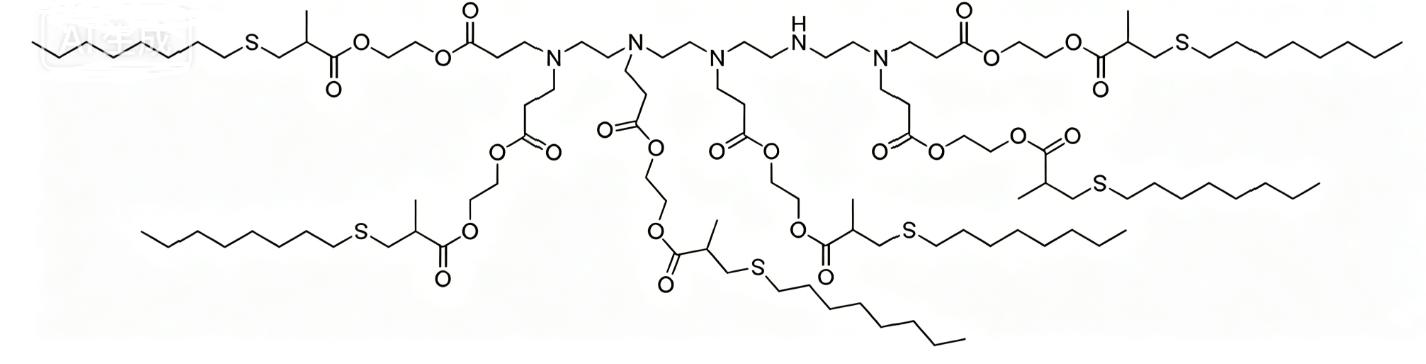
| DC60940 | 6A1-SC8 Featured |
6A1‑SC8 is a biodegradable ionizable lipid developed for LNP-based nucleic acid delivery. With multi-tertiary amine core enabling optimal endosomal escape and built-in hydrolyzable ester linkages for in vivo metabolic clearance, it efficiently encapsulates mRNA, sgRNA and gene-editing payloads. When blended with helper lipids or modified via the SORT strategy with cationic additives like DOTAP, it generates organ-targeted LNPs ranging from liver to cardiac tropism, widely applied in preclinical gene therapy, in vivo CAR‑T and rare disease therapeutic research.
More description
|
|
