 To enhance service speed and avoid tariff delays, we've opened a US warehouse. All US orders ship directly from our US facility.
| Cat. No. | Product Name | Field of Application | Chemical Structure |
|---|---|---|---|
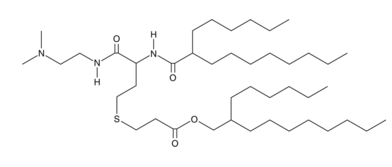
| DC66650 | CP-LC-0729 |
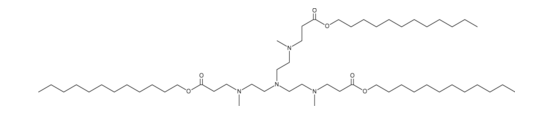
Lipid CP-LC-0729, an ionizable cationic amino lipid synthesized from homocysteine—a naturally occurring amino acid—has been shown to exhibit superior efficacy in the delivery and subsequent protein expression of various RNA modalities, including messenger RNA (mRNA), circular RNA (cRNA), and self-amplifying RNA (saRNA) in vivo. Importantly, CP-LC-0729 demonstrates an exemplary safety profile, with no observable toxicological effects in preclinical studies.
Comparative analyses reveal that CP-LC-0729 significantly surpasses MC3, a widely utilized benchmark lipid nanoparticle formulation, in terms of protein expression efficiency. Specifically, CP-LC-0729 achieves a striking 32-fold enhancement in protein expression within lung tissue relative to MC3, underscoring its pronounced tissue selectivity and targeting efficacy for pulmonary applications. These findings suggest that CP-LC-0729 represents a highly promising candidate for the development of RNA-based therapeutics, particularly in the context of lung-targeted delivery systems, where its combination of high efficiency and low toxicity offers significant translational potential.
More description
|
|
| DC67473 | Lipid HTO12 |
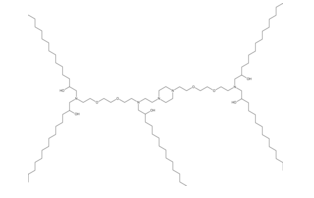
HTO12 is an ionizable cationic lipid (pKa ~6.43) specifically designed for mRNA encapsulation in lipid nanoparticles. When formulated with complementary lipids, it enables efficient nucleic acid delivery in both cellular systems and living organisms.
More description
|

|
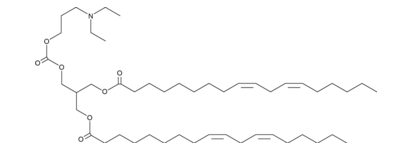
| DC66220 | Ionizable Lipid 4 |
Ionizable lipid 4 is an ionizable cationic lipid (pKa = 6.1) and a hydrogen peroxide-induced rearrangement product of the cationic lipid CA-lipid 5.1 Charge-altering lipid nanoparticles (CALNPs) containing CA-lipid 5 and encapsulating siRNA against EGFP undergo hydrogen peroxide-induced removal of the phenylboronic acid groups from CA-lipid 5 in MCF-7 cells in vitro, generating ionizable lipid 4-containing LNPs with reduced positive charges at physiological pH, facilitating intracellular siRNA release and gene silencing. LNPs containing ionizable lipid 4 and encapsulating siRNA against PLK1 reduce tumor volume in an MCF-7 mouse xenograft model less effectively than CALNPs containing CA-lipid 5.
More description
|
|
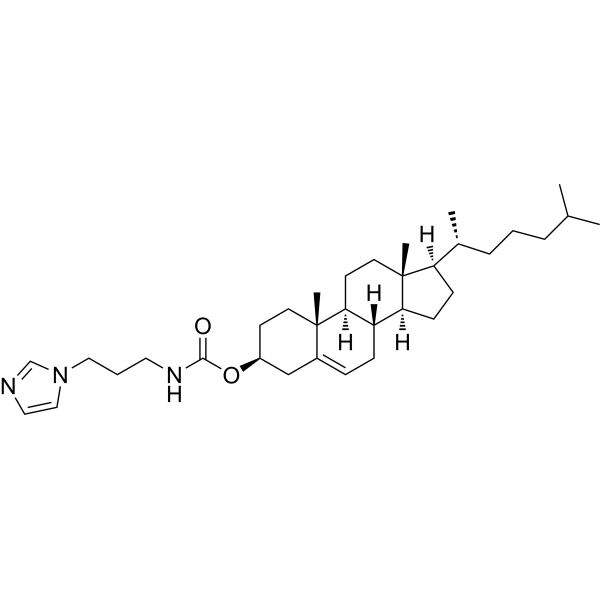
| DC67129 | IZ-Chol |
IZ-Chol (IZ-Cholesterol) is an ionizable cationic lipid containing cholesterol. IZ-Chol-LNPs is highly potential to effectively complex with DNA, and endosome escape mechanisms mediated by proton sponge effect.
More description
|
|
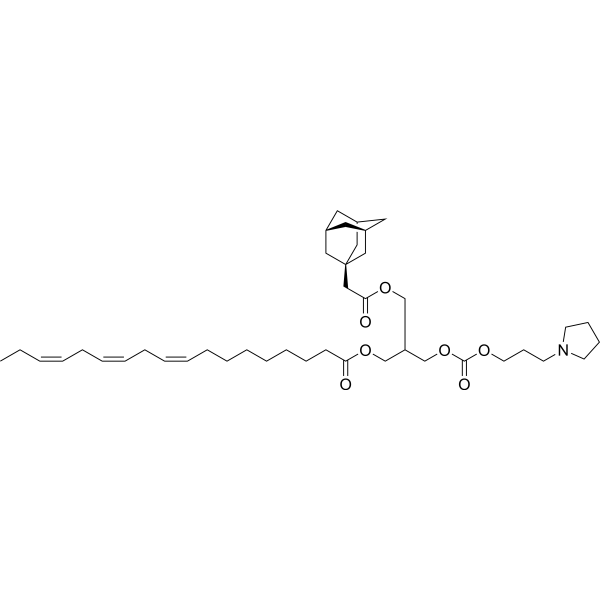
| DC67121 | 1-A-N |
1-A-N is a lipid nanoparticle (LNP) used for in vivo delivery of siRNA. 1-A-N can regulate immune response by delivering siCD45 (siRNA targeting CD45) to T cells and silencing the CD45 gene.
More description
|
|
| DC66222 | SIL Lipid |
SIL lipid is an ionizable cationic lipid that has been used in the generation of lipid nanoparticles (LNPs) for the delivery of siRNA in vitro.1 LNPs containing SIL lipid and encapsulating siRNA targeting mRNA encoding the purinergic P2X7 receptor decrease protein levels of the purinergic P2X7 receptor, reduce migration in a wound healing assay, and induce apoptosis and necrosis in 4T1 breast cancer cells.
More description
|
|
| DC60555 | C14-O2 |
C14-O2 is an oxidized lipid for mRNA delivery. C14-O2-LNP is capable of potent and selective delivery of mRNA to blood monocytes. C14-O2 LNP is used to deliver a functional CD19-CAR mRNA and is shown to engineer functional CAR monocytes directly in situ.
More description
|
|
| DC67475 | FTT5 LLNs |
FTT5 LLNs is a modified TT3-derived lipidoid optimized for nucleic acid delivery via lipid-like nanoparticles (LLNs). These formulations demonstrate hepatic tropism in mice and enhance reporter gene expression in Hep3B cells. Therapeutically, FTT5 LLNs successfully deliver Factor VIII mRNA to restore clotting activity in hemophilic mice and enable in vivo genome editing applications.
More description
|

|
| DC67478 | Lipid C-1 |
Lipid C-1 is an ionizable cationic amino lipid structurally derived from SM-102, optimized for enhanced mRNA delivery. When formulated into LNPs, it demonstrates superior transfection efficiency in Calu-3 cells, driving significantly higher luciferase reporter expression compared to its parent compound.
More description
|

|
| DC65857 | BAmP-O16B |
BAmP-O16B is an ionizable cationic amino lipid that has been used in the generation of lipid nanoparticles (LNPs).
More description
|

|
| DC67122 | Lipid 50 |
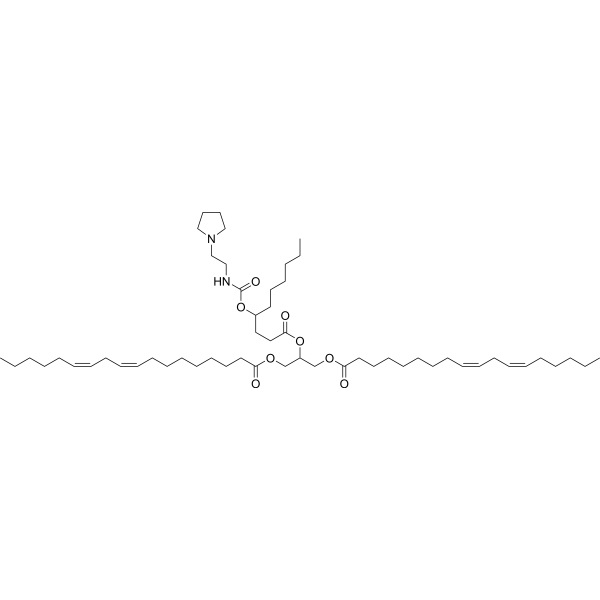
Lipid 50 (compound 50) is an ionizable lipid that can be used for the generation of lipid nanoparticles (LNPs). Lipid 50 is a carrier for both siRNA and mRNA.
More description
|
|
| DC65854 | PPPDA-O16B |
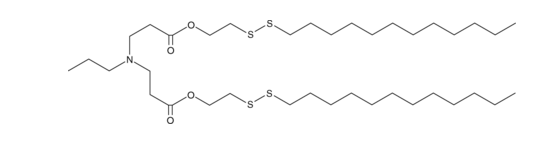
PPPDA-O16B is a disulfide bond-containing ionizable cationic lipid that has been used in the generation of lipid nanoparticles (LNPs) for plasmid delivery in vitro and in vivo.
More description
|
|
| DC65853 | (S)-C12-200 |
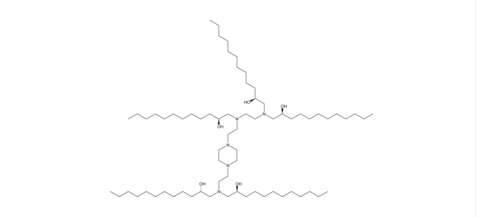
(S)-C12-200 is an ionizable cationic lipid (pKa = 7.12) and an isomer of C12-200 (Item No. 36699).1 It has been used in the formation of lipid nanoparticles (LNPs) for the delivery of mRNA in vivo.
More description
|
|
| DC67485 | A1-28 |
A1-28 is a redox-responsive ionizable lipid featuring a disulfide linkage, designed for CRISPR component delivery. Its LNP formulations effectively package both Cas9 mRNA and sgRNA, enabling efficient genome editing in cultured cells.
More description
|

|
| DC65852 | C3-K2-E14 |
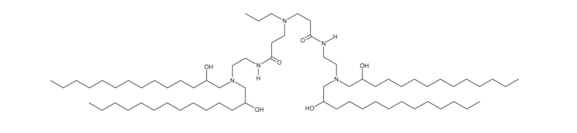
C3-K2-E14 is an ionizable cationic lipid (pKa = 5.5).1 It has been used in the generation of lipid nanoparticles (LNPs) for the delivery of mRNA or siRNA in vitro and in vivo.
More description
|
|
| DC60405 | C13-112-tri-tail |
C13-112-tri-tail is a synthetic ionizable lipid molecule designed for use in lipid nanoparticles (LNPs) for the delivery of anionic substrates, such as nucleic acids (e.g., siRNA, mRNA) and proteins.
More description
|

|
| DC65858 | Lipid OA2 (hydrochloride) |
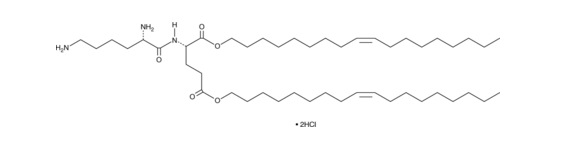
Lipid OA2 is an ionizable cationic lipid that has been used in the generation of single-component lipid nanoparticles (LNPs) for the delivery of siRNA.
More description
|
|
| DC67511 | ALC-0315 N-oxide |
ALC-0315 N-oxide represents a potential oxidative degradation product that may be present in formulated batches of the cationic lipid ALC-0315.
More description
|

|
| DC60471 | Lipid 16 |
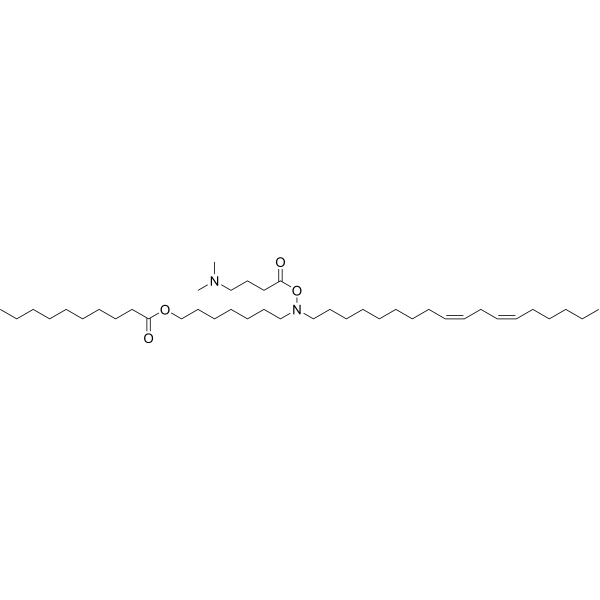
Lipid 16 is an ionizable lipid that can be used to synthesize lipid nanoparticles (LNP) for delivering mRNA and other payloads. Lipid 16 as a potent cell type-specific ionizable lipid for the CD11bhi macrophage population without an additional targeting moiety.
More description
|
|
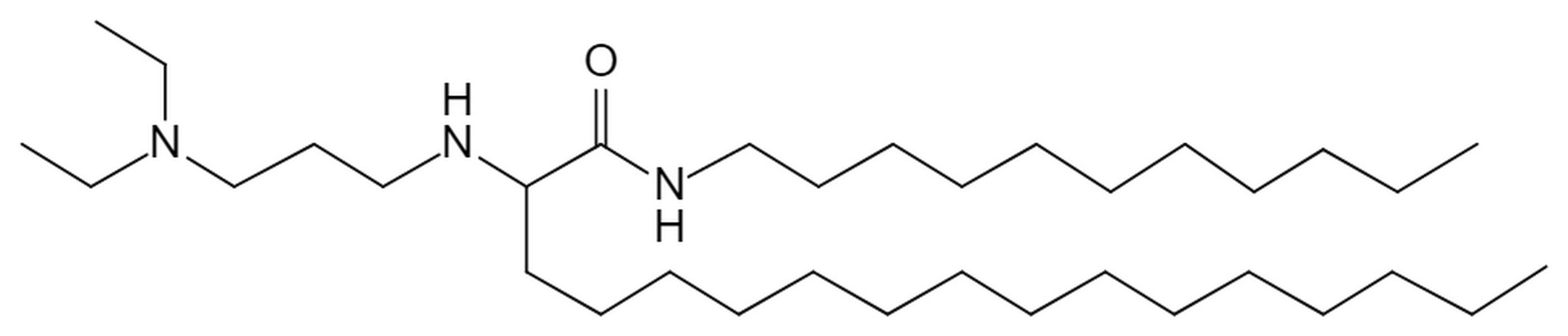
| DC60465 | Lipid R6 |
R6 is a new ionizable lipid driven from AI-Guided Ionizable Lipid Engineering (AGILE) platform for mRNA delivery.
More description
|
|
| DC65625 | C12-SPM |
C12-SPM is a polyamine branched-chain lipidoid.
More description
|

|
| DC65624 | RM 137-15 |
RM 137-15 is an ionizable cationic lipid that has been used in the formation of lipid nanoparticles (LNPs) for the delivery of mRNA in vivo.
More description
|

|
| DC60455 | RM133-3 |
RM133-3 is an ionizable lipid for potent functional mRNA delivery in vivo. The LPN formulation RM133-3-21, is found to be roughly 4.5 times more potent than DLin-MC3-DMA.
More description
|

|
| DC60474 | OC2-K3-E10 |
OC2-K3-E10 is an ionizable cationic lipid (pKa = 6.8).1 It has been used in the formation of lipid nanoparticles (LNPs) for the delivery of CRISPR complementary single-guide RNA (sgRNA) and Cas9 mRNA for genome editing in transgenic mice.
More description
|
|
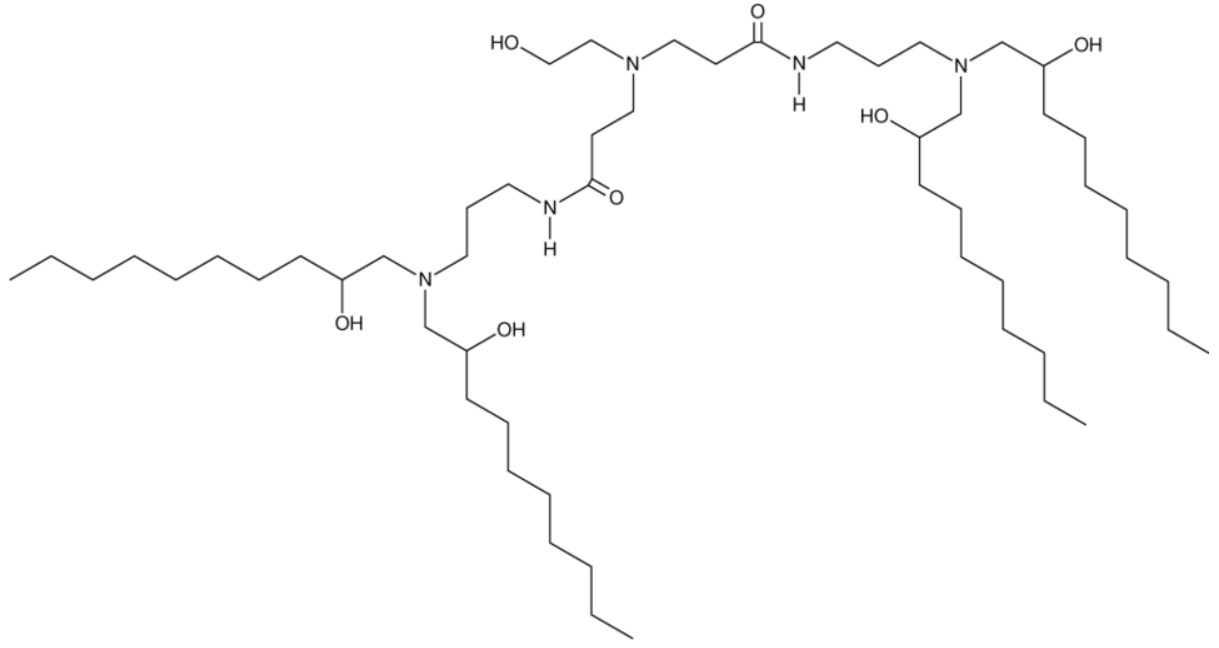
| DC60477 | Lipid Catechol |
Lipid catechol is a lipid that contains an α-aminophosphonate group, two 14-carbon acyl chains, and a catechol ring that forms a covalent bond with boronic acid-containing compounds to form lipid prodrug nanoassemblies (LPNA).1 LPNAs composed of lipid catechol conjugated to phenylboronic acid-modified ciprofloxacin (CIP-PBA) inhibit the formation of, and disrupt preformed, S. aureus biofilms and eradicate staphylococci in a mouse model of peritoneal S. aureus infection. LPNAs composed of lipid catechol conjugated to bortezomib (BTZ) reduce tumor growth and increase survival in a 4T1 murine mammary carcinoma model.
More description
|
|
| DC86805 | Lipid 23 |
Lipid 23 is an ionizable cationic amino lipid (pKa = 5.7) that has been used with other lipids in the formulation of lipid nanoparticles (LNPs). Intravenous administration of LNPs containing lipid 23 and encapsulating an mRNA reporter accumulate specifically in the mouse liver.
More description
|

|
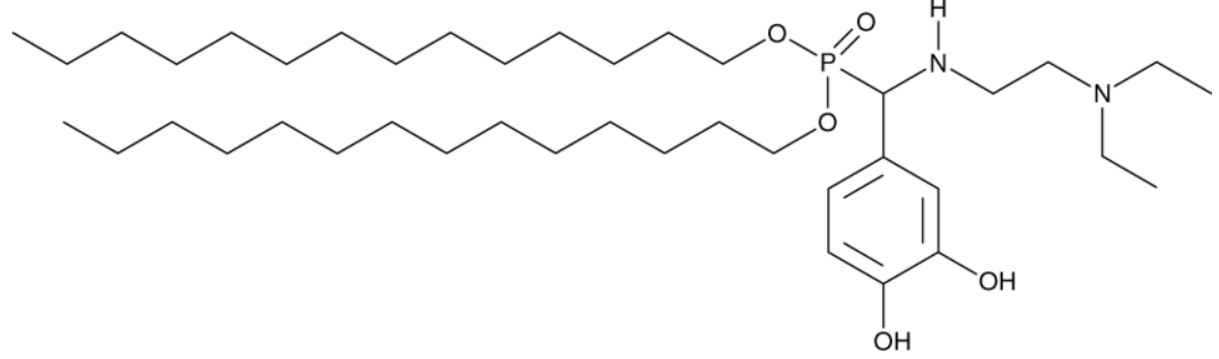
| DC60476 | 1O14 |
1O14 is an ionizable cationic lipid that has been used in combination with other lipids in the formation of lipid nanoparticles (LNPs).
More description
|
|
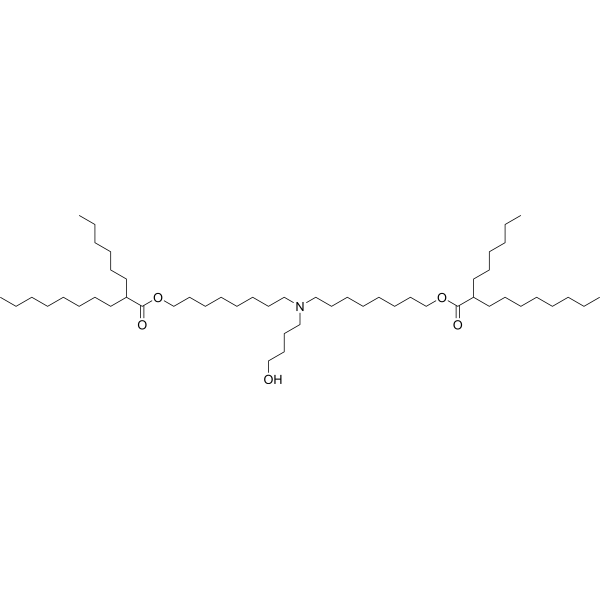
| DC67135 | Lipid B37 |
Lipid B37 (B37) is an ionizable amino lipid, which can be used to form lipid nanoparticles and deliver mRNA.
More description
|
|
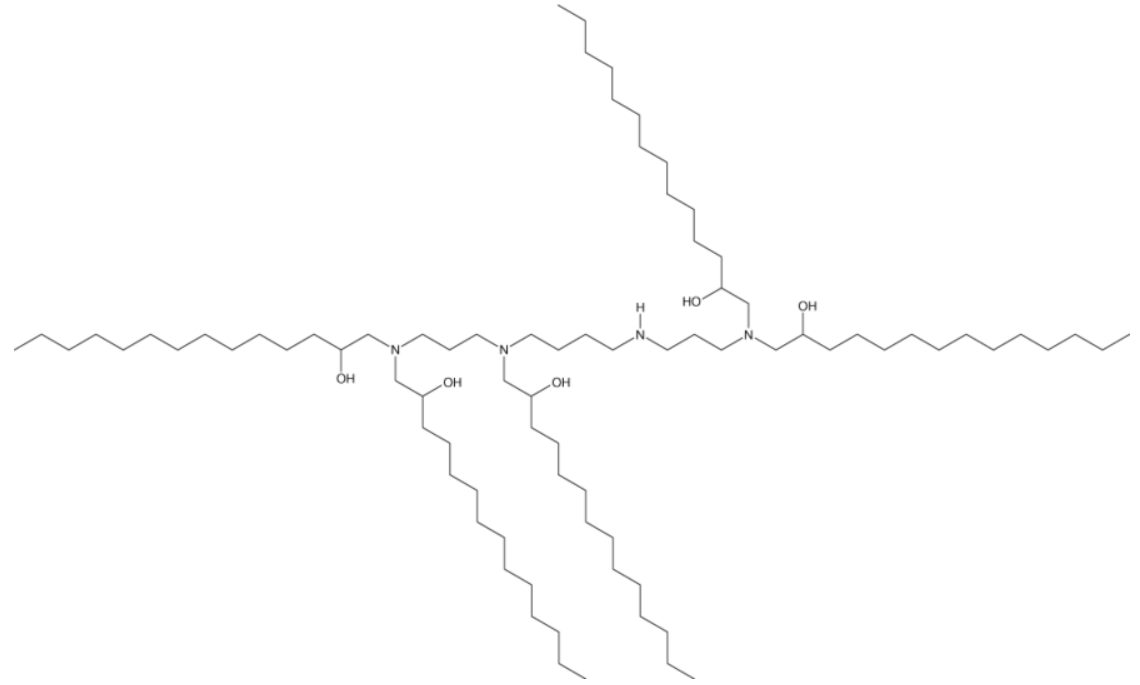
| DC65626 | C14-SPM |
C14-SPM is a polyamine branched-chain lipidoid.1 It has been used in combination with other lipids in the formation of lipid nanoparticles (LNPs) for the delivery of siRNA.
More description
|

|
| DC65348 | DOG-IM4 |
DOG-IM4 is an ionizable cationic lipid (apparent pKa = 5.6) that has been used in the generation of lipid nanoparticles (LNPs) for the delivery of mRNA.1 Immunization with LNPs containing DOG-IM4 and encapsulating mRNA encoding influenza A hemagglutinin (HA) increases HA-inhibiting antibody titers (HI titers) in mice and cynomolgus macaques.
More description
|

|
