 To enhance service speed and avoid tariff delays, we've opened a US warehouse. All US orders ship directly from our US facility.
| Cat. No. | Product Name | Field of Application | Chemical Structure |
|---|---|---|---|
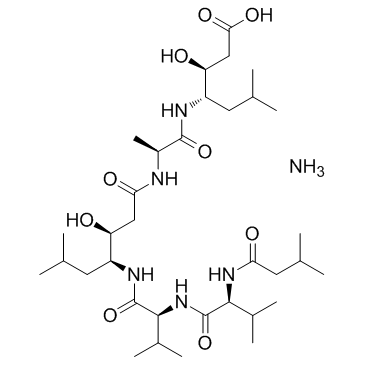
| DC12301 | Pepstatin Ammonium (Pepstatin A Ammonium) |
Pepstatin Ammonium is a specific aspartic protease inhibitor produced by actinomycetes, with IC50s of 4.5 nM, 6.2 nM, 150 nM, 290 nM, 520 nM and 260 nM for hemoglobin-pepsin, hemoglobin-proctase, casein-pepsin, casein-proctase, casein-acid protease and he
More description
|
|
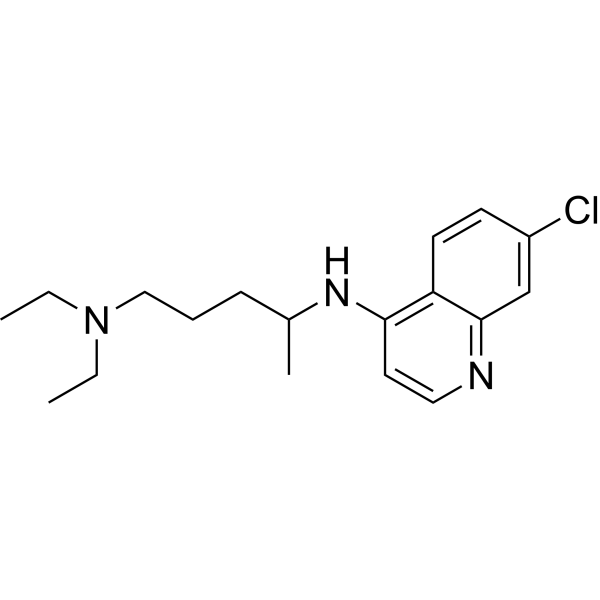
| DC37947 | Chloroquine Featured |
Chloroquine is a medication used to prevent and to treat malaria in areas where malaria is known to be sensitive to its effects. Certain types of malaria, resistant strains, and complicated cases typically require different or additional medication. It is also occasionally used for amebiasis that is occurring outside the intestines, rheumatoid arthritis, and lupus erythematosus. Chloroquine enters the red blood cell, inhibiting the parasite cell and digestive vacuole by simple diffusion. Chloroquine then becomes protonated (to CQ2+), as the digestive vacuole is known to be acidic (pH 4.7); chloroquine then cannot leave by diffusion. Chloroquine caps hemozoin molecules to prevent further biocrystallization of heme, thus leading to heme buildup.
More description
|
|
| DC70934 | ZH97 Featured |
ZH97 is a selective and covalent small-molecule inhibitor of BFL-1 protein with binding Ki of 0.41 uM, >200-fold selectivity over MCL-1.ZH97 does not bind to BCL-xL, BCL-2, TEAD2, TEAD4, MDM2, MDMX, BRD2 BD1, BRD2 BD2, BRD3 BD1, BRD3 BD2, BCL9, PD1/PD-L1 (Ki>400 uM).ZH97 modifies BFL-1 at the C55 residue, blocks BFL-1/BID interaction in vitro.ZH97 dose-dependently increased cytoplasmic cytochrome c level in U937 cells, has cell growth inhibition with IC50 of 2.8 uM, 5.5 uM, 7.7 uM, 6.8 uM, and 3.9 uM in U937, Kasumi-1, K562, MM.1S, and MV4-11 cell lines, respectively.ZH97 inhibits BFL-1/PUMA interaction in cell lysate and is effective in cancer cells that harboring highexpression level of BFL-1.
More description
|

|
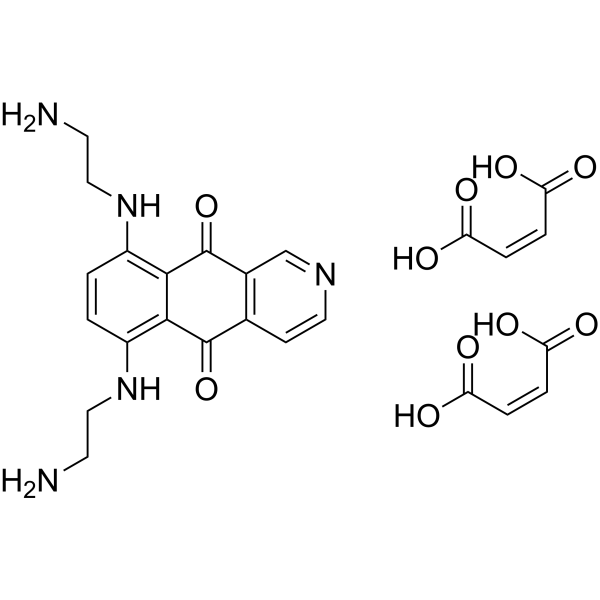
| DC31273 | Pixantrone Maleate Featured |
Pixantrone is a synthetic, noncardiotoxic aza-anthracenedione analogue with potential antineoplastic activity. Pixantrone intercalates into DNA and induces topoisomerase II-mediated DNA strand crosslinks, resulting in inhibition of DNA replication and tumor cell cytotoxicity. Pixantrone is a potentially more effective, less cardiotoxic alternative to doxorubicin for patients with aggressive non-Hodgkin lymphoma (aNHL).
More description
|
|
| DC73744 | ADAM9i Featured |
ADAM9i is a specific small molecule inhibitor of ADAM9 protein with binding KD of 5.9 uM and enzyme IC50 of 5.2 uM, promotes the selective degradation of KRAS and sensitizes pancreatic cancers to chemotherapy.
More description
|

|
| DC74360 | BC-DXI-32982 Featured |
BC-DXI-32982 is a potent inhibitor of the interaction between DX2 and KRAS4B with a half-maximal inhibitory concentration (IC50) of 0.18 μM, showing little effect on the PRKACA-PRKAR2A interaction.
More description
|

|
| DC70327 | CTIBD Featured |
CTIBD is a novel potent activator of the BKCa channel with EC50 of 3.9 uM.CTIBD showed significantly higher potency compared with three other known BKCa activators: NS 1619, NS 11021, and rottlerin.CTIBD induced a reversible potentiation of macroscopic outward currents of the BKCa channel, CTIBD activates both rSlo/rβ1 and rSlo/rβ4 coexpressed channels mainly by decreasing the closing rate of the channel.CTIBD concentration-dependently reduced ACh-induced contractions in isolated rat urinary bladder strips. CTIBD effectively restored frequent voiding contraction and lowered voiding volume without affecting other bladder function parameters in acetic acid-induced overactive bladder (OAB) model (i.p. 20 mg/kg).
More description
|

|
| DC28177 | Dazoxiben hydrochloride Featured |
Dazoxiben hydrochloride is a potent and orally active thromboxane (TX) synthase inhibitor.
More description
|

|
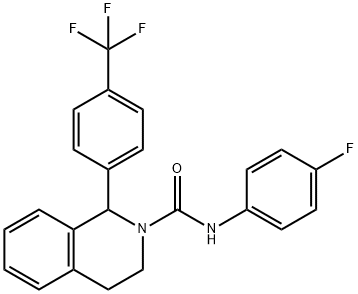
| DCC5057 | Tc-i 2000 Featured |
Novel TRPM8 channel blocker
More description
|
|
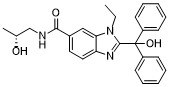
| DC71165 | VY-3-135 Featured |
VY-3-135 is an orally active, selective acetyl-CoA synthetase 2 (ACSS2) inhibitor with an IC50 value of 44 nM. VY-3-135 displayes no inhibitory activity towards recombinant human ACSS1 or ACSS3. VY-3-135 potently inhibits ACSS2 dependent fatty acid metabolism but has no effect on gene expression in tumors. VY-3-135 inhibits triple negative breast cancer (TNBC) tumor growth in mouse ACSS2high but not ACSS2low tumors models.
More description
|
|
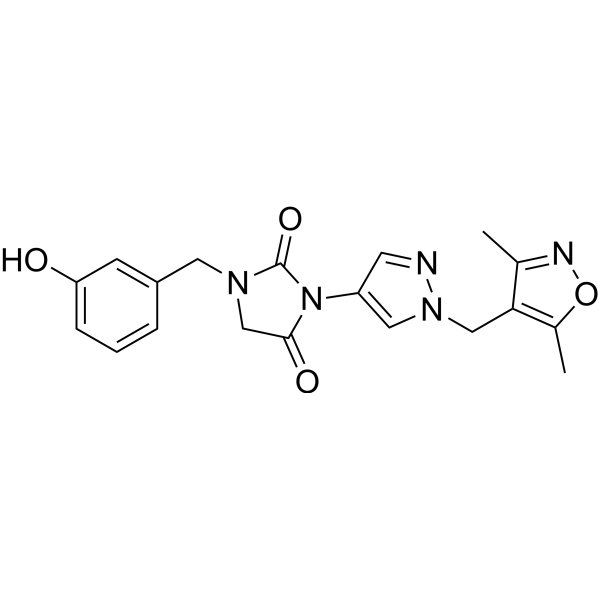
| DC73509 | S6821 Featured |
S6821 (S 6821) is a potent and selective antagonist of the bitter taste receptor TAS2R8, exhibiting an IC50 value of 21 nM.
It demonstrates high selectivity across a panel of 16 TAS2Rs, effectively reduces the bitterness of coffee, and shows an excellent safety profile.
More description
|
|
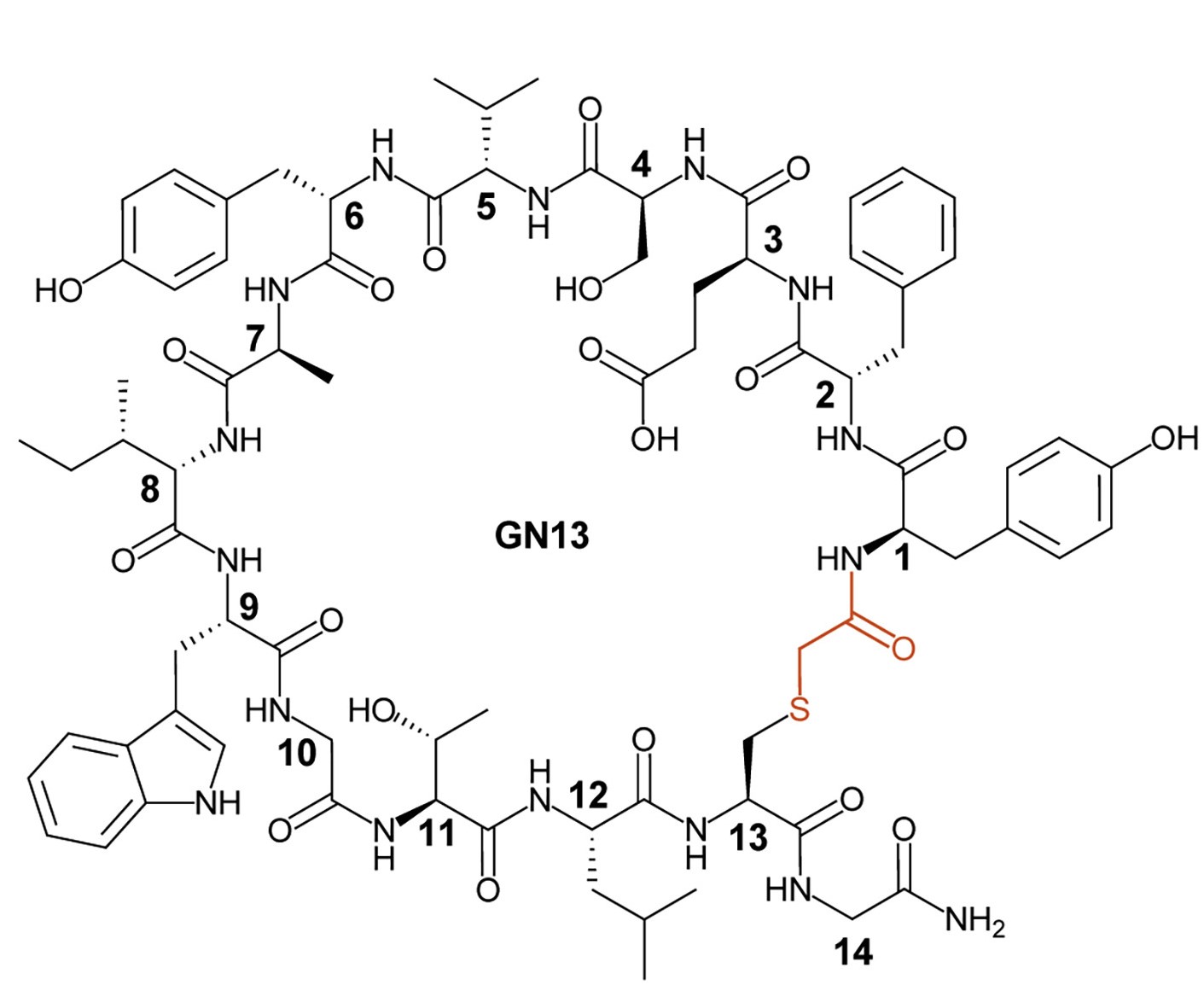
| DC60284 | GN13 Featured |
GN13 is a potent, selective, and cell-permeable inhibitor of Gαs, with a strong binding affinity for the active, GTP-bound state of Gαs (KD = 0.19 μM). Its high selectivity and ability to penetrate cells make it a powerful tool for studying Gαs signaling in both basic research and potential therapeutic applications.
More description
|
|
| DC70444 | GS-680 Featured |
GS-680 (GS680) is a novel selective and ATP-competitive CaMKII inhibitor with biochemical IC50 of 2.3 and 15.9 nM against CaMKIIδ and CaMKIIα, respectively.GS-680 inhibited phospholamban phosphorylation in NRVM with an EC50 of 98.9 nM.GS-680 inhibits premature atrial contractions.GS-680 significantly reduced CaMKII autophosphorylation.GS-680 inhibits pro-arrhythmic activity in human atrium and improves contractility in failing human ventricle.
More description
|

|
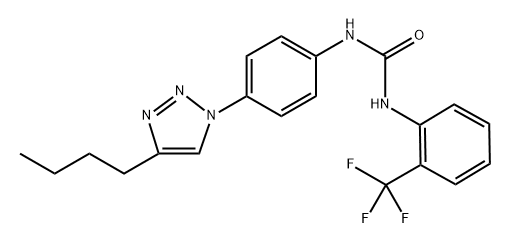
| DC72871 | FHP01 Featured |
FHP01 (BA103) is a potent, small molecule inhibitor of DDX3X helicase activity with IC50 of 0.3 uM in in vitro enzyme assays, exhibits very effective antiproliferative and killing activity against different breast cancer cell types (IC50=3.058 and 3.21 μM in MDA MB 468 and MDA MB 231, respectively).
FHP01 does not inhibit the ATPase activity of DDX3X and the helicase activity of DDX1 (IC50>100 uM).
FHP01 also inhibited WNT signaling, a key tumorigenic pathway already correlated to DDX3X functions in breast cancer model cell lines.
FHP01 inhibits ER+/PR+ (IC50 = 12.43 and 10.62 μM in MCF7 and T47D cells, respectively) and HER2+ (IC50 = 13.46 μM in SKBR3) cells, but lower in control MCF10A cells (IC50 = 28.71 μM).
FHP01 (45 mg/kg, i.p. injection) suppresses rowth of MDA MB 231 tumor xenografts in nude mice.
More description
|
|
| DC73988 | EP055 Featured |
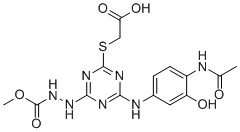
EP055 (EP-055) is a small molecule that targets EPPIN on the surface of sperm and inhibits motility (IC50=199.5 uM, CASA assay using human sperm), binds to the C-terminal domain of EPPIN.
More description
|
|
| DC49572 | (R)-AM-5308 Featured |
AM-5308 is a potent and selective KIF18A inhibitor with demonstrated antitumor activity in cell-based and animal models. Its ability to disrupt mitosis and induce cancer cell death makes it a promising candidate for further development as a cancer therapeutic.
More description
|

|
| DCC3505 | Mßl-in-2i Featured |
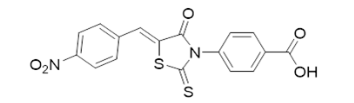
Novel potent broad-spectrum metallo-β-lactamase (MβL) inhibitor, inhibiting the MβLs NDM-1, VIM-2, ImiS, and L1
More description
|
|
| DCC3584 | ncgc00161856 Featured |
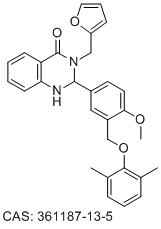
NCGC00161856 is identified as the first small-molecule ligand and inverse agonist of the thyroid-stimulating hormone receptor (TSHR). It inhibits basal cAMP production in HEK-EM 293 cells that stably express TSHRs, with a half-maximal inhibitory concentration (IC50) of 3.0 µM. This means that NCGC00161856 effectively reduces the constitutive activity of TSHR, which is the receptor's activity in the absence of its natural ligand (thyroid-stimulating hormone, TSH).
More description
|
|
| DC60781 | TRPC6 activator compound 2 Featured |
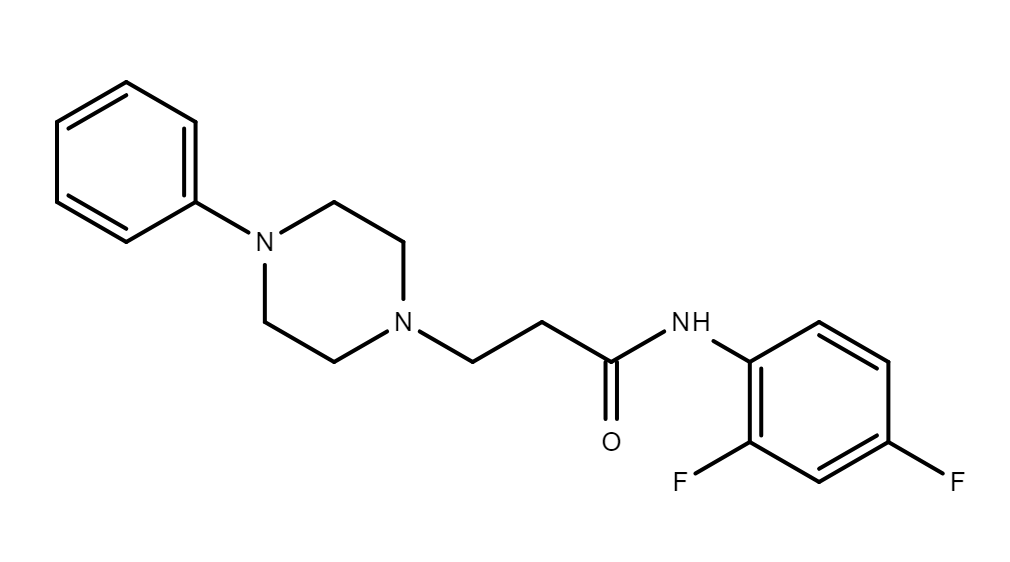
TRPC6 activator compound 2 is selective activator of TRPC6 that does not potentiate TRPC3 and mTRPC7. Comp2 is able to cross BBB.
More description
|
|
| DC73863 | ODH-08 Featured |
ODH-08 is a novel specific small molecule ligand and agonist of RORα with KD value of 8.4 um, shows potent antifibrotic effect.
ODH-08 does not activate other nuclear receptors involved in lipid metabolism such as PPARα, PPARγ, PPARδ, and LXRα.
ODH-08 reduces hepatic collagen deposition and expression levels of fibrogenic markers such as α-smooth muscle actin and collagen type I alpha 1 chain in Western diet-fed mice.
ODH-08 suppresses the expression of fibrogenic proteins in hepatic stellate cells (HSCs).
ODH-08 suppresses the activity of SMAD2 and 3, which are the primary downstream proteins of transforming growth factor β.
More description
|

|
| DC72952 | Savirin Featured |
Savirin (S. aureus virulence inhibitor) is a small molecule that targets the agr (accessory gene regulator) quorum sensing system in Staphylococcus aureus (S. aureus). The agr system is a key regulatory pathway that controls the expression of virulence factors in S. aureus, which are critical for its pathogenicity. The system involves a two-component signal transduction pathway consisting of AgrC (a histidine kinase) and AgrA (a response regulator).
More description
|

|
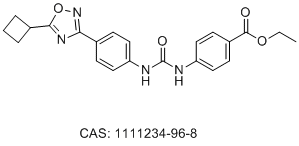
| DC74218 | UT-59 Featured |
UT-59 is a specific inhibitor that targets the cholesterol-sensing membrane protein Scap (SREBP cleavage-activating protein). It functions by binding to Scap's cholesterol-binding site, which prevents Scap from interacting with SREBPs (sterol regulatory element-binding proteins). This inhibition blocks the activation of SREBPs, which are key transcription factors involved in lipid and cholesterol biosynthesis. As a result, UT-59 effectively suppresses lipid synthesis, making it a potential therapeutic candidate for conditions associated with dysregulated lipid metabolism, such as hyperlipidemia, atherosclerosis, or metabolic disorders.
More description
|
|
| DC74445 | FL-1607 Featured |
FL-1607, a novel Fam20C inhibitor, has shown remarkable anti-proliferative effects in triple-negative breast cancer (TNBC) cells. This compound induces apoptosis and significantly reduces the migration ability of MDA-MB-468 cells, underscoring its potential as a promising therapeutic agent for TNBC treatment.
More description
|

|
| DC22085 | Tasurgratinib Featured |
E7090 (E 7090) is a highly potent and selective orally bioavailable inhibitor targeting FGFR1, FGFR2, and FGFR3, with IC50 values of 0.71 nM, 0.50 nM, and 1.2 nM, respectively. It exhibits significantly weaker inhibition of FGFR4, with an IC50 of 120 nM. This distinct selectivity profile positions E7090 as a promising therapeutic candidate for diseases driven by aberrant FGFR1-3 signaling, offering a targeted approach to inhibit these receptors while minimizing off-target effects on FGFR4. Its oral availability further enhances its potential as a convenient and effective treatment option for patients with FGFR-dependent conditions.
More description
|

|
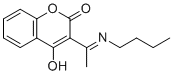
| DC21359 | 3-(N-butylethanimidoyl)-4-hydroxy-2H-chromen-2-one Featured |
BHC, a small-molecule inhibitor of skeletal muscle myosin, effectively suppresses muscle activity by targeting myosin function without altering membrane currents. This compound emerges from a screening process aimed at identifying molecules capable of modulating muscle movement through myosin inhibition. By specifically inhibiting myosin, BHC provides a unique mechanism for controlling muscle contractions while maintaining the integrity of cellular electrical properties.
More description
|
|
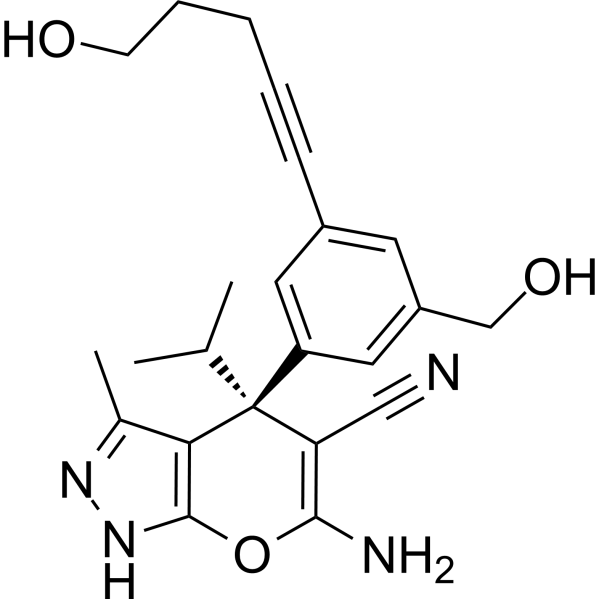
| DC72456 | (+)SHIN2 Featured |
(+)SHIN2 is a serine hydroxymethyltransferase (SHMT) inhibitor, whose target can be traced with 13C-serine. (+)SHIN2 increases survival in NOTCH1-driven mouse primary acute lymphoblastic leukemia (T-ALL) in vivo with a synergistic effect with Methotrexate.
More description
|
|
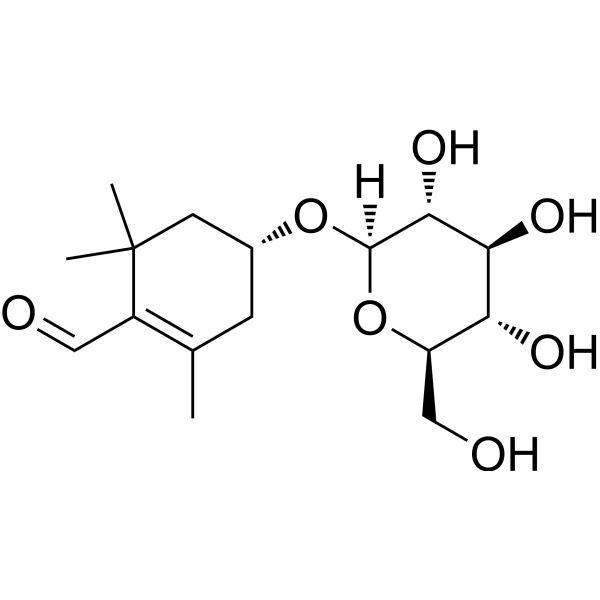
| DC32385 | Picrocrocin Featured |
Picrocrocin is a monoterpene glycoside precursor of safranal. Picrocrocin is found in the spice saffron, which comes from the crocus flower. Picrocrocin is a degradation product of the carotenoid zeaxanthin. Picrocrocin exhibits growth inhibitory effects against SKMEL- 2 human malignant melanoma cells by targeting JAK/ STAT5 signaling pathway, cell cycle arrest and mitochondrial mediated apoptosis.
More description
|
|
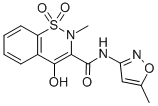
| DC80001 | Isoxicam Featured |
Isoxicam is an orally active, long-acting, non-steroidal anti-inflammatory agent for the research of arthritis.
More description
|
|
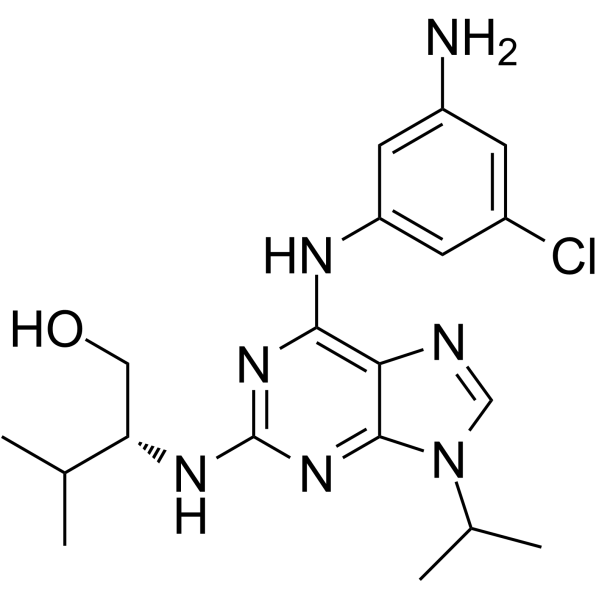
| DC80011 | Aminopurvalanol A Featured |
Aminopurvalanol A is a potent, selective, and cell permeable inhibitor of Cyclins/Cdk complexes.
More description
|
|
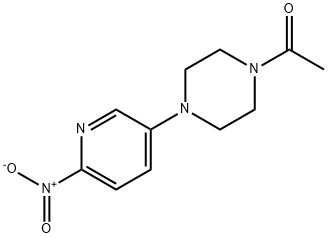
| DC80035 | WAY-647802 Featured |
WAY-647802 is a CDK inhibitor.
More description
|
|
