 To enhance service speed and avoid tariff delays, we've opened a US warehouse. All US orders ship directly from our US facility.
| Cat. No. | Product Name | Field of Application | Chemical Structure |
|---|---|---|---|
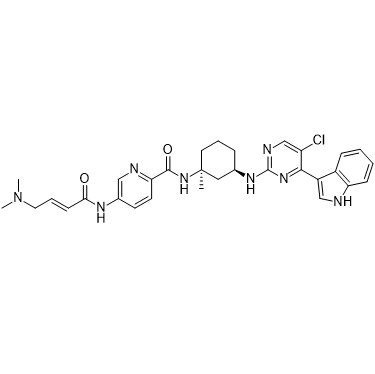
| DC24205 | SY-1365 Featured |
SY-1365 is a CDK7 inhibitor. In vitro, SY-1365 inhibited cell growth of many different cancer types at nanomolar concentrations.
More description
|
|
| DC10900 | Syk inhibitor II Featured |
Syk inhibitor II is a cell-permeable, pyrimidine-carboxamide compound that selectively and reversibly blocks Syk (IC50 = 41 nM) in an ATP-competitive manner.
More description
|

|
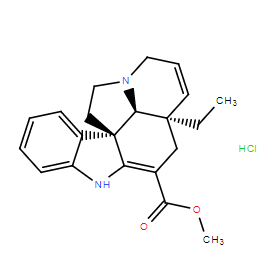
| DC22299 | Tabersonine Featured |
Tabersonine is a terpene indole alkaloid found in the medicinal plant Catharanthus roseus.
More description
|
|
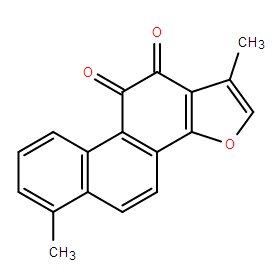
| DC23076 | Tanshinone I Featured |
Tanshinone I is an inhibitor of type IIA human recombinant sPLA2 (IC50=11 μM) and rabbit recombinant cPLA2 (IC50=82 μM).
More description
|
|
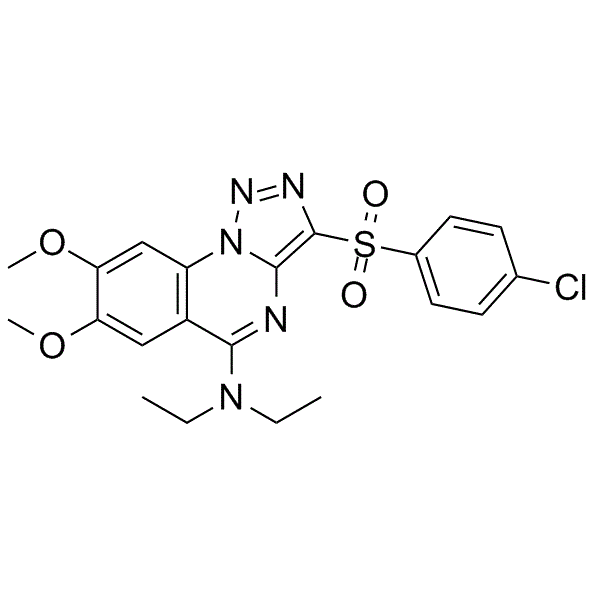
| DC10624 | Targocil Featured |
Targocil is a novel antibiotics against Methicillin-resistant Staphylococcus aureus (MRSA).
More description
|
|
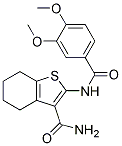
| DC7313 | TCS 359 Featured |
TCS 359, a 2-acylaminothiophene-3-carboxamide, is a potent inhibitor of FLT3 with IC50 of 42 nM.
More description
|
|
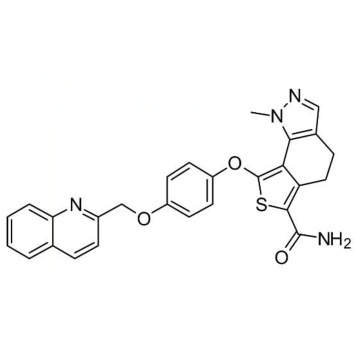
| DC10118 | TD-198946 Featured |
TD-198946(TD198946 ) is a small molecule stimulator of chondrogenesis; promotes chondrocyte differentiation.
More description
|
|
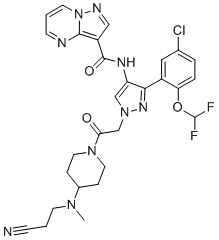
| DC12547 | GDC-0214(GDC0214) Featured |
GDC0214 is a potent, selective inhalable and lung-restricted inhibitor of JAK1 with IC50 of 8.52 nM, displays 6.3/704/28 fold selectivity over JAK2/JAK3/TYK2.
More description
|
|
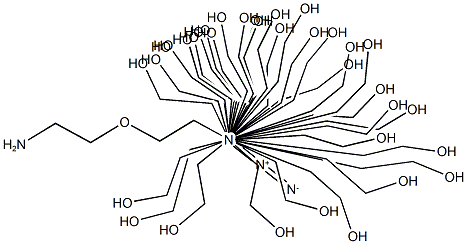
| DC34925 | Azido-PEG23 amine Featured |
Azido-PEG23 amine is a PEG derivative containing an amino group with an azide group. The amino group is reactive with carboxylic acids, activated NHS esters, carbonyls (ketone, aldehyde) etc. The azide group can react with alkyne, BCN, DBCO via Click Chemistry to yield a stable triazole linkage. PEG Linkers may be useful in the development of antibody drug conjugates.
More description
|
|
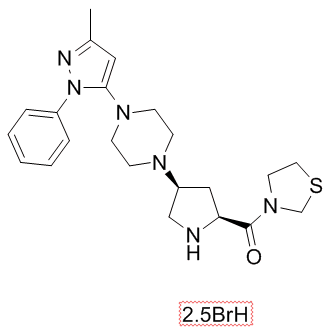
| DC8370 | Teneligliptin hydrobromide Featured |
Teneligliptin is a novel, potent, and long-lasting dipeptidyl peptidase-4 inhibitor; competitively inhibited human plasma, rat plasma, and human recombinant DPP-4 in vitro, with IC50 values of approximately 1 nM.
More description
|
|
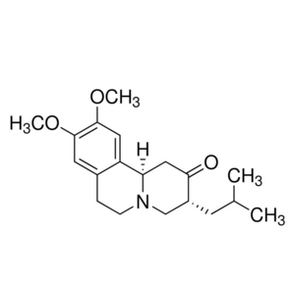
| DC9866 | Tetrabenazine Featured |
Tetrabenazine has been used for dopamine uptake assays in mouse brain cells1.
More description
|
|
| DC7645 | TH-237A Featured |
TH-237A(meso-GS 164) is a novel neuroprotective agent exhibiting favorable permeation across the blood brain barrier.
More description
|

|
| DC26125 | Cereblon Ligand-Linker Conjugates 3 (TFA) Featured |
Thalidomide-O-amido-PEG3-C2-NH2 TFA is a synthesized E3 ligase ligand-linker conjugate that incorporates the Thalidomide based cereblon ligand and 3-unit PEG linker used in PROTAC technology.
More description
|

|
| DC7401 | Des(benzylpyridyl) Atazanavir Featured |
The N-dealkylated metabolite (M1) of Atazanavir (A790051), a HIV protease inhibitor.
More description
|
 Atazanavir.png)
|
| DC10469 | ST-271 Featured |
The tyrosine kinase inhibitor ST271 inhibited phospholipase D (PLD) activity in human neutrophils stimulated by fMet-Leu-Phe, platelet-activating factor and leukotriene B4.
More description
|

|
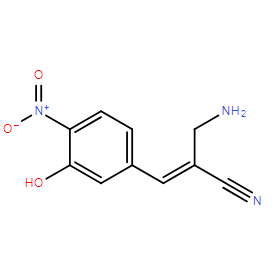
| DC11272 | AG-126 Featured |
The tyrphostin AG-126 selectively inhibits the phosphorylation of ERK1 (p44) and ERK2 (p42) at 25-50 μM.
More description
|
|
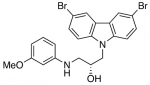
| DC7678 | R-P7C3-Ome Featured |
This compound is a methoxy derivative of parent compound P7C3.
More description
|
|
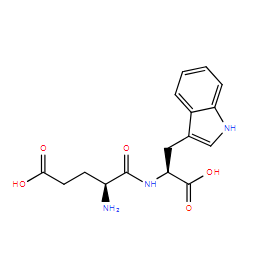
| DC11384 | Thymogen(Oglufanide) Featured |
Thymogen(Oglufanide) is a new immunomodulating drug.
More description
|
|
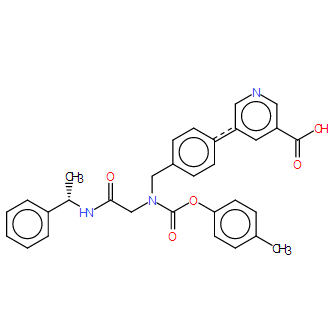
| DC8045 | Tie-2 inhibitor 7 Featured |
Tie inhibitor 7 is an agent that inhibits endothelial cell tube formation
More description
|
|
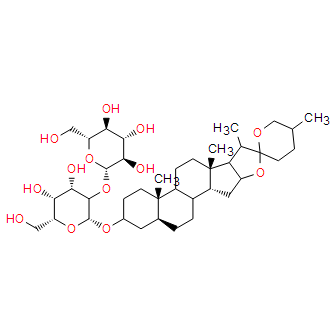
| DC23013 | Timosaponin A-III Featured |
Timosaponin AIII (TAIII) is a steroidal saponin isolated from A. asphodeloides that has anticancer, anti-inflammatory, and antithrombotic activities and also improves learning and memory deficits in mice.
More description
|
|
| DC23015 | Timosaponin BII Featured |
Timosaponin BII is an antioxidant and an anti-inflammatory agent.
More description
|

|
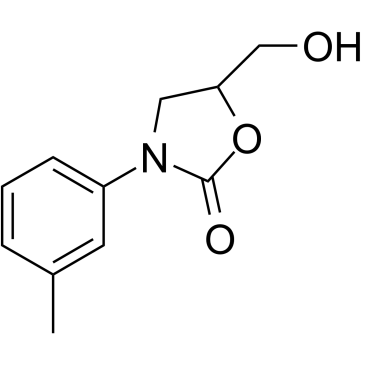
| DC20264 | Toloxatone (MD 69276) Featured |
Toloxatone (MD 69276) is a reversible monoamine oxidase A (MAOA) inhibitor. Antidepressant.
More description
|
|
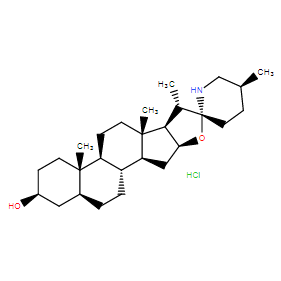
| DC10720 | Tomatidine hydrochloride Featured |
Tomatidine hydrochloride is a steriodal alkaloid structurally sumilar to cyclopamine (sc-200929) but does not inhibit hedgehog pathway. It can be employed as a negative control for cyclopamine (sc-200929) and KAAD-cyclopamine.
More description
|
|
| DC7519 | Torcetrapib Featured |
Torcetrapib is a CETP inhibitor with IC50 of 37 nM, elevates HDL-C and reduces nonHDL-C in plasma. Phase 3.
More description
|

|
| DC8364 | TP-808 Featured |
TP808 is a useful intermediate for the synthesis of diverse tetracycline antibiotics.
More description
|

|
| DC10025 | TPPU Featured |
TPPU is a potent inhibitor of both human and mouse sEH (IC50 = 3.7 and 2.8 nM, respectively).
More description
|

|
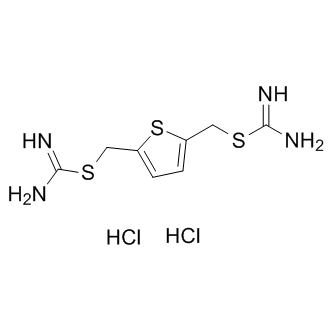
| DC7713 | TPT-260 2HCl(NSC55712) Featured |
TPT-260 2Hcl (TPU260 2Hcl) is a thiophene thiourea derivative with molecule weight 260.00 in free base form; There is no formal name yet, we temporally call this molecule as TPT-260.
More description
|
|
| DC22292 | TR-14035 Featured |
TR-14035 is a a dual alpha4beta7(IC50=7 nM)/alpha4beta1 (IC50=87 nM) integrin antagonist .
More description
|

|
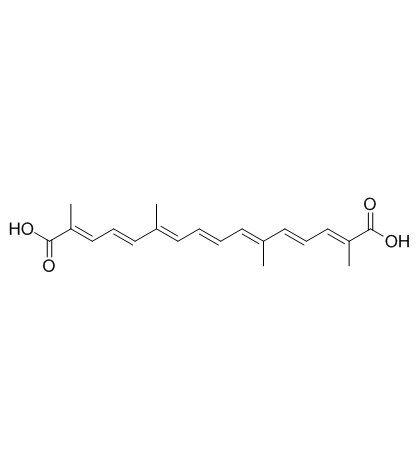
| DC20020 | Transcrocetin Featured |
Transcrocetin (trans-Crocetin), extracted from saffron (Crocus sativus L.), acts as an NMDA receptor antagonist with high affinity.
More description
|
|
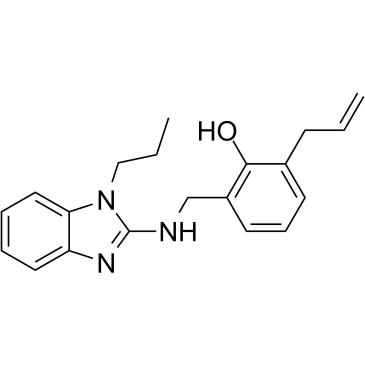
| DC36895 | CM 10 Featured |
CM 10 is an ALDH1A inhibitor that depletes CD133+ cancer stem cells.
More description
|
|
