 To enhance service speed and avoid tariff delays, we've opened a US warehouse. All US orders ship directly from our US facility.
| Cat. No. | Product Name | Field of Application | Chemical Structure |
|---|---|---|---|
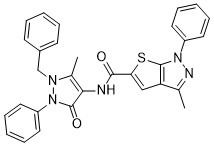
| DC68035 | Opitor-0 Featured |
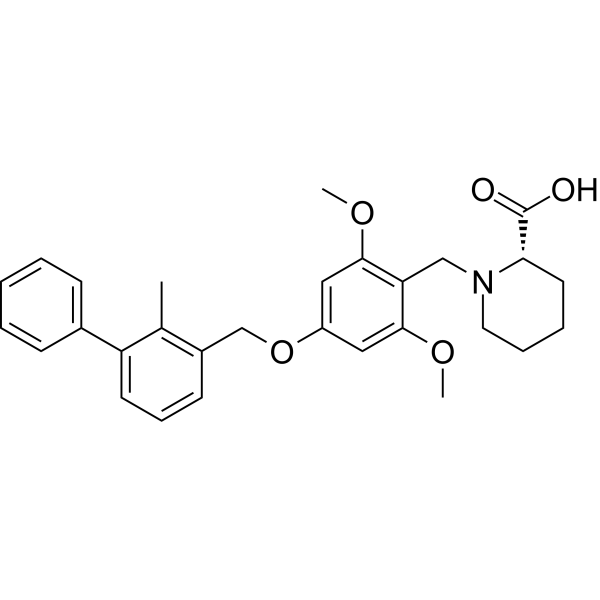
Opitor-0 is a potent and selective inhibitor of the mitochondrial GTPase Optic atrophy protein 1 (OPA1) with an IC50 of approximately 3 µM. In cellular studies, Opitor-0 disrupts OPA1 oligomer stability, leading to mitochondrial fragmentation and remodeling of mitochondrial cristae. These structural changes facilitate the release of Cytochrome c from mitochondria into the cytosol, triggering apoptotic signaling. The compound exhibits significant pro-apoptotic and antitumor effects in cancer cell models. Importantly, Opitor-0 demonstrates strong synergistic activity with Bcl-2 inhibitors such as ABT-737 and Venetoclax, enhancing tumor cell death. These results suggest that Opitor-0 effectively targets mitochondrial dynamics and apoptosis pathways in cancer cells.
More description
|
|
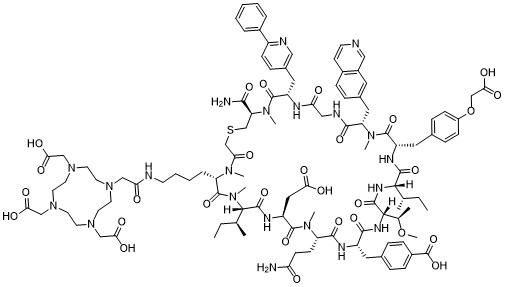
| DC68034 | DOTA-GPC3 Featured |
DOTA-GPC3 is a ligand for radiotracer targeting glypican GPC3 . DOTA-GPC3 molecule is consisted of a chelator DOTA for radioactive metal ions and a GPC targeting peptide for binding glypican GPC3. Glypican-3 (GPC3) is highly expressed in HCC but not in normal liver tissue, making it a promising target for PET-based molecular imaging, which may complement existing approaches for HCC diagnosis.
More description
|
|
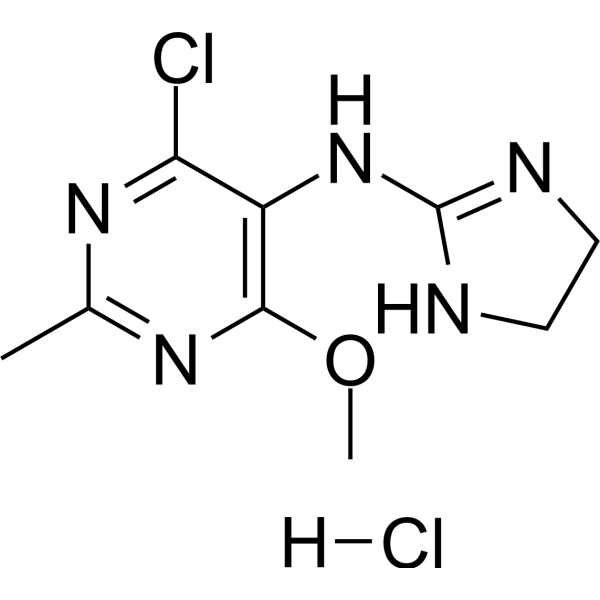
| DCAPI1572 | Moxonidine hydrochloride Featured |
Moxonidine (BDF5895) hydrochloride is an orally active imidazoline type 1 receptor (I1-R) agonist. Moxonidine hydrochloride activates imidazoline I1 receptors and α2 adrenoceptors, affecting oxidized low-density lipoprotein uptake. Moxonidine hydrochloride reduces atherosclerotic lesions and lowers blood pressure. Moxonidine hydrochloride can be used in the study of hypertension, heart failure, and atherosclerosis.
More description
|
|
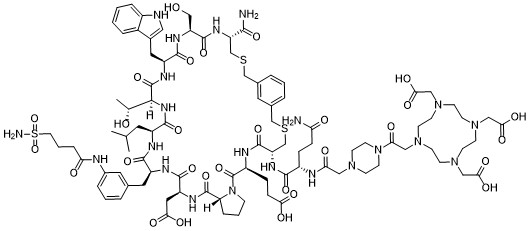
| DC68033 | DPI-4452 Featured |
DPI-4452 is a CAIX-targeting cyclic peptide with a DOTA chelator. DPI-4452 can be chelated with radionuclide for CAIX-expressing tumor PET-CT imaging. DPI-4452 was used to prepare [68Ga]Ga-DPI-4452, which is a first-in-class carbonic anhydrase IX-binding radiolabeled peptide, and is the imaging agent of a theranostic pair with [177Lu]Lu-DPI-4452, developed for selecting and treating patients with carbonic anhydrase IX-expressing tumors. [68Ga]Ga-DPI-4452 showed exceptional tumor uptake in patients with clear cell renal cell carcinoma, with very high tumor-to-background ratios and no significant adverse events, suggesting potential diagnostic and patient selection application.
More description
|
|
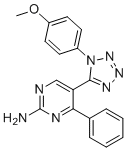
| DC73215 | Mortaparib Featured |
Mortaparib is a dual inhibitor of mortalin-PARP1 interaction, and a p53 activating cytotoxic compound, induces activation of growth arrest and apoptosis signaling in cancer cells in vitro and in vivo.
More description
|
|
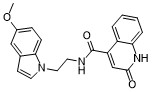
| DC78592 | ZINC13000658 Featured |
ZINC13000658 is a METTL inhibitor. ZINC13000658 exhibits significant anti proliferative activity in various cells and can induce G1 phase cell cycle arrest and apoptosis such as HepG2 (IC50 = 5.632 µM) and SNU-449 (IC50 = 6.184 µM) cells. ZINC13000658 may be related to the inhibition of the activity of multiple methyltransferases such as METTL1, 3, 6, 16, 18, etc. ZINC13000658 can be used for research on various types of cancer.
More description
|
|
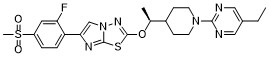
| DC78073 | MKP10241 Featured |
MKP10241 is an orally active GPR119 agonist. MKP10241 elevates cAMP levels in the GPR119 expressing cell line (EC50: 3.7 nM). MKP10241 reduces blood glucose levels and HbA1c in acute models and a chronic diabetic mouse model. MKP10241 also demonstrates excellent preclinical efficacy in acute as well as chronic rodent models of obesity, and MASH.
More description
|
|
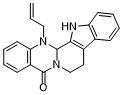
| DC68032 | EV206 Featured |
EV206 is a potent N14-allyl–substituted evodiamine derivative identified as a highly active heat shock protein 70 (Hsp70) inhibitor with significant anticancer efficacy in non-small cell lung cancer (NSCLC) models. In vitro, EV206 robustly suppresses proliferation across multiple NSCLC cell lines (H1299, A549, H460, H226B, PC9) with submicromolar IC₅₀ values (~0.20–0.46 µM), demonstrating ~10-fold greater potency than the parent compound evodiamine. It inhibits both anchorage-dependent and -independent colony formation and induces apoptosis via caspase-3 and PARP cleavage, while also reducing cancer stem cell phenotypes, including sphere formation and ALDH activity. Notably, EV206 retains equivalent activity in chemotherapy- and EGFR inhibitor–resistant cell lines. In vivo, intraperitoneal administration (10 mg/kg) significantly suppresses H460 xenograft tumor growth without measurable toxicity or body weight loss. Importantly, EV206 shows minimal cytotoxicity toward normal cells, highlighting a favorable therapeutic window and positioning it as a promising low-toxicity Hsp70-targeting anticancer lead compound.
More description
|
|
| DC68031 | HJ-4 Featured |
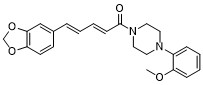
HJ-4 is a novel piperine-derived small molecule that demonstrates potent and selective anti-tumor activity in colorectal cancer models. In vitro, HJ-4 significantly inhibits proliferation of HCT116 cells with an IC₅₀ of 15.82 µM—approximately 2.6-fold more potent than piperine—while maintaining low cytotoxicity toward normal 293T cells, indicating favorable tumor selectivity. At 8–32 µM, HJ-4 markedly suppresses colony formation, DNA synthesis, cell adhesion, migration, and invasion in HCT116 and SW480 cells, with superior efficacy compared to the parent compound. Additionally, it disrupts angiogenic network formation, reducing vascular structures to <50% of control levels at higher concentrations. In vivo, using a chicken embryo chorioallantoic membrane (CAM) model, HJ-4 produces dose-dependent tumor growth inhibition, achieving >70% reduction in tumor weight at 32 µM and significantly decreasing vascular density. These findings demonstrate that HJ-4 exerts robust anti-proliferative, anti-metastatic, and anti-angiogenic effects, supporting its potential as a promising lead compound for colorectal cancer therapy.
More description
|
|
| DC78326 | XL-3156 Featured |
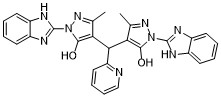
XL-3156 is a potent, selective, and cross-species cGAS inhibitor. XL-3156 can simultaneously occupy both allosteric and orthosteric sites, and inhibit the interaction and phase separation between cGAS and DNA by stabilizing the closed conformation of the activation loop. XL-3156 can be used in the research of autoimmune diseases, inflammatory conditions and other diseases.
More description
|
|
| DC7991 | Clozapine N-oxide Featured |
Clozapine N-oxide is a major metabolite of Clozapine noted to decrease SR-2A (5-HT2 serotonin receptor) density in vitro.
More description
|

|
| DC70804 | SSCI-1 Featured |
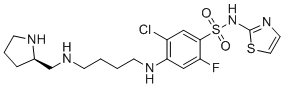
SSCI-1 is a highly potent, selective NaV1.7 inhibitor with IC50 of 27 and 82 nM on human and rhesus Nav1.7 channels, respectively.SSCI-1 showed robust selectivity over other human and rhesus Nav channel paralogs, with the exception of Nav1.2 channels (IC50 252 nM for hNaV1.2), shows no other channels and receptors in 114 enzymatic, radioligand binding, and cellular assays.SSCI-1 also exhibits high potency in manual patch clamp experiments (IC50=66/295 nM for huma/rhesus Nav1.7 channels).SSCI-1 does not affect myelinated nerve excitability as measured by TT, SSCI-1 inhibits odorant-induced olfaction in the olfactory bulb of rhesus monkeys, measured by fMRI.SSCI-1 inhibits withdrawal responses to noxious heat in rhesus monkeys.
More description
|
|
| DC73841 | S217879 Featured |
S217879 (S 217879) is a highly potent and selective NRF2 activator, binds to KEAP1 Kelch domain (SPR Kd=4.15 nM), disrupts the KEAP1-NRF2 interaction leading to robust NRF2 pathway activation.
More description
|
|
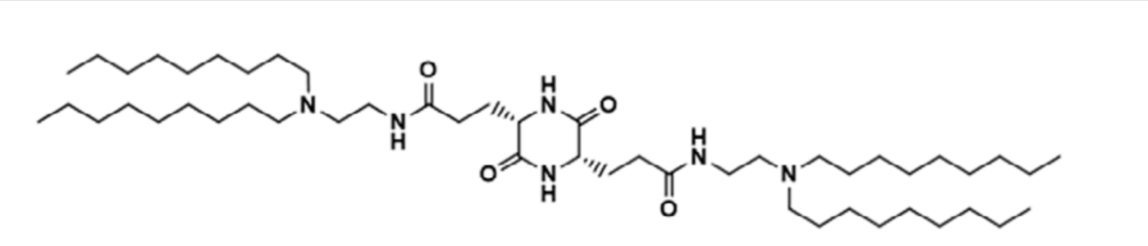
| DC60935 | Lipid D-2 Featured |
D-2 is a novel, custom-synthesized ionizable cationic lipid that serves as the core functional component of the targeted lipid nanoparticle (LNP) delivery system. Its key function is to enable the efficient in vivo delivery of therapeutic mRNAs. Under acidic conditions, it ionizes to a positive charge, allowing it to complex with and encapsulate the negatively charged mRNAs encoding the anti-FAP CAR and Lgmn protease. At physiological pH, it returns to a neutral state, which helps reduce systemic toxicity and is crucial for promoting the release of the mRNA payload inside the target macrophages within the infarcted heart. As part of the optimized LNP formulation, D-2 is fundamental for achieving high transfection efficiency, thereby enabling the in situ generation of efferocytosis-boosted CAR-Ms to treat cardiac fibrosis.
More description
|
|
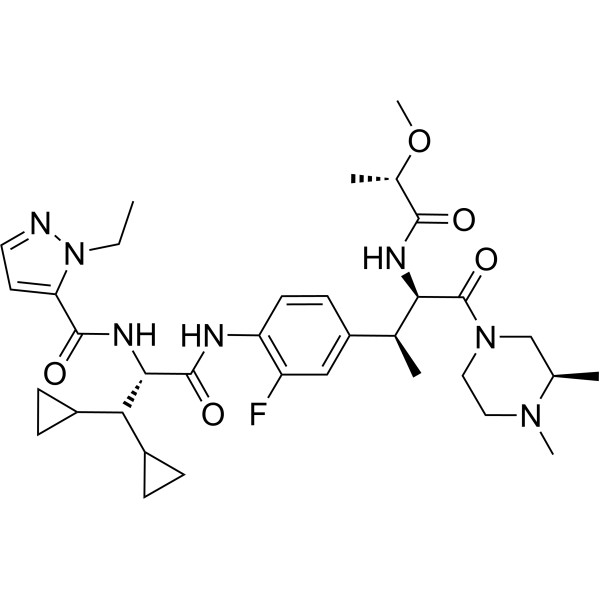
| DC79112 | Simepdekinra Featured |
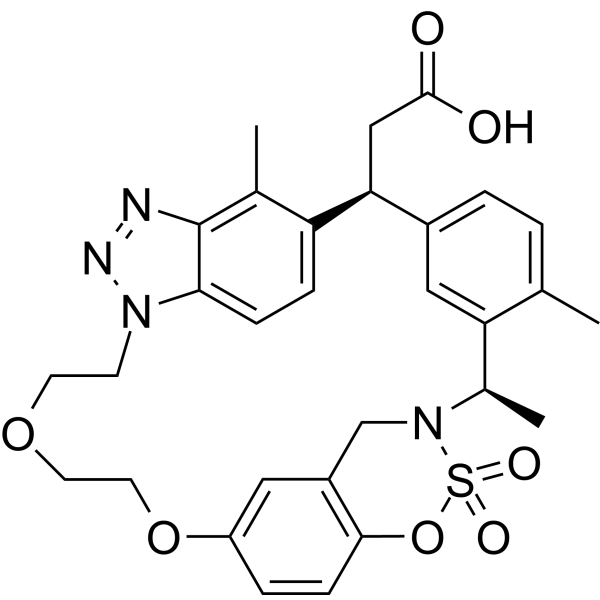
Simepdekinra (Compound 221) is a IL-17A modulator with IC50s ≤10 nM and 10-100 nM for IL-17A/A HEK-Blue and IL-17A/F HEK-Blue cells. Simepdekinra can be used for inflammatory diseases such as psoriasis, ankylosing spondylitis and psoriatic arthritis research.
More description
|
|
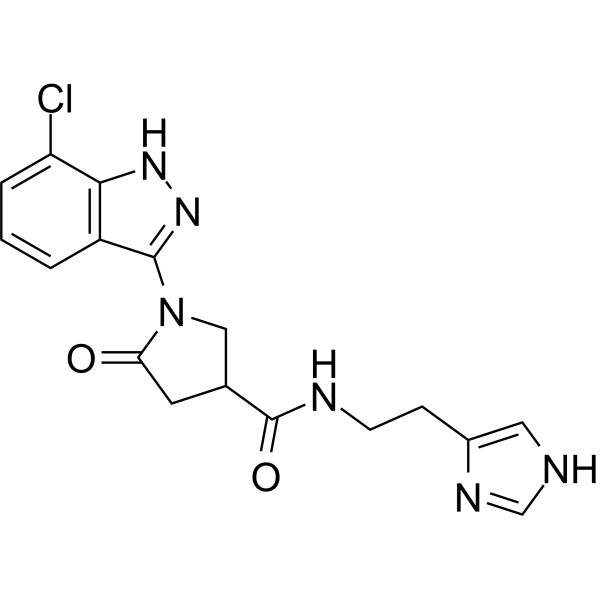
| DC74559 | PA-915 Featured |
PA-915 (PA915) is a small-molecule, non-peptide antagonist of the PACAP type I (PAC1) receptor, inhibits PACAP (1 nM)-induced phosphorylation of CREB in PAC1/CHO cells with IC50 of <10 pM.
More description
|
|
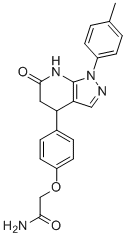
| DC73120 | J012-3168 Featured |
RPL11-MDM2 inhibitor S9 (J012-3168) is a small-molecule RPL11 mimetic and potential inhibitor of RPL11-MDM2 interaction, directly binds MDM2 and induces p53 stabilization and activation.
More description
|
|
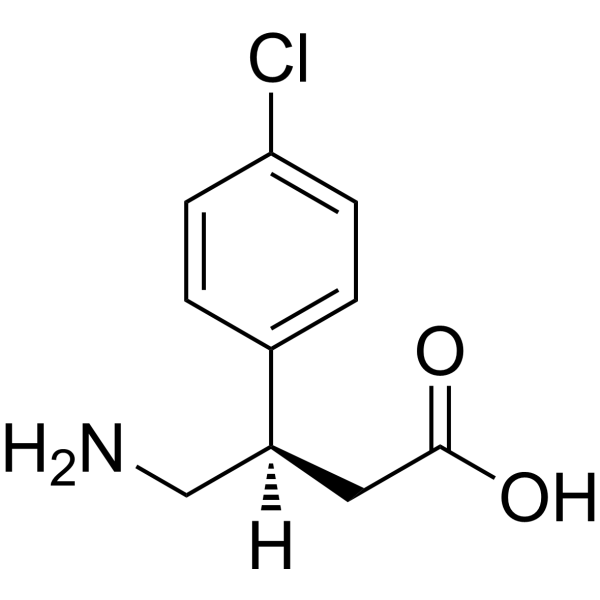
| DC23228 | (R)-Baclofen hydrochloride Featured |
A derivative of the neurotransmitter GABA that acts as a GABAB receptor agonist.
More description
|
|
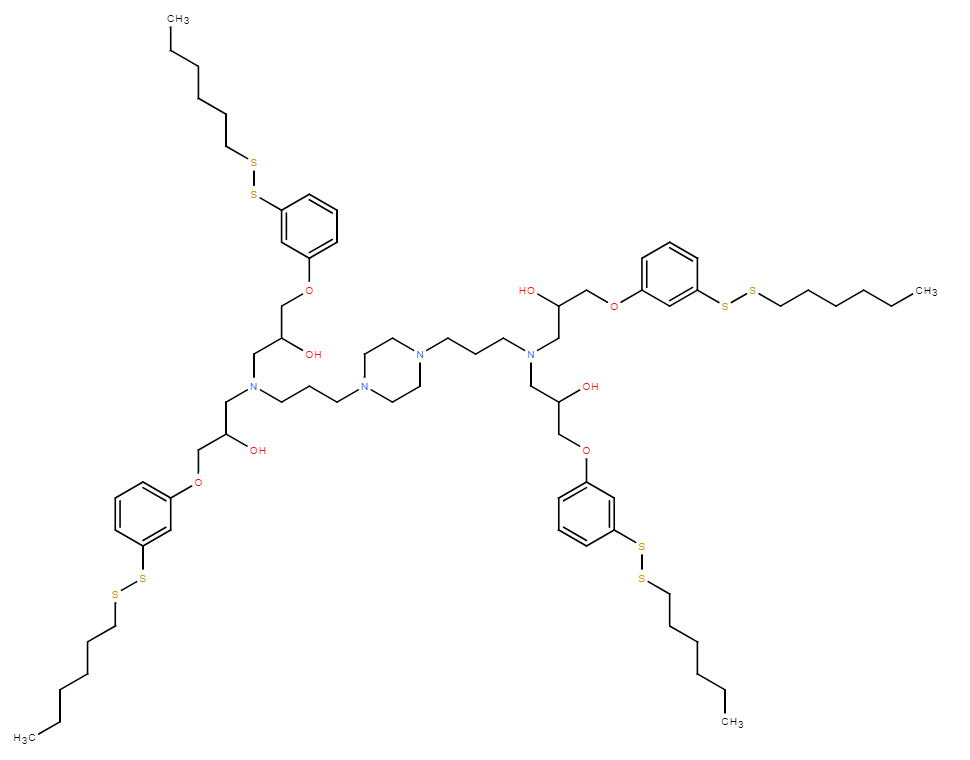
| DC68030 | C6mPhE-383 Featured |
C6mPhE-383 is a top-performing ionizable lipid featuring an aromatic ring and a bioreducible disulfide bond. Formulated into lipid nanoparticles, it preferentially delivers mRNA to lymphoid tissues (lymph nodes/spleen) while minimizing off-target liver accumulation after intramuscular injection. In a SARS-CoV-2 vaccine study, it elicited strong antibody responses, promoted protective effector memory T cells, and exhibited enhanced safety by significantly reducing systemic inflammatory cytokines compared to the standard SM-102 LNP.
More description
|
|
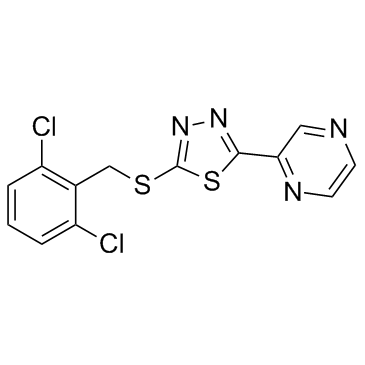
| DC10874 | GlyT2-IN-1(YODA 1) Featured |
Yoda 1 is a potent and selective Piezo1 agonist. Yoda 1 activates purified Piezo1 channels. Yoda 1 potently inhibits macropinocytosis induced by epidermal growth factor (EGF). Yoda 1 enhances Ca2+ influx followed by activation of the calcium-activated potassium channel KCa3.1 and inhibition of Rac1 activation.
More description
|
|
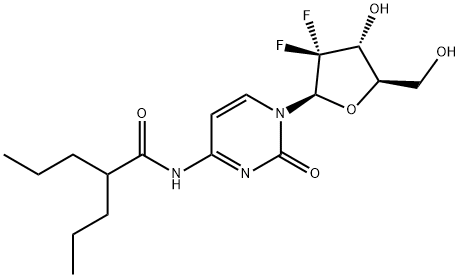
| DC9304 | LY2334737 Featured |
LY2334737 is an orally available prodrug of gemcitabine which is a nucleoside analog used as chemotherapy.
More description
|
|
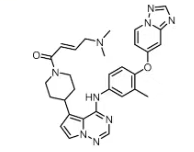
| DC68029 | IAM1363 Featured |
IAM1363 is a covalent HER2 inhibitor developed by Iambic that engages the kinase in its inactive conformation, being pursued as a therapeutic approach for cancer.
More description
|
|
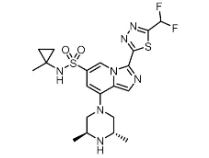
| DC68028 | FORX-428 Featured |
FORX-428 is a PARG inhibitor—targeting the enzyme poly-ADP-ribose glycohydrolase—originating from FoRx's research and development efforts.
More description
|
|
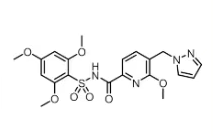
| DC68027 | OP-3136 Featured |
OP-3136 is a KAT6 (histone lysine acetyltransferase 6)-targeted inhibitor with specificity for the treatment of HR-positive, HER2-negative breast cancer.
More description
|
|
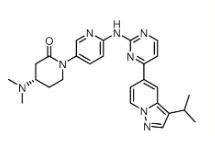
| DC68026 | GDC-4198 Featured |
GDC-4198 is a subnanomolar selective inhibitor of CDK2 and CDK4, demonstrating no activity against CDK6 or CDK9, and is being developed for cancer therapy.
More description
|
|
| DC68025 | BMS-986482 Featured |
BMS-986482 is a cereblon (CRBN)-mediated degrader targeting the broad degradation of IKZF1 through IKZF4, under development as a therapeutic option for cancer.
More description
|
|
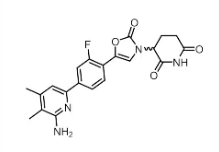
| DC68024 | BHV-2100 Featured |
BHV-2100 is a first-in-class, selective antagonist of TRPM3 (transient receptor potential melastatin 3), currently under clinical development for the treatment of pain.
More description
|
|
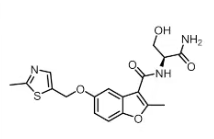
| DC79335 | DF-003 |
DF-003 is a selective, orally active, ATP-competitive, and brain-penetrant ALPK1 inhibitor. DF-003 potently inhibits human ALPK1 and ALPK1[T237M] with IC50s value of 1.5 nM and 16 nM. DF-003 exhibits more than 860-fold selectivity over the closest kinase. DF-003 inhibits TNF, CXCL10, or CXCL8 upregulation in HEK-293 cells. DF-003 can be used for the study of retinal dystrophy, optic nerve edema, splenomegaly, anhidrosis, and headache (ROSAH) syndrome.
More description
|
|
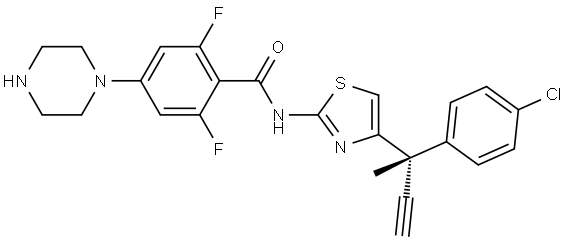
| DC72979 | DF-006 |
DF-006 is a small molecule, orally active Alpha-kinase 1 (ALPK1) agonist, activates ALPK1 and stimulates host innate immunity locally in liver, DF-006 enacts potent anti-HBV responses in mouse models of HBV and in primary human hepatocytes.
More description
|
|
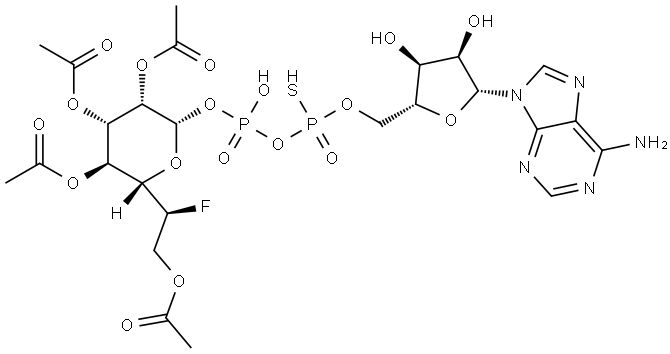
| DC9280 | BMS-1 (PD1/PDL1 inhibitor 1) Featured |
PD-1/PD-L1 inhibitor 1 is a PD-1/PD-L1 interaction inhibitor,IC50 values: 0.006-0.10 μM,a useful immunomodulator compound.
More description
|
|
