 To enhance service speed and avoid tariff delays, we've opened a US warehouse. All US orders ship directly from our US facility.
| Cat. No. | Product Name | Field of Application | Chemical Structure |
|---|---|---|---|
| DC66085 | 4-(5-chloro-2-(4-chloro-1H-1,2,3-triazol-1-yl)phenyl)-5-fluoropyridin-2(1H)-one Featured |

|
|
| DC66087 | 4-(5-chloro-2-(4-(trifluoromethyl)-1H-1,2,3-triazol-1-yl)phenyl)-5-methoxypyridin-2(1H)-one Featured |

|
|
| DC70103 | MS.001 Featured |
MS.001 is a small molecule that inhibits both the chaperone binding and ubiquitin ligase activity of C-terminus of Hsc70 interacting protein (CHIP) at low micromolar concentrations (IC50=3.3 uM).
More description
|

|
| DC73066 | NBCoV2 Featured |
NBCoV2 is a highly potent small molecule viral fusion inhibitor with potential pan-Coronavirus activity (SARS-CoV IC50=13.8 nM, SARS-CoV-2 IC50=22.8 nM, MERS-CoV IC50=77 nM, cell-based single-cycle assays).
NBCoV2 also has potent antiviral activity against all mutant pseudoviruses carrying single-, double-, or triple-mutations featured in the B.1.1.7 UK, B.1.351 RSA, and B.1.617.2 Delta variants (IC50=30-80 nM).
NBCoV2 completely preventing the induction of any virus-induced CPE (IC100=1.25 uM, SARS-CoV-2 (US_WA-1/2020)).
NBCoV2 bind to the S2 subdomain of the SARS-CoV-2 trimer, thus, inhibits the fusion of CoVs with the cell membran, and is specific for the SARS-CoV-2 S protein.
More description
|

|
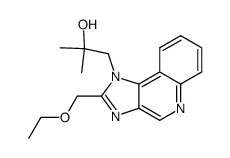
| DC66431 | α,α-dimethyl-2-ethoxymethyl-1H-imidazo[4,5-c]quinoline-1-ethanol Featured |
|
|
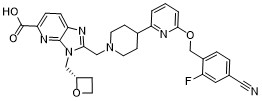
| DC90033 | Rgt1383 Featured |
RGT1383 is a novel GLP-1R agonist, an analog of PF-06882961.
More description
|
|
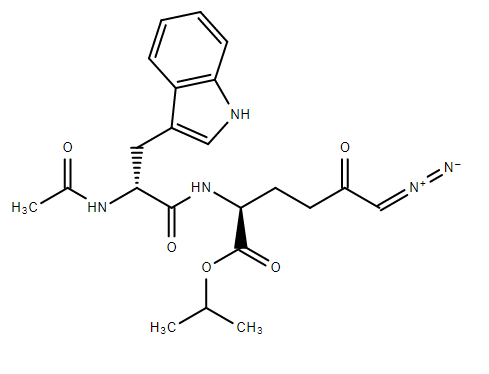
| DC66546 | R-Sirpiglenastat Featured |
R-Sirpiglenastat is the R- isomer of Sirpiglenastat(DRP-104).Sirpiglenastat (DRP104) is a broad acting glutamine antagonist. Sirpiglenastat has anticancer effects by directly targeting tumor metabolism and simultaneously inducing a potent antitumor immune response.
More description
|
|
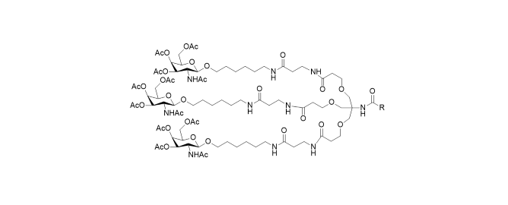
| DC66552 | PAM-Acid derivatives Featured |
|
|
| DC66547 | SL25 compound 16 Featured |
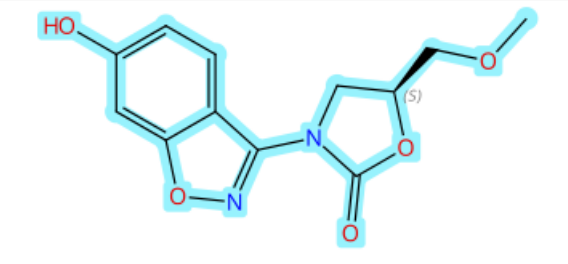
|
|
| DC66553 | PAM-Acid Featured |
.png)
|
|
| DC66556 | GalNAc PEG Cluster Phosphoramidite Featured |
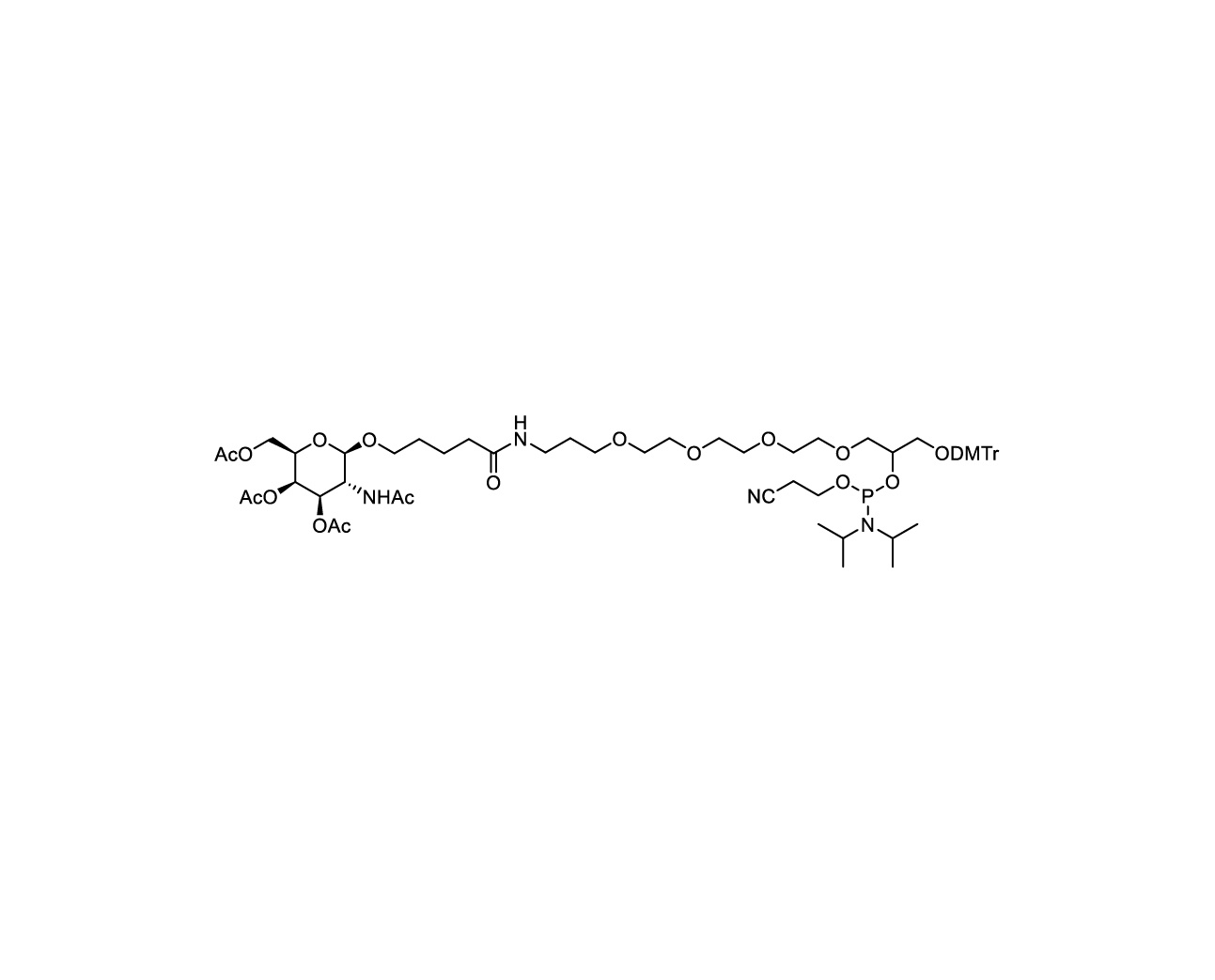
|
|
| DC66554 | AdemC-GalNAc Phosphoramidite Featured |
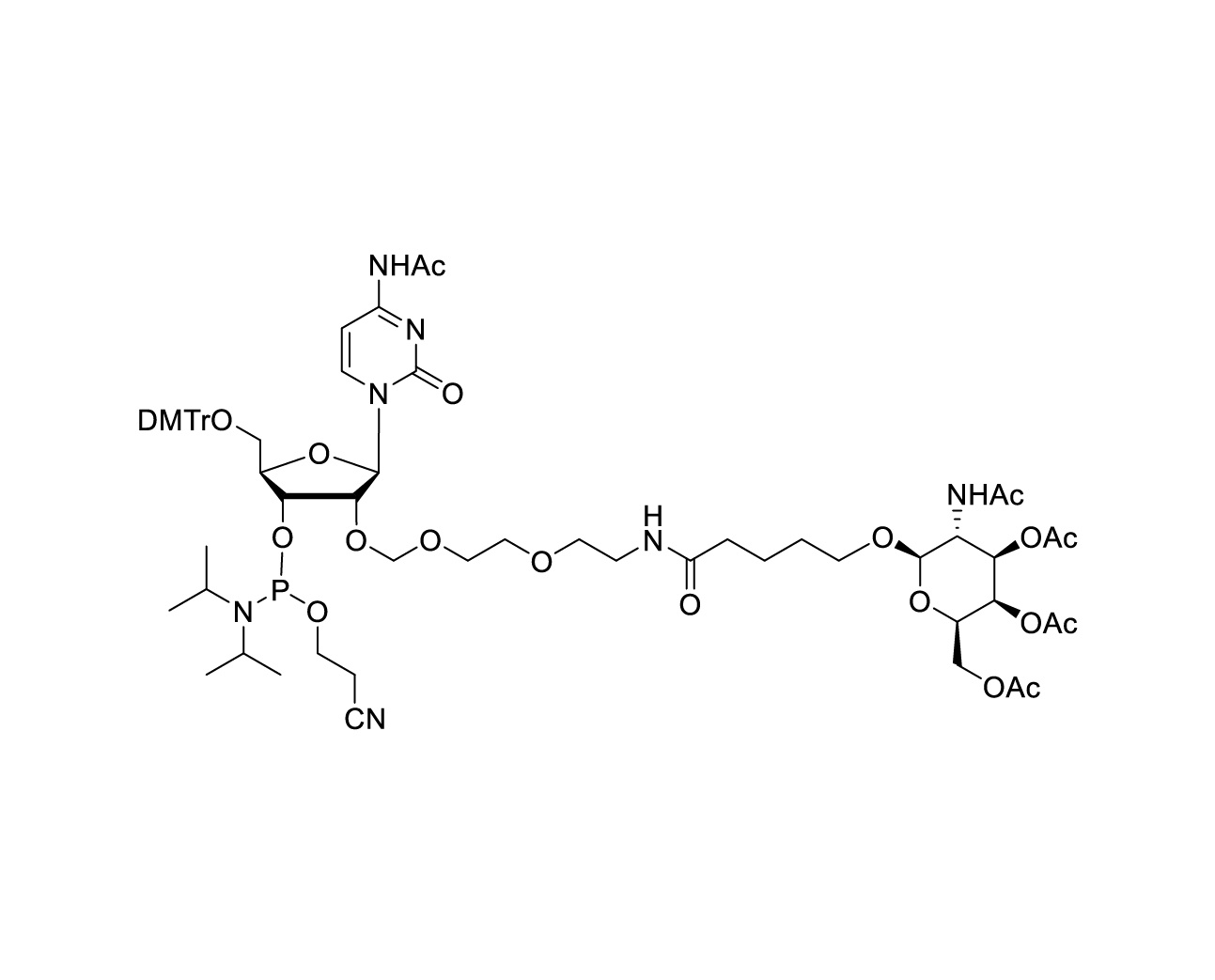
|
|
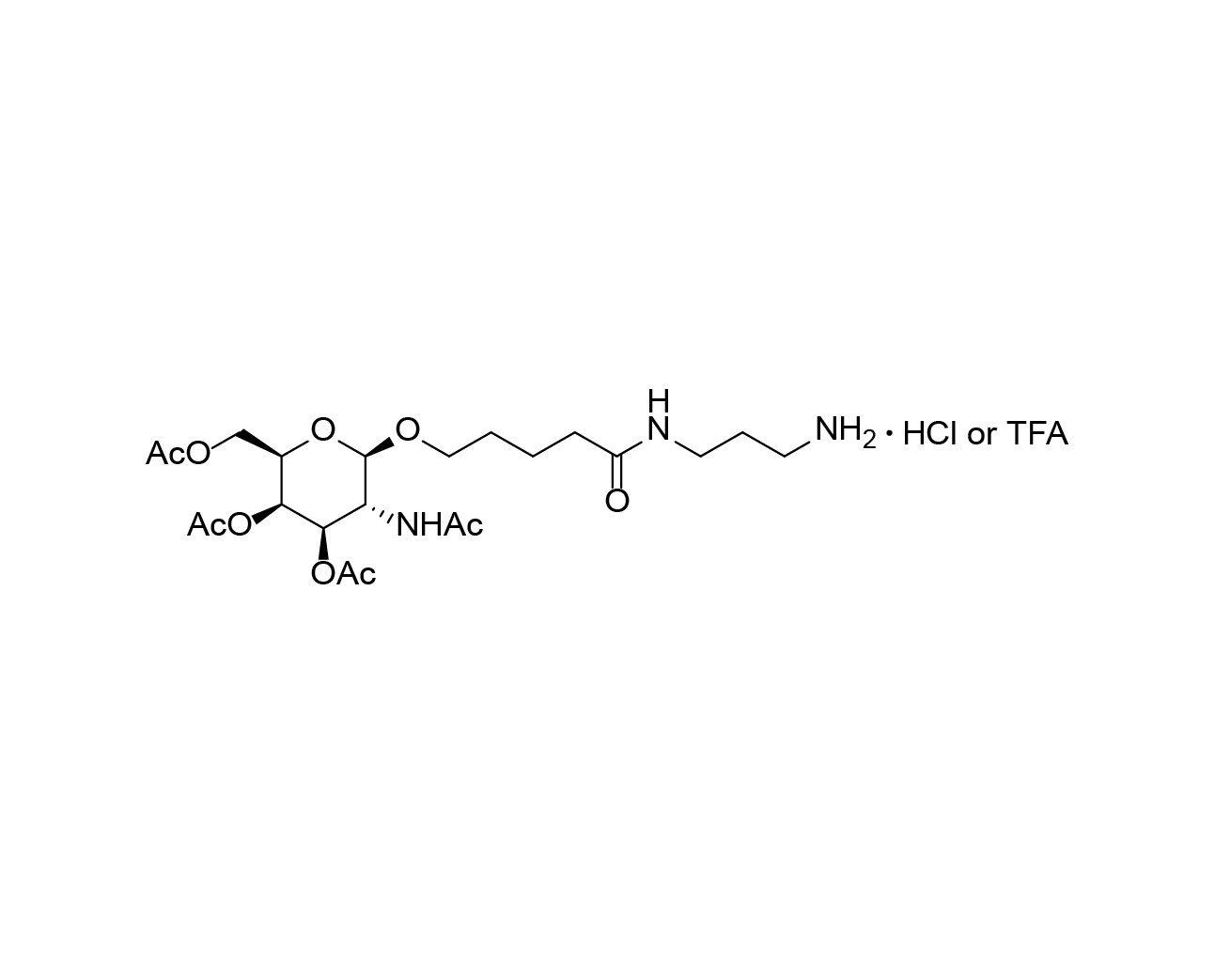
| DC66562 | Peracetylated GalNAc-C3-Amine-1 Featured |
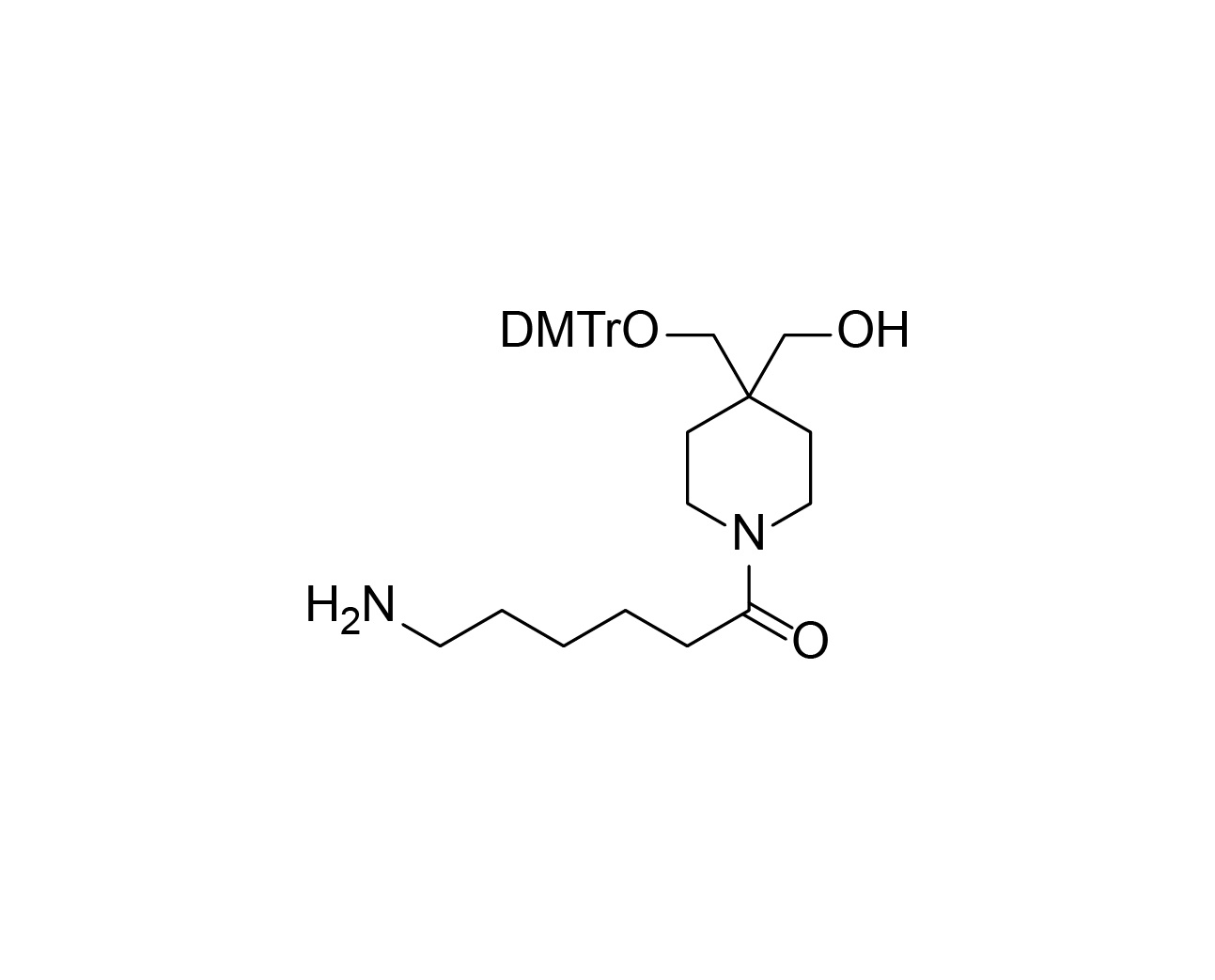
|
|
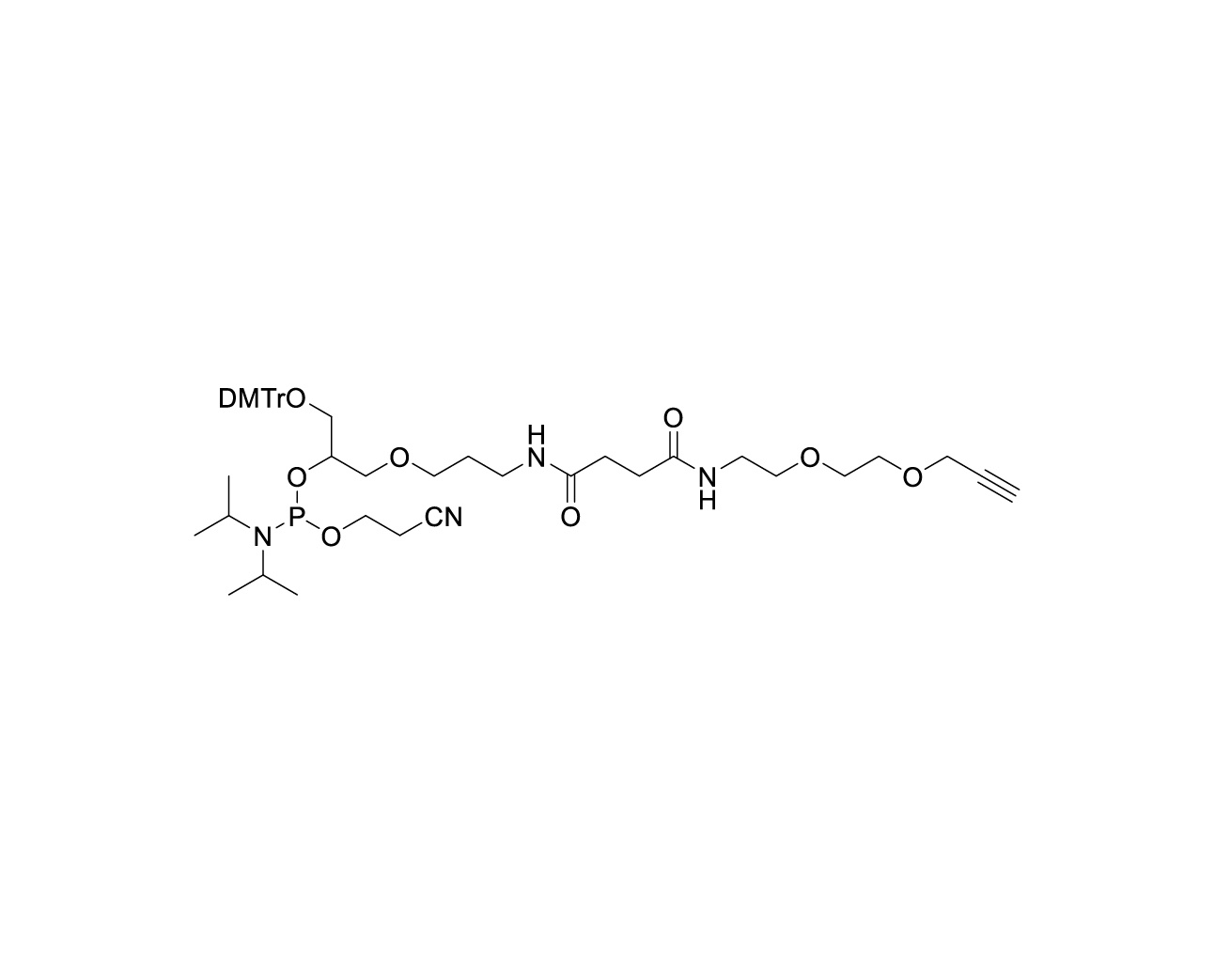
| DC66558 | Propargyl PEG Linker Phosphoramidi Featured |
|
|
| DC66566 | Peracetylated GalNAc-L96-Amide-1 Featured |
|
|
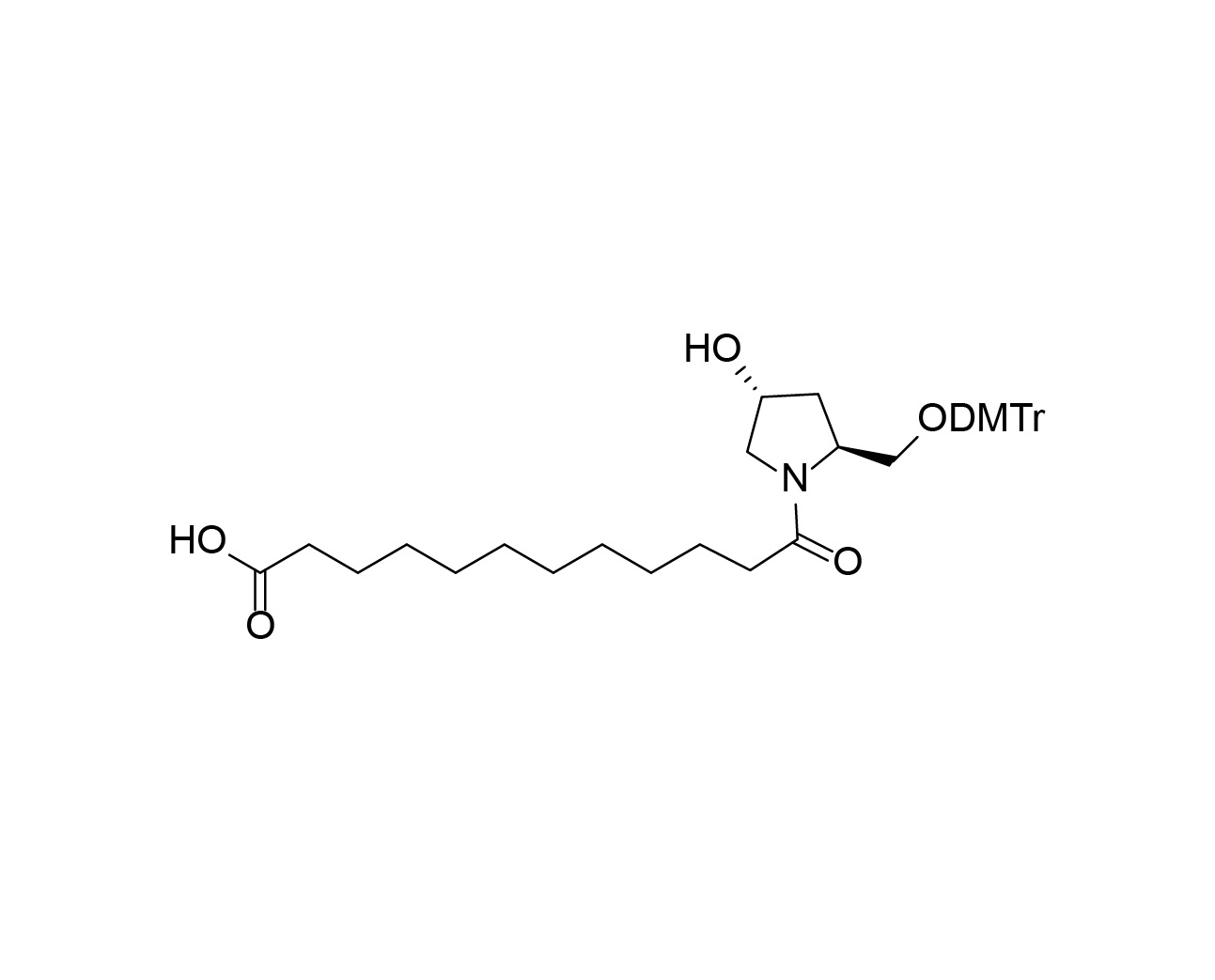
| DC66563 | Peracetylated GalNAc-L96-Acid-2 Featured |
|
|
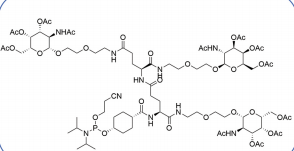
| DC66570 | NAG-37 Featured |
|
|
| DC66571 | Peracetylated GalNAc -C3-Amino-1 Featured |
|
|
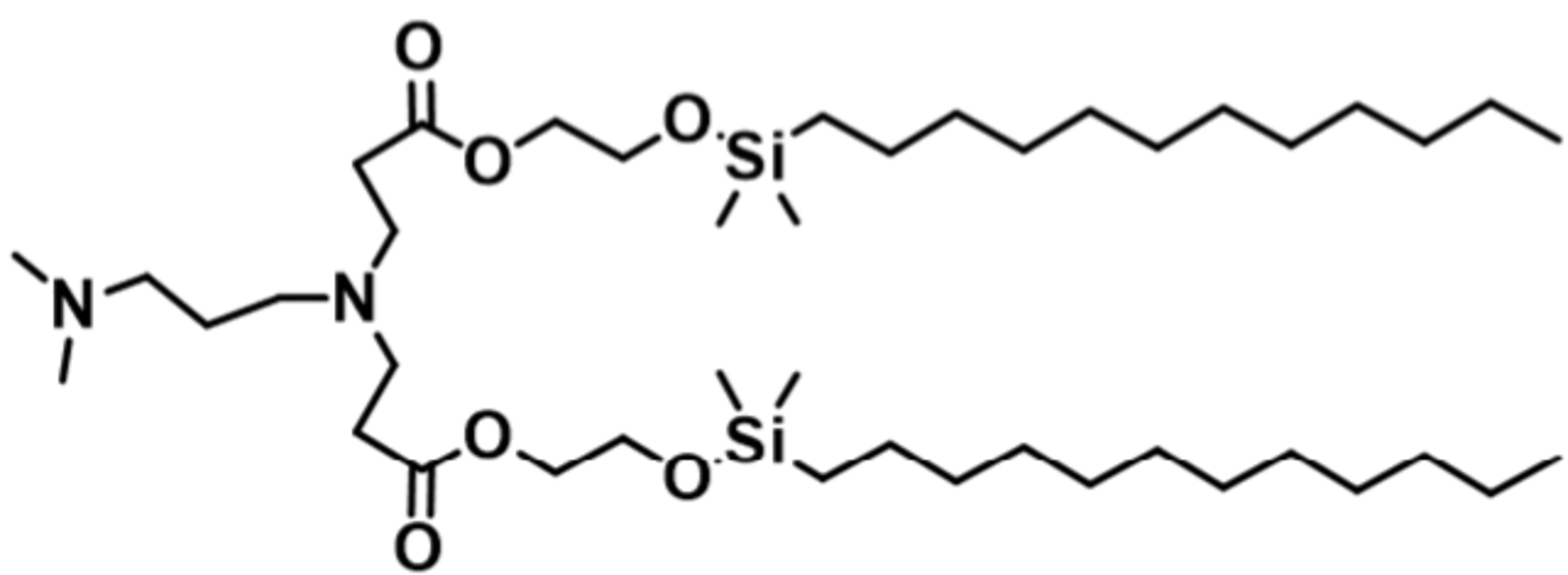
| DC68225 | CSi12N3 Featured |
CSi12N3 is a bioorthogonally activatable ionizable lipid containing two cleavable silyl-ether-linked C12 tails and a dual-amine headgroup. Formulated as SiLNPs, it remains relatively silent before activation but undergoes Phe-BF3-triggered desilylation, nanoparticle destabilization, and accelerated cytosolic mRNA release. The reported formulation produced up to 44-fold higher mRNA expression than SM-102 LNPs in vitro, with an approximately 10-fold activation-to-silent ratio. In a B16-F10 melanoma model, CSi12N3-based SiLNPs delivering GDNT mRNA induced tumor-localized pyroptosis and inhibited tumor growth without detectable systemic toxicity in the reported study. CSi12N3 is therefore a promising preclinical research lipid for externally controlled, tumor-selective mRNA delivery.
More description
|
|
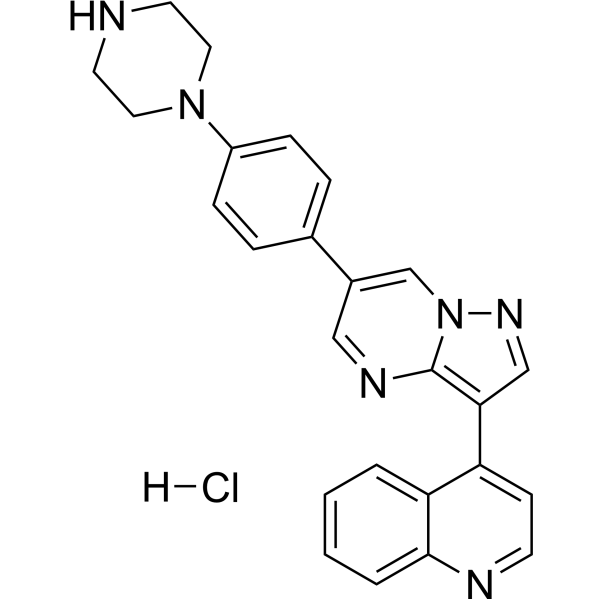
| DC68224 | LDN193189 hydrochloride Featured |
LDN193189 (DM-3189) hydrochloride is a potent selective BMP type I receptor (BMP I) inhibitor. LDN193189 efficiently inhibits transcriptional activity of the BMP type I receptors ALK2 and ALK3 with IC50 values of 5 nM and 30 nM, respectively. LDN193189 can be used for the research of bone morphogenetic protein signalling, such as fibrodysplasia ossificans progressiva.
More description
|
|
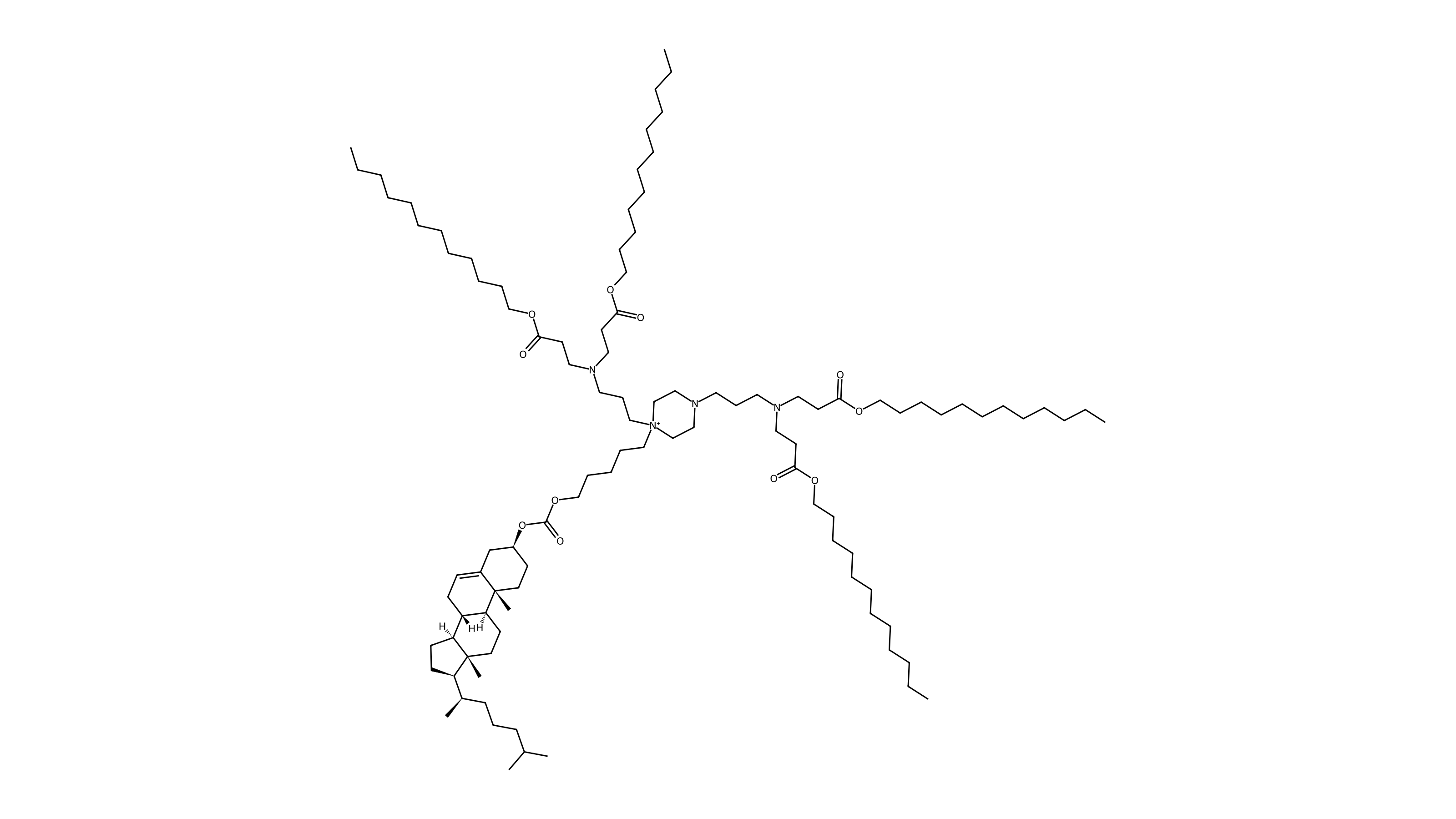
| DC68220 | C6O2B2 Featured |
C6O2B2 is a cholesterol-conjugated cationic/ionizable lipid developed for ligand-free mRNA delivery to brain endothelial cells following intravenous administration. Its architecture combines a piperazine-containing polyamine core, four degradable ester-linked hydrophobic tails, and a covalently attached cholesterol moiety through a flexible five-carbon spacer. Among 51 newly synthesized cholesterol-based lipids, C6O2B2 produced the strongest brain luciferase expression. An optimized LNP formulation containing C6O2B2, DODAP, DSPC, and DMG-PEG enabled efficient functional mRNA expression throughout the cerebral vascular network, with preferential transfection of CD31-positive brain endothelial cells and minimal detectable neuronal or glial expression. The formulation preserved BBB integrity in Evans blue and contrast-enhanced MRI assessments. Mechanistic studies associated its activity with improved membrane fusion, enhanced endosomal escape, and ApoA-I enrichment in the protein corona. Delivery of IL-10 mRNA also reduced vascular leakage and inflammatory cytokines in a mouse model of acute neuroinflammation. C6O2B2 remains a preclinical research lipid requiring further pharmacokinetic and repeat-dose evaluation.
More description
|
|
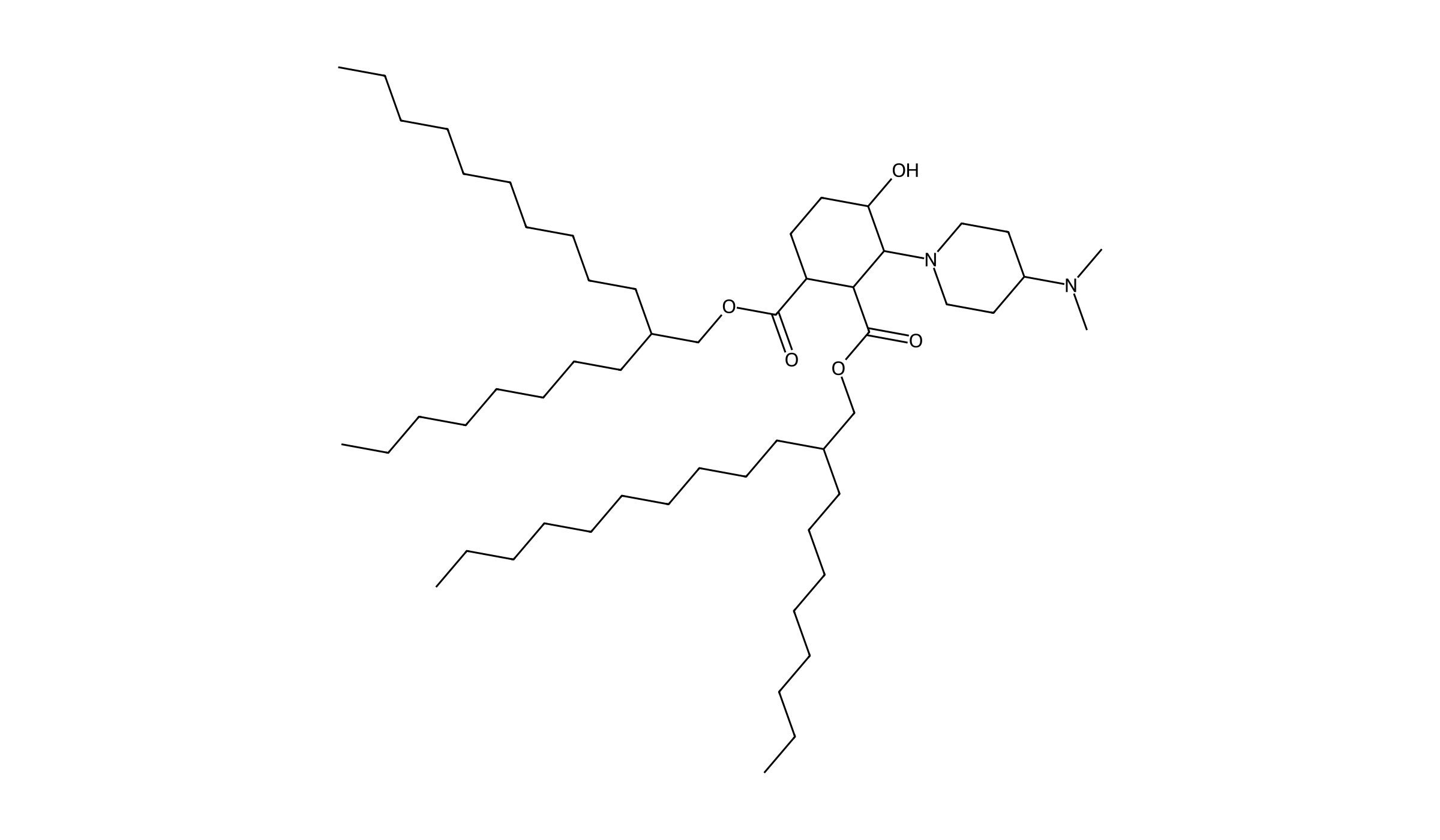
| DC68219 | Lipid CY7 Featured |
CY7 is an ionizable lipid engineered for localized pulmonary mRNA delivery. Its structure combines a cyclohexane-based core, a 4-dimethylaminopiperidine ionizable headgroup, two ester linkers, and four extended hydrophobic branches. In LNPs formulated with cholesterol, DSPC, and DMG-PEG, CY7 produced substantially higher local luciferase expression and lung-to-liver selectivity than SM-102 following intratracheal administration. CY7 LNPs also enhanced functional mRNA expression in pulmonary neutrophils, endothelial and epithelial cells, as well as dendritic and B cells in lung-draining lymph nodes. When used to deliver PcrV and OprF-I mRNAs, pulmonary CY7 LNP vaccination generated rapid antigen-independent innate protection followed by durable antigen-specific humoral, mucosal, and cellular immunity. In mouse models, it reduced bacterial burden and improved survival following challenge with laboratory and carbapenem-resistant Pseudomonas aeruginosa. CY7 remains a preclinical research lipid requiring further pharmacokinetic, repeat-dose, and translational safety evaluation.
More description
|
|
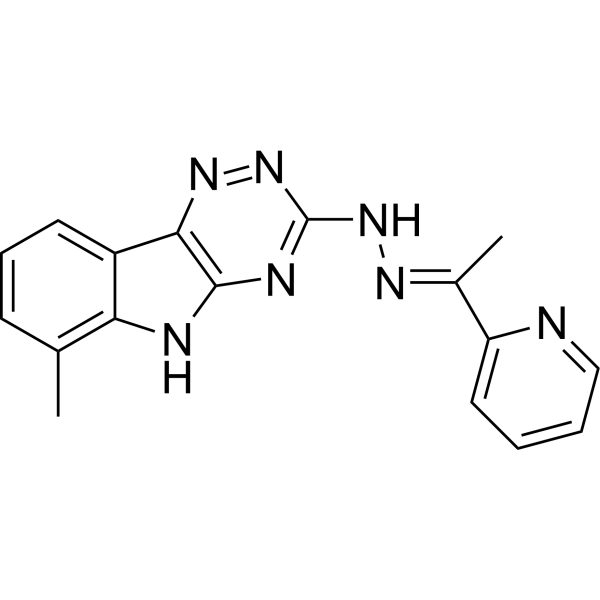
| DC34262 | VLX600 Featured |
VLX600 is a cell-permeable anticancer agent. It acts by reducing mitochondrial oxidative phosphorylation in tumor cells.
More description
|
|
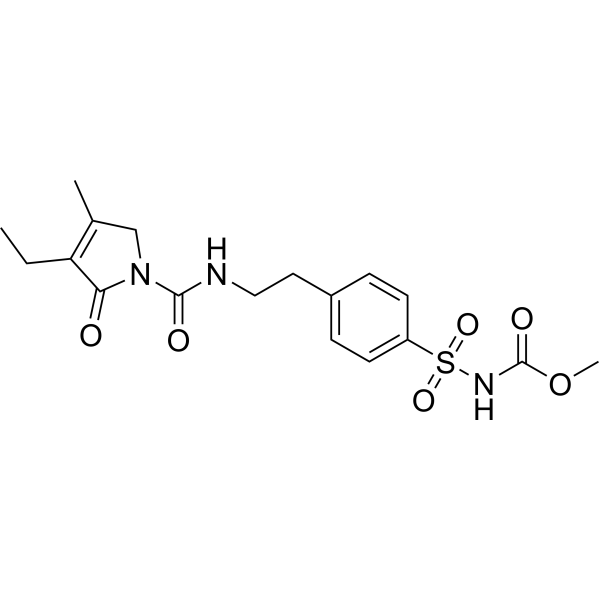
| DC68223 | Glimepiride impurity 1 Featured |
Glimepiride impurity 1 is an impurity of Glimepiride (HY-B0104).
More description
|
|
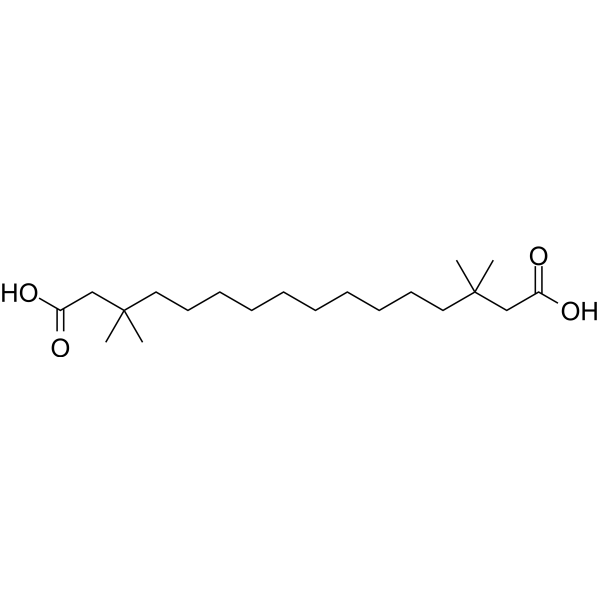
| DC34019 | MEDICA 16 Featured |
MEDICA16 is a GPR40 agonist. MEDICA 16 is a β,β'-dimethyl hexadecanedioic acid which exhibits hypolipidemic and antidiabetogenic effects in the rat.
More description
|
|
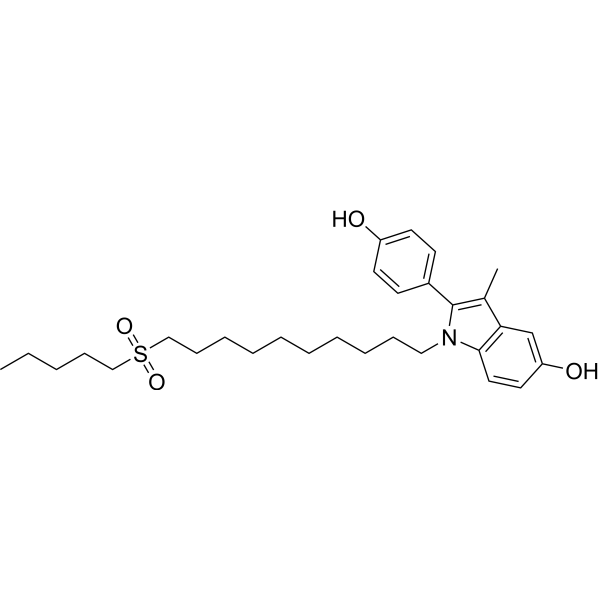
| DC68222 | ZK 164015 Featured |
ZK164015 is an estrogen-glucocorticoid receptor chimera that can be used as a compound screening tool to evaluate tissue-selective estrogen activity. ZK164015 was used to evaluate its effects on ER function in osteoblasts in studies based on green fluorescent protein (GFP)-receptor chimeras. In osteoblast-like (ROS and U2OS) and breast cancer (MCF7) cells, ZK164015 showed different effects in response to ER agonists, including modulation of ERE-luc activity and effects on nuclear mobility.
More description
|
|
| DC68221 | 3-Ethyl-2,5-dihydro-4-methyl-2-oxo-N-(2-phenylethyl)-1H-pyrrole-1-carboxamide Featured |
-1H-pyrrole-1-carboxamide.GIF)
|
|
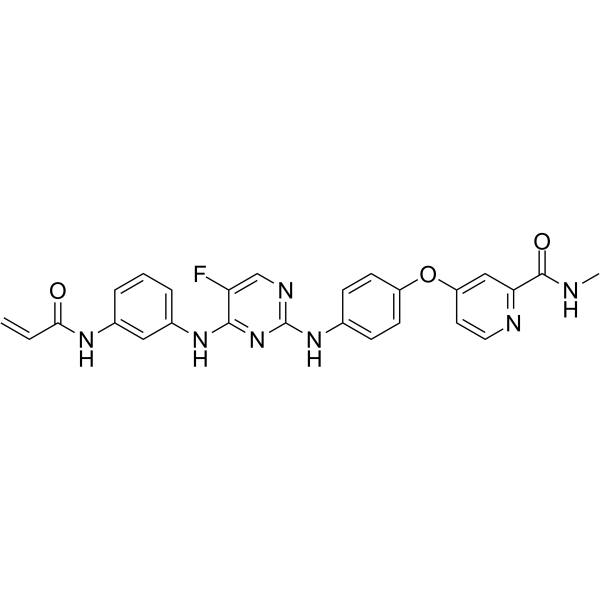
| DC7161 | CNX-774 Featured |
CNX-774 is a potent, selective, and orally available small molecule inhibitor of Btk (IC50< 1 nM) that forms a ligand-directed covalent bond with Cys-481, a non-conserved amino acid within the active site of the enzyme.
More description
|
|
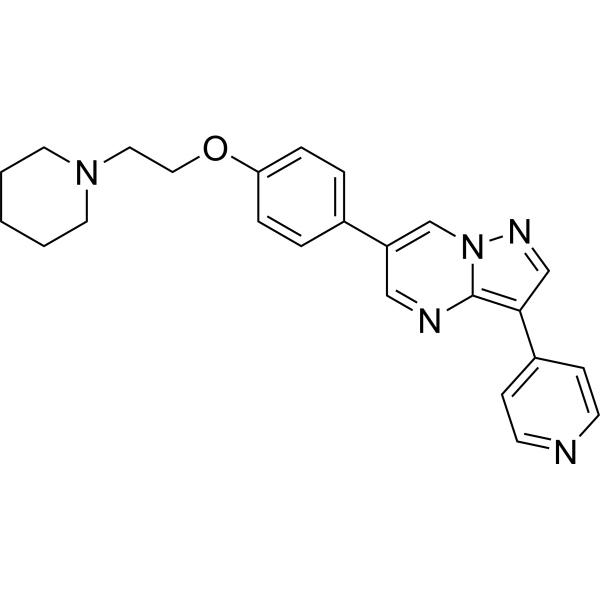
| DC8296 | Dorsomorphin(BML-275) Featured |
Dorsomorphin(Compound C; BML-275) has been shown to act as a potent and selective inhibitor of AMPK (AMP-activated protein kinase; Ki = 109 nM), induced by AICAR and metformin; also inhibits the bone morphogenetic protein type 1 receptors ACTR-I (ALK2), B
More description
|
|
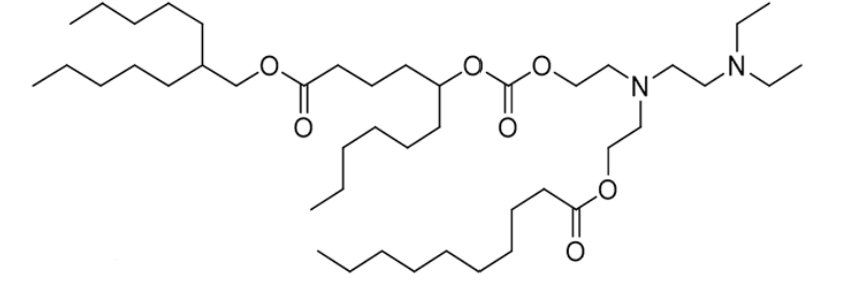
| DC60950 | FL0445 Featured |
FL0445 is a biodegradable, multi-branched ionizable lipid featuring an ionizable amine-containing headgroup together with ester and carbonate linkages. When formulated with DOPE, cholesterol, and a PEG lipid, FL0445-LNP enabled efficient delivery of both linear mRNA and structurally constrained capped circular RNA (Cap-cirRNA). In the reported study, the optimized formulation produced substantially higher in vitro protein expression than benchmark LNPs based on MC3, SM-102, or ALC-0315 and demonstrated functional nucleic-acid delivery following intravenous, intramuscular, and subcutaneous administration in mice. The platform was also evaluated for mRNA vaccination, ASO-mediated gene silencing, pDNA delivery, and GLP-1-encoding Cap-cirRNA. FL0445-LNP induced comparatively low inflammatory cytokine responses and showed favorable single-dose tolerability in the tested mouse models, supporting its further evaluation as a versatile preclinical delivery lipid for mRNA, circular RNA, and other nucleic-acid modalities.
More description
|
|
