 To enhance service speed and avoid tariff delays, we've opened a US warehouse. All US orders ship directly from our US facility.
| Cat. No. | Product Name | Field of Application | Chemical Structure |
|---|---|---|---|
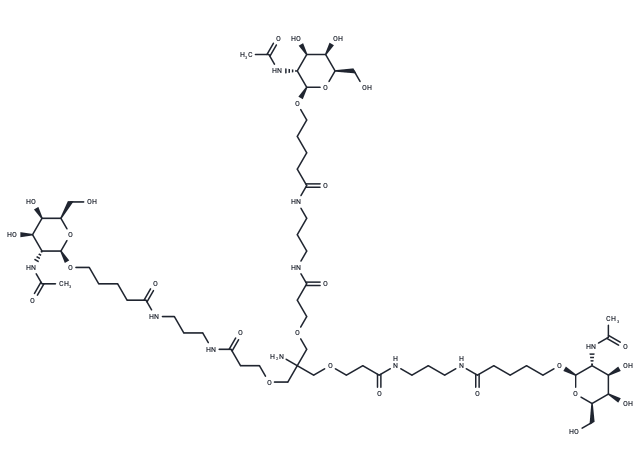
| DC60911 | ASGPR ligand-1 Featured |
ASGPR ligand-1 is a compound that targets the asialoglycoprotein receptor (ASGPR) and is utilized in various disease research contexts .
More description
|
|
| DC68017 | THA8 acid Featured |

|
|
| DC68018 | GalNAc-L10 Featured |

|
|
| DC68014 | Tri-GalNAc Acid Featured |
Triantennary GalNAc Acid is an asialoglycoprotein receptor (ASGPR) ligand for lysosomal targeting chimera (LYTAC) research and development.
More description
|

|
| DC72546 | Tri-GalNAc-NHS ester Featured |
Tri-GalNAc-NHS ester is a LYsosome TArgeting Chimera (LYTAC) and a ligand of asialoglycoprotein receptor (ASGPR). ASGPR is a lysosomal targeting receptor specifically expressed on liver cells, for the degradation of extracellular proteins including membrane proteins. Tri-GalNAc-NHS ester can be used as a protein degrader and it can be used for the research of LYTAC.
More description
|

|
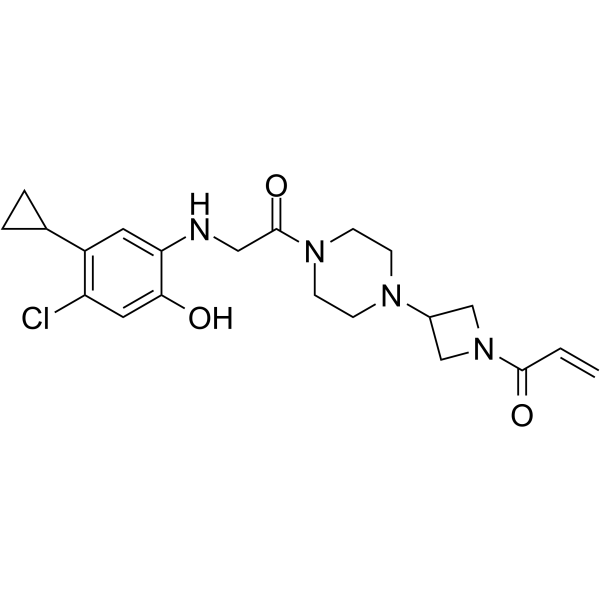
| DC22572 | K-Ras G12C-IN-2 Featured |
A novel and irreversible inhibitor of mutant K-ras G12C..
More description
|
|
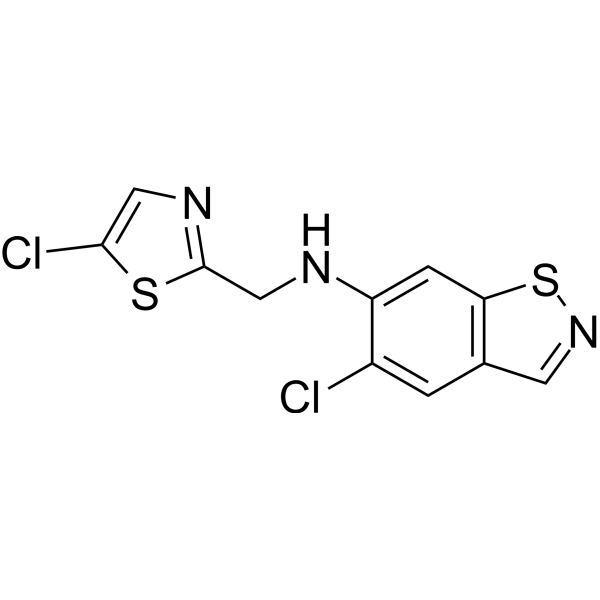
| DC81677 | TRPM5 agonist-1 Featured |
TRPM5 agonist-1 is an orally active TRPM5 agonist with a pEC50 of 8.1. TRPM5 agonist-1 shows excellent selectivity (> 100-fold) versus related cation channels (TRPM8, TRPV1, TRPV4, TRPA1, TRPM4). TRPM5 agonist-1 exhibits locally acting stimulatory effect on gastrointestinal transit in mice. TRPM5 agonist-1 can be used for research on promoting gastric motility.
More description
|
|
| DC68151 | KC-34 (SPC-A9) Featured |
KC-34 (SPC-A9) is a novel stereopure, diketopiperazine-based ionizable cationic lipid engineered to overcome traditional liver-restricted delivery, achieving balanced multi-organ mRNA transfection. Upon systemic intravenous administration, its precisely optimized chiral configuration allows the lipid nanoparticles (LNPs) to efficiently cross endothelial barriers and target the bone marrow, offering immense therapeutic potential for in vivo hematopoietic stem cell gene editing. Concurrently, KC-34 mediates robust and long-lasting protein expression in the spleen and lungs with minimal hepatic off-target toxicity. Its stable structure provides excellent biocompatibility and high in vivo tolerance, making it ideal for systemic, multi-dose mRNA therapies.
More description
|
.png)
|
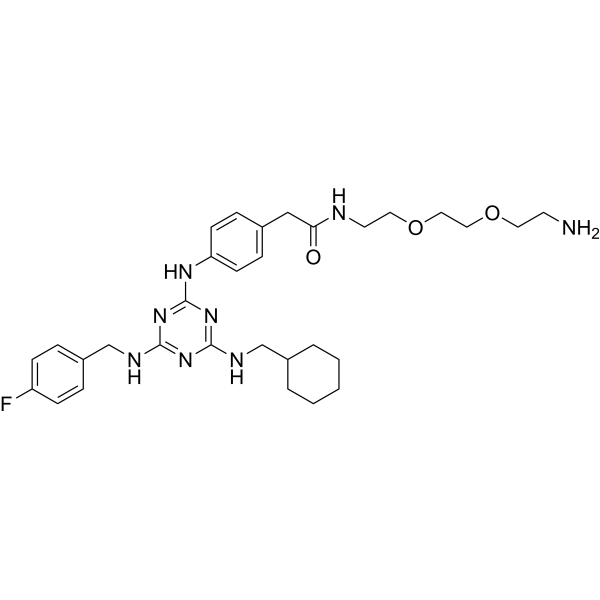
| DC7119 | AP-III-a4 Featured |
ENOblock(AP-III-a4) is a novel small molecule which is the first, nonsubstrate analogue that directly binds to enolase and inhibits its activity (IC50=0.576 uM); inhibit cancer cell metastasis in vivo.
More description
|
|
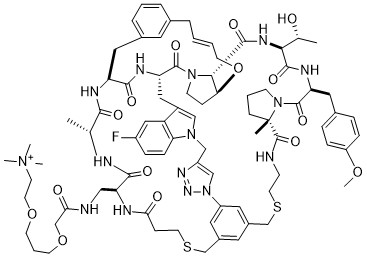
| DC65325 | MK-0616 (Enlicitide ) Featured |
MK-0616 is a potent, oral macrocyclic peptide inhibitor of PCSK9 that is not only able to reduce LDL-cholesterol, non-HDL-cholesterol, and apoB, but can also lower Lp(a).
More description
|
|
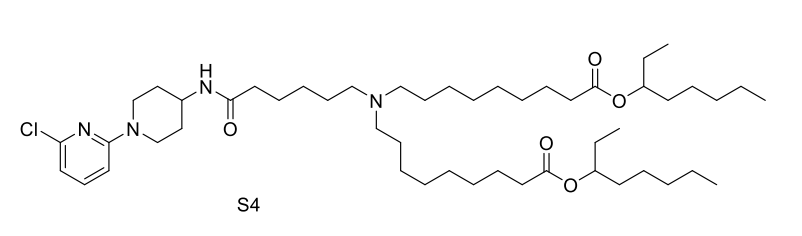
| DC67569 | Lipid S4 Featured |
Lipid S4 is an advanced ionizable lipid engineered for systemic mRNA delivery to the brain, leveraging SR-57227—a high-affinity 5-HT3 receptor ligand—as its core head group to enable targeted blood-brain barrier (BBB) penetration via receptor-mediated transcytosis, while incorporating amino linkers for pH-responsive ionization and biodegradable branched ester tails to facilitate efficient endosomal escape and intracellular mRNA release; optimized through orthogonal screening into OS4 LNP (formulated at S4/DOPE/Chol/DMG-PEG2k = 40:40:60:0.75 molar ratio), it demonstrated a 13.3-fold increase in brain mRNA expression compared to FDA-approved MC3 LNPs, and further conjugation with the Tat cell-penetrating peptide yielded OS4T LNP, boosting delivery efficiency by 12.7-fold over OS4 alone and enabling broad mRNA expression across neurons, astrocytes, microglia, and endothelial cells; validated in orthotopic glioblastoma models, OS4T delivered engineered IL-12 mRNA, suppressing tumor growth and extending median survival to 37 days (vs. 17 days for controls) with minimal systemic toxicity, positioning S4-based LNPs as a robust, translatable platform for CNS-targeted therapeutics.
More description
|
|
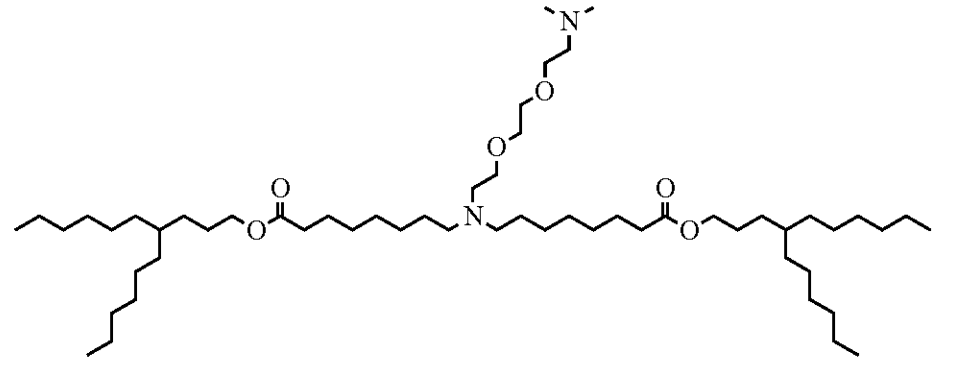
| DC68208 | Sail lipid 7669 Featured |
Lipid 7669 is a premium, spleen-tropic ionizable lipid highly validated in US2025/0049948A1 for targeted mRNA delivery. Engineered for extrahepatic targeting, it achieves exceptional splenic protein expression while minimizing hepatic accumulation, significantly outperforming conventional liver-targeting lipids like MC3 and C12-200. In vivo bioluminescence data confirms its superior whole-body transfection efficiency and highly selective spleen tropism. This high-performance lipid is ideal for pioneering research in mRNA vaccines, splenic immune editing, and autoimmune disease therapies requiring precise extrahepatic delivery. Lipid 7669 is for research purpose.
More description
|
|
| DCC5183 | Tnks/usp25-in-c44 Featured |
Novel selective inhibitor of TNKS-USP25 interaction, effectively reducing prostate cancer cell proliferation and tumor growth
More description
|
.png)
|
| DC67556 | Lipid 2308 Featured |
Sail Lipid 2308 is a novel ionizable lipid targeting to spleen developed by Sai Biomedicine.As described on US20250205167A1, Lipid 2308 was designed with a piperidine core (6-membered ring) and asymmetric C17/C11 chains, this lipid achieves unprecedented spleen-specificity. It demonstrates dominant spleen accumulation (Spleen RLU: 7.8E+06, 91.8% of total signal) with a record spleen-to-liver ratio of 112.7 (9× higher than 2231). Despite lower protein expression (hEPO: 11,000 ng/mL), near-zero liver uptake (Liver RLU: 66,000) makes Lipid 2308 unparalleled for vaccine/immunotherapy applications targeting splenic immune cells.
More description
|

|
| DC67555 | Lipid 2231 Featured |
Sail Lipid 2231 is a novel ionizable lipid targeting to spleen developed by Sai Biomedicine.As described on US20250205167A1 Lipid 2231 features a pyrrolidine core (5-membered ring) with biodegradable ester linkages and asymmetric C17/C11 hydrophobic chains. In vivo data shows moderate spleen targeting (Spleen RLU: 3.8E+06) with a spleen-to-liver ratio of 12.767.
More description
|

|
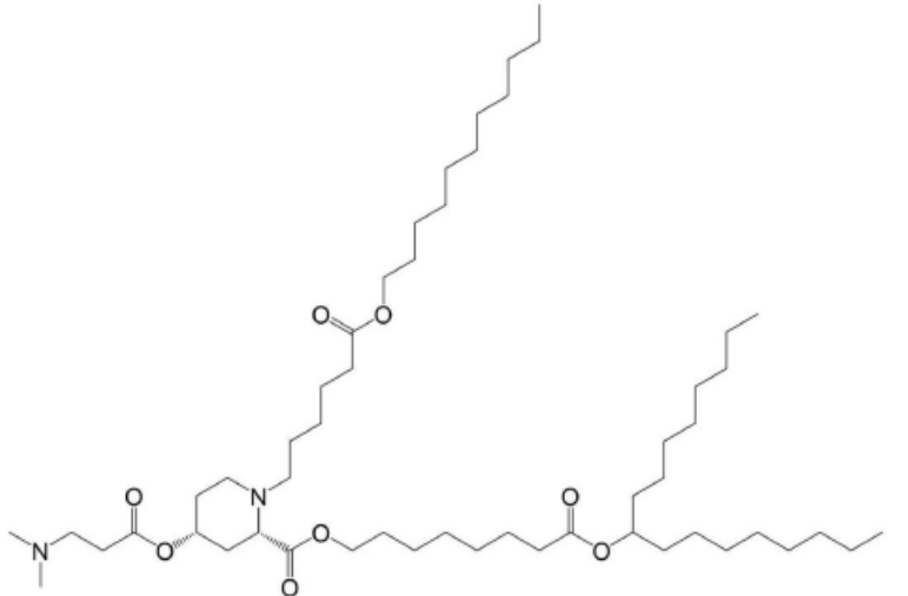
| DC60929 | Lipid 2310 Featured |
Lipid 2310 is a novel ionizable lipid developed by Sail Biomedicine demonstrates excellent performance with a spleen-to-liver ratio of 5.58 and a very high total expression level of 1.3E+07. Lipid 2310 offers a strong balance of efficient systemic protein production and clear preferential delivery to the spleen.
More description
|
|
| DC60928 | Lipid 2306 Featured |
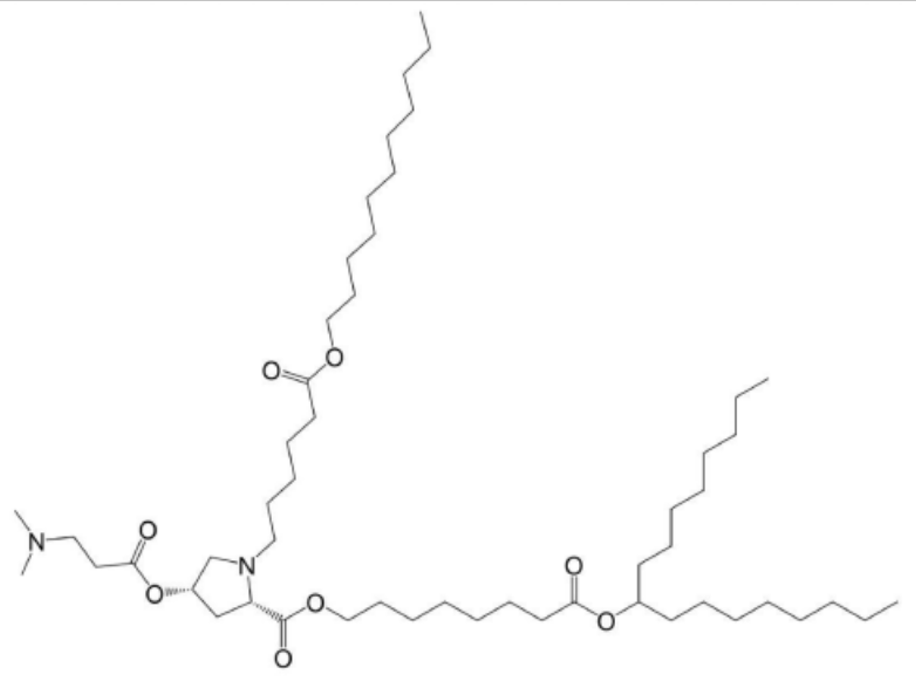
Lipid 2306 is a novel ionizable lipid developed by Sail Biomedicine demonstrates excellent performance with a spleen-to-liver ratio of 3.68 and a very high total expression level of 2.5E+07. Lipid 2306 offers a strong balance of efficient systemic protein production and clear preferential delivery to the spleen.
More description
|
|
| DC82209 | Lipid 10a-26 Featured |
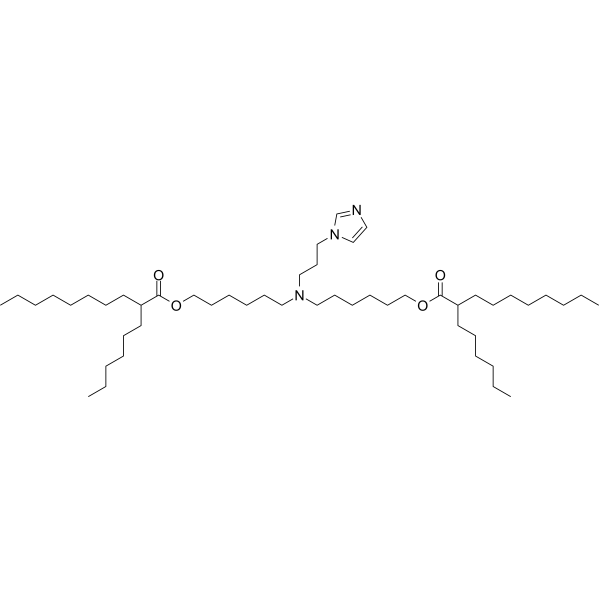
Lipid 10a-26 is an ionizable lipid developed by Orna Therapeutics for lipid nanoparticle (LNP) formulations. Lipid 10a-26 is a key ionizable lipid in the LNP-6 formulation. Through structural modification, it exhibits reduced binding to ApoE proteins and lowered liver affinity compared to traditional ionizable lipids. Instead, Lipid 10a-26 demonstrates strong splenic tropism—in non-human primate studies, it effectively delivers payloads to the spleen and immune cells in peripheral blood, such as T cells, NK cells, and macrophages, enabling the possibility of "in vivo CAR-T" therapy. Its pKa is tuned to approximately 6.0–6.5, allowing rapid protonation in the acidic endosomal environment, which promotes endosomal membrane disruption and efficient cytosolic release of circular RNA.
More description
|
|
| DC40118 | Giredestrant Featured |
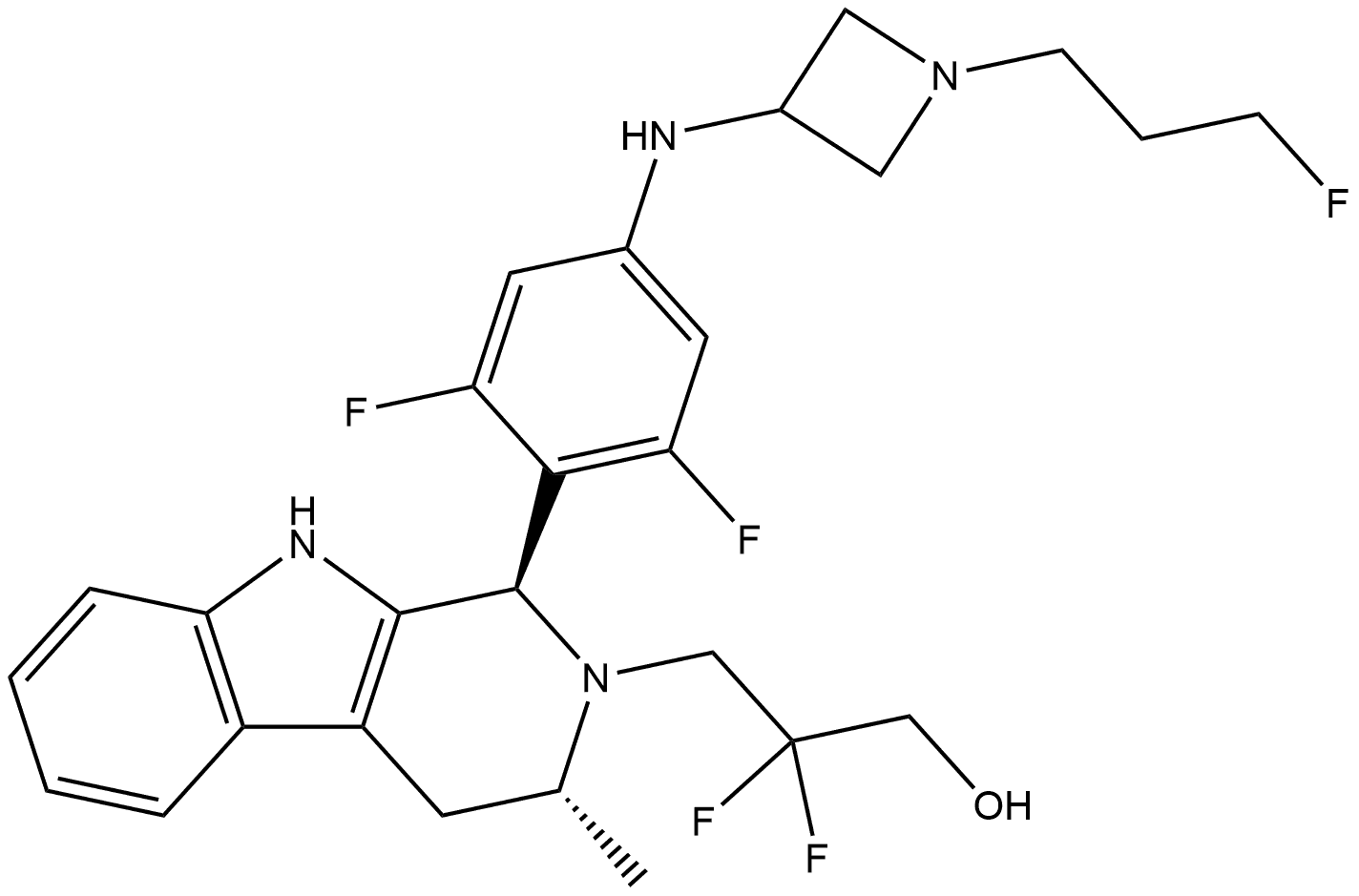
Giredestrant (GDC-9545), a non-steroidal estrogen receptor (ER) ligand, is an orally active and selective ER antagonist. Giredestrant potently competes with Estradiol for binding and induces a conformational change within the ER ligand binding domain. Gir
More description
|
|
| DC72540 | MS8815 Featured |
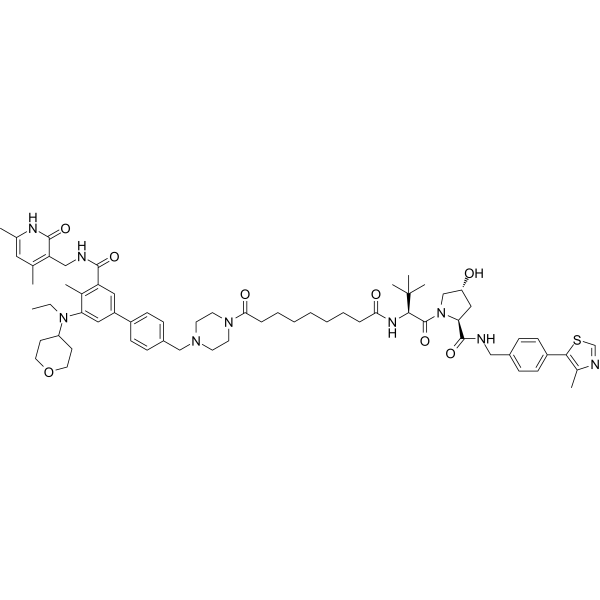
MS8815 is a selective enhancer of zeste homolog 2 (EZH2) PROTAC degrader. MS8815 has inhibition activity for EZH2 with an IC50 value of 8.6 nM. MS8815 can be used for the research of triple-negative breast cancer (TNBC).
More description
|
|
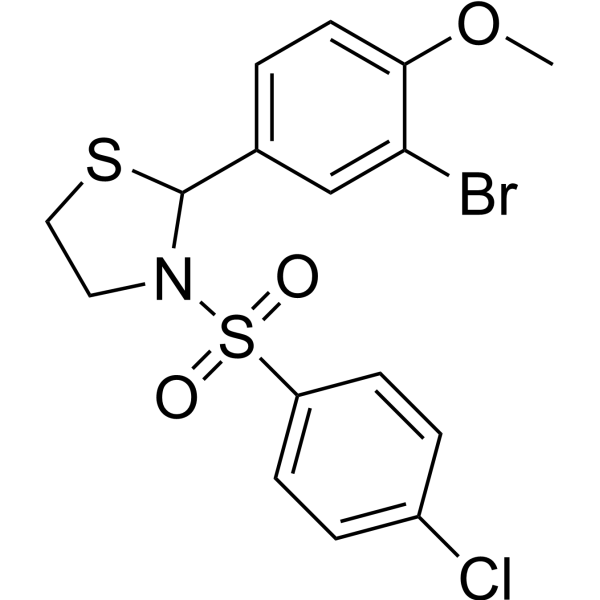
| DC26073 | BMS-986122 Featured |
BMS-986122 is a potent positive allosteric modulator of μ-opioid receptor, significantly increases the inhibition of forskolin-stimulated adenylyl cyclase activity produced by an EC10 (30 pM) concentration of endomorphin-I in CHO-μ cells..
More description
|
|
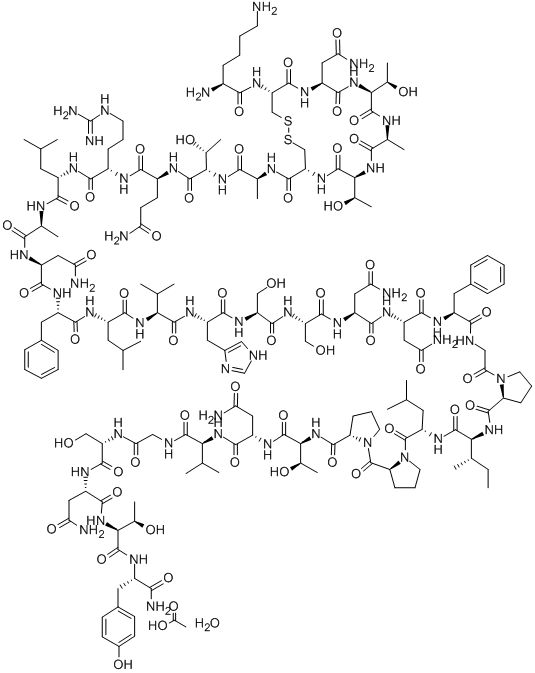
| DC41496 | Pramlintide Featured |
Pramlintide is a polypeptide analogue of human amylin. Pramlintide, an antidiabetic agent, is antineoplastic in colorectal cancer.
More description
|
|
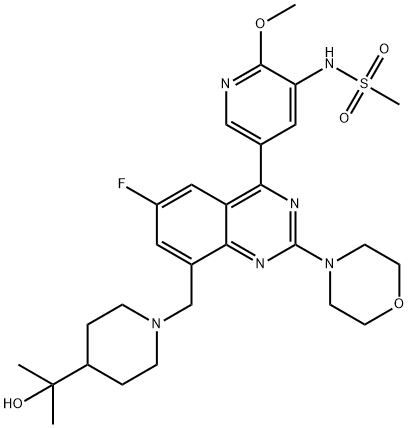
| DC12666 | YY-20394(PI3Kδ-IN-2) Featured |
YY-20394 is a novel PI3K inhibitor suppresses tumor progression by immune modulation.
More description
|
|
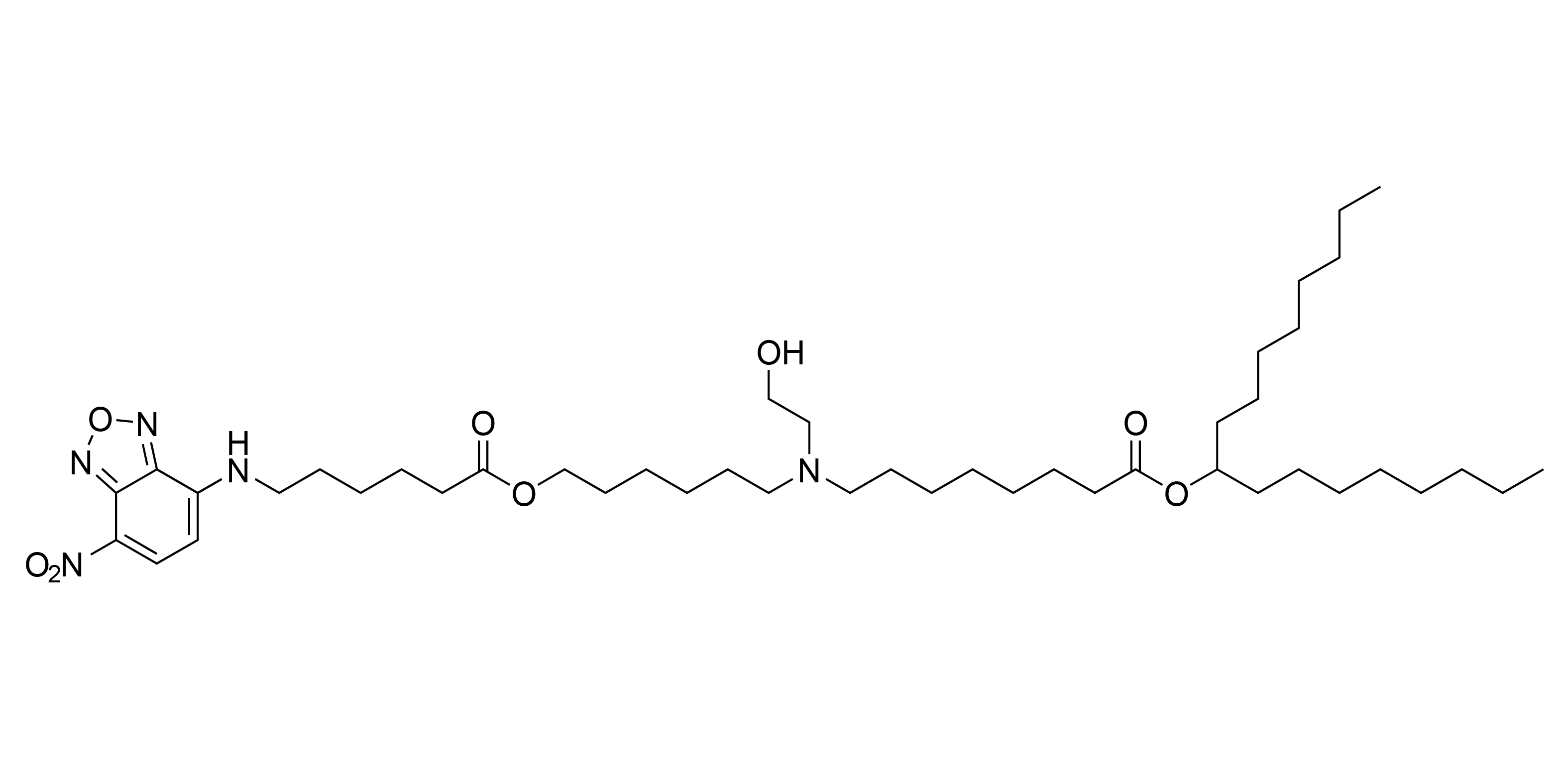
| DC67109 | Fluorescent SM-102 (NBD-SM-102) Featured |
Fluorescent SM-102 (NBD-SM-102) is a premium, dye-conjugated ionizable cationic lipid designed for advanced nanomedicine and mRNA delivery research. By covalently integrating a bright, green-fluorescent nitrobenzofurazan (NBD) probe into the industry-standard SM-102 skeleton, this high-purity reagent operates as an indispensable visual tracer. It empowers researchers to seamlessly track cellular uptake, monitor tissue biodistribution, and quantify endosomal escape efficiencies via fluorescence microscopy and flow cytometry. Crucially, this NBD-SM-102 derivative preserves the native ionizable property (\(pK_a \approx 6.68\)) and optimal membrane-fusion dynamics required for lipid nanoparticle (LNP) assembly and transfection, ensuring experimental formulations accurately mimic functional delivery vectors. This reliable reagent is ideal for accelerating lipid-mix optimization, high-throughput screening, and nucleic acid therapeutics development pipeline.
More description
|
|
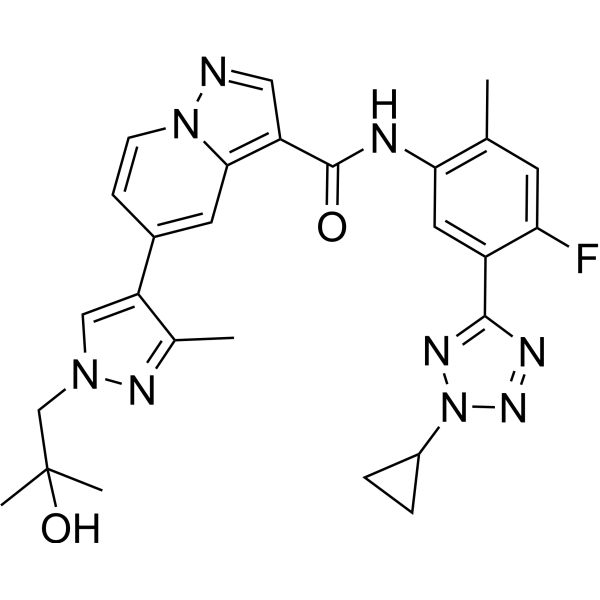
| DC80747 | BLU-808 Featured |
BLU-808 is a potent and highly selective GSPT1 molecular gel degrader, with a DC50 of 154 nM. GSPT1 degrader-15 has almost no effect on the expression of other proteins. GSPT1 degrader-15 exhibits significant anti-proliferative activity against leukemia cells and lymphoma cells. GSPT1 degrader-15 can be used in leukemia and lymphoma research.
More description
|
|
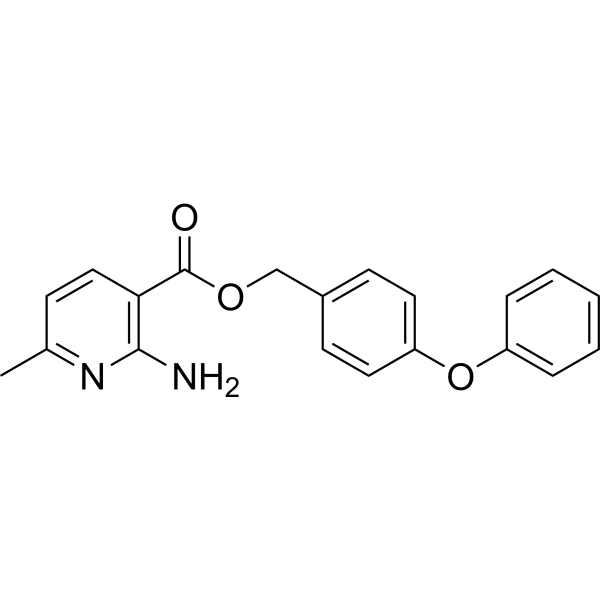
| DC68206 | Aminopyrifen Featured |
Aminopyrifen is a GWT-1 inhibitor. Aminopyrifen inhibits the inositol acylation of phosphatidylinositol, disrupting the maturation process of GPI-anchored proteins and the integrity of fungal cell walls. Aminopyrifen strongly inhibits germ tube elongation of Botrytis cinerea, delays spore germination, prevents appressorium formation, and blocks the infection of plant tissues by pathogenic fungi.
More description
|
|
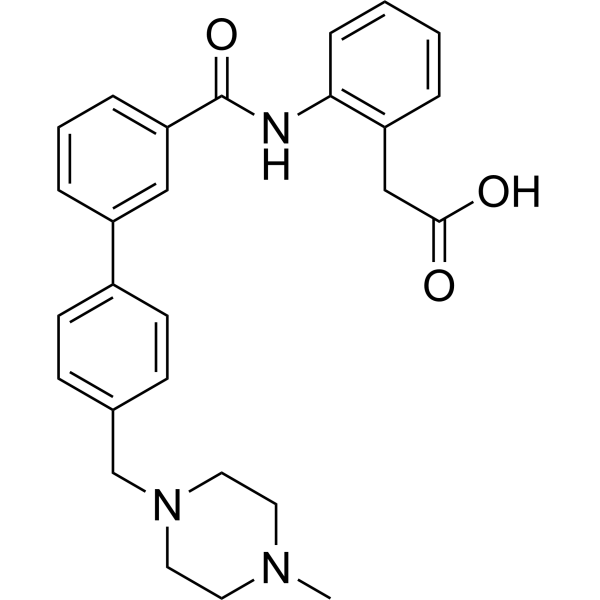
| DC71963 | NF-56-EJ40 Featured |
NF-56-EJ40 is a potent, high-affinity, and highly selective human SUCNR1 (GPR91) antagonist with an IC50 of 25 nM and a Ki of 33 nM, has high affinity for humanized rat SUCNR1 with a Ki value of 17.4 nM.
More description
|
|
| DC7076 | AZD-7762 Featured |
AZD7762 is a potent and selective inhibitor of Chk1 with IC50 of 5 nM; equally potent against Chk2 and less potent against CAM, Yes, Fyn, Lyn, Hck and Lck.
More description
|

|
| DC5017 | Suvorexant Featured |
Suvorexant (MK-4305) is a potent, selective, and orally bioavailable antagonist of OX1R and OX2R.Suvorexant is regulated as a Schedule IV compound in the United States. This product is intended for use in analytical forensic applications. This product is for research use only, not for any other purposes.
More description
|

|
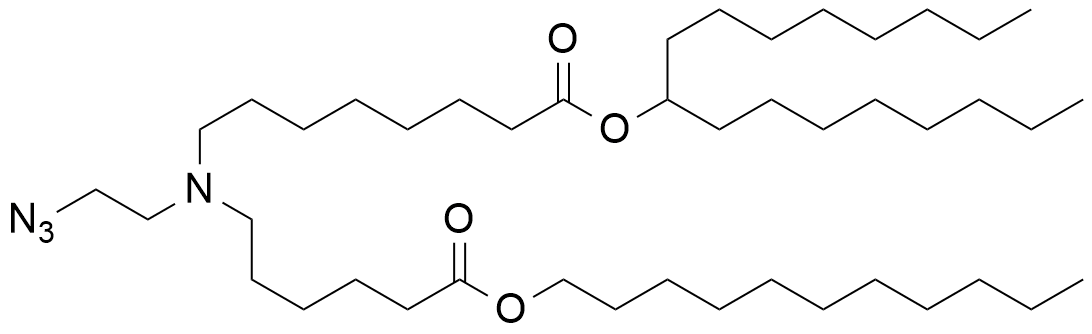
| DC68190 | SM-102 azide Featured |
SM-102 azide is an azide-modified derivative of the clinically validated SM-102 ionizable lipid. Designed specifically for advanced Lipid Nanoparticle (LNP) formulation, this product integrates a reactive azide (-N₃) group to enable effortless, high-yield functionalization via click chemistry. It is the ideal tool for researchers and developers looking to construct targeted nucleic acid delivery systems, build diverse lipid libraries, or track LNPs in vivo.
More description
|
|
