 To enhance service speed and avoid tariff delays, we've opened a US warehouse. All US orders ship directly from our US facility.
| Cat. No. | Product Name | Field of Application | Chemical Structure |
|---|---|---|---|
| DC67294 | Lipid B1 |
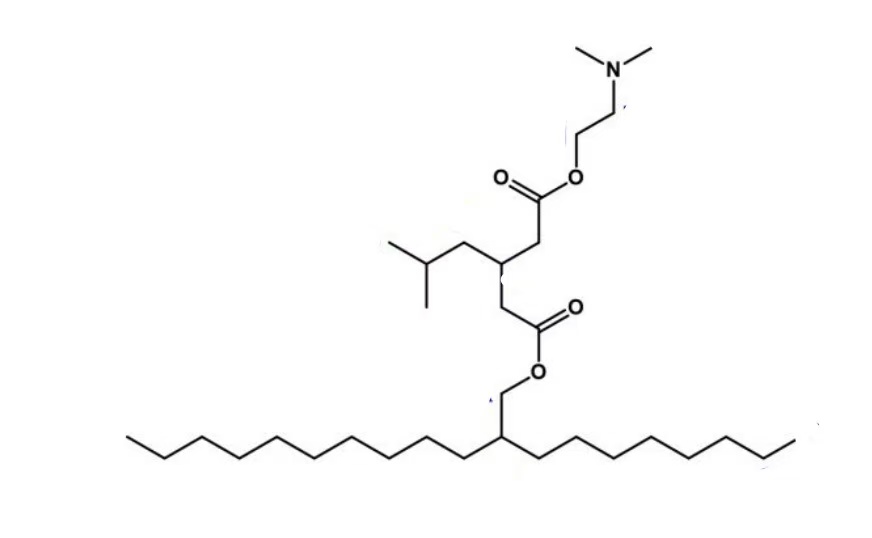
Lipid B1 is a next-generation ionizable lipid engineered for superior mRNA delivery, featuring a patented β-isobutylglutarate branching linker that optimizes nanoparticle assembly and intracellular release. Its unique structure combines a pH-responsive tertiary amine headgroup with twin C18 alkyl tails connected via biodegradable ester bonds, enabling precise control over lipid packing and endosomal escape. Preclinical studies demonstrate that Lipid B1-based LNPs (bLNPs) achieve **>75% transfection efficiency in vitro at ultra-low mRNA doses (1 μg), outperforming commercial benchmarks like SM-102. In vivo, subcutaneous administration of bLNPs delivers 10-fold higher luciferase expression** than linear-chain analogs, with targeted biodistribution to lymph nodes and tumor sites. Clinically relevant data show 100% tumor prevention in prophylactic cancer vaccine models and 70% tumor regression in therapeutic settings when combined with checkpoint inhibitors. The ester-based backbone ensures rapid metabolic clearance, minimizing systemic toxicity risks (NOAEL >10 mg/kg in mice). Compatible with mRNA, siRNA, and CRISPR-Cas9 payloads, Lipid B1 is ideal for vaccines, gene therapies, and immuno-oncology. Its scalable 3-step synthesis (yield >80%) and lyophilization stability (-80°C, 12 months) make it a cost-effective solution for GMP-grade production. For advanced delivery with unmatched safety and efficacy, Lipid B1 sets a new standard in nucleic acid therapeutics.
More description
|
|
| DC67995 | Lipid 22 Featured |
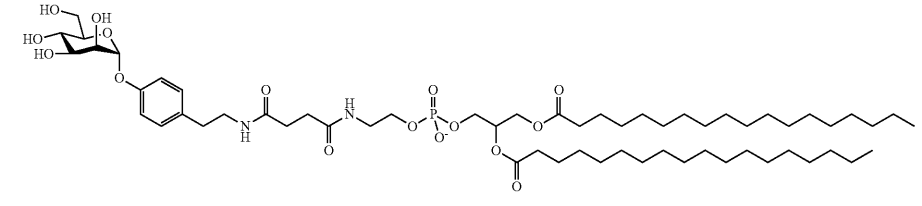
Compound 22, as detailed in United States Patent US 2026/0014089 A1, is a bifunctional ionizable lipid engineered for precision drug delivery. Its structure integrates a monosaccharide targeting headgroup, designed to bind specifically to DC-SIGN receptors on dendritic cells, via a sophisticated linker connected to a biodegradable lipid anchor. This design enables it to serve as a key component of lipid nanoparticles (LNPs), forming a targeted delivery system. By leveraging the specific carbohydrate-receptor interaction, these LNPs are preferentially internalized by dendritic cells, critical for initiating adaptive immune responses. In vivo studies from the patent, such as the biodistribution data shown in Figure 5, confirm effective accumulation in lymphoid tissues like the spleen and lymph nodes. Consequently, this targeted delivery enhances the potency of encapsulated payloads (e.g., mRNA vaccines) by ensuring professional antigen presentation, eliciting a stronger and more specific immune response—evidenced by higher neutralizing antibody titers—making it a powerful tool for next-generation vaccines and therapeutics.
More description
|
|
| DC89031 | SM-102 IMPURITY 2(SM-102 N-Oxide) Featured |
SM-102 N-oxide is potential impurity in commercial preparations of SM-102.
More description
|
.png)
|
| DC60213 | DOTMA Featured |
N-[1-(2,3-Dioleyloxy)propyl]-N,N,N-trimethylammonium (DOTMA) is a cationic lipid.It has been used as a component in liposomes that can be used to encapsulate siRNA, microRNAs, and oligonucleotides and for gene transfection in vitro.
More description
|

|
| DC67563 | S-Ac7-DOG Featured |
S-Ac7-DOg is an ionizable lipid engineered for optimized mRNA delivery to the retina, featuring a sulfur-based ester bond (S-Ac) and dual oleyl glyceride chains (DOg). Its pKa (~6.74) is finely tuned to enhance endosomal escape in acidic environments, enabling efficient cytosolic mRNA release. Unlike traditional lipids (e.g., C12-200, MC3), S-Ac7-DOg incorporates biodegradable ester linkages that hydrolyze intracellularly, minimizing lipid accumulation and reducing innate immune activation.
In vitro, S-Ac7-DOg LNPs achieved >80% transfection efficiency in retinal cells (ARPE-19, MIO-M1) with negligible cytokine secretion, outperforming MC3 and rivaling C12-200 while avoiding the latter’s high immunogenicity. In vivo, intravitreal delivery in mice showed robust protein expression in the optic nerve head (ONH) and Müller glia (75–100% of eyes), sustained for ≥7 days. Critically, it induced the lowest immunogenicity among tested lipids: minimal leukocyte infiltration (<1.5-fold vs. PBS), no microglial reactivity, and reduced GFAP upregulation.
More description
|

|
| DC65851 | CL15F6 Featured |
CL15F6 is an ionizable cationic lipid (pKa = 6.75).1 It has been used in the formation of lipid nanoparticles (LNPs) for the delivery of mRNA and polymer-lipid hybrid nanoparticles for the delivery of plasmid DNA in vitro.1,2
More description
|
|
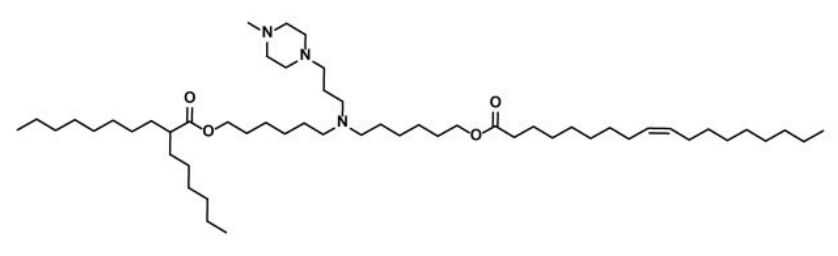
| DC68139 | Lipid M10 Featured |
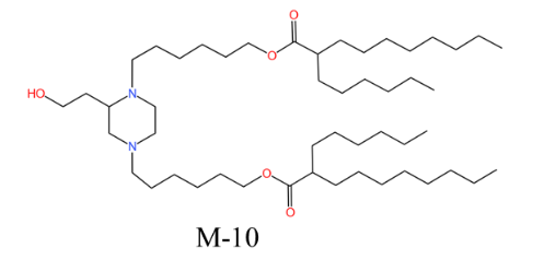
M10 is a piperazine-derived bis-tertiary amine ionizable lipid. With an optimal pKa of 6.56, it enables efficient liver-targeted CRISPR/Cas9 delivery, achieving durable PCSK9 silencing and LDL-C reduction after a single dose, alongside a favorable safety profile.
More description
|
|
| DC68138 | Lipid M3 Featured |
Lipid M3 is a novel ionizable lipid. Lipid M3's primary role is to enable the efficient co-encapsulation and delivery of CRISPR/Cas9 components—Cas9 mRNA and sgRNA targeting the VEGFA gene—into human retinal endothelial cells. M3 facilitates critical steps for successful gene editing, including stabilizing the nucleic acid cargo, promoting cellular uptake, and enabling effective endosomal escape to release the payload into the cytoplasm. This results in high gene-editing efficiency (indel frequency ~28.7%). A single intravitreal injection of the M3-F4 LNP carrying this CRISPR system demonstrated potent therapeutic effects in mouse models of diabetic retinopathy by significantly inhibiting pathological neovascularization and vascular leakage, while maintaining excellent biocompatibility.
More description
|
|
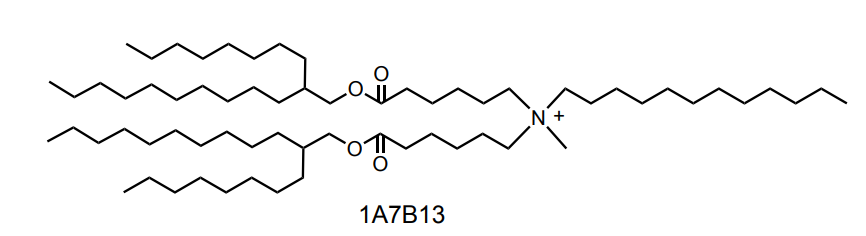
| DC68023 | Lipid 1A7B13 Featured |
1A7B13 is a top-performing "tripod-like" lung-targeting (LuT) lipid. It forms lipid nanoparticles (LNPs) that, after intravenous injection, deliver genetic medicines (like mRNA and CRISPR-Cas9) to the lungs with over 90% selectivity, particularly favoring epithelial cells. Compared to the benchmark DOTAP LNPs, 1A7B13 LNPs achieve a 25.5-fold increase in mRNA delivery and a 9.2-fold improvement in gene-editing efficiency within the lungs. Its therapeutic potential was demonstrated by successfully delivering IL-10 mRNA to treat acute lung injury in mice.
More description
|
|
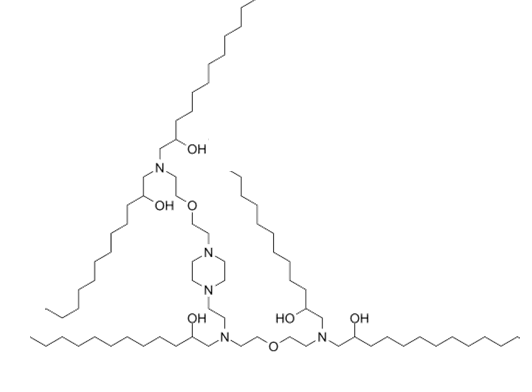
| DC89101 | C12-4 (Lipid A-4,Lipid F3,C12-494) Featured |
C12-4 (Lipid A-4,Lipid F3) is a branched-chain ionizable cationic lipidoid that has been used in the formation of lipid nanoparticles (LNPs) for the delivery of mRNA. LNPs containing lipid A4 and encapsulating an mRNA reporter accumulate in the uterus, placenta, and ovaries, as well as to the spleen and liver, in pregnant mouse dams unlike LNPs containing the branched-chain ionizable cationic lipidoid C12-200, which primarily accumulate in the liver. Intravenous administration of LNPs containing lipid A4 and encapsulating mRNA encoding VEGF increase placental VEGFR1 levels and mean fetal blood vessel area without inducing liver damage in pregnant mouse dams.
More description
|
|
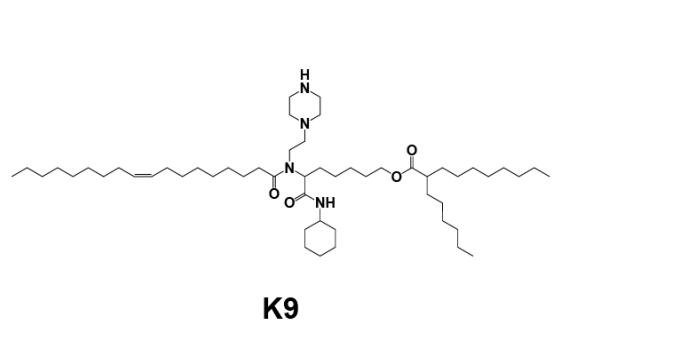
| DC68078 | Lipid K9 Featured |
K9 is a novel ionizable lipid designed by the multi-objective AI model MOLEA. Its core function is to enable tissue-selective mRNA delivery. When formulated into Lipid Nanoparticles (LNPs), K9 can preferentially deliver mRNA efficiently to articular chondrocytes while significantly reducing delivery to hepatocytes. This facilitates targeted drug delivery for conditions like osteoarthritis and lowers the risk of off-target effects in the liver. In vitro experiments confirm that K9-LNPs promote endosomal escape and efficient expression of mRNA in chondrocytes. Its targeted delivery efficiency is further enhanced by optimizing the LNP formulation (e.g., lipid composition ratios) using a Design of Experiment (DoE) approach. In vivo studies show that after intra-articular injection, K9-LNPs exhibit high biodistribution and gene expression in the knee joint, with limited distribution in major organs like the liver. Therefore, K9 represents an advanced, rationally designed LNP component for achieving joint tissue-specific therapy, providing a key tool for developing targeted mRNA therapeutics.
More description
|
|
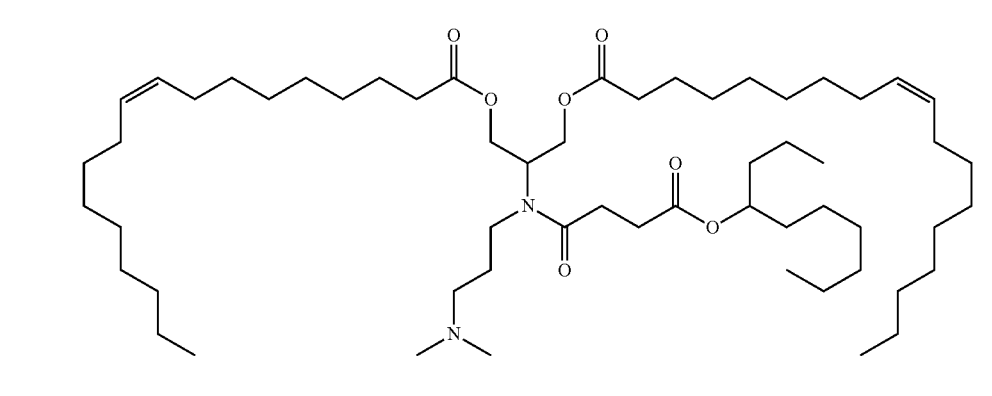
| DC67601 | Sanofi Lipid 15 Featured |
Lipid 15 is the lead ionizable cationic lipid (ICL) for CD8-targeted mRNA-LNPs. As the core LNP component, Lipid 15 yields ~100 nm uniform particles with near-neutral surface charge at physiological pH, while becoming strongly cationic in acidic endosomes—reducing hepatic off-target uptake and enabling efficient endosomal escape to release mRNA. Versus other ICL candidates, Lipid 15 achieves far higher mRNA transfection efficiency in primary human CD8⁺ T cells, supports robust transient CAR expression, and triggers minimal cytokine release in immunogenicity assays. It retains structural and functional stability after freeze storage. When formulated into anti-CD8 VHH-conjugated LNPs carrying CD22 CAR mRNA, Lipid 15 drives specific in vivo reprogramming of circulating CD8⁺ T cells into functional CAR-T cells, delivering potent tumor suppression in humanized hematological malignancy models without overt toxicity.
More description
|
|
| DC68058 | Lipid GA-16 Featured |
GA-16 is a novel ionizable lipid designed with an N-(2-Hydroxyethyl)piperazine-N'-(4-butanesulfonic acid) (HEPBS) core. Its key functional characteristic is enabling highly efficient, liver-tropic mRNA delivery through an ApoE-mediated yet Low-Density Lipoprotein Receptor (LDLR)-independent cellular uptake mechanism. When formulated in LNPs with the helper lipid DEPE, GA-16 achieves superior protein expression. More importantly, this uptake pathway bypasses the canonical LDLR dependency, making it a strategically valuable component for developing therapies targeting genetic liver diseases like familial hypercholesterolemia, where patients often have deficient LDLR function.
More description
|

|
| DC68056 | A1T2C3(CP-LC-1067) Featured |
A1T2C3 (CP-LC-1067) is a highly potent ionizable lipid designed for lung-targeted mRNA delivery. When formulated into lipid nanoparticles (LNPs), it produces particles approximately 80 nm in size with excellent uniformity and a high mRNA encapsulation efficiency (>94%). Its most distinguished feature is its exceptional organ selectivity. Following intravenous administration in mice, A1T2C3-based LNPs demonstrated a remarkable accumulation of over 94% of the signal in the lungs, with minimal distribution to other major organs. This makes it a leading candidate for developing therapeutics specifically targeted to pulmonary tissues.
More description
|
.gif)
|
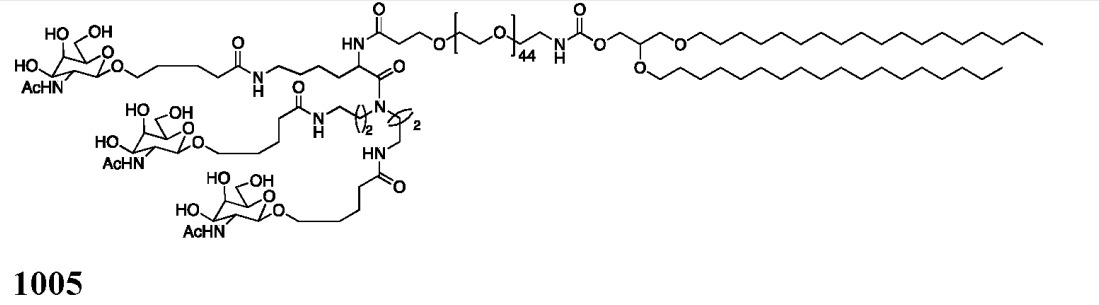
| DC67444 | GalNAc Lipid 1005 Featured |
GalNAc Lipid 1005 is a trivalent GalNAc-lipid conjugate designed for ASGPR-mediated hepatic delivery. It features a lysine-based scaffold covalently linked to three GalNAc moieties via a 44-unit PEG spacer, anchored by a 1,2-O-dioctadecyl-sn-glyceryl (DSG) lipid tail.
More description
|
|
| DC60502 | GalNAc Lipid GL6(GalNAc Lipid 1004) Featured |
GL6 is a trivalent GalNAc-lipid conjugate designed for ASGPR-mediated hepatic delivery. It features a lysine-based scaffold covalently linked to three GalNAc moieties via a 36-unit PEG spacer, anchored by a 1,2-O-dioctadecyl-sn-glyceryl (DSG) lipid tail. This structure balances ligand accessibility (via optimized PEG length) and nanoparticle stability (via hydrophobic DSG anchoring). Compared to GL3 (TRIS scaffold, same PEG length), GL6’s simplified lysine scaffold improves manufacturability. In LDLR-deficient models, GL6 enabled 61% liver editing (vs. 5% with standard LNPs) at 2 mg/kg, demonstrating superior ASGPR targeting. Its design minimizes ligand crowding (0.05 mol% surface density) while maximizing endosomal escape and durable gene editing.
More description
|

|
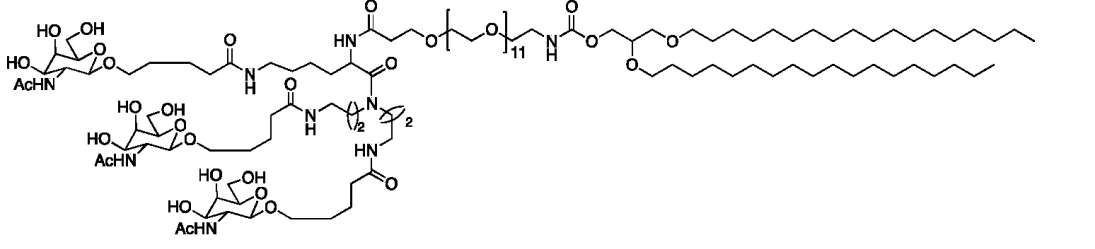
| DC67443 | GalNAc Lipid 1002 Featured |
GalNAc Lipid 1002 is a trivalent GalNAc-lipid conjugate designed for ASGPR-mediated hepatic delivery. It features a lysine-based scaffold covalently linked to three GalNAc moieties via a 12-unit PEG spacer, anchored by a 1,2-O-dioctadecyl-sn-glyceryl (DSG) lipid tail.
More description
|
|
| DC67408 | Galnac Lipid 29 Featured |

|
|
| DC67409 | Galnac Lipid 83 Featured |
Galnac Lipid 83 is developed by Prime Medicine Patent: WO2024220807.Galnac Lipid 83 83 is a GalNAc-conjugated lipid designed for targeted liver delivery. It features a triantennary GalNAc ligand linked via a PEG spacer (e.g., -(CH2CH2O)n-) to a branched hydrophobic tail (C18 alkyl chains). The structure includes amide/ester bonds for stability and a stereospecific configuration (R/S) to optimize ASGPR receptor binding. Integrated into lipid nanoparticles (LNPs), it enhances hepatic uptake of nucleic acids (e.g., mRNA, gene editors) by leveraging ASGPR-mediated endocytosis. Its design balances hydrophilicity (PEG) and lipophilicity (alkyl chains) for efficient encapsulation and in vivo delivery, supporting therapeutic applications in liver-specific gene editing or RNA therapies.
More description
|

|
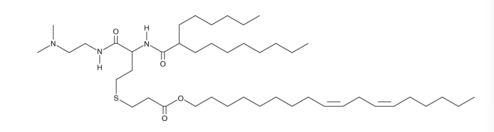
| DC66648 | CP-LC-1143 |
Lipid CP-LC-1143 is an ionizable cationic amino lipid derived from homocysteine, a naturally occurring amino acid. This lipid has demonstrated an efficient delivery and high protein expression of different kinds of RNA (mRNA, cRNA and saRNA) in vivo, with no signs of toxicity.
More description
|
|
| DC65620 | cKK-E15 |
cKK-E15 is an ionizable cationic lipid and a derivative of cKK-E12 that has been used in the generation of lipid nanoparticles (LNPs).1 LNPs containing cKK-E15 and encapsulating Cre mRNA induce the expression of Cre in Kupffer cells, endothelial cells, and hepatocytes in Ai14 mice engineered to express the fluorescent protein tdTomato upon translation of Cre.
More description
|

|
| DC65622 | 306Oi9-cis2 |
306Oi9-cis2 is an ionizable cationic lipid.
WARNING This product is not for human or veterinary use.
More description
|

|
| DC65623 | Lipid AX4 |
Lipid AX4 is an ionizable cationic lipid (pKa = 6.89) that has been used in the formation of lipid nanoparticles (LNPs) for the delivery of mRNA in vivo.
More description
|

|
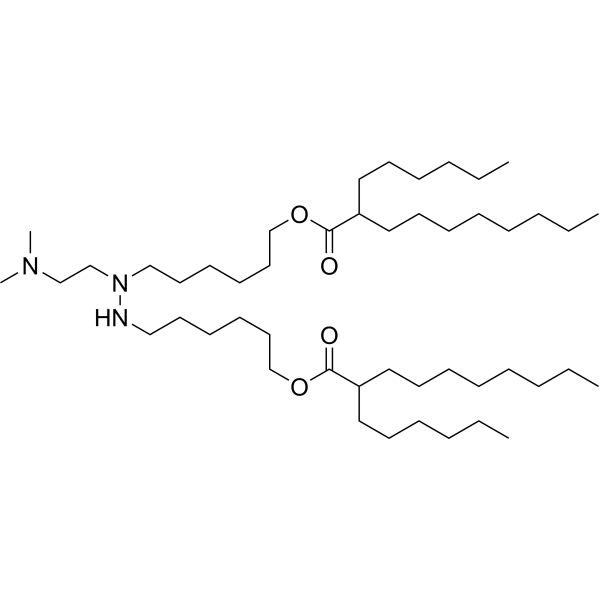
| DC65439 | LNP Lipid-6 |
LNP Lipid-6 (Compound Lipid 5) is an ionizable lipid (amino lipid). LNP Lipid-6 can be used to prepare lipid nanoparticles (LNP).
More description
|
|
| DC65437 | LNP Lipid-2 |
LNP Lipid-2 is a lipid product can be used to deliver agents.
More description
|

|
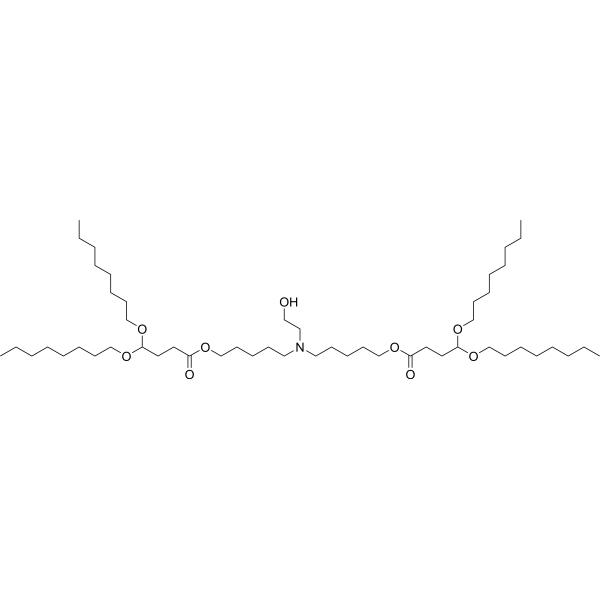
| DC65438 | SM-102 Analog 2(Compound 8-8) |
SM-102 Analog 2(Compound 8-8) is a lipid compound. SM-102 Analog 2(Compound 8-8) is involved in the synthesis of lipid nanoparticles compositions. SM-102 Analog 2(Compound 8-8) has potential applications in the transportation of biologically active substances.
More description
|
|
| DC60215 | Moderna Lipid 29 Featured |
Lipid 29 is an ionizable amino lipid (pKa = 6.91) from Moderna platform that has been used in combination with other lipids in the formation of lipid nanoparticles (LNPs).Administration of human erythropoietin (EPO) mRNA in lipid 29-containing LNPs increases serum EPO levels in mice.
More description
|

|
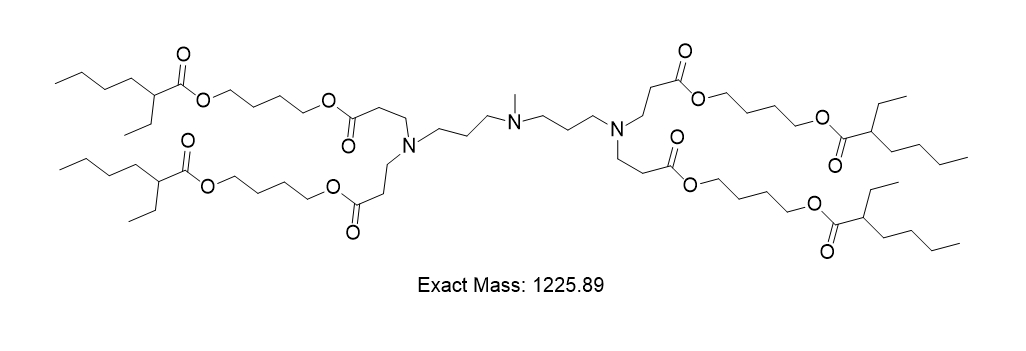
| DC60579 | Lipid B3 Featured |
Lipid B3 is a biodegradable ionizable lipid for liver targeted delivery. Lipid B3-LNP shows high delivery efficacy and low toxicity in delivering RNA to liver cells.
More description
|
|
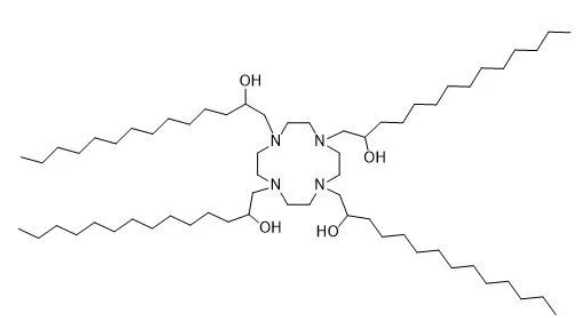
| DC60842 | Lipid H7T4-4 Featured |
H7T4-4 is an ionizable lipid designed for mRNA delivery via lipid nanoparticles (LNPs). It features a cyclic amine headgroup (derived from cyclen tetrahydrochloride) and four C14 hydrophobic alkyl tails, synthesized through a Michael addition reaction between cyclen and 1,2-epoxytetradecane. With a high transition temperature (Tm = 58.6°C) due to strong intermolecular interactions from its cyclic headgroup and multi-tail structure, H7T4-4 alone forms rigid aggregates incompatible with mRNA encapsulation. However, when blended with low-Tm helper lipids (e.g., DOPE, Tm = -16°C), the system’s overall Tm decreases, enabling stable LNP formation. Optimized formulations (20% H7T4-4, 41% DOPE, 38% cholesterol, 1% DMG-PEG) exhibit efficient mRNA encapsulation (>90%) and transfection. Structural analyses (SAXS, cryo-TEM) confirm monodisperse LNPs with lamellar/hexagonal phases. In vivo, H7T4-4 LNPs show tumor-targeted and intranasal mRNA delivery with reduced off-target accumulation compared to SM-102-based LNPs. This rational design highlights Tm-guided helper lipid selection to overcome rigidity challenges in ionizable lipids.
More description
|
|
| DC60800 | 18-2-9b2 Featured |
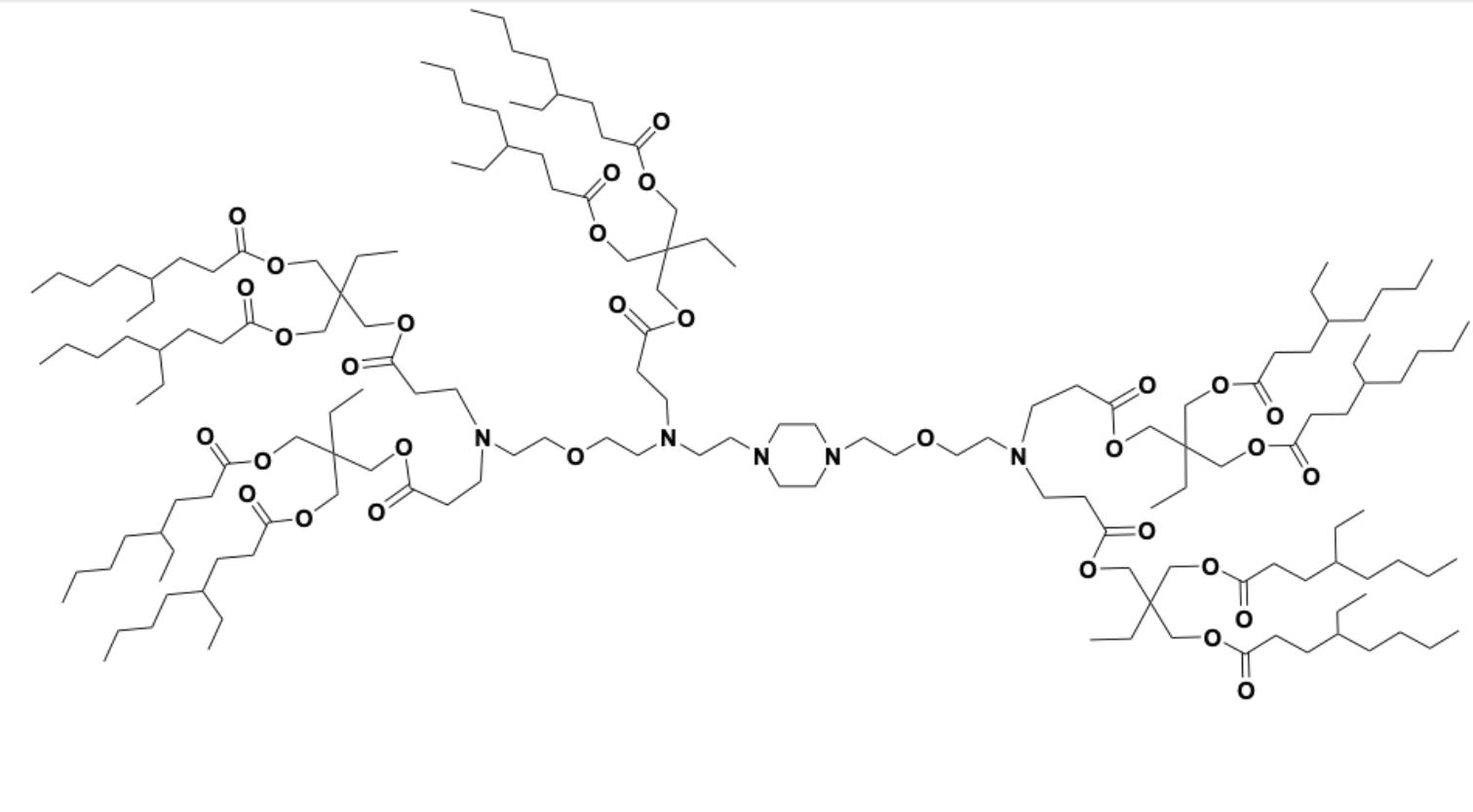
18-2-9b2 is a dendron-like degradable ionizable lipid which facilitates mRNA delivery to splenic macrophages. 18-2-9b2 LNP encapsulating therapeutic BTB domain and CNC homologue 1 (BACH1) mRNA exhibited proficient BACH1 expression and subsequent Spic downregulation in splenic red pulp macrophages (RPM) in a Spic-GFP transgene model.
More description
|
|
