 To enhance service speed and avoid tariff delays, we've opened a US warehouse. All US orders ship directly from our US facility.
| Cat. No. | Product Name | Field of Application | Chemical Structure |
|---|---|---|---|
| DC67837 | (S)-3-Amino-piperidine-2,6-dione hydrochloride Featured |
-3-Amino-piperidine-2,6-dione hydrochloride.gif)
|
|
| DC67842 | Tert-butyl 4-(4-aMino-3-Methoxyphenyl)piperazine-1-carboxylate Featured |
piperazine-1-carboxylate.gif)
|
|
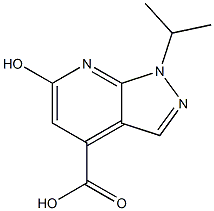
| DC67843 | 6-hydroxy-1-isopropyl-1H-pyrazolo[3,4-b]pyridine-4-carboxylic acid Featured |
|
|
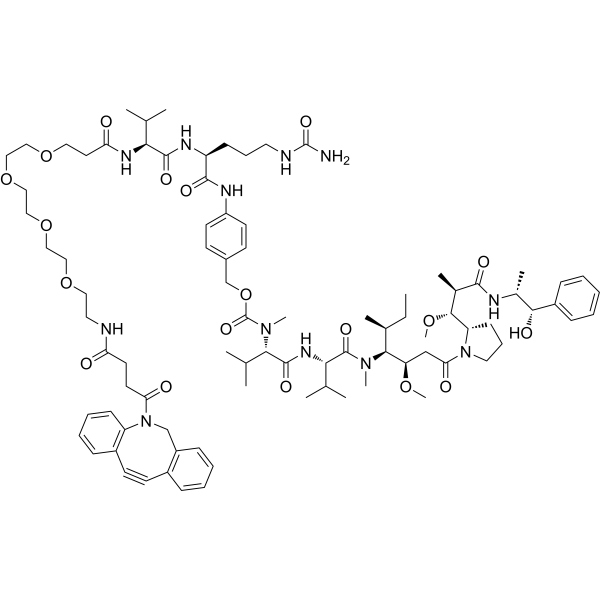
| DC67846 | DBCO-PEG4-VC-PAB-MMAE Featured |
DBCO-PEG4-VC-PAB-MMAE consists a ADC linker (DBCO-PEG4-VC-PAB) and a tubulin polymerization inhibitor MMAE (HY-15162). DBCO-PEG4-VC-PAB-MMAE can be used in the synthesis of antibody-agent conjugates (ADCs). MMAE is a synthetic derivative of dolastatin 10 and functions as a potent mitotic inhibitor by inhibiting tubulin polymerization. DBCO-PEG4-VC-PAB-MMAE is a click chemistry reagent, it contains a DBCO group that can undergo strain-promoted alkyne-azide cycloaddition (SPAAC) with molecules containing Azide groups.
More description
|
|
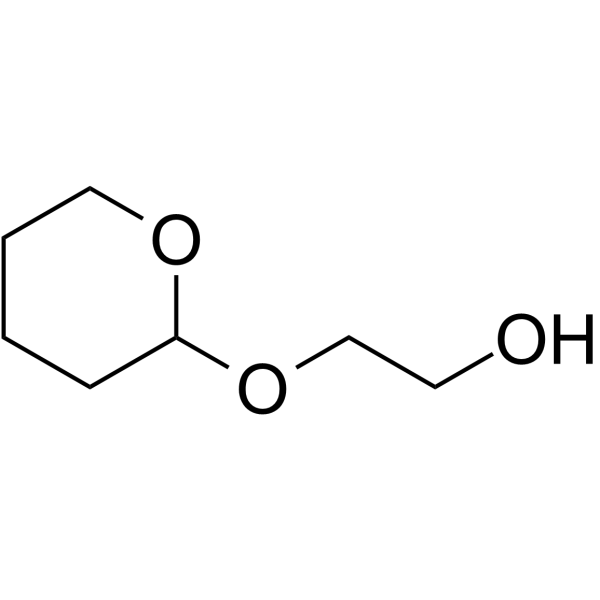
| DC44664 | THP-PEG1-alcohol Featured |
THP-PEG1-alcohol is a PEG-based PROTAC linker that can be used in the synthesis of PROTACs.
More description
|
|
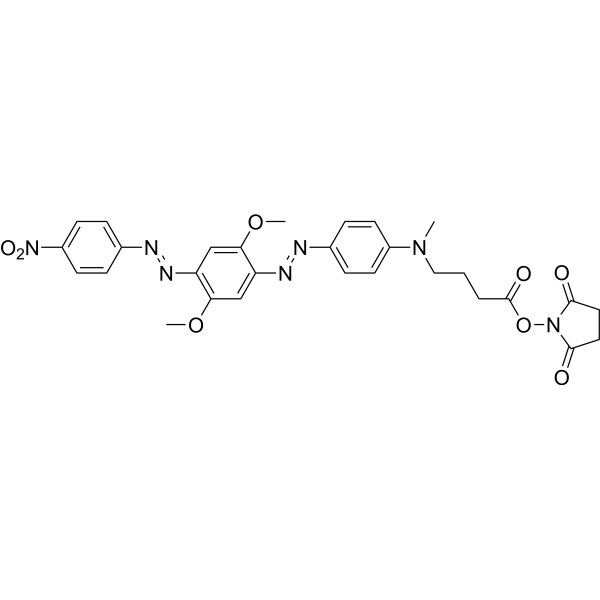
| DCC0967 | HCQ-2 NHS Featured |
HCQ-2 NHS is a dark quencher with no native emission due to the polyaromatic-azo backbone and a terminal NHS ester. UBHQ-2 NHS has a wide and intense quenching range from 560-670 nm, which makes it useful as an acceptor in fluorescence resonance energy transfer (FRET) applications in conjunction with orange to far-red emitting dyes. The NHS ester can be applied to label the primary amines (-NH2) of proteins, amine-modified oligonucleotides, and other amine-containing molecules.
More description
|
|
| DC70526 | JP-11646 Featured |
JP-11646 is a novel potent, selective, non-ATP competitive Pim2 inhibitor with IC50 of 0.5/1/24 nM for Pim2/3/1, respectively; shows less potency for other kinases in a kinase selectivity panel; exhibits 4-760-fold greater suppression of MM proliferation and viability than ATP-competitive PIM inhibitors; significant reduces tumor burden and increases median survival in xenogeneic myeloma murine models.
More description
|

|
| DC67664 | Allopole prodrug moiety Featured |
Allopole prodrug moiety is the prodrug form of Allopole.
More description
|

|
| DC67665 | Allopole-A-octyl diamine derivative Featured |
Allopole-A-octyl diamine derivative is the prodrug of Allopole-A.
More description
|

|
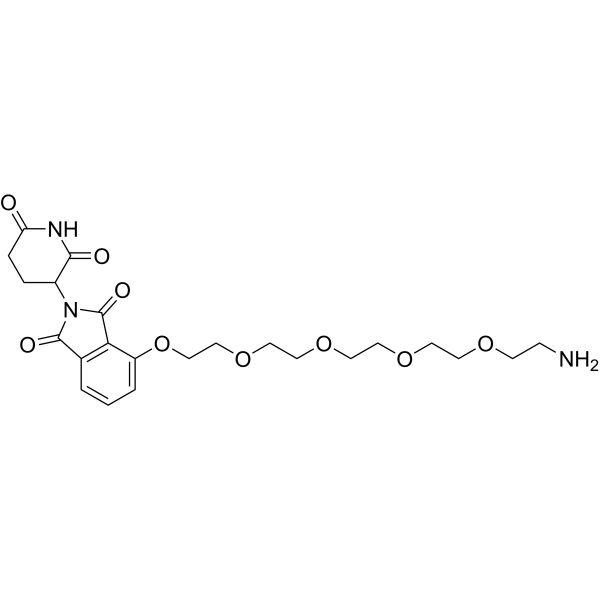
| DC67753 | Thalidomide-O-PEG4-amine Featured |
Thalidomide-O-PEG4-amine is a synthesized E3 ligase ligand-linker conjugate that incorporates the Thalidomide based cereblon ligand and a linker used in PROTAC technology.
More description
|
|
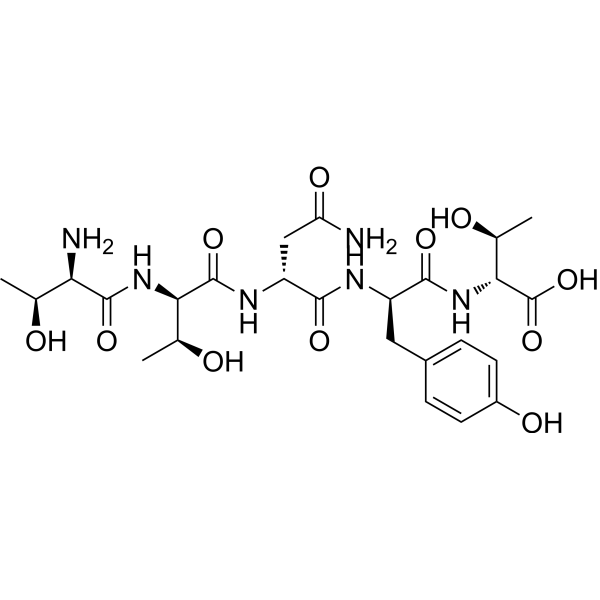
| DC73404 | RAP-103 Featured |
RAP-103 is an orally active, stabilized pentapeptide analog of DAPTA (D-ala-peptide T-amide), and multi-chemokine receptor antagonist.
More description
|
|
| DC67991 | Lenalidomide-acetamido-O-PEG3-C2-azide Featured |

|
|
| DC21550 | QD325 Featured |
QD325 is a potent redox modulator that induces Nrf2-mediated oxidative stress and unfolded protein responses in PDAC cells (IC50=0.9 uM).
More description
|

|
| DC74479 | Autotaxin-IN-8 Featured |
BSJ-05-037 is a potent and selective heterobifunctional degrader of ITK with DC50 of 17.6-41.8 nM in TCL lines DERL-2 and Hut78.
BSJ-05-037 induces potent degradation of ITK dependent on CRBN, neddylation, and the proteasome.
BSJ-05-037 induces GATA-3 loss and decreases chemotherapy resistance in vitro.
BSJ-05-037 disrupts TCR signaling, downregulates the Th2-associated transcription factor GATA-3, and can overcome chemotherapy resistance in TCL models in vivo.
More description
|

|
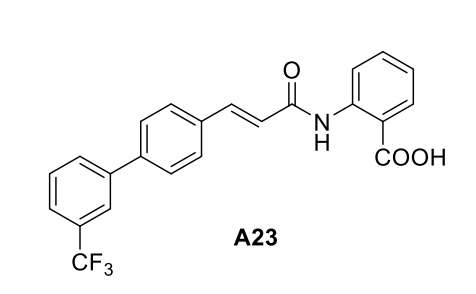
| DCC5248 | Trpm2 Inhibitor A23 Featured |
Novel selective inhibitor of the transient receptor potential melastatin 2 (TRPM2) channel, exhibiting TRPM2 selectivity over TRPM8 and TRPV1 channels as well as phospholipase A2 and showing neuroprotective activity in vitro, and significantly reducing ce
More description
|
|
| DC67521 | Lipid TD5 Featured |
TD5 is a brain-targeting lipid nanoparticle (BLNP) engineered for efficient mRNA delivery to the central nervous system (CNS) via intrathecal injection. It incorporates a tryptamine-derived ionizable lipid headgroup, myristic acid hydrocarbon tails, and a biodegradable carbonate ester linker, enabling pH-dependent mRNA encapsulation (81.7% efficiency) and brain cell-specific targeting. With a hydrodynamic diameter of 107.5 nm, near-neutral pKa (7.30), and mild positive charge, TD 5 demonstrates superior CNS tropism through serotonin receptor (5-HT1A)-mediated endocytosis. In vitro, TD-5 achieved 80.8% GFP expression in SH-SY5Y neuronal cells, outperforming MC3 LNPs by 50-fold. Following intrathecal administration in mice, TD-5 mediated GFP expression in 29.6% of neurons and 38.1% of astrocytes brain-wide, with 10-fold higher CNS specificity than peripheral organs. Genome editing studies showed TD5-delivered Cas9/sgRNA induced tdTomato activation in ≈30% of neurons and 40% of astrocytes across key brain regions. Safety profiling revealed minimal systemic immune responses (lower IL-6, IL-12p40 vs MC3 LNPs), normal hepatic/renal biomarkers, and no histopathological toxicity. The optimized structure balances myristic chain hydrophobicity for membrane interaction, ionizable amines for mRNA complexation, and tryptamine-mediated targeting for enhanced CNS uptake, establishing TD5 as a promising platform for CNS gene therapies.
More description
|

|
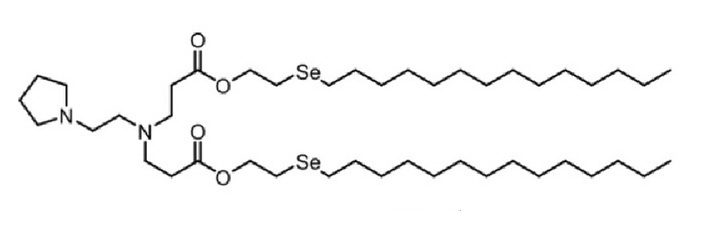
| DC60494 | 76-O17Se Featured |
76-O17Se is a lipidoid for the efficient delivery of antiCD19 mRNA CAR to murine primary macrophages. 76-O17Se is more efficient than delivery with lipofectamine 2000 (LPF2K) or MC3
More description
|
|
| DC68210 | Lipid CSL3 Featured |
CSL3 is a pH-switchable cationic lipid optimized for siRNA LNP delivery. Its core design features central pyridine and two ortho-methoxy groups, forming intramolecular hydrogen bonds under endosomal pH 5–6 to trigger conformational flip, which drives membrane fusion and efficient endosomal escape—an advantage absent in control lipid CSL4 without methoxy moieties. Formulated with DSPC, cholesterol and DMG-PEG2000 at a fixed molar ratio, CSL3-based LNPs achieve 85–95% siRNA encapsulation, uniform particle size and decent serum stability. In vitro tests show potent gene silencing with low cytotoxicity; in vivo intravenous administration enables obvious liver accumulation and dose-dependent Factor VII knockdown in mice, proving its great potential for hepatic RNAi therapeutic research.
More description
|

|
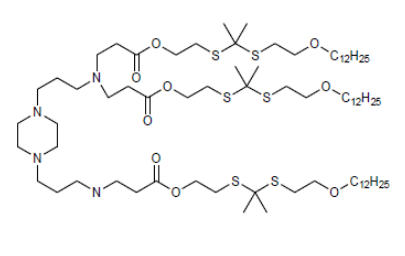
| DC82115 | BAMP-TK-12 Featured |
BAmP-TK-12 is a ROS-responsive ionizable lipid designed for tumor-cell mRNA delivery. It features a bis(aminopropyl)piperazine-derived ionizable headgroup and four C12 tails connected through cleavable thioketal linkers. In the reported study, BAmP-TK-12 achieved RFP expression in up to 95% of HeLa cells, comparable to Lipofectamine 3000, with lower cytotoxicity under the tested conditions. ROS-triggered linker cleavage supported intracellular mRNA release in high-ROS tumor cells. When formulated with DUF5 mRNA, the LNP suppressed tumor growth in HCT-116 and A549 xenograft models, supporting its use as a promising preclinical research lipid for stimulus-responsive mRNA delivery.
More description
|
|
| DC10282 | ML385 Featured |
ML385 is a novel and specific NRF2 inhibitor.
More description
|
|
| DC9970 | IDE-1 Featured |
IDE-1 induces definitive endoderm formation in mouse and human embryonic stem cells (ESCs) (EC50 = 125 nM).
More description
|

|
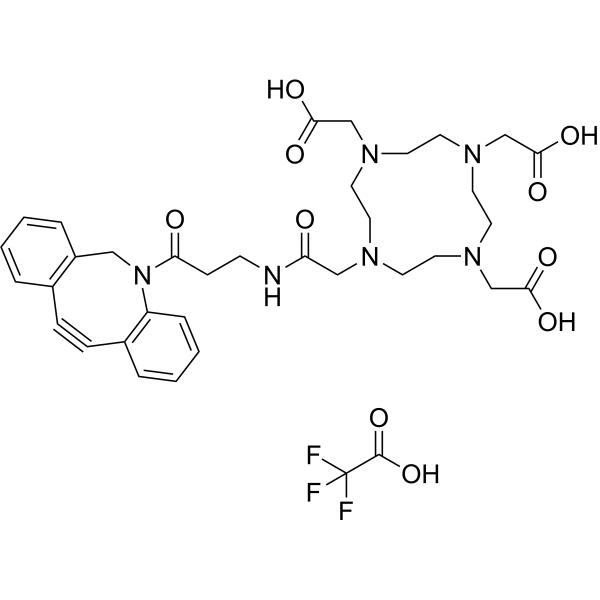
| DC60949 | DOTA-ADIBO TFA Featured |
DOTA-ADIBO TFA is a DOTA-derived bifunctional chelator (BFC) that allows drug conjugation via an uncatalyzed, copper-free cycloaddition reaction. DOTA-ADIBO TFA enables the construction of fusion chelator systems that can be further used to synthesize radiotracers after Cu[64] modification. Positron emission tomography imaging of tumors expressing integrin αvβ6.
More description
|
|
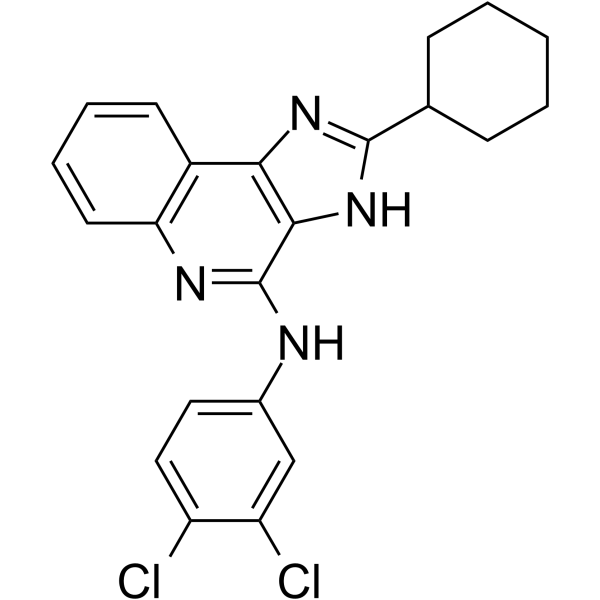
| DC22596 | LUF6000 Featured |
LUF6000 is a potent, selective, positive allosteric modulator (enhancer) of human A3 adenosine receptor, enhance Emax but without affecting agonist potency.
More description
|
|
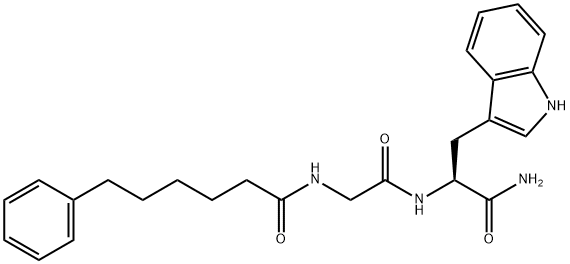
| DCC2223 | Gb-115 Featured |
Antagonist of central cholecystokinin receptors
More description
|
|
| DC68179 | A5-CE-C7-6 Featured |
A5-CE-C7-6 is an ionizable lipid engineered for spleen-targeted mRNA delivery, integrating a hydroxylated dual-amine core (A5) for enhanced mRNA binding and endosomal escape, a biodegradable carbonate ester linker (CE) enabling rapid hydrolysis (61% degradation in 24 h), and branched heptyl hydrophobic tails (C7-6) that optimize nanoparticle stability and spleen tropism. When formulated into cholesterol-free lipid nanoparticles (B-8 formulation), its unique architecture—combining hydroxyl groups for cellular uptake, carbonate-mediated biodegradability, and branched-chain fluidity—achieves unprecedented efficiency: low pKa (~6.0) minimizes liver accumulation while enabling 21% transfection of splenic NK cells, outperforming benchmark systems like MC3 SORT LNPs by >10-fold in spleen-specific delivery and establishing a new standard for in vivo immune cell engineering.
More description
|

|
| DC68214 | DSG-PEG3400-Mal Featured |
DSG-PEG3400-Mal is a conjugate composed of DSG, PEG chains, and maleimide (Mal). The maleimide group in DSG-PEG3400-Mal can undergo a specific Michael addition reaction with thiol-containing (-SH) biomolecules (such as peptides, antibodies, and aptamers), enabling targeted modification of liposomes/nanoparticles.
More description
|

|
| DC68215 | DSG-PEG3400-N3 Featured |
DSG-PEG3400-N3 is a conjugate composed of DSG, PEG chains, and terminal azido groups (-N3). DSG-PEG3400-Azide is a click chemistry reagent used for the targeted modification of liposomes/nanoparticles.
More description
|

|
| DC68057 | Lipid Trp-L1-T4 Featured |
Trp-L1-T4 is a novel tryptophan-derived ionizable lipid that serves as the core functional component of the optimized lipid nanoparticle (TLNP/RLNP) platform. Its primary function is to enable the efficient encapsulation and in vivo delivery of self-amplifying RNA (saRNA) cargo. Specifically, it facilitates high transfection efficiency and cytosolic release of the RNA payload in target follicular helper T (Tfh) cells, with minimal cytotoxicity. This capability is crucial for reprogramming pathogenic Tfh cells into regulatory CAR-Tfh cells, forming the foundation of the study's therapeutic strategy.
More description
|

|
| DC66606 | TYRA-300 Featured |
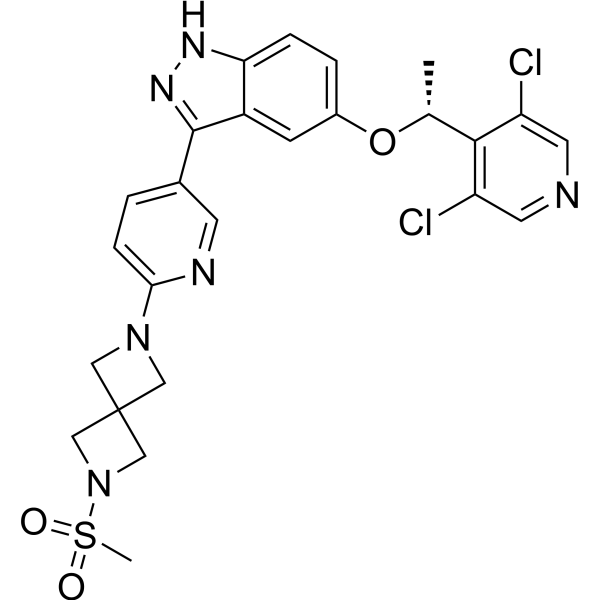
TYRA-300 is the first oral selective FGFR3 inhibitor with IC50 of 11 nM in Ba/F3 cells, and shows selectivity over FGFR1, FGFR2 and FGFR4 in Ba/F3 cells was 25-, 14-, and 36-fold, respectively. TYRA-300 demonstrates equivalent potency for FGFR3 WT and V555M/L gatekeeper mutations in enzymatic assays and in engineered RT112/84 and UM-UC-14 bladder cancer cell lines containing the V555M mutation.
More description
|
|
| DC31024 | SM-86(Lipid 5) Featured |
SM86 is a cationic, ionizable lipid developed by Moderna as a core component of its lipid nanoparticle (LNP) platform for mRNA therapeutic delivery.SM-086 is structurally optimized and analogous to SM-102 (used in Moderna’s COVID-19 vaccines), with modifications aimed at enhancing mRNA delivery efficiency and safety.SM-86 serves as the primary cationic lipid in three investigational mRNA therapies targeting rare metabolic disorders:mRNA-3927: Restores propionyl-CoA carboxylase activity in propionic acidemia (PA).
mRNA-3705: Delivers methylmalonyl-CoA mutase mRNA for methylmalonic acidemia (MMA).
mRNA-3210: Provides phenylalanine hydroxylase mRNA to treat phenylketonuria (PKU).
More description
|

|
